 英语
英语 西班牙语
西班牙语 德语
德语Industry News


GET IN TOUCH
+86-0523-83274900
+86-151 9064 3365
Content
Victaulic couplings work by mechanically joining two pipe ends through a grooved pipe connection, where a housing assembly clamps around machined grooves near each pipe end while an internal elastomeric gasket compresses against the pipe outer diameter to create a leak tight seal, all secured by bolts that draw the housing segments together. This mechanical grip and seal design allows the joint to accommodate axial movement, slight angular deflection, and vibration without relying on threading or welding, which is why systems such as Victaulic Couplings are widely used in fire protection, HVAC, and industrial piping systems where fast, reliable installation matters.
The sections below break down each component of the coupling, explain how the mechanical grip and seal work together, and cover the practical advantages this joining method offers over threaded or welded connections.
Understanding how the coupling works starts with the individual parts that come together to form the complete joint.
Before installation, each pipe end is either roll grooved or cut grooved to create a precise circumferential groove near the pipe end. This groove is the critical feature the coupling housing engages with, and its dimensions must match industry standard groove specifications to ensure proper fit and joint integrity.
The coupling housing typically consists of two or more curved metal segments, usually ductile iron, that wrap around the pipe ends at the groove location. Each housing segment has an internal key or lip designed to engage directly into the pipe groove, which is what physically locks the pipe ends together once assembled.
A synthetic rubber gasket sits between the two pipe ends inside the housing, positioned to seal against the outer surface of both pipes simultaneously. This gasket is the primary sealing element in the joint, and its material composition is selected based on the specific application, such as EPDM for water based fire protection systems or nitrile for oil based applications.
Bolts pass through matching lugs on the housing segments and, when tightened, draw the segments together around the pipe, compressing the gasket and engaging the housing key into the pipe groove to complete the mechanical connection.
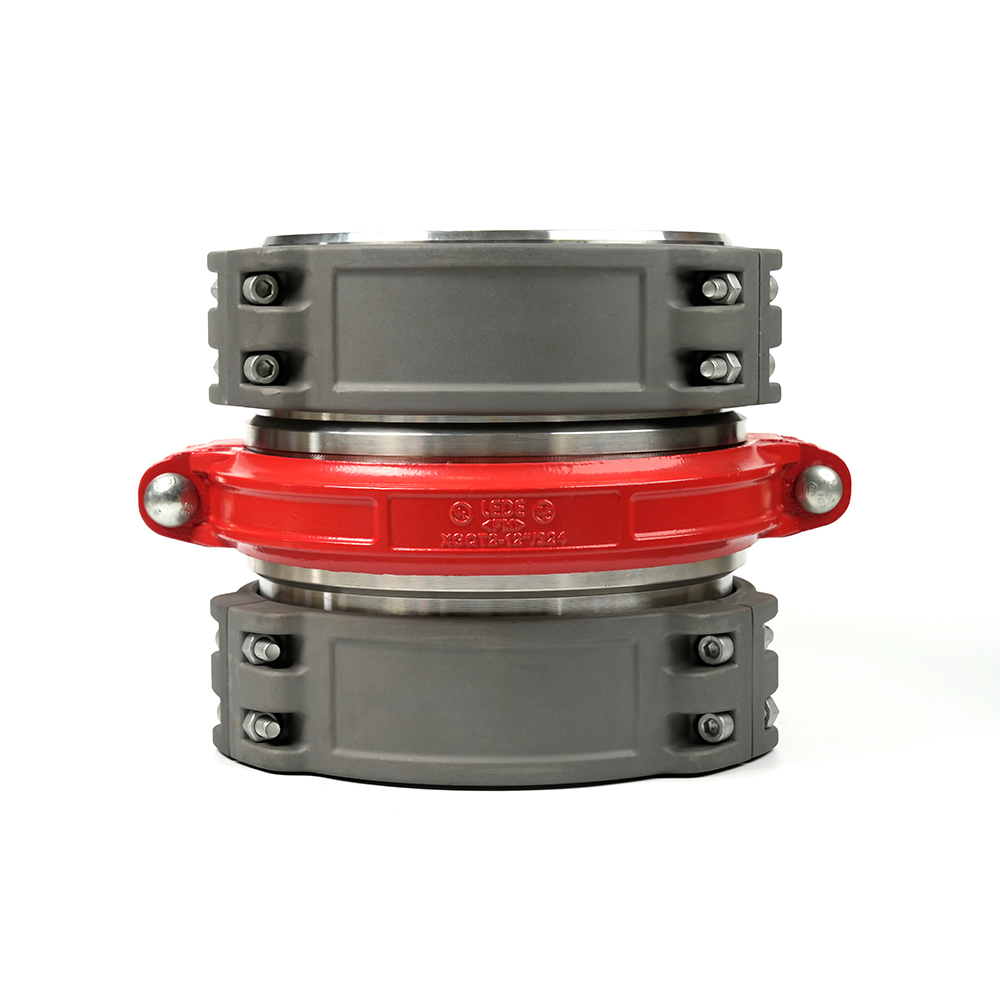
The installation sequence follows a consistent pattern that explains how the mechanical grip and seal are formed during assembly.
Manufacturers typically specify a target torque range for bolt tightening, and confirming metal to metal contact between the housing segments at the final assembly stage is a standard quality check used to verify the joint has been properly compressed.
The sealing mechanism in a grooved coupling works differently from threaded or flanged connections, and understanding this difference explains much of its practical advantage.
As internal system pressure increases, it pushes outward against the gasket, which actually enhances the sealing contact between the gasket lips and the pipe surface rather than working against the seal. This pressure assisted design is a key reason grooved couplings maintain reliable sealing performance across a range of operating pressures commonly found in fire protection and industrial piping systems.
Because the housing key engages the groove with a small amount of clearance rather than a rigid fixed connection, the joint can accommodate limited axial movement and angular deflection, which helps absorb thermal expansion, vibration, and minor pipe misalignment without transferring stress to the pipe wall itself.
| Joint Type | Installation Method | Movement Tolerance |
| Threaded connection | Requires pipe threading and torque application | Rigid, no movement tolerance |
| Welded connection | Requires skilled welding and inspection | Rigid, no movement tolerance |
| Grooved coupling connection | Mechanical assembly with bolts and housing | Accommodates axial and angular movement |
This flexibility is one reason grooved coupling systems are commonly specified in fire protection piping, where system layouts often need to accommodate building movement, seismic activity, and vibration from pumps or mechanical equipment over the life of the installation.
The precision of the groove itself has a direct effect on how well the coupling performs once installed.
Following correct groove dimensions specified for the pipe size and wall thickness is essential, since an incorrectly grooved pipe end can compromise the mechanical grip that couplings such as Victaulic Couplings depend on for reliable long term performance.
Victaulic couplings work through a combination of a machined pipe groove, a housing assembly that mechanically keys into that groove, and an elastomeric gasket that compresses to form a pressure assisted seal, all secured by bolted housing segments. This design allows for fast mechanical assembly while accommodating movement and vibration that rigid threaded or welded joints cannot absorb, which is why grooved coupling systems remain a standard choice for fire protection and industrial piping applications requiring both reliability and installation efficiency.
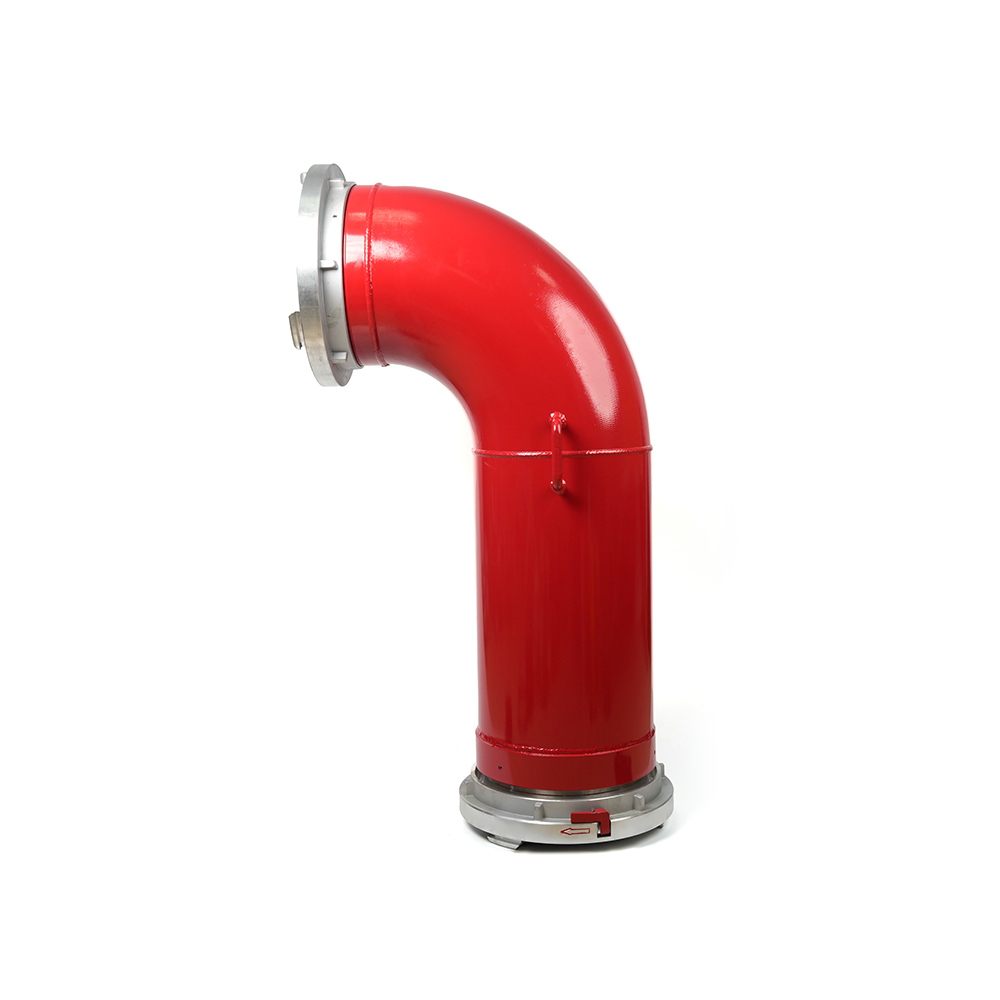 Grooved Fire Elbow-Storz
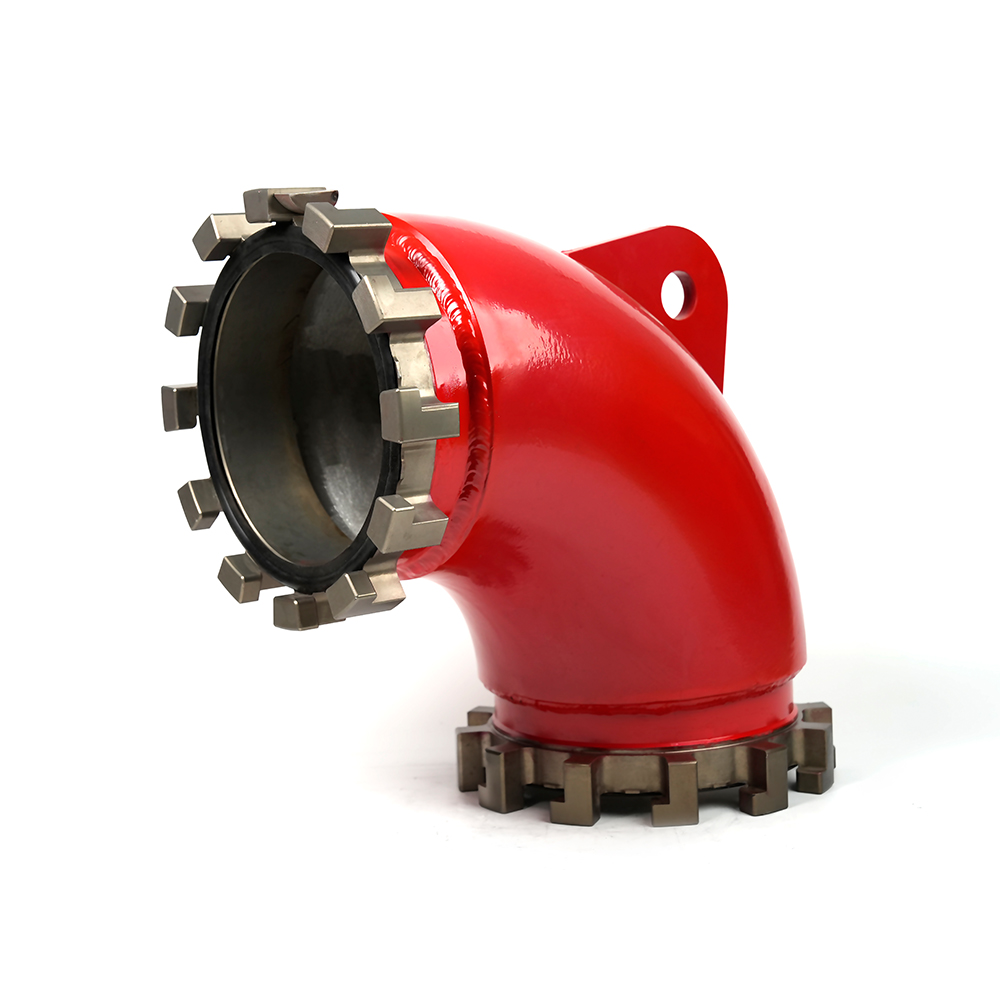 Grooved Fire Elbow-Multi-tooth
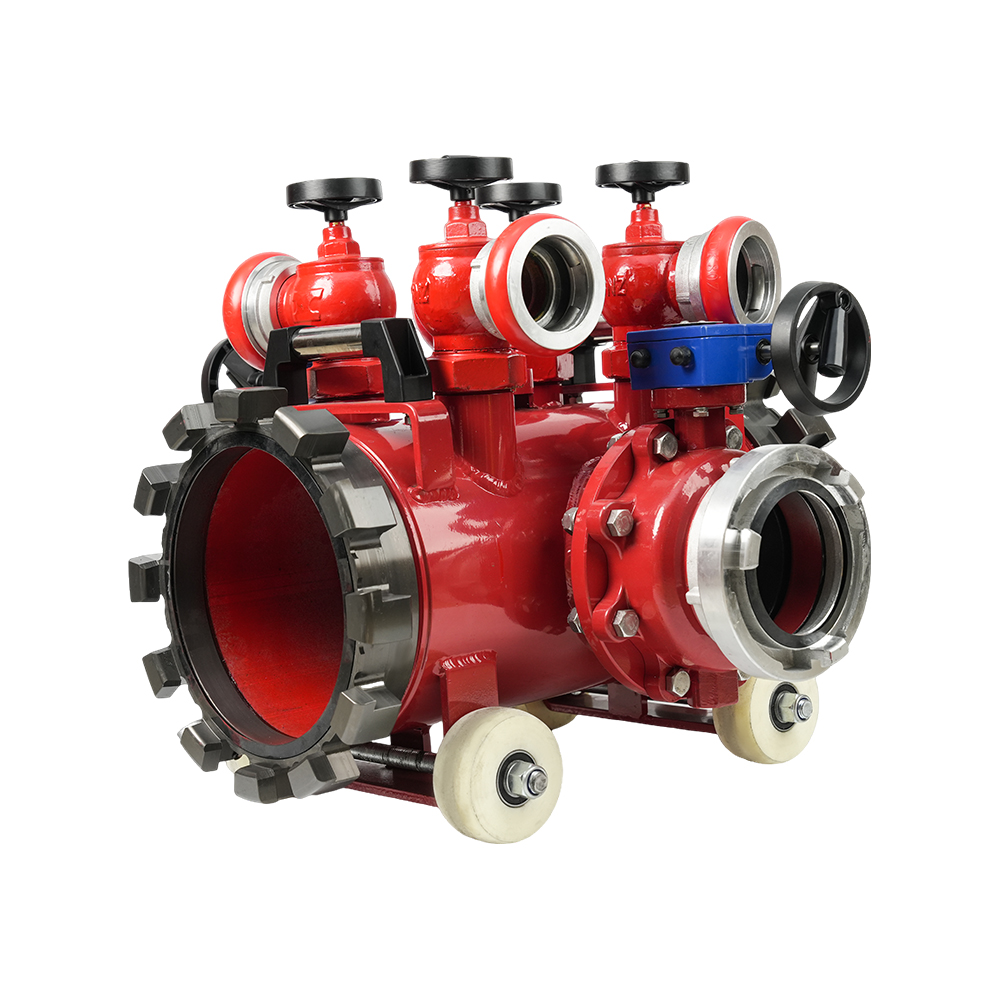 Multi-functional Fire Hose Distributor
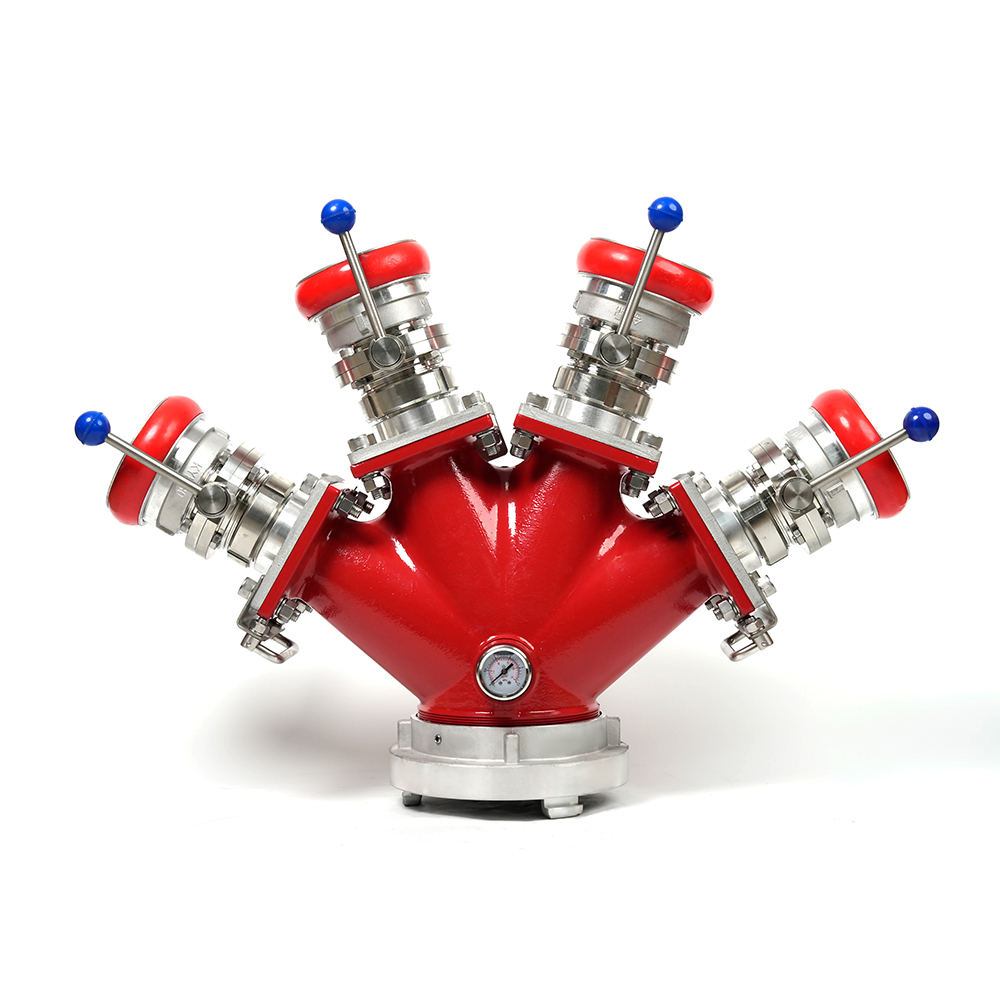 Locking Four-Way Fire Hose Distributor
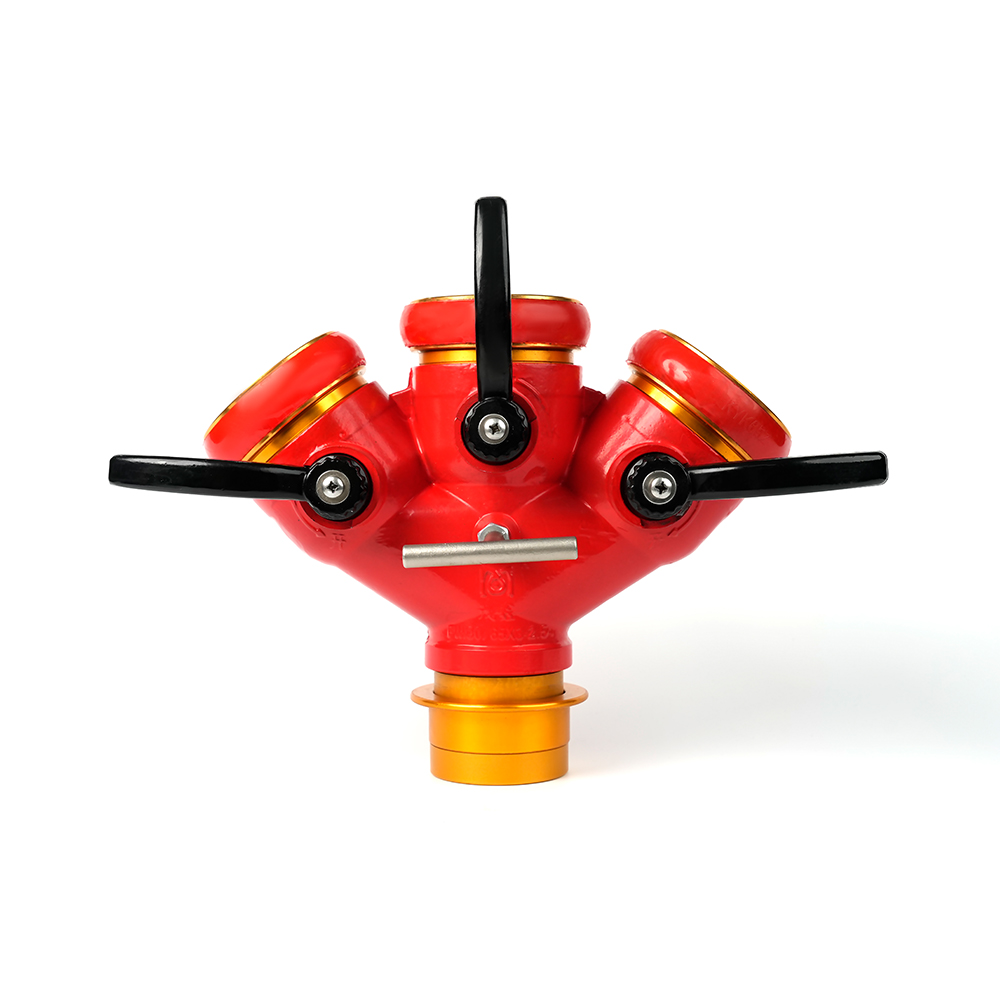 Locking Three-Way Fire Hose Distributor
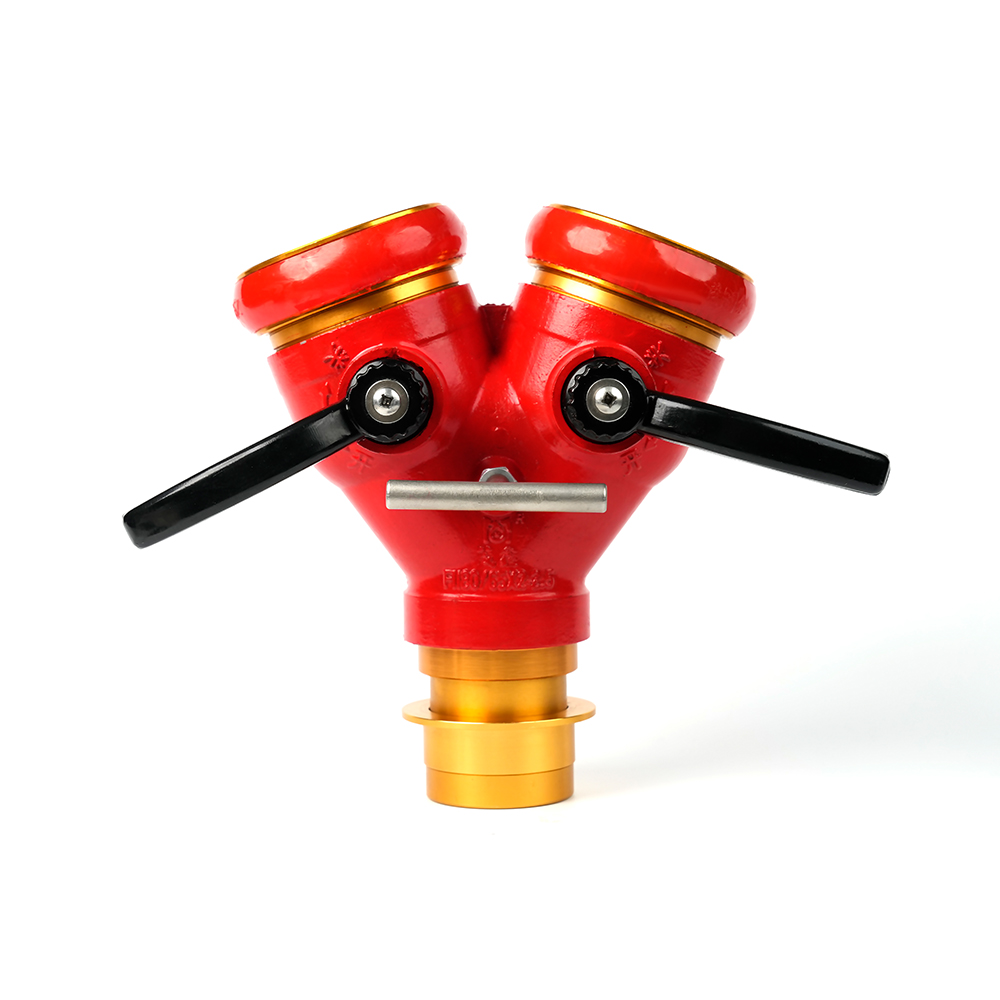 Locking Two-Way Fire Hose Distributor
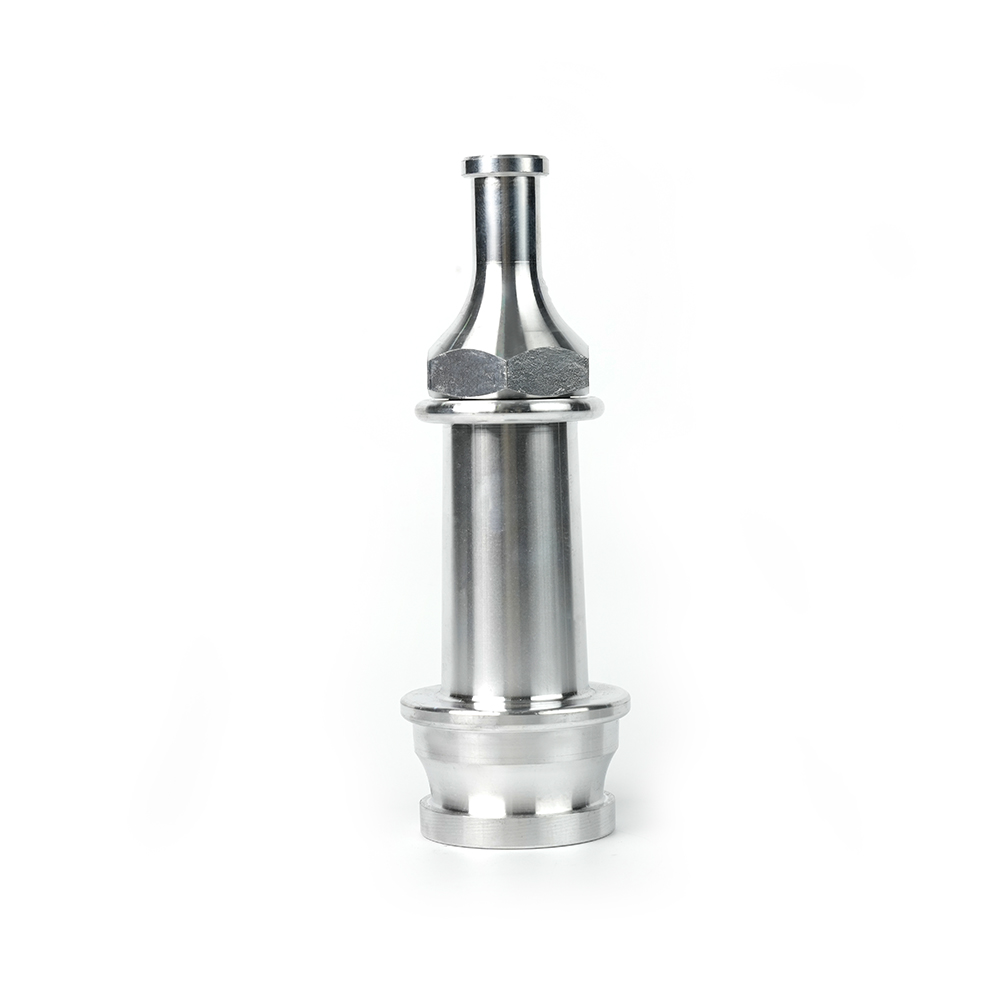 Straight Stream Nozzle
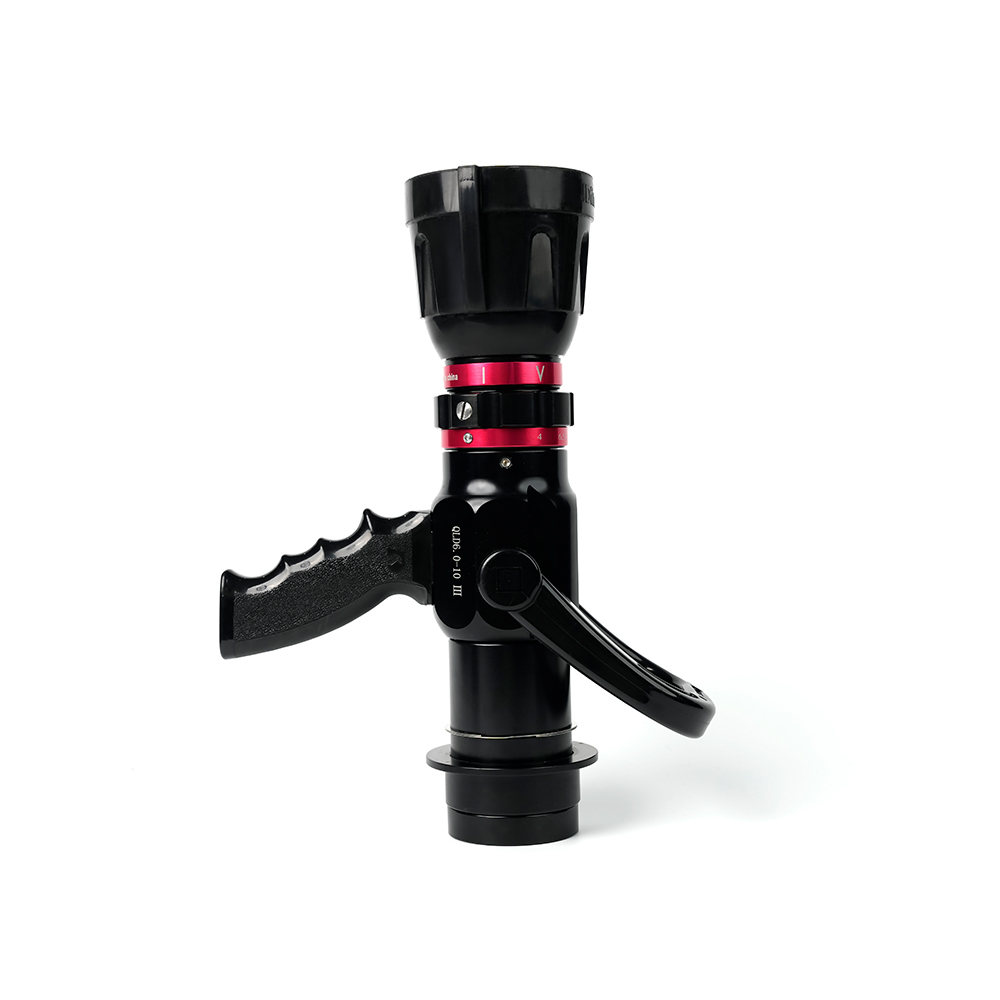 Adjustable nozzle-machino
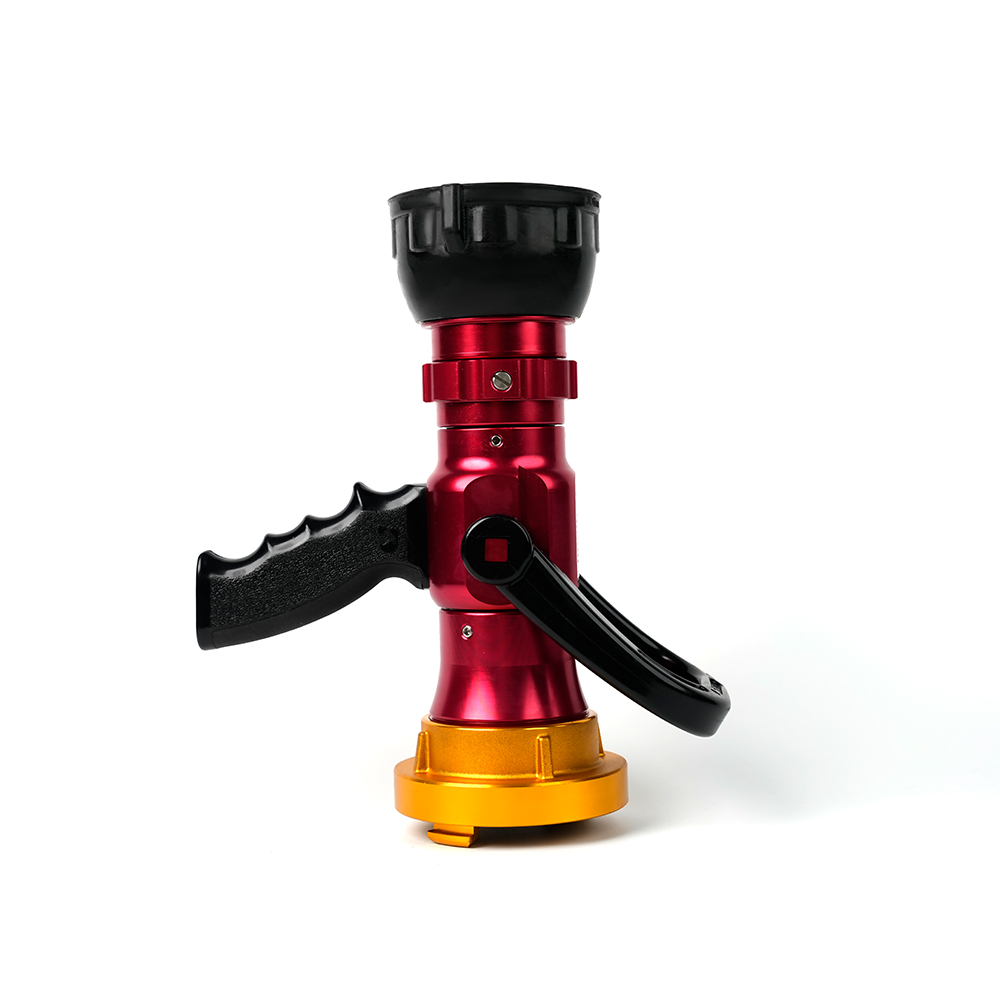 Adjustable nozzle-storz
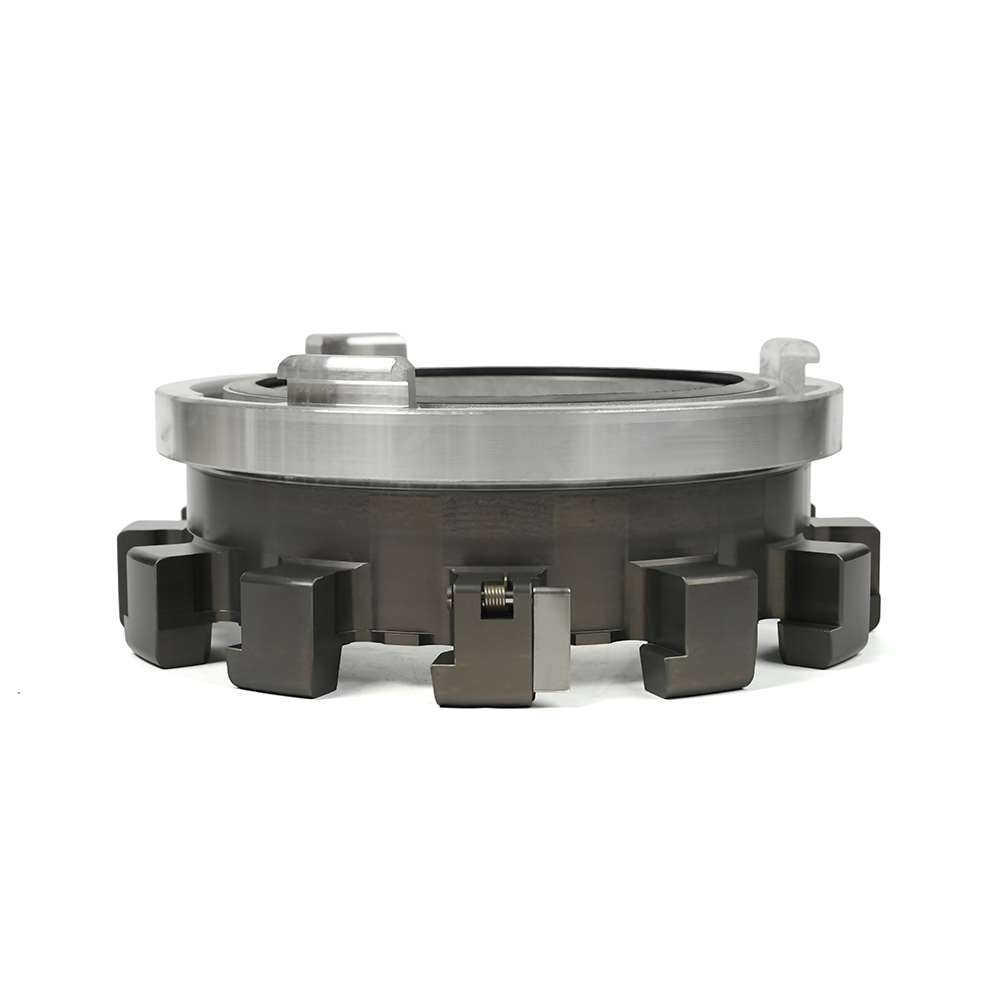 Storz Adapter Couplings - Multi-Tooth
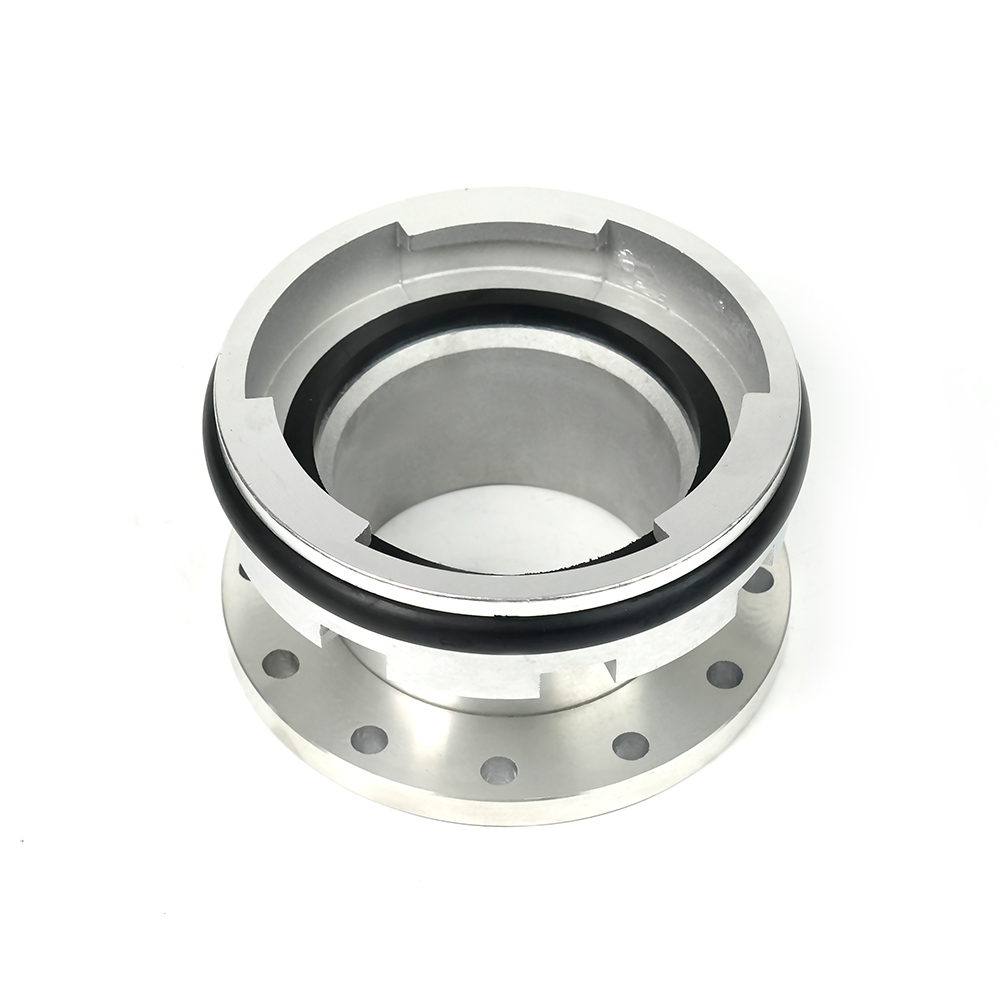 Machino Adapter Couplings – Flanged
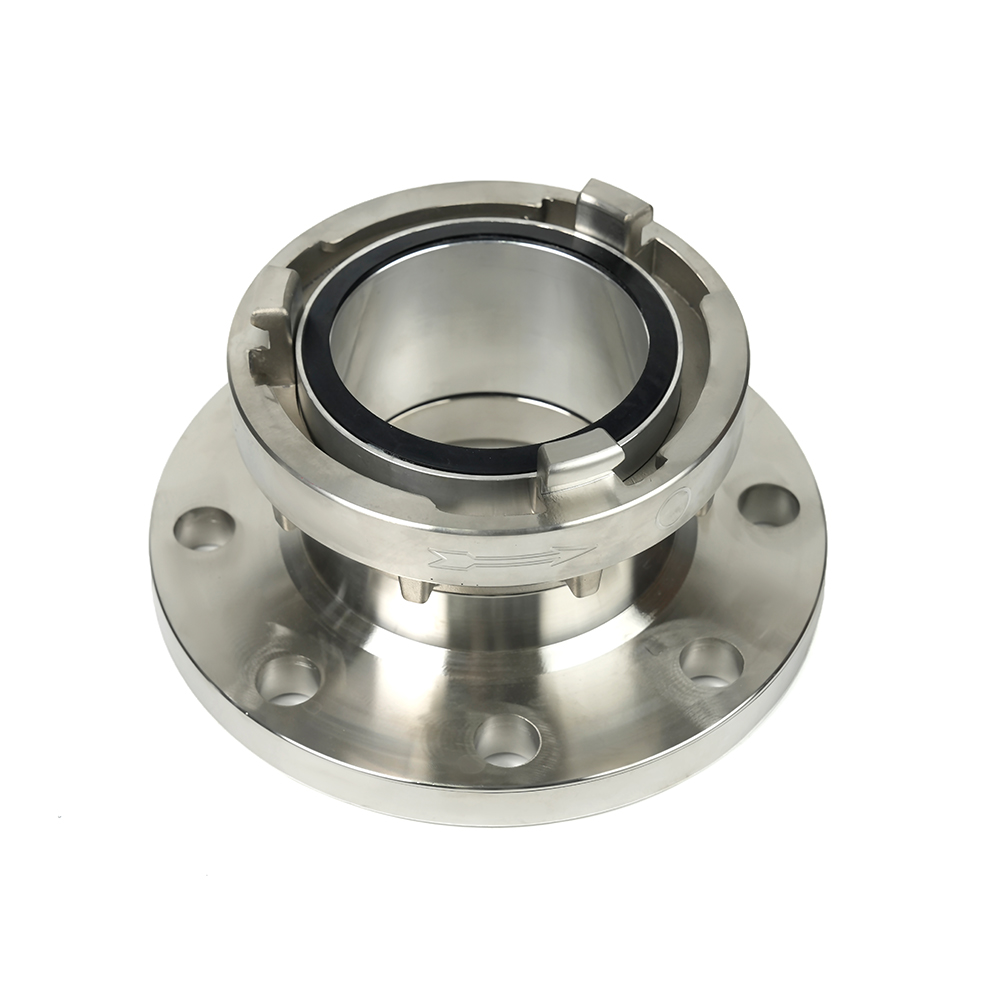 Storz Adapter Couplings – Flanged

 Contact Number
+86-0523-83274900
+86-151 9064 3365
 Let our team offer you customs solutions.
 Company Address
West side of Hongxing Middle Road, Lincheng Street, Development Zone, Xinghua City, Jiangsu Province, China
Copyright @Jiangsu Jinding Fire Protection Technology Co., Ltd. All rights reserved Fire Protection Equipments Manufacturers
