 英语
英语 西班牙语
西班牙语 德语
德语Industry News


GET IN TOUCH
+86-0523-83274900
+86-151 9064 3365
Content
The primary purpose of Multi-Tooth Couplings is to transmit high torque between two shafts while accommodating angular, radial, and axial misalignment — all within a compact, torsionally rigid mechanical connection. The multi-tooth design achieves this by distributing torque load across a large number of small, precisely formed teeth on the inner and outer coupling hubs, rather than concentrating stress at a single or limited number of contact points as conventional jaw or pin couplings do. The result is a coupling capable of handling extremely high torque-to-size ratios with minimal backlash, low vibration transmission, and long service life in demanding industrial drive applications.
Multi-Tooth Couplings consist of two hubs — one on each shaft — with precisely machined external teeth on one hub engaging with internal teeth on a surrounding sleeve or second hub. The number of engaged teeth is typically between 20 and 80 teeth per hub depending on the coupling size and design series, compared to the 3 to 6 contact elements of jaw or spider couplings. This multiplication of load-sharing contacts is the fundamental mechanism that gives multi-tooth couplings their characteristic combination of high torque capacity and mechanical compactness.
The teeth are typically crowned — slightly curved along their length — which allows the coupling to accommodate angular shaft misalignment of up to 1 to 1.5 degrees per coupling element without creating concentrated edge loading on the tooth flanks. A thin film of grease lubricates the tooth contact interface, which both reduces wear and allows the slight sliding motion that occurs during misalignment to be accommodated without generating excessive heat or noise. (Source: Machine Design Fundamentals, Shigley and Mischke, McGraw-Hill, 7th Edition)
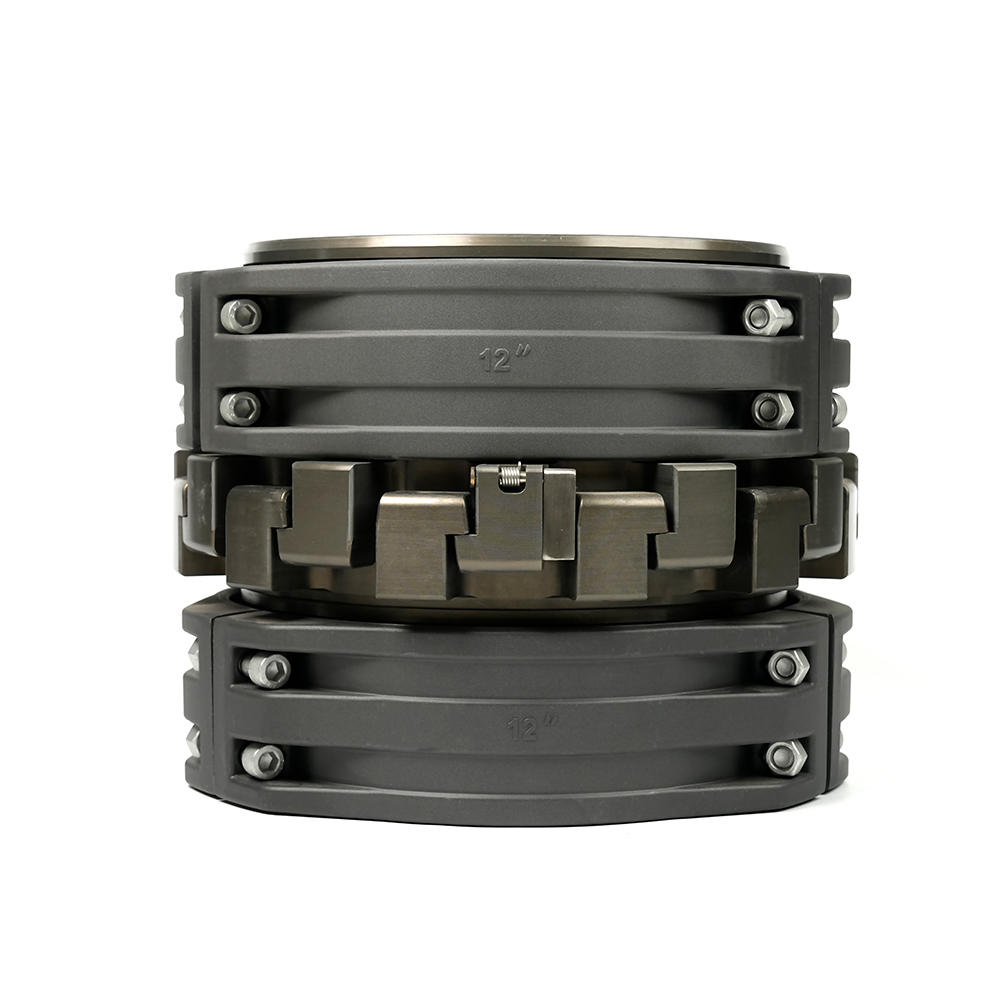
The core functional purpose of a multi-tooth coupling can be understood through three simultaneous requirements it meets that individually simpler coupling types cannot satisfy together:
Because torque is distributed across all engaged teeth simultaneously, multi-tooth couplings achieve torque ratings that far exceed what the coupling's physical size would suggest. A standard industrial multi-tooth coupling of 100 mm outer sleeve diameter can typically transmit rated torques of 2,000 to 5,000 Nm — a torque density that would require a jaw coupling of significantly larger diameter to match. This compactness is critical in machinery where shaft center distances are fixed by gearbox or motor dimensions that cannot be changed.
The theoretical basis for this performance is the Hertzian contact stress model applied to gear tooth contacts: by increasing the number of teeth while reducing individual tooth size, the load per tooth decreases proportionally, allowing the overall coupling to operate at lower contact stress levels for longer service life, or at higher torque within the same stress envelope. (Source: Shigley's Mechanical Engineering Design, Budynas and Nisbett, 10th Edition, McGraw-Hill, 2014)
Shaft misalignment is a practical reality in every real-world installation. Thermal expansion during operation, foundation settling, bearing wear, and manufacturing tolerances all contribute to shaft misalignment that cannot be fully eliminated. A multi-tooth coupling accommodates three types simultaneously:
| Misalignment Type | Definition | Typical Capacity (Standard Series) |
|---|---|---|
| Angular misalignment | Shaft centerlines meet at an angle | Up to 1.0 to 1.5 degrees per coupling half |
| Radial (parallel) misalignment | Shaft centerlines are parallel but offset | Up to 0.5 to 2.0 mm depending on size |
| Axial misalignment | Shafts shift along their common axis | Several mm of float accommodated within sleeve |
This simultaneous misalignment tolerance — especially the angular capacity — distinguishes multi-tooth couplings from rigid couplings that tolerate no misalignment and from flexible element couplings (such as elastomeric jaw couplings) that handle misalignment through element deflection rather than geometric accommodation. The multi-tooth approach accommodates misalignment through the crowned tooth geometry without significant increase in the forces transmitted to shaft bearings, which directly extends bearing service life in connected equipment. (Source: ISO 14691:2008, Petroleum, Petrochemical and Natural Gas Industries — Flexible Couplings for Mechanical Power Transmission)
Unlike elastomeric or disc-spring couplings that introduce torsional compliance into the drivetrain, a well-designed multi-tooth coupling is torsionally rigid — it transmits angular position changes from the driving shaft to the driven shaft with minimal angular delay or lost motion. This characteristic makes multi-tooth couplings the preferred choice in applications where precise angular synchronization is required, including:
The combination of high torque capacity, misalignment tolerance, and torsional rigidity makes multi-tooth couplings the standard selection in a specific set of high-demand industrial applications:
| Performance Factor | Multi-Tooth Coupling | Jaw (Spider) Coupling | Disc Pack Coupling | Rigid Coupling |
|---|---|---|---|---|
| Torque density (Nm per kg) | Very High | Moderate | High | High |
| Angular misalignment | Up to 1.5 degrees | Up to 1 degree | Up to 0.5 degrees | Near zero |
| Radial misalignment | Up to 2.0 mm (size dependent) | Up to 0.5 mm | Up to 0.3 mm | Near zero |
| Torsional rigidity | High | Low (elastomeric element) | High | Very High |
| Shock load capacity | High | Moderate (element absorbs shock) | Moderate | Low (transmits full shock) |
| Maintenance requirement | Periodic relubrication | Element replacement | Disc pack inspection | Minimal |
| Typical operating speed | Up to 10,000 rpm (size dependent) | Up to 6,000 rpm | Up to 15,000 rpm | Up to 6,000 rpm |
The comparison above shows that multi-tooth couplings deliver the best balance of torque capacity, misalignment tolerance, torsional rigidity, and shock load capability among mechanical coupling types. Disc pack couplings achieve higher speeds and equivalent torsional rigidity but at higher cost and with lower misalignment tolerance; jaw couplings absorb shock effectively but at much lower torque density and torsional stiffness.
Beyond their primary transmission function, multi-tooth couplings serve a secondary protective purpose: they act as a defined weak point in the drivetrain that fails predictably before more expensive connected equipment when overload torques are applied. By selecting a coupling with a rated torque appropriate to the normal operating load but below the failure torque of the shafts, gearbox, and driven equipment, the coupling becomes a replaceable fuse in the mechanical power path.
In practice, a properly specified multi-tooth coupling with a service factor applied to the peak torque requirement ensures that the coupling's teeth plastically deform or fracture at overload rather than transmitting destructive torque to gearbox gears, motor windings, or pump impellers — components whose repair or replacement costs are orders of magnitude higher than a coupling replacement. This protective function is explicitly recognized in ISO 14691 coupling service factor calculations. (Source: ISO 14691:2008, Section 6.3, Service Factors for Flexible Couplings)
Use multi-tooth couplings when your application meets any combination of the following criteria:
The JD Firetech Multi-Tooth Couplings are engineered to deliver the full performance range described above — high torque density, simultaneous misalignment tolerance, torsional rigidity, and extended service life — in a range of bore sizes and torque ratings to suit industrial drives from compact pump applications through high-power gearbox and turbomachinery connections. Their multi-tooth range is designed and manufactured to the dimensional and performance standards required for reliable long-term service in demanding continuous industrial duty.
| Purpose | What Multi-Tooth Couplings Deliver |
|---|---|
| Primary function | High torque transmission with simultaneous misalignment accommodation |
| Torque distribution mechanism | 20 to 80 crowned teeth sharing load simultaneously |
| Misalignment capacity | Angular to 1.5 degrees; radial to 2.0 mm; axial float within sleeve |
| Torsional behavior | Rigid — minimal backlash; accurate angular transmission |
| Secondary function | Overload protection — defined failure point below connected equipment limits |
| Service life | 20,000 to 50,000 hours with correct lubrication maintenance |
| Primary industries | Steel, cement, mining, power generation, petrochemical, marine, wind energy |
| Key governing standards | ISO 14691, API 671, AGMA 9000-C90 |
The conclusion: the primary purpose of Multi-Tooth Couplings is to connect rotating shafts with the highest possible torque transmission efficiency in the smallest possible physical envelope, while simultaneously tolerating the real-world shaft misalignments that every industrial installation involves. No other coupling principle achieves this combination of high torque density, misalignment capacity, and torsional rigidity within comparable physical dimensions — which is why multi-tooth couplings remain the dominant choice across the most demanding industrial power transmission applications worldwide.
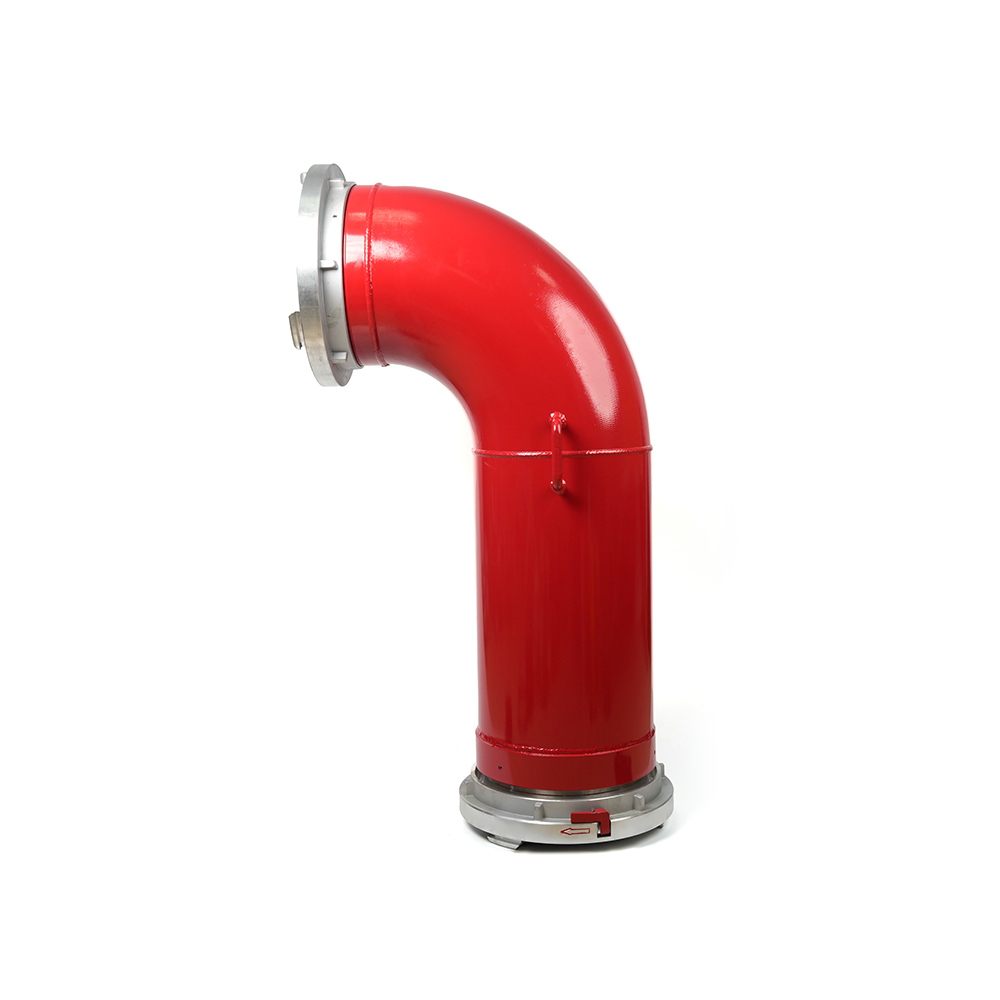 Grooved Fire Elbow-Storz
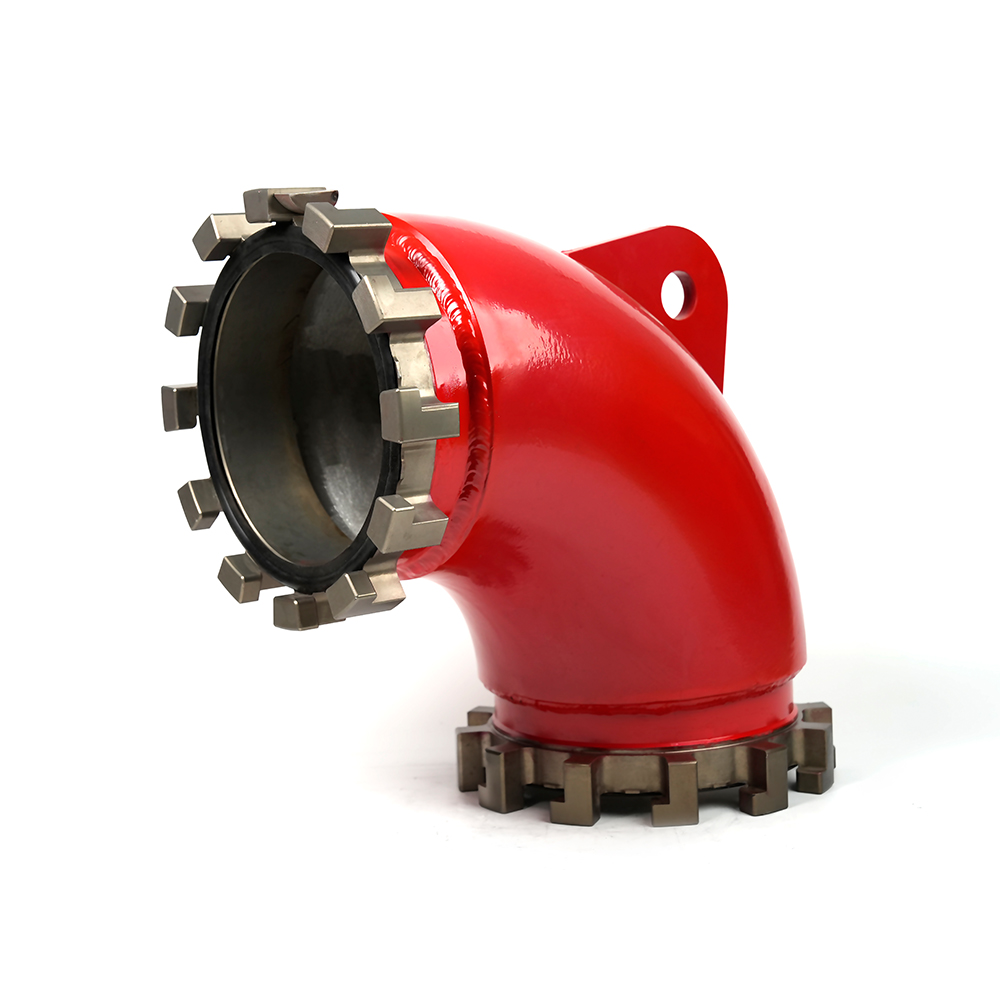 Grooved Fire Elbow-Multi-tooth
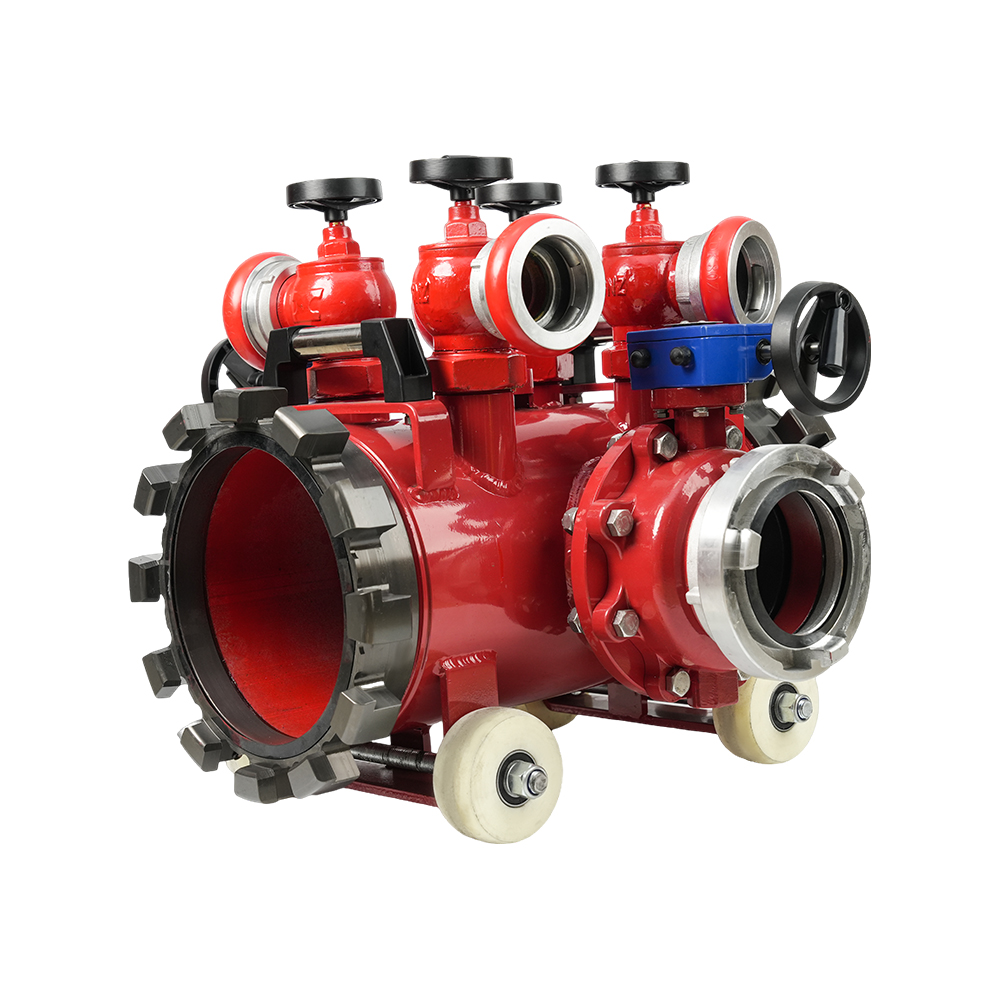 Multi-functional Fire Hose Distributor
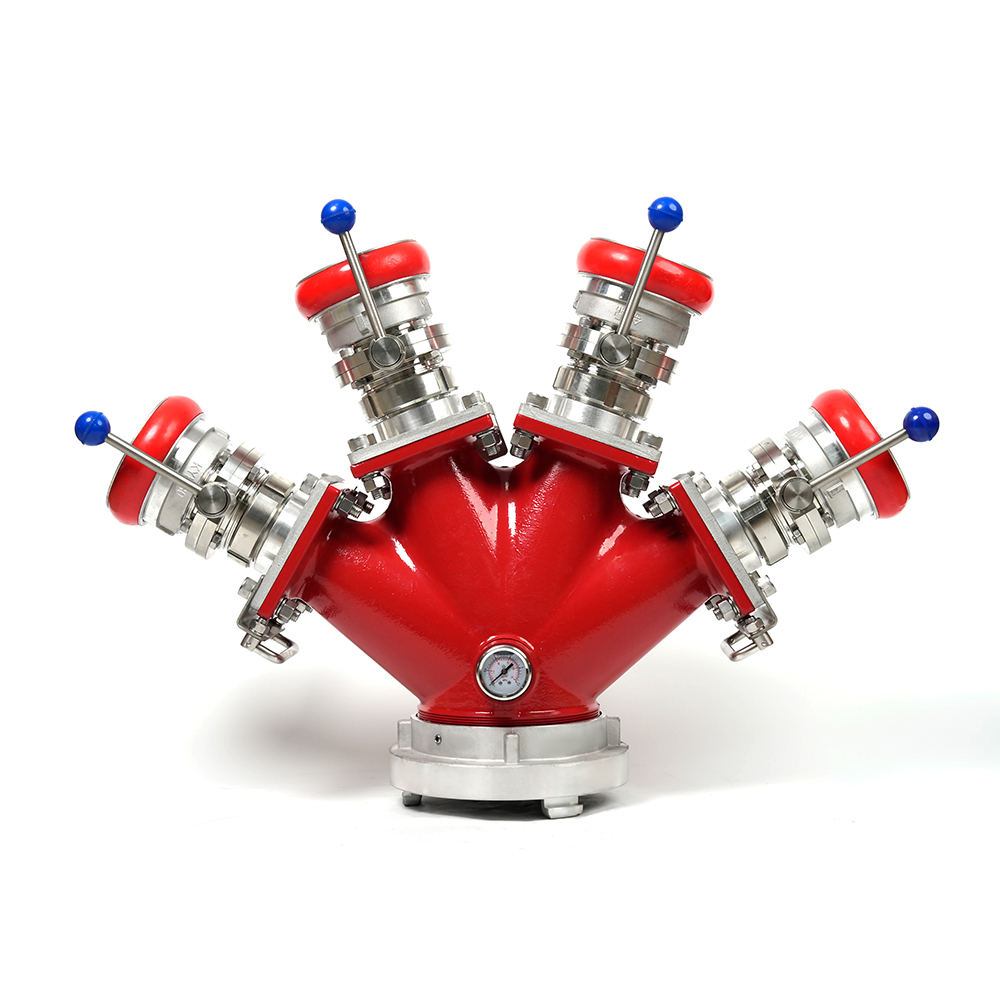 Locking Four-Way Fire Hose Distributor
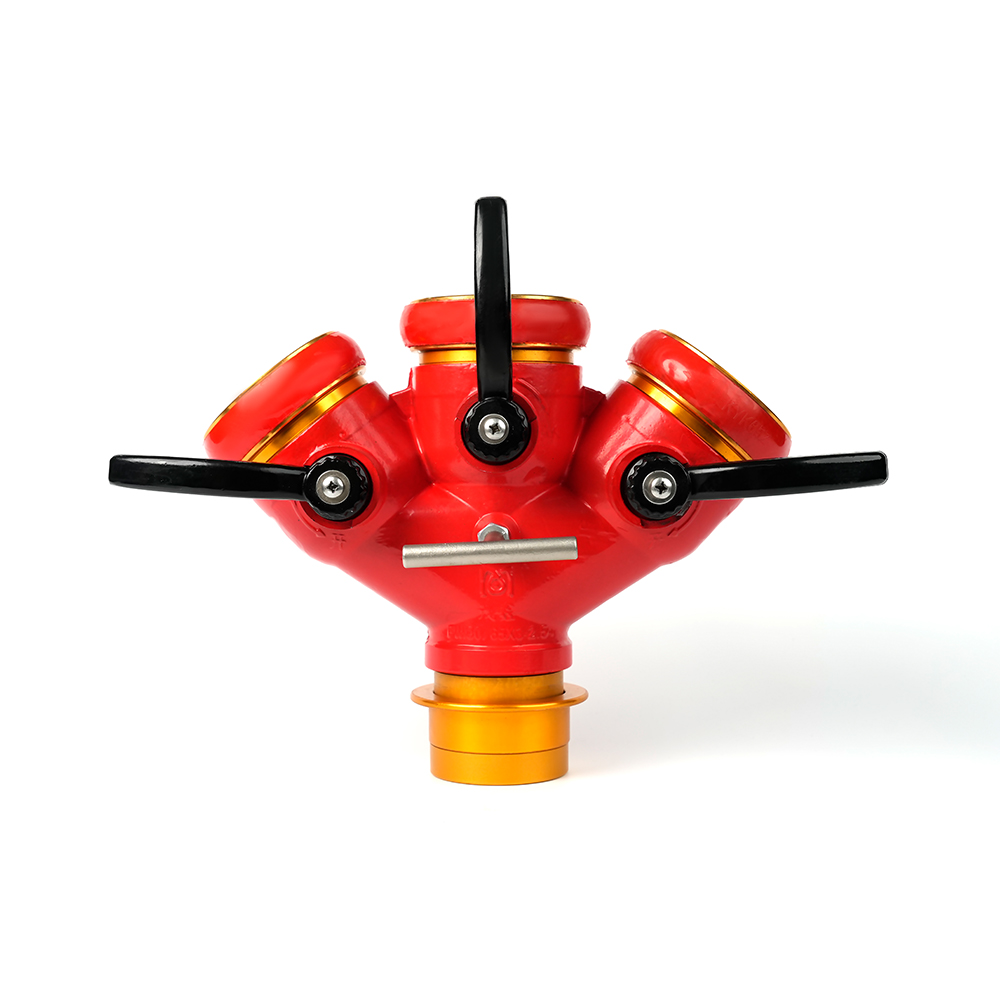 Locking Three-Way Fire Hose Distributor
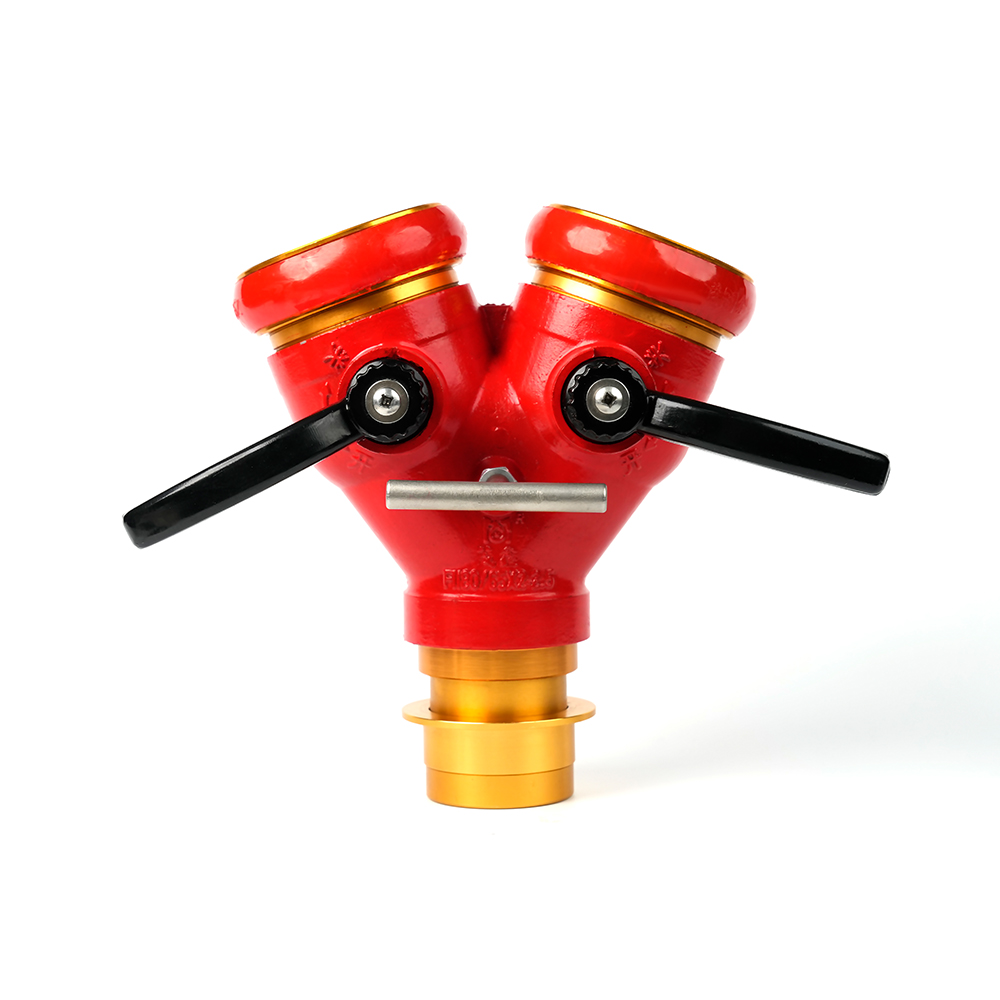 Locking Two-Way Fire Hose Distributor
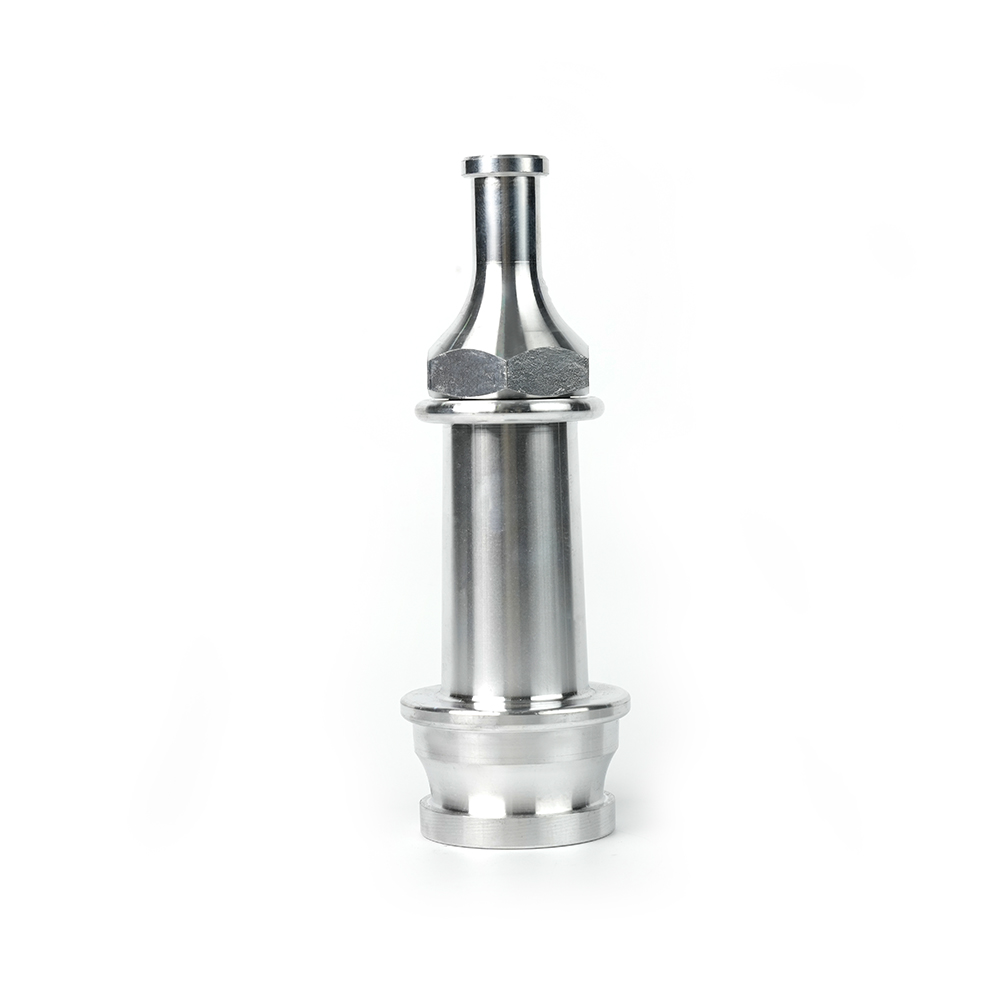 Straight Stream Nozzle
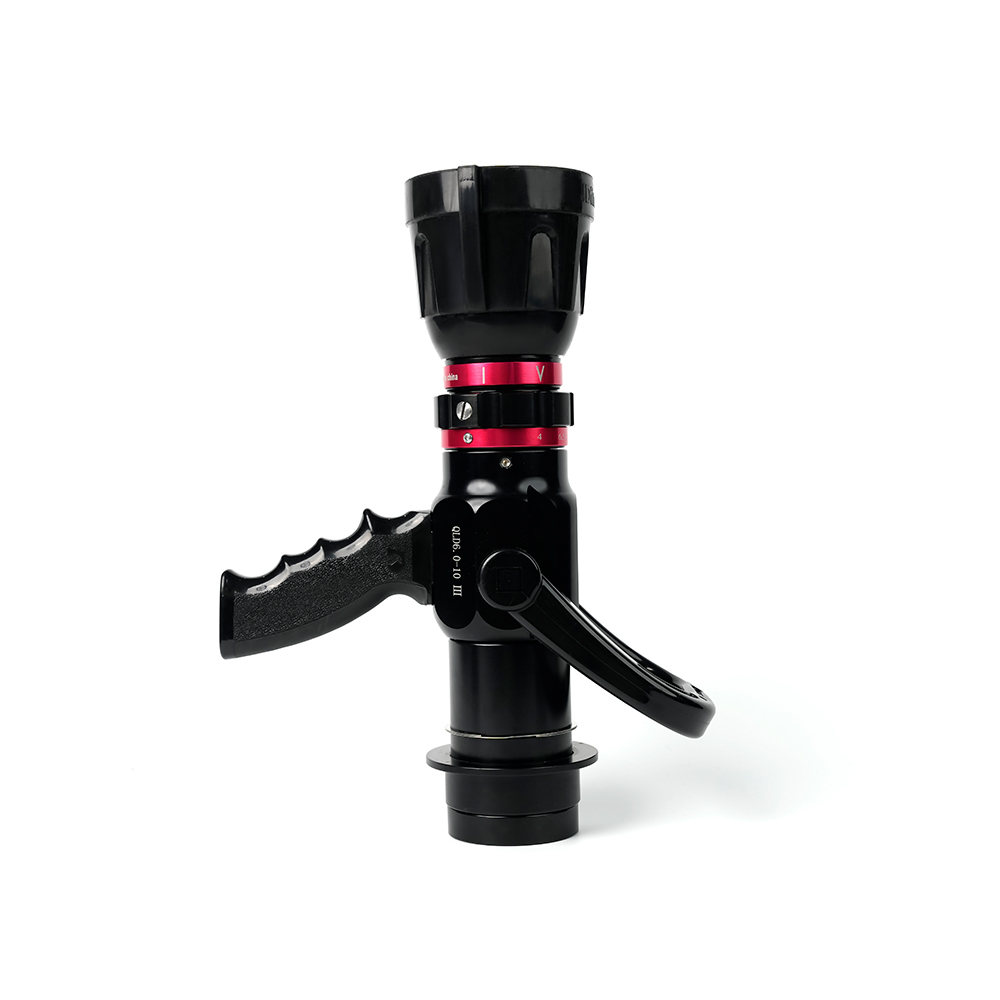 Adjustable nozzle-machino
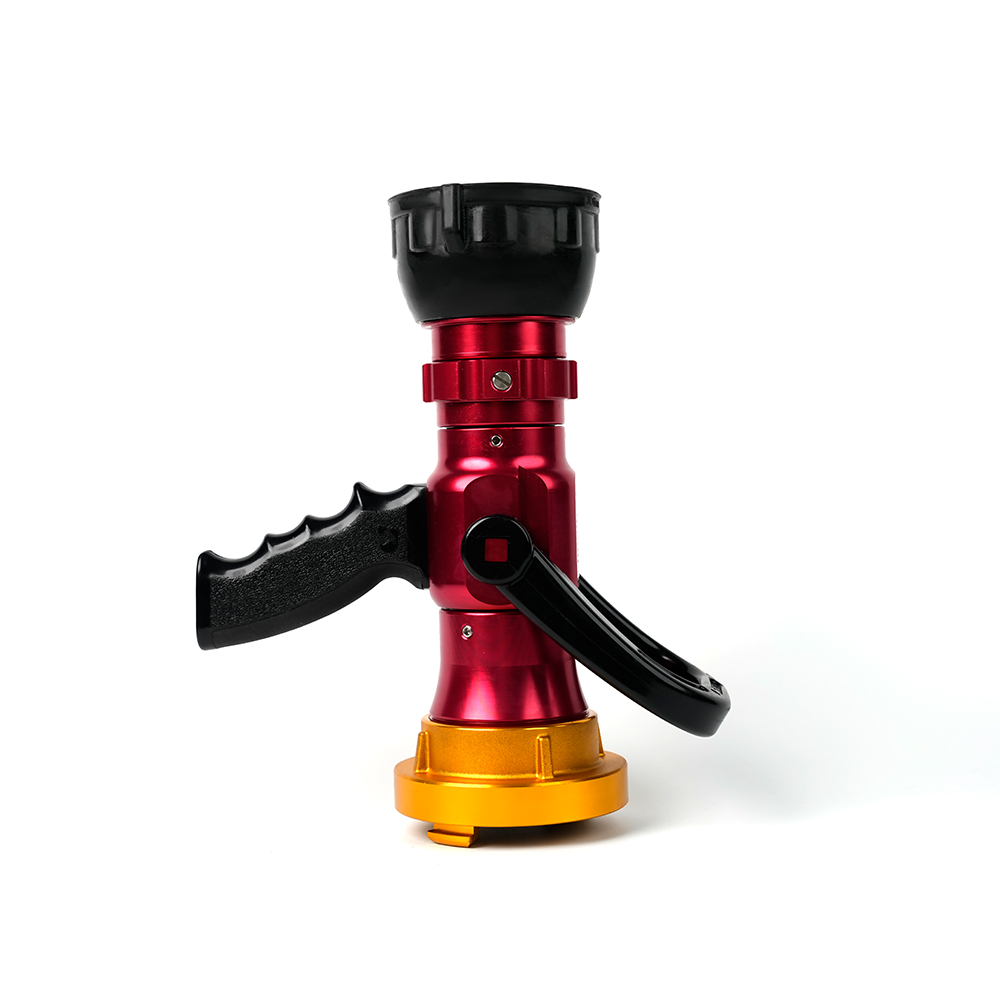 Adjustable nozzle-storz
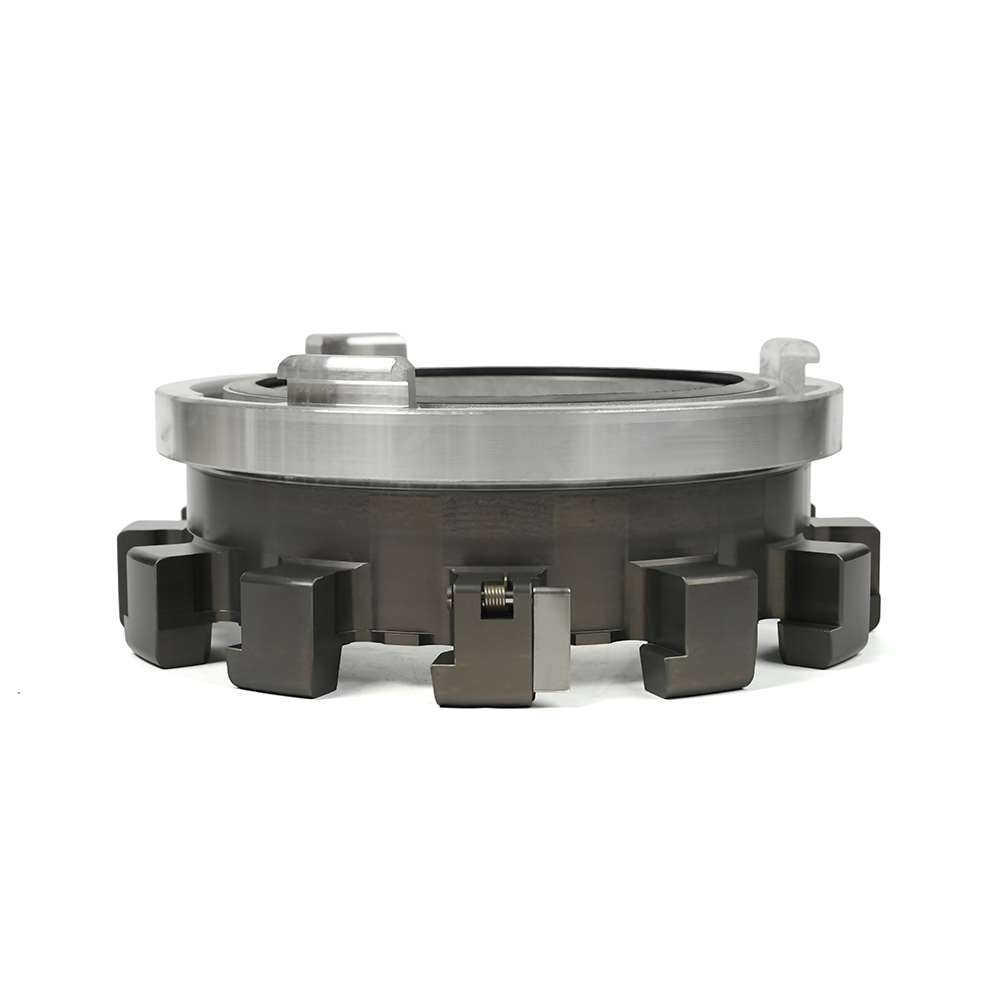 Storz Adapter Couplings - Multi-Tooth
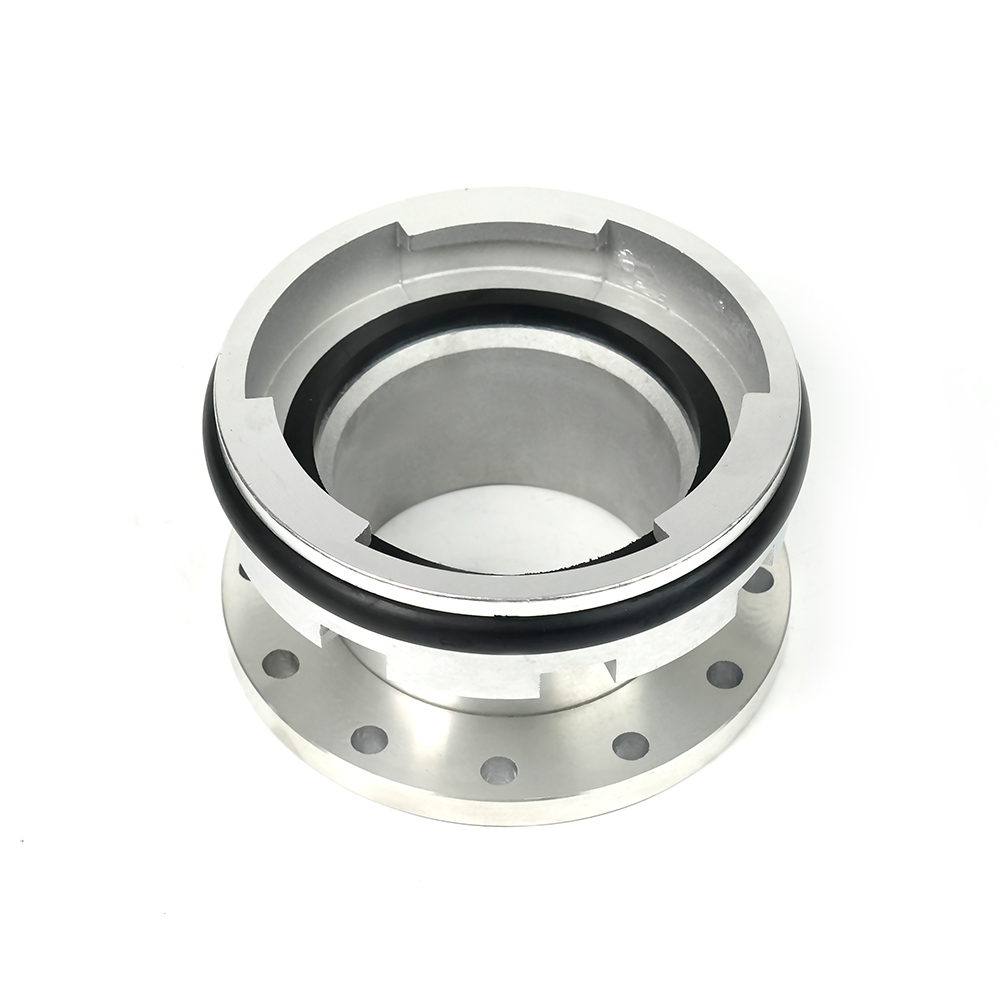 Machino Adapter Couplings – Flanged
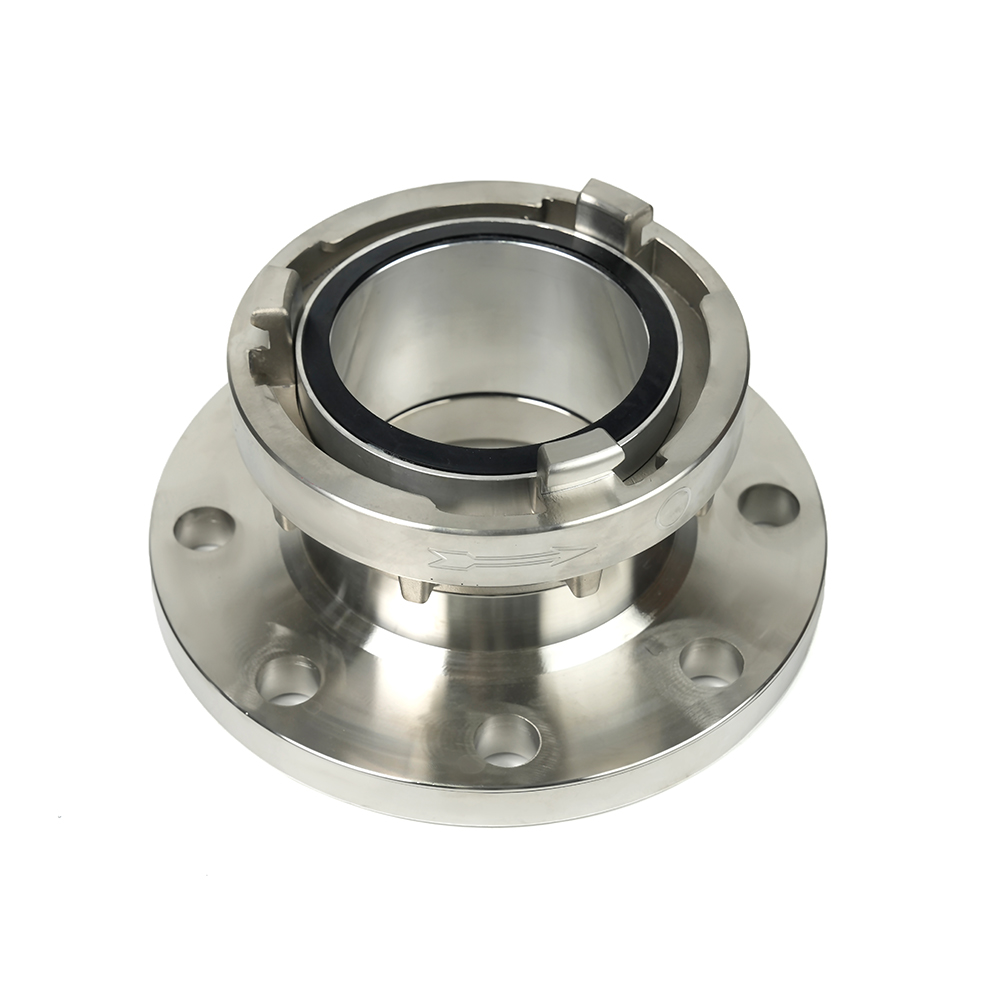 Storz Adapter Couplings – Flanged

 Contact Number
+86-0523-83274900
+86-151 9064 3365
 Let our team offer you customs solutions.
 Company Address
West side of Hongxing Middle Road, Lincheng Street, Development Zone, Xinghua City, Jiangsu Province, China
Copyright @Jiangsu Jinding Fire Protection Technology Co., Ltd. All rights reserved Fire Protection Equipments Manufacturers
