 英语
英语 西班牙语
西班牙语 德语
德语Industry News
Home / News / Industry News / 3 Inch Hose Coupler Guide: Standards, Materials, Flow Capacity, and Selection


+86-0523-83274900
+86-151 9064 3365
Content
A fire crew arrives at a hydrant with a 3 inch supply line and needs the connection made in seconds. The coupler is the part that decides whether water arrives fast, stays sealed, and comes off without a fight at the end of the job. Across municipal fire departments, industrial plant teams, and irrigation contractors, 3 inch hose couplers are ordered in steady volume because this diameter balances flow with handling weight. The short version is this: a 3 inch coupler is defined by three things, the standard it matches, the material it is cast from, and the pressure it can hold.
A 3 inch hose coupler is named for the nominal bore of the hose it fits, not for the outside diameter of the fitting itself. A hose labeled 3 inch has an internal diameter of approximately 75 millimeters, which is why European catalogs list the same part as a 75 mm coupling. The coupler body measures about 90 to 100 millimeters across depending on the standard and the wall thickness. If you are replacing an existing coupler, measuring the inner diameter of the hose or the seat of the old fitting is more reliable than measuring the outer body. The number on the label is a specification, not a physical dimension.
Fire hose couplers are built around regional standards, and 3 inch is one of the few sizes that appears in nearly all of them. The standard determines thread pitch, lug shape, sealing method, and pressure rating. Choosing the wrong standard is the most common cause of compatibility failure, so it pays to identify the system before buying anything.
| Standard | Common Markets | 3 Inch Designation | Connection Type | Typical Working Pressure |
|---|---|---|---|---|
| Storz | Europe, Asia, Middle East | Storz 75 | Sexless quarter turn | 232 psi (16 bar) |
| NH | United States, Japan | 3 inch NH | Threaded male or female | 200 psi |
| Machino | Japan, Southeast Asia | Machino 75 | Bayonet style | 300 psi |
| John Morris | Australia, New Zealand | John Morris 75 | Sexless with lugs | 300 psi |
| Italian | Italy, Mediterranean | Italian 75 | Sexless quarter turn | 232 psi (16 bar) |
These working pressures are typical catalog values, and the actual rating depends on material, gasket, and manufacturing quality. A threaded NH coupling relies on a matched male and female pair, while a Storz coupling uses the same mating face on both ends. That difference changes how fast a crew can connect a line and whether a spare coupling can pair with any other coupling of the same size. Adapters solve the rest, as we cover later.
The material of a 3 inch hose coupler affects weight, corrosion resistance, and how the fitting behaves after years of rough service. Aluminum is the most common choice for fire hose because it is light enough for crews to handle and cheap enough to stock in quantity. Brass is heavier but resists corrosion and stands up to constant coupling in marine and chemical environments. Stainless steel offers the highest corrosion resistance at a higher price and a weight close to brass.
The weight difference becomes obvious the first time a crew loads a hose bed. Aluminum comes in at roughly 1.2 kilograms per pair, which is why it dominates fire hose work; a crew carrying four lengths of 3 inch hose saves several kilograms compared with brass. Stainless steel sits in the middle at about 2.4 kilograms, but it wins wherever salt water, chemicals, or washdown duty attack the surface. Brass is the heaviest at roughly 3.1 kilograms, and that heft is deliberate; the mass gives threads a solid feel and resists galling when couplers are tightened hard. Weight also affects layout, because a heavy coupler pulls the hose down at every joint and increases the strain on the crew.
The main reason crews choose 3 inch over smaller sizes is flow. A 3 inch supply line moves more water with lower pressure loss than a 2.5 inch line, which matters when water has to travel several hundred feet to the attack crew.
This line chart estimates the flow of a 100 foot section of fire hose at different pump pressures, using typical friction loss values for rubber lined hose. At 50 psi the 3 inch line carries roughly 280 gallons per minute; at 100 psi that climbs to about 410 gallons per minute. The curve is not straight because friction loss rises with the square of the flow speed, so above 150 psi each added pound of pressure returns less water. The blue dashed line shows a 2.5 inch line under the same conditions, and the gap between the curves explains why many departments replace 2.5 inch supply hose with 3 inch. The larger bore cuts friction loss and moves the usable flow curve to the right, which is the real value of the 3 inch coupler in modern fire fighting.
The column chart compares the flow of common fire hose sizes at the same 150 psi pump pressure, based on standard friction loss tables. A 1.5 inch attack line delivers roughly 120 gallons per minute, enough for a small interior fire but not for a sustained master stream. Stepping up to 2.5 inch brings about 330 gallons per minute, which is why it has been the classic supply size for decades. The 3 inch coupling sits at roughly 510 gallons per minute, a jump that allows a single supply line to feed an engine and still leave reserve pressure for apparatus pumps. Above 3 inch the gain continues, but weight and reel size become harder for small crews to manage, keeping 3 inch in the sweet spot of flow and handling.
Field crews rarely carry every standard on the truck, and a 3 inch hydrant outlet in one system meets a 3 inch hose in another often enough that compatibility is a routine problem. The practical answer is a coupling that matches the local standard, backed by cross standard adapters when the two sides disagree. This radar comparison shows how the three most requested standards behave in real service.
This radar chart compares the three most requested 3 inch coupling standards on the five criteria that matter most to procurement engineers. Storz scores highest on ease of connection and global availability, which is why it has become the default for new fire apparatus in many countries. NH remains the standard for North American hydrant threads, where decades of existing infrastructure give it an edge in gasket reliability and simple hand tightened sealing. Machino combines a bayonet style connection with dependable pressure capability, and its strong ease of connection makes it popular for industrial and export equipment. The practical takeaway is that no single standard wins on every axis; stocking all three, plus matching adapters, lets a department serve a global customer base. Standardizing on one brand across all three types also simplifies spare parts stocking and guarantees consistent thread quality.
For European and Asian apparatus, the Storz 75 pattern is the first choice. Its sexless face means any two Storz couplings of the same size mate without hunting for a male or female end, and the quarter turn locking action is fast even with wet gloves.
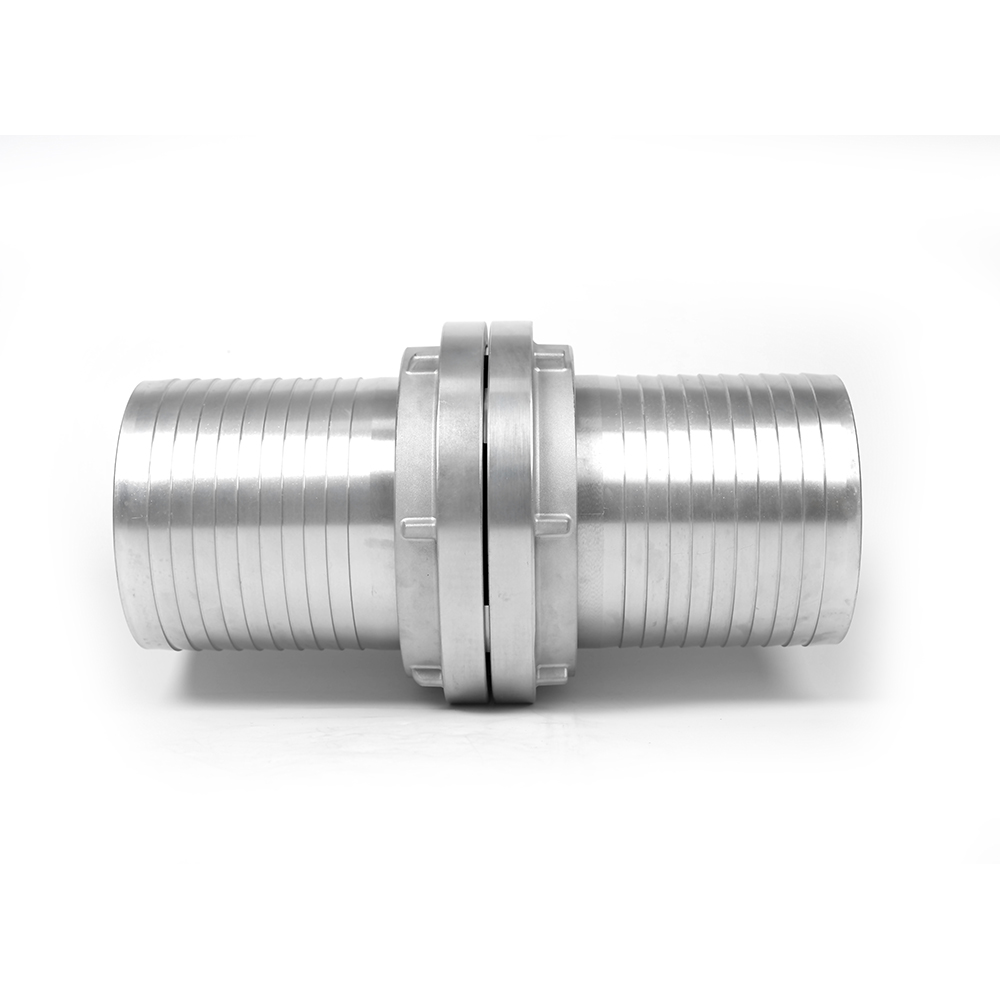 Storz Large Fire Hose Coupling for Quarter-Turn ConnectionsThis large-format Storz coupling suits European and Asian apparatus, where its sexless face and quarter-turn locking speed up hose connections even with wet gloves.View Product →
In North America, the 3 inch NH coupling is the threaded workhorse on hydrant outlets and pumper discharges. The male and female pair must be matched, and the gasket carries the sealing load, so thread condition matters more than on sexless designs.
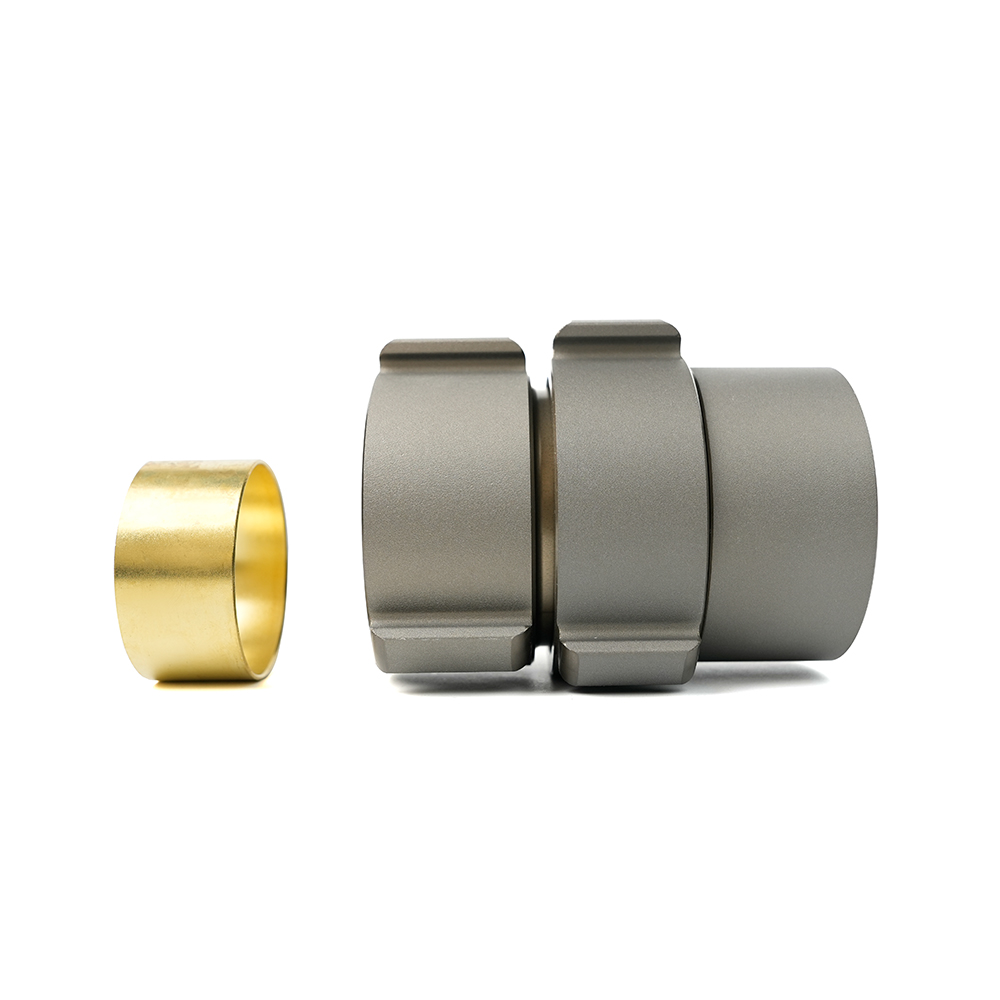 NH Fire Hose Coupling with Threaded Male-Female EndsFor North American hydrant outlets and pumper discharges, this NH coupling uses matching male and female threads and a sealing gasket, with a copper-ring expanded tailpipe for secure hose attachment.View Product →
In Japan and Southeast Asia, the Machino 75 coupling is favored for its compact profile and secure bayonet style bite. It pairs well with lightweight hose and keeps the overall bed weight down on apparatus.
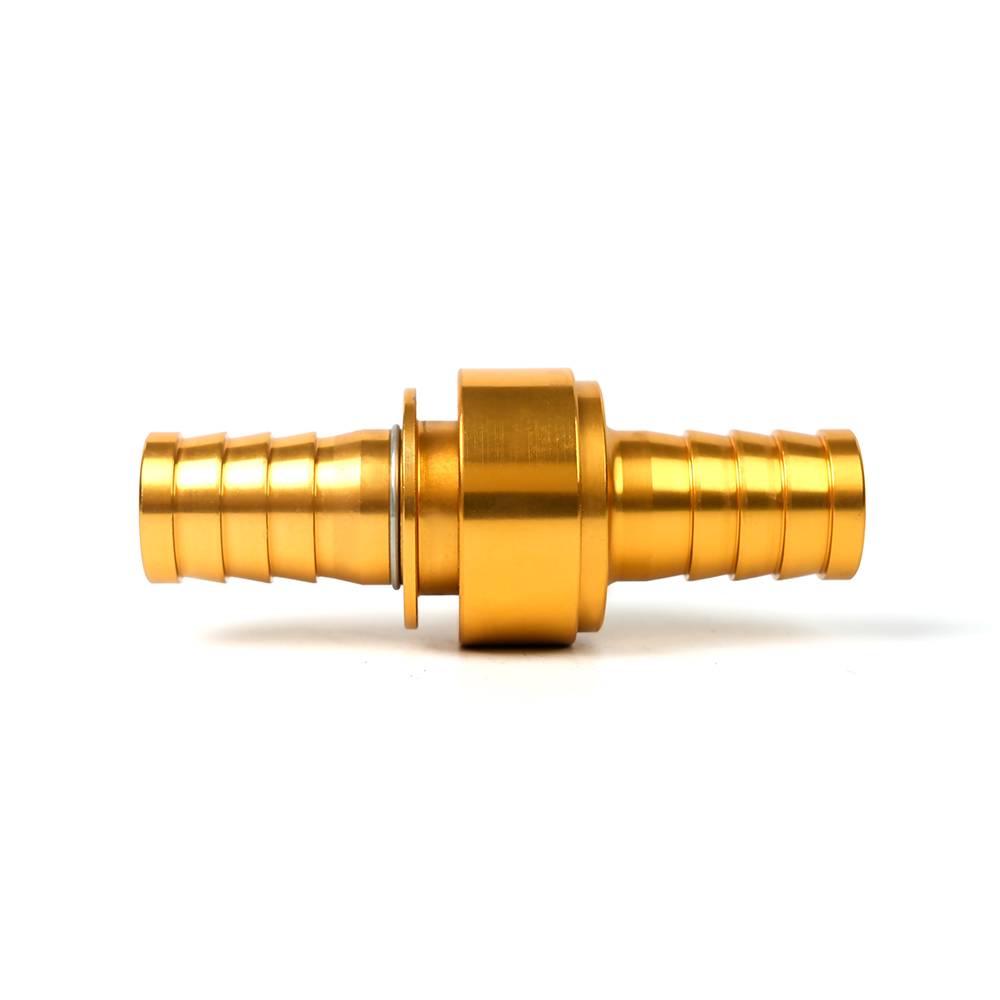 Machino Fire Hose Coupling with Bayonet-Style BiteCompact and secure, this Machino coupling is favored in Japan and Southeast Asia for lightweight hose, offering serrated or ribbed tail ends for aluminum ring or wire binding connections.View Product →
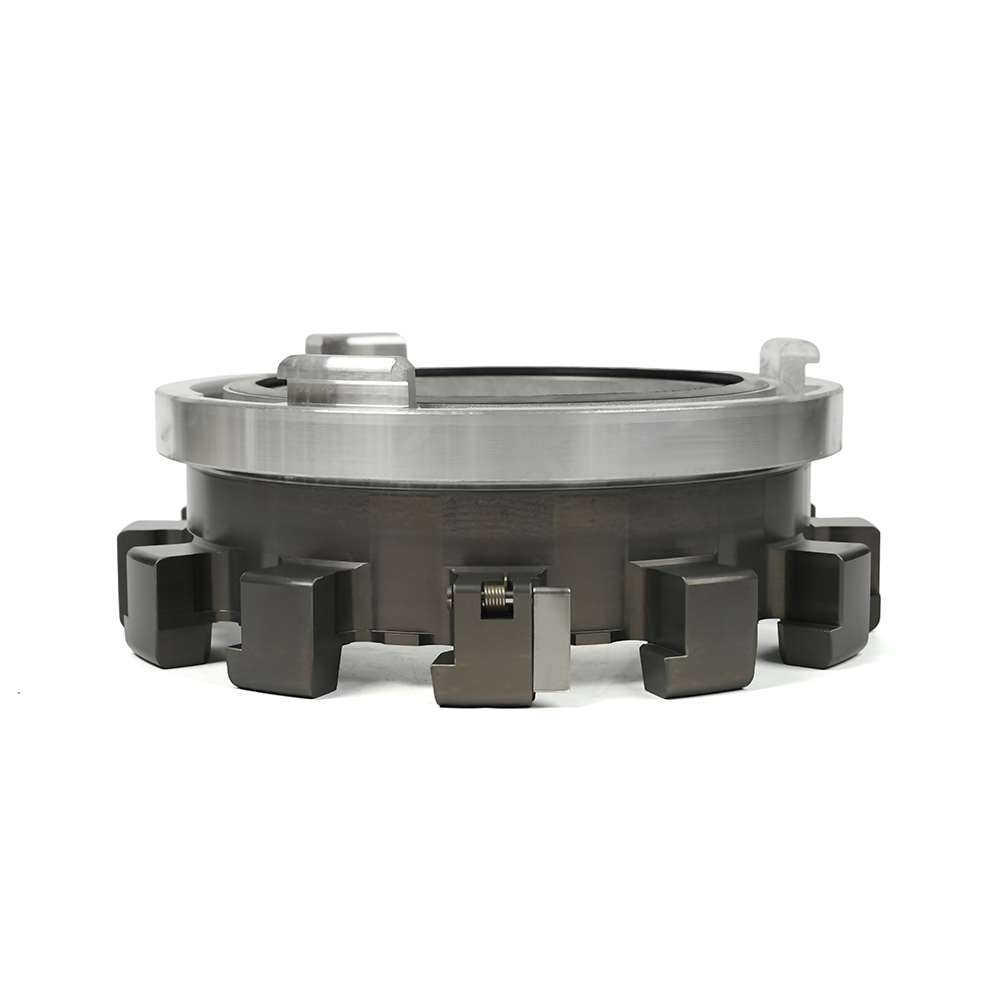
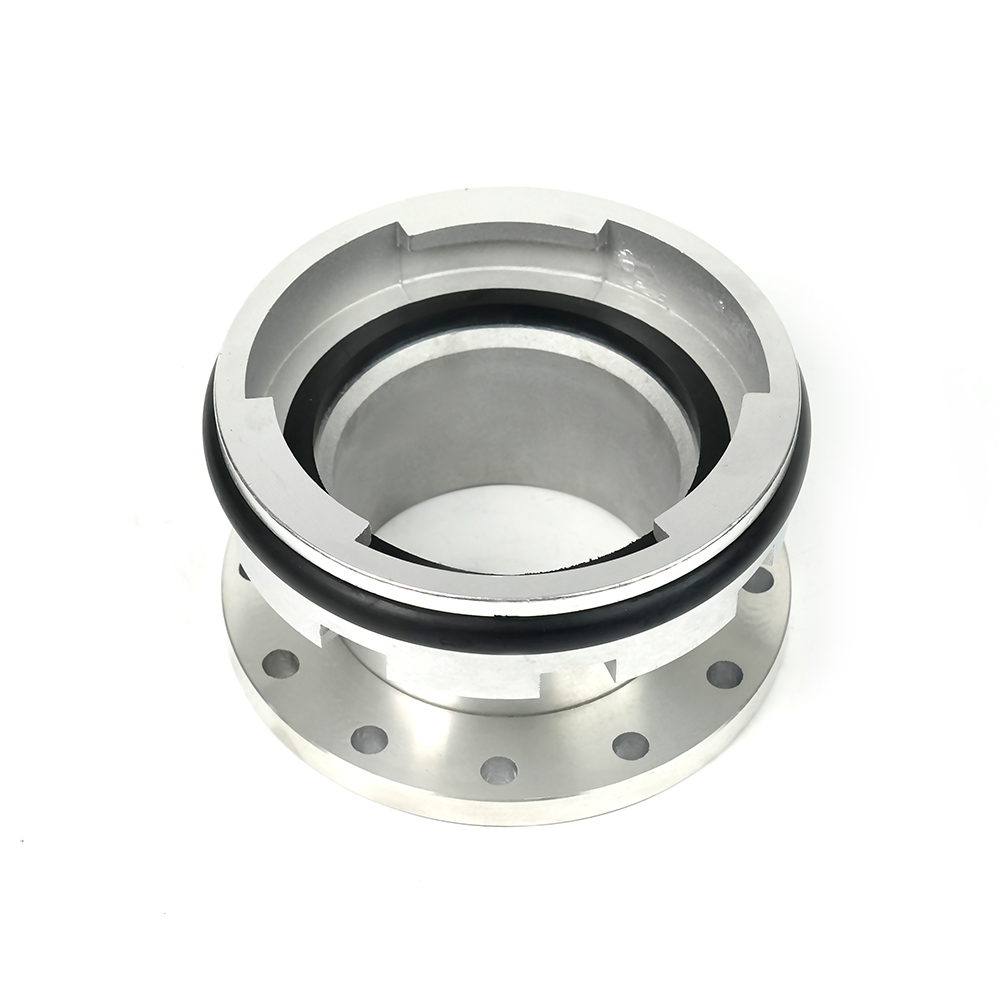
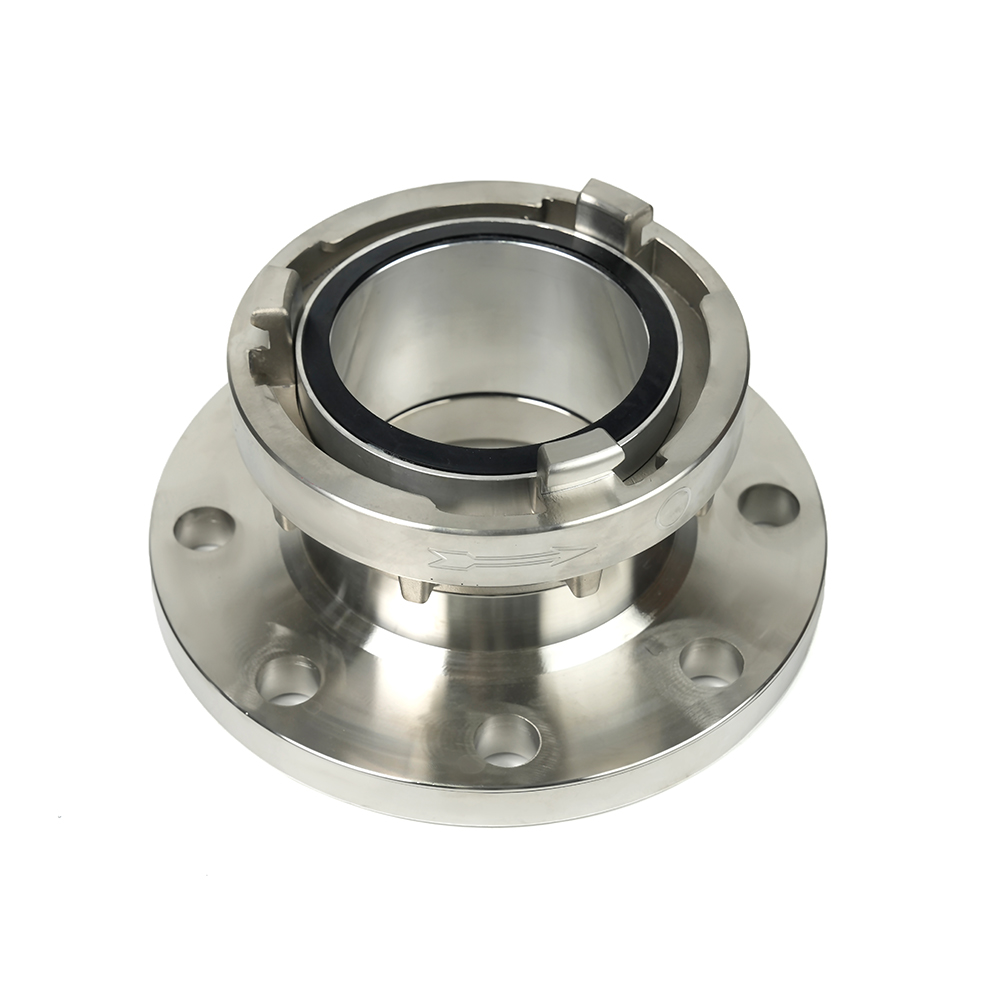
When the inlet and outlet do not share a standard, adapter couplings cover pairs such as Storz to flanged, Storz to forestry, and Machino to flanged, so a pump panel can be built from mixed international hardware without custom machining.
Connecting a 3 inch coupling is straightforward, but the details decide whether the joint stays sealed. Always inspect the gasket for cuts, embedded debris, and flat spots before every connection. For Storz and other quarter turn types, rotate the lugs until the locking mechanism clicks; a coupling that is only half closed can blow apart under pressure. For threaded NH couplings, use a spanner to tighten firmly but do not over torque, because a crushed gasket destroys the seal. After use, flush the interior and keep the threads and locking surfaces lightly lubricated. Jinding publishes a step by step guide to fire hose joint connection that covers the most common field mistakes.
Procurement teams avoid the most common errors when they follow a simple checklist for 3 inch hose couplers.
If your project involves non standard interfaces, a manufacturer that builds adapters and custom sizes can save you from re-hosing entire reels. Jinding's engineering team can review your existing hardware and recommend the correct adapter; you can reach them through the contact page.
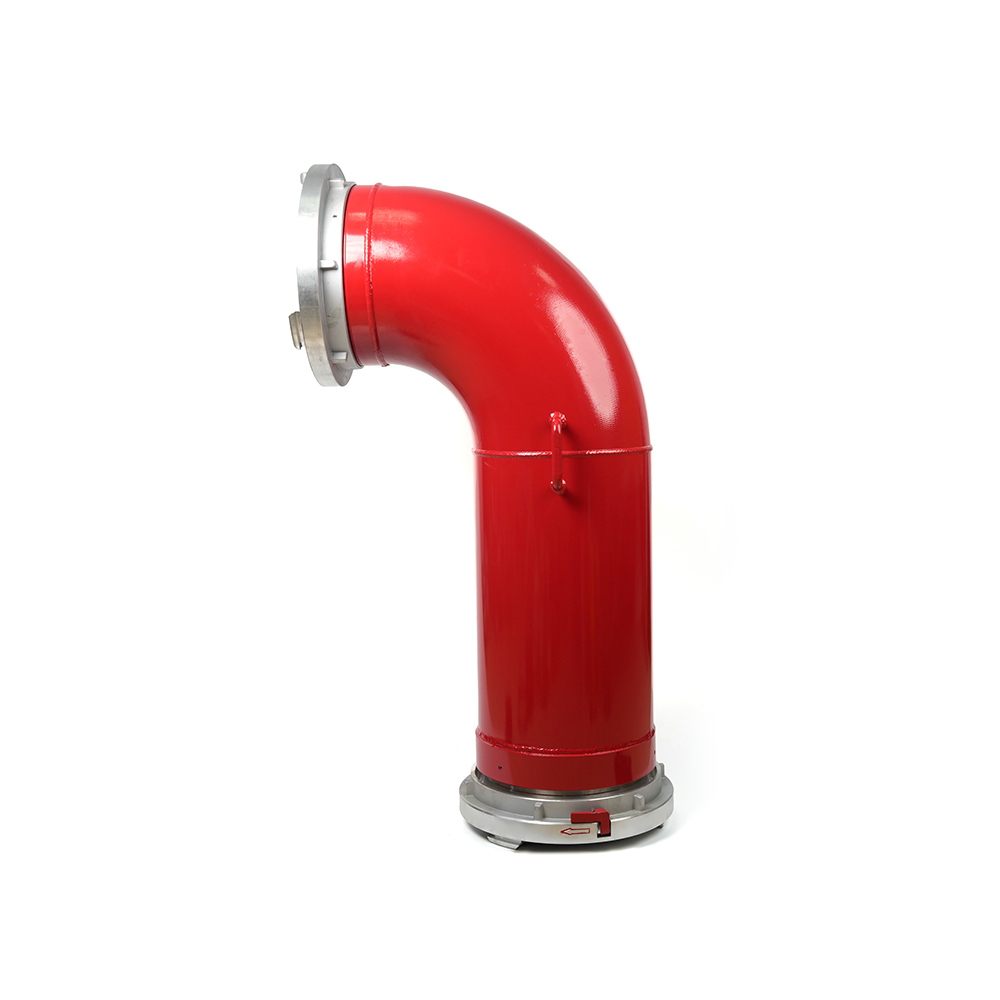 Grooved Fire Elbow-Storz
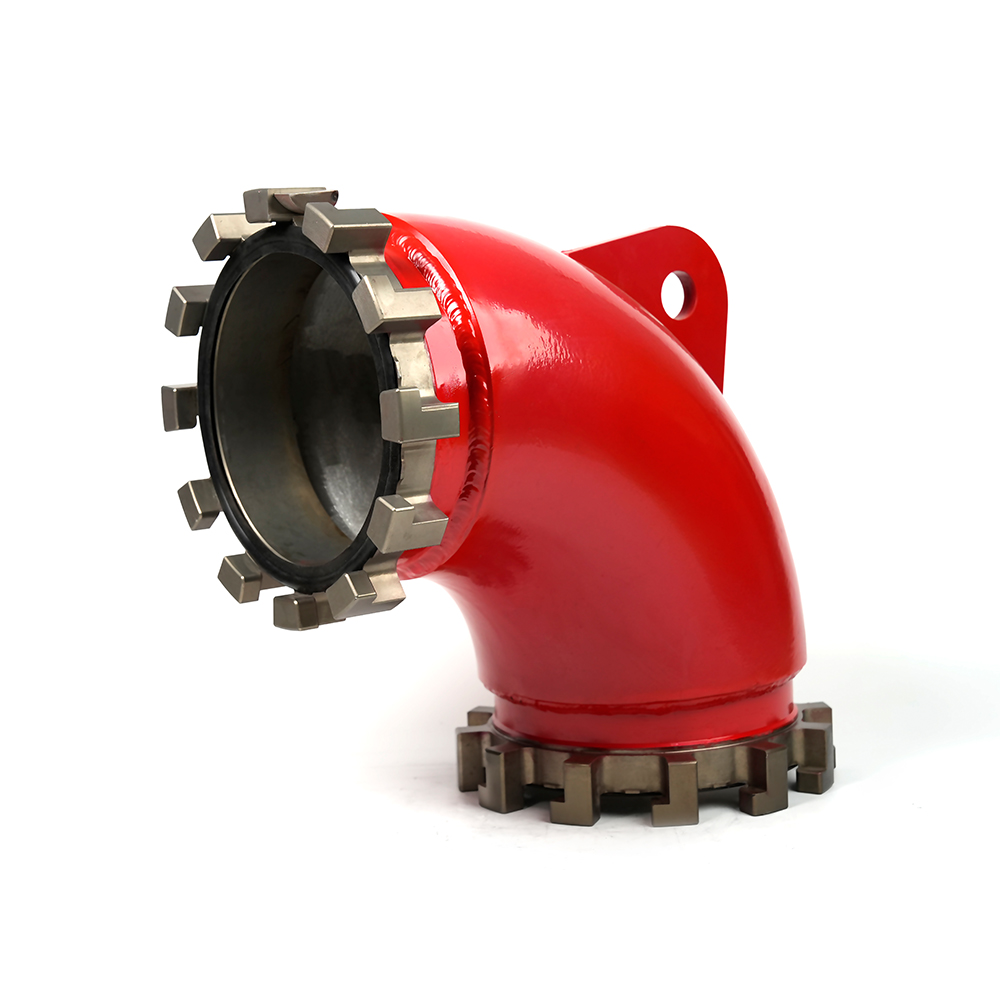 Grooved Fire Elbow-Multi-tooth
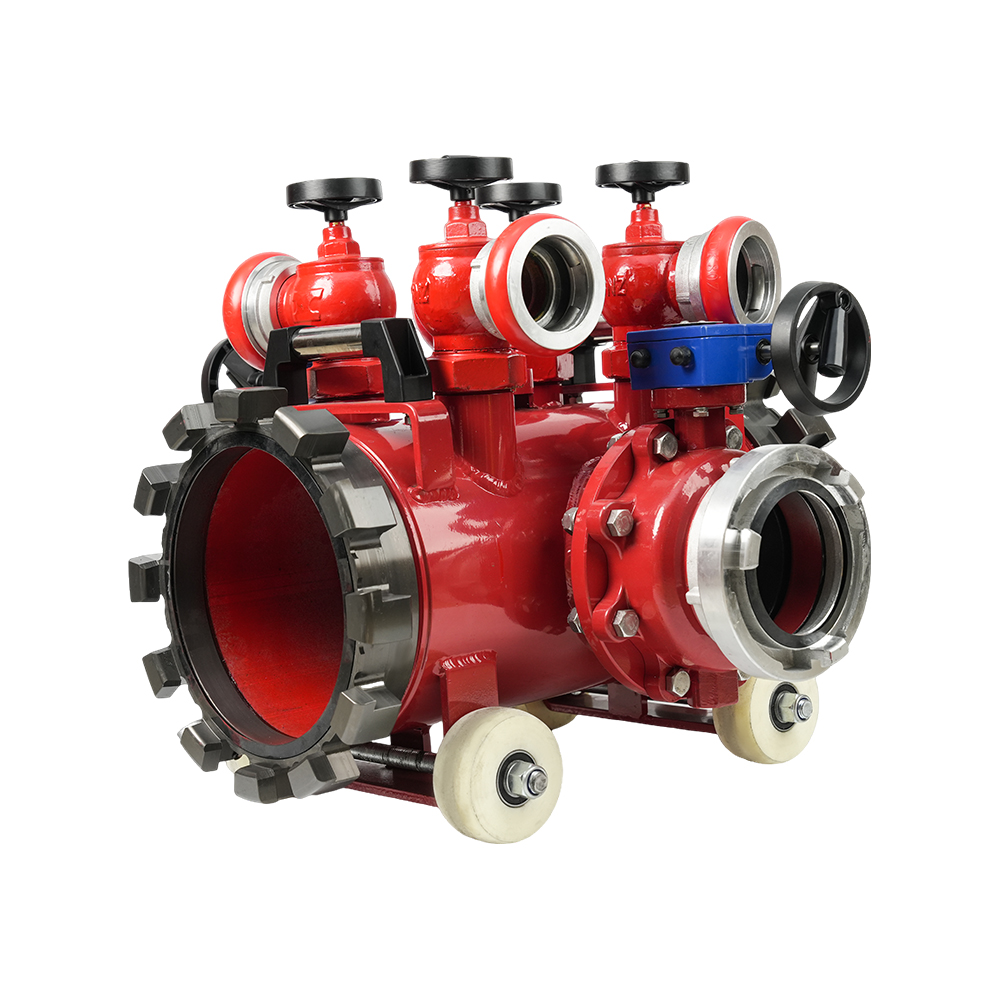 Multi-functional Fire Hose Distributor
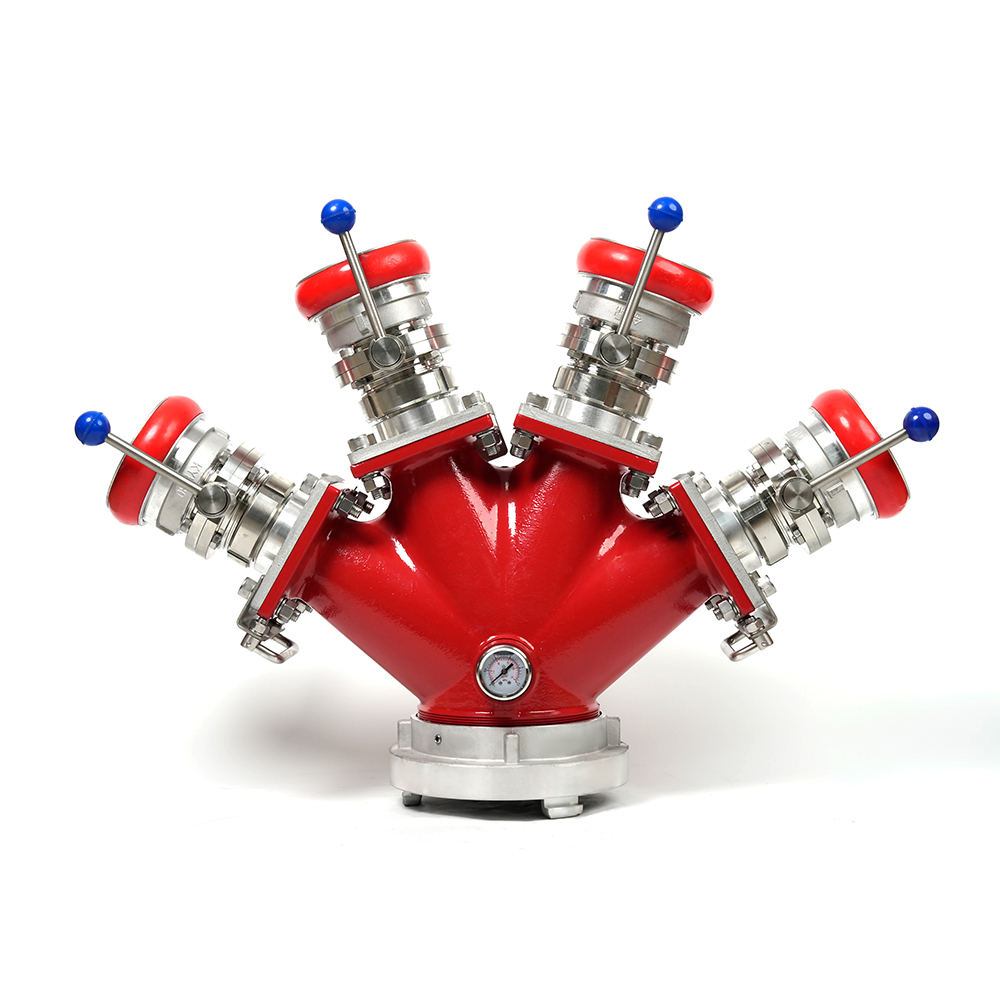 Locking Four-Way Fire Hose Distributor
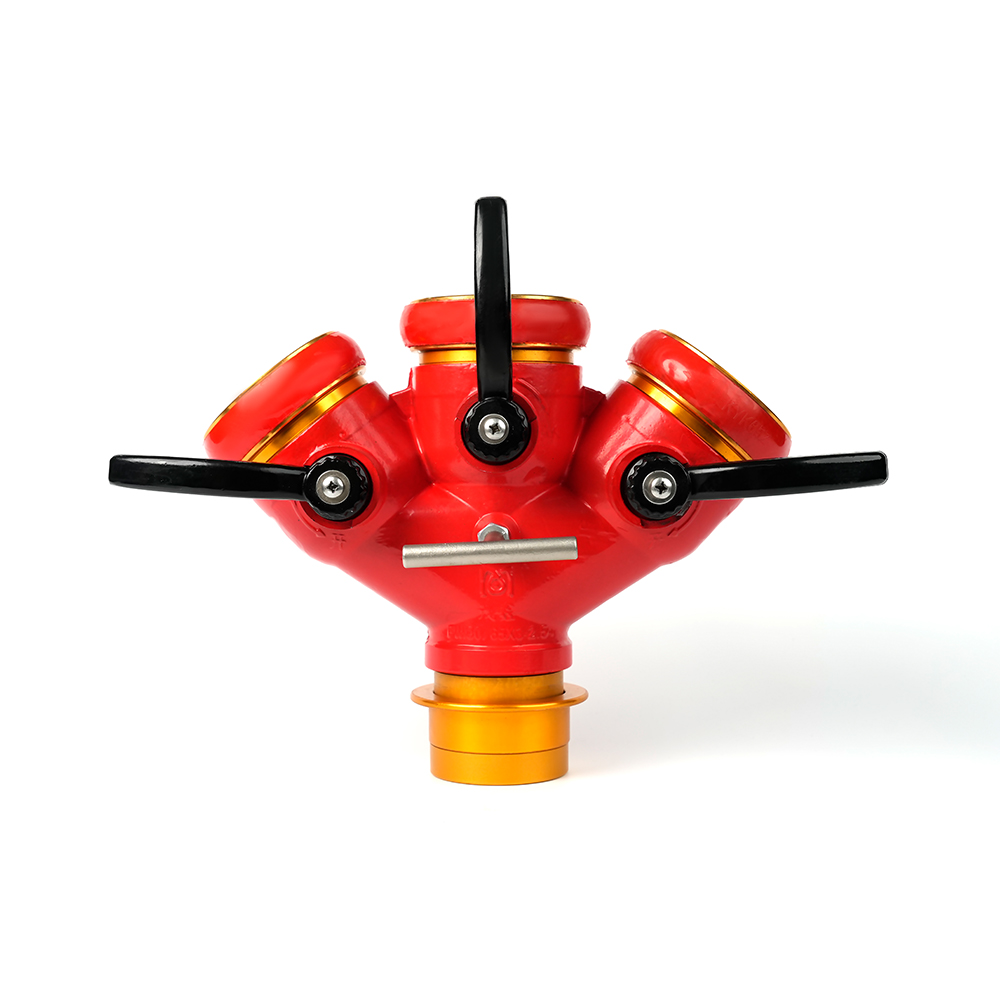 Locking Three-Way Fire Hose Distributor
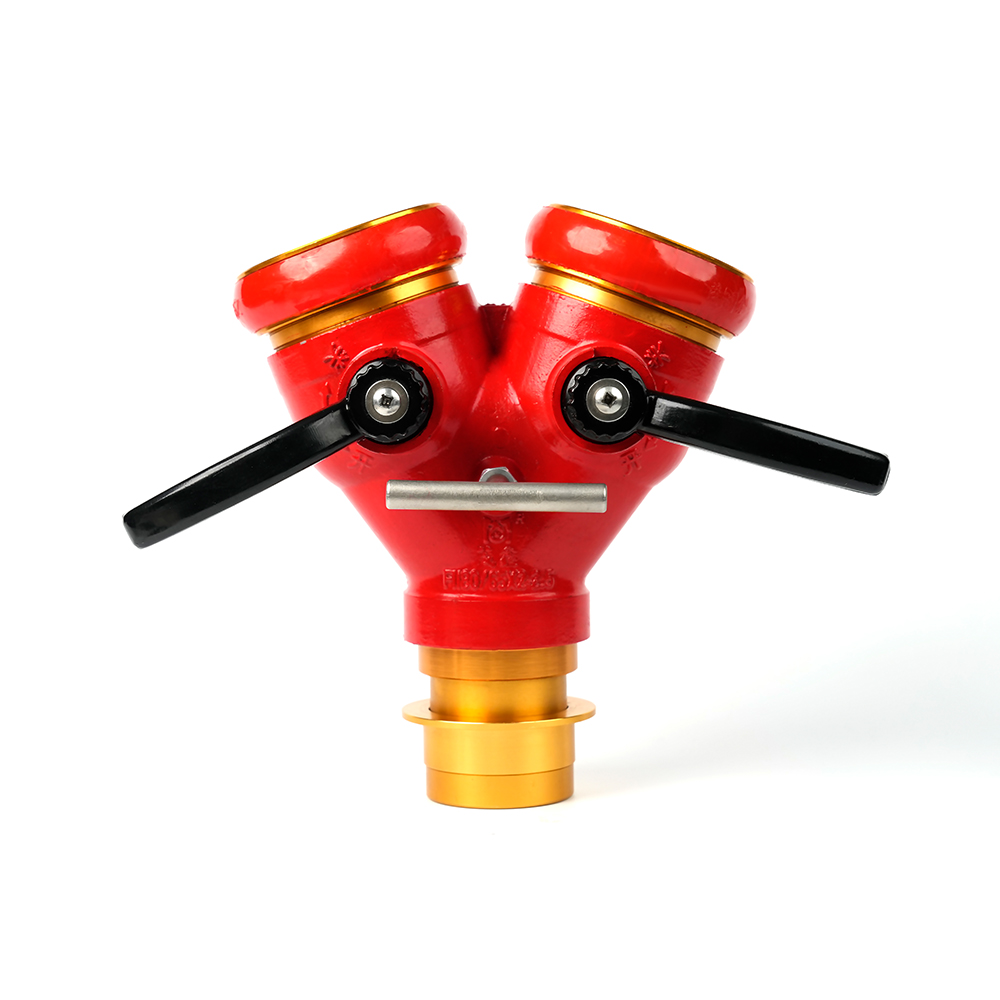 Locking Two-Way Fire Hose Distributor
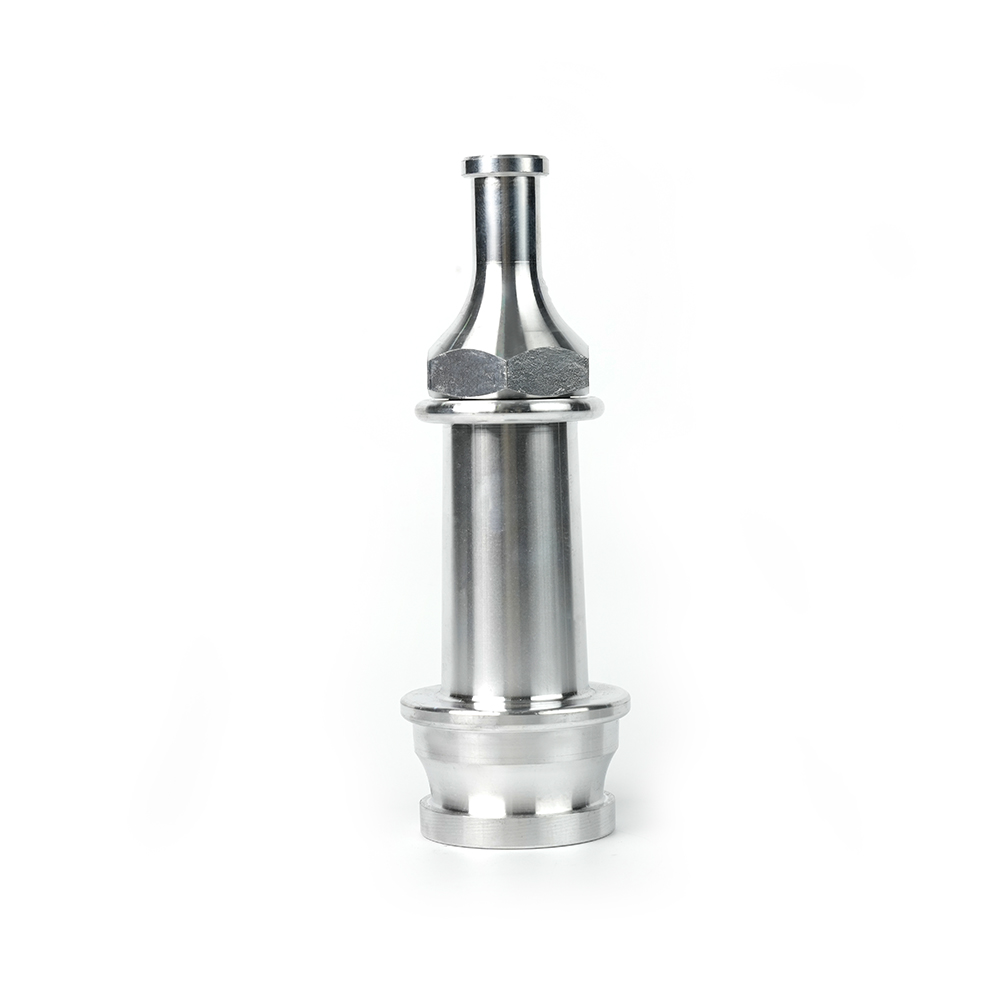 Straight Stream Nozzle
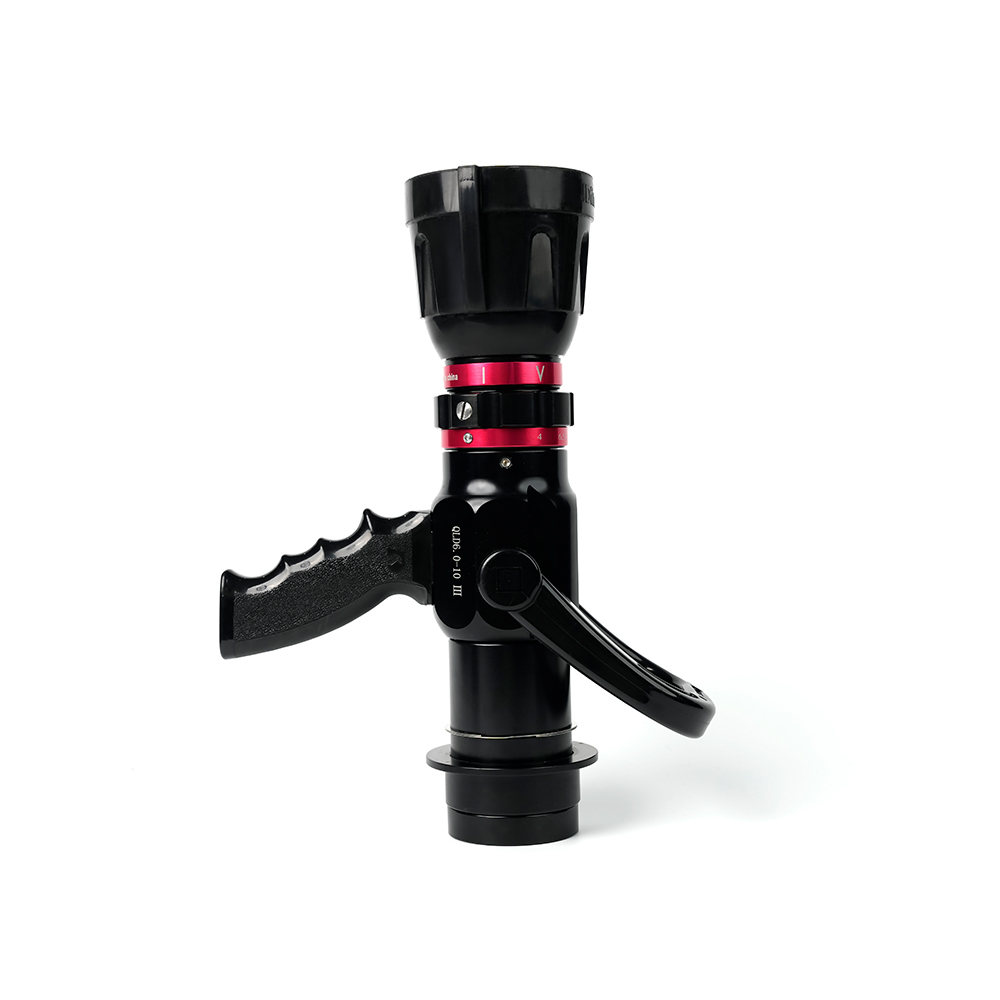 Adjustable nozzle-machino
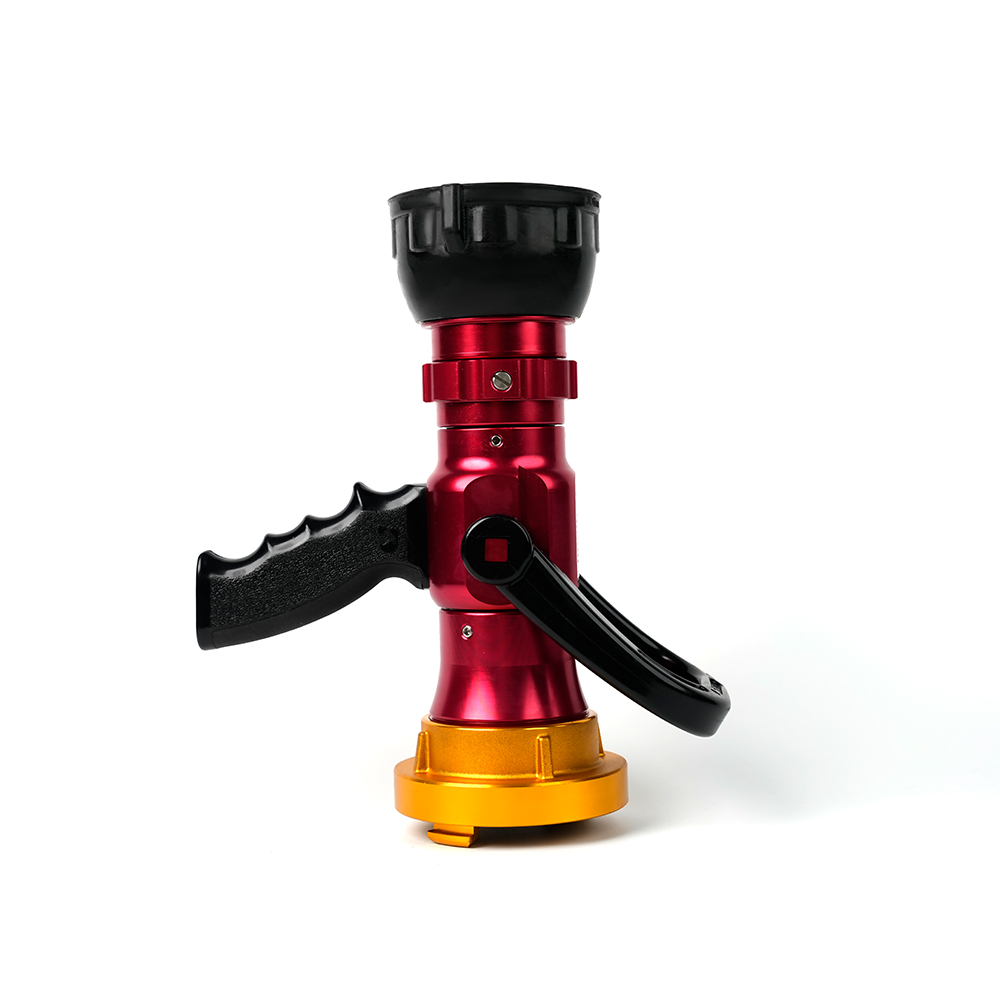 Adjustable nozzle-storz
 Storz Adapter Couplings - Multi-Tooth
 Machino Adapter Couplings – Flanged
 Storz Adapter Couplings – Flanged

 Contact Number
+86-0523-83274900
+86-151 9064 3365
 Let our team offer you customs solutions.
 Company Address
West side of Hongxing Middle Road, Lincheng Street, Development Zone, Xinghua City, Jiangsu Province, China
Copyright @Jiangsu Jinding Fire Protection Technology Co., Ltd. All rights reserved Fire Protection Equipments Manufacturers
