 英语
英语 西班牙语
西班牙语 德语
德语Industry News
Home / News / Industry News / Fire Hose Appliances: A Practical Guide to Couplings, Adapters and Nozzles


+86-0523-83274900
+86-151 9064 3365
Content
A pumper crew stretches 200 feet of 2.5 inch hose to a third floor landing and charges the line. The nozzle operator opens the bail and water weeps from the joint between the wye and the first length. Nothing is broken. The two couplings simply come from different thread families, and both happen to measure 2.5 inches across. That mismatch costs the first minute of the attack, and it is one of the most common ways fire hose appliances fail in the field.
Fire hose appliances are the hardware that sits between the hose and the fire. Couplings, adapters, reducers, blind caps, valves, wyes, siamese connections, distributors, elbows and nozzles all belong to that group. Their purpose is easy to state, deliver water from a supply to a discharge point without leaking or restricting flow. Living up to that purpose is where the detail lives.
A hose appliance is any device used together with a fire hose to move, split or control water. In North American practice, NFPA 1965 covers appliances, NFPA 1963 covers hose connections and NFPA 1964 covers spray nozzles. Most buyers and maintenance teams work with the same handful of categories.
The table below is a starting point for a specification sheet rather than a substitute for one. Sizes vary by market, so confirm every figure against the hose and the apparatus actually in service.
| Appliance | Primary job | Typical size range | Common failure point |
|---|---|---|---|
| Coupling | Join two hose lengths | DN25 to DN150 | Worn gasket, damaged lug or thread |
| Adapter | Bridge two coupling standards | DN25 to DN150 | Wrong thread class ordered |
| Reducer | Change bore inside one family | DN38 to DN65 | Seized swivel |
| Blind cap | Seal an outlet or protect a thread | Matched to the coupling | Missing gasket, lost chain |
| Distributor | Divide one supply into two to four lines | DN65 inlet, DN38 to DN65 outlets | Valve seats leaking under pressure |
| Nozzle | Shape the stream and set flow | DN25 to DN65 | Damaged tip, stiff pattern collar |
Everything downstream of the pump depends on the coupling. Two families dominate. Threaded couplings rely on a matched male and female thread and will only mate inside the same thread standard. Symmetric couplings, of which Storz couplings are the best known example, have no male or female half, so any two halves join with a quarter turn of the locking arms.
The trap is that nominal diameter says nothing about thread compatibility. A 2.5 inch NH coupling and a 2.5 inch NPSH coupling look similar on a shelf and will not thread together, because the thread pitch differs. Regional patterns add another layer. Machino couplings appear on Japanese equipment, John Morris and C+E patterns on British and continental European apparatus, Italian couplings in the Italian market, and forestry couplings, both the external binding and internal expansion types, on wildland hose. A department that buys hose and apparatus from different regions will eventually need adapters, or it will need to standardize.
Adapters solve the mismatch after it appears. A working engine should carry a small set: one or two Storz to threaded adapters, an adapter for the local hydrant thread, and a reducer or two to feed smaller lines from a large supply.
Ordering an adapter is not difficult, but it is unforgiving. The buyer must state both halves precisely, including the coupling family, nominal size, thread class and the gender of the threaded end. A Storz to forestry adapter is only useful if the forestry side matches the hose in the locker.
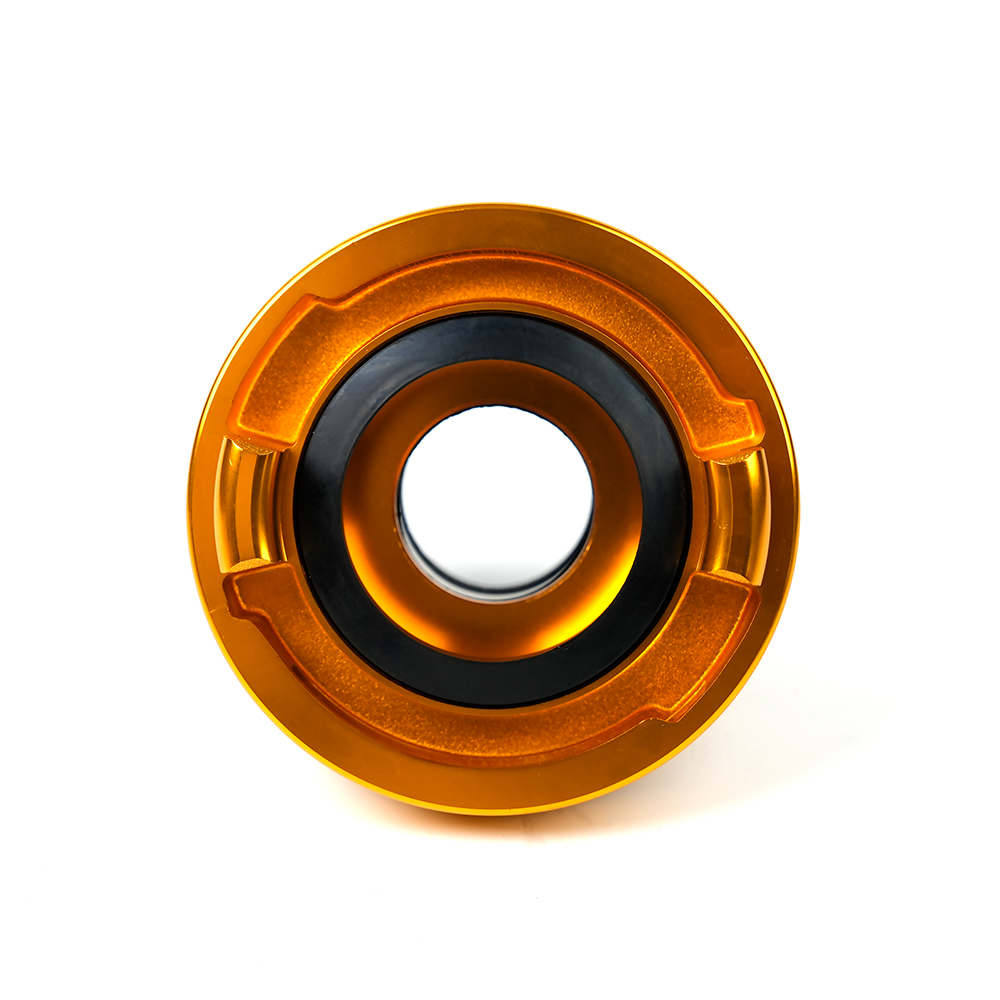 Storz Adapter Couplings – ForestryAdapter couplings are used to connect or convert between different standards and types of fittings. They allow otherwise incompatible interfaces to be connected to eac...View Product →
Reducers and increasers keep the same family on both ends, so they are chosen by bore. A 2.5 inch to 1.5 inch reducer is the classic attack line combination, while a 4 inch to 2.5 inch unit appears on supply lines feeding a gated wye. Blind caps protect exposed male threads and close unused outlets on manifolds and pump panels. They are inexpensive, and they are the part most often left at a fire scene, so buy spares and mark them.
Dividing and combining flow is where appliances earn their keep. A wye splits one line into two, a siamese combines two into one, and a distributor splits a single supply into two, three or four gated outlets. Distributors matter most where one large supply line has to feed several attack lines, a layout that shows up in high rise work and in wildland deployment, as described in this note on the locking two way distributor in high rise and forest scenarios.
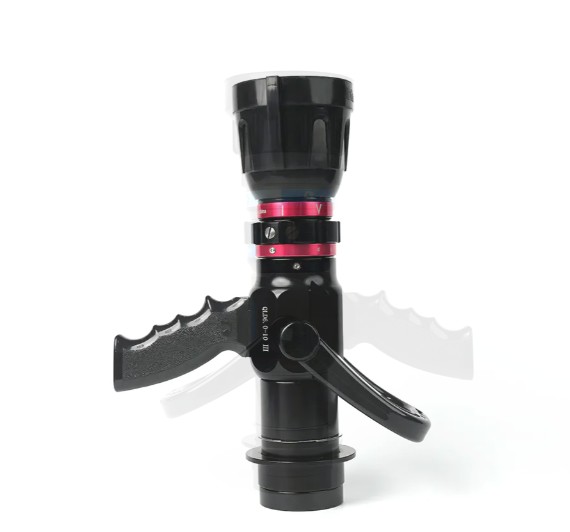 Locking Fire Hose Distributor SuppliersThe locking fire hose distributor is a firefighting water divider equipped with an anti-misoperation locking mechanism, designed to split a single water flow into mult...View Product →
Valve quality decides how well a distributor performs. Gate valves with metal seats tolerate grit better than soft seated valves, and locking outlets keep a charged line from being knocked loose when hose is moved. Choose the outlet count from the tactic, not from the shelf. A four way distributor with two outlets permanently blanked adds weight and another leak path.
An appliance can only pass what the nozzle calls for. A nozzle rated at 150 gpm will not deliver 200 gpm because a larger distributor sits upstream. Match nozzle flow to the pump curve and to the hose size in the layout.
Two types cover most needs. A straight stream nozzle produces a solid, long reaching stream for exterior attack and for driving water through a doorway. An adjustable nozzle lets the operator move between a tight stream, a wide fog and shutoff without changing tips, which is faster on the fireground but adds a moving part to maintain.
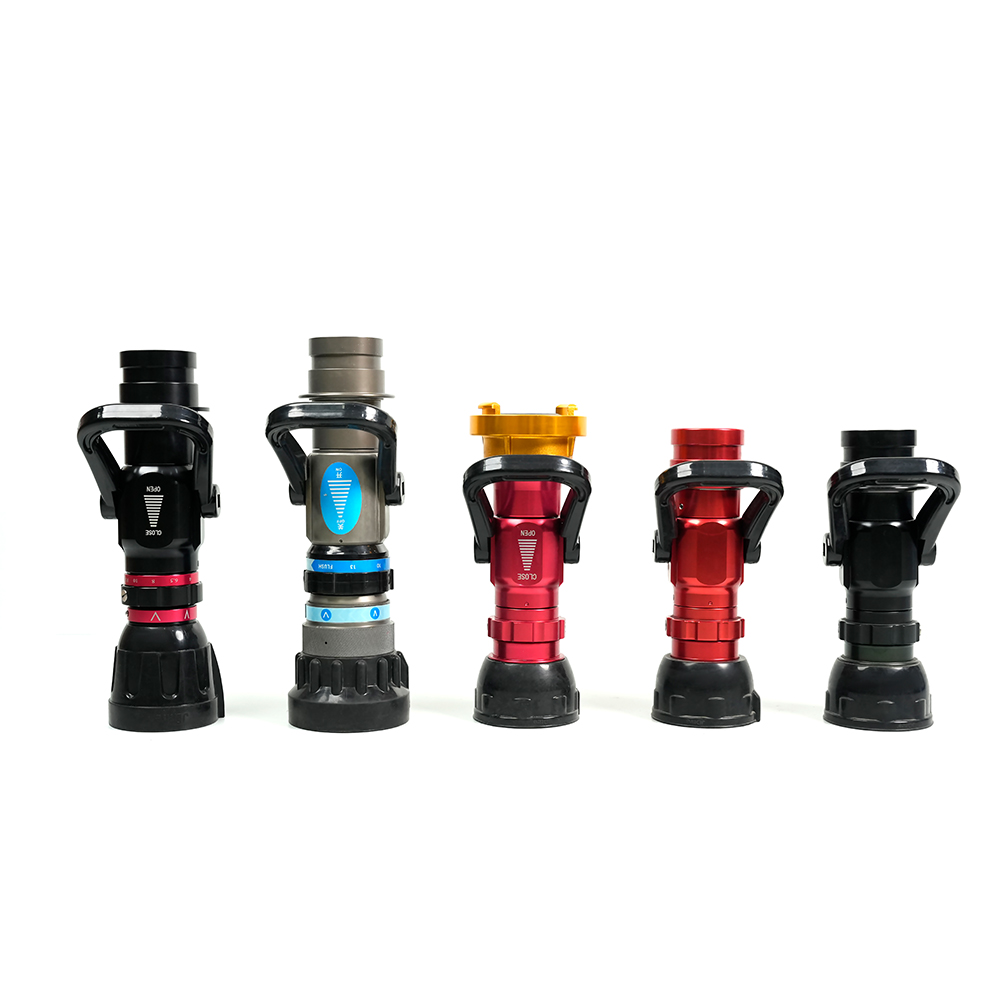 Adjustable nozzle-storzThe adjustable fire nozzle is a firefighting tool that integrates multiple spray patterns, flow control, and safety features. Its core definition and technical charact...View Product →
Check the pattern collar and the tip for damage at the start of every shift. A stiff collar or a nicked tip will throw an uneven stream exactly when the crew needs reach.
Most appliances are made in one of three materials. Brass and bronze resist corrosion well and suit threaded couplings that see salt air or constant wet storage. Hard coated aluminum keeps weight down, which matters on large Storz fittings that crews handle at arm's length. Stainless steel appears in petrochemical and industrial work where chemical exposure is expected.
Working pressure is the figure to confirm in writing. Attack hose and appliance assemblies in common service are rated around 150 to 300 psi, with a test pressure applied at a multiple of that number. Ask for the hydrostatic test record rather than relying on a catalog line.
Gaskets deserve equal attention. EPDM handles water and weather well, while nitrile and similar compounds are chosen where petroleum products are present. A gasket of the wrong hardness or thickness will leak at a joint that is otherwise perfect, so specify the compound and keep a spare set on the apparatus.
Appliances fail slowly before they fail suddenly, and the checks that catch the trend are quick.
None of this is complicated, but it is unforgiving. Fire hose appliances work only when the coupling, the adapter, the valve and the nozzle agree on standard, size and pressure. Buying to that rule costs a little extra attention at the quotation stage and saves the minutes that matter on the fireground.
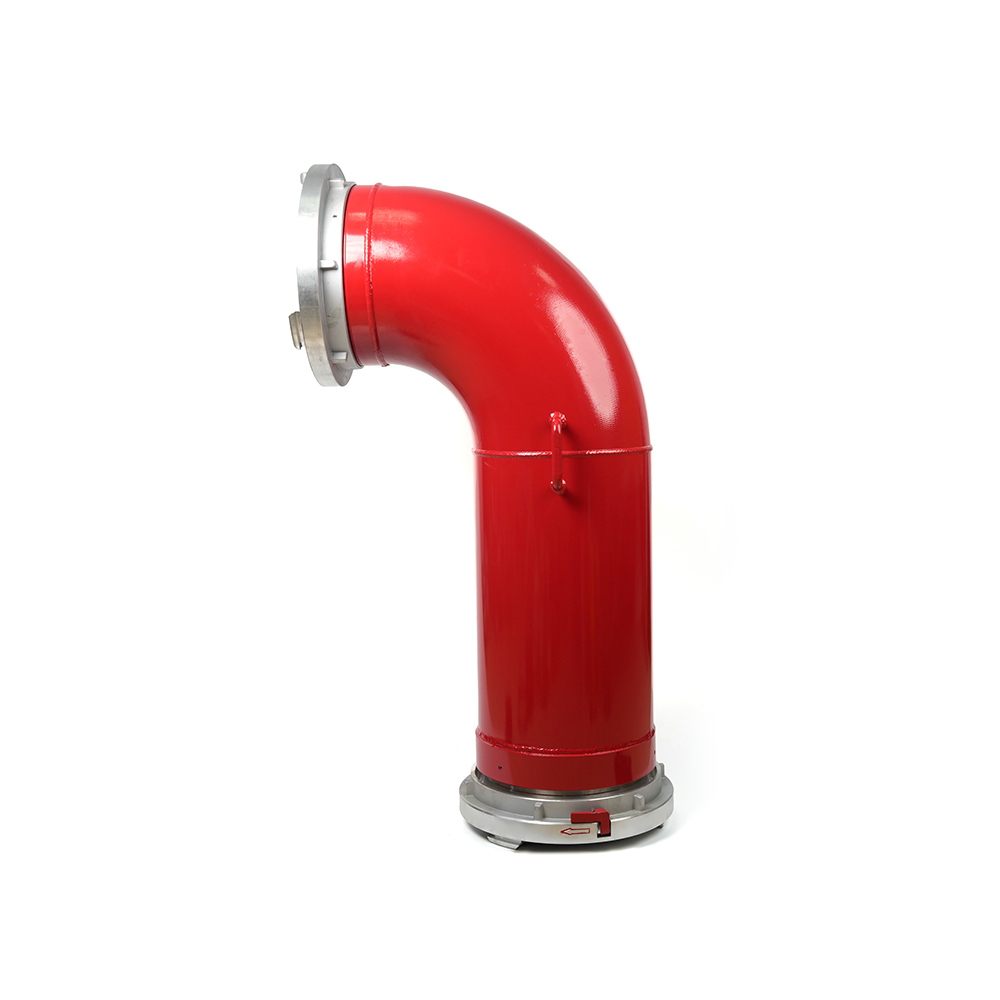 Grooved Fire Elbow-Storz
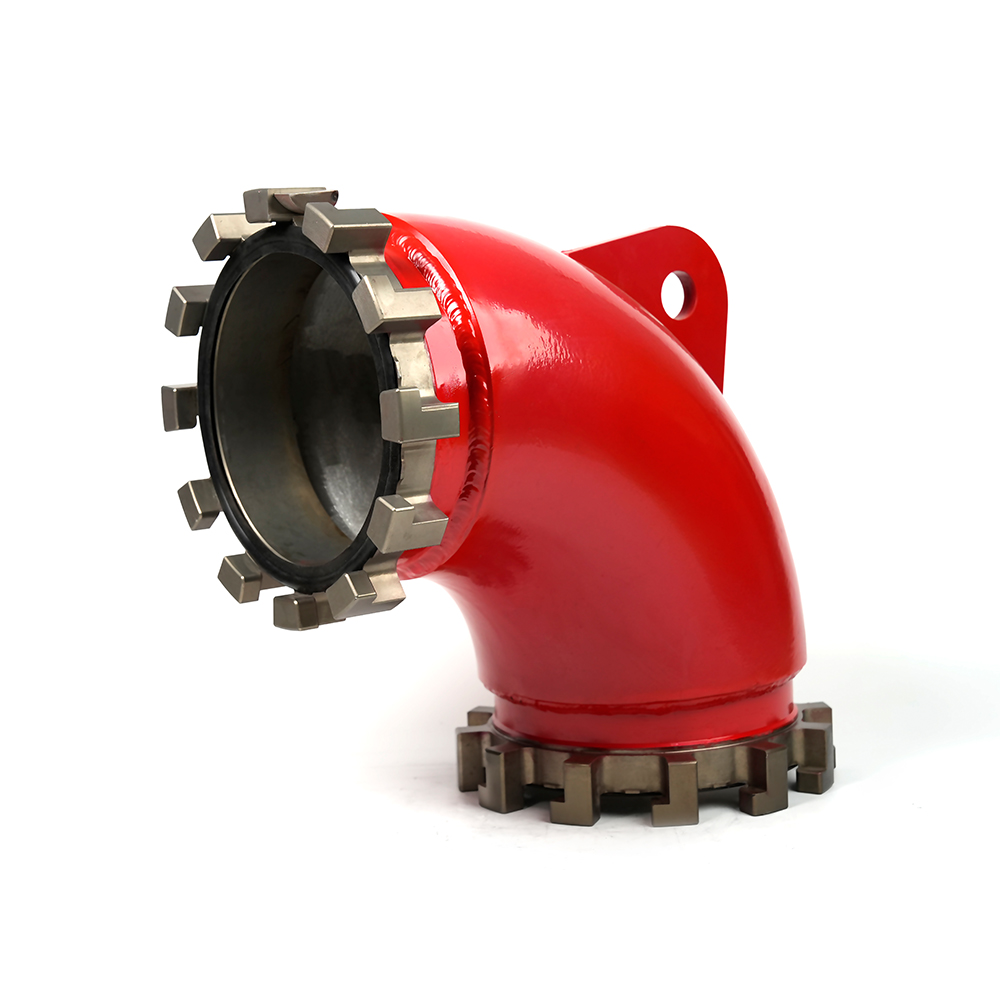 Grooved Fire Elbow-Multi-tooth
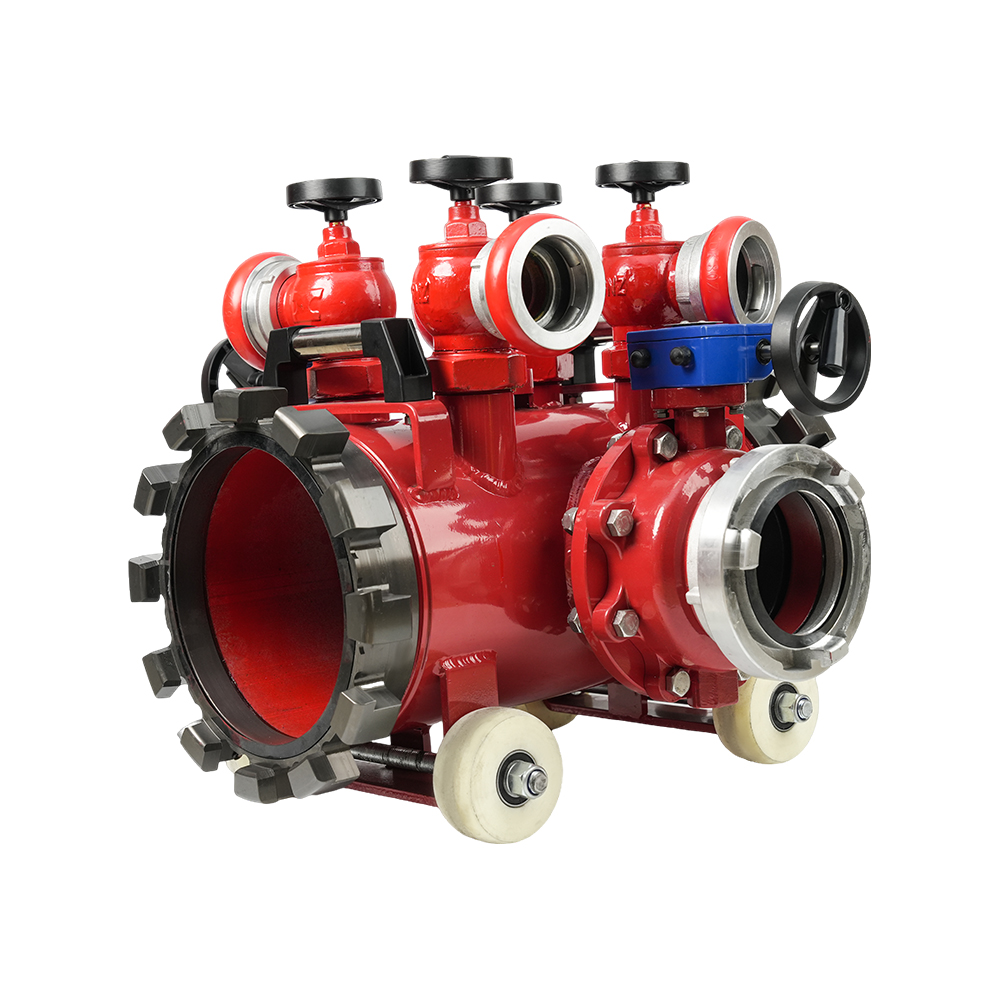 Multi-functional Fire Hose Distributor
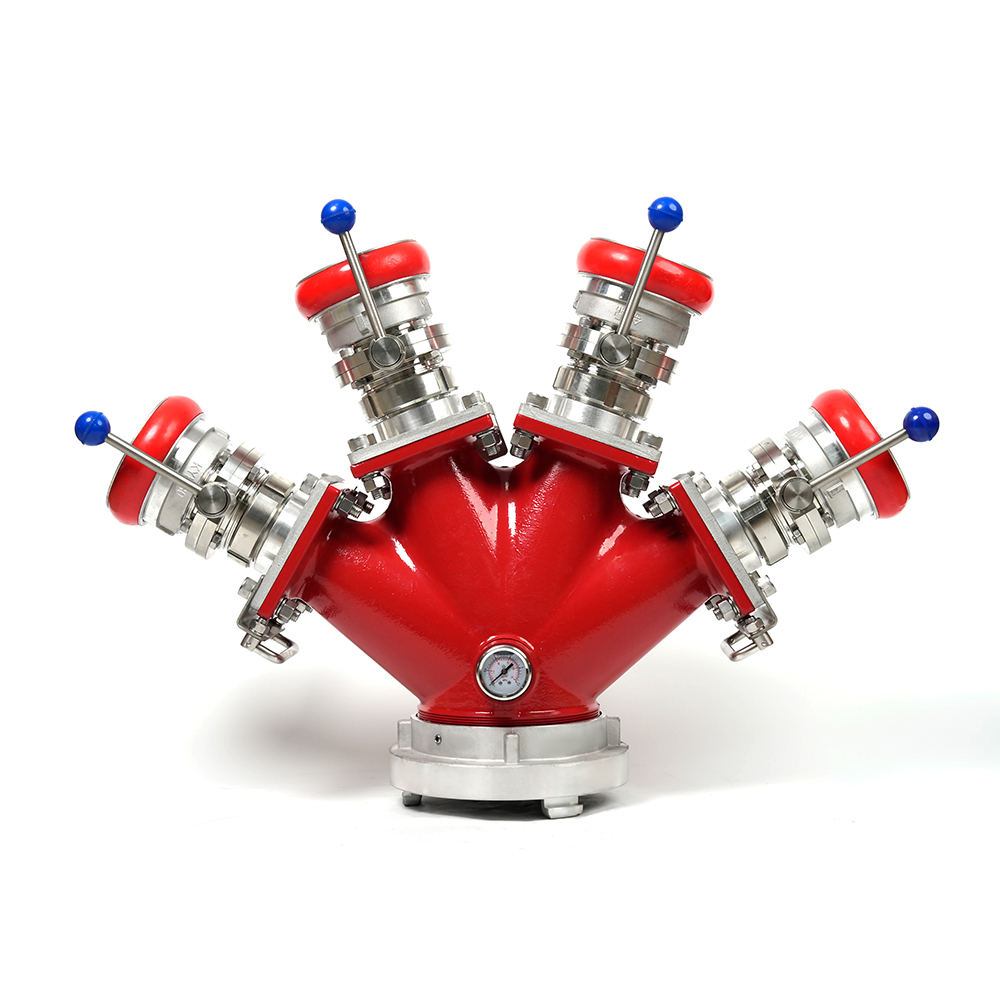 Locking Four-Way Fire Hose Distributor
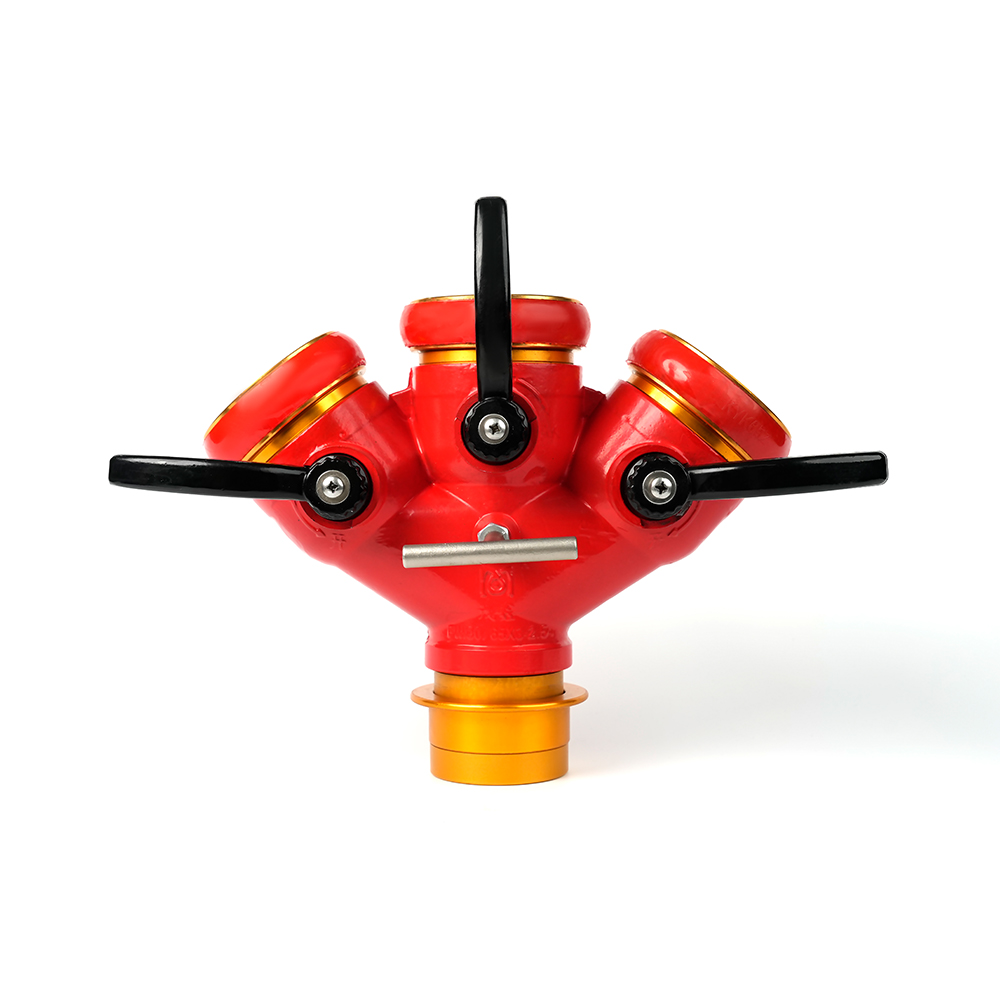 Locking Three-Way Fire Hose Distributor
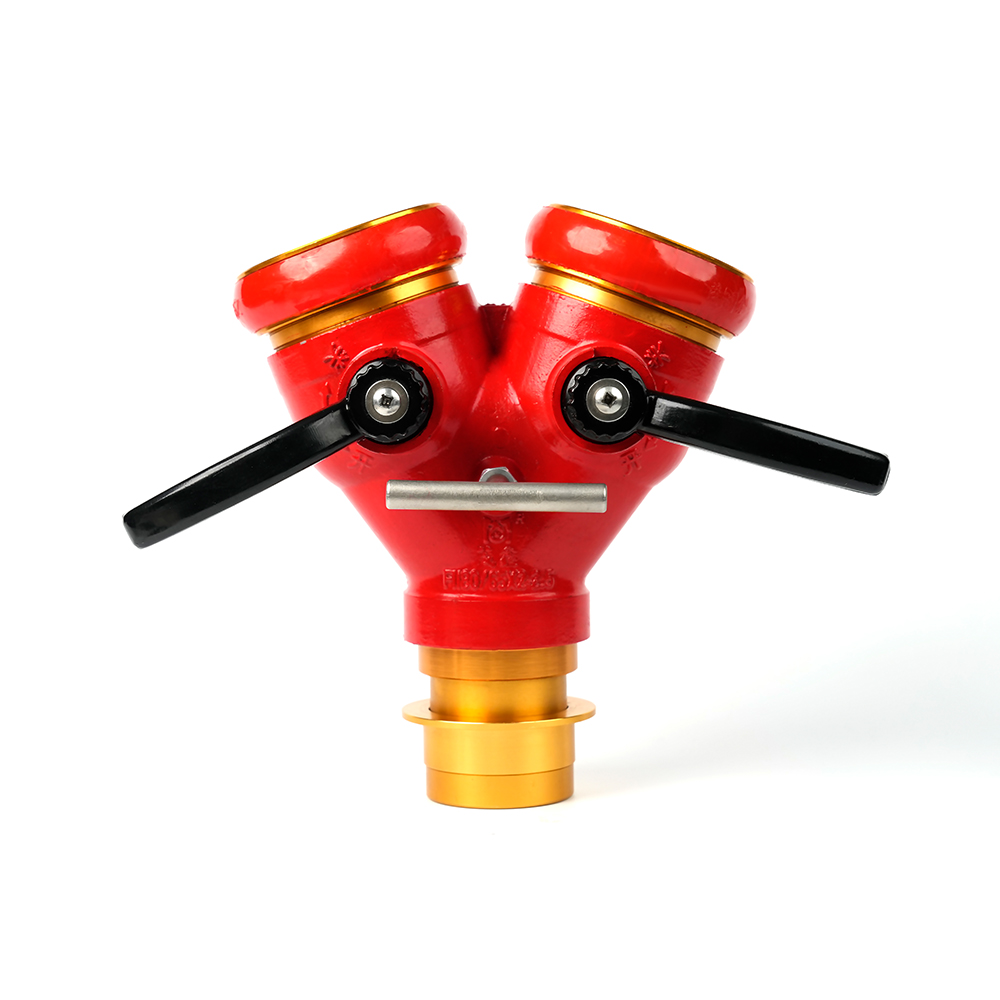 Locking Two-Way Fire Hose Distributor
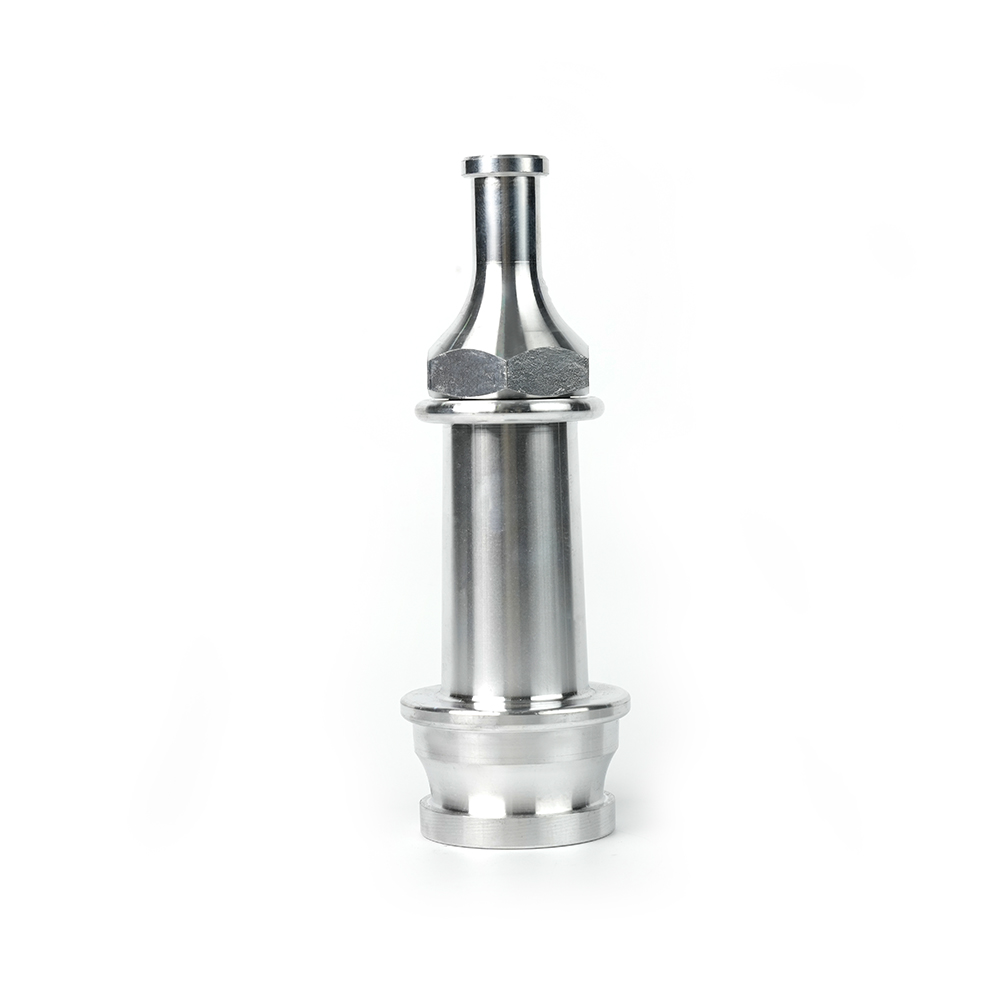 Straight Stream Nozzle
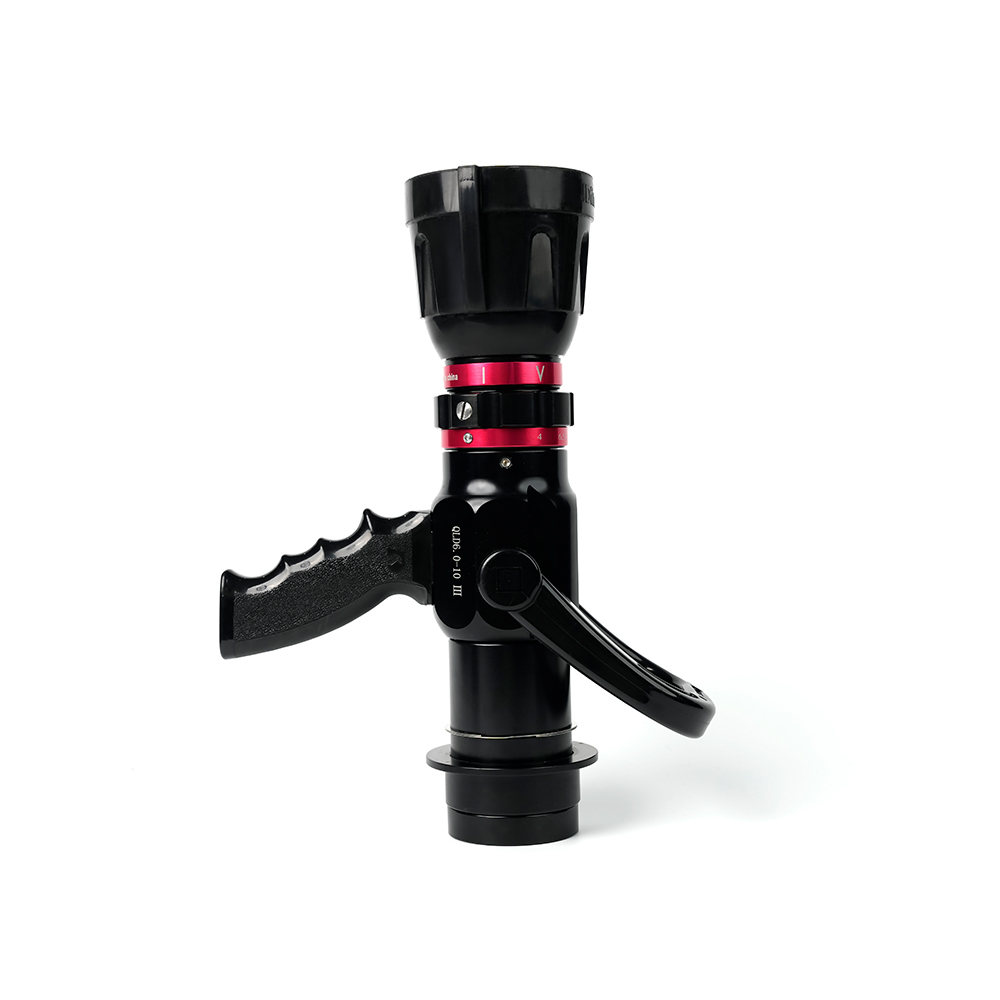 Adjustable nozzle-machino
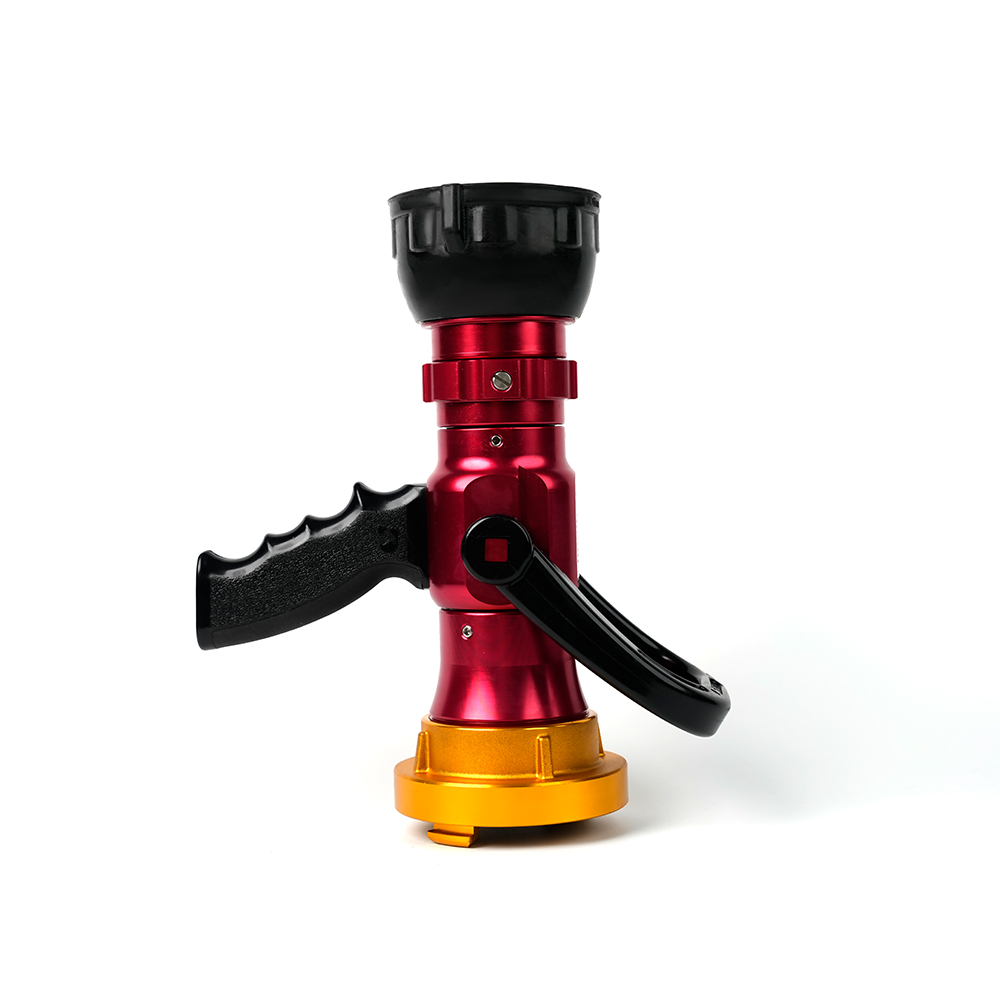 Adjustable nozzle-storz
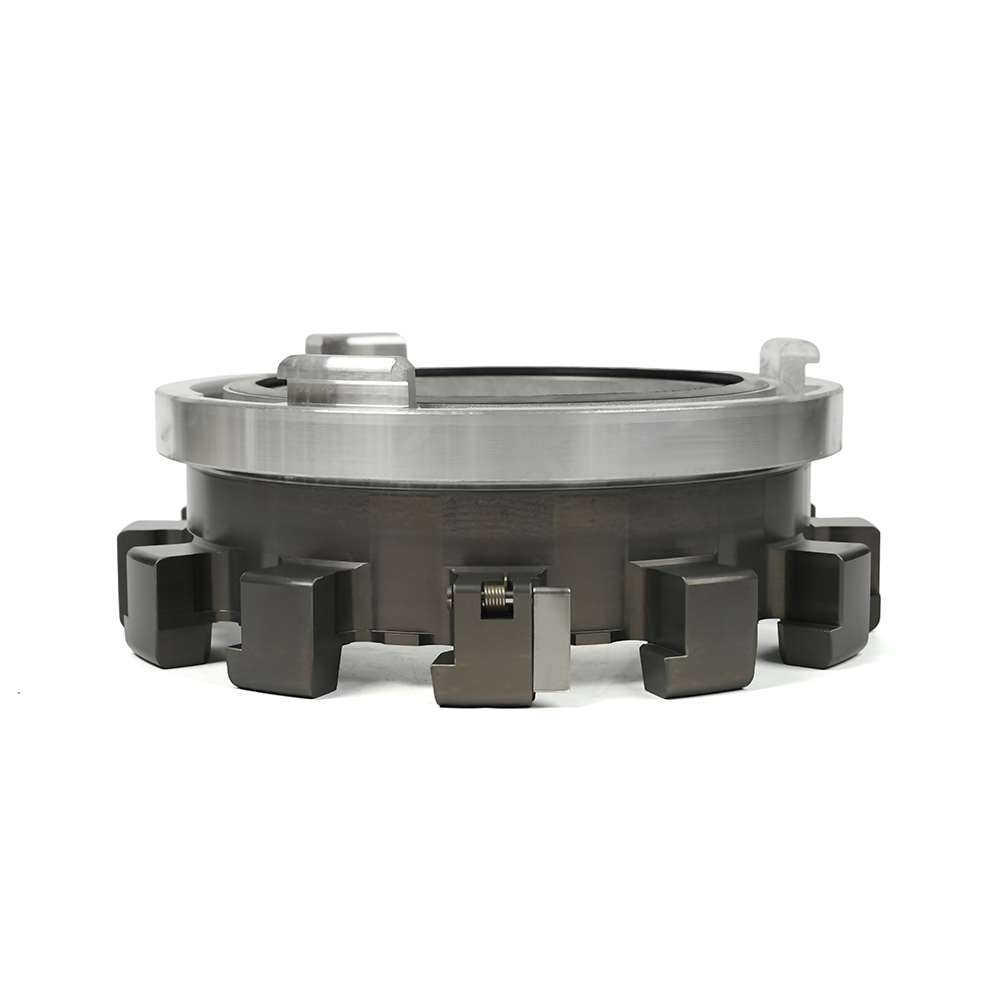 Storz Adapter Couplings - Multi-Tooth
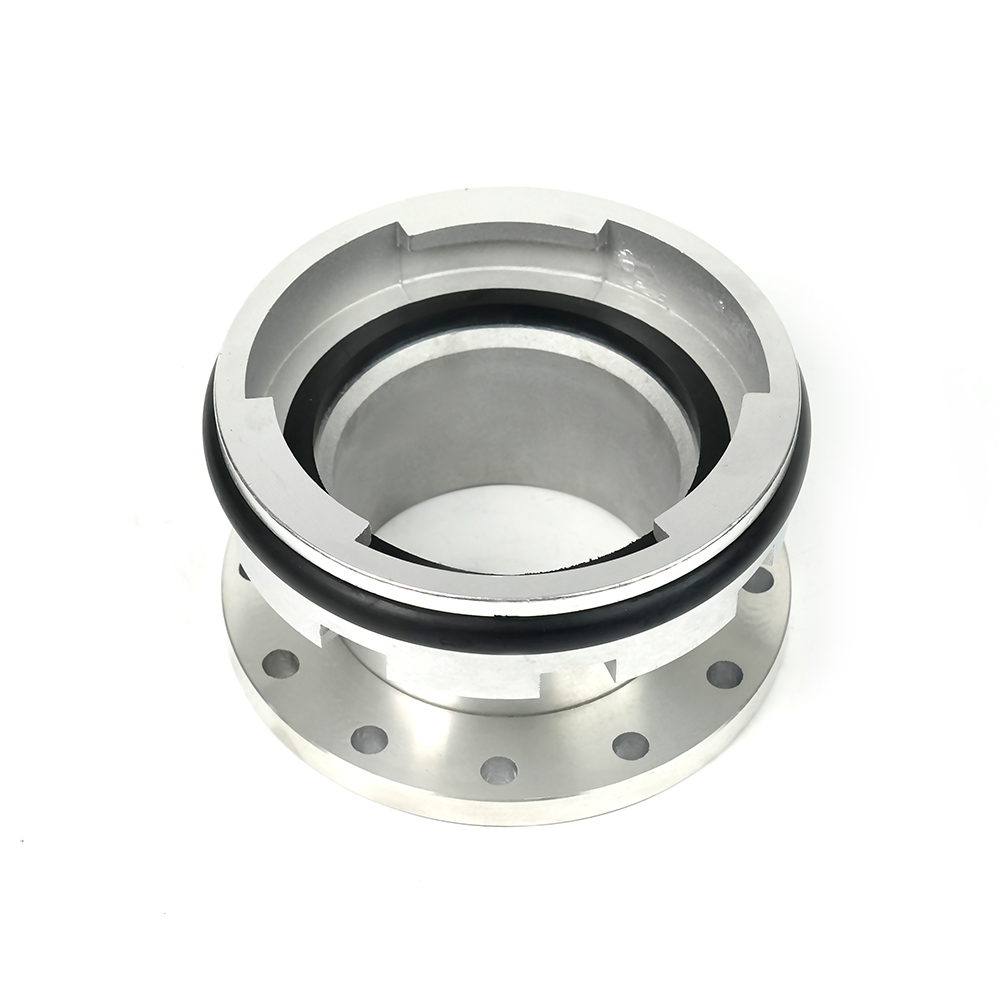 Machino Adapter Couplings – Flanged
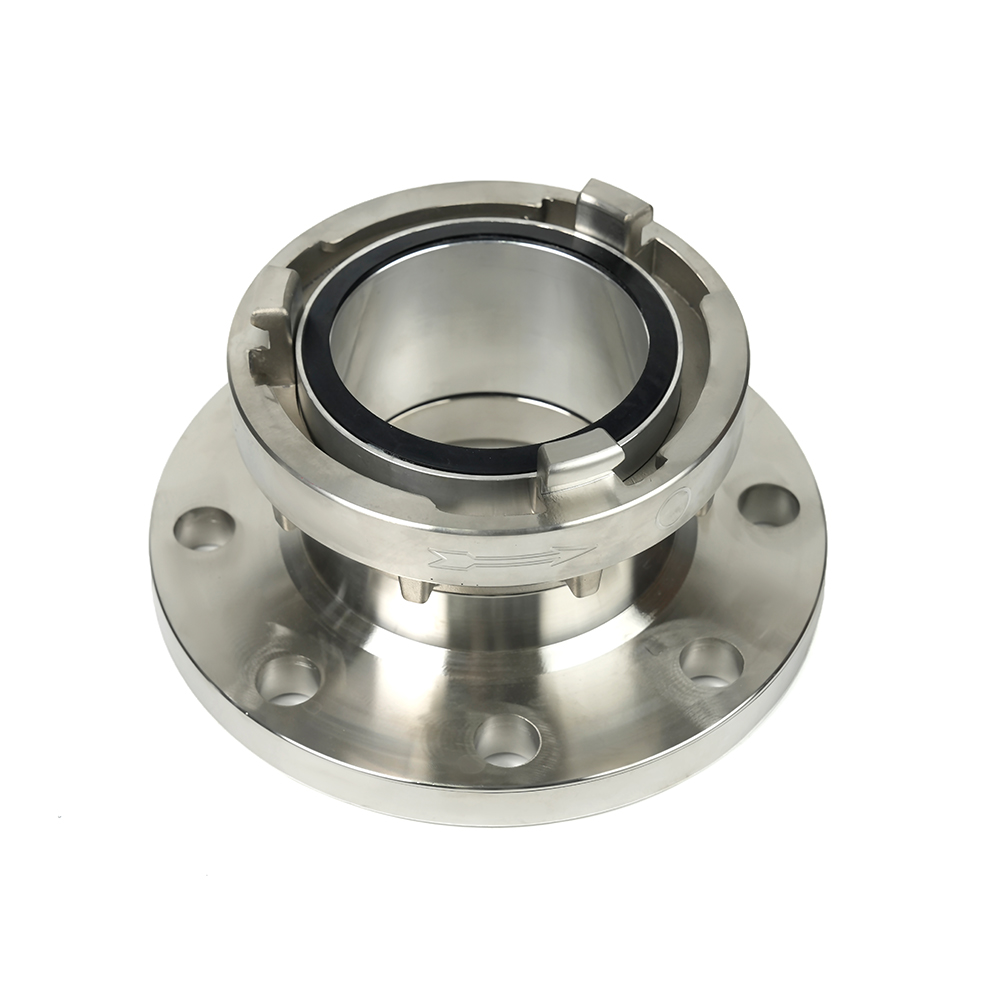 Storz Adapter Couplings – Flanged

 Contact Number
+86-0523-83274900
+86-151 9064 3365
 Let our team offer you customs solutions.
 Company Address
West side of Hongxing Middle Road, Lincheng Street, Development Zone, Xinghua City, Jiangsu Province, China
Copyright @Jiangsu Jinding Fire Protection Technology Co., Ltd. All rights reserved Fire Protection Equipments Manufacturers
