 英语
英语 西班牙语
西班牙语 德语
德语Industry News
Home / News / Industry News / Fire Hose and Nozzles: A Guide to Matching Couplings, Threads and Flow Rates


+86-0523-83274900
+86-151 9064 3365
Content
A maintenance crew at a chemical plant ordered 200 lengths of 2.5 inch hose fitted with Storz couplings, then discovered that the hydrant outlets on site were threaded NH. The hose passed inspection. The connection failed on the first live drill. Nothing was wrong with the product. The specification was wrong.
That is why this guide puts the interface first. When you source fire hose and nozzles, lock down four things before comparing prices: the coupling standard, the thread, the nominal diameter on both sides, and the nozzle flow rate. Gaskets, blank caps, and delivery schedules all follow from those four decisions.
A charged hose line is not a single product. It is a chain of mating parts, and every joint in that chain is either a seal or a delay. A typical industrial or municipal setup includes five interfaces:
In practice, the problems that reach the pump operator usually start at interfaces three and four. A DN65 Storz coupling and a 2.5 inch NH coupling can look similar in a catalog photo, but they will not mate, and no amount of force will change that. Confirm the interface at the drawing stage, not on the fireground.
Coupling standards grew up region by region, so the first question is where the hose will be used and what it has to connect to. Storz is symmetric and genderless, which makes it fast to connect and common across European fire services and industrial plants. Machino and NH serve different markets, while John Morris, Italian, and C plus E couplings cover specific national systems. Forestry work adds external binding and internal expansion couplings that grip a lighter wildland hose.
| Standard | Common market | Typical sizes | Confirm before ordering |
|---|---|---|---|
| Storz | Europe, industrial plants, bulk water transfer | DN50 to DN200 | Number of lugs, locking version, gasket type |
| Machino | Japan and parts of Asia | Nominal 40 to 75 mm | Male or female thread, thread pitch |
| NH | North America | 1.5 inch, 2.5 inch | Thread class, rocker lug versus pin lug |
| John Morris | United Kingdom | Nominal 45 to 70 mm | Instantaneous head pattern, blank cap thread |
| Italian | Italy and nearby markets | Nominal 45 to 70 mm | Head profile, condition of the sealing face |
| Forestry | Wildland firefighting | 25 mm to 50 mm | External binding or internal expansion, hose wall thickness |
Sizes alone are a trap. Two couplings marked DN65 from different standard families are not interchangeable. Ask for a dimensional drawing that shows the sealing face, thread angle, and overall length, and check that the pressure rating matches both the hose and the pump. Most fire hose systems in industrial service are rated around 16 bar, but the test pressure and the manufacturer marking are what an inspector will ask for.
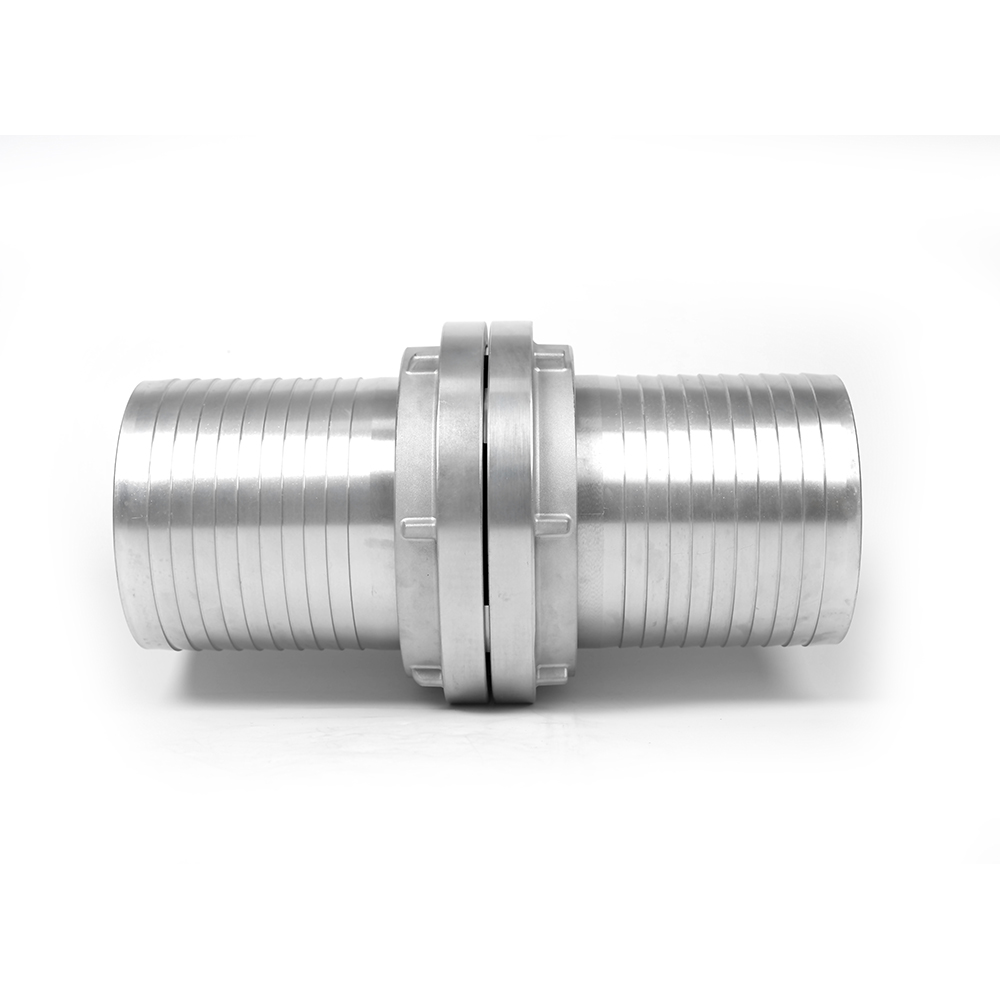 Storz Fire Hose Coupling-LargeStorz fire hose coupling can be classified into 2 types based on the shape of the tailpipe. 1. Serrated tail ends type: When connected to the hose, the hose is placed ...View Product →
A nozzle does two jobs: it turns pressure into a usable stream, and it lets the operator choose between reach and protection. Straight stream nozzles are simple, durable, and give the longest reach at a given pressure, which is why they remain common on industrial hose reels and monitors. Adjustable nozzles add a shutoff and a range of patterns, from a tight straight stream through narrow fog to a wide protective fog cone.
Flow rate is the number that decides whether the nozzle suits your pump. A 2.5 inch line at 7 bar can deliver well over 900 litres per minute through a large adjustable nozzle, and the reaction force on the operator grows with it. Fit a nozzle that is too large for the pump and the stream collapses at the tip. Fit one that is too small and you lose reach and cooling capacity. Check the rated flow at a stated pressure, not just the inlet size.
Pattern setting also changes how water behaves inside a compartment. A wide fog absorbs heat and shields the crew, but it can push smoke and steam back toward the entry point. A straight stream penetrates further and uses less water. The modes available on a given adjustable nozzle, and what each one is suited to, are worth reviewing before training. The spray modes of an adjustable nozzle are outlined in more detail in the technical notes on this site.
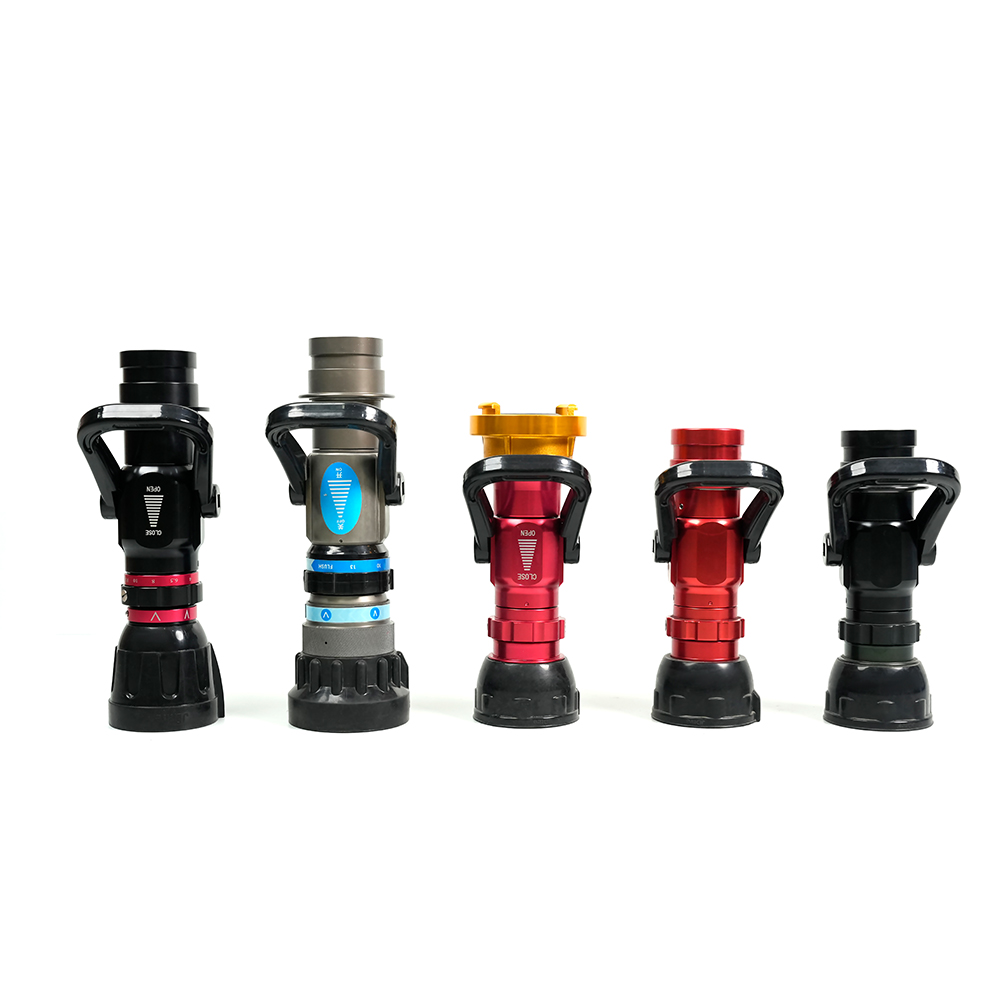 Adjustable nozzle-storzThe adjustable fire nozzle is a firefighting tool that integrates multiple spray patterns, flow control, and safety features. Its core definition and technical charact...View Product →
Not every site can standardise overnight. When a plant runs Italian couplings on one side and Storz on the other, an adapter is cheaper than replacing the hose fleet. Cross standard adapters typically join Storz to flanged, Storz to forestry, Machino to flanged, or Machino to forestry, while reducers handle the size step between DN80 and DN65 lines. Buy the adapter as a matched set with its gasket, and record the part number on the asset list, because a loose adapter is the first thing to disappear from a hose cabinet.
Distributors take one supply line and split it. A locking two way distributor feeds two attack lines from a single hydrant outlet, while three way and four way versions support larger operations. Locking heads matter in high rise and forest firefighting, where a branch line that pops loose under pressure can put a crew at risk. Multifunctional distributors add gate valves so an unused outlet can be closed without shutting down the supply.
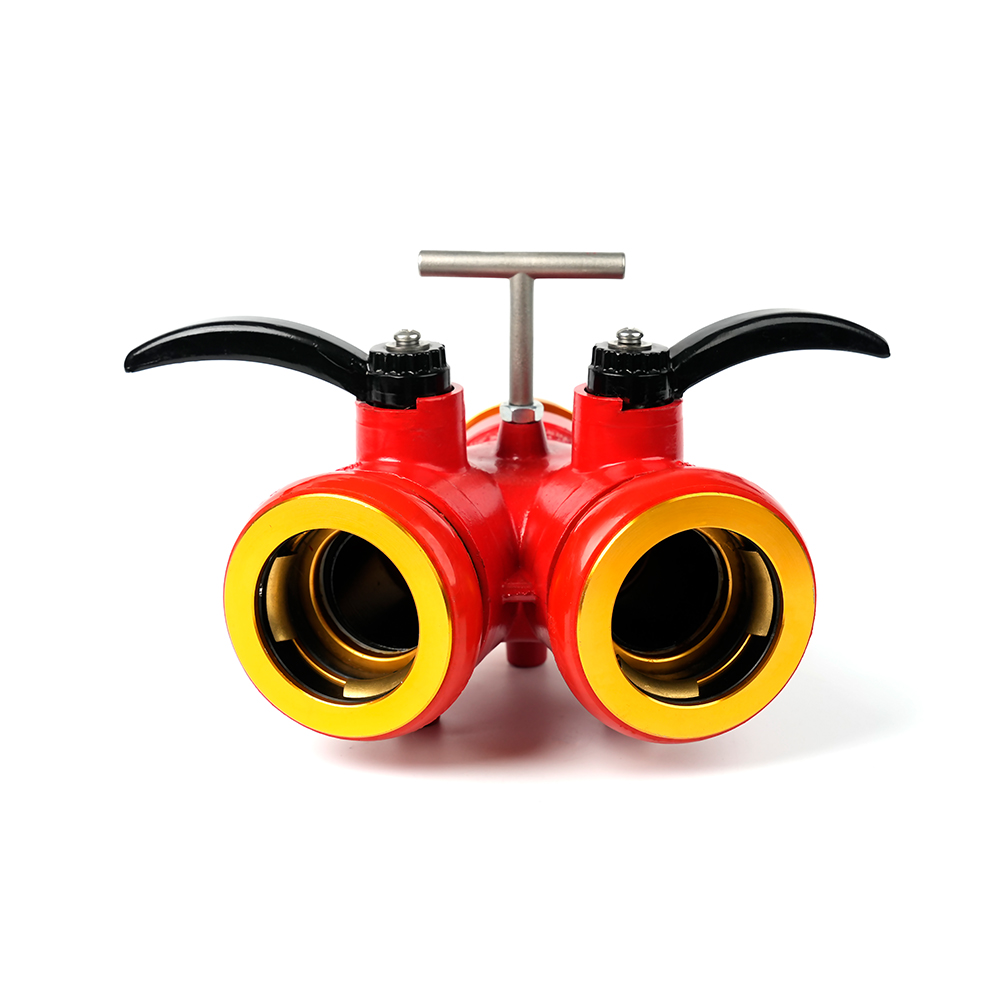 Locking Two-Way Fire Hose DistributorThe locking fire hose distributor is a firefighting water divider equipped with an anti-misoperation locking mechanism, designed to split a single water flow into mult...View Product →
Run through the following points before releasing a purchase order. Each one corresponds to a failure mode that is far more expensive to fix after delivery.
Because couplings and nozzles are standardised parts, supplier selection comes down to consistency. A manufacturer that controls mold making, machining, and testing in house can hold tolerances across repeat orders, which matters when the second shipment arrives two years after the first.
Jiangsu Jinding Fire Protection Technology has produced fire hose couplings, nozzles, hydrants, and large diameter pipe fittings since 1998 from its base in Xinghua, Jiangsu. The company holds ISO 9001:2015 quality system certification, voluntary product certification, and inspection reports issued by the National Fire Equipment Quality Supervision and Inspection Center. Its catalog covers Storz, Machino, NH, John Morris, Italian, forestry, mining, agricultural, and garden coupling families, along with adapters, adjustable and straight stream nozzles, and two, three, and four way distributors. Documentation is available in English, Spanish, and German, which helps when a project spans several markets.
Start with the interface, then the flow, then the price. Send your coupling standard, thread, hose bore, and required flow rate to the supplier, and ask for a dimensional drawing and a test report in return. Contact the team to confirm fit before the order is placed rather than after the hose is in the cabinet.
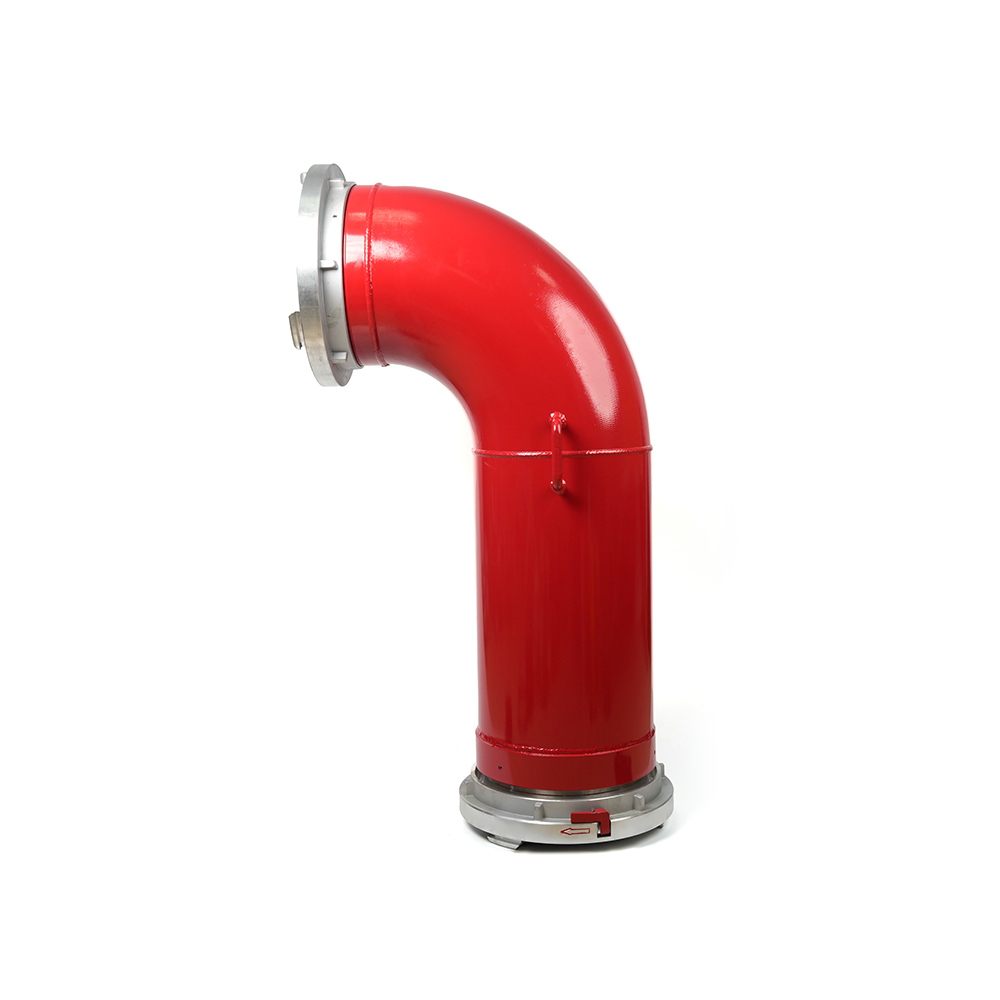 Grooved Fire Elbow-Storz
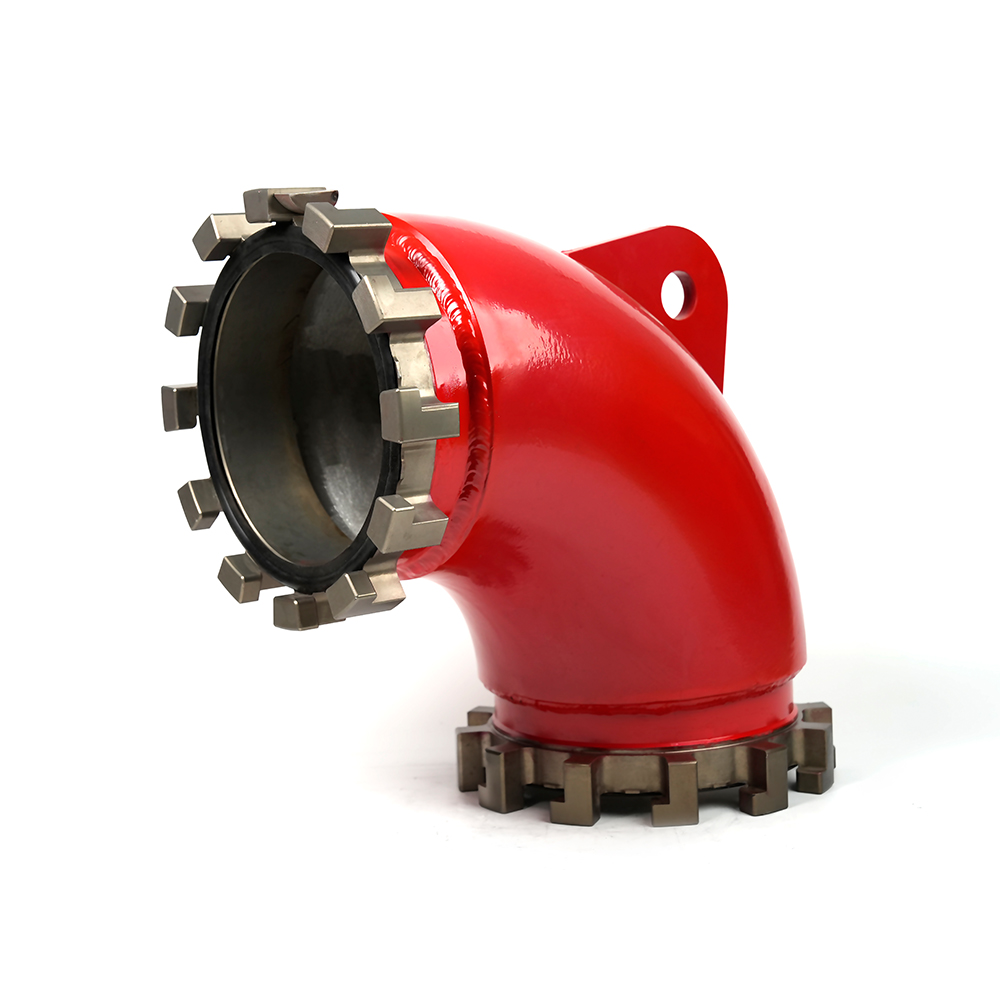 Grooved Fire Elbow-Multi-tooth
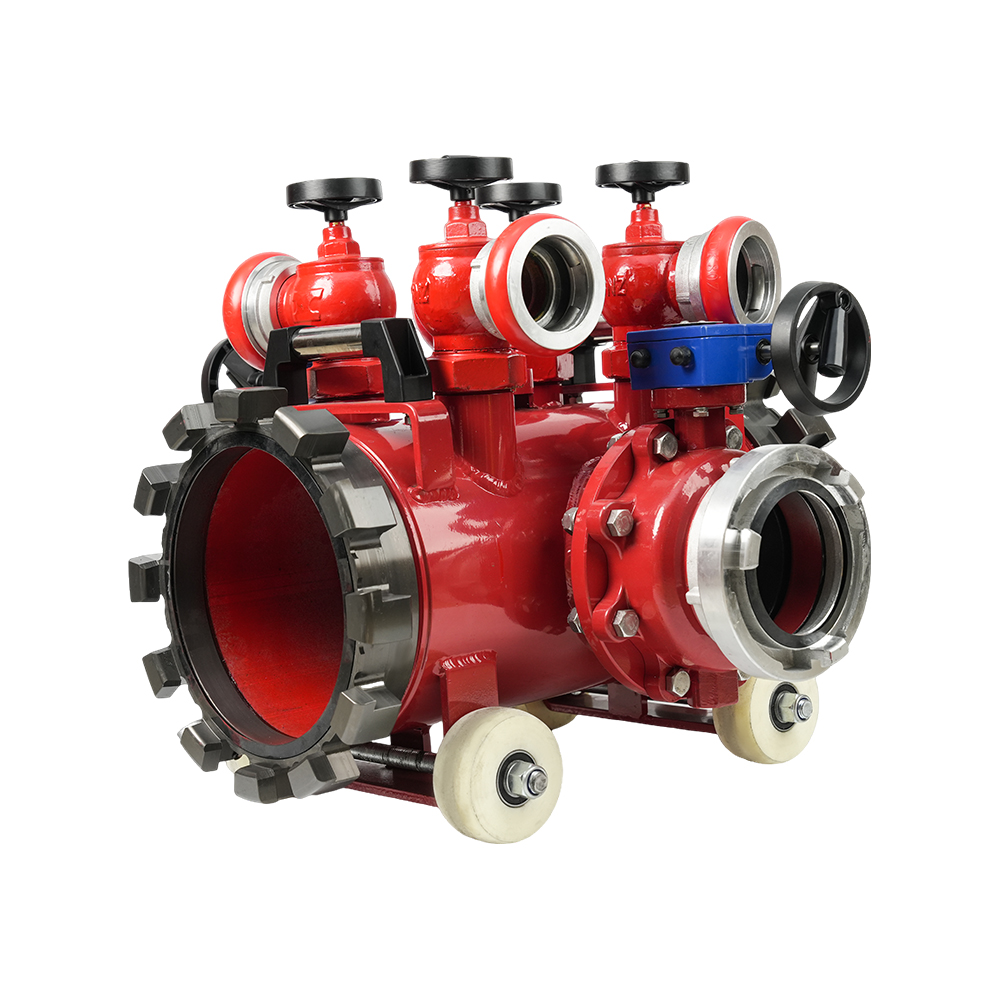 Multi-functional Fire Hose Distributor
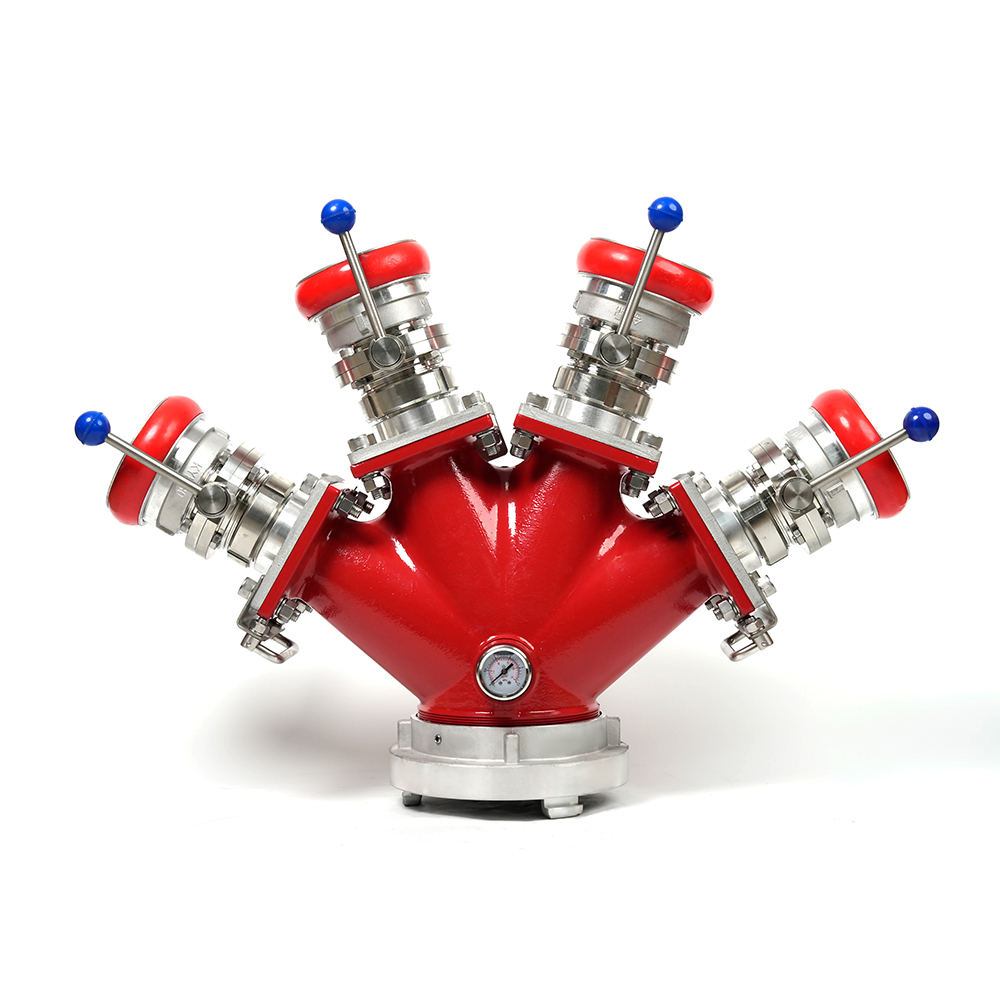 Locking Four-Way Fire Hose Distributor
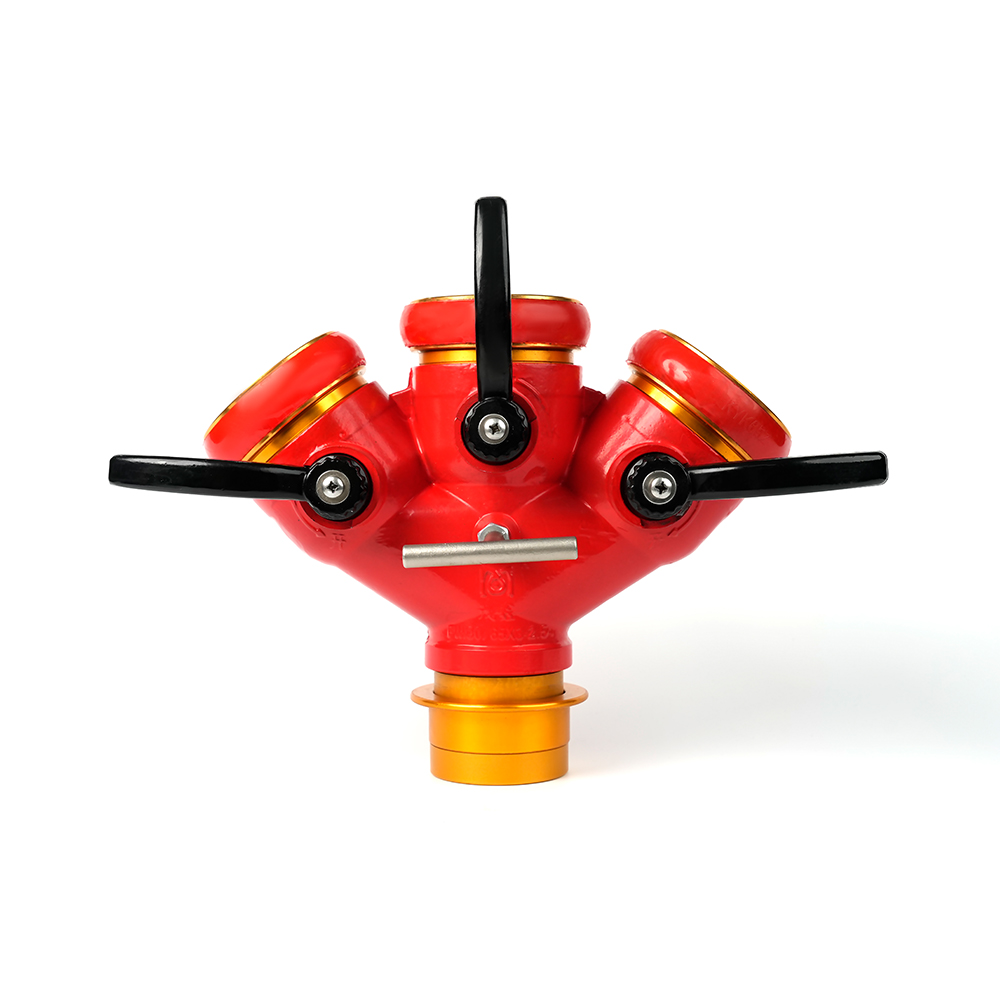 Locking Three-Way Fire Hose Distributor
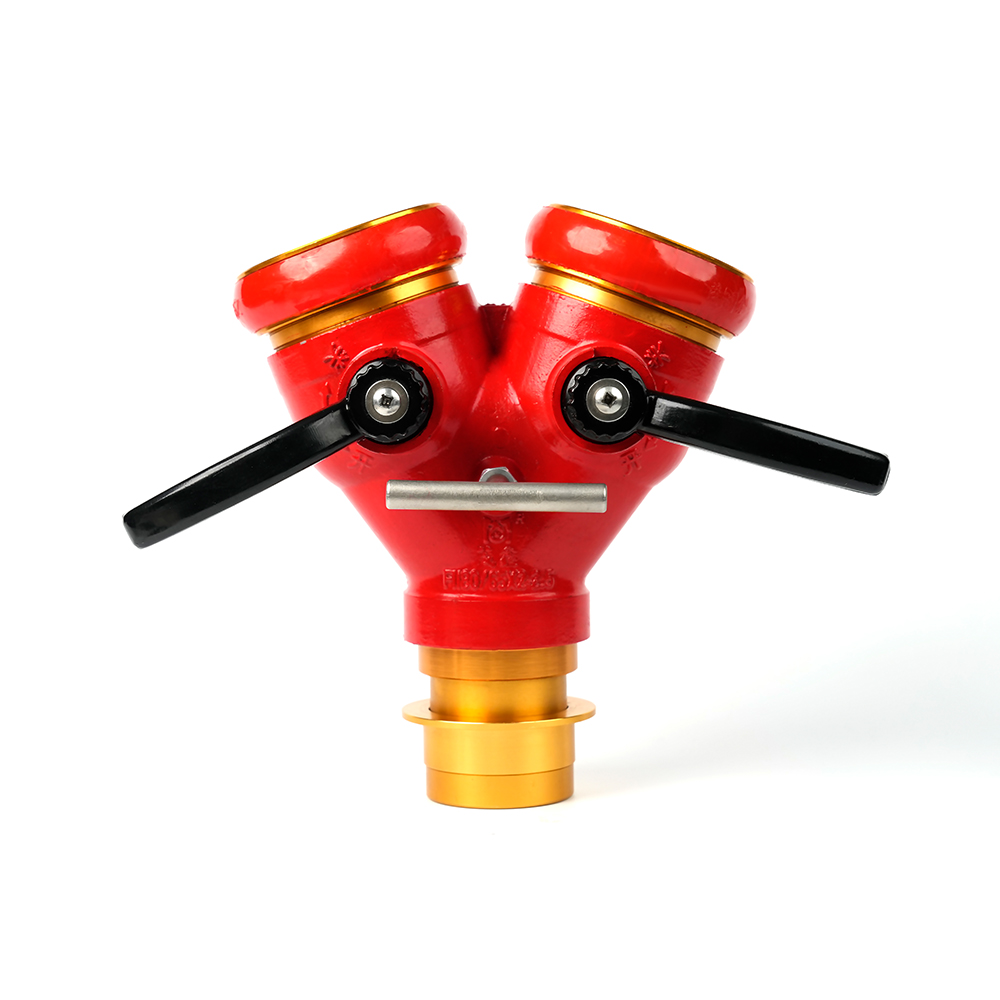 Locking Two-Way Fire Hose Distributor
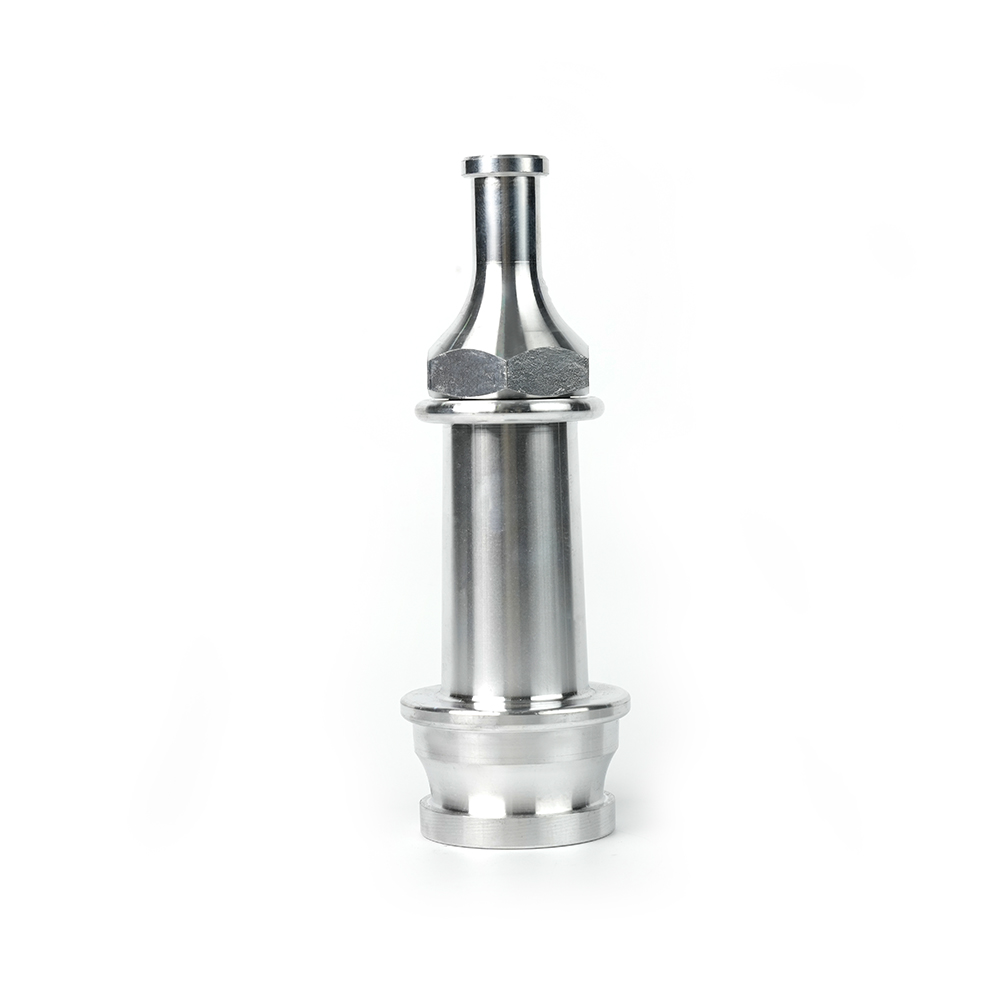 Straight Stream Nozzle
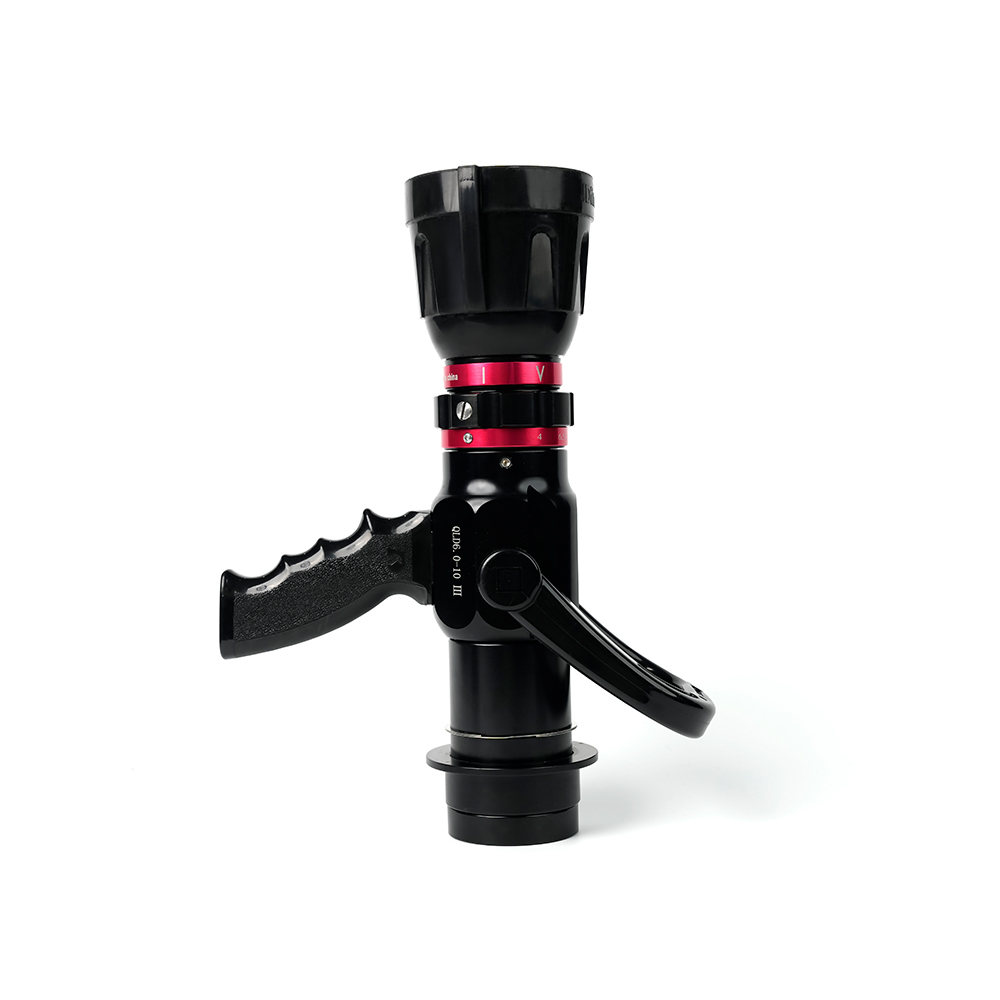 Adjustable nozzle-machino
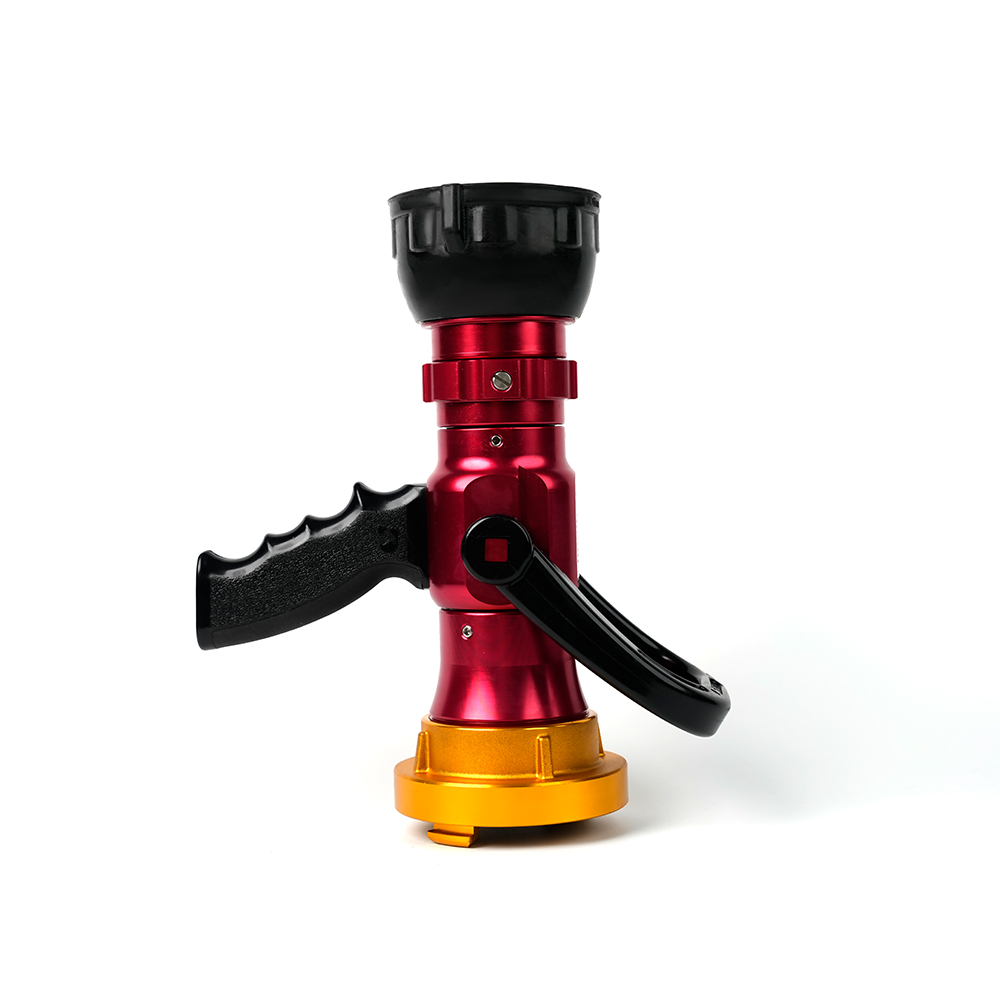 Adjustable nozzle-storz
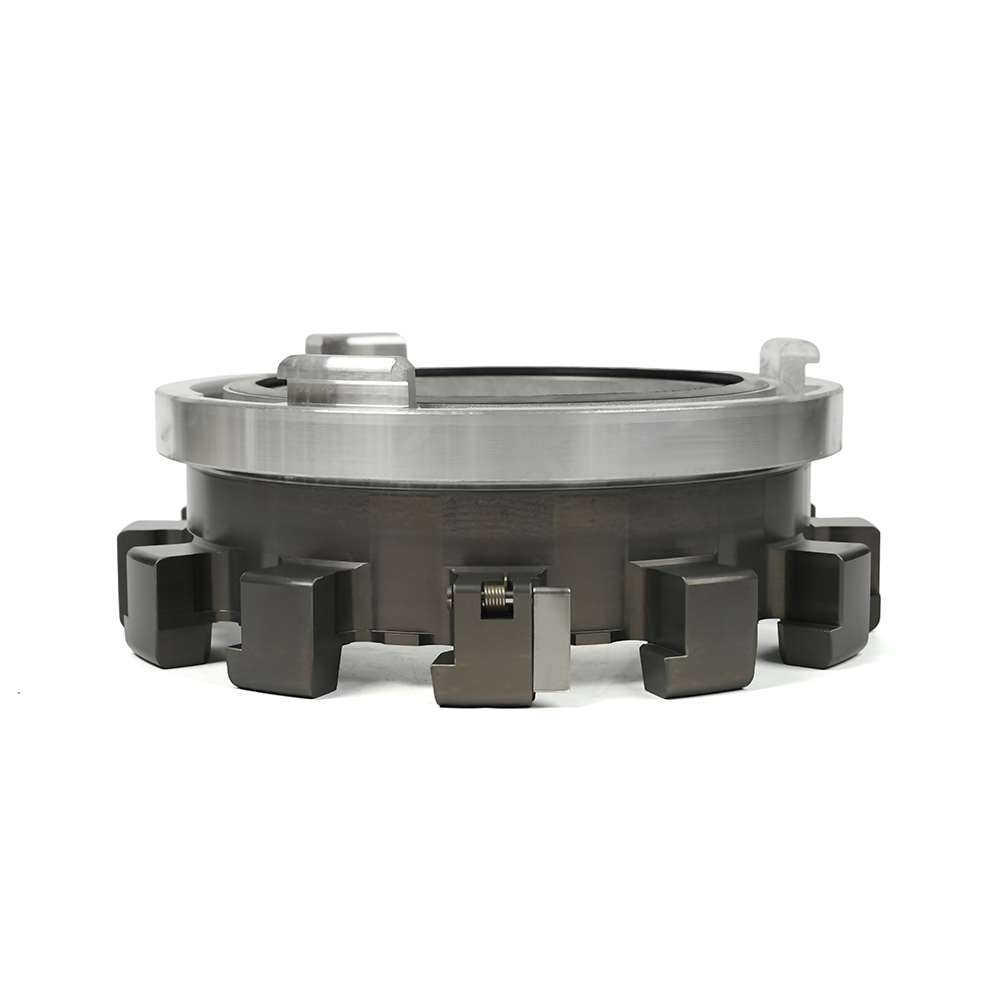 Storz Adapter Couplings - Multi-Tooth
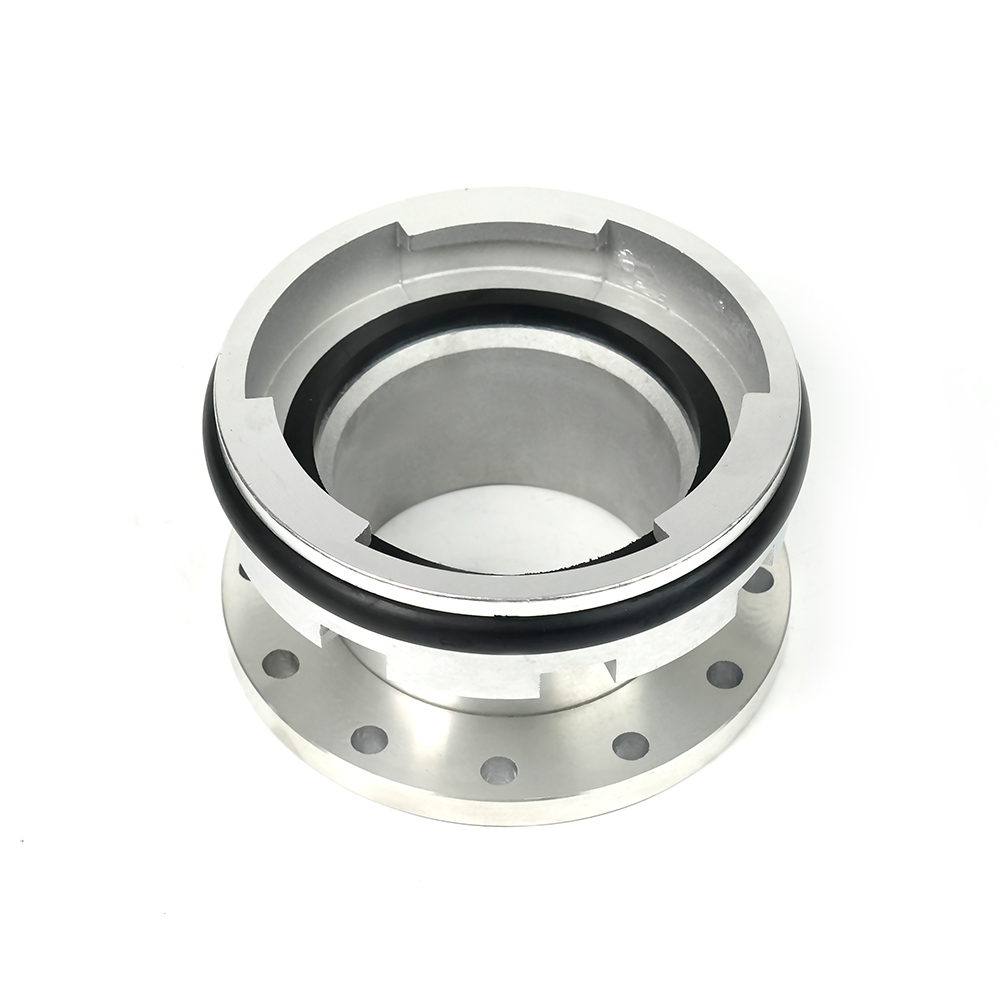 Machino Adapter Couplings – Flanged
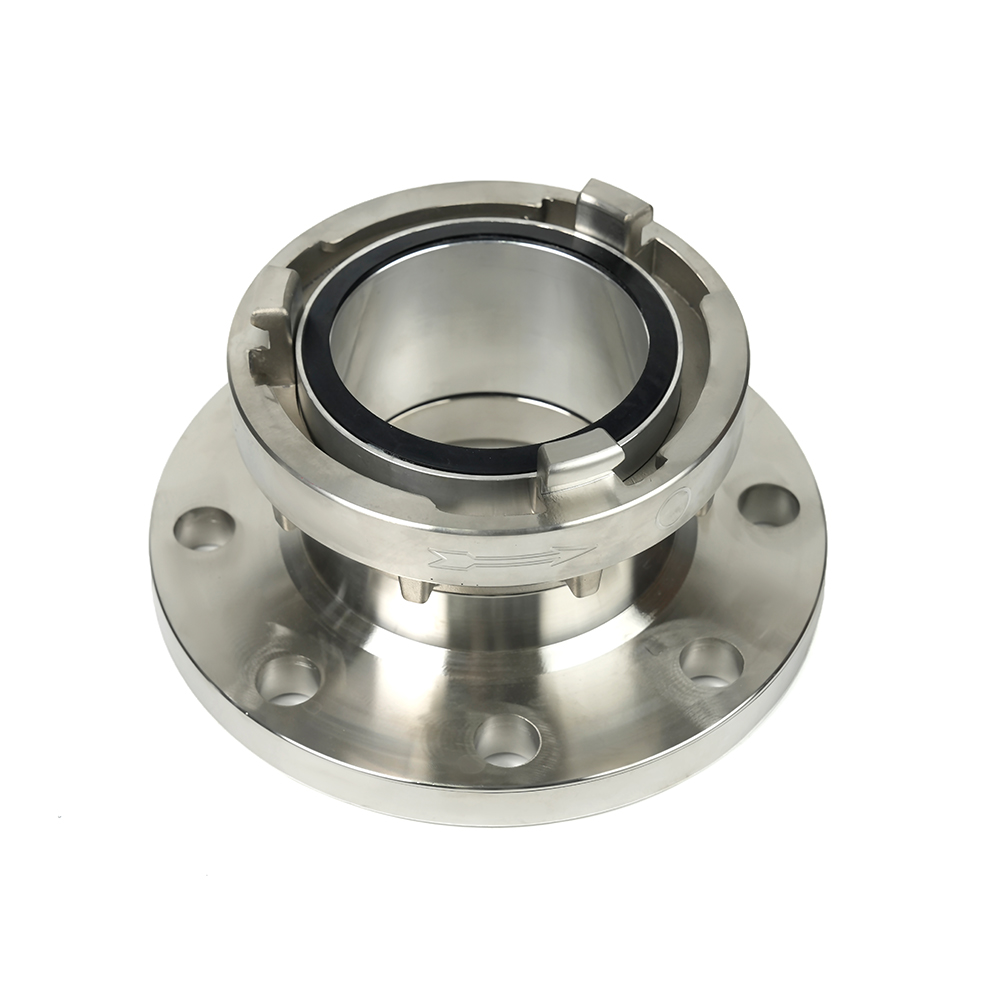 Storz Adapter Couplings – Flanged

 Contact Number
+86-0523-83274900
+86-151 9064 3365
 Let our team offer you customs solutions.
 Company Address
West side of Hongxing Middle Road, Lincheng Street, Development Zone, Xinghua City, Jiangsu Province, China
Copyright @Jiangsu Jinding Fire Protection Technology Co., Ltd. All rights reserved Fire Protection Equipments Manufacturers
