 英语
英语 西班牙语
西班牙语 德语
德语Industry News
Home / News / Industry News / Aluminum Hose Fittings: Alloy Grades, Interface Standards and Buying Checks


+86-0523-83274900
+86-151 9064 3365
Content
Twenty joints of 65 mm hose line sit inside a 200 metre relay, and every one of them gets lifted, dragged over wet concrete and stacked back on the truck after the call. Swap the bodies from brass to aluminum alloy and that same relay loses several kilograms of metal, which usually shows up as a faster hose bed recovery and less strain on the person holding the branch.
That is the practical argument for aluminum hose fittings, and it is why most portable fire hose systems built today use aluminum alloy bodies. Weight alone does not decide whether a fitting still seals in year ten. Alloy grade and temper, wall thickness at the hose tail, thread tolerance, anodizing thickness and the sealing ring compound carry equal weight in that verdict, and they are the details that separate a body that weeps at year three from one that holds pressure until it is retired.
Aluminum alloy density sits close to 2.7 g/cm3, roughly a third of brass at about 8.4 g/cm3 and stainless steel at about 7.9 g/cm3. A 65 mm coupling body in aluminum alloy typically weighs between 0.45 kg and 0.55 kg, while the same pattern in brass runs near 1.3 kg. The material also machines quickly, which keeps the cost of complex shapes such as Storz heads and grooved adapters under control, and an anodized surface can be dyed for color coding by line or by department.
| Material | Density (g/cm3) | Typical hardness (HB) | Corrosion behavior | Relative cost | Usual role |
|---|---|---|---|---|---|
| Aluminum 6061-T6 | 2.70 | 95 | Natural oxide film, anodizing lifts chloride resistance | 1.0 | Portable hose couplings, adapters, nozzles |
| Aluminum A356-T6 | 2.68 | 85 | Anodizes well, sensitive to copper contact | 0.9 | Cast Storz heads and complex bodies |
| Brass CuZn | 8.40 | 120 | Good in fresh water, dezincification risk in salt | 3.2 | Legacy couplings and marine hose racks |
| Stainless 316 | 7.90 | 200 | Best in salt and chemical service | 5.0 | Wash-down, chemical and offshore lines |
| Malleable iron | 7.20 | 150 | Needs coating, chips expose rust | 0.8 | Fixed pipework, non-portable joints |
The chart compares the finished weight of a single 65 mm coupling body across the materials most often quoted for fire hose systems. Aluminum alloy bodies sit at the bottom of the scale at roughly 0.45 kg and 0.52 kg per piece, while brass tops the group at about 1.3 kg. Across a twenty joint relay that gap works out to around 17 kg of metal that a crew lifts and repositions on every call. The stainless steel bar sits close to brass on weight, which is why stainless is usually kept for fixed or chemical duty rather than portable hose. The weight advantage only holds when the threads and seats stay accurate, so the alloy and temper behind each body deserve the same attention as the number on the scale.
Machined and forged bodies are normally cut from 6061-T6 or 6082-T6 bar, while cast Storz heads and other complex shapes are poured in A356-T6. The T6 temper means the part was solution heat treated and artificially aged, which is what lifts 6061-T6 to a tensile strength near 310 MPa and a yield strength near 275 MPa. Extruded 6063-T5 is easier to form and anodize but sits far lower on strength, which makes it reasonable for garden and light agricultural couplings and a poor choice for a 16 bar fire line.
Pressure class deserves the same scrutiny. A 65 mm fire hose coupling is commonly rated at 1.6 MPa working pressure with a proof test at 2.4 MPa and a burst figure above 4.8 MPa, and the wall section at the hose tail generally controls that burst number more than the alloy name does. Aluminum is also softer than brass or stainless, with a Brinell hardness near 95 in 6061-T6, so thread crests deform when a coupling is cross-threaded under load. Anodizing in the 10 to 25 micrometre range reduces galling on repeated assembly, and a dry-film lubricant on the threads helps further.
The columns show typical tensile strength for the alloys that appear on coupling drawings, with a brass reference for contrast. 6063-T5, near 186 MPa, is the weakest of the group and suits garden and light agricultural fittings far better than a 16 bar fire line. Cast A356-T6 lands near 240 MPa, which is workable for Storz heads as long as wall sections stay thick and porosity is controlled. The wrought alloys reach about 310 MPa for 6061-T6 and 340 MPa for 6082-T6, and that margin is what allows a thinner hose tail without losing burst performance. Brass is stronger again, yet the extra strength buys little on a portable line where the thread or the gasket fails long before the body yields.
Aluminum protects itself with a passive oxide layer that re-forms within minutes of a scratch, which is why a dry aluminum coupling rarely shows more than surface dulling. Chlorides change that picture, because salt spray drives pitting at the thread roots and inside the hose tail where water sits after a drill. Strong alkaline wash-down chemicals, particularly caustic cleaners above pH 9, attack the oxide layer directly and should never be left standing in an aluminum fitting. Where aluminum bodies sit against stainless steel or brass in a wet location, the galvanic couple accelerates the same pitting, so an insulating washer or a coated thread is worth the small extra cost.
The lines trace how much burst pressure a coupling keeps as salt spray exposure accumulates, using indicative values for anodized aluminum, bare aluminum, brass and stainless steel. Bare aluminum is the only line that falls sharply, losing roughly a sixth of its initial burst strength by 960 hours as pitting works into the hose tail. Anodized aluminum holds more than 96 percent of its starting strength over the same period, which puts it close to brass and only slightly behind stainless. The stainless curve is almost flat, and that stability is exactly what you pay for when a fitting lives on a chemical plant wash-down line. The practical reading is simple, because on an aluminum hose fitting anodizing is not cosmetic, it is the difference between a body that still holds pressure after two coastal seasons and one that has to be pulled from service.
An aluminum body is only useful if it locks onto the hose and the mating half your department already carries, and the common patterns differ in ways that the eye cannot sort out on a wet dock.
Because alloy choice has no effect on the interface geometry, mixing suppliers within one standard usually works, provided the thread or locking profile is cut to the published gauge. Tolerance drift is where problems appear, as couplings that need two hands and a knee to lock, or that weep at the gasket just under the working pressure.
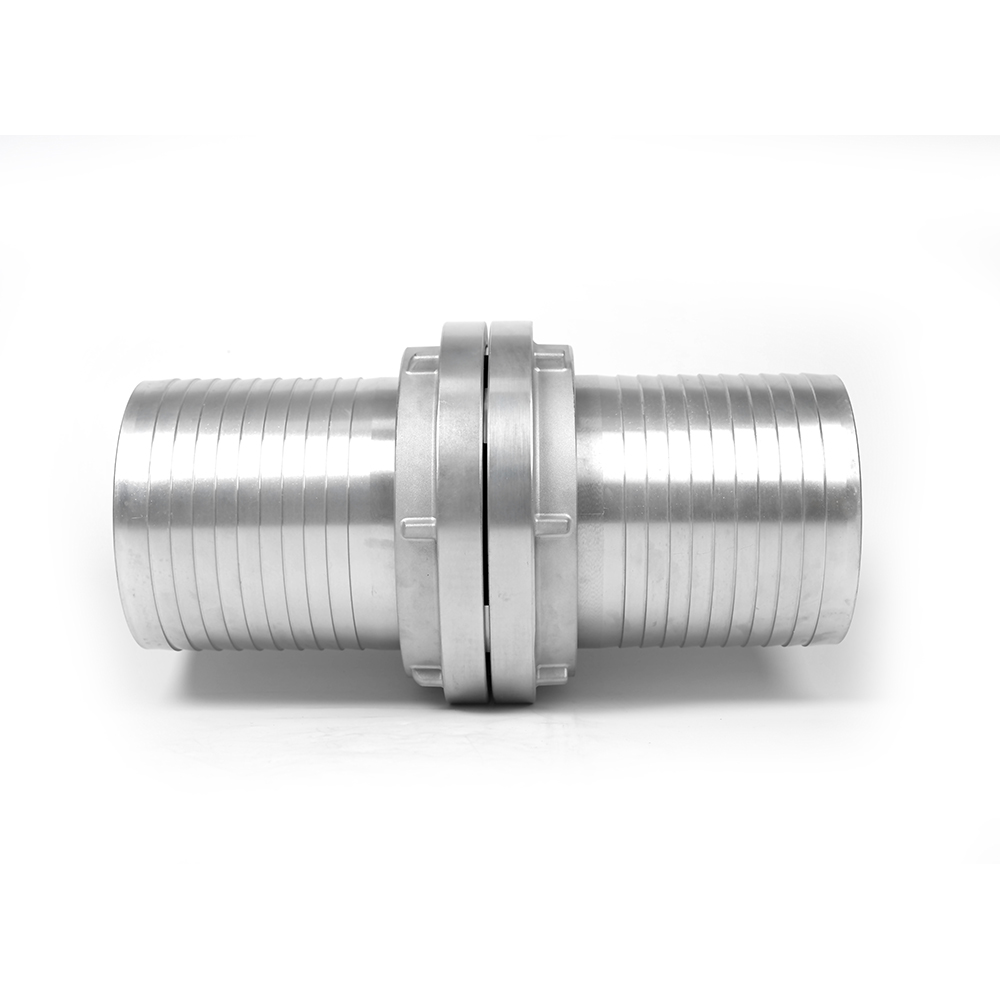 Storz Fire Hose Coupling-LargeStorz fire hose coupling can be classified into 2 types based on the shape of the tailpipe. 1. Serrated tail ends type: When connected to the hose, the hose is placed ...View Product →
 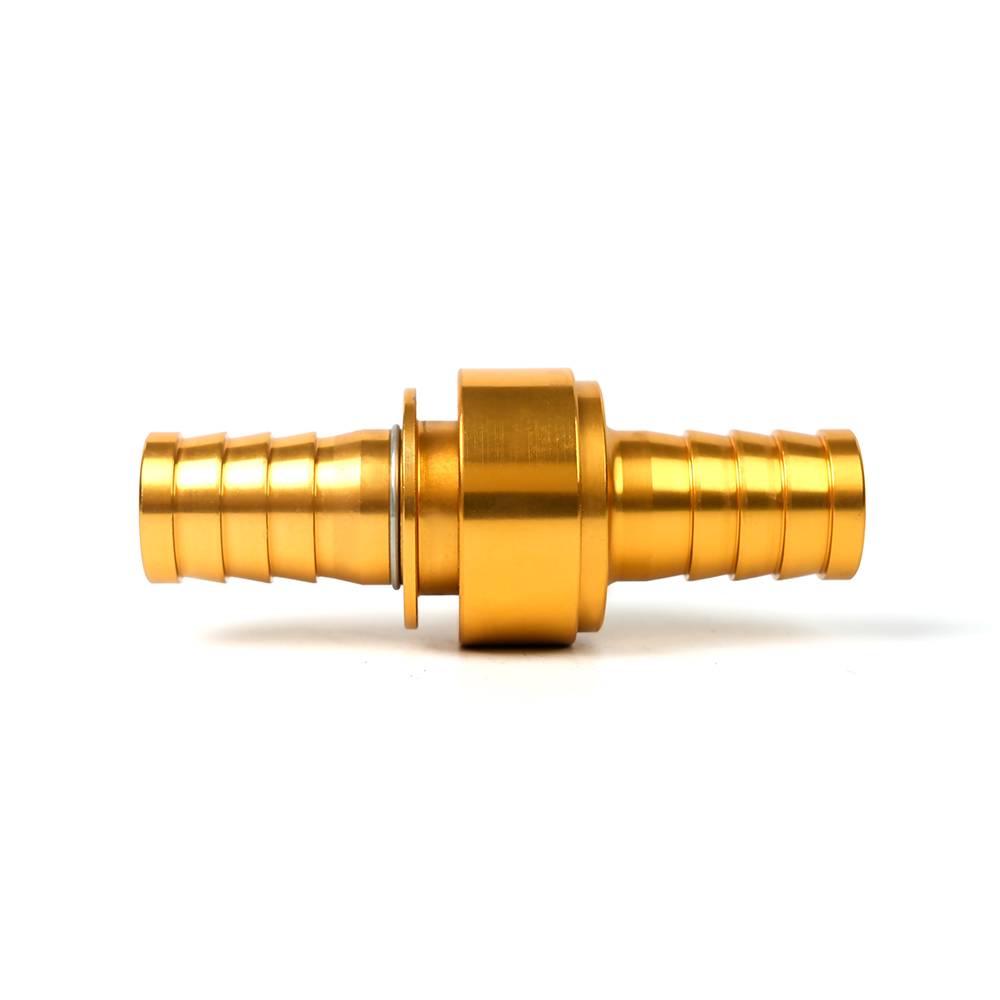 Machino Fire Hose CouplingMachino fire hose coupling can be classified into 2 types based on the shape of the tailpipe: 1. Serrated tail ends type: When connected to the hose, the hose is place...View Product →
Two hose stocks in one warehouse almost always means two standards, and the cheapest fix is usually an adapter rather than a second set of hoses. A single adapter between Storz and a flanged outlet, or between Machino and a forestry thread, lets a crew use the hose it already carries on a hydrant or monitor built to another pattern.
Every adapter adds a joint and a little weight, so keep the count low and check the assembled length against the bend radius at the pump outlet. Reducers and blank caps belong in the same kit, because a size mismatch or an open branch line is the same problem wearing a different name.
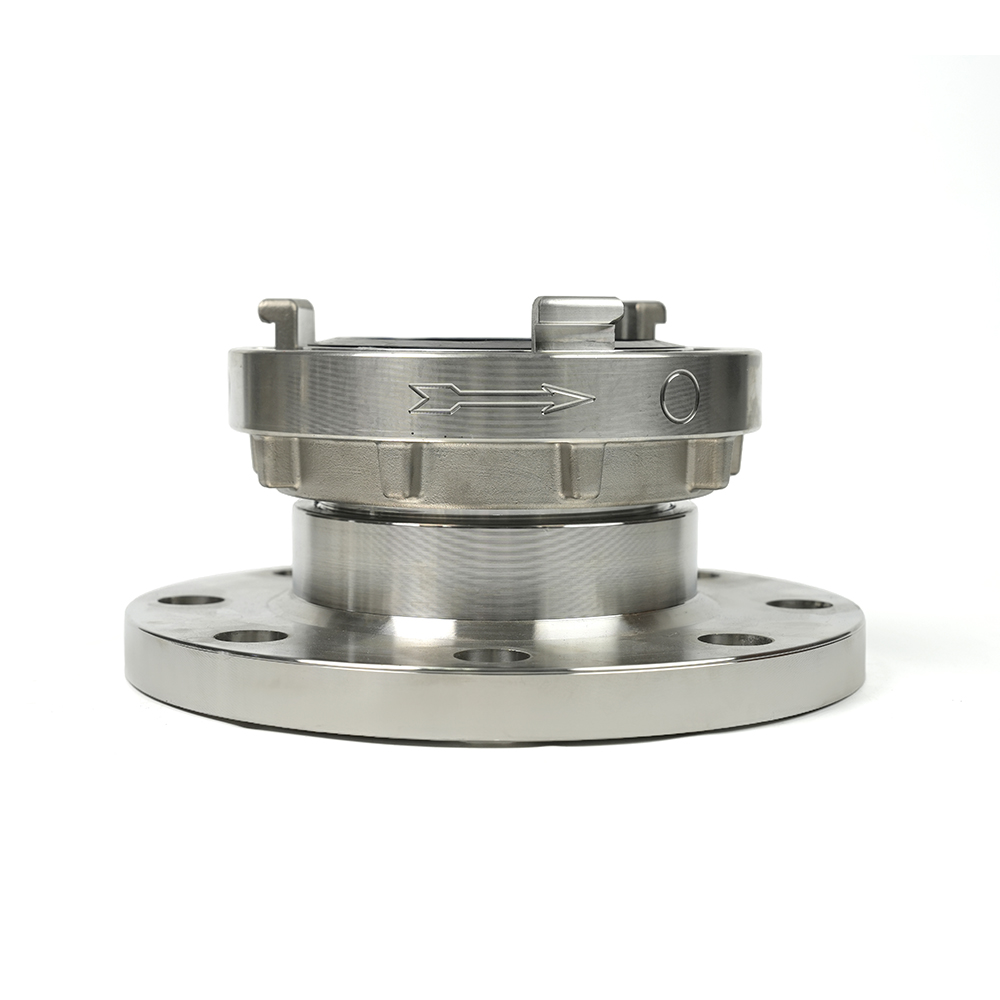 Storz Adapter Couplings – FlangedAdapter couplings are used to connect or convert between different standards and types of fittings. They allow otherwise incompatible interfaces to be connected to eac...View Product →
Most failures traced back to aluminum fittings come from a specification that was never written down. Put these points in the purchase order.
Field practice matters as much as paperwork, and anything a crew does by feel should sit behind a written procedure. Even a well made joint can be ruined by a rushed connection, so it is worth reviewing how fire hose joints should be connected before blaming the hardware.
A supplier that owns its mold shop and machining line can hold tolerances when a standard shifts, and can produce a matching blank cap or reducer for the same pattern. Jiangsu Jinding Fire Protection Technology, based in Xinghua, Jiangsu and active since 1998, covers mold making, machining and product testing in house, holds ISO 9001:2015 certification and carries voluntary product certification supported by test reports from the National Fire Equipment Quality Supervision and Inspection Center. Those documents help during a tender, but they matter more when a batch is disputed, because traceability is the only reliable way to isolate one bad run from a whole product line.
The radar compares aluminum alloy, brass and stainless steel on six criteria that usually appear in a specification review, each scored from one to five with a higher score meaning better. Aluminum alloy takes top marks on weight, machinability and field repairability while staying competitive on strength and cost. Brass holds a narrow lead on strength and corrosion resistance but gives back a great deal on weight and material cost. Stainless steel is the strongest and most corrosion resistant of the three, yet it scores lowest on cost and repairability, which is why it rarely appears on portable hose. Read the overall shape rather than one axis, because the right material is the one that covers the weakness your application punishes hardest.
Run the numbers on weight, pressure class and standard before arguing about price per piece, and ask for the test records behind each claim. If you are specifying aluminum hose fittings for a new line or replacing a legacy brass stock, the team can review patterns, sizes and alloy options against your existing inventory through the contact page.
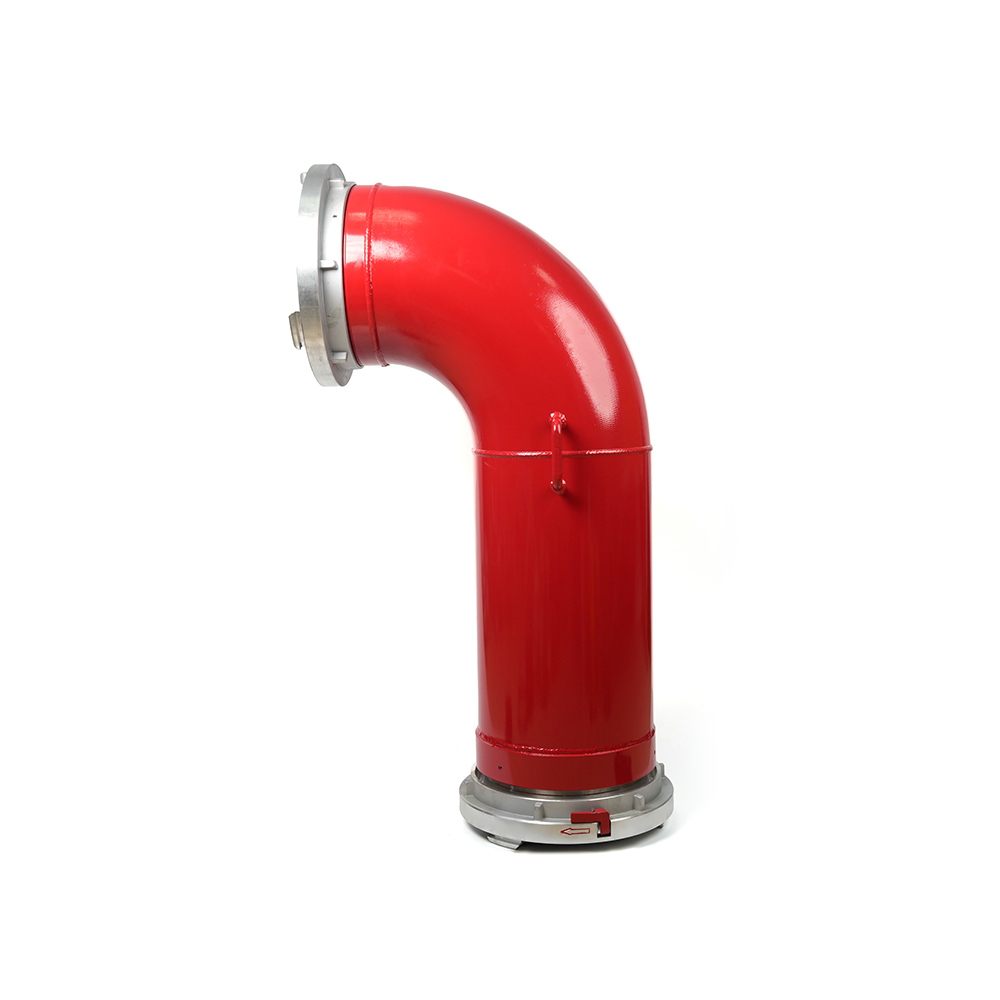 Grooved Fire Elbow-Storz
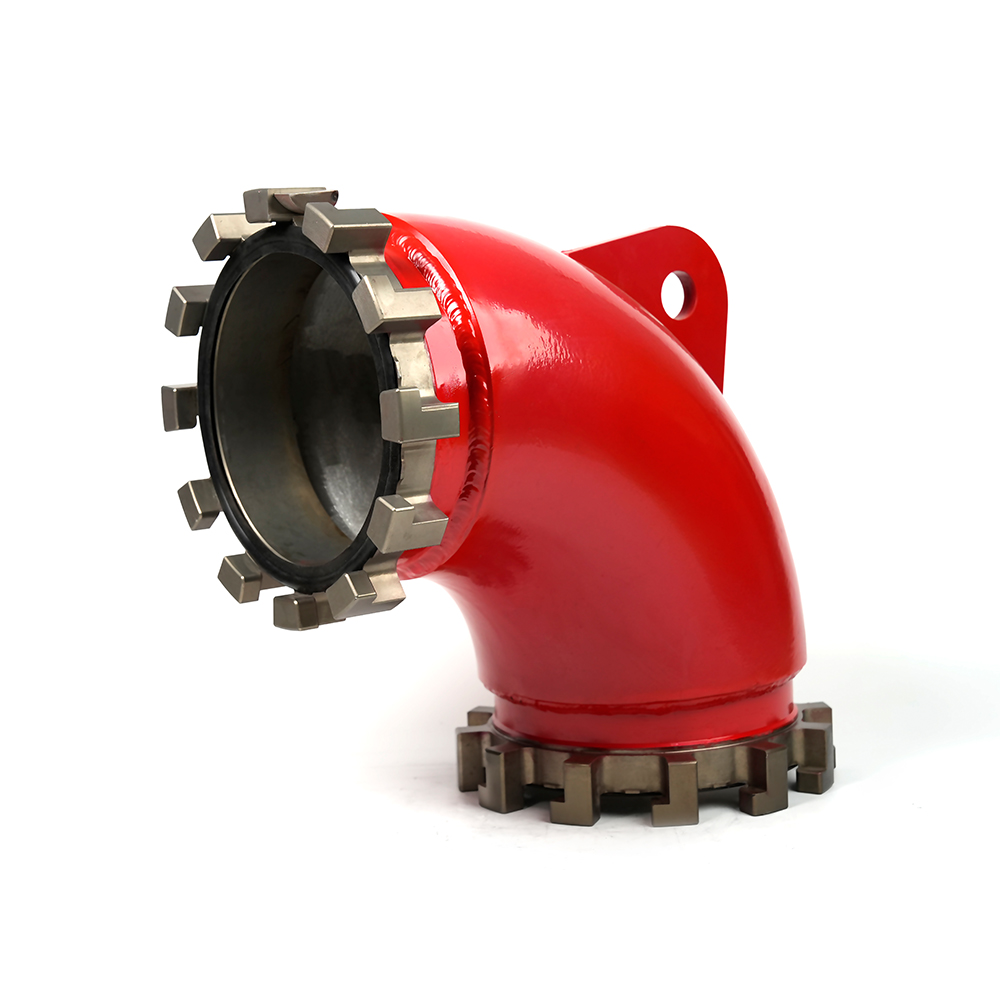 Grooved Fire Elbow-Multi-tooth
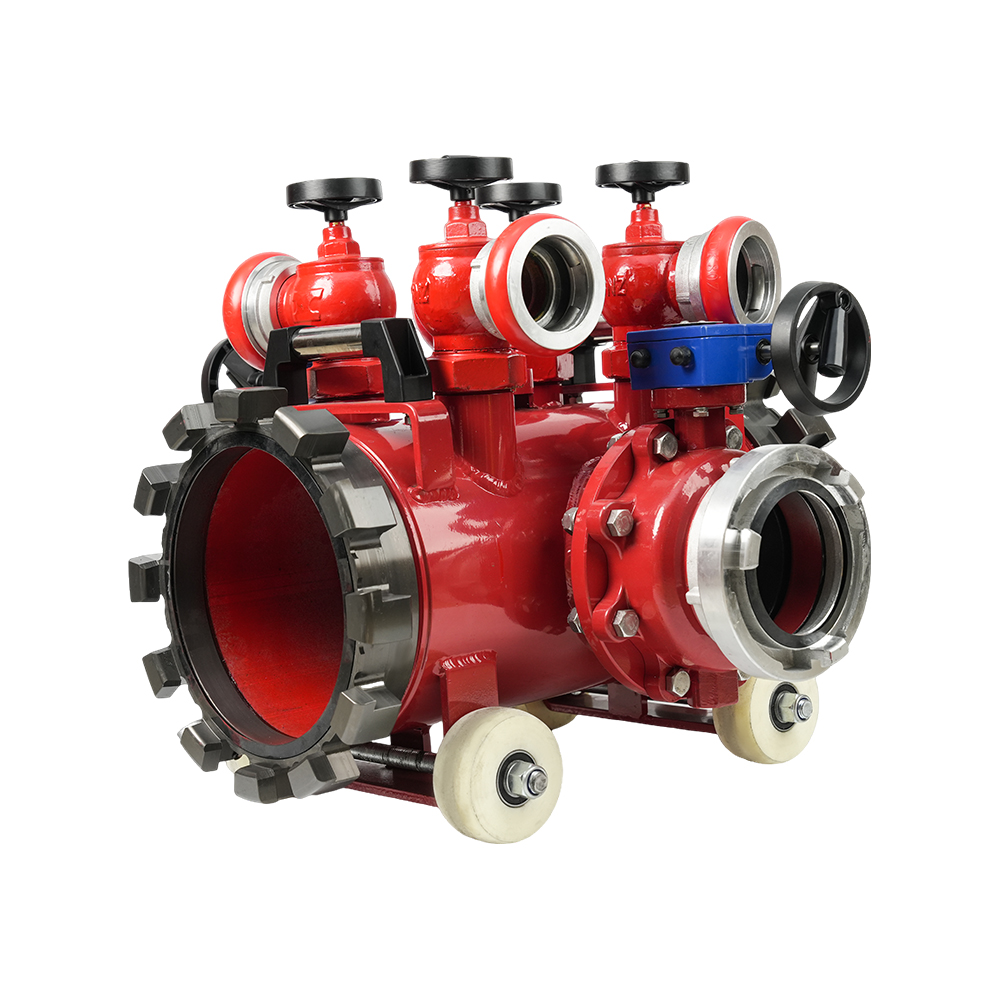 Multi-functional Fire Hose Distributor
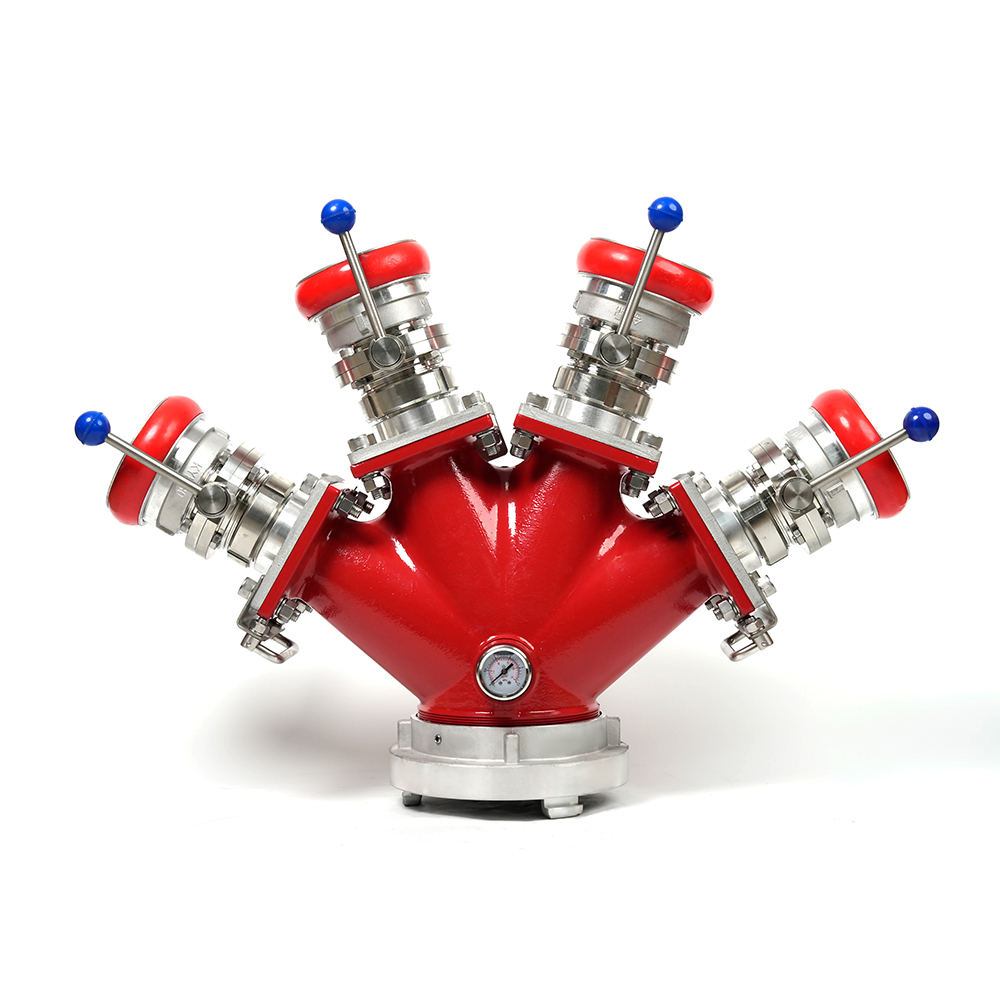 Locking Four-Way Fire Hose Distributor
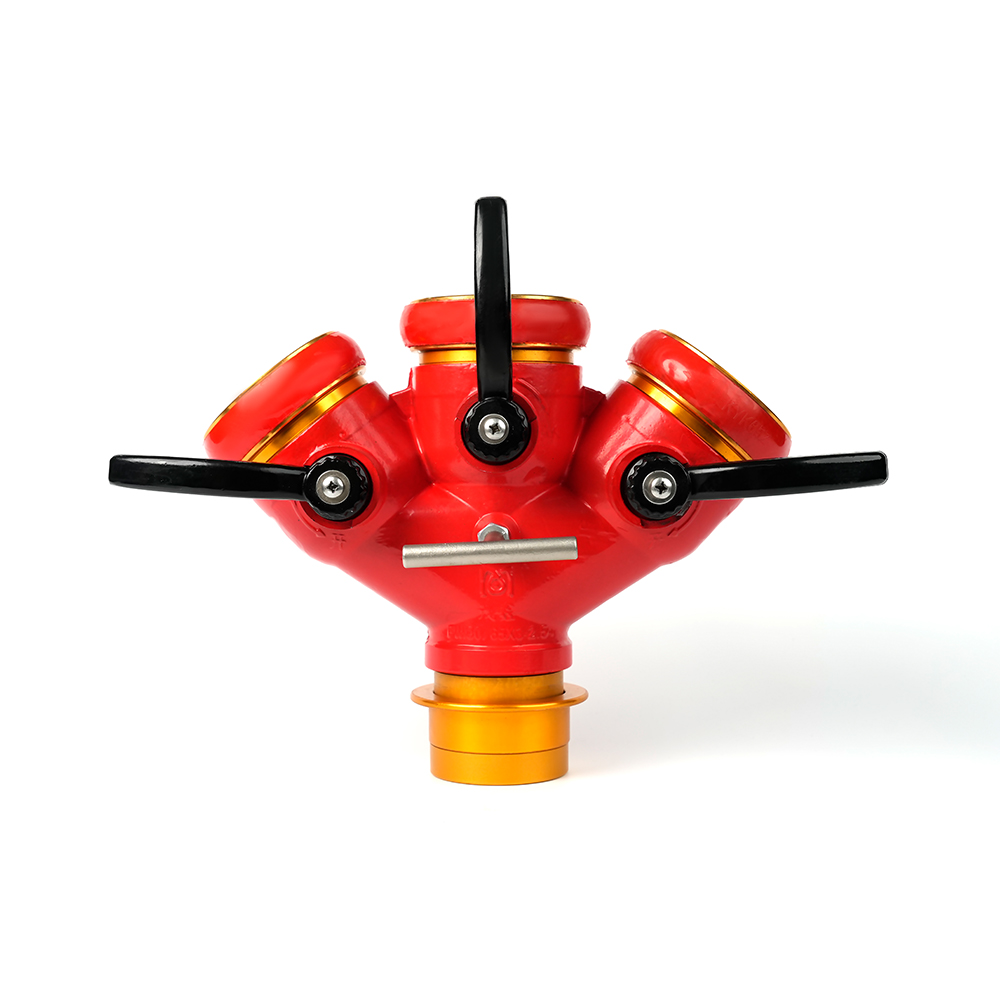 Locking Three-Way Fire Hose Distributor
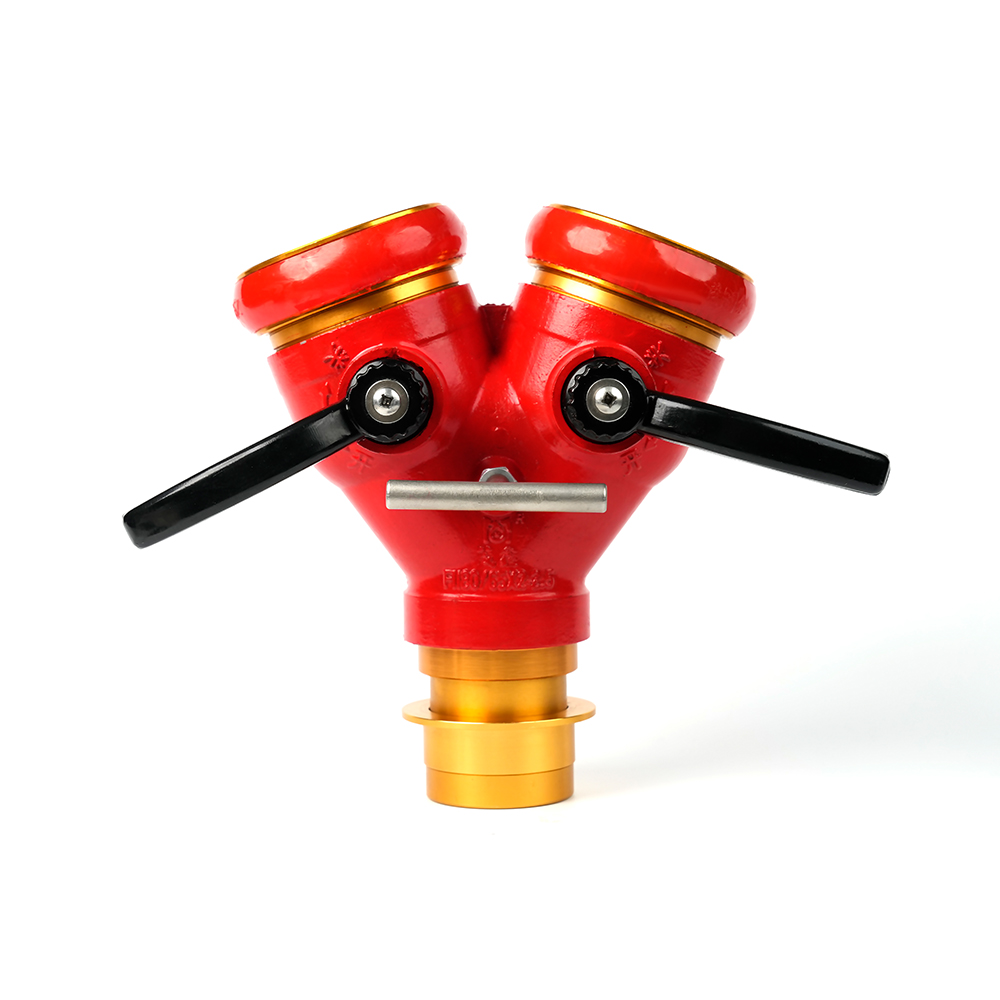 Locking Two-Way Fire Hose Distributor
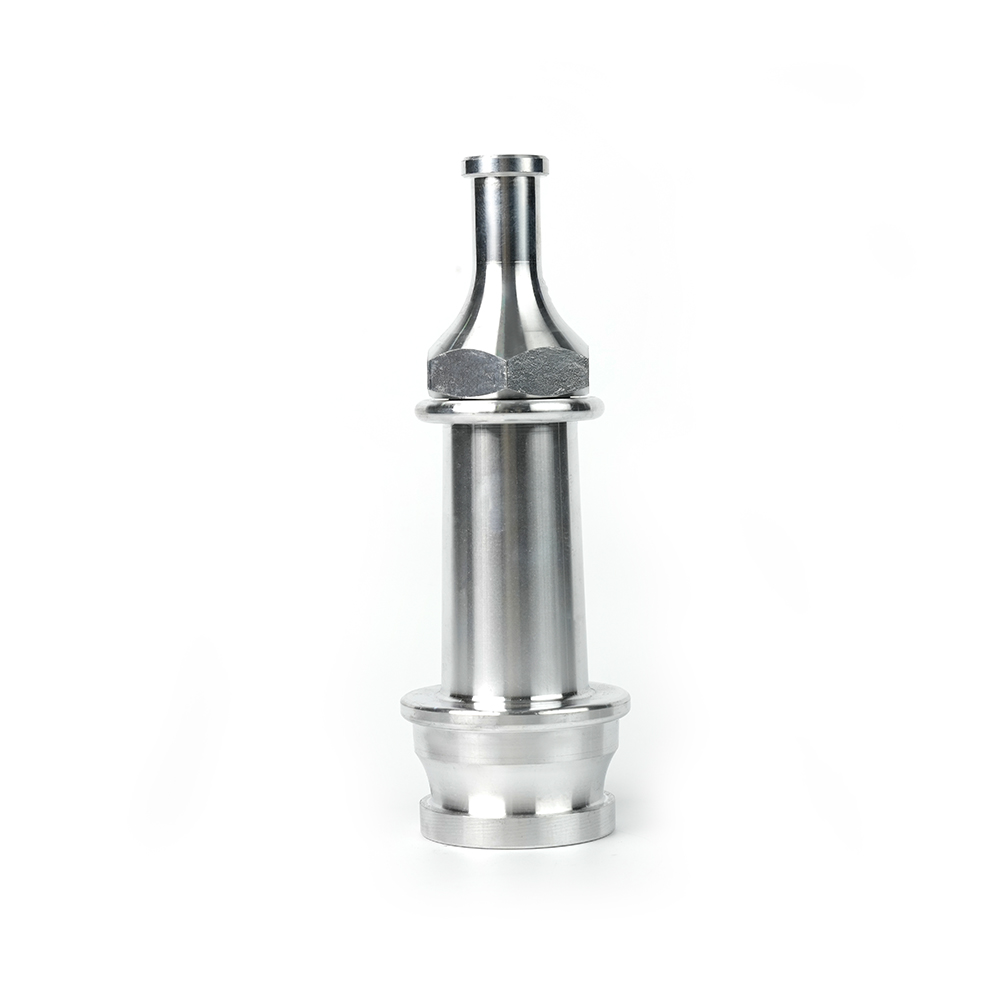 Straight Stream Nozzle
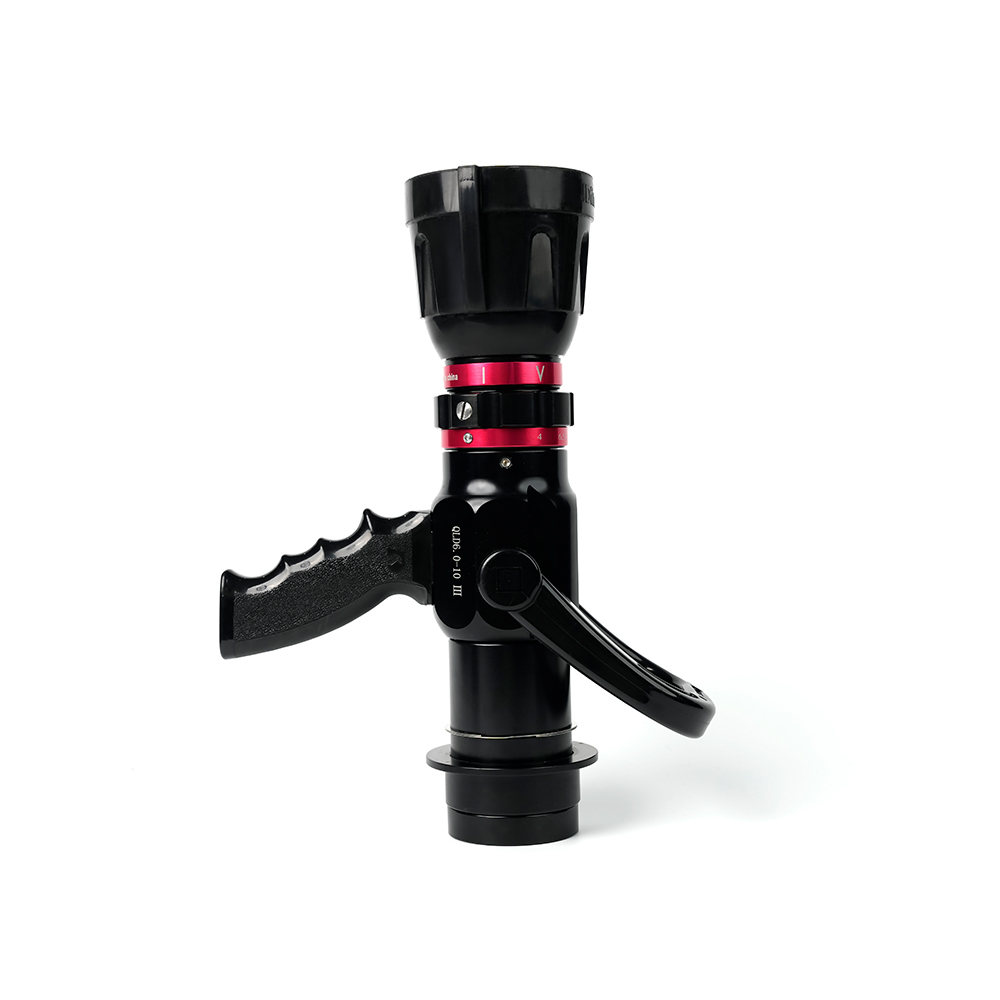 Adjustable nozzle-machino
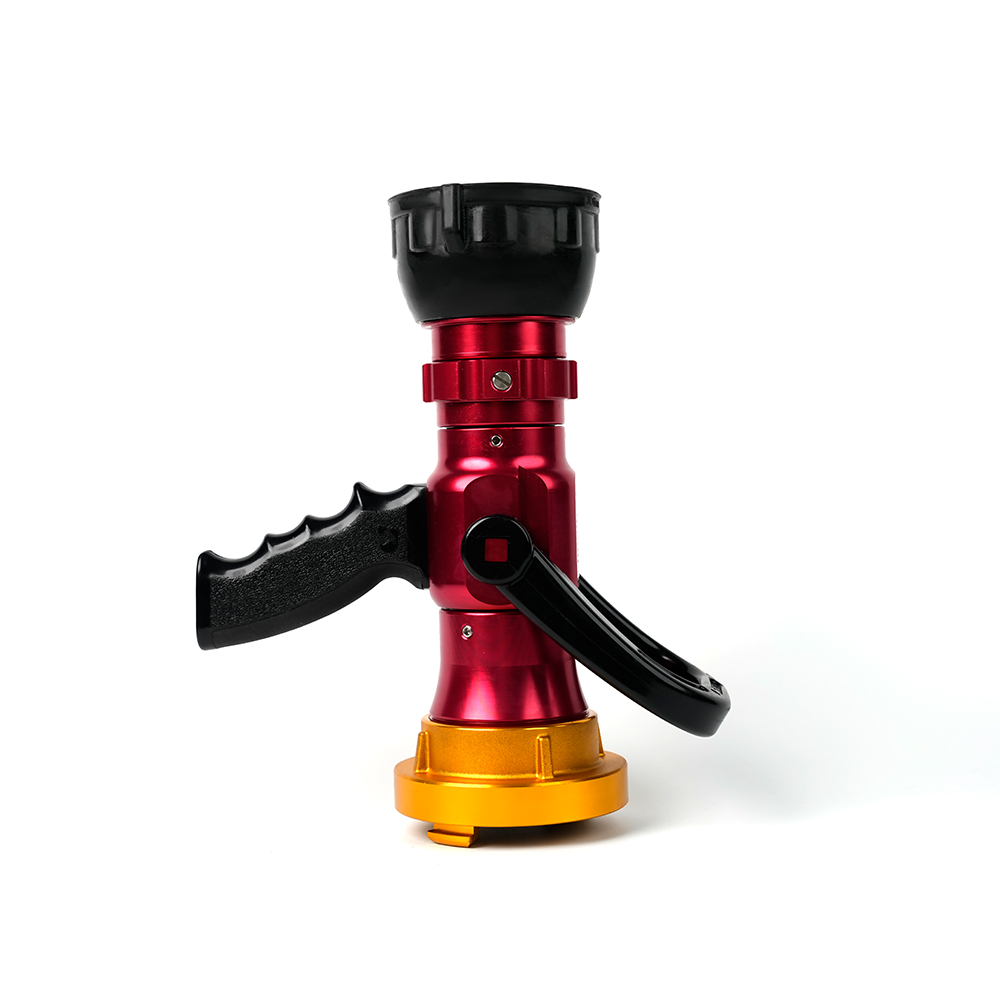 Adjustable nozzle-storz
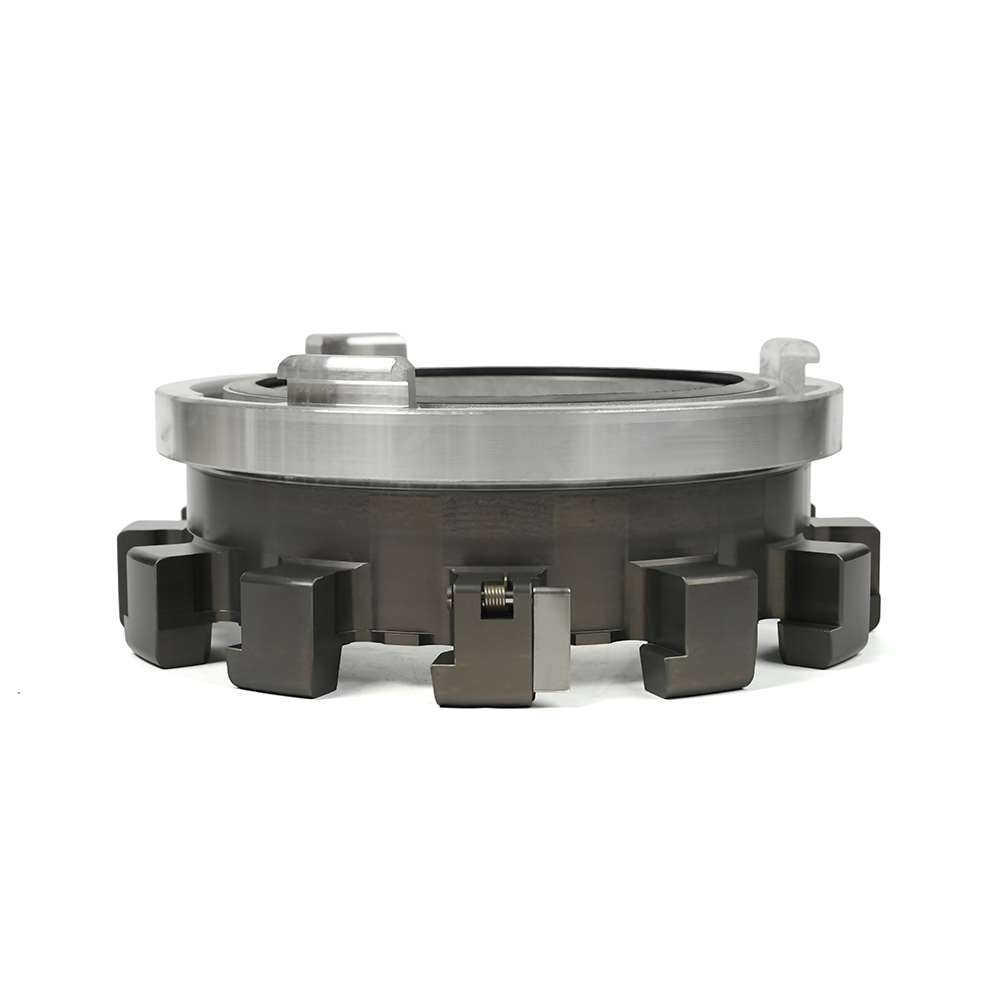 Storz Adapter Couplings - Multi-Tooth
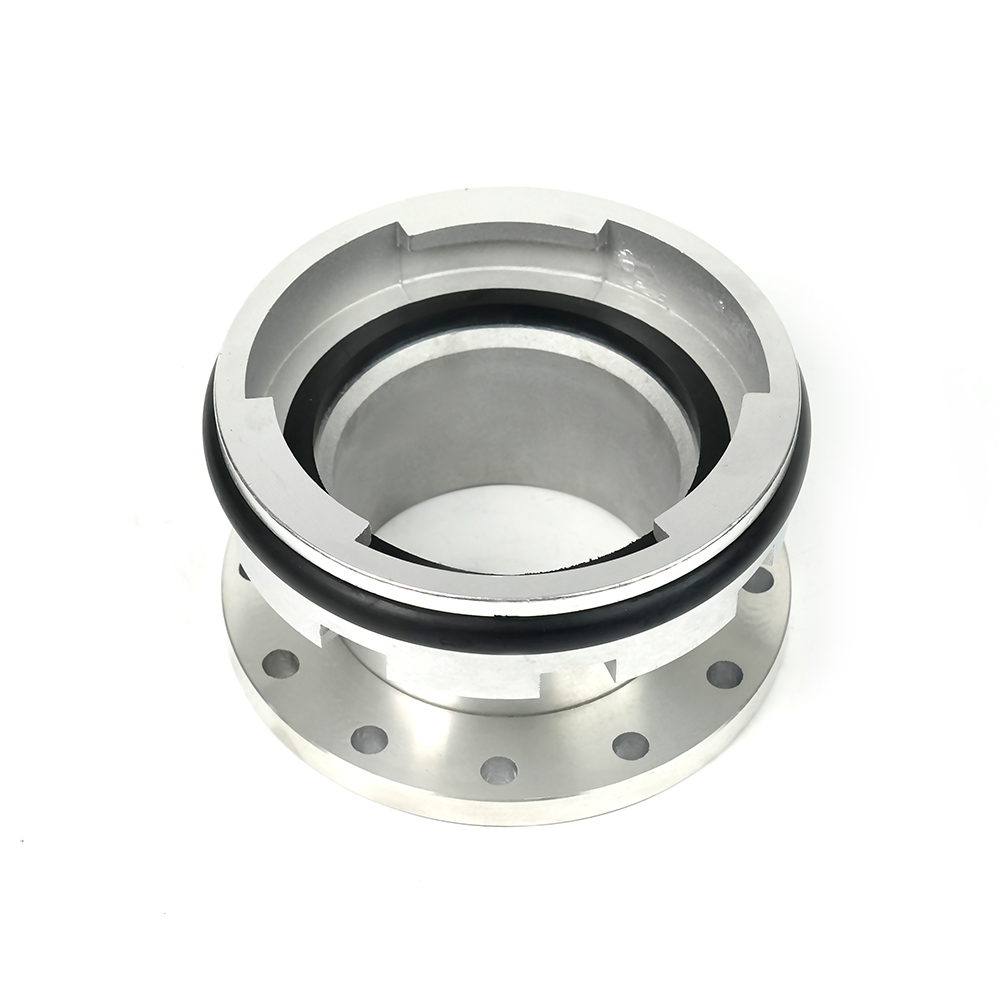 Machino Adapter Couplings – Flanged
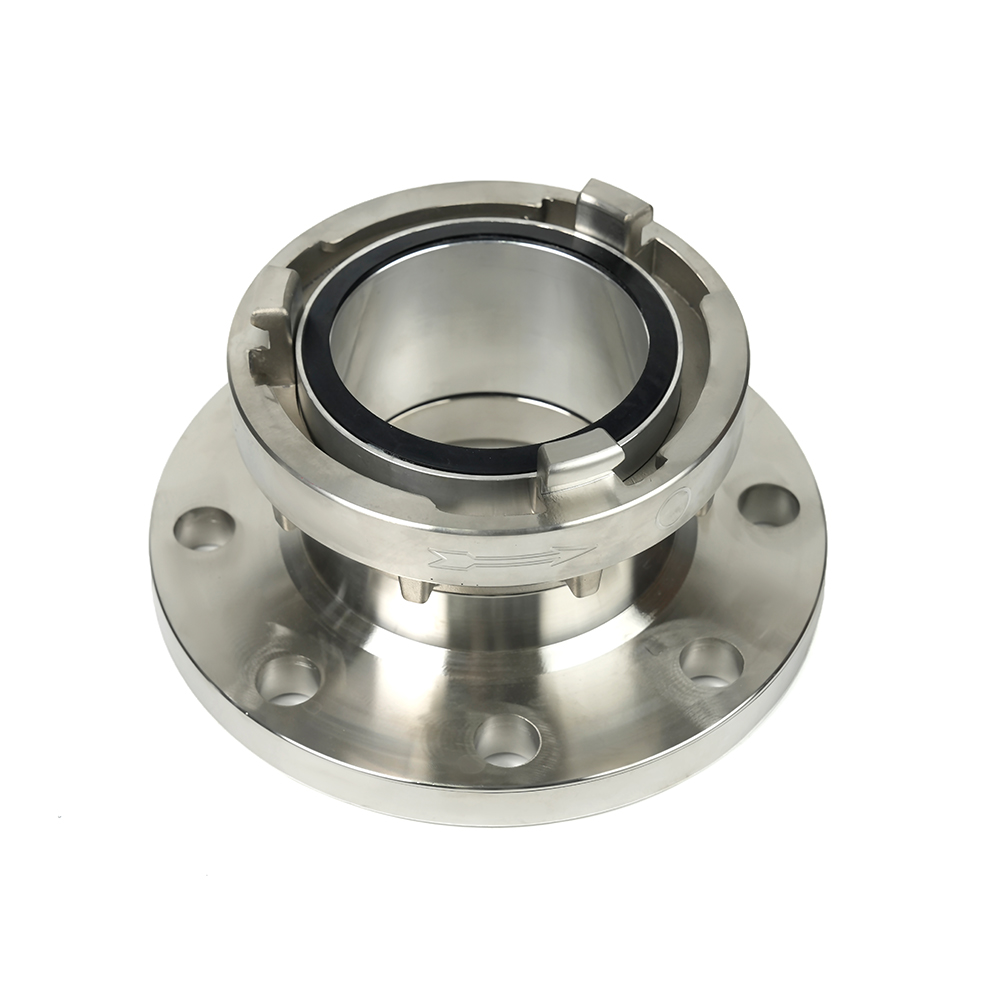 Storz Adapter Couplings – Flanged

 Contact Number
+86-0523-83274900
+86-151 9064 3365
 Let our team offer you customs solutions.
 Company Address
West side of Hongxing Middle Road, Lincheng Street, Development Zone, Xinghua City, Jiangsu Province, China
Copyright @Jiangsu Jinding Fire Protection Technology Co., Ltd. All rights reserved Fire Protection Equipments Manufacturers
