 英语
英语 西班牙语
西班牙语 德语
德语Industry News
Home / News / Industry News / Fire Hose Coefficients Explained: Friction Loss Values and Real Pump Pressure


+86-0523-83274900
+86-151 9064 3365
Content
Two pump operators arrive at the same three story building and flow the same nozzle at the same setting. One holds about 50 psi more on the discharge gauge, and neither can explain why. Most of the time the answer is not the pump and not the engine. It is the hose, and specifically the coefficient assigned to it.
Here is the conclusion first. A fire hose coefficient is a single number that describes how much pressure a 100 foot section of hose consumes when water moves through it at 100 gallons per minute. Multiply that number by the square of the flow and by the length in hundreds of feet, and you have the friction loss. Every chart, field shortcut, and argument about 1.75 inch versus 2 inch attack lines grows out of that one relationship.
The practical consequence is simple. If you do not know the coefficient of the hose you actually carry, you are guessing at pump pressure. That guess holds until the line gets long, the flow goes up, or the hose gets old.
The friction loss formula used across North American fire services is short enough to memorize. FL equals C multiplied by Q squared multiplied by L. FL is friction loss in psi. Q is flow in hundreds of gallons per minute, so 250 gpm becomes 2.5. L is length in hundreds of feet, so 200 feet becomes 2. C is the coefficient, and it is the only term in the equation that describes the hose itself rather than how you are using it.
That matters because flow and length are decided at the pump panel, while the coefficient is a property of the hose sitting in the bed. It carries the inside diameter, the condition of the liner, the roughness of the jacket pressing against the water, and the turbulence created at every bend and coupling along the line.
Two lines both labeled 2.5 inch can carry different coefficients. New rubber lined hose and fifteen year old hose of the same nominal size do not behave the same, even when the printing on the jacket is identical.
Most training material in the United States uses the values published by IFSTA and the National Fire Academy. They are a reasonable starting point and they are quoted widely enough that everyone on the fireground works from the same numbers.
| Hose size (inches) | Typical C value | Loss at 100 gpm (psi per 100 ft) | Loss at 200 gpm (psi per 100 ft) |
|---|---|---|---|
| 1.5 | 24 | 24 | 96 |
| 1.75 | 15.5 | 15.5 | 62 |
| 2 | 8 | 8 | 32 |
| 2.5 | 2 | 2 | 8 |
| 3 | 0.8 | 0.8 | 3.2 |
| 4 | 0.2 | 0.2 | 0.8 |
| 5 | 0.08 | 0.08 | 0.32 |
The last two columns show what the coefficient does in practice. Doubling flow does not double the loss, it multiplies it by four, because Q is squared. A 2 inch line at 200 gpm loses 32 psi per hundred feet, while the same line at 100 gpm loses only 8 psi.
Take 200 feet of 2 inch hose flowing 250 gpm. Q is 2.5, L is 2, and C is 8.
FL equals 8 x 2.5 x 2.5 x 2, which comes to 100 psi.
Now add the rest of the system. A fog nozzle rated at 100 psi needs 100 psi at the tip. Ten feet of elevation costs roughly 4.3 psi, so a third floor nozzle adds about 13 psi. A wye or a distributor adds another 10 to 25 psi depending on the appliance and the flow.
Pump discharge pressure equals 100 plus 100 plus 13 plus 10, or 223 psi.
Switch to 2.5 inch hose and the arithmetic changes completely. The same 250 gpm over the same 200 feet loses 2 x 6.25 x 2, or 25 psi. That is a 75 psi saving on one line, and it is the entire case for large diameter hose in a single calculation.
Published tables assume new, clean, fully lined hose. Field hose is different, and several factors push real loss above the table value.
Connection points deserve their own note. A correctly matched coupling adds a small local loss, and a joint assembled with a twisted gasket or a partially seated head adds considerably more. A folded gasket reads on the gauge like a coefficient problem even when the hose itself is fine. Correct assembly is covered in this guide to how a fire hose joint should be connected.
Every device between the pump and the nozzle has a loss of its own, and the coefficient method does not include it. The table describes the hose. It says nothing about the hardware screwed onto the ends.
Adapters cause the most surprises. Moving from one national standard to another, for example running a Storz line into a Machino inlet, requires an adapter with its own internal geometry. A good adapter is short, smooth, and full bore. A poor one steps down the cross section, and that step behaves like a length of smaller hose. On a 500 gpm supply line, an adapter that narrows the bore by a quarter inch can cost more pressure than 50 feet of the hose it is attached to.
The practical rule is to choose an adapter whose bore matches the smaller of the two hoses, and to avoid stacking two adapters where one will do.
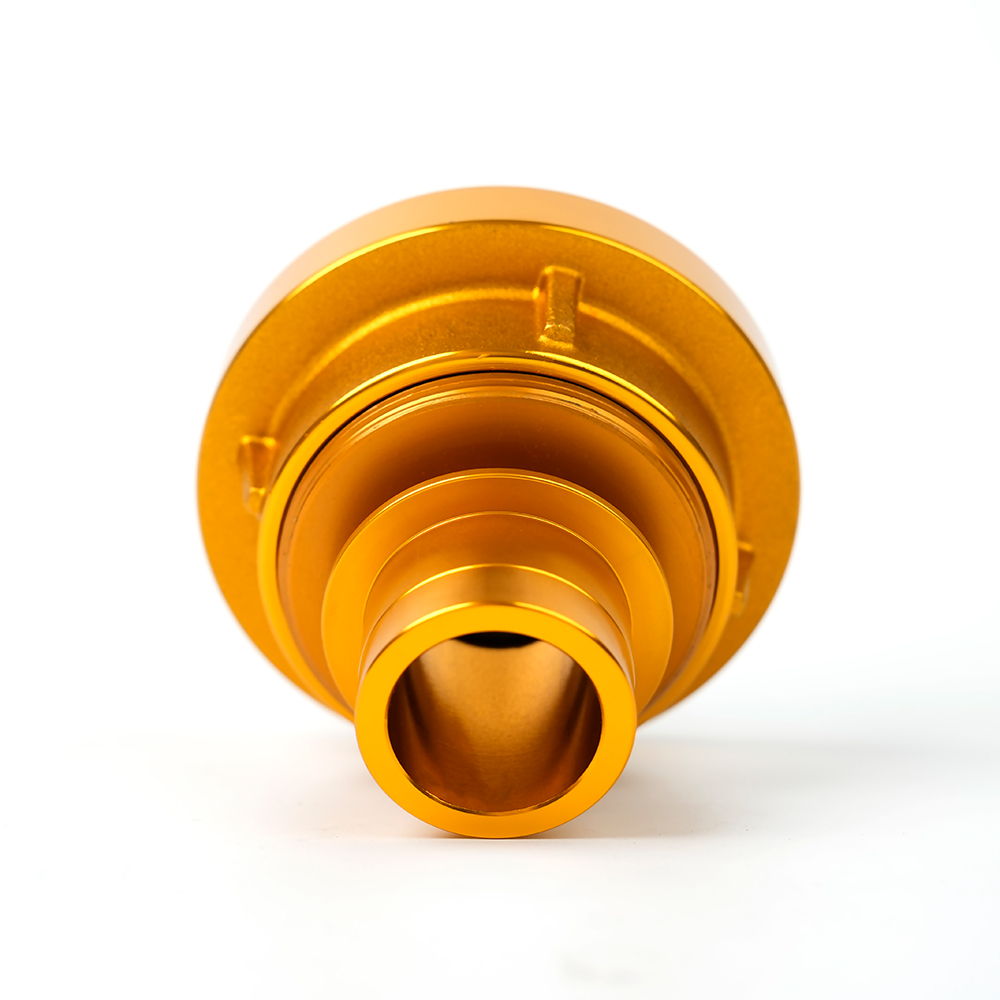 Storz Adapter Couplings – Male Machino for Standard Interface ConversionMale Machino adapter couplings connect or convert between fitting standards; select the bore for the smaller hose and avoid stacking adapters where one will suffice.View Product →
Once the coefficient idea is clear, a handful of rules covers most real situations.
Nozzle choice belongs in this arithmetic because the nozzle sets the flow. A nozzle that is easy to over pump, or one that lets an operator change flow without telling anyone at the panel, moves the friction loss term more than any other single decision. Adjustable patterns with clearly marked flow settings remove most of that ambiguity.
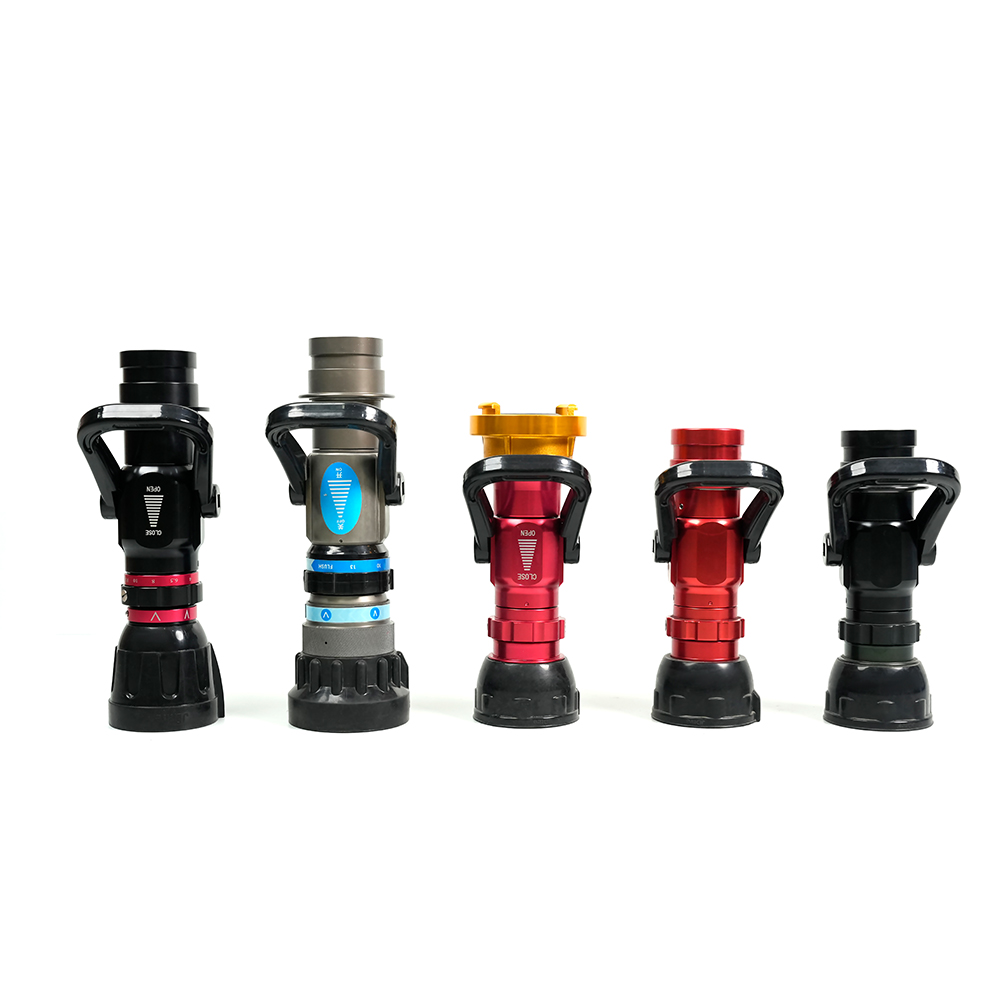 Adjustable Nozzle-Storz Firefighting Nozzle with Flow Control and Spray PatternsFirefighting adjustable nozzle offers multiple spray patterns, quick on/off valve, recoil-free use, and multi-interface compatibility; marked flow settings help reduce panel ambiguity.View Product →
There is a limit to how much of this you can fix from the pump panel. The rest has to be built into the hardware, and that is where bore control and manufacturing tolerance earn their keep.
A coupling that holds a true full bore, has a smooth internal transition, and takes a gasket that seats without folding gives a loss close to the theoretical value for its diameter. A coupling that is undersized, out of round, or fitted with a rough casting adds pressure drop that no chart will predict.
This is also why standardized coupling families matter. A Storz head, a Machino coupling, an NH thread, or a John Morris coupling each has a defined bore and profile, so an engineer can calculate the system and expect the hardware to match the calculation. Mixing standards is sometimes unavoidable, but it should be done with a purpose built adapter rather than a stack of improvised fittings.
On large diameter supply and relay lines the coefficient term dominates the whole pump pressure calculation, so the difference between a well machined coupling and a marginal one shows up directly on the gauge. If pressure drop on that kind of line is the concern, it is worth talking the layout through with the supplier before the order rather than after the first drill.
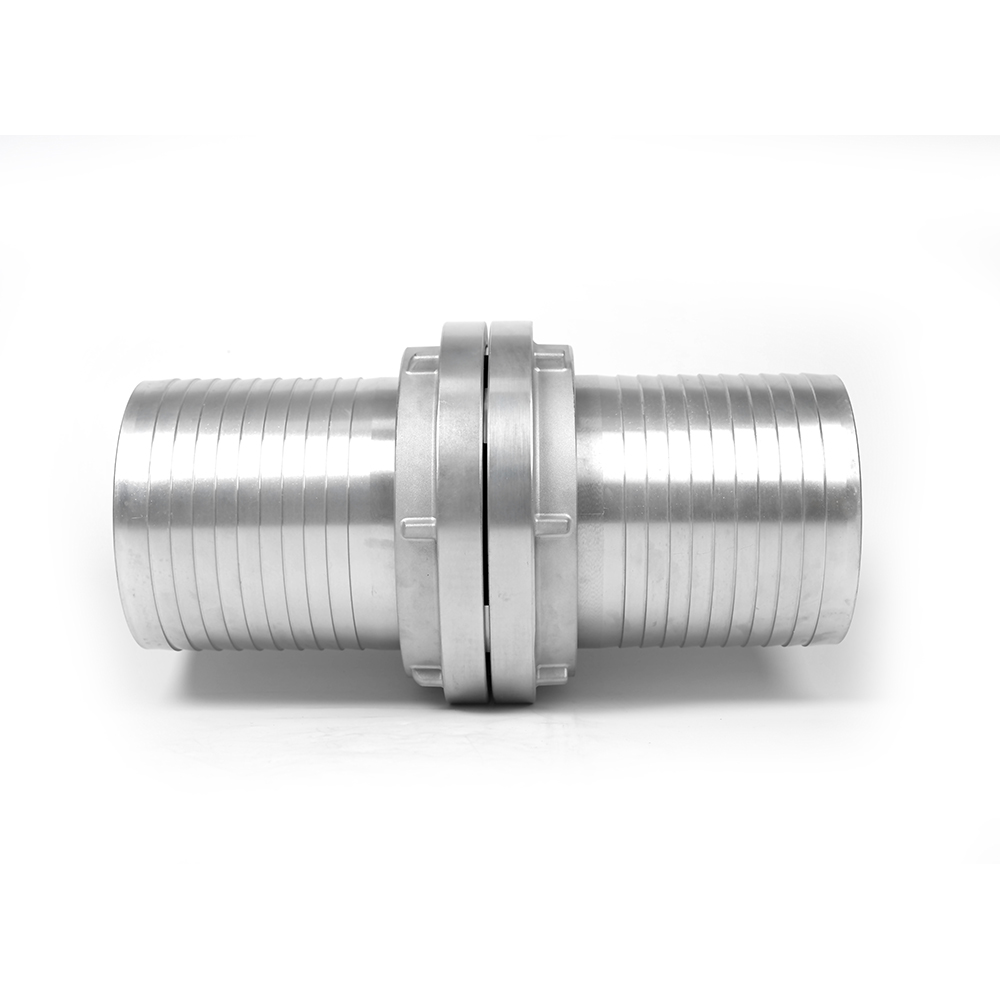 Large Storz Fire Hose Coupling for Supply and Relay LinesLarge Storz coupling for supply and relay lines; serrated or ribbed tailpipe attachment, DIN sizes to 12 inch, customizable materials and pressure ratings.View Product →
Fire hose coefficients are not complicated. They are one number per hose type, applied through a formula with three terms. What takes experience is knowing when that number stops being true, which is usually when the hose is old, the diameter is not what the jacket claims, or the hardware between pump and nozzle is quietly restricting flow.
Get the coefficient right for the hose you actually carry, add the nozzle, elevation, and appliance terms honestly, and pump pressure stops being a guess. The gauge will still surprise you occasionally, but it will surprise you for a reason you can find.
 Grooved Fire Elbow-Storz
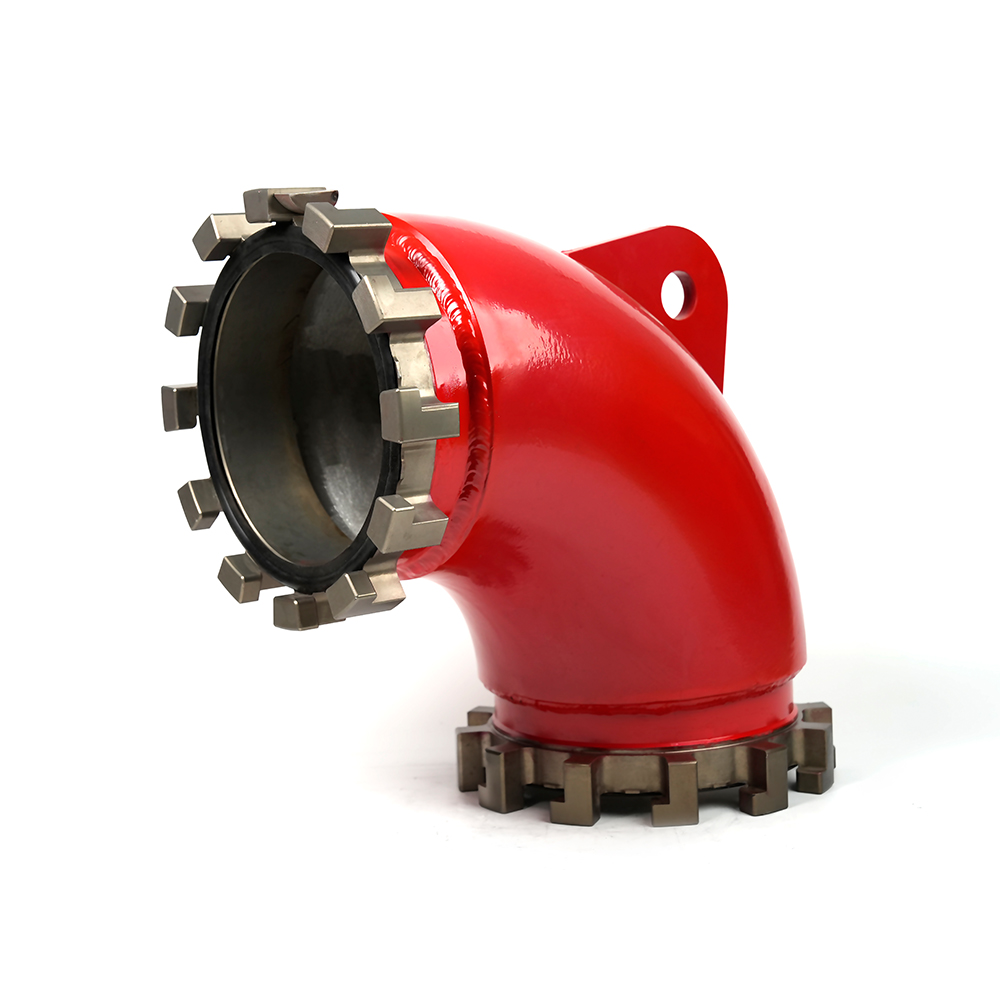 Grooved Fire Elbow-Multi-tooth
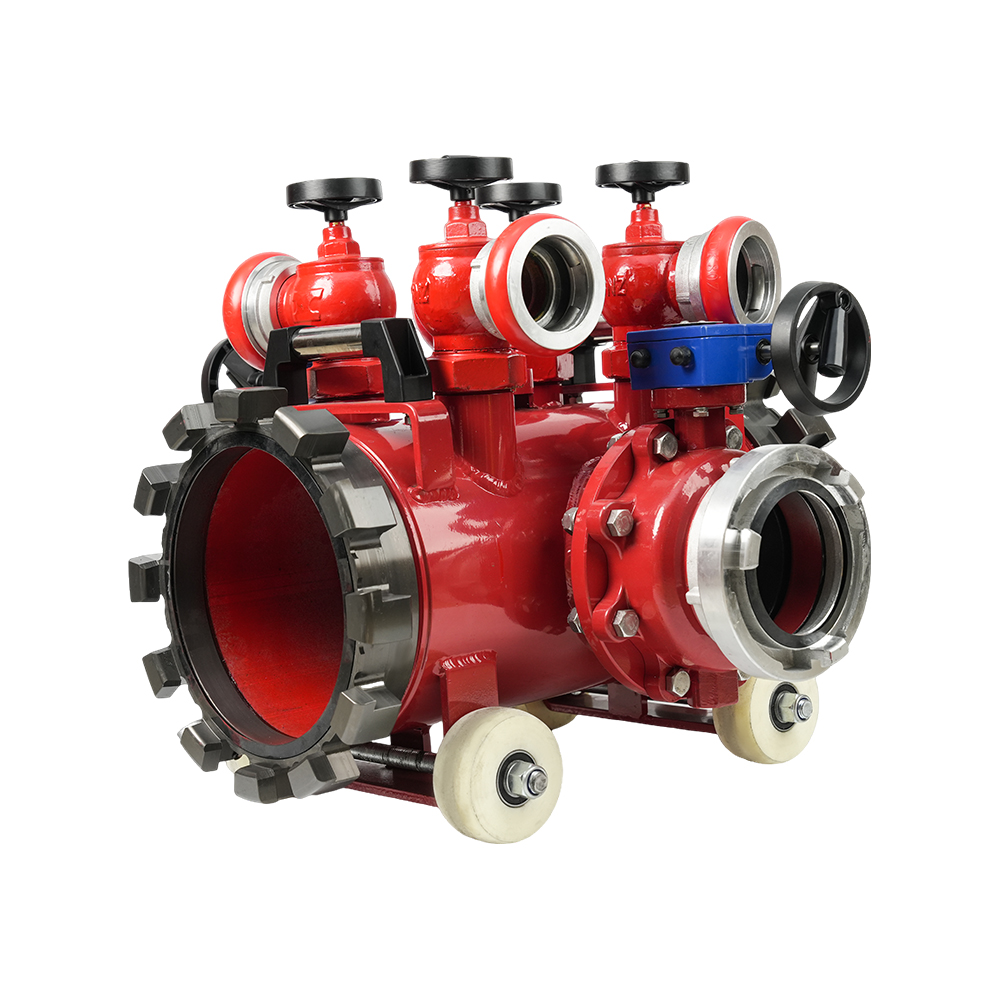 Multi-functional Fire Hose Distributor
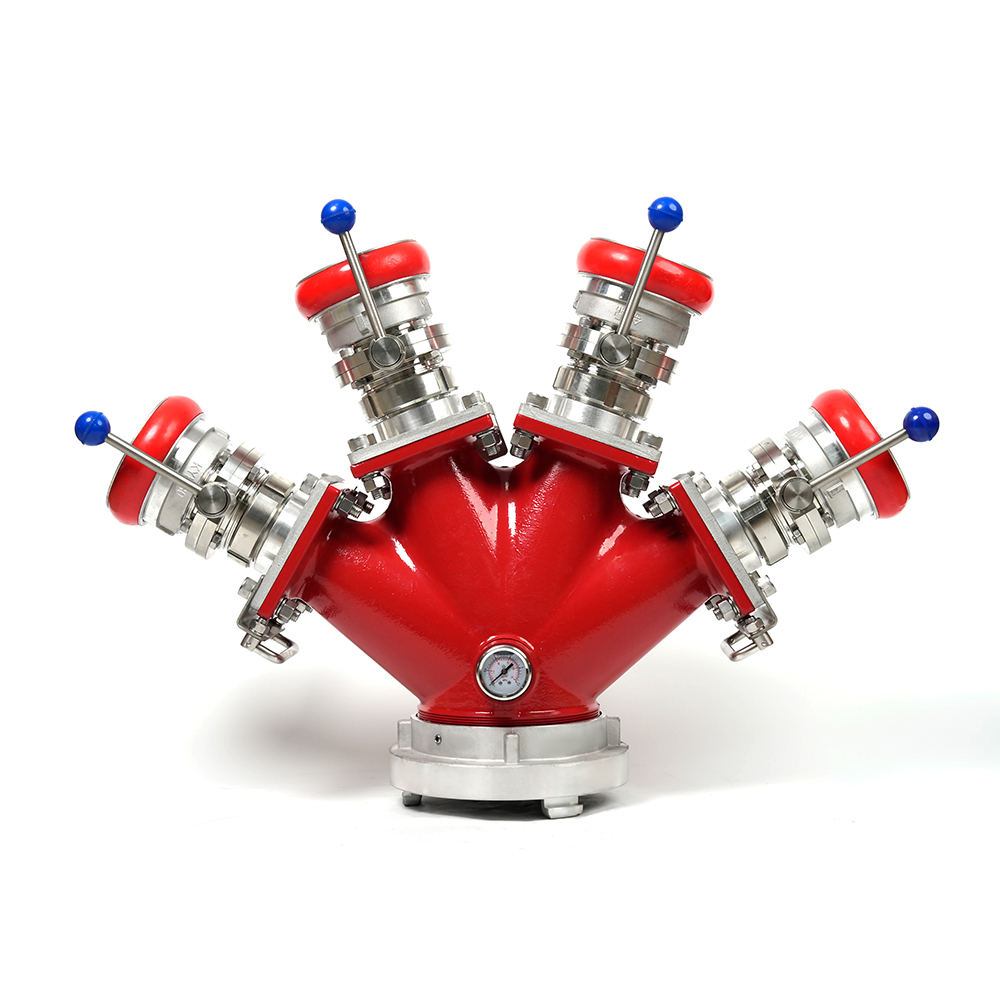 Locking Four-Way Fire Hose Distributor
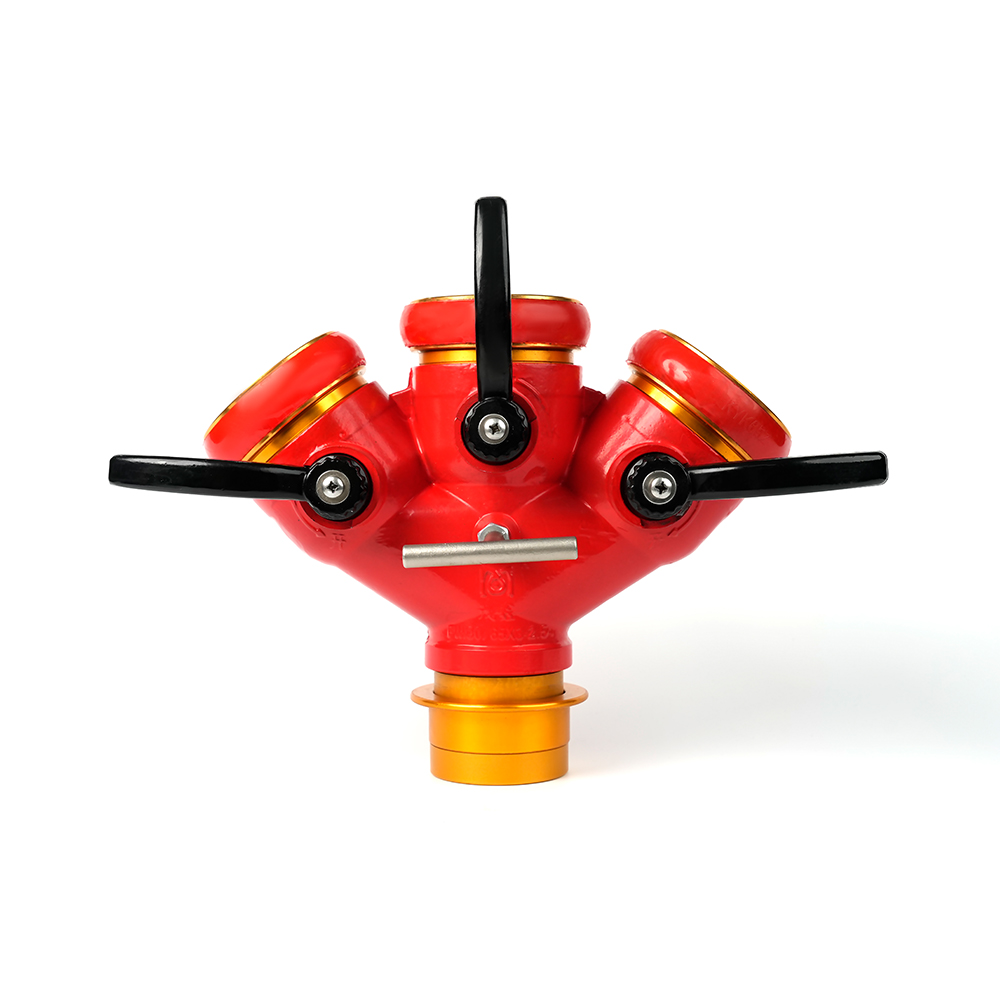 Locking Three-Way Fire Hose Distributor
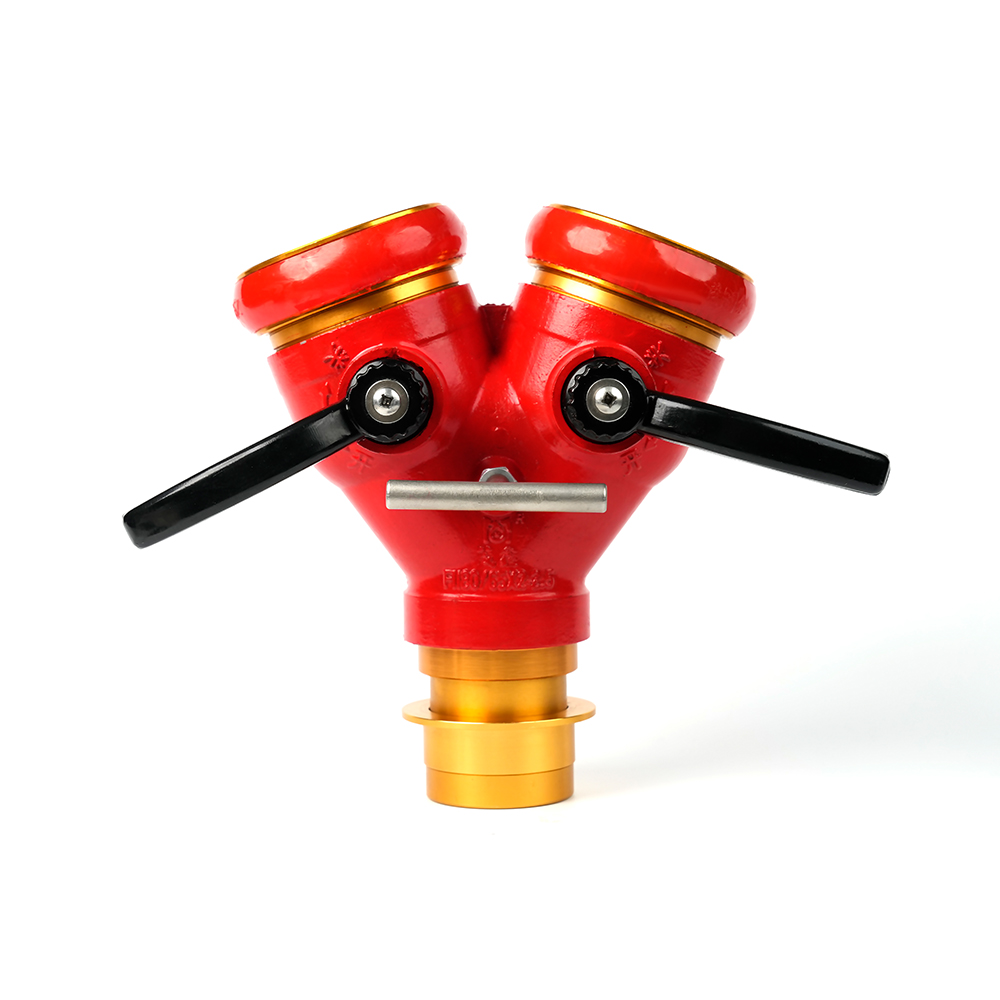 Locking Two-Way Fire Hose Distributor
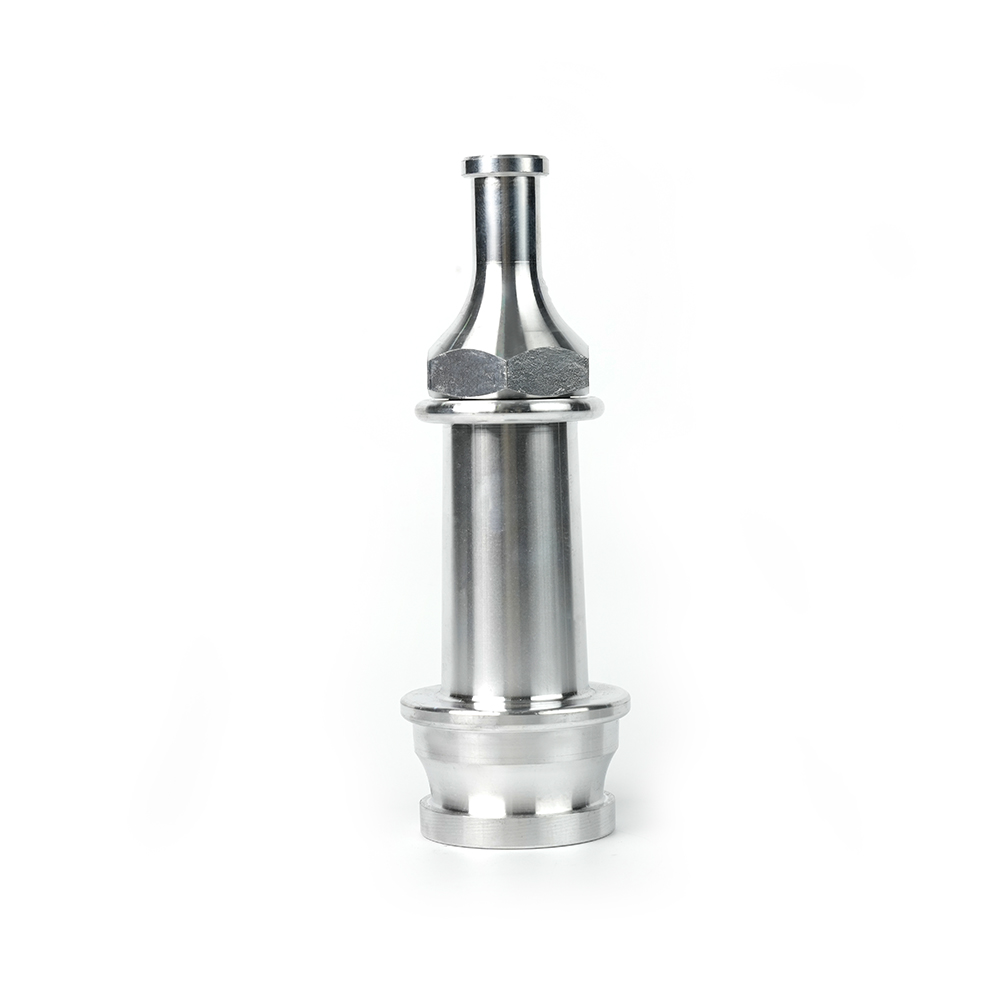 Straight Stream Nozzle
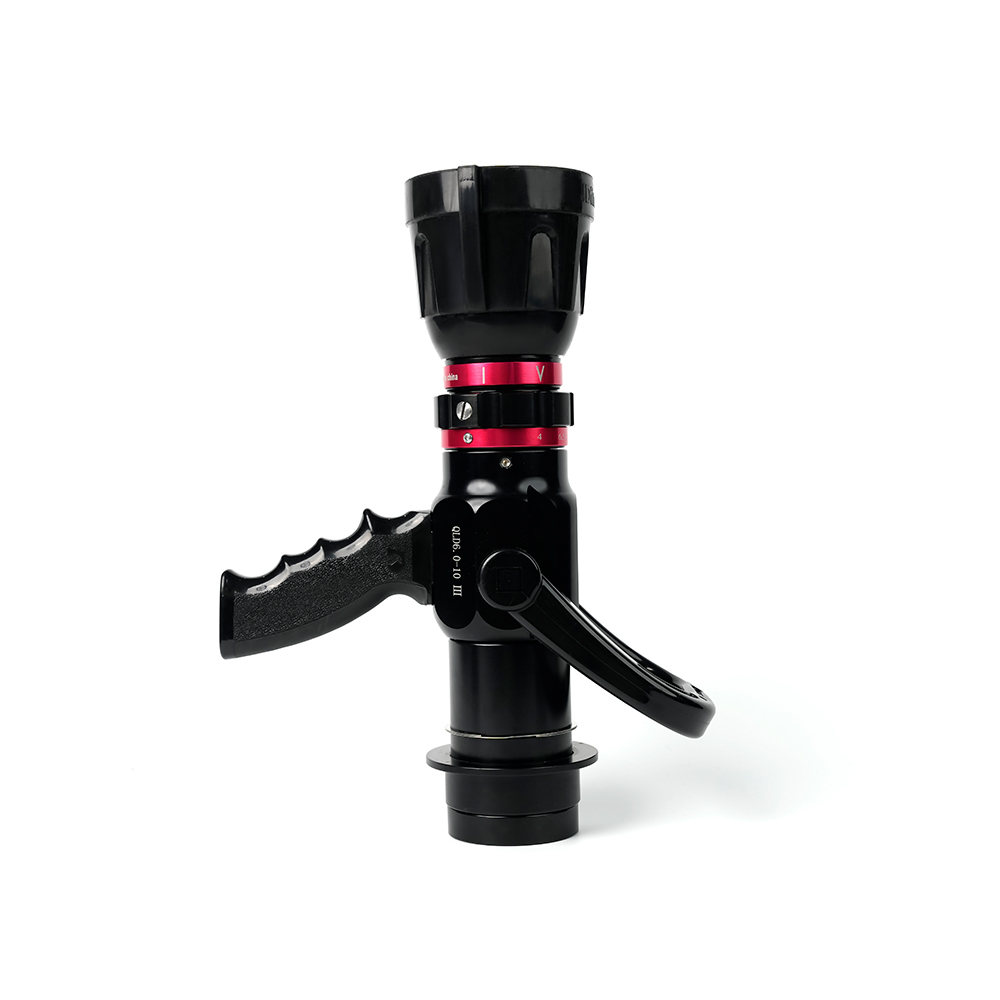 Adjustable nozzle-machino
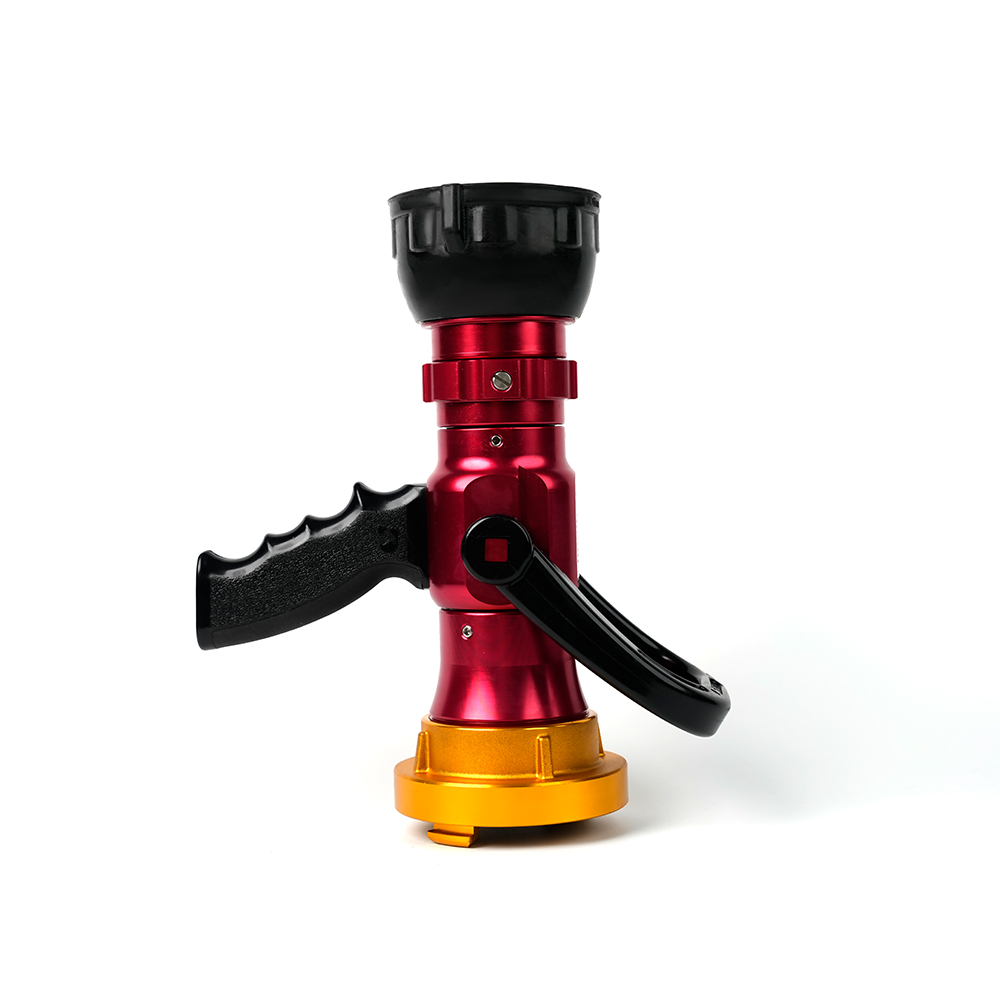 Adjustable nozzle-storz
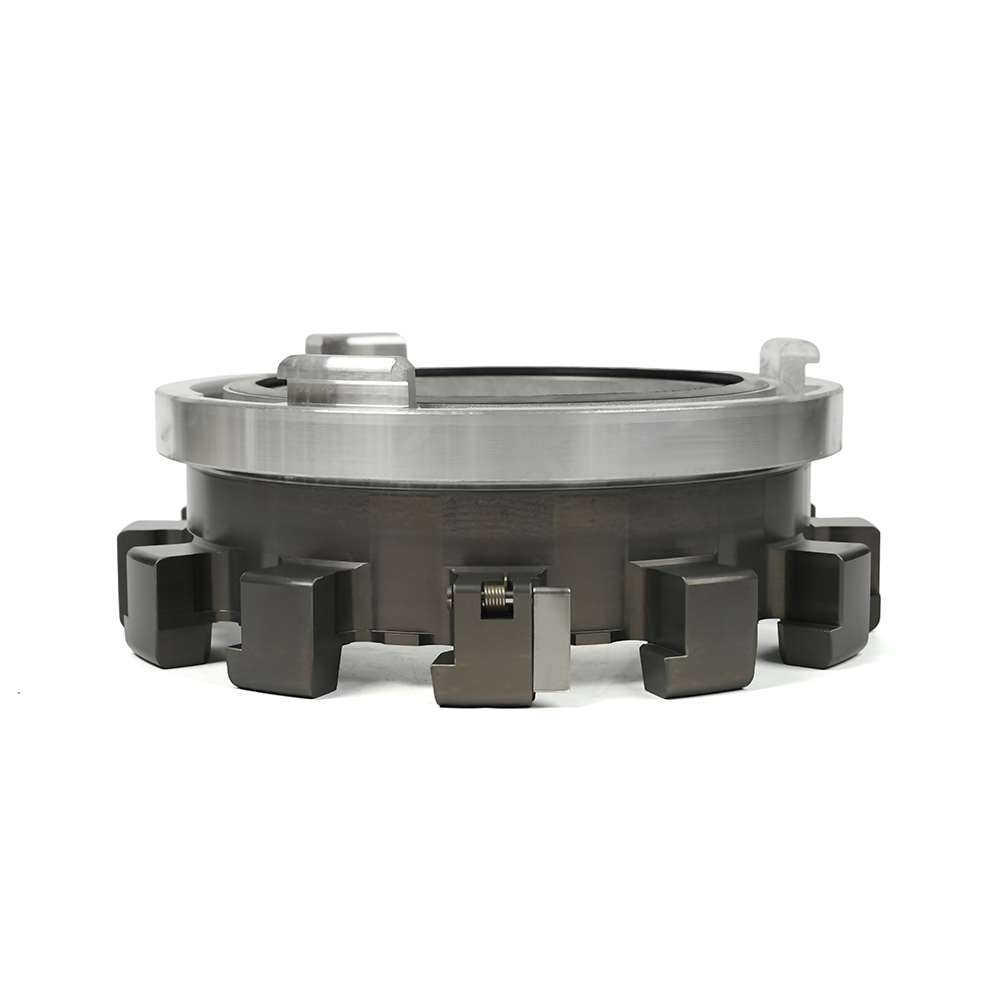 Storz Adapter Couplings - Multi-Tooth
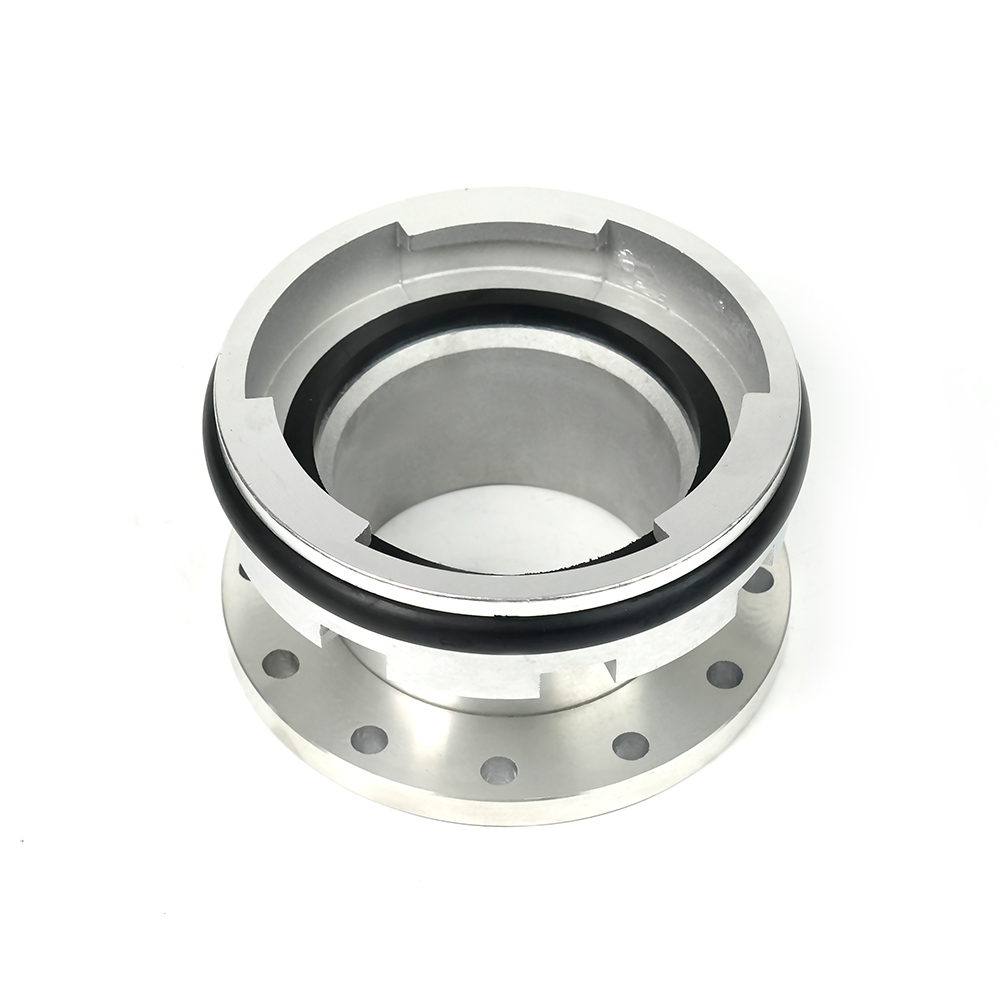 Machino Adapter Couplings – Flanged
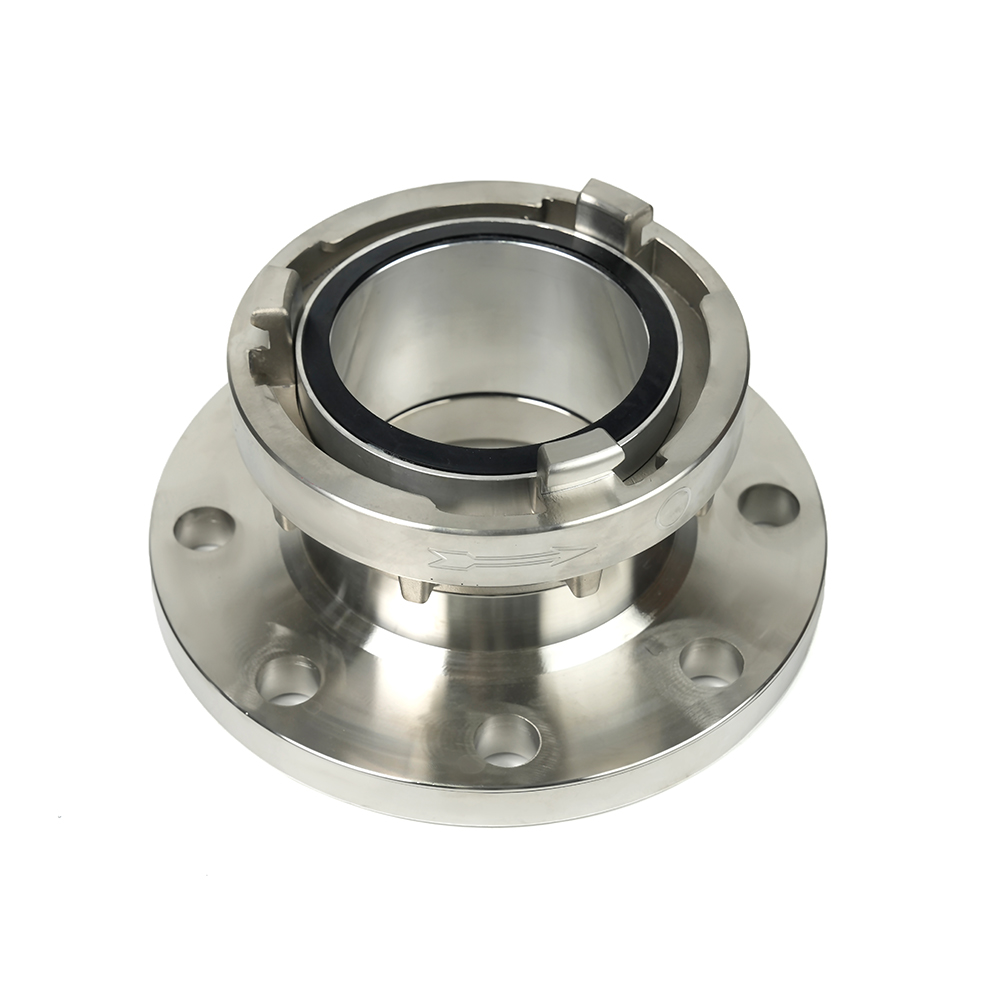 Storz Adapter Couplings – Flanged

 Contact Number
+86-0523-83274900
+86-151 9064 3365
 Let our team offer you customs solutions.
 Company Address
West side of Hongxing Middle Road, Lincheng Street, Development Zone, Xinghua City, Jiangsu Province, China
Copyright @Jiangsu Jinding Fire Protection Technology Co., Ltd. All rights reserved Fire Protection Equipments Manufacturers
