 英语
英语 西班牙语
西班牙语 德语
德语Industry News
Home / News / Industry News / Fire Hose Cleaning: Best Practices, Common Mistakes, and Maintenance Tips


+86-0523-83274900
+86-151 9064 3365
Content
Imagine pulling a fire hose out of a muddy trench after a long suppression job. The jacket is caked with grit, the lining smells like diesel, and the couplings are grinding with sand. If you coil it up and throw it back on the truck, you are not saving time. You are accelerating rot, weakening the pressure rating, and risking a burst at the worst moment. Fire hose cleaning is not a cosmetic chore. It is a critical maintenance step that determines whether your hose lasts three seasons or ten.
Dirt, oil, chemicals, and biological residue all attack a fire hose from the outside in. The outer jacket is typically made of tightly woven polyester or nylon. Abrasive particles like sand and grit work their way into the weave and cut the fibers every time the hose flexes under pressure. Oils and fuels soften the rubber lining, causing it to swell, blister, or separate from the jacket. In warm, damp storage, mold and mildew feed on organic matter left in the fabric. The result is not just an unpleasant smell. A compromised hose loses burst pressure, kinks more easily, and may fail during a high-pressure attack.
Industry data shows that properly cleaned and dried hoses can last twice as long as hoses that are stored dirty. For fire departments and industrial brigades, that difference translates directly into budget savings and, more importantly, reliable performance when lives are on the line.
Cleaning a fire hose is straightforward, but the order of operations matters. Rushing any step can push contaminants deeper into the fabric or damage the couplings.
Before you get the hose wet, lay it out on a clean surface and inspect the entire length. Look for cuts, blisters, soft spots, and exposed reinforcement. Check the couplings for cracks, bent lugs, or damaged threads. If you find a defect that affects safety, tag the hose for repair or replacement. Washing a damaged hose can make the damage worse and wastes time.
Use a low-pressure garden hose or a dedicated hose washer to wet the hose. Avoid high-pressure jets that can drive grit through the jacket. Apply a mild detergent designed for fire hose fabric. Never use harsh solvents, bleach, or acidic cleaners. These break down the rubber lining and the protective coatings on the couplings. Work the detergent into the fabric with a soft-bristled brush. Pay extra attention to the areas around the couplings, where dirt and fuel tend to collect.
Rinse thoroughly with clean water until no soap residue remains. Soap left in the fabric attracts dirt and can cause skin irritation. Then drain the hose completely. Hang it vertically or lay it flat in a shaded, well-ventilated area. Never dry a hose in direct sunlight for extended periods, as ultraviolet light degrades the jacket and rubber. Once dry, roll the hose loosely and store it in a clean, dry, temperature-controlled space. Avoid hanging hoses on sharp hooks or storing them near exhaust fumes or chemicals.
The cleaning process does not end with the hose. The couplings, nozzles, and adapters that make the system work also need attention. After washing, inspect every coupling for smooth operation. A Storz coupling, for example, should lock and unlock without binding. If the locking arms are worn or the gasket is cracked, replace the coupling before the next use. We offer a range of Storz fire hose couplings in large sizes that stand up to repeated cleaning and heavy use.
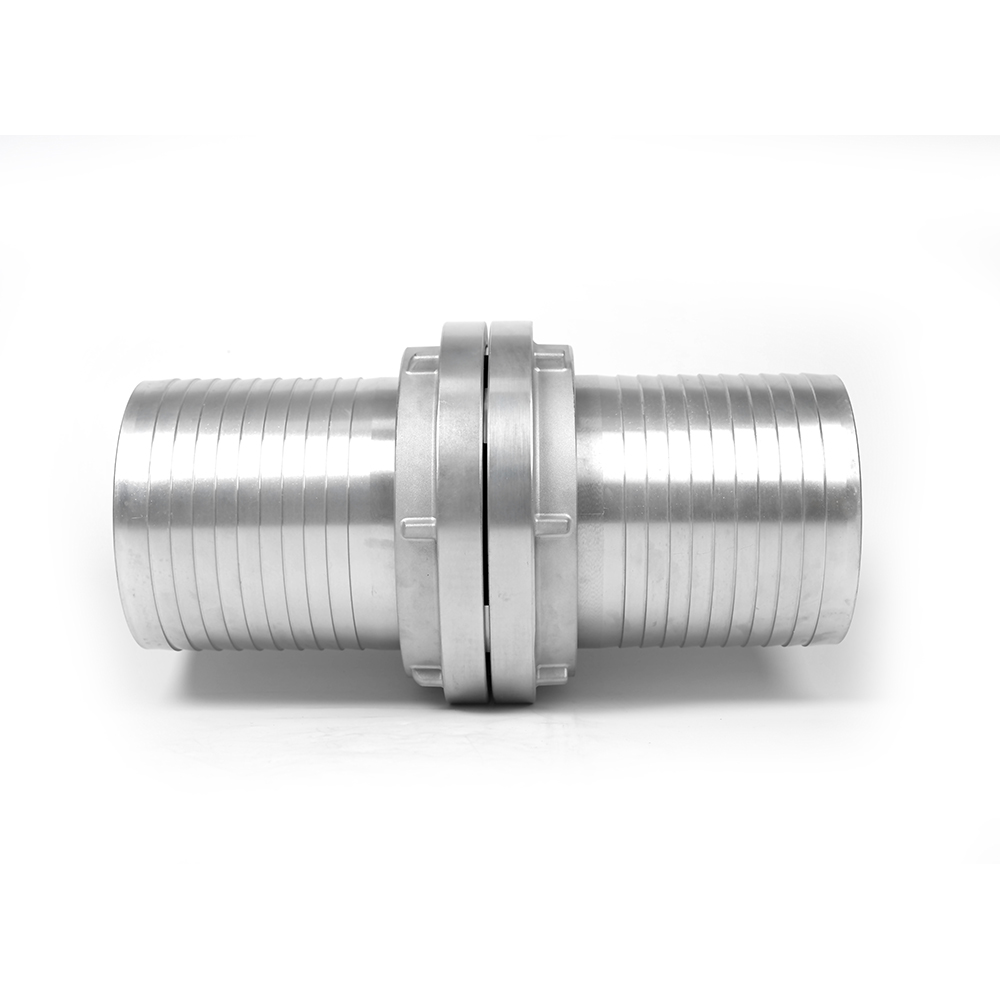 Large-Size Storz Fire Hose Coupling for Heavy-Duty Hose SystemsLarge Storz coupling for fire hose connections, offered in DIN sizes with customizable materials and pressure options for heavy-use hose systems.View Product →
Nozzles are another weak point. Adjustable nozzles can clog with debris if they are not flushed after use. A clogged nozzle reduces spray reach and puts extra back pressure on the hose. Our adjustable nozzle is designed for easy cleaning and reliable pattern control.
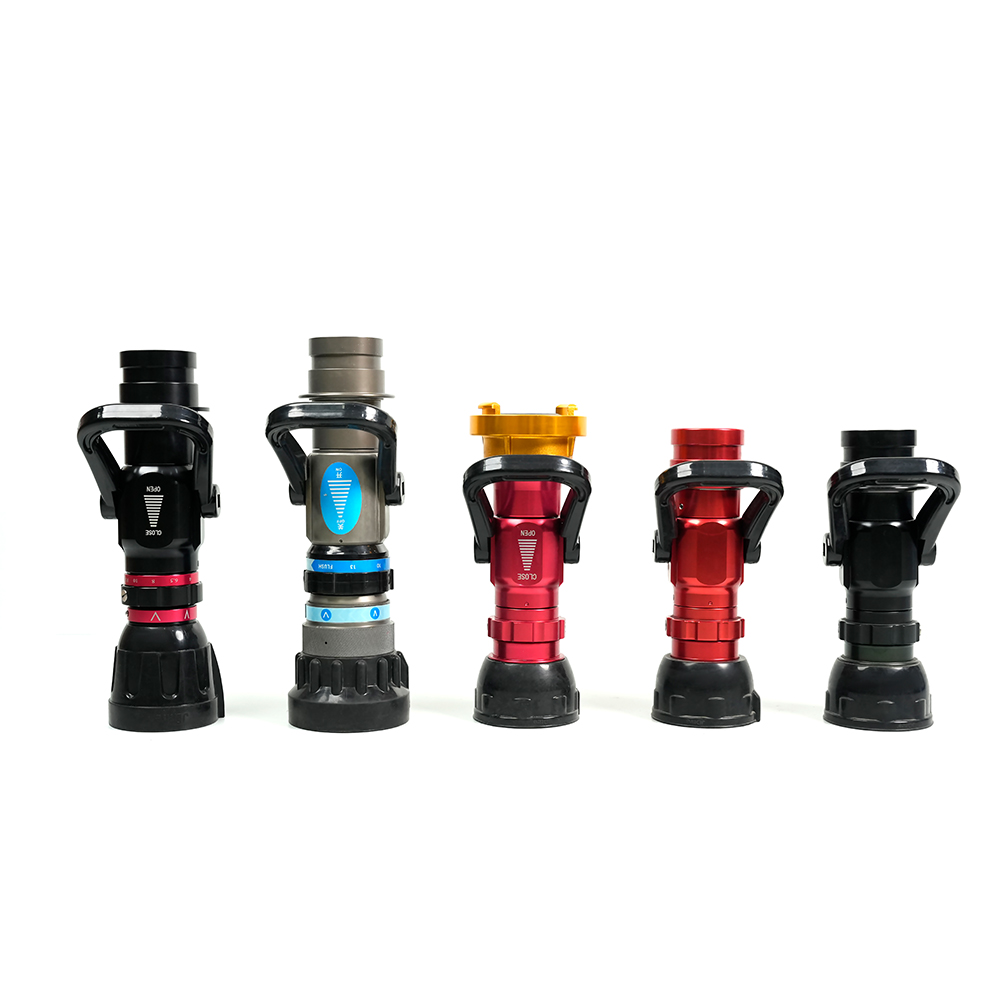 Adjustable Storz Fire Nozzle with Multiple Spray PatternsAdjustable fire nozzle offering multiple spray modes, flow control, and a recoil-free lightweight design for reliable pattern control.View Product →
If your team works with multiple hose standards, you may need adapters to connect different couplings. Keeping a set of cross-standard adapters on hand makes cleaning and testing faster. For example, a Machino to Storz adapter lets you use one washing station for different hose sets.
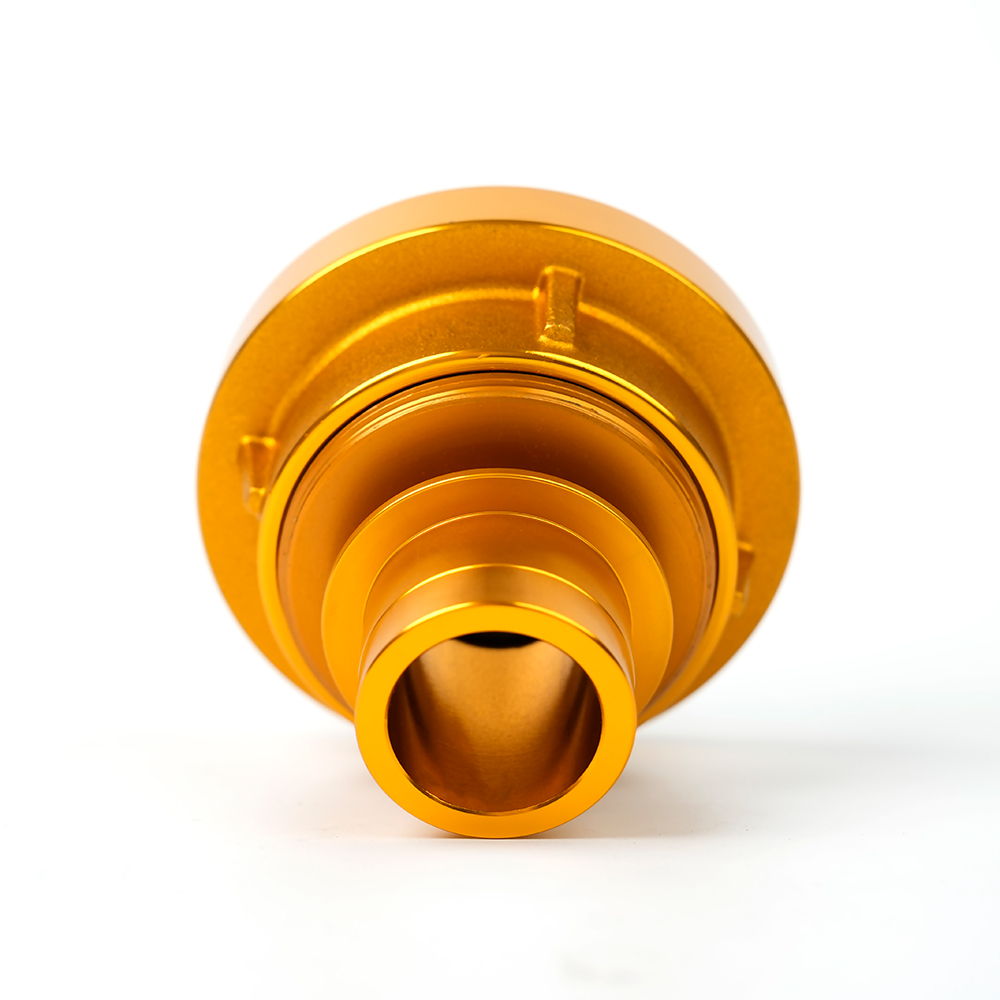 Male Machino Storz Adapter Coupling for Cross-Standard Hose ConnectionsAdapter coupling connects different hose fitting standards, including Machino-to-Storz conversion, useful when cleaning or testing mixed hose sets.View Product →
Different work environments leave different contaminants on a fire hose. The cleaning method should match the soil type.
| Industry | Common Contaminants | Cleaning Focus |
|---|---|---|
| Firefighting | Soot, ash, mud, water | Gentle scrubbing, thorough rinsing, rapid drying to prevent mildew |
| Mining | Rock dust, oil, hydraulic fluid | Degreasing detergent, inspect jacket for abrasion, check coupling threads |
| Chemical plants | Acids, solvents, reactive powders | Neutralizing rinse, dedicated wash area, verify no chemical residue remains |
| Agriculture | Soil, fertilizer, pesticides | Remove organic matter, avoid harsh chemicals, dry completely before storage |
After cleaning, always reconnect the hose system and perform a low-pressure leak test. This step confirms that couplings and gaskets are seated correctly. Follow proper procedures for how fire hose joints should be connected to avoid cross-threading or missing gaskets. A dry test run without water can also reveal stiffness or binding in the couplings.
For operations that use locking distributors or multi-tooth couplings, pay special attention to the locking mechanism. Sand and grit can jam the locking pins. Flush these parts with clean water and apply a light silicone lubricant to moving parts. Do not use oil-based lubricants, which attract dirt.
Cleaning extends the life of a fire hose, but it cannot fix structural damage. Replace the hose or the coupling if you find any of the following:
In forestry or wildland firefighting, external binding and internal expansion couplings take a beating from rocks, branches, and dragging. If the coupling body is deformed, replace it. A new internal expansion forestry fire hose coupling is a small investment compared to a failed connection during a wildfire.
Fire hose cleaning is a habit, not a one-time project. A few minutes of inspection and proper washing after every use will keep your hoses flexible, your couplings reliable, and your team safe. Train everyone on the cleaning steps, stock the right mild detergent and soft brushes, and never store a hose wet. If you need replacement couplings, adapters, or nozzles that are built for the real world, explore our product range or contact our team for advice.
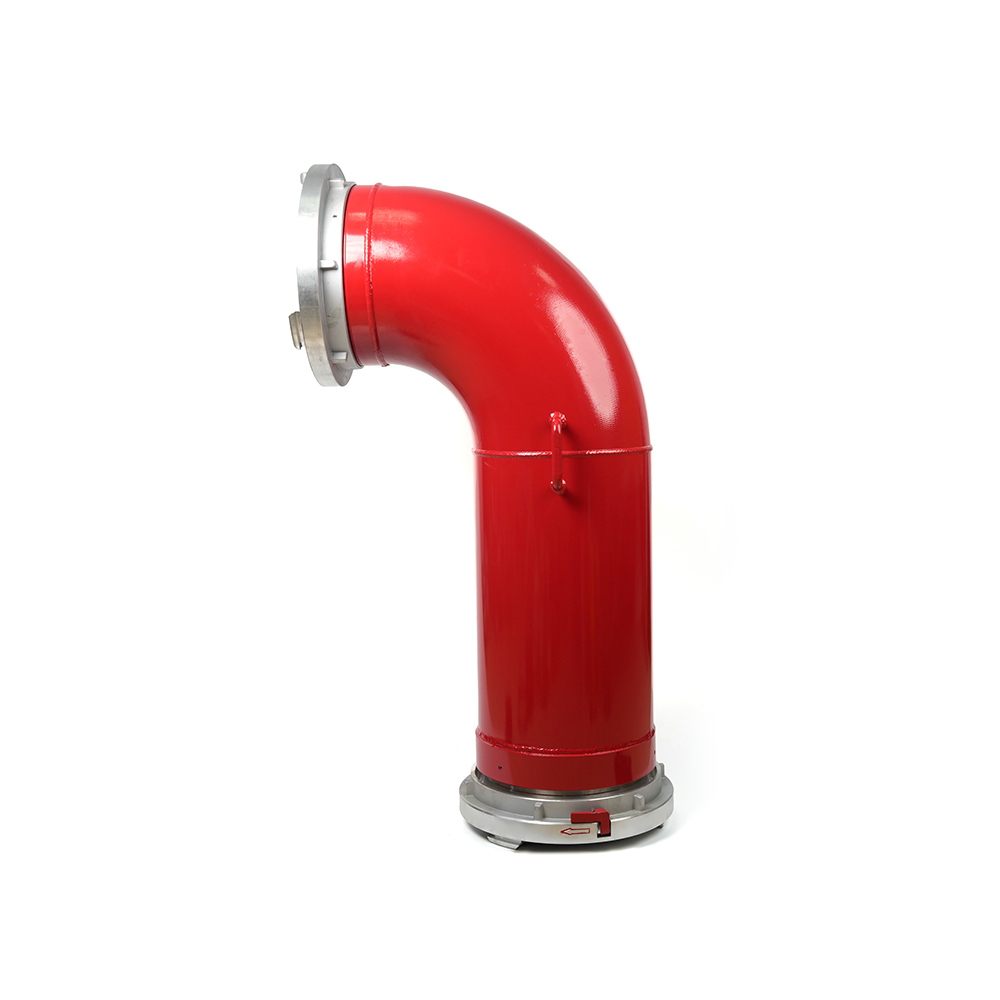 Grooved Fire Elbow-Storz
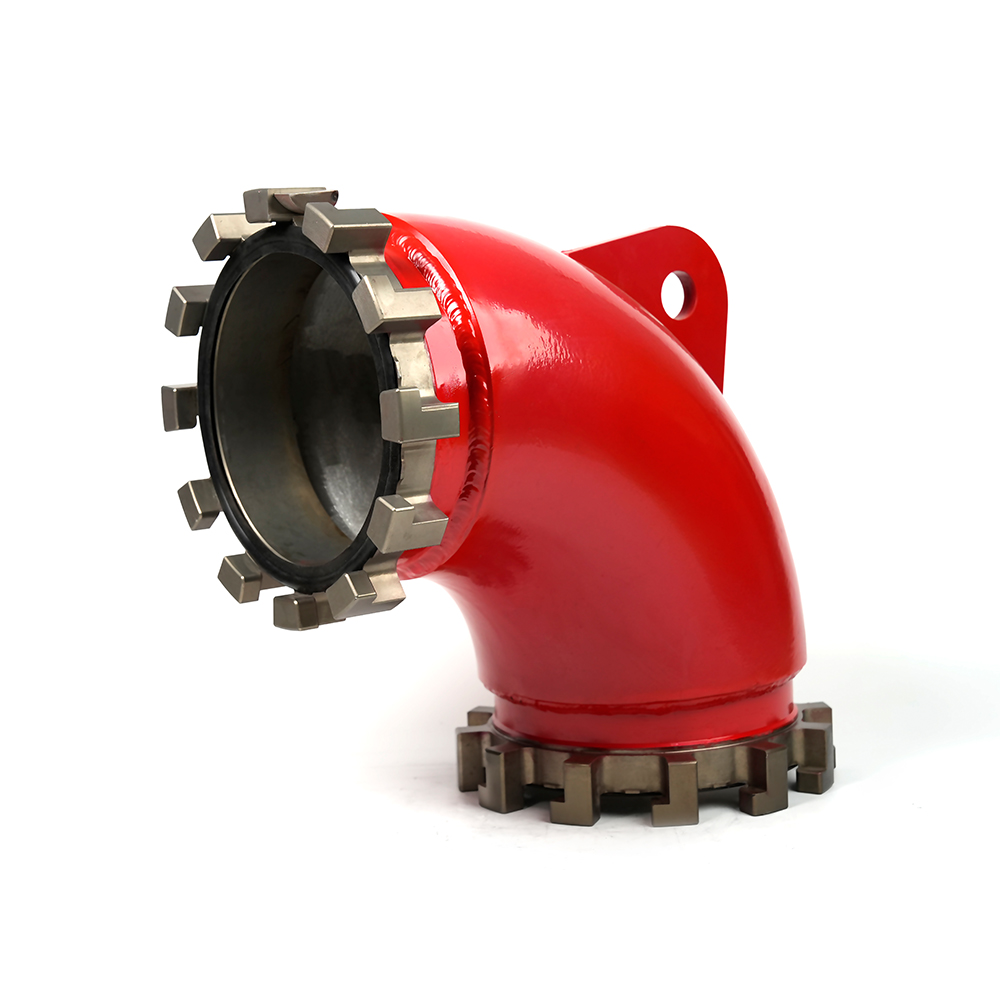 Grooved Fire Elbow-Multi-tooth
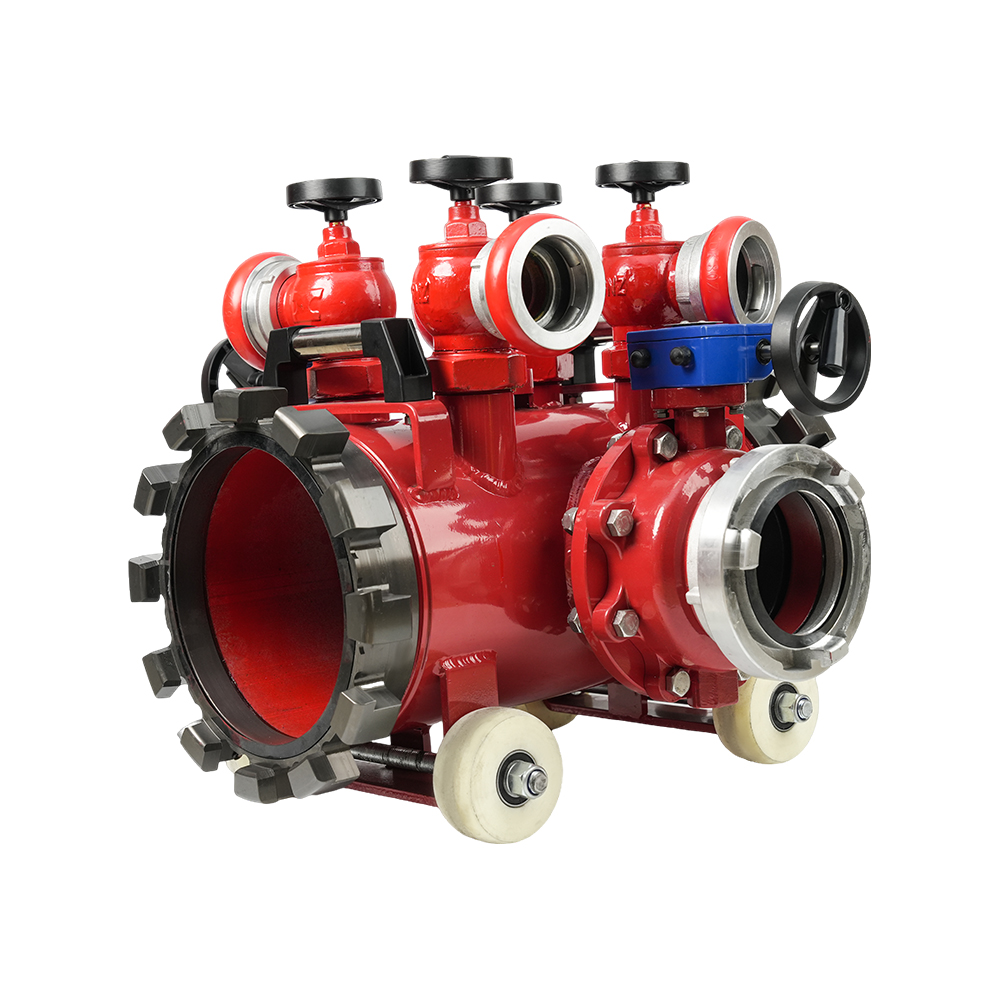 Multi-functional Fire Hose Distributor
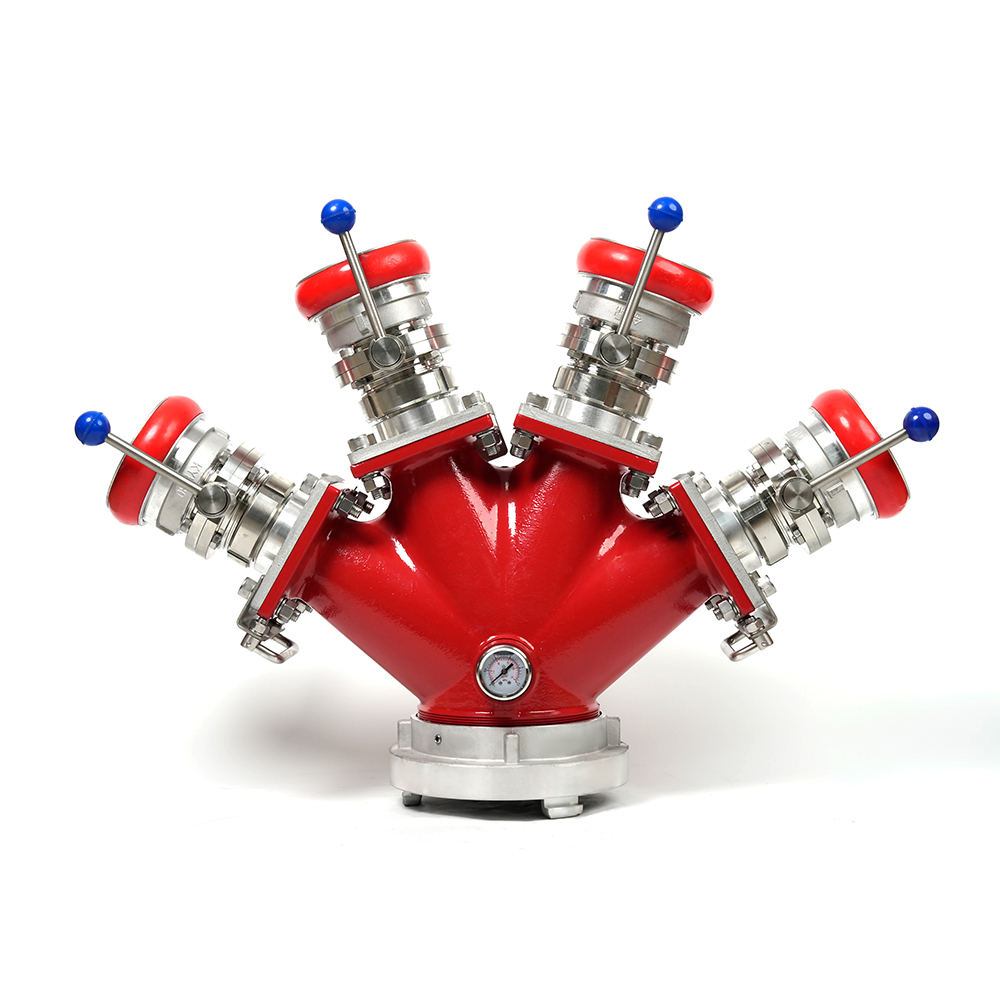 Locking Four-Way Fire Hose Distributor
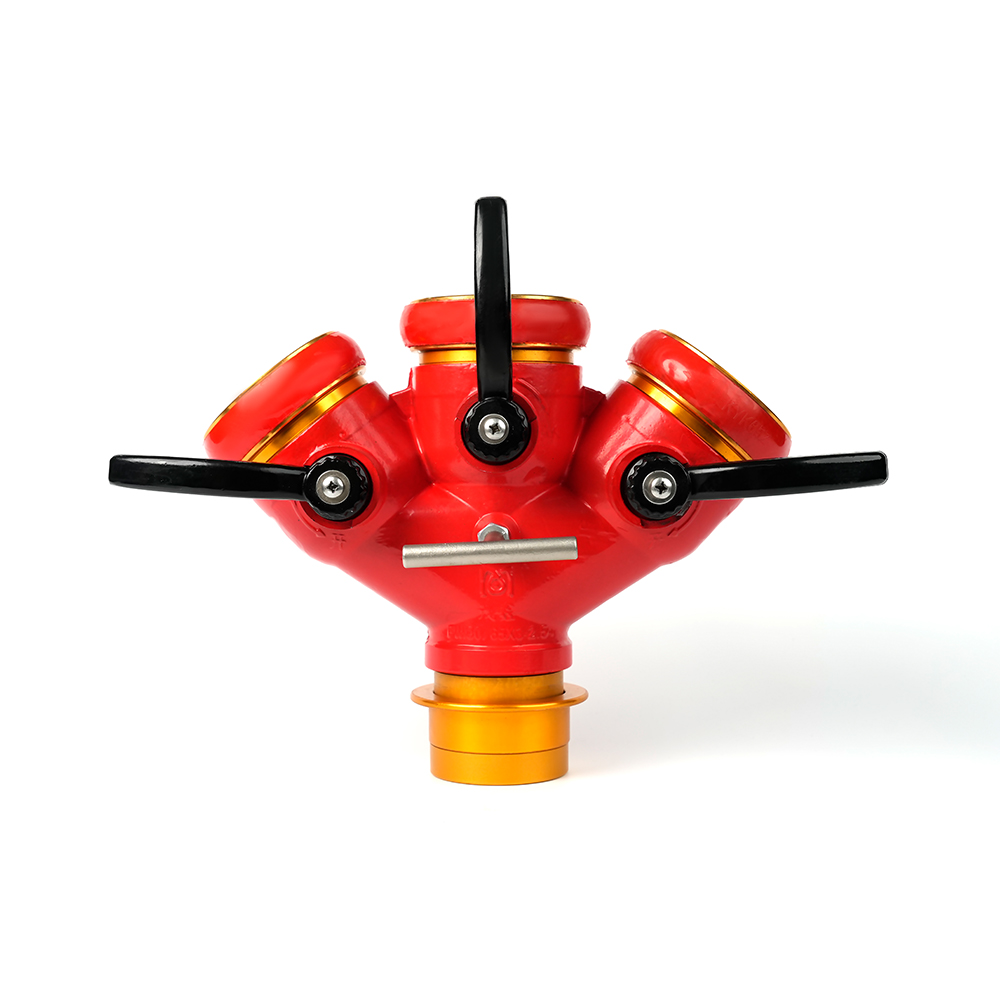 Locking Three-Way Fire Hose Distributor
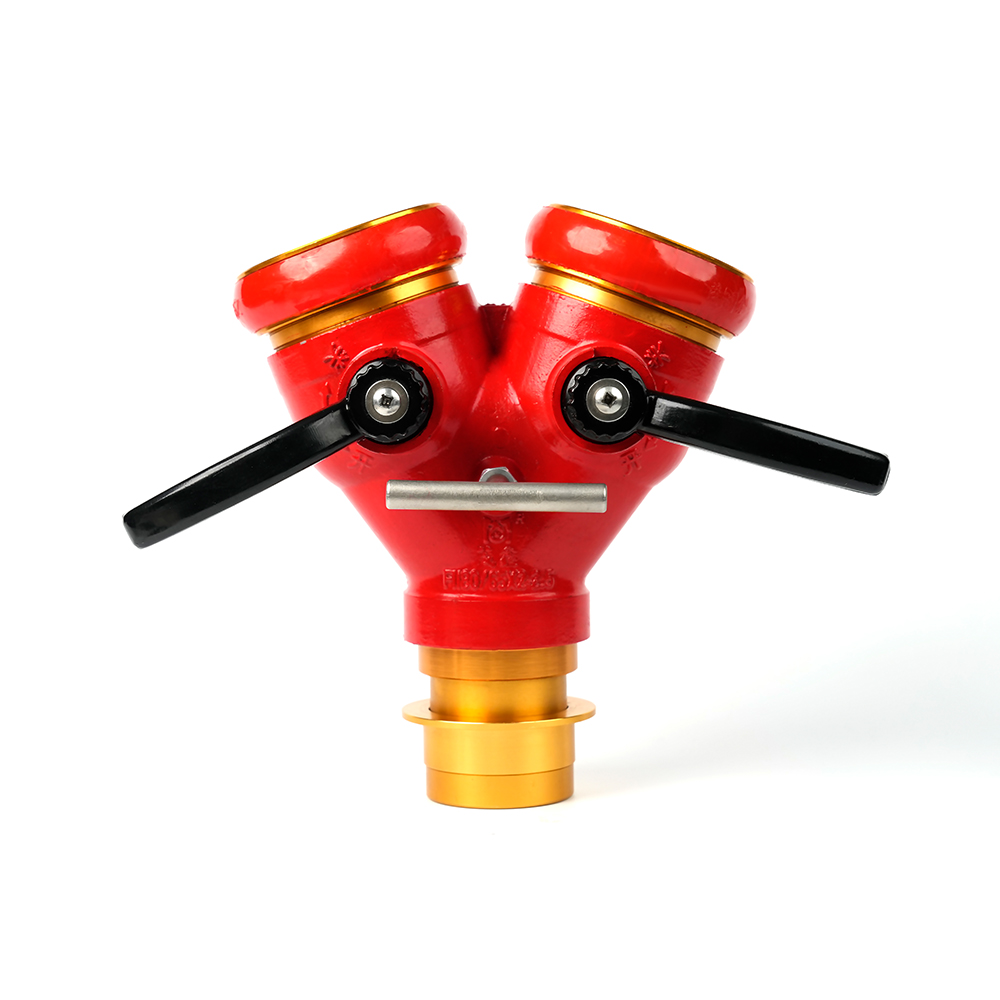 Locking Two-Way Fire Hose Distributor
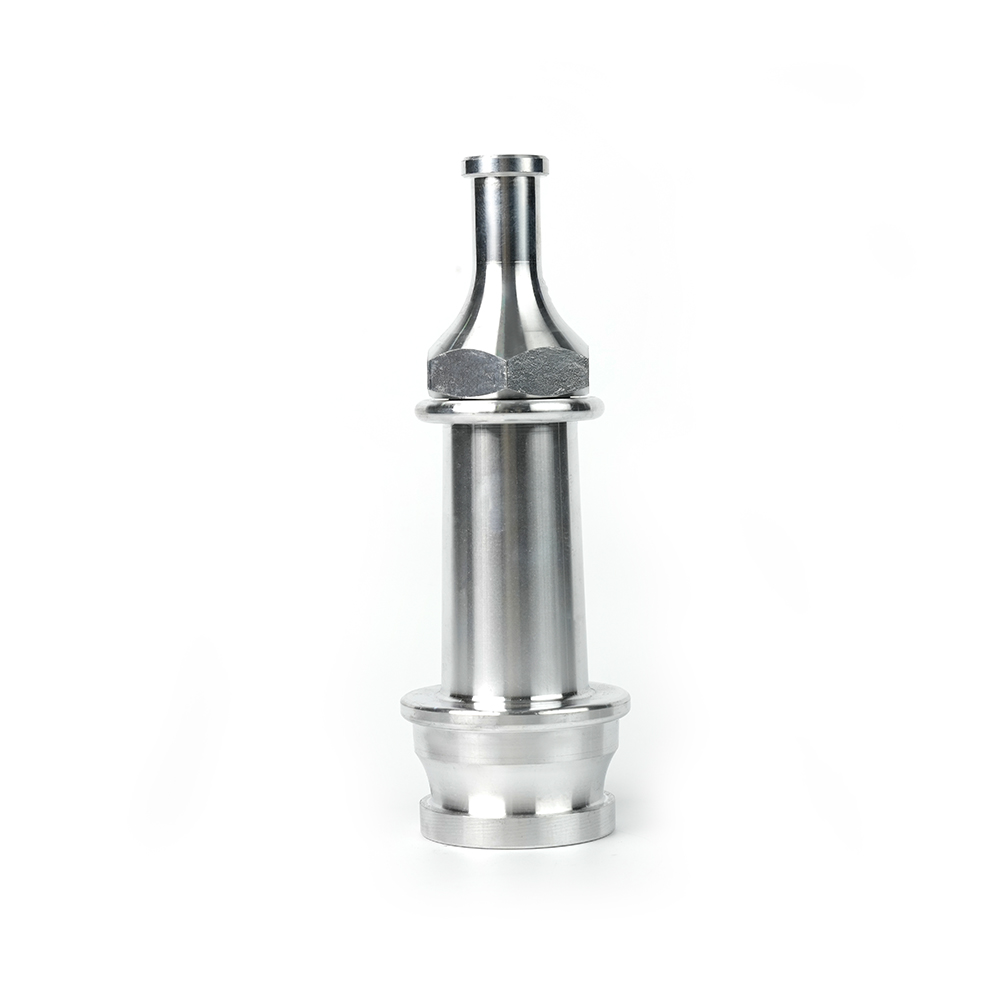 Straight Stream Nozzle
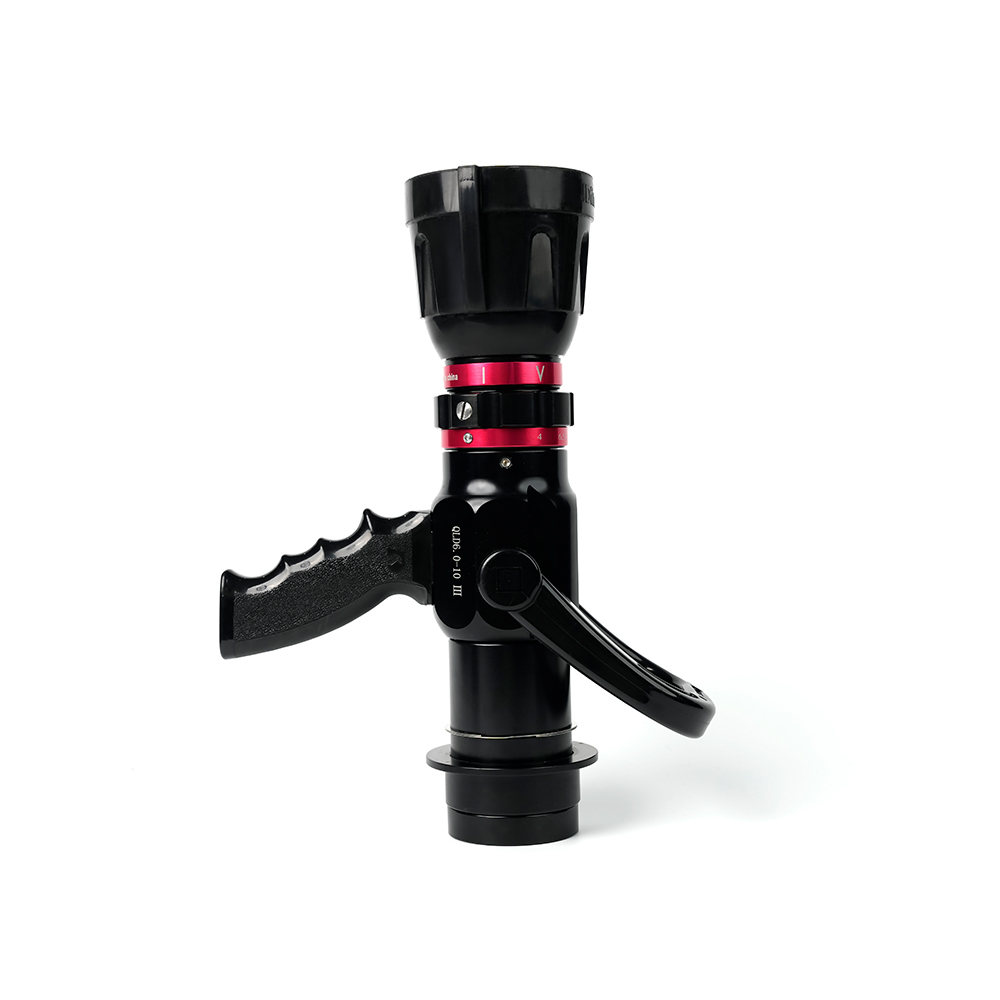 Adjustable nozzle-machino
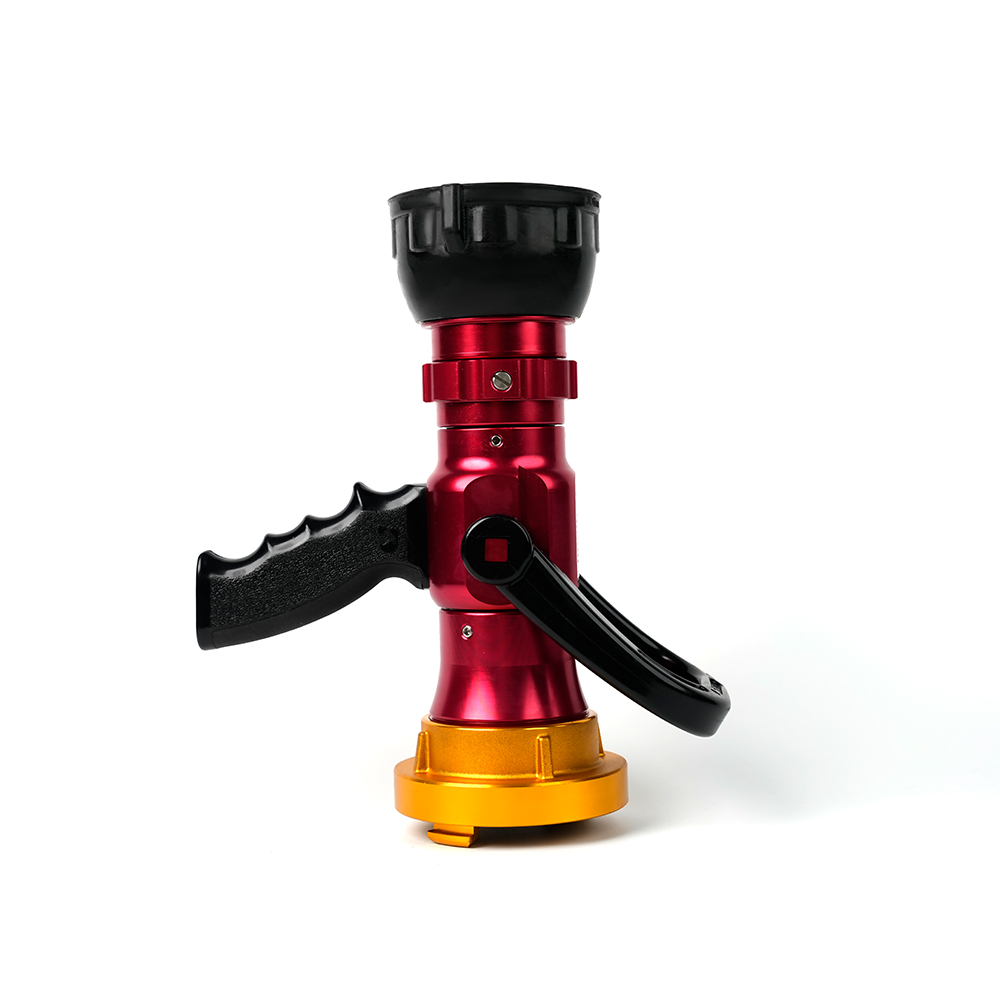 Adjustable nozzle-storz
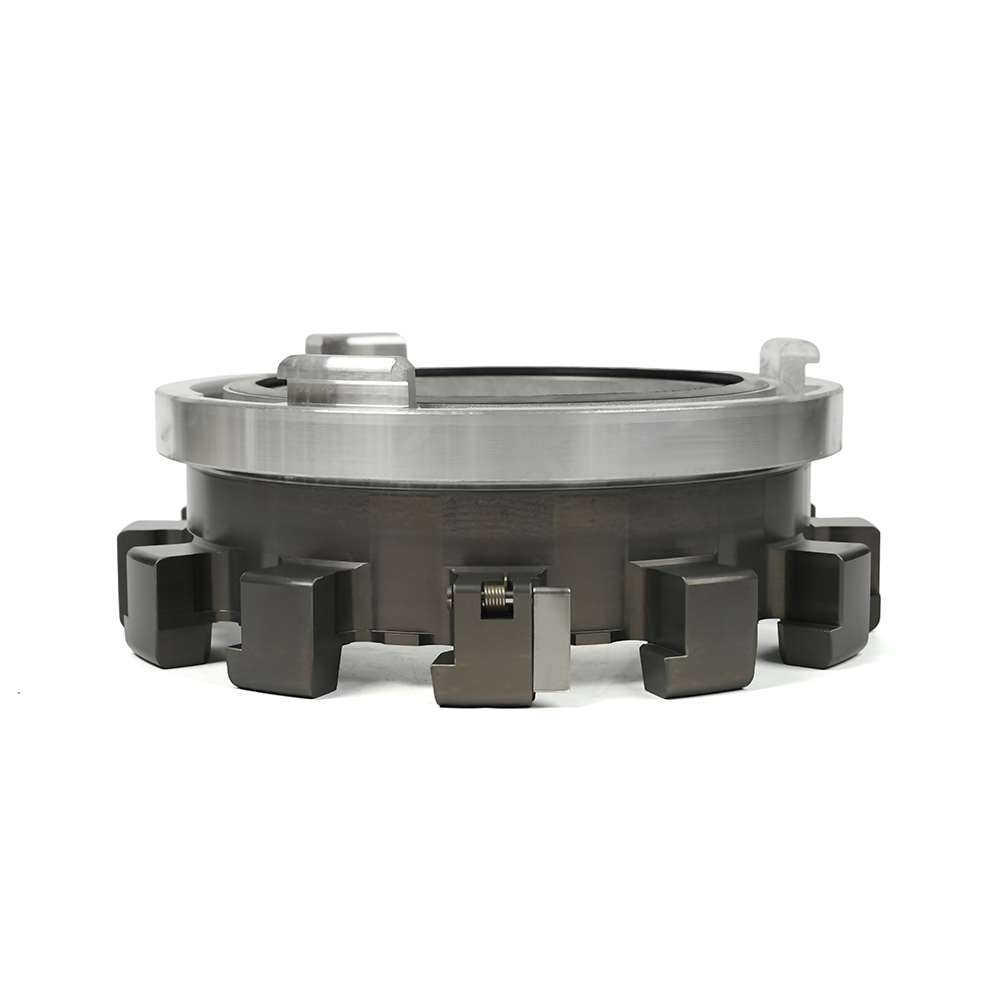 Storz Adapter Couplings - Multi-Tooth
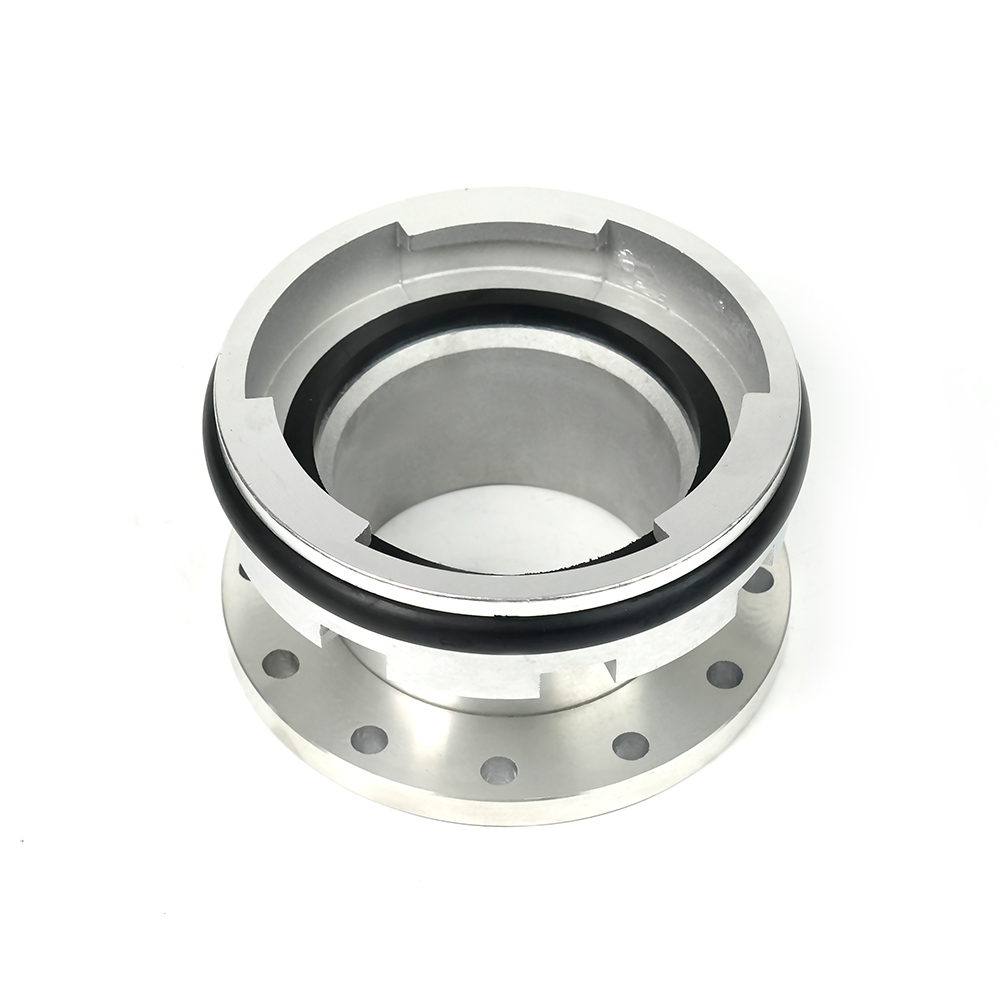 Machino Adapter Couplings – Flanged
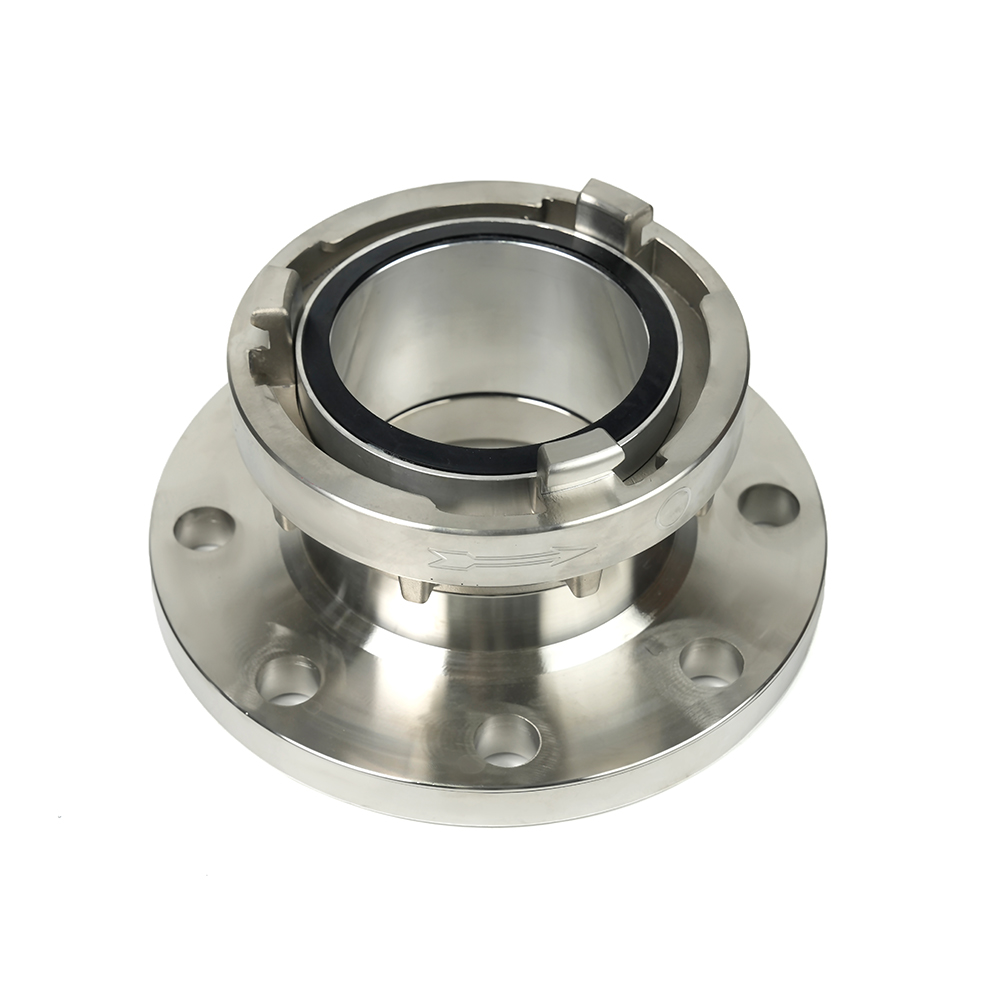 Storz Adapter Couplings – Flanged

 Contact Number
+86-0523-83274900
+86-151 9064 3365
 Let our team offer you customs solutions.
 Company Address
West side of Hongxing Middle Road, Lincheng Street, Development Zone, Xinghua City, Jiangsu Province, China
Copyright @Jiangsu Jinding Fire Protection Technology Co., Ltd. All rights reserved Fire Protection Equipments Manufacturers
