 英语
 西班牙语
 德语
Industry News
Home / News / Industry News / Fire Hose Types: Jacket, Diameter, Pressure and Coupling Standards Explained


+86-0523-83274900
+86-151 9064 3365
Content
A 300 metre order of 2.5 inch fire hose arrives at a fuel terminal and is rejected at the gate. The hose is sound. The problem is the ends: the supplier shipped NH threaded couplings, while every hydrant and pumper on site carries Storz. Nothing connects, the plant loses a week, and someone pays for a second shipment.
That one mismatch explains why the question of fire hose types is never a single question. A hose is classified by four independent things: how the jacket is built, what duty it performs, its diameter and working pressure, and the coupling standard on its ends. The first three decide how the hose performs. The fourth decides whether it connects at all, and it is the one buyers most often leave until last.
Work through the four in order and the choice usually narrows to one or two catalogue items. Skip the fourth and nothing else matters.
The fastest way to sort hose types is by the job it does, because duty sets diameter, pressure rating and construction at the same time.
Pressure rating follows duty. A supply line that sees 150 psi at the pump does not need the burst strength of an interior attack line, and paying for that strength across a kilometre of large diameter hose is wasted budget.
Wildland hose also has its own connection family. Forestry lines are joined with external binding or internal expansion couplings rather than threads, because gloves, smoke and speed make threaded joints impractical on a fire line.
 Internal Expansion Forestry Fire Hose CouplingThreadless forestry coupling that seals by expanding an aluminum ring, matching wildland fire hose connection practices.View Product →
Jacket construction is where cost meets service life.
Single jacket hose has one woven polyester layer. It is light, coils tightly and suits washdown, light industrial duty and wildland work, but it abrades faster and carries a lower burst pressure.
Double jacket hose has two woven layers. The second layer lifts burst strength and resists abrasion from concrete, gravel and sharp debris, which is why it is the usual choice for municipal attack lines.
Rubber covered and through-the-weave hose extrude an EPDM or similar compound through or around the weave. The jacket then resists abrasion and many chemicals, absorbs very little water and dries faster, a real advantage where hose sits damp in a cabinet for months.
Inside the jacket sits the lining: EPDM, nitrile, polyurethane or PVC. The lining sets friction loss, chemical compatibility and how the hose behaves after long storage. Nitrile and polyurethane generally handle oils and fuels better than standard EPDM, while EPDM copes well with heat and ozone.
Diameter changes flow more than pressure does. Friction loss climbs sharply as bore falls, so a 1.75 inch attack line and a 2.5 inch line at the same pump pressure deliver very different volumes; the smaller line trades flow for mobility. On the supply side, stepping from 3 inch to 5 inch large diameter hose can cut friction loss several times over, which is why terminals and refineries standardise on large diameter supply hose and use adapters to feed smaller attack lines.
| Nominal size | Typical duty | Common working pressure | Practical note |
|---|---|---|---|
| 1 inch / 25 mm | Booster reel, small attack line | 250 to 400 psi | Easy to handle, low flow |
| 1.5 to 1.75 inch / 38 to 45 mm | Interior attack | 250 to 400 psi | Standard fireground attack line |
| 2.5 inch / 65 mm | Attack and short supply | 200 to 300 psi | Balance of flow and weight |
| 3 to 4 inch / 75 to 100 mm | Supply and relay | 150 to 250 psi | Lower friction loss over long runs |
| 5 to 6 inch / 125 to 150 mm | Large diameter supply | 150 to 200 psi | Hydrant to pumper, high volume |
A hose is only as useful as its ends. Coupling standards exist because different countries and industries developed their own ways of joining hose, and they are not interchangeable in any direction.
Storz couplings are symmetric and threadless. Two identical halves lock with a quarter turn of the lugs, which makes them fast to connect in poor light and forgiving of alignment. They dominate large diameter supply hose in Europe and in industrial terminals.
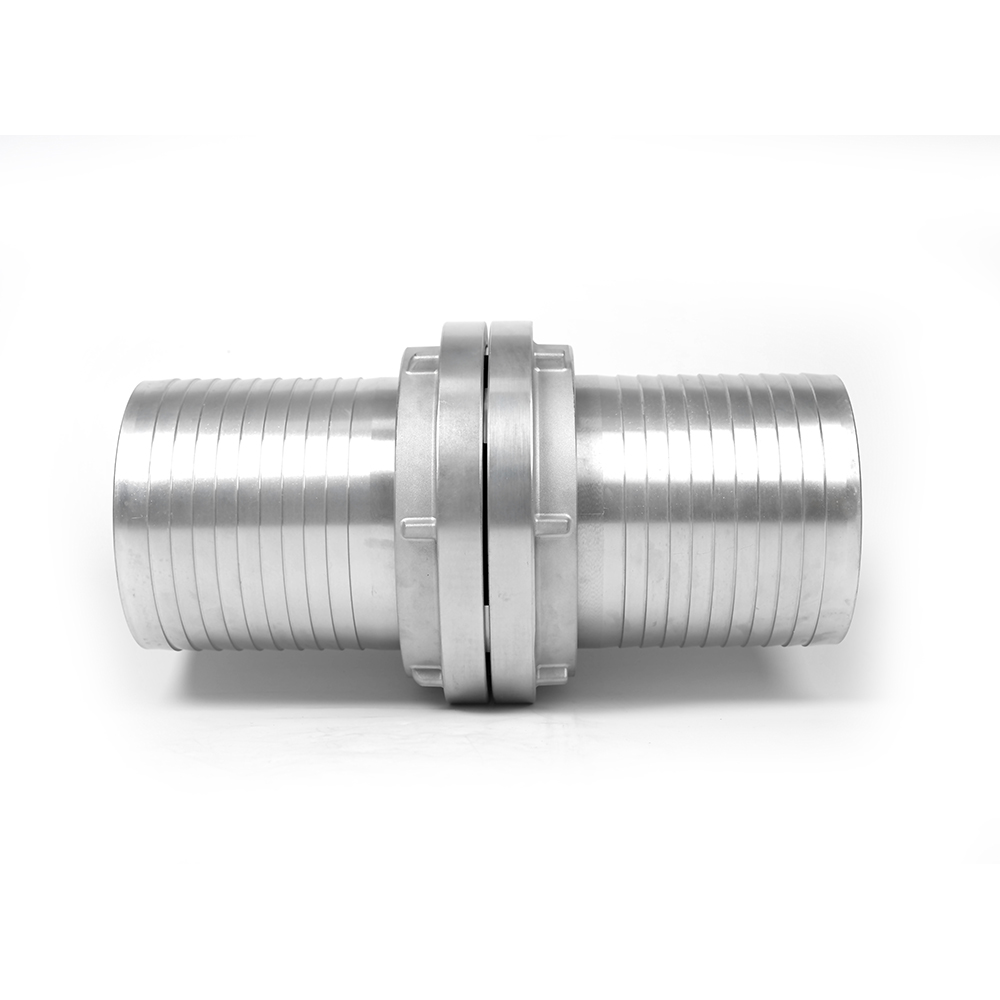 Large Storz-Style Fire Hose CouplingLarge Storz-style coupling with serrated or ribbed tail ends for fire hose and industrial fluid transfer.View Product →
Machino couplings are threaded, with distinct male and female halves, and remain standard in Japan and in much of the equipment supplied to Asian markets.
NH, also called NST in North America, John Morris in the United Kingdom, Italian and C+E in Australia are all threaded families. Each has its own thread form, pitch and seat angle, so a 2.5 inch NH male will not seal into a 2.5 inch John Morris female even though the two look similar at arm's length.
Multi-tooth, VIC, flanged and grooved connections serve industrial pipework and mining, where a joint must stay made under vibration and be assembled with hand tools. Mining, agricultural, garden and sanitary drainage couplings extend the same logic into non-fire applications.
The practical rule is to match the coupling standard to the equipment already on site, not to the hose you prefer. If the shop floor needs the detail, this guide on how a fire hose joint should be connected walks through the assembly steps and the mistakes that cause leaks.
| Coupling standard | Origin and main market | Connection style | Typical application |
|---|---|---|---|
| Storz | Europe and international | Symmetric, threadless, lug lock | Large diameter supply, industrial |
| Machino | Japan and Asian markets | Threaded, male and female halves | Municipal and industrial lines |
| NH / NST | North America | Threaded | Attack and supply |
| John Morris | United Kingdom | Threaded | Municipal firefighting |
| Italian | Italy | Threaded | Municipal firefighting |
| C+E | Australia | Threaded and lug | Municipal firefighting |
| Forestry | Wildland, international | External binding or internal expansion | Forest and brush firefighting |
Adapters and reducers solve a mismatch without replacing a hose fleet. A Storz to flanged adapter connects large diameter hose to industrial pipework, Storz to forestry adapters let a municipal pumper feed a wildland line, and Machino to Storz or Machino to forestry versions bridge Japanese equipment and European supply hose. Multi-tooth equivalents cover the same ground on mining and industrial circuits.
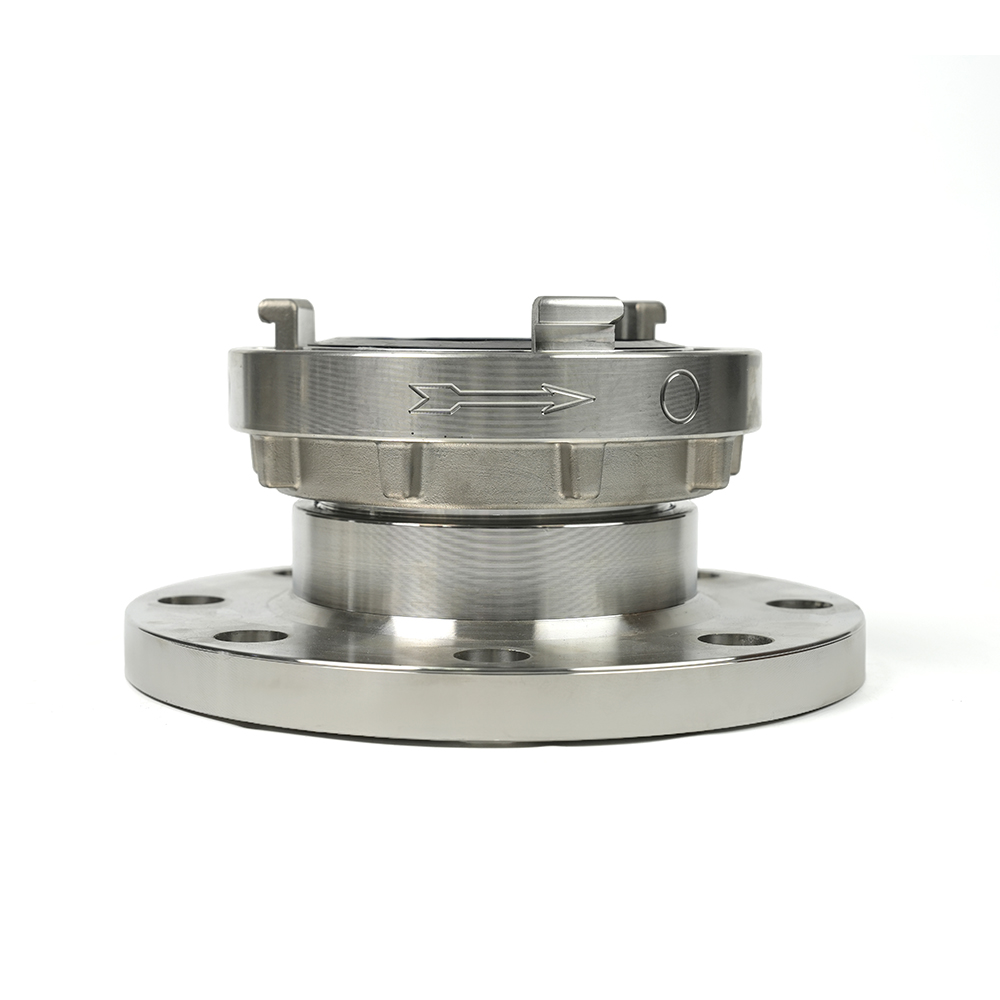 Flanged Storz Adapter Couplings for Hose SystemsConnects Storz hose to flanged industrial pipework, helping bridge standard mismatches without replacing the hose fleet.View Product →
Keep the adapter count low. Every extra joint is another gasket to inspect and another place water can escape at 150 psi. Where a site runs two standards for years, it is usually cheaper to settle on one standard for bulk supply and keep two or three adapters in each cabinet for emergencies.
Most rejected deliveries trace back to a handful of specification gaps that are easy to close on the purchase order.
The type of fire hose you need is rarely a single answer. Fix the duty, then the diameter and pressure, then the construction, and finish with the coupling standard, because that last step decides whether the line works on the day.
Where a site runs several standards, or a project mixes municipal, forestry and industrial hose, it helps to work with a manufacturer that builds the joints rather than only the hose. Our production covers couplings, adapters, nozzles and distributors across the Machino, Storz, NH, John Morris, Italian, C+E, forestry, multi-tooth, flanged, mining and agricultural families, backed by ISO9001:2015 certification, voluntary product certification and inspection reports from the national fire equipment quality supervision and inspection centre. Send your coupling standard, diameter and working pressure through the contact page and we will confirm the matching parts.
 Grooved Fire Elbow-Storz
 Grooved Fire Elbow-Multi-tooth
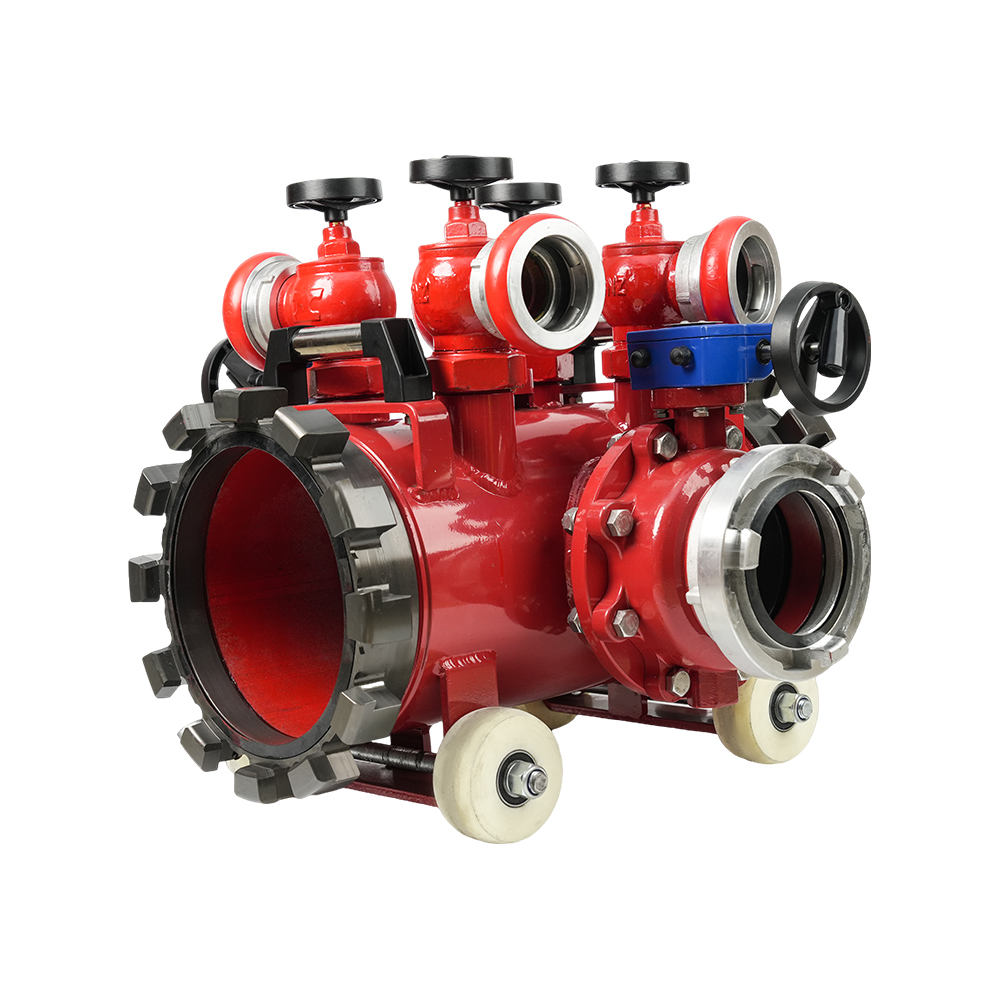 Multi-functional Fire Hose Distributor
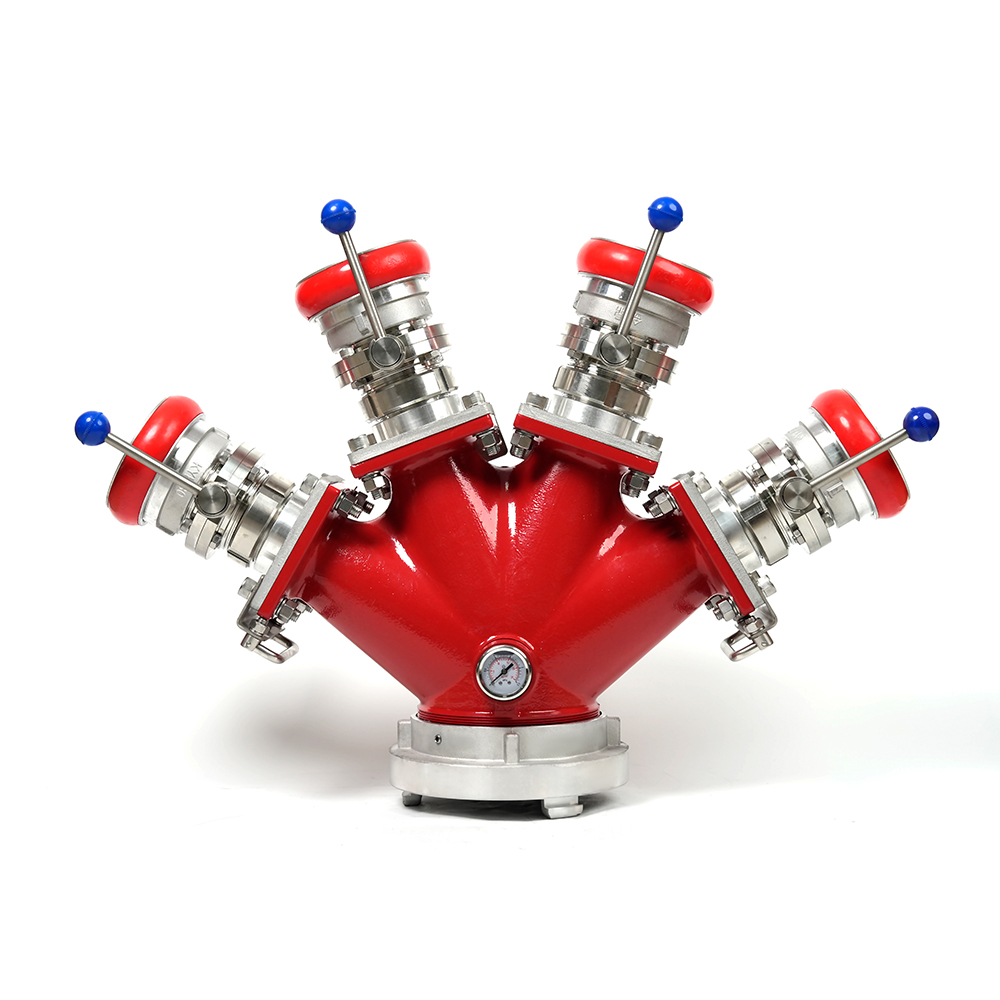 Locking Four-Way Fire Hose Distributor
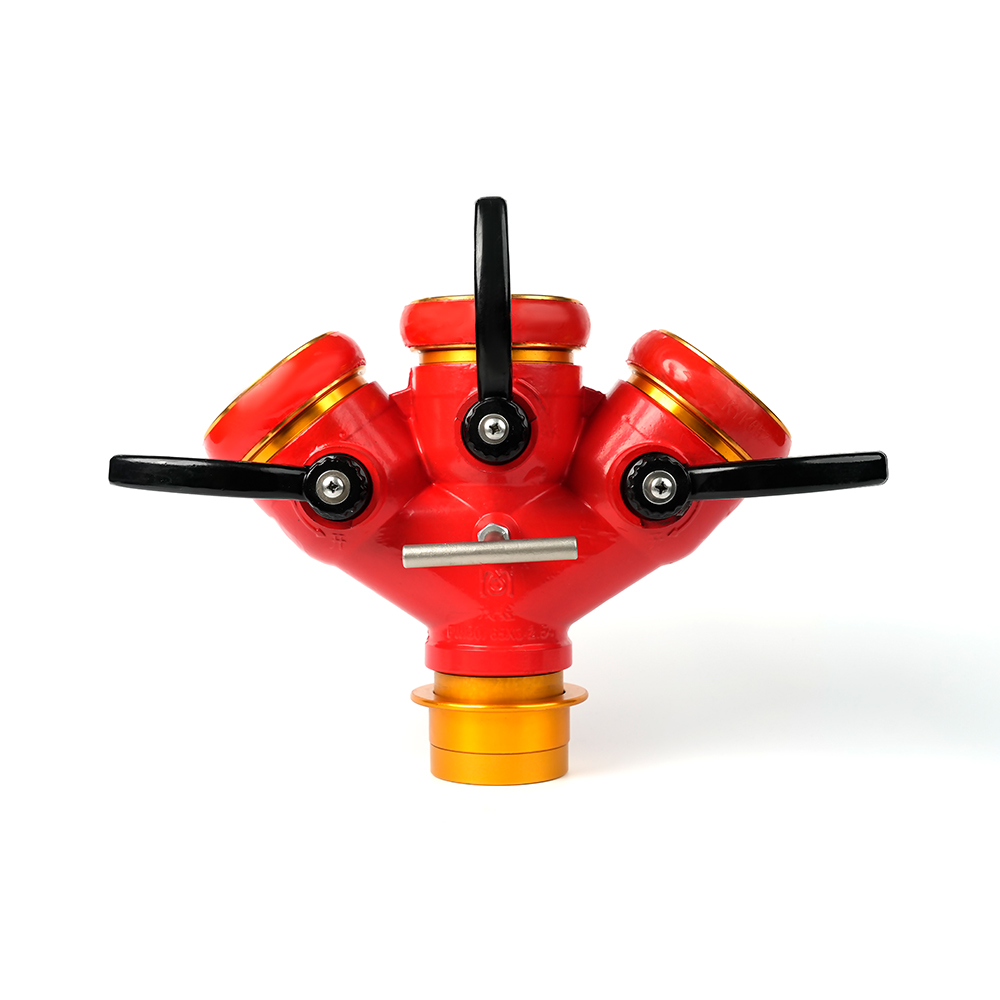 Locking Three-Way Fire Hose Distributor
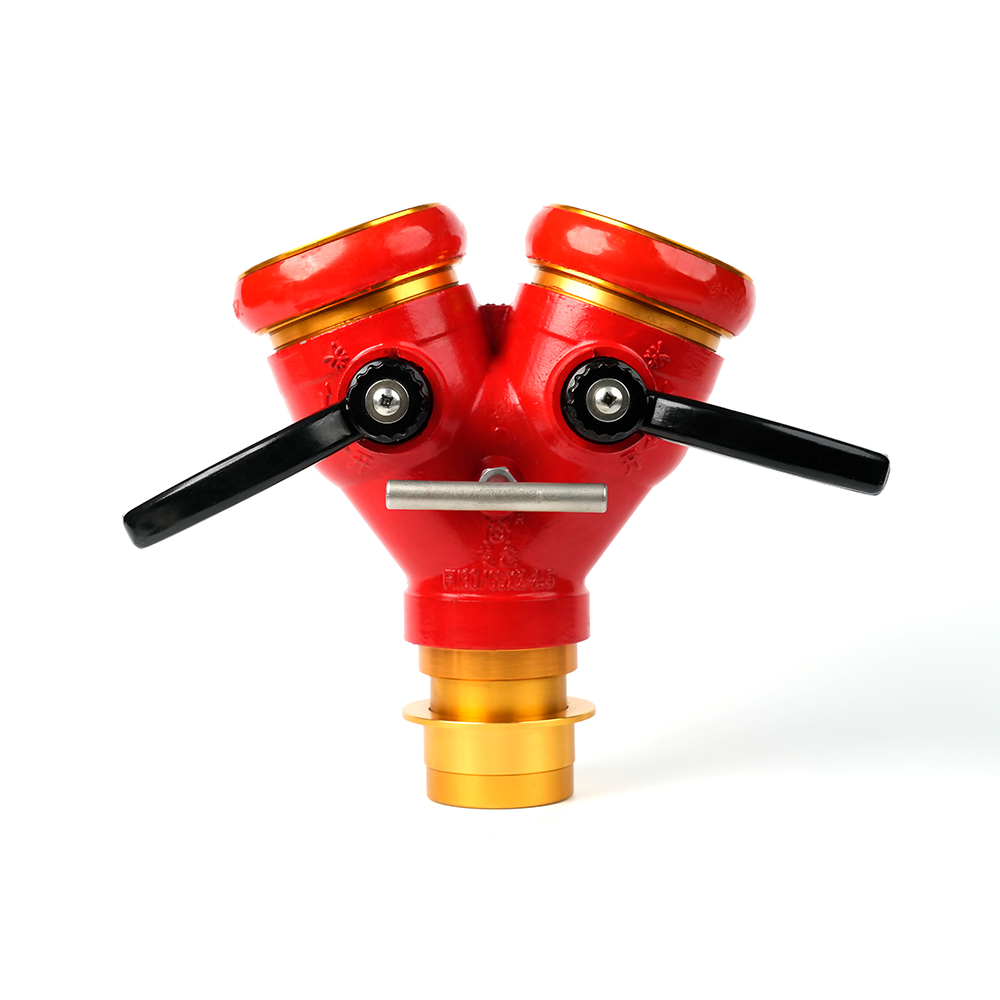 Locking Two-Way Fire Hose Distributor
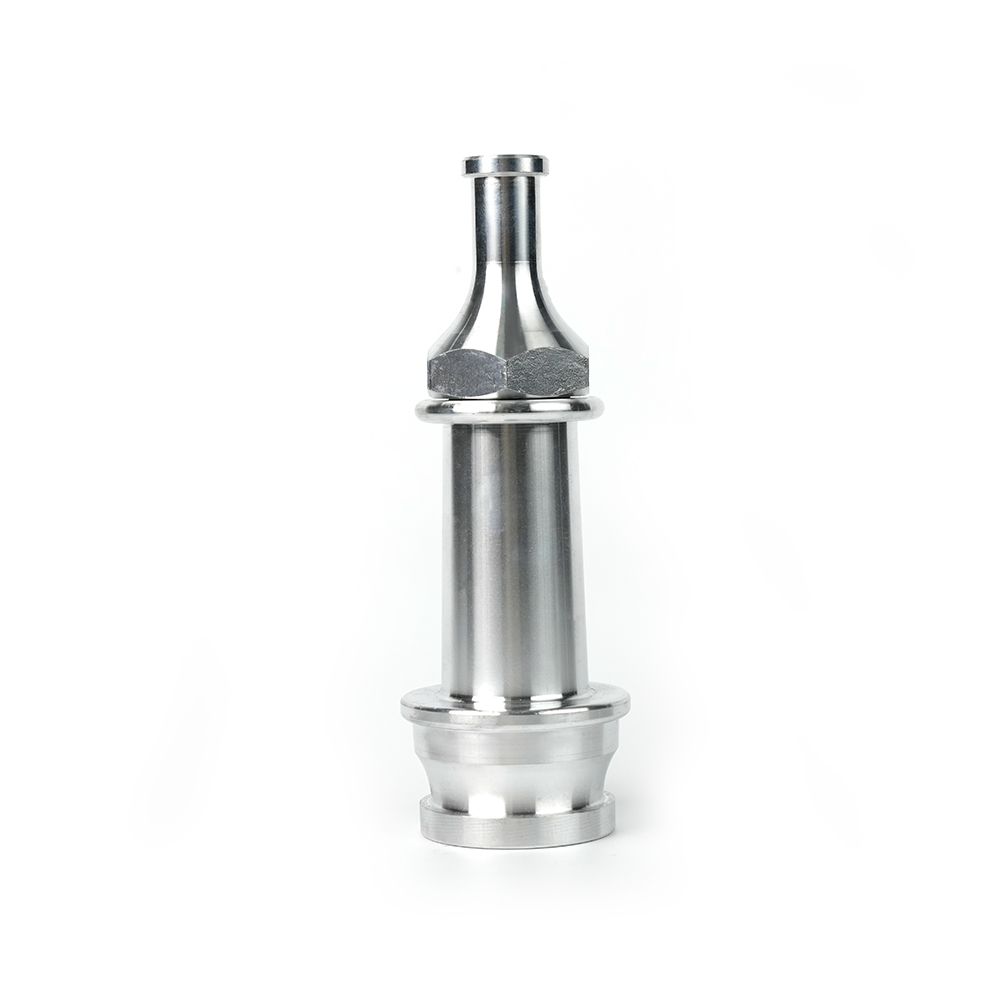 Straight Stream Nozzle
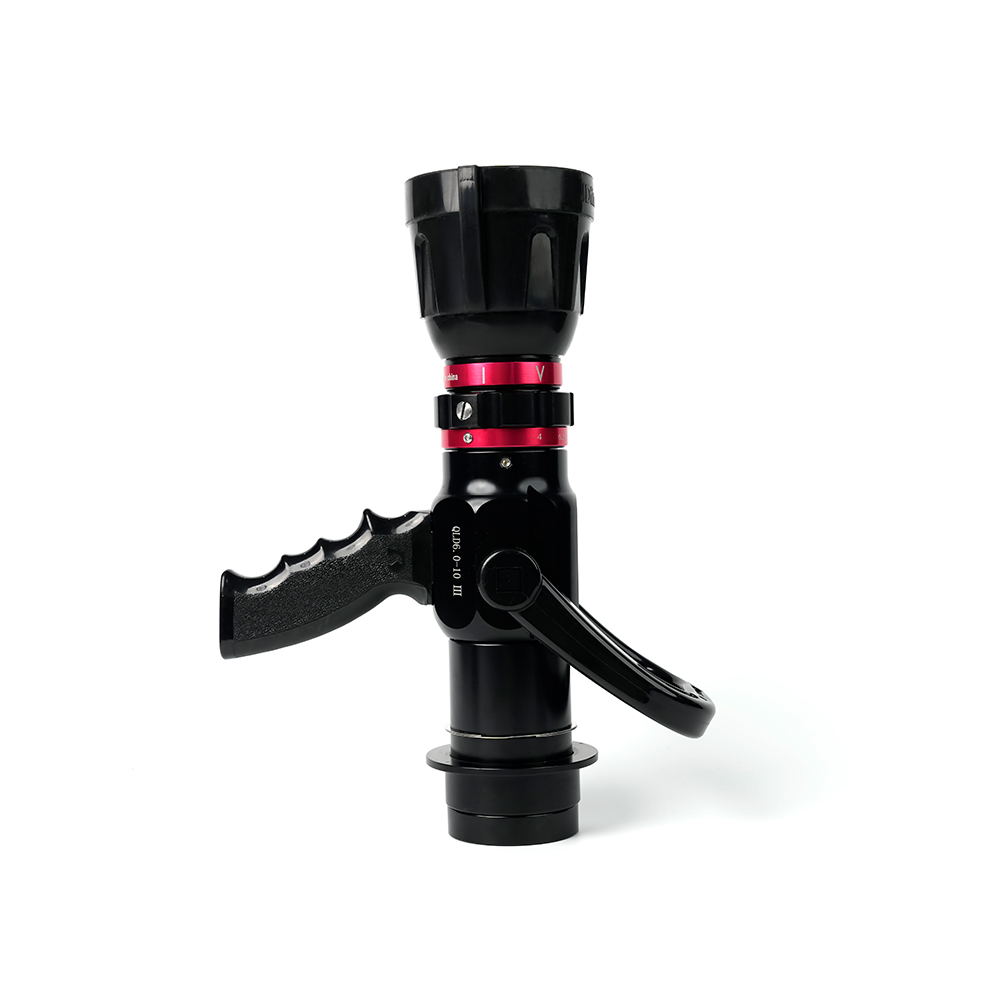 Adjustable nozzle-machino
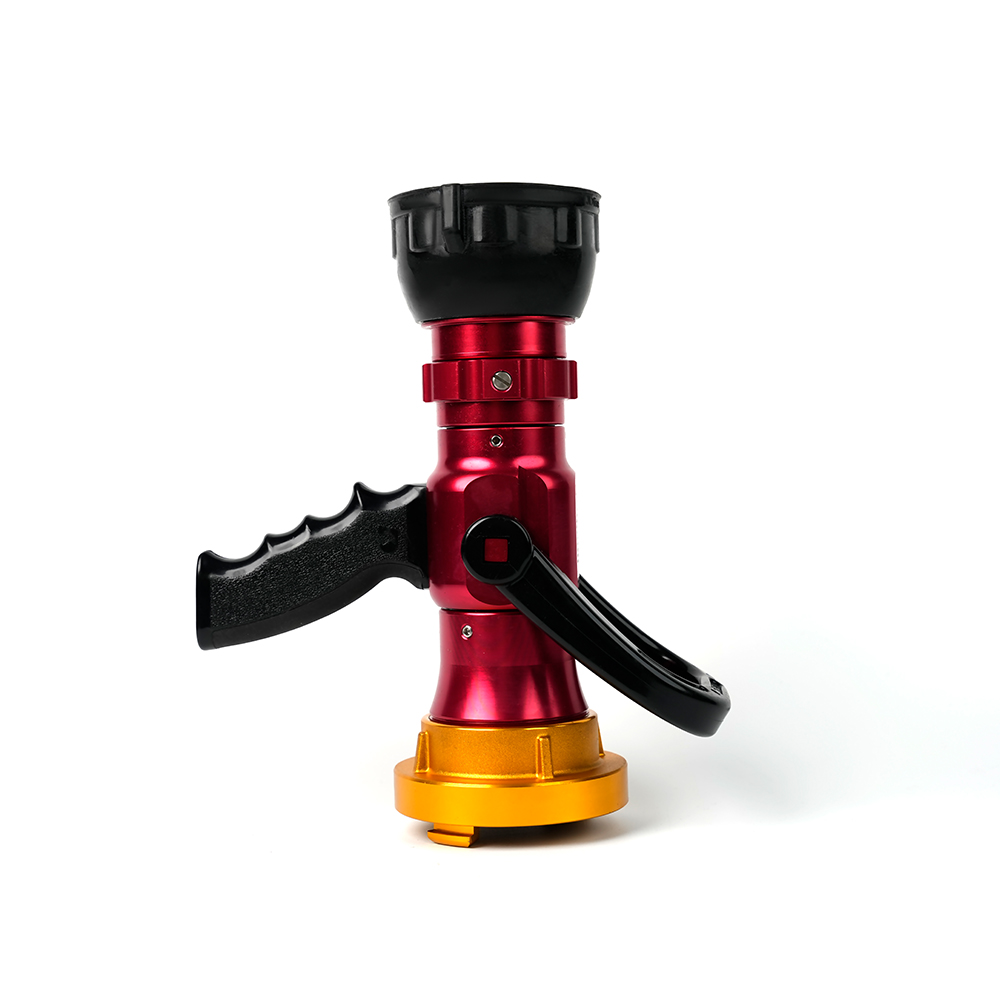 Adjustable nozzle-storz
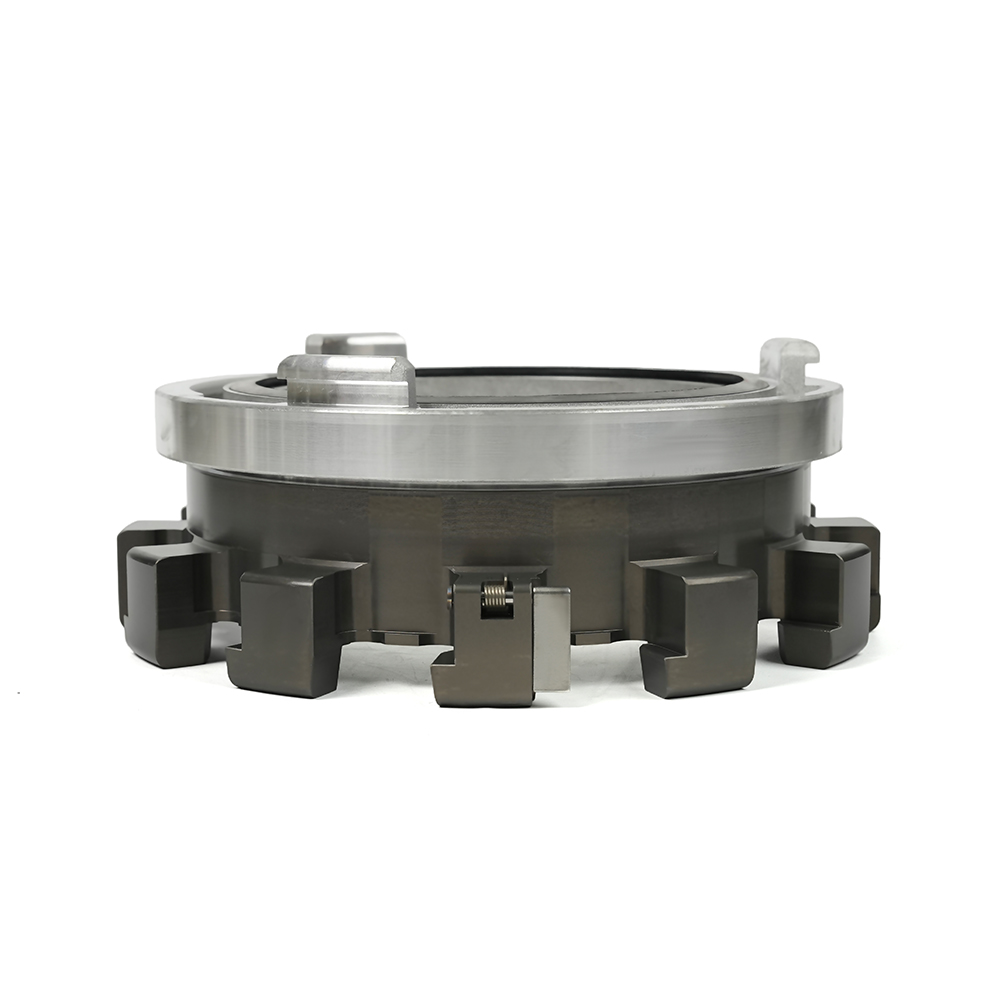 Storz Adapter Couplings - Multi-Tooth
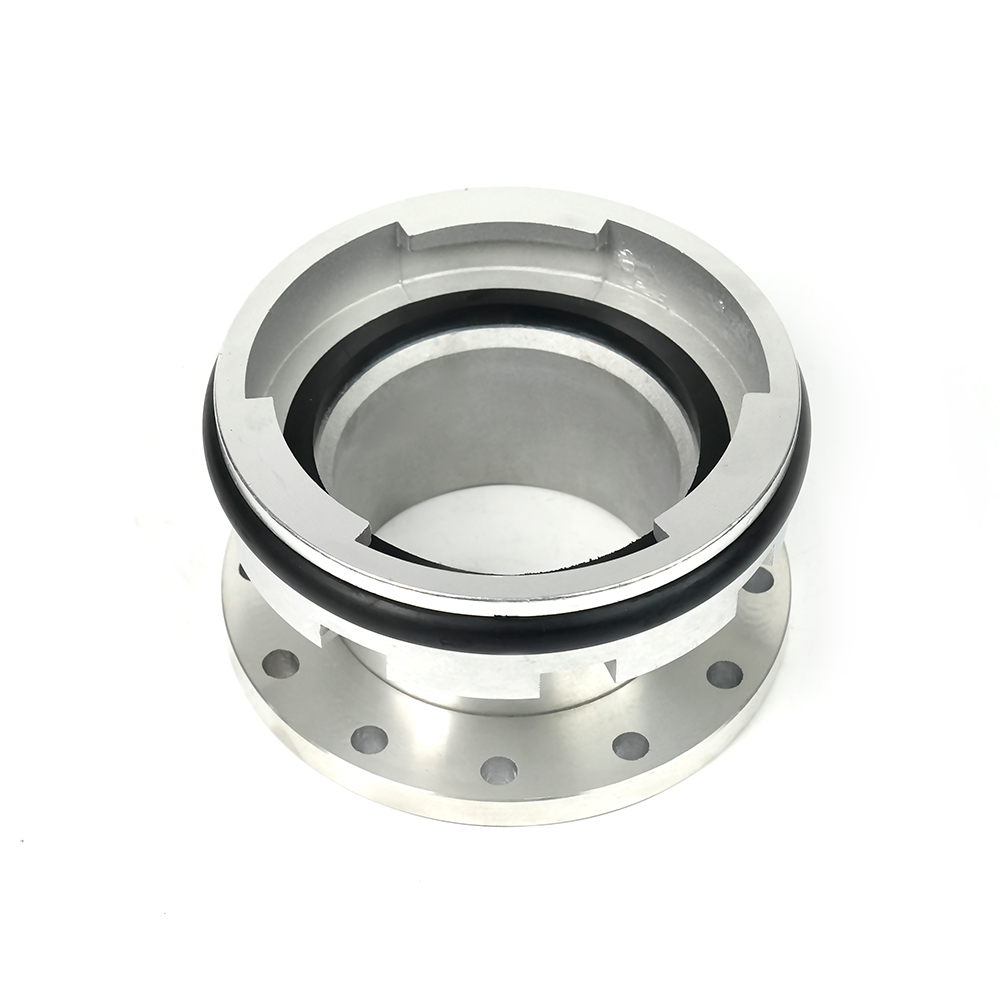 Machino Adapter Couplings – Flanged
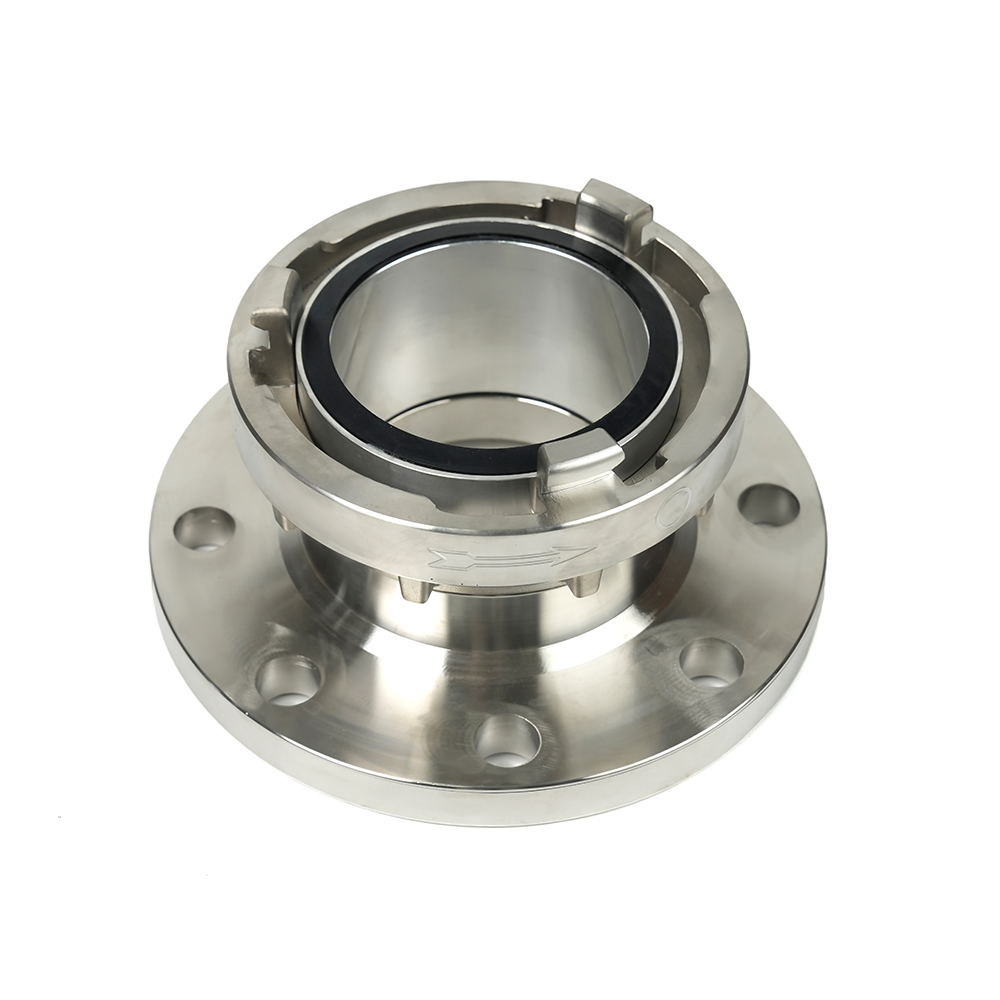 Storz Adapter Couplings – Flanged

 Contact Number
+86-0523-83274900
+86-151 9064 3365
 Let our team offer you customs solutions.
 Company Address
West side of Hongxing Middle Road, Lincheng Street, Development Zone, Xinghua City, Jiangsu Province, China
Copyright @Jiangsu Jinding Fire Protection Technology Co., Ltd. All rights reserved Fire Protection Equipments Manufacturers
