 英语
 西班牙语
 德语
Industry News
Home / News / Industry News / Fire Hydrant Hose Adapter Guide: Thread Standards, Sizing and Selection


+86-0523-83274900
+86-151 9064 3365
Content
A 2.5 inch hydrant outlet and a Storz hose line will not connect, no matter how much force the crew applies at the scene. The same gap appears in a plant yard when a standpipe with a British standard thread has to feed a hose fitted with an NH coupling. The part that closes these gaps is a fire hydrant hose adapter.
Here is the conclusion first. A hydrant hose adapter must match three things at once: the thread or coupling on the hydrant outlet, the coupling on the hose end, and the pressure and material requirements of the system it serves. Two out of three is not enough. A part that threads on cleanly but falls below the required working pressure is useless on a fireground, and the same is true of a part that fits the hydrant but not the hose. The sections below explain how to confirm all three before an order is placed.
A hydrant hose adapter is a short transition fitting, usually 60 mm to 150 mm long, that changes one connection interface into another. It is not a repair sleeve, and it is not a reducer, although the three often get mixed up on a purchase order.
Adapters built for hydrant work follow four basic patterns:
Male and female on an adapter refer to the threaded face, not the hose end. A male adapter carries external threads and a female adapter carries internal threads. Ordering the wrong orientation is one of the most common mistakes in this product family, and it usually costs a full production and shipping cycle to correct.
Two threads should never be treated as compatible just because they measure the same across the outside diameter. Two hydrants can both read 65 mm and still refuse to seal, because pitch, thread form and taper all have to line up. Fire hose threads are also a different family from pipe threads, even when the nominal size matches.
The table below groups the standards that appear most often on hydrant outlets and hose couplings.
| Standard | Where it appears | How to recognize it |
|---|---|---|
| NH / NST | North American hydrants, 1.5 inch and 2.5 inch outlets | Coarse shallow threads; 2.5 inch NH runs about 7.5 threads per inch |
| NPSH | Some older hydrants and standpipes | Straight pipe thread, same pitch as NPT but without taper |
| BSP parallel (G) | UK, parts of Europe and Asia | Fine Whitworth profile with flat crests, seals on a gasket face |
| BSPT | European industrial hydrants and steel piping | Tapered Whitworth thread, seals on the thread itself |
| Metric thread | Certain European and Asian apparatus | Diameter and pitch measured in millimetres |
| Storz | German style hydrants and large diameter hose | No thread at all, two lugs lock into a symmetrical head |
| Machino | Japanese and many Asian hose systems | Symmetrical head with a specific lug shape and pitch |
| John Morris and Italian | UK and Italian hose systems | Rounded thread crest on John Morris, symmetrical head on Italian couplings |
| Forestry thread | Wildland hose lines | Small diameter, often with a coarse pitch for gloved handling |
Where a hydrant carries no marking, treat the thread as unknown and measure it. Casting numbers and paint codes are not reliable identification, and a thread that has been repainted, corroded or dressed with a file will measure differently from the original specification. That is one reason a physical gauge is worth more than a caliper on hydrant work.
With the hydrant side confirmed, the hose side decides the rest of the part. A Storz head is usually the quickest to operate because it locks with a quarter turn and needs no tools, and because it is symmetrical there is no male or female orientation to check under pressure. Machino, John Morris, Italian, C+E, NH and forestry couplings each carry their own sealing geometry, and each one needs a matching adapter face.
Conversions between Storz, Machino and flanged connections cover most international firegrounds. On the Storz side the thread carries no sealing duty, the gasket in the coupling head does the sealing, and the thread only holds the joint together under pressure. A Storz head converting to a male Machino thread is a typical example, used where European large diameter hose has to feed Asian standard equipment or the reverse.
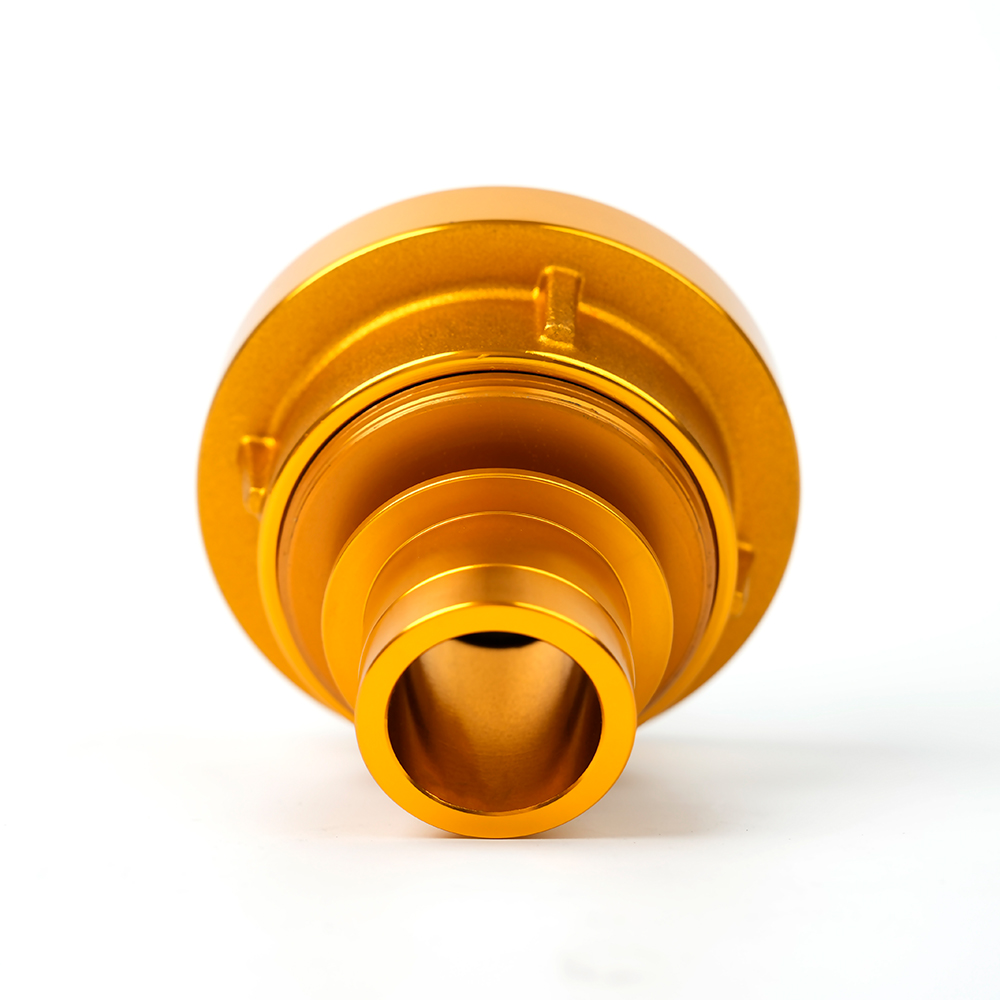 Storz to Male Machino Adapter CouplingConverts Storz couplings to male Machino threads in 1–3 in sizes, supporting international fireground connections where European and Asian hose standards meet.View Product →
Aluminium alloy is the usual body material for hydrant adapters because weight matters at the end of a charged hose line. Brass is chosen where threads take repeated abuse or where a longer service life is worth the extra weight. Stainless steel appears in chemical plants, coastal installations and other sites where aluminium corrodes quickly.
Pressure rating deserves more attention than it usually receives. An adapter is a pressure retaining part, so the rated working pressure should be checked against the maximum output of the pump or main it connects to, not against everyday operating pressure. Hydrostatic test pressure is normally set at 1.5 times the rated working pressure, and a supplier should be able to show test records for the batch.
Gaskets decide whether a joint drips at 4 bar or holds at 16 bar. EPDM is the default for water service and covers a wide temperature range, while nitrile is used where the line may carry oils or fuels. A missing or hardened gasket is the most common reason a correctly sized adapter leaks, and it is also the cheapest fault to correct.
Not every hydrant adapter sits on a municipal hydrant. In plants, mines and tank farms the outlet may be a flange, a grooved pipe end or a threaded steel connection, while the hose side may be a large diameter layflat line. The adapter then has to carry the flange bolt pattern and pressure class of the fixed pipe on one face and the hose coupling on the other.
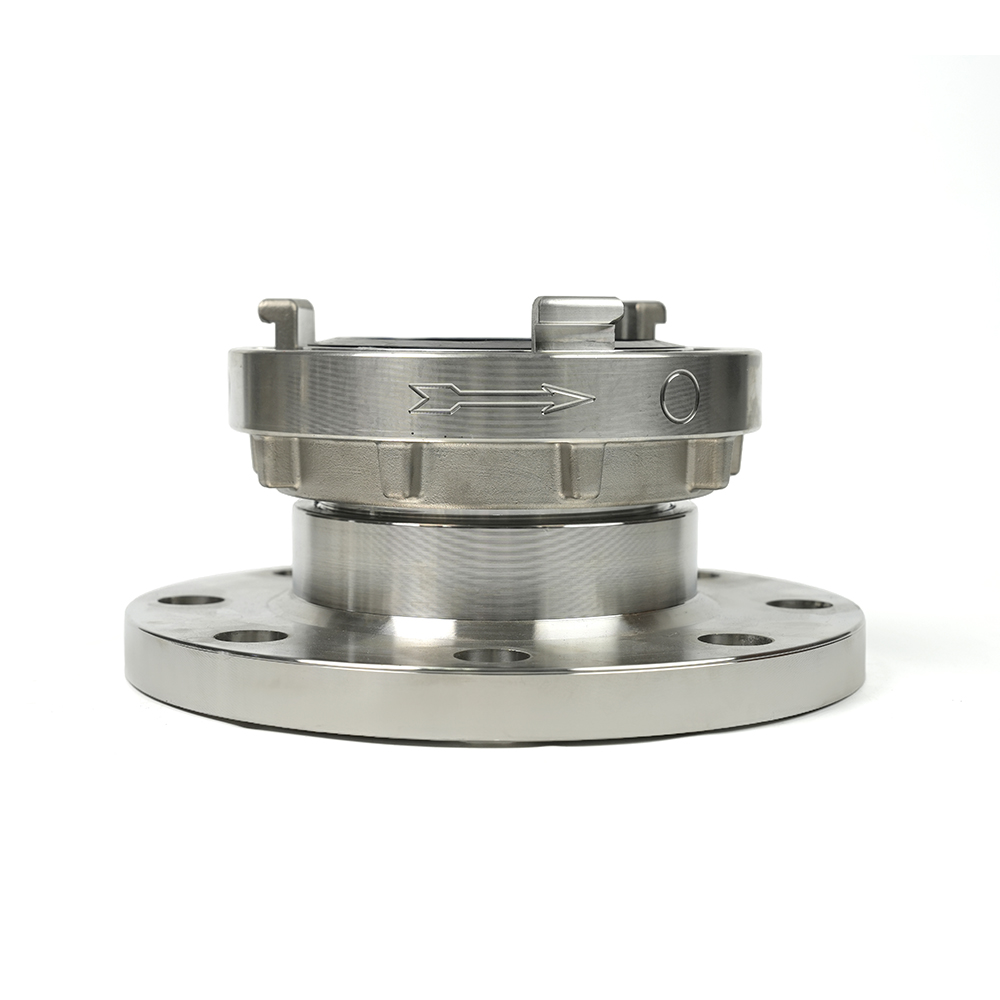 Flanged Storz Adapter Coupling for Fixed PipeworkConnects plant, mine or tank-farm flanged outlets to Storz hose lines, with DIN and American sizes from 3 to 14 in.View Product →
For wildland and forestry work the fittings get smaller and lighter, and the couplings are built to be connected with gloves on. Forestry threads, external binding and internal expansion couplings each need a matching adapter face, and a Storz to forestry conversion is widely used when a structural pumper has to supply a forestry hose line from a hydrant.
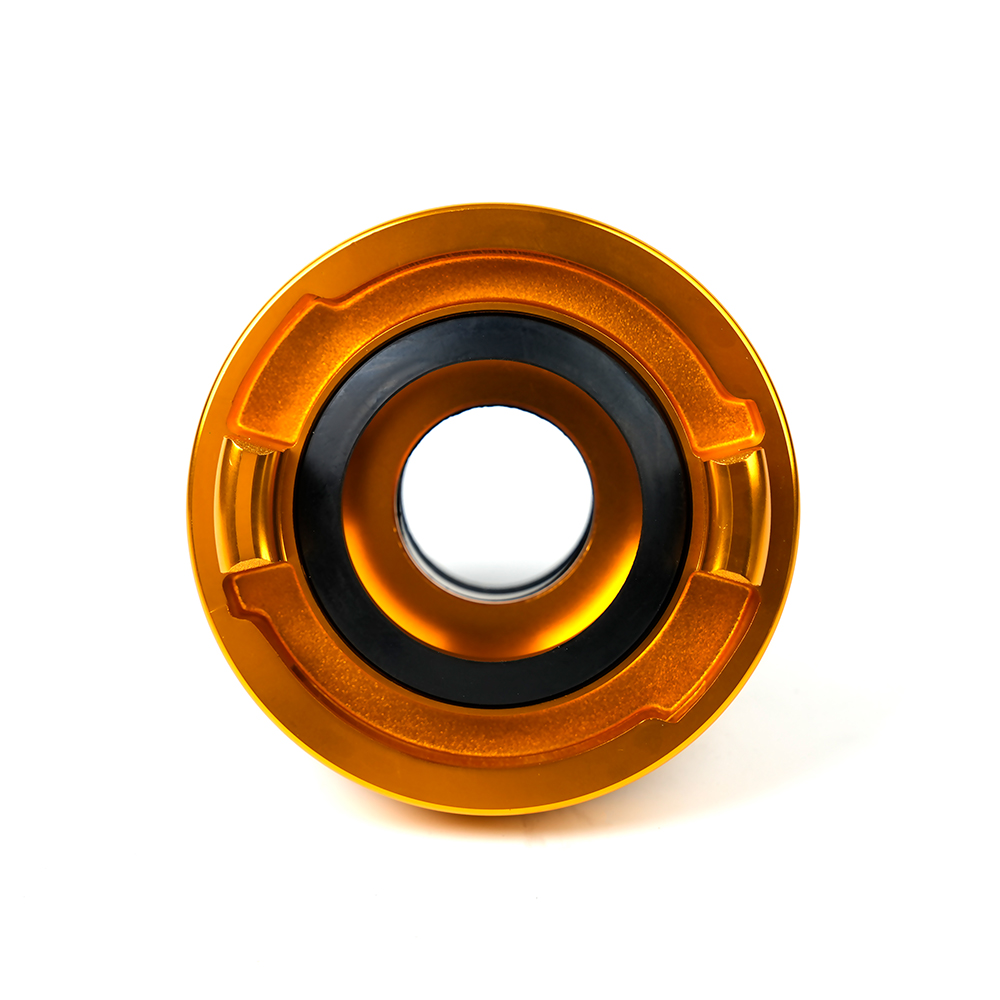 Storz to Forestry Adapter CouplingConverts Storz and forestry coupling faces, with 1–3 in sizes and A/B/C/D dimensions listed for wildland hose and hydrant supply setups.View Product →
Measurement takes five minutes and prevents a wrong order. Work through these steps in order:
Assembly practice matters as much as the part itself, and our guide on how a fire hose joint should be connected covers the sequence and the checks that follow.
Most field failures come back to five causes, and none of them is a manufacturing mystery:
A workable specification for a hydrant hose adapter is short and specific:
Buyers who order on diameter alone end up with a box of near fits. Buyers who order on interface, material and pressure end up with a set that works on the first call.
Jiangsu Jinding Fire Protection Technology Co., Ltd. has produced fire hose couplings, adapters, nozzles and distributors since 1998, working to Storz, Machino, NH, John Morris, Italian and forestry standards, with ISO 9001:2015 certification and test reports from the national fire equipment quality inspection centre. Adapters are made to the standard and size a customer specifies rather than to a generic catalogue size, which is exactly what hydrant work requires.
If you are matching an adapter to a specific hydrant outlet, send the thread standard, the nominal size and a photo or drawing of both faces. Reach our team through the contact page and we will confirm the part against your specification before production starts.
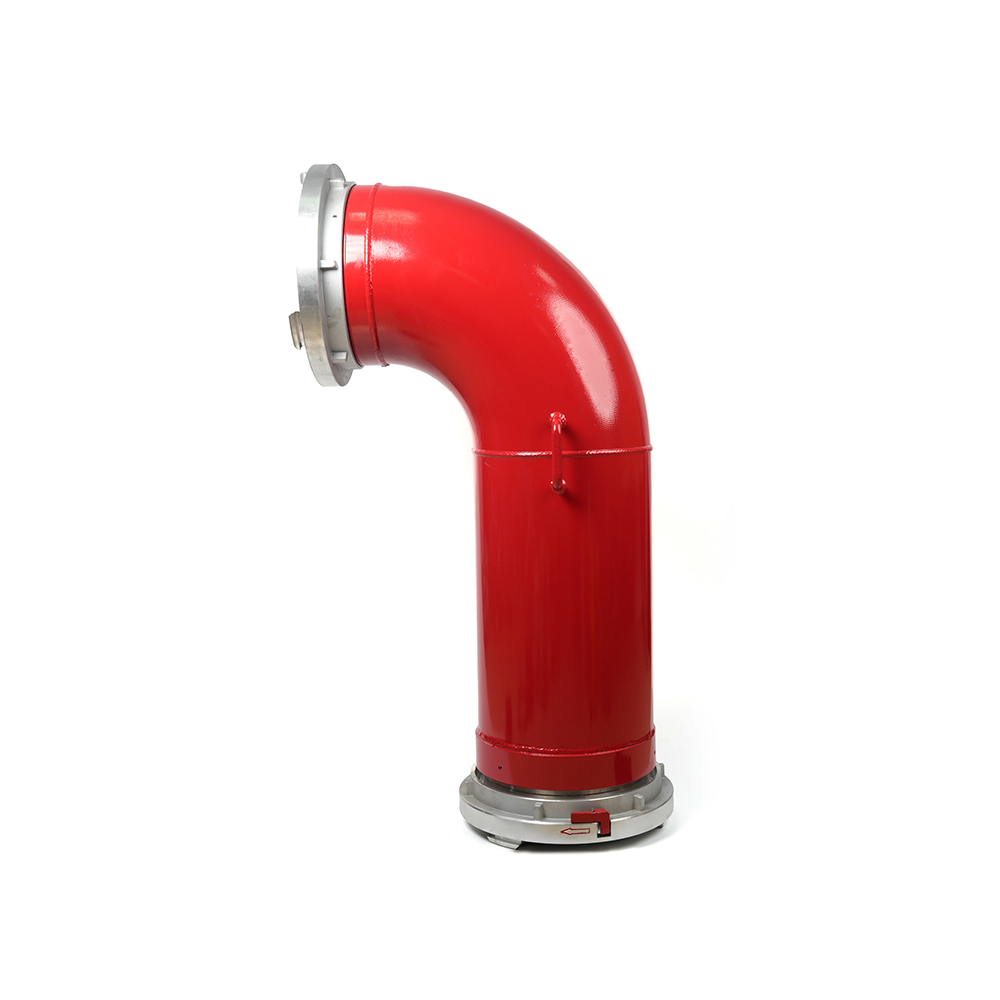 Grooved Fire Elbow-Storz
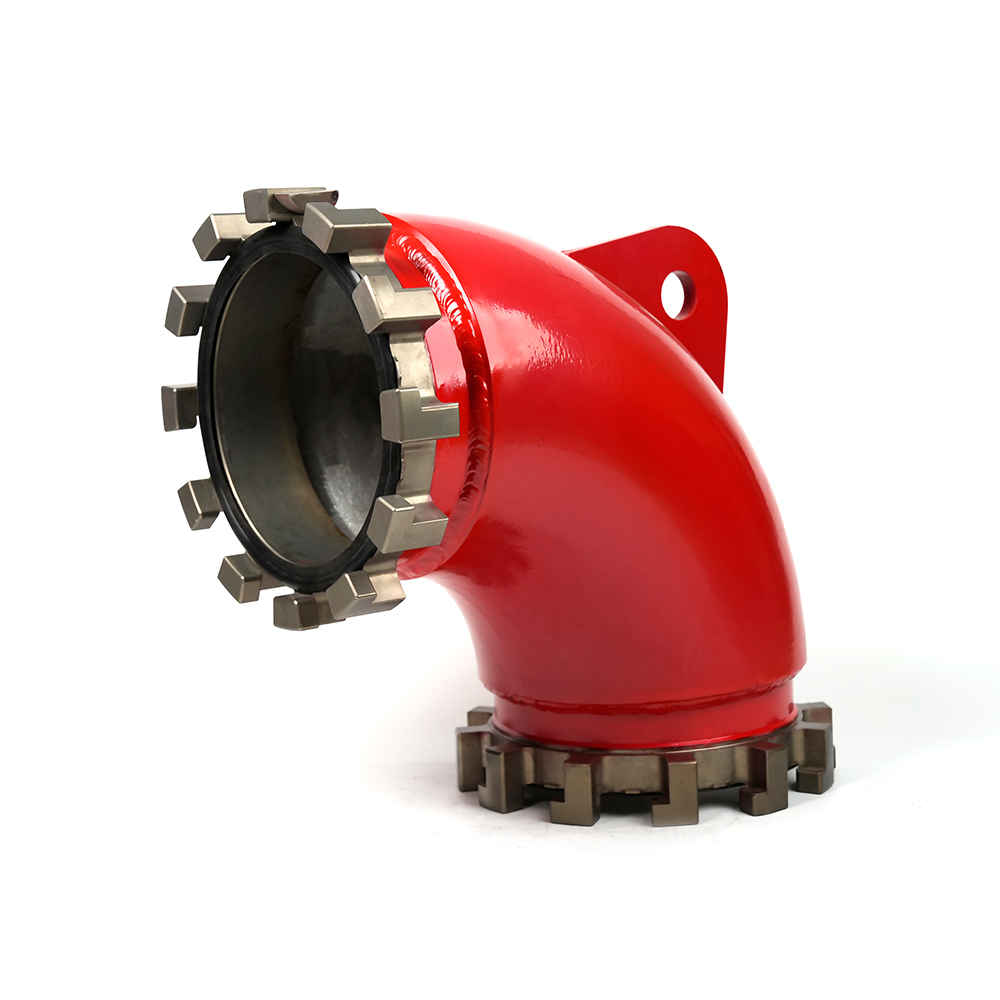 Grooved Fire Elbow-Multi-tooth
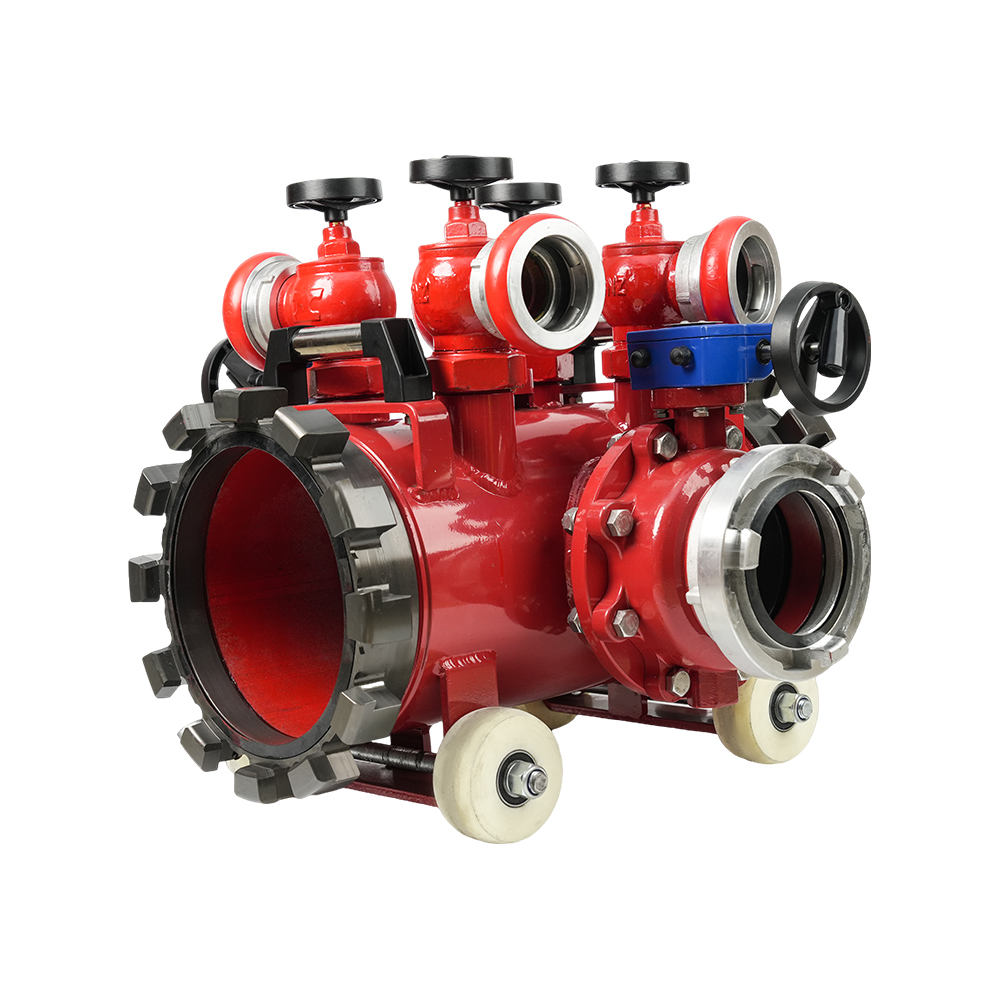 Multi-functional Fire Hose Distributor
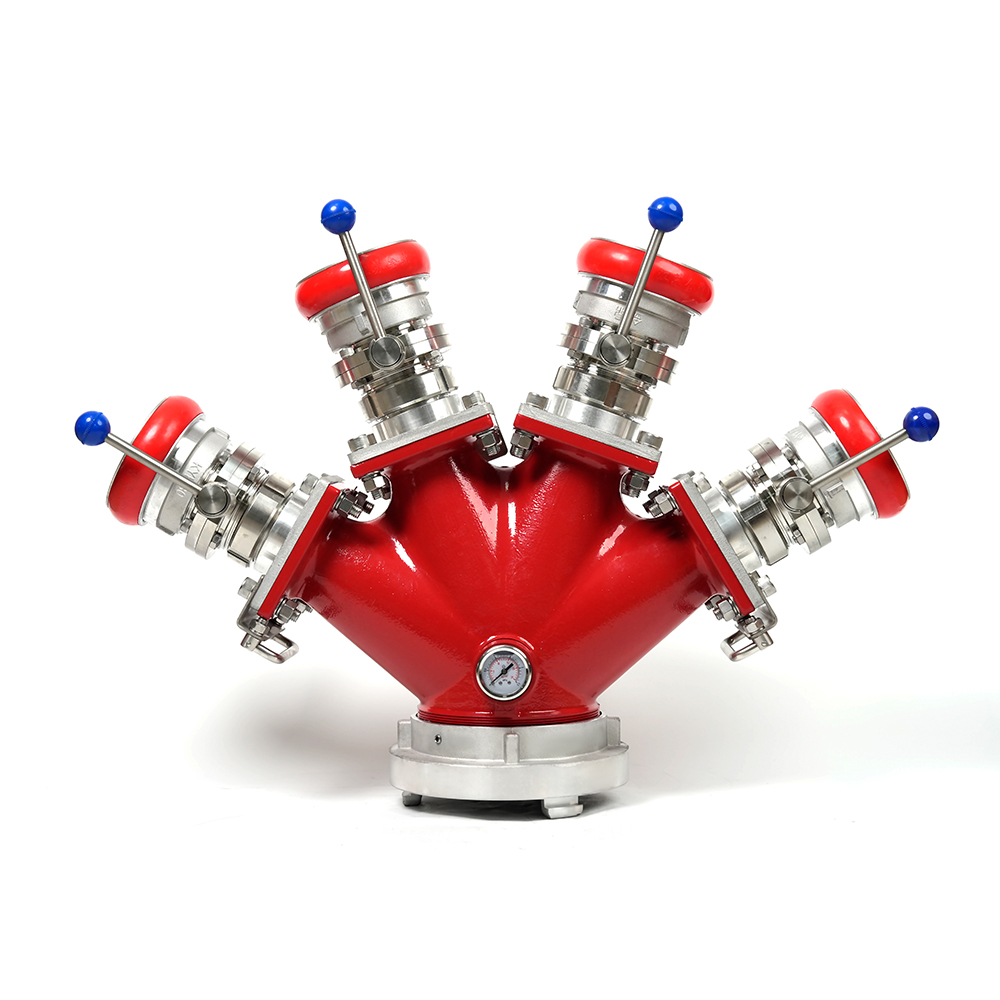 Locking Four-Way Fire Hose Distributor
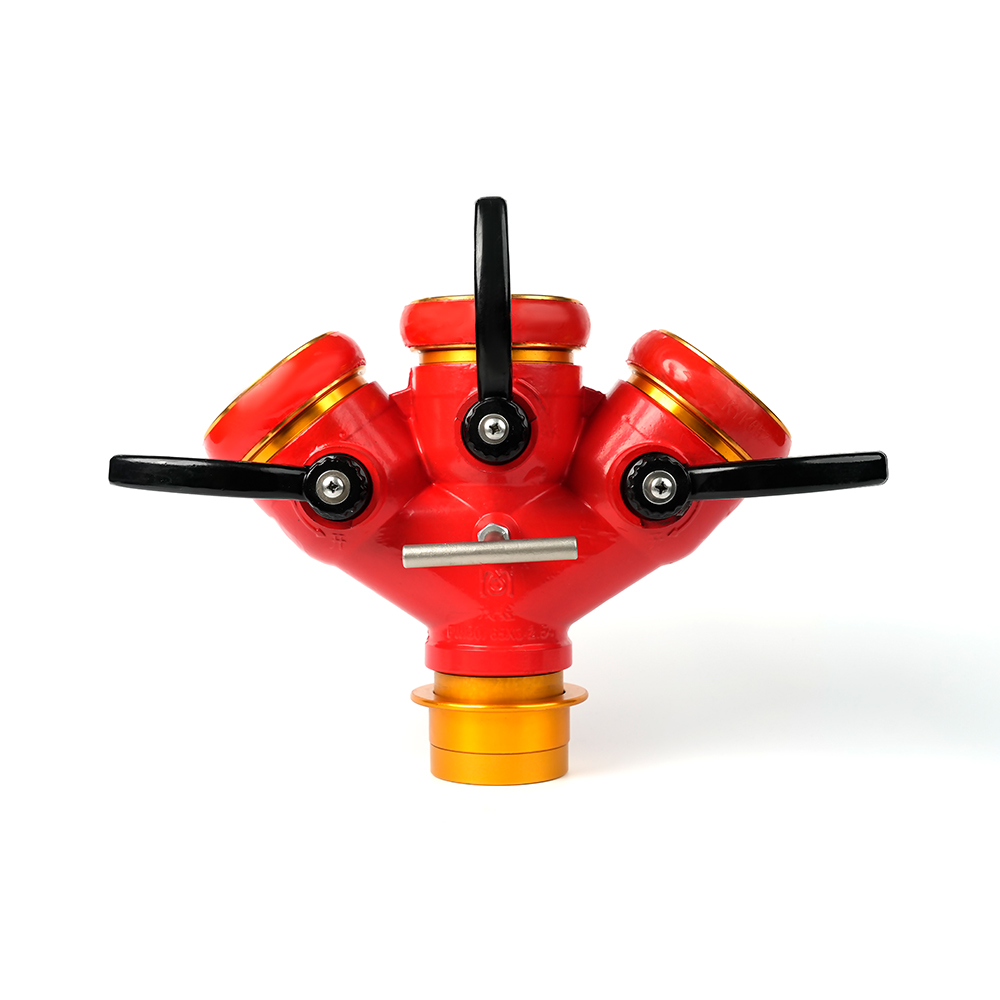 Locking Three-Way Fire Hose Distributor
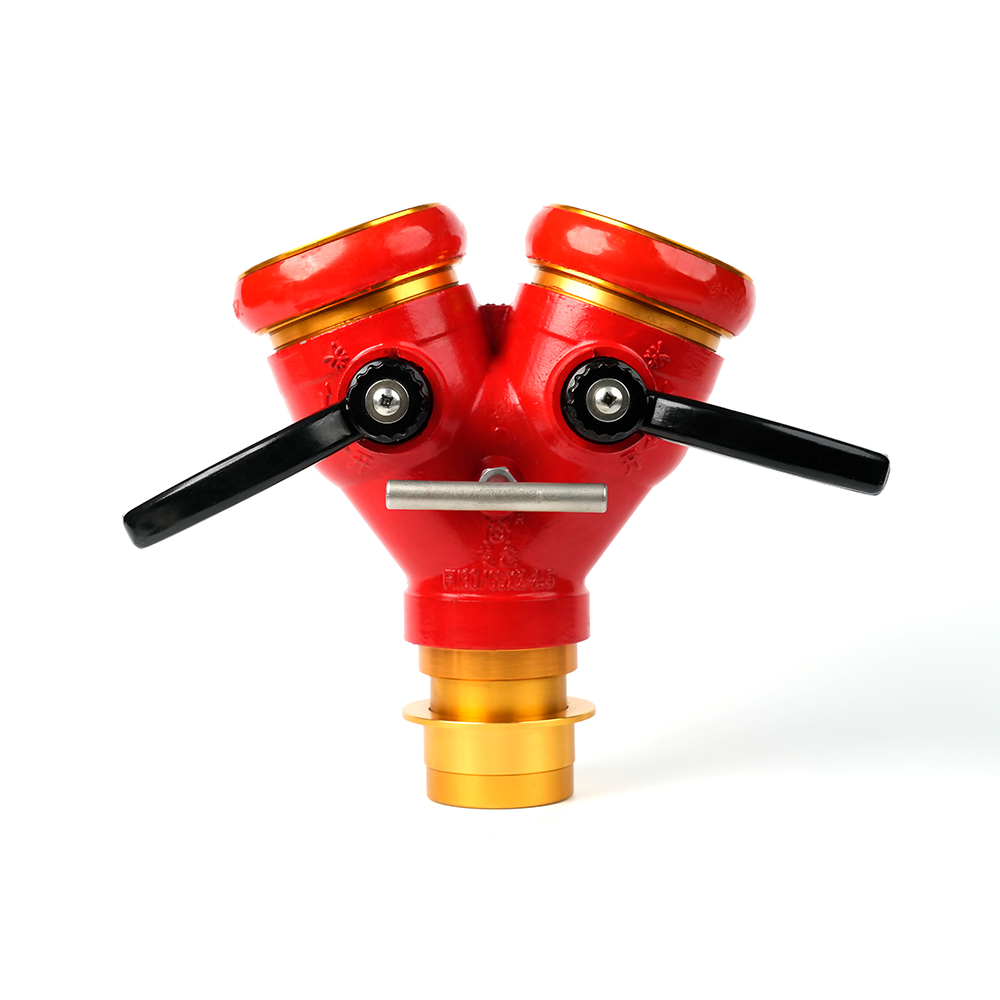 Locking Two-Way Fire Hose Distributor
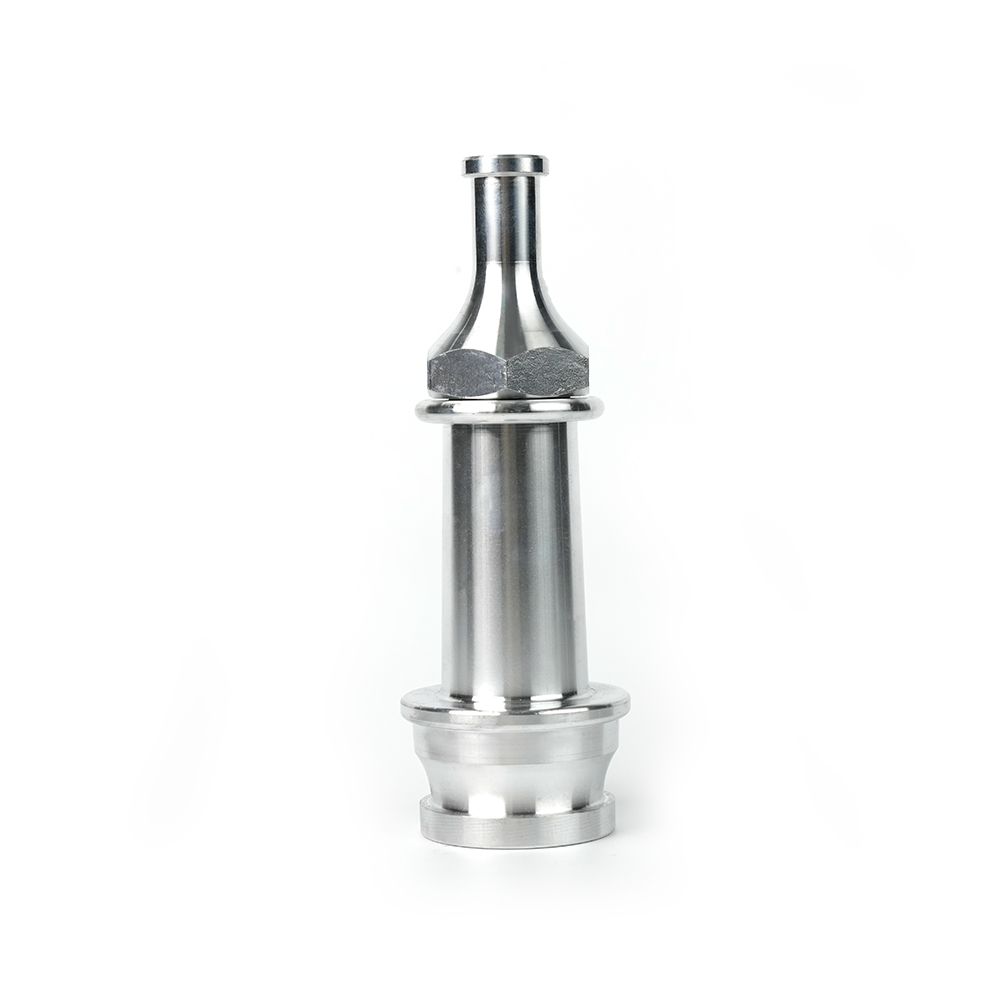 Straight Stream Nozzle
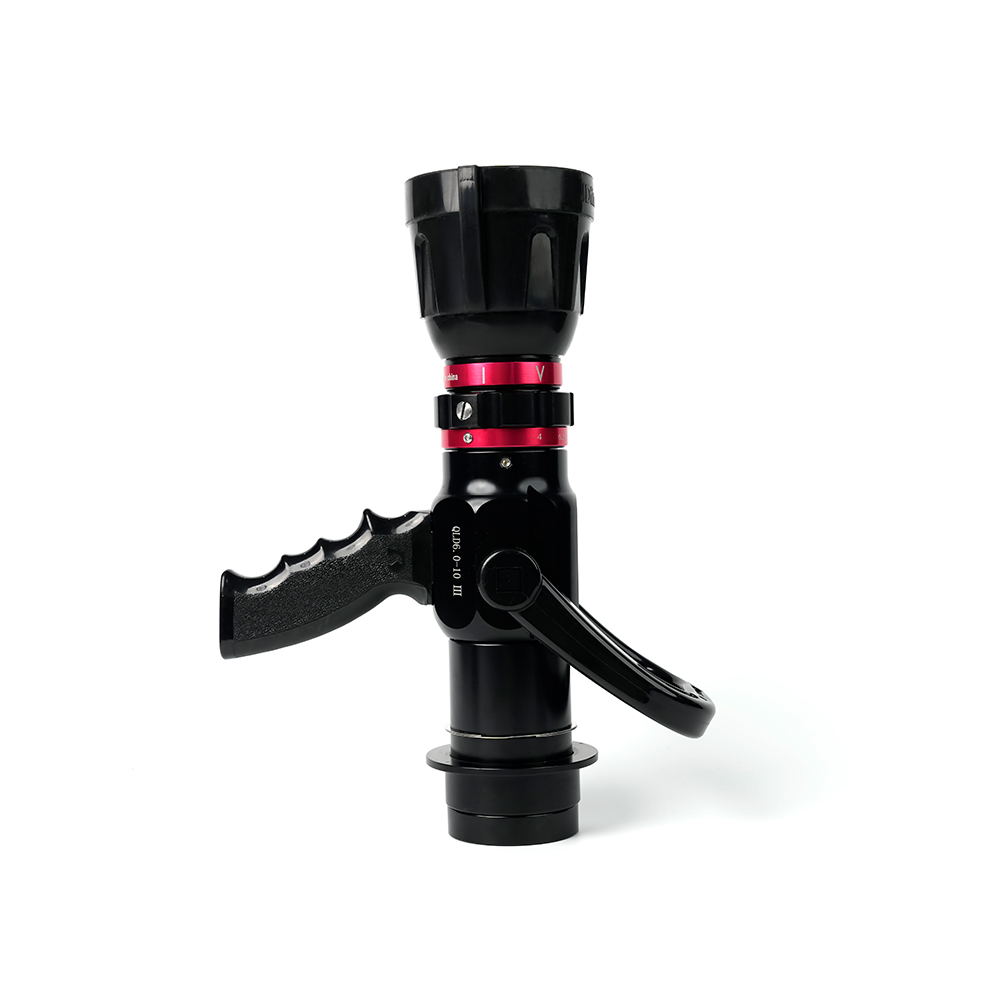 Adjustable nozzle-machino
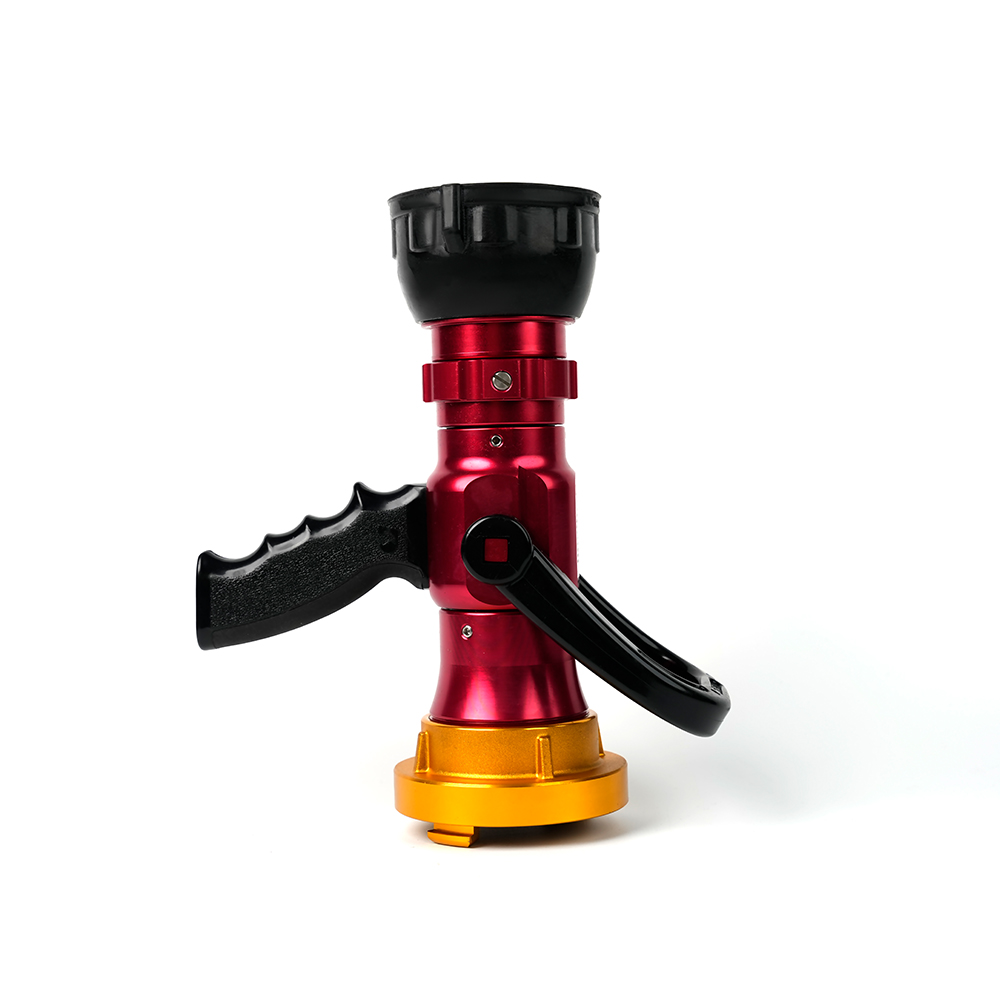 Adjustable nozzle-storz
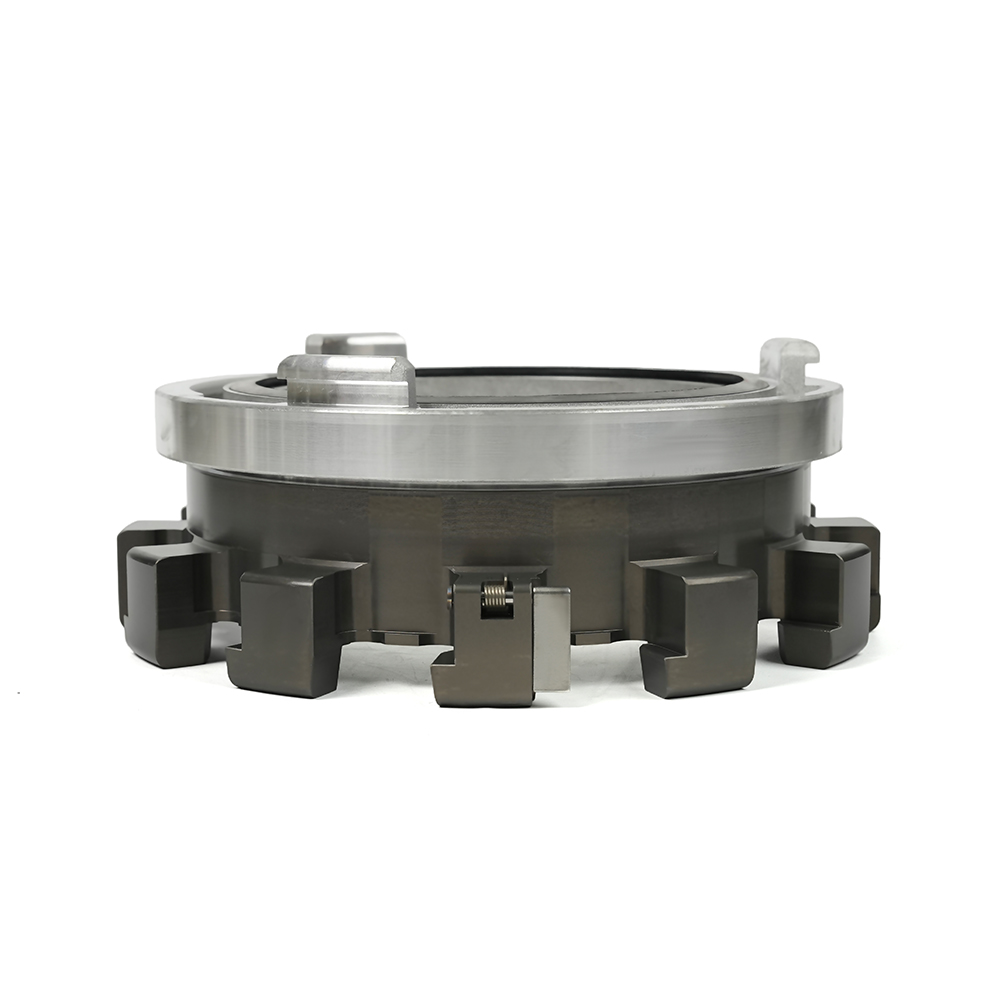 Storz Adapter Couplings - Multi-Tooth
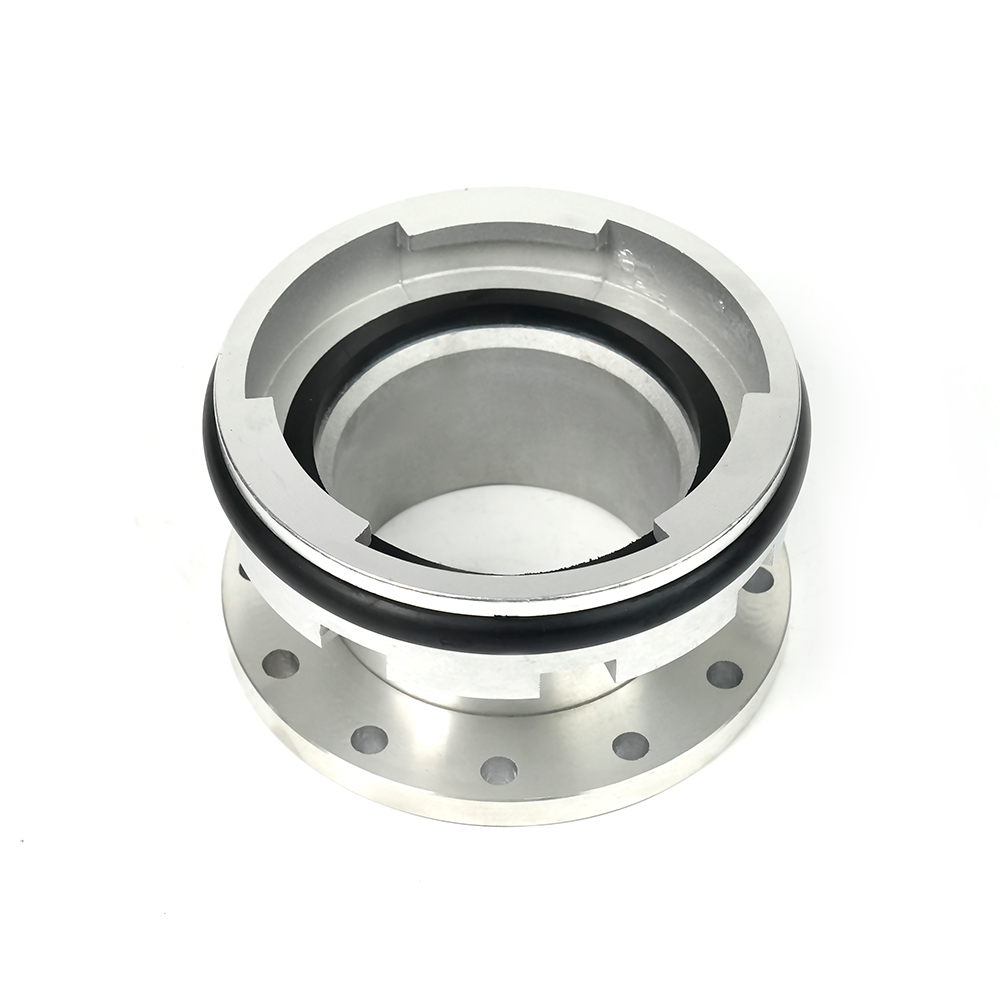 Machino Adapter Couplings – Flanged
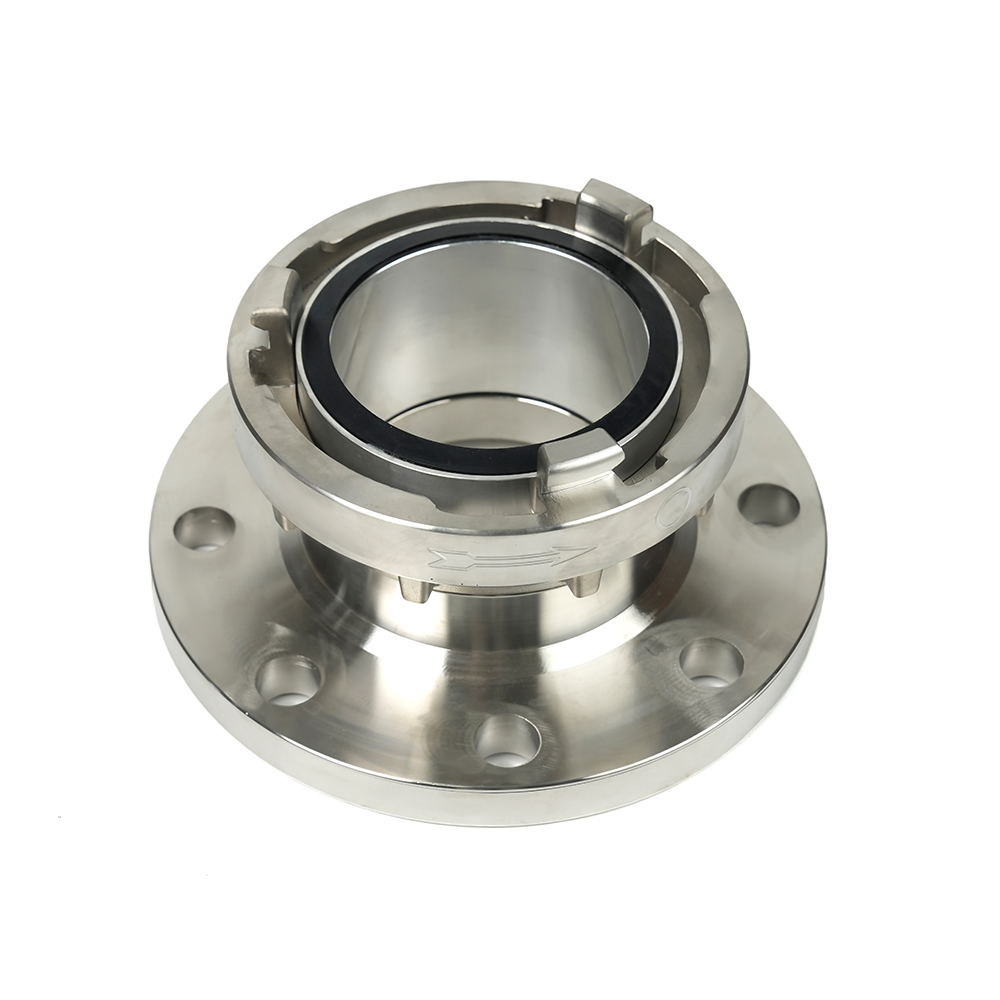 Storz Adapter Couplings – Flanged

 Contact Number
+86-0523-83274900
+86-151 9064 3365
 Let our team offer you customs solutions.
 Company Address
West side of Hongxing Middle Road, Lincheng Street, Development Zone, Xinghua City, Jiangsu Province, China
Copyright @Jiangsu Jinding Fire Protection Technology Co., Ltd. All rights reserved Fire Protection Equipments Manufacturers
