 英语
 西班牙语
 德语
Industry News
Home / News / Industry News / Fire Hydrant Thread Size: Why a 2.5-Inch Outlet Is Not a Universal Fit


+86-0523-83274900
+86-151 9064 3365
Content
A station officer once handed me a 2.5-inch hydrant cap and asked why a new 2.5-inch hose coupling would not go on. The cap measured about 3.06 inches across the male thread. The coupling measured about 2.96 inches. Both were sold as 2.5-inch. That is the daily trap in fire hydrant thread size: the number usually describes the nominal waterway, not the thread. Before buying an adapter, confirm the nominal outlet size, the thread standard, and the actual outside diameter and threads per inch. Matching only the first number is how a coupling starts by hand, binds at three turns, and leaks when charged.
Most municipal hydrants use a 2.5-inch side outlet, with a larger steamer port on top or at the front. The nominal size is fairly consistent. The thread is not. A 2.5-inch NH outlet, a 2.5-inch NPSH outlet and a 2.5-inch BSP outlet share a nominal size and almost nothing else. Thread form, outside diameter, pitch and sealing method can all differ. That is why a parts catalog search for 2.5-inch is only the first step.
| Thread standard | Typical outlet size | Key dimensions | Where it is common | Compatibility note |
|---|---|---|---|---|
| NH or NST | 1.5, 2.5 and 4.5 in | 2.5 in is about 3.07 in OD, 7.5 TPI | North America | Gasket seal; not compatible with NPSH or NPT |
| NPSH | 1.5 and 2.5 in | 2.5 in is about 2.875 in OD, 8 TPI, straight | Some North American hydrants and industrial lines | Same nominal size as NH but a different thread |
| NPT | Small auxiliary ports and pipe connections | 1.5 in is about 1.90 in OD, 11.5 TPI, tapered | Industrial and older hydrant ports | Tapered pipe thread, not a hose thread |
| BSPP or BSPT | 1.5 and 2.5 in | 2.5 in is about 2.96 in OD, 11 TPI | UK, Europe, Asia and export equipment | 55-degree thread form; check straight versus tapered |
| Storz | DN50 to DN150 | No thread; sexless lugs | Europe and industrial sites | Match DN size, lug style and locking system |
| GHT | 3/4 in | 3/4 in, 11.5 TPI | Garden and booster hose | Not a main hydrant outlet |
These values are reference points, not a substitute for a thread gauge. Paint, wear and local repair can change the outside diameter by enough to matter. A caliper and a pitch gauge settle the question faster than a parts catalog.
Measure the male thread on the hydrant, not the cap. The cap may be a replacement, and replacement caps are often fitted to the nearest available thread rather than the original standard.
A difference of 0.10 inch in outside diameter or one thread per inch is not a tolerance issue. It is a different standard. Do not use thread tape to bridge a mismatch. Tape can hide poor engagement and may push the gasket out of position.
For confirmed NH service, a purpose-made NH hose coupling is safer than re-cutting or forcing a generic fitting.
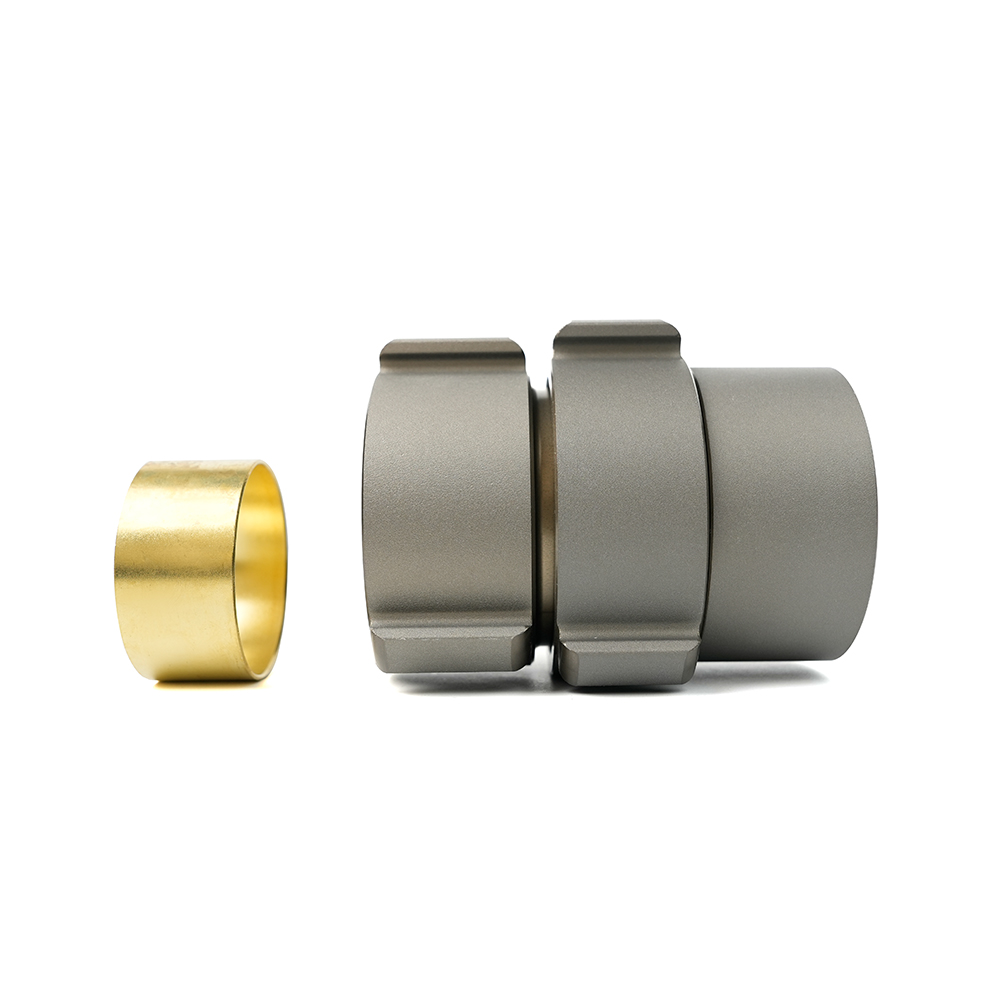 NH Fire Hose Coupling for Confirmed NH ServiceA purpose-made NH coupling is the safer choice for confirmed NH service, with male and female ends and sizes from 25 to 100 mm.View Product →
NH and NST couplings seal on a gasket, not on the thread. The thread holds the coupling together; the gasket holds the water. This is why pipe dope and thread sealant are not a fix for a damaged NH seat. NPSH is the more confusing neighbor. It has a similar nominal size and a straight thread. An NPSH coupling may start on an NH outlet, but it will not seat correctly. Under pressure it can weep, jump threads or damage the male outlet.
NPT is a tapered pipe thread. It is designed for pipe joints, not for repeated hose connection. Forcing an NPT male into an NH female can cut the thread and leave a connection that passes a static check but fails when charged. BSP adds another trap. At 1.5 inch, BSP and NPT have close outside diameters but different pitches, 11 TPI against 11.5 TPI. At 2.5 inch, the difference is obvious, 11 TPI against 8 TPI. Storz is different again. If a hydrant has a Storz outlet, the question is not thread size. It is DN size, lug pattern and locking style.
If your crew needs a plain-language refresher on coupling orientation, this guide to connecting a fire hose joint is a useful pre-drill read.
For a Storz hydrant or appliance, start with a Storz coupling matched by DN size, not a thread count.
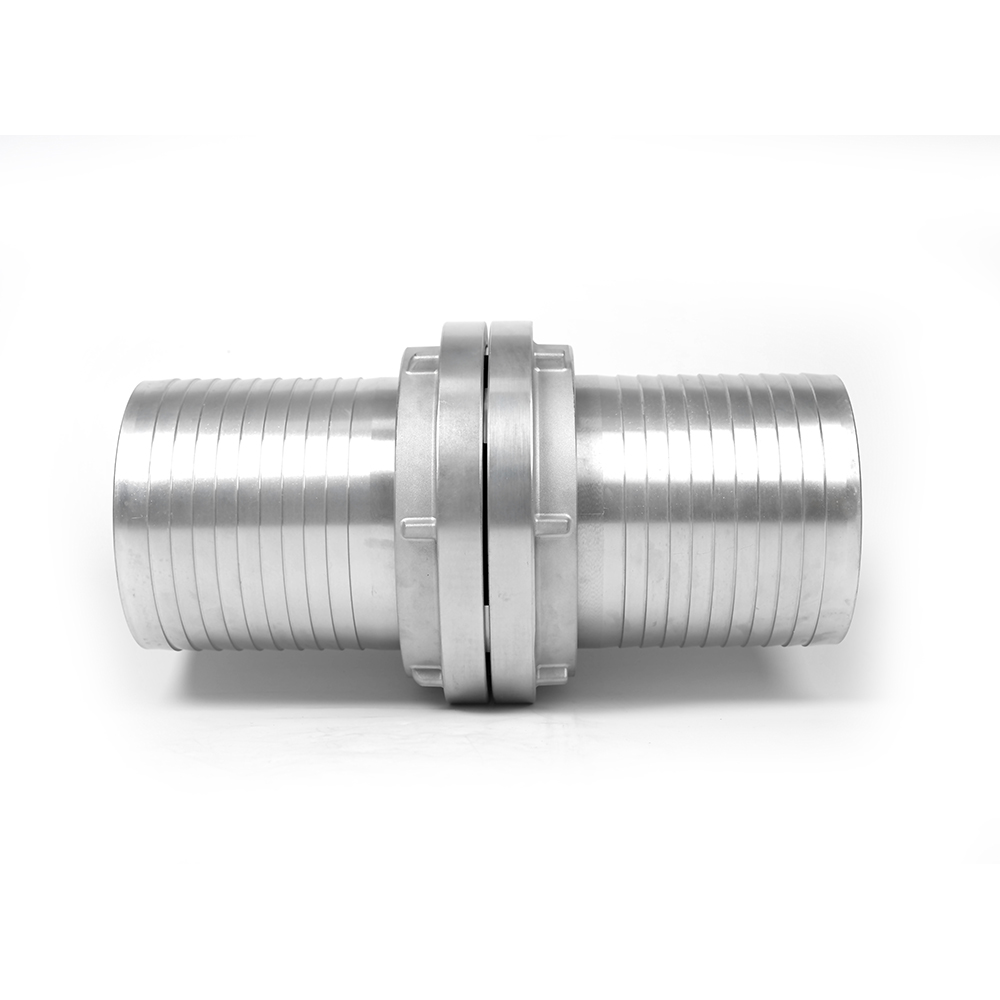 Large Storz Fire Hose Coupling by DN SizeLarge-size Storz coupling available with serrated or ribbed tail ends and sizes from 1 to 12 inches, matched by DN rather than thread count.View Product →
A cross-standard adapter must define both ends. For example, a 2.5-inch NH male hydrant outlet connected to a 2.5-inch NPSH female hose needs an adapter with an NH female end and an NPSH male end, plus the correct gasket. An adapter sold only as 2.5 to 2.5 is not enough information. The same rule applies to Storz to threaded, BSP to NH, and Machino to Storz connections. Check the pressure rating, body material and gasket material as well as the thread.
A joint that engages only three threads may hold at low pressure and fail at working pressure. Inspect the first threads for galling after every test. If the adapter is marked with only a size, mark it yourself with the standard and date of inspection.
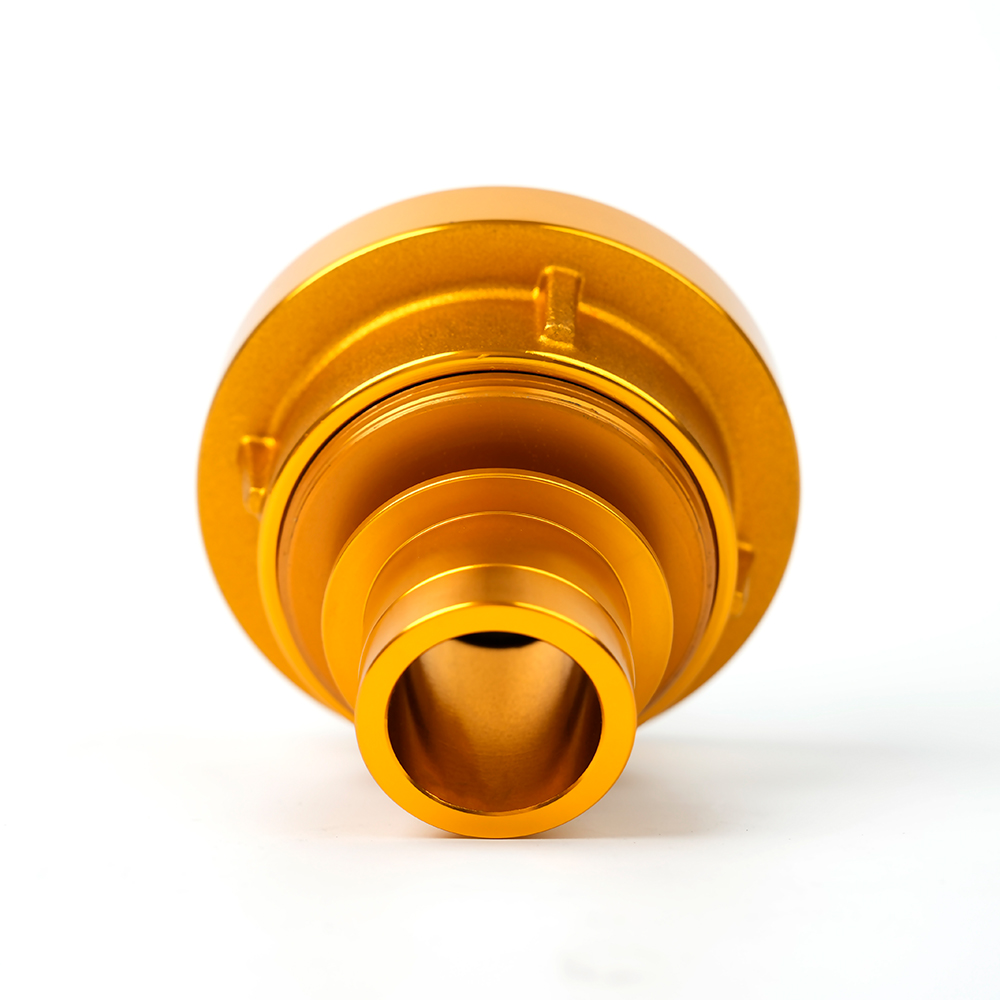 Male Machino to Storz Adapter CouplingAdapter coupling for Male Machino to Storz connections, offered in size combinations from 25/40 to 80/80 mm with customizable materials.View Product →
The safest purchase order reads like a dimensional inspection plan. Include the following details so the supplier cannot guess:
A lower-cost adapter can cost far more if it galls a hydrant outlet or delays a commissioning test. Ask for a dimensional report and a hydrostatic test certificate. If you can send a photo of the male thread with caliper readings, our team can help confirm the interface before you order. Use the contact page to send the details.
If a coupling binds before the gasket touches, stop. That is the simplest field rule and the one most often ignored under time pressure.
Fire hydrant thread size is a three-part answer: nominal outlet, thread standard, and measured dimensions. When those three agree, the connection is boring, repeatable and safe. When only the first one matches, the thread is a guess.
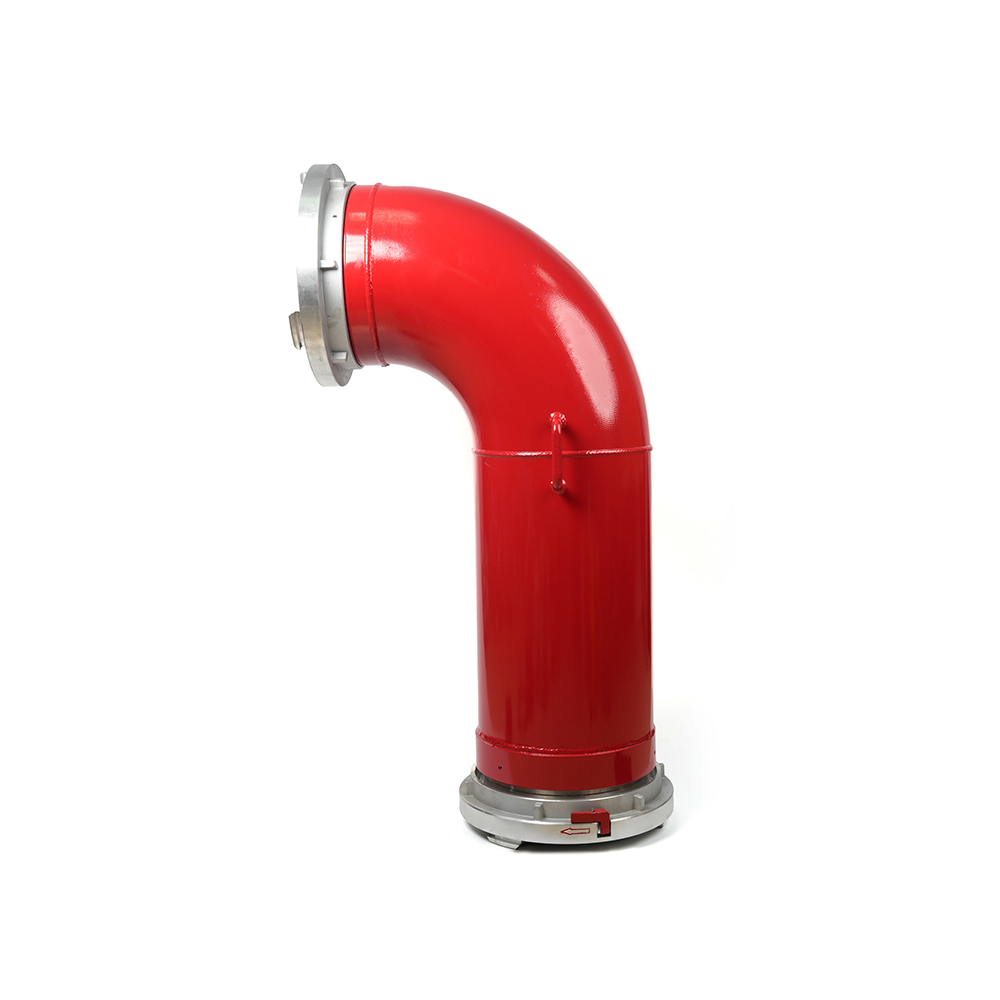 Grooved Fire Elbow-Storz
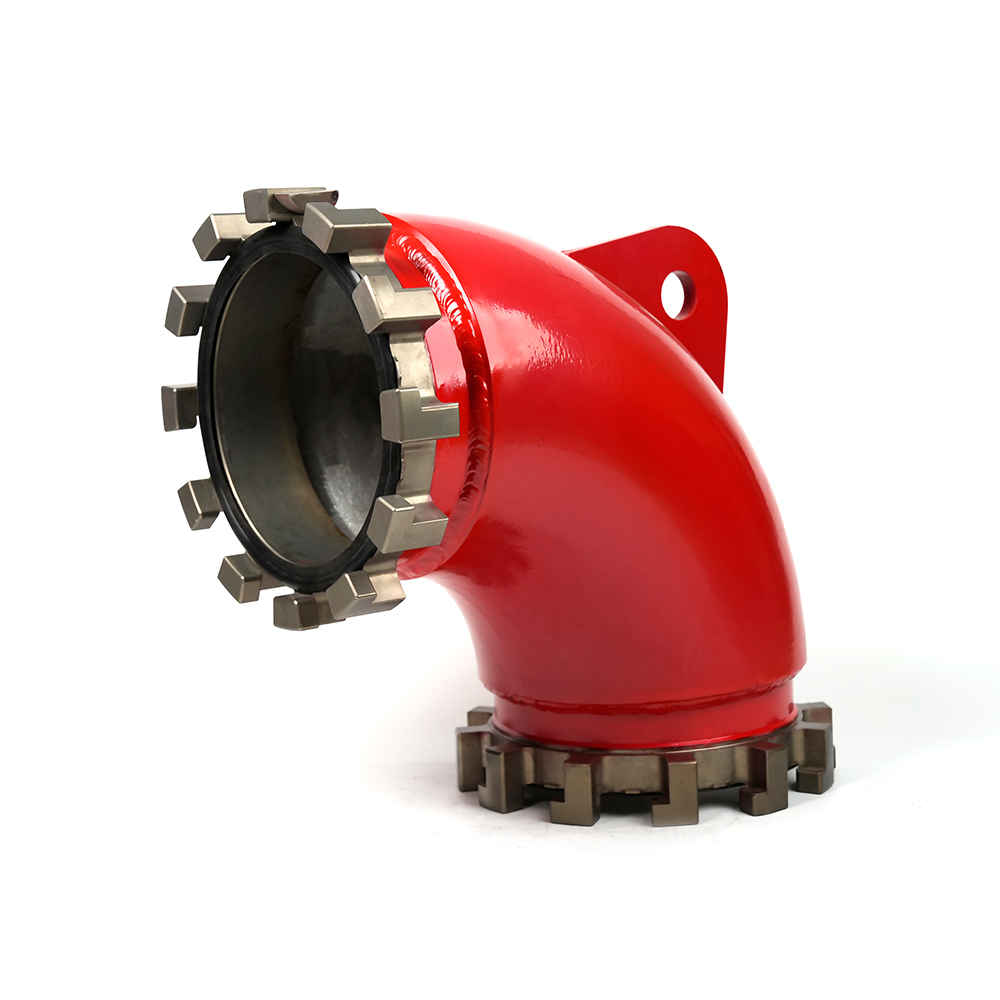 Grooved Fire Elbow-Multi-tooth
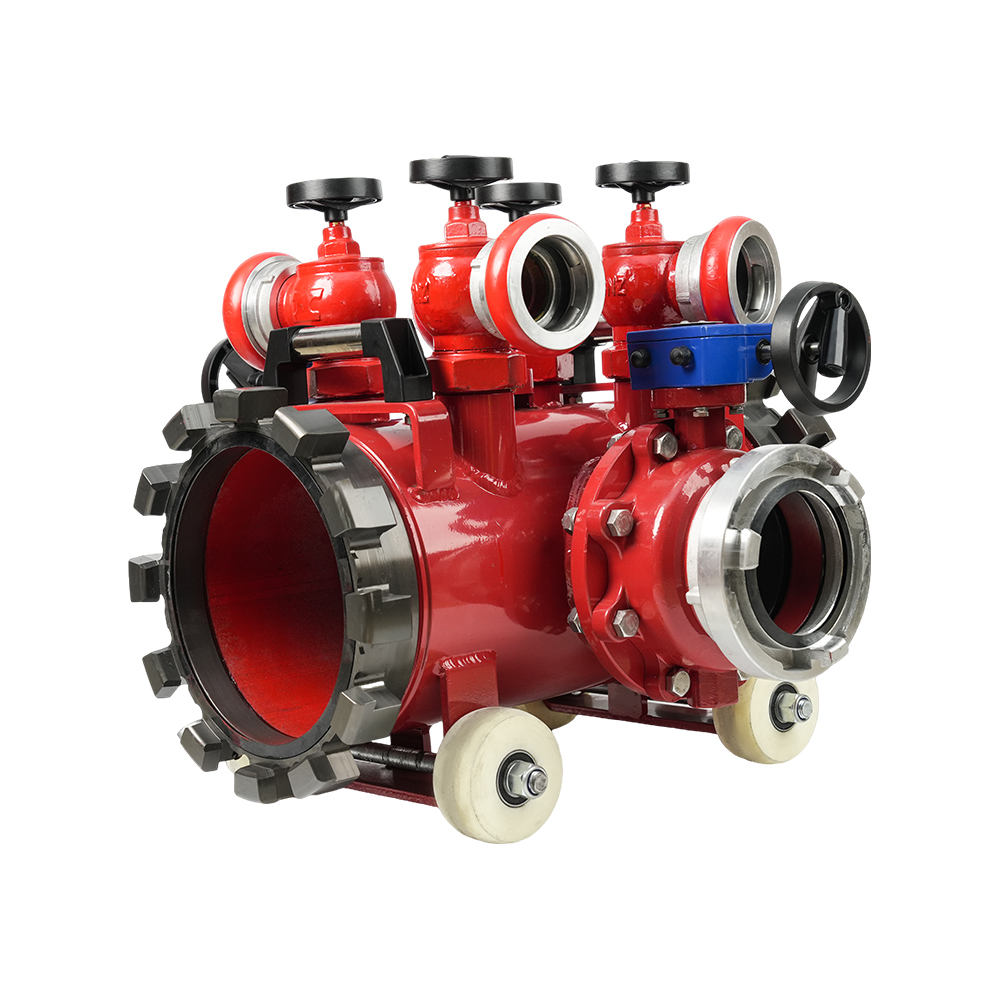 Multi-functional Fire Hose Distributor
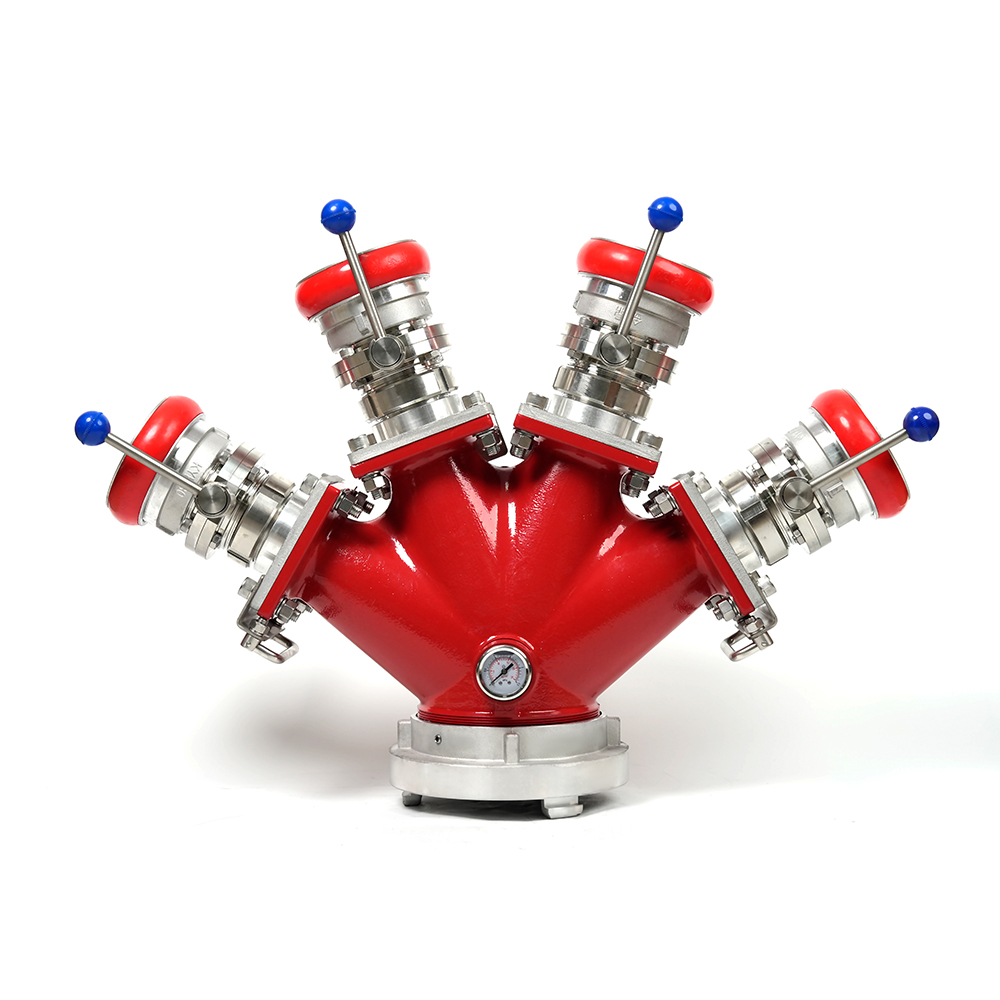 Locking Four-Way Fire Hose Distributor
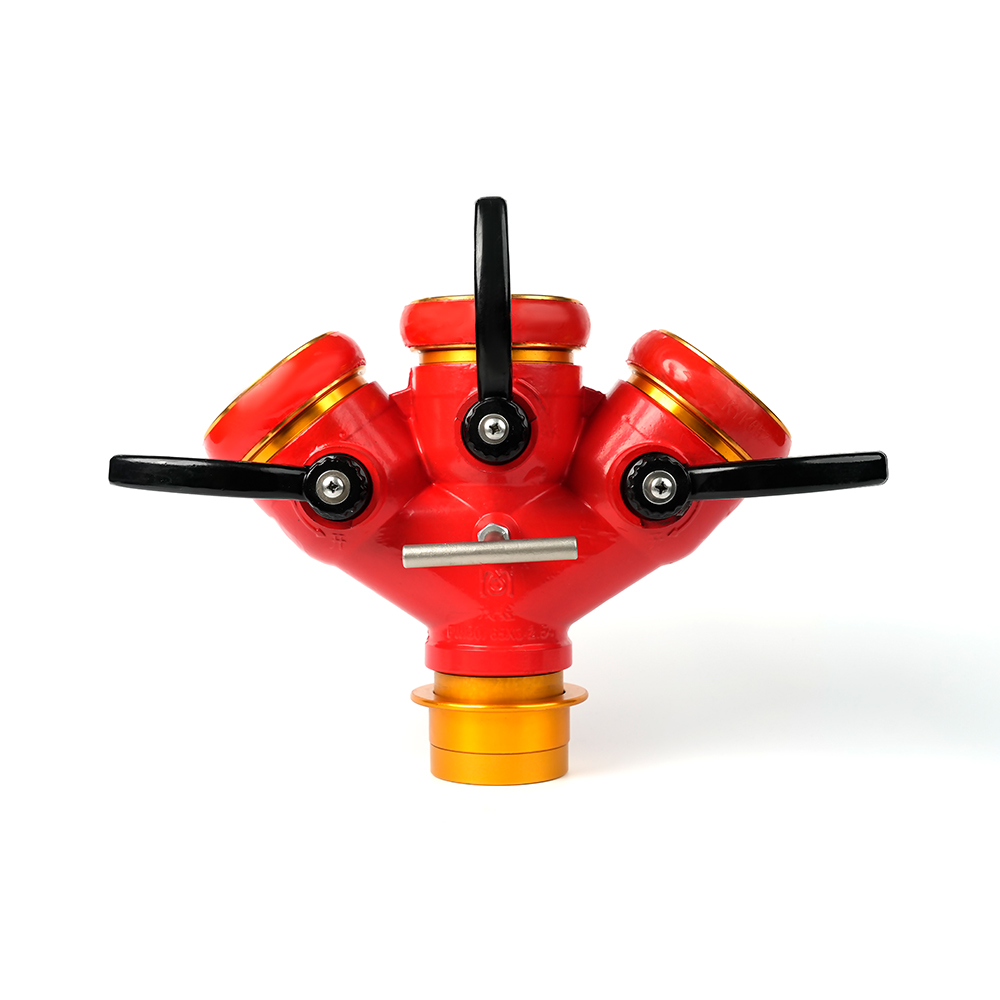 Locking Three-Way Fire Hose Distributor
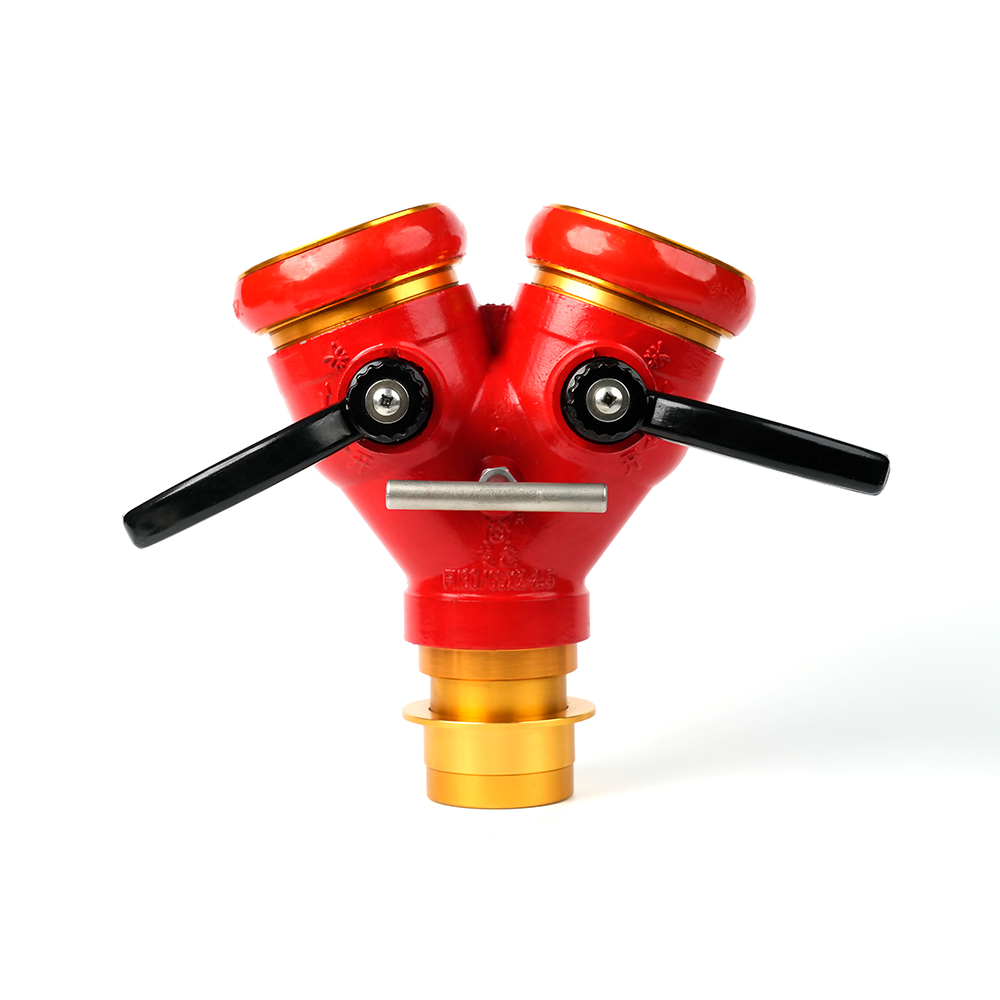 Locking Two-Way Fire Hose Distributor
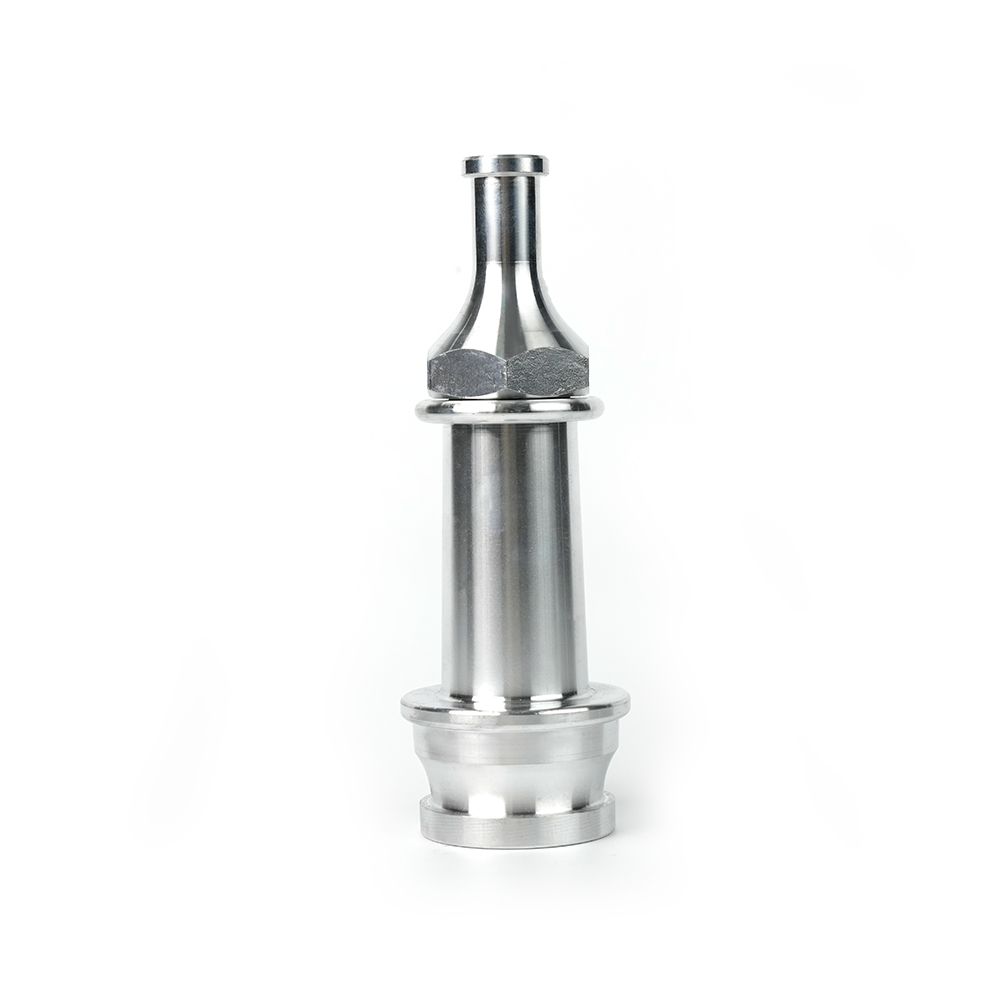 Straight Stream Nozzle
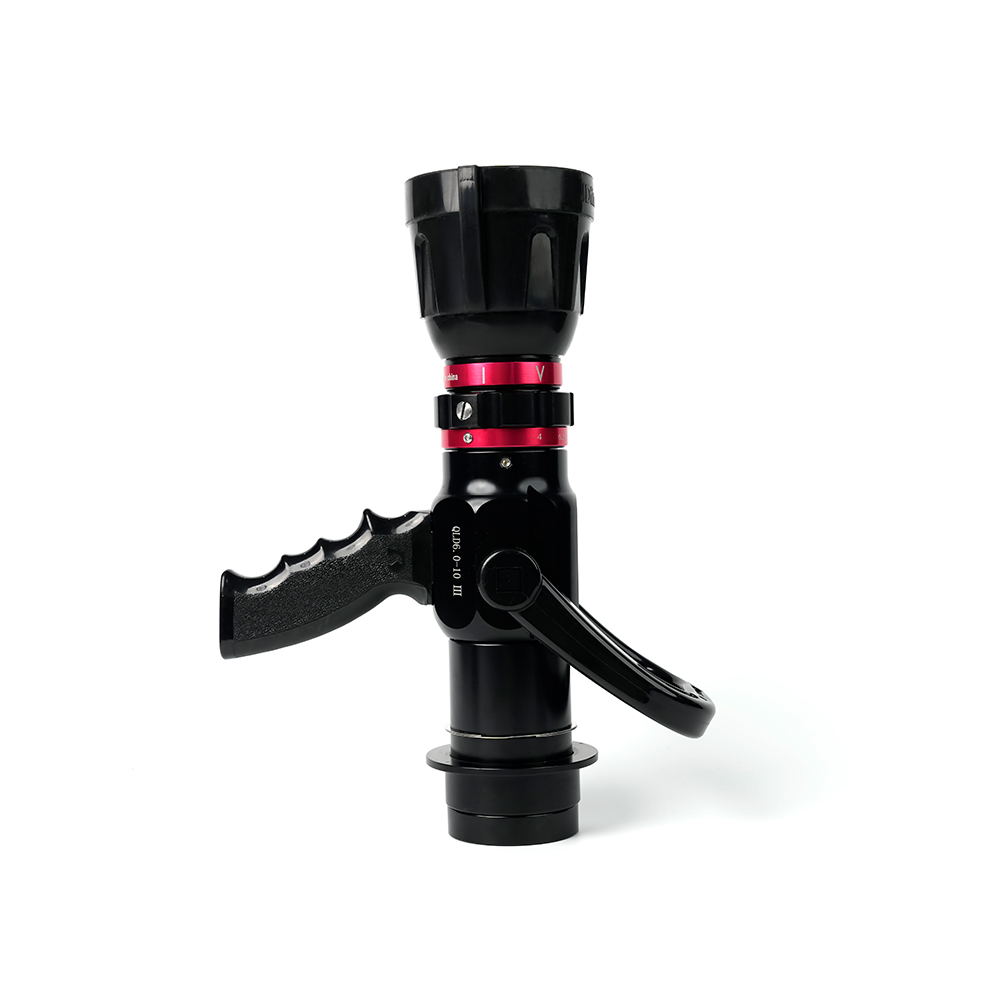 Adjustable nozzle-machino
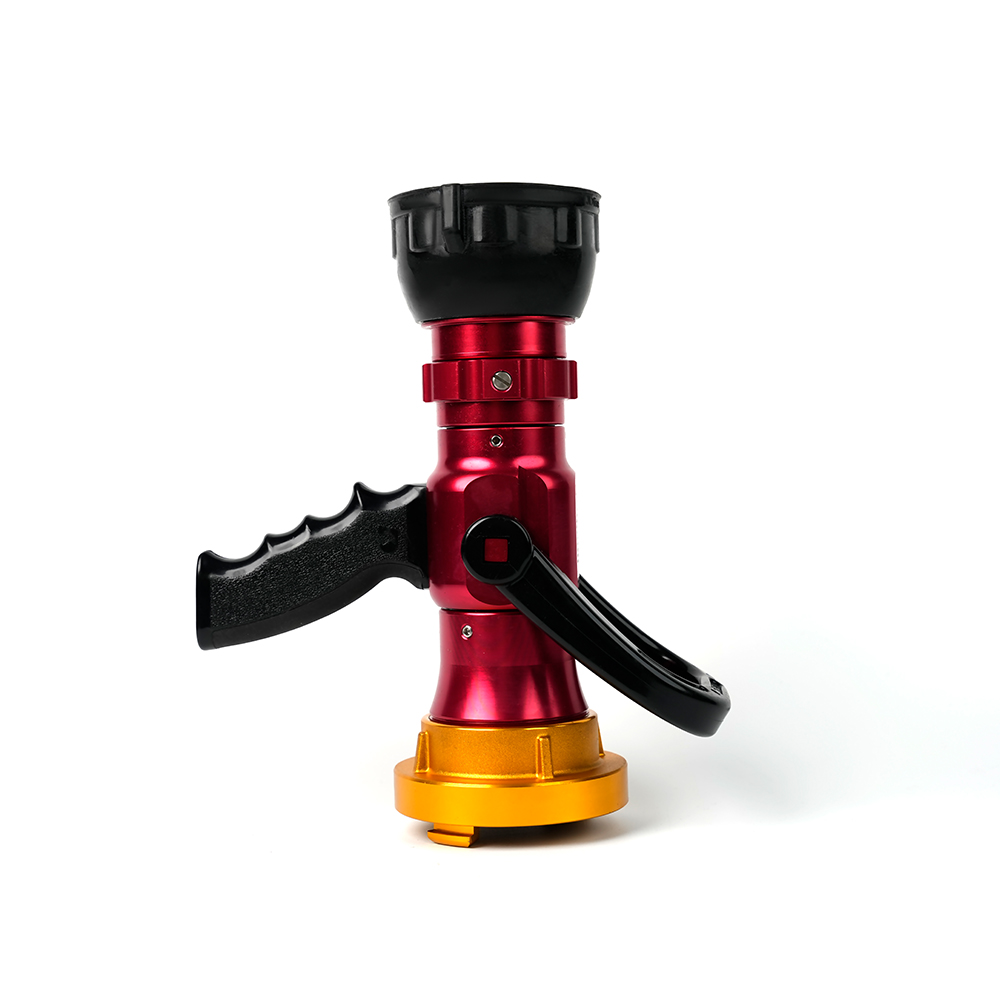 Adjustable nozzle-storz
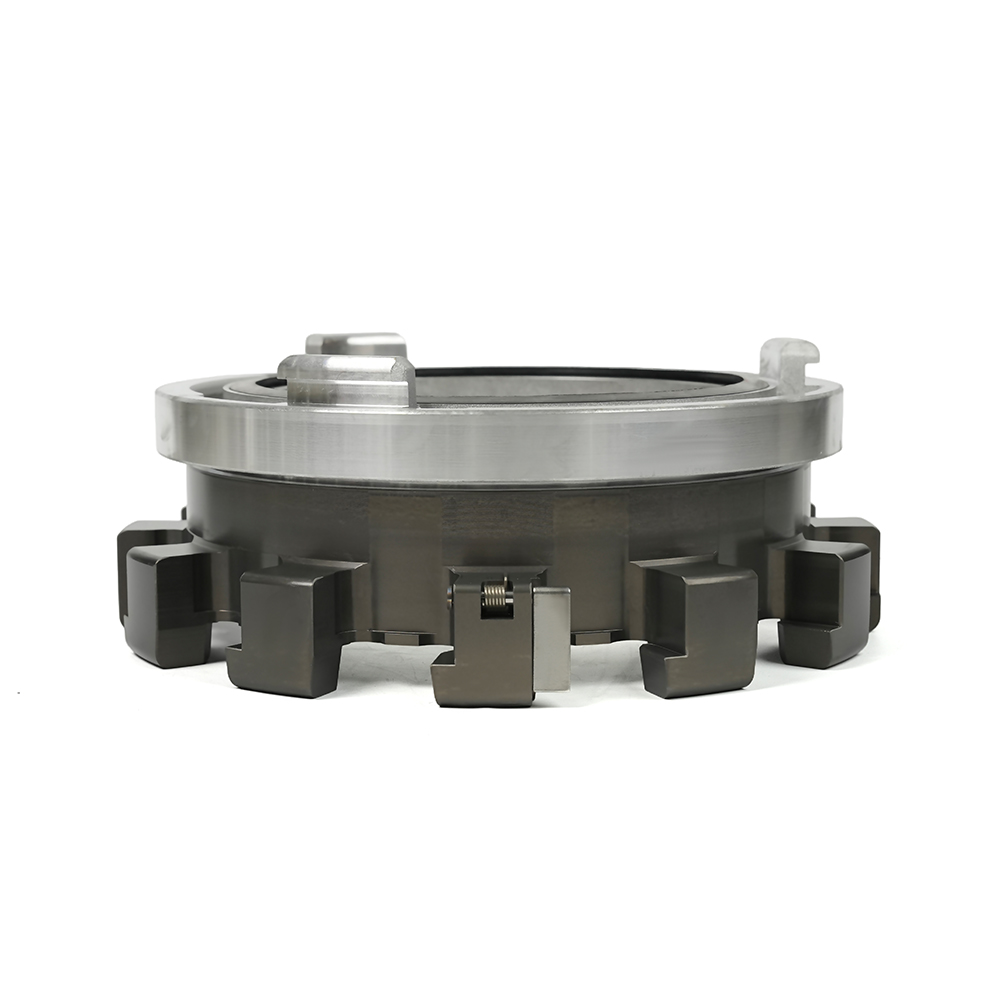 Storz Adapter Couplings - Multi-Tooth
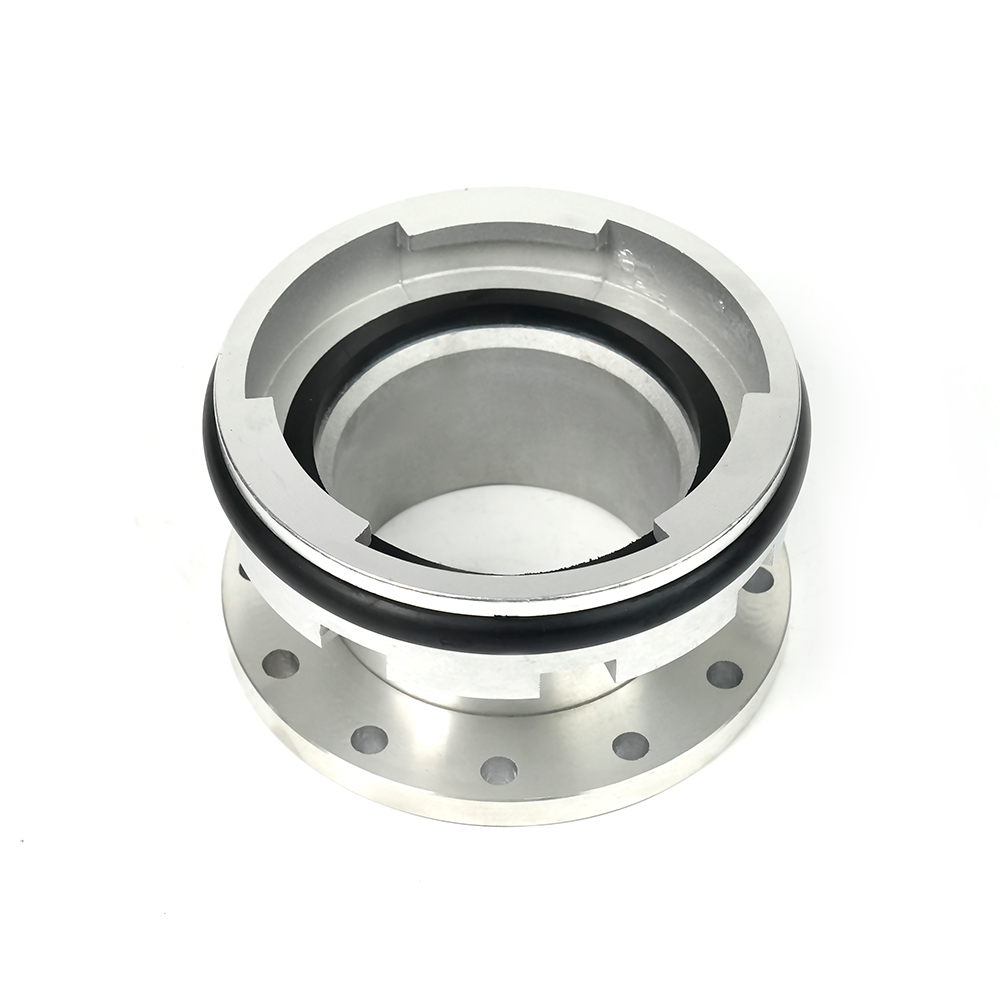 Machino Adapter Couplings – Flanged
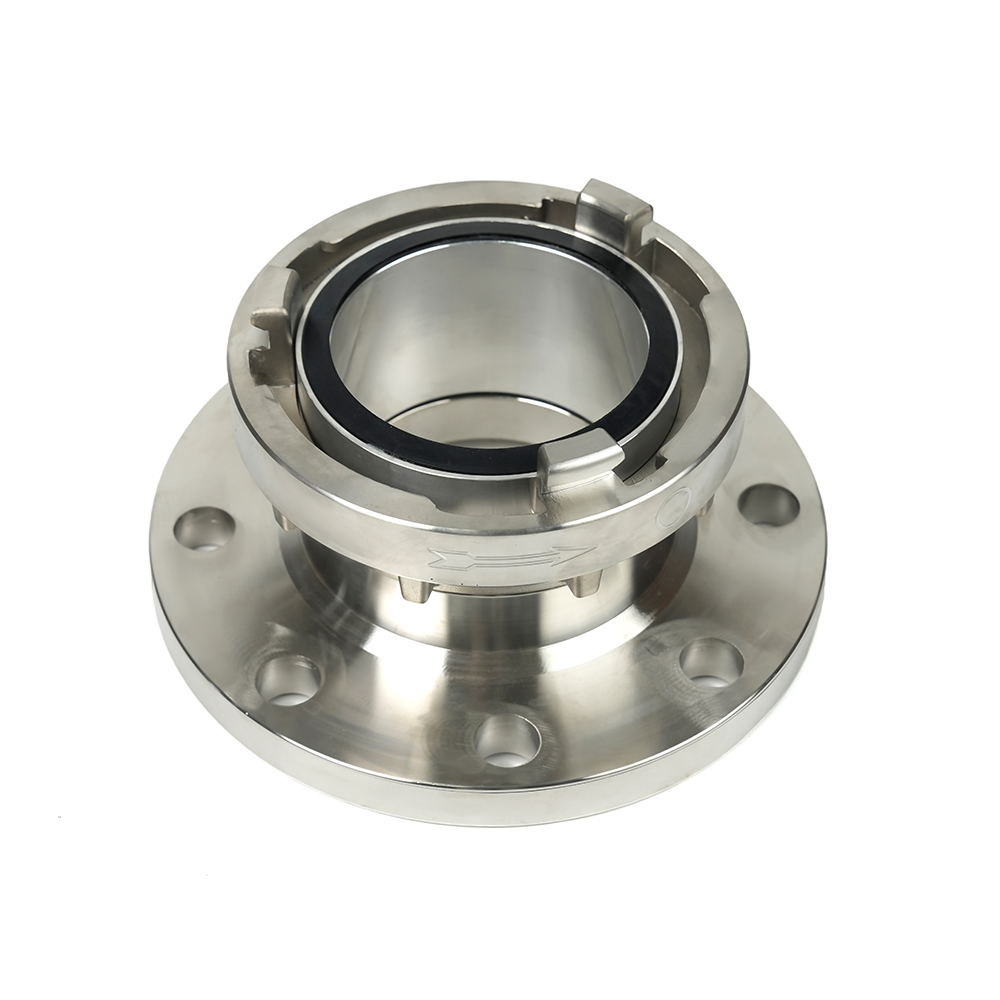 Storz Adapter Couplings – Flanged

 Contact Number
+86-0523-83274900
+86-151 9064 3365
 Let our team offer you customs solutions.
 Company Address
West side of Hongxing Middle Road, Lincheng Street, Development Zone, Xinghua City, Jiangsu Province, China
Copyright @Jiangsu Jinding Fire Protection Technology Co., Ltd. All rights reserved Fire Protection Equipments Manufacturers
