 英语
 西班牙语
 德语
Industry News
Home / News / Industry News / Garden Hose Coupling Guide: Standards, Sizes, Materials and Fit Checks


+86-0523-83274900
+86-151 9064 3365
Content
A hardware buyer once restocked a single nominal size of brass garden hose couplings and still had to process returns. Customers reported that the couplings would not start on the tap thread, or they caught two turns and dripped. The parts measured correctly at 3/4 inch. They had simply been cut to two different thread standards, garden hose thread and BSP, and no washer can correct that. The practical conclusion comes first: the thread standard decides whether a garden hose coupling mates at all, the hose size decides whether it holds, and the material decides how long it lasts. Price belongs at the end of that list, not the beginning.
A coupling is a small part with three separate sealing duties, and each one is specified differently. The first is the threaded interface: a male or female thread plus a flat face and a rubber washer at the tap end. The second is hose retention: a barbed shank pushed into the hose, or a tail secured with a ferrule or clamp. The third is repeated connect and disconnect, usually handled by a quick connector with an O-ring and a locking collar.
If any one of those three is chosen to a different standard than the rest of the assembly, the joint leaks even when every individual part is well made. That is why a sensible specification conversation starts with the interface and the hose, not with the catalogue photo. A fitting that matches the tap but grips the hose poorly will pull off at the first pressure surge, typically when someone closes a nozzle at the end of the line.
Two couplings both sold as 3/4 inch can have a different thread pitch, a different thread angle and a different sealing position. Garden hose thread, also written GHT or 3/4-11.5 NH, is a straight thread with 11.5 threads per inch, and a flat rubber washer does the sealing. BSP 3/4, also written G 3/4, uses 14 threads per inch at a 55 degree thread angle and seals on a flat face or an O-ring. The two will start to engage, which is the most expensive part of the mistake, because a partially threaded joint passes a quick bench test and then weeps under mains pressure. NPT, the tapered 60 degree thread common in industrial piping, seals on the thread itself and should not be substituted for either.
| Thread type | Threads per inch | How it seals | Where it is normally found |
|---|---|---|---|
| Garden hose thread, GHT or NH | 11.5 | Straight thread, flat washer | North American taps, hoses and accessories |
| BSP 3/4, G 3/4 | 14 | Straight BSPP with flat face or O-ring; tapered BSPT seals on thread | Europe, Australia, parts of Asia and Africa |
| NPT 3/4 | 14 | Tapered thread, 60 degree form | Industrial piping and plumbing, not garden taps |
| Proprietary snap systems | Not applicable | Click profile plus O-ring | Retail garden ranges with their own connectors |
Nominal hose size is a label, not a measurement. A 5/8 inch hose from one supplier may measure 15 mm inside and 16 mm from another, and thin-walled hoses split when a coupling with a long, coarse barb is forced in. Matching a coupling to a hose means knowing the actual inside diameter, the outside diameter for clamping, the wall thickness and the reinforcement type. As a working rule, a barb roughly 0.5 to 1 mm larger than the measured hose inside diameter gives a snug fit without cutting the wall, but the hose manufacturer's data should always override a rule of thumb.
| What to measure | Why it matters |
|---|---|
| Actual hose inside diameter | Selects the shank size; nominal 1/2, 5/8 and 3/4 inch hoses often differ by a millimetre or more |
| Hose outside diameter | Sizes the ferrule or clamp so the wall is compressed but not crushed |
| Wall thickness and reinforcement | Thin walls split, heavy braided walls need a longer insert to hold |
| Insert or tail length | Must clear the clamp band and leave room for a full seat in the hose |
| Thread diameter and pitch | Confirms the standard rather than just the nominal size printed on the box |
Brass remains the default for garden hose couplings because it machines cleanly, resists corrosion and tolerates being dropped on paving. Grade and wall thickness matter more than the colour. A thin-walled body with a short thread will cross-thread and deform at the washer seat, while a properly machined body keeps its shape through years of seasonal use. For drinking water points, ask specifically for lead-free brass and documentation to match, since potable water rules in many markets restrict lead content.
Zinc alloy bodies are lighter and cheaper, but in soft or slightly acidic water they can dezincify, so a coupling that looked sound in spring may crumble at the thread in autumn. Plastics such as acetal and ABS work well where weight and cost matter, provided the grade is UV stabilised and the coupling is drained before frost, because trapped water expands by roughly 9 percent when it freezes. Stainless steel suits coastal sites, pool areas and wash-down points where chlorides attack plated parts. In mixed assemblies, avoid pairing brass directly with aluminium in wet conditions, as the galvanic couple corrodes the aluminium.
Most of the habits that keep fire hose joints reliable apply just as well to garden couplings: clean the seat, start the thread by hand, and inspect the washer before blaming the part. A short guide on how fire hose joints should be connected covers the same sequence in more detail.
A workable purchase specification for garden hose couplings fits on one page. Name the thread standard rather than the nominal size, state the hose inside diameter range the coupling must accept, give the material grade and lead status, set a working pressure and a burst requirement, and describe the service environment including frost, UV and water chemistry. Add the thread cut quality you expect, the documentation you need, and how the parts will be labelled so retail staff do not mix standards in the same bin.
Jiangsu Jinding Fire Protection Technology has manufactured hose couplings and related fittings since 1998, and its catalogue includes garden couplings alongside fire hose, forestry, mining, agricultural and sanitary ranges, supported by ISO 9001:2015 certification and inspection reports from a national fire equipment testing centre. Buyers who need a single source across several coupling families can compare thread standards and materials in one place rather than assembling a specification from unrelated suppliers.
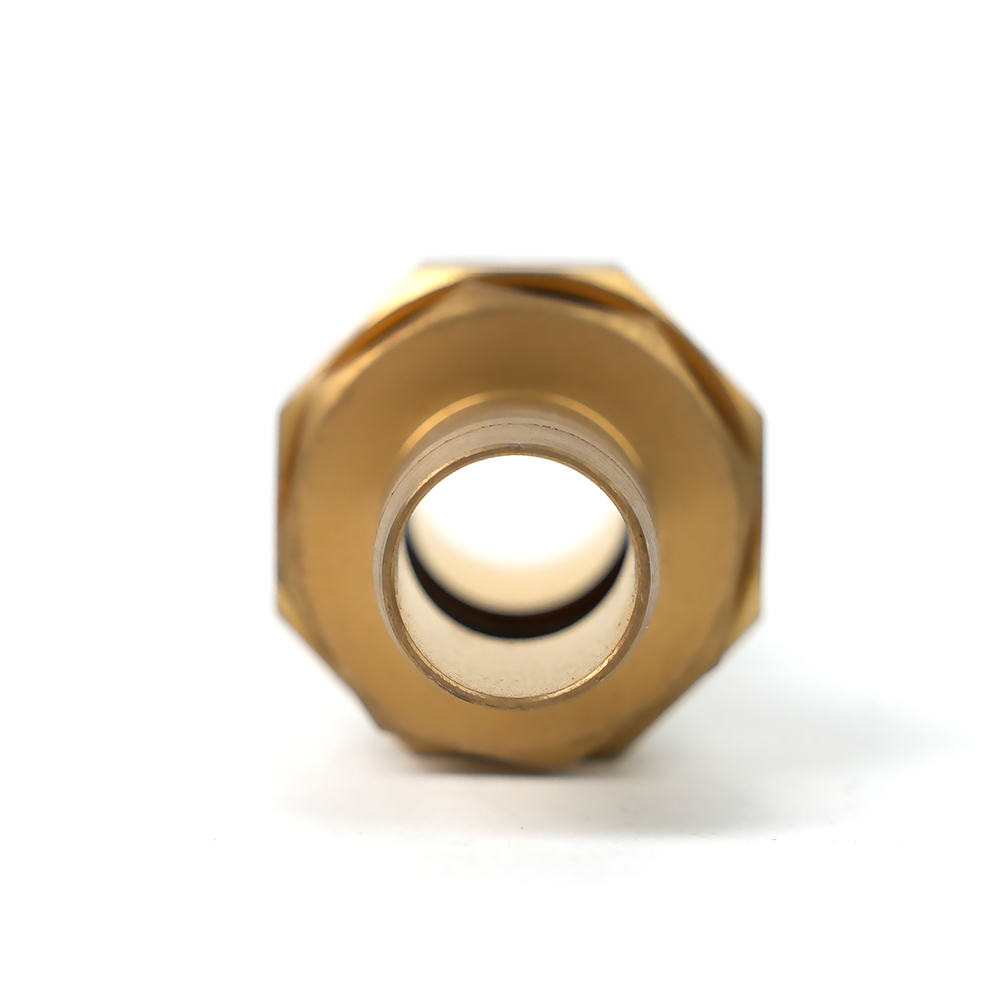 Garden Coupling for Hose and Sprinkler SystemsInternal and external threaded coupling with serrated tailpipe, rated for long-term 0.8–1.0 MPa water pressure in fixed sprinkler installations.View Product →
Mixed installations are common: an imported tap, a locally bought hose and a spray gun from a third source. In those cases an adapter is usually cheaper than replacing the tap, but the adapter must be specified at both ends, for example garden hose thread on one side and BSP on the other. The same logic applies to small irrigation lines, where an agricultural coupling may be the better structural choice than a garden fitting because the wall section and clamp area are heavier for daily field use.
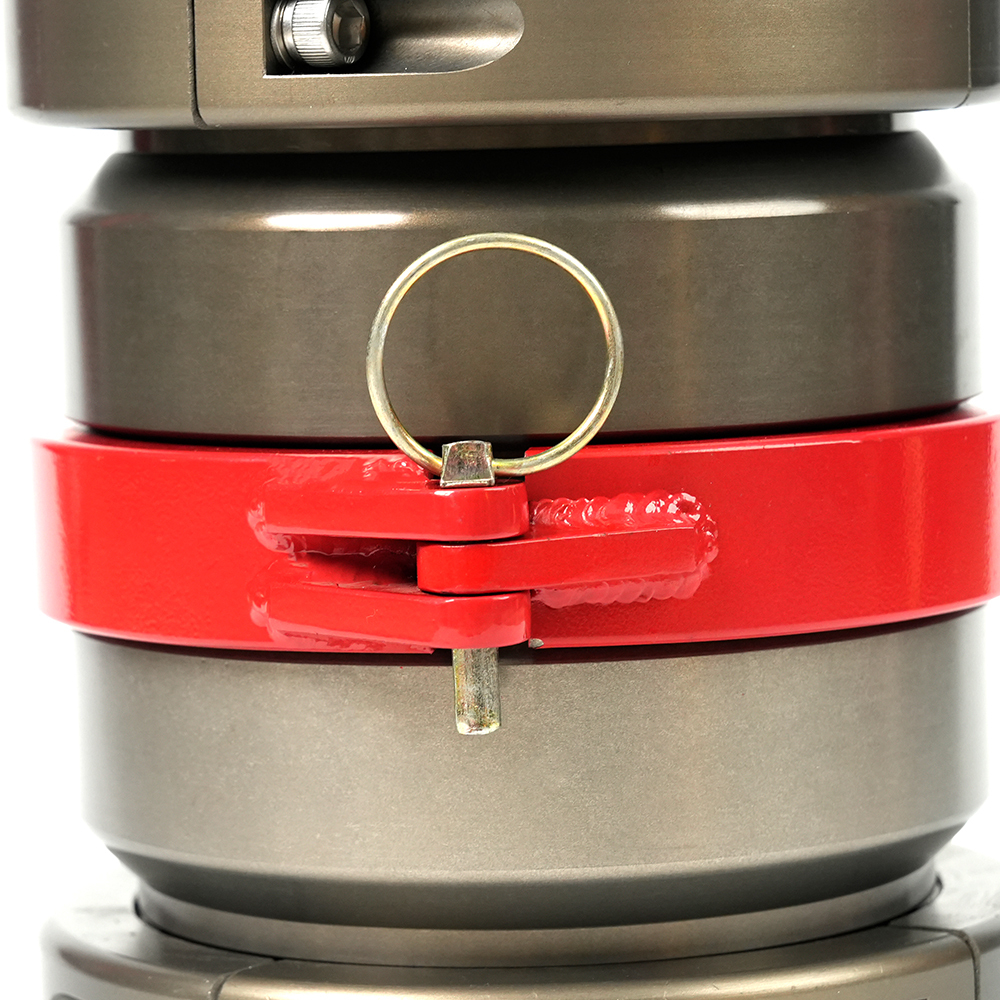 Four-Lug Quick Connect Coupling for High-Pressure WaterFour-lug interlocking coupling with pin-and-lock ring for rapid connection, corrosion-resistant coating, and DN100–DN250 sizes for high-pressure industrial water lines.View Product →
No. Both are close to 3/4 inch across the thread, but garden hose thread has 11.5 threads per inch and BSP 3/4 has 14, so the joint engages a turn or two and then jams or leaks.
Only if the measured inside diameter matches the shank. Nominal hose sizes overlap in practice, so measure the hose rather than trusting the print on the coil.
Usually because the plug and socket come from different profile systems, or the O-ring is worn, gritty or dry. Push the plug past the collar until it clicks, and check the profile before mixing brands.
Brass for taps, permanent joints and anything left outdoors through winter; plastic for lightweight, occasional and low-pressure use where the grade is UV stabilised.
A garden hose coupling is a low-cost part that generates high-cost complaints when the interface is assumed rather than checked. Confirm the thread standard, measure the hose, choose the material for the water and the climate, and the rest of the specification follows without argument. If you are sourcing garden couplings or cross-standard adapters for a retail, irrigation or industrial programme, the team can check sizes against your samples and drawings through the contact page.
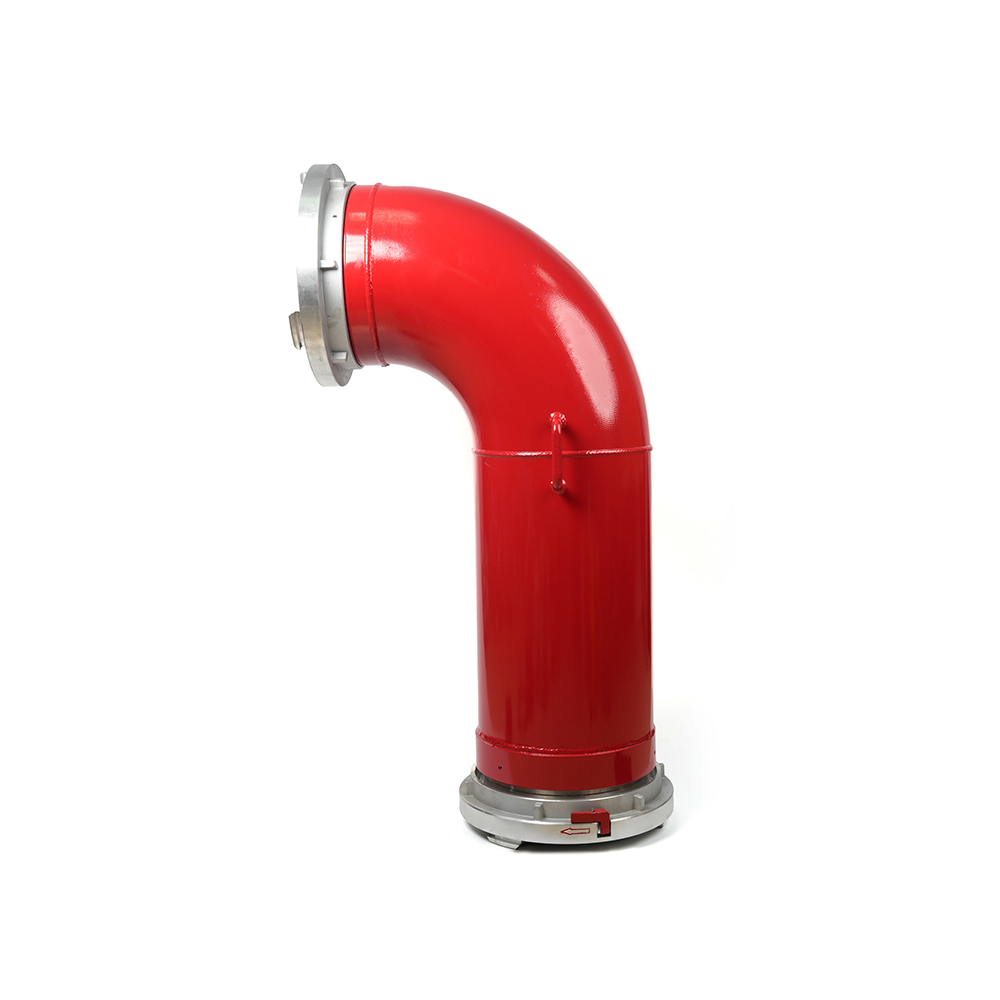 Grooved Fire Elbow-Storz
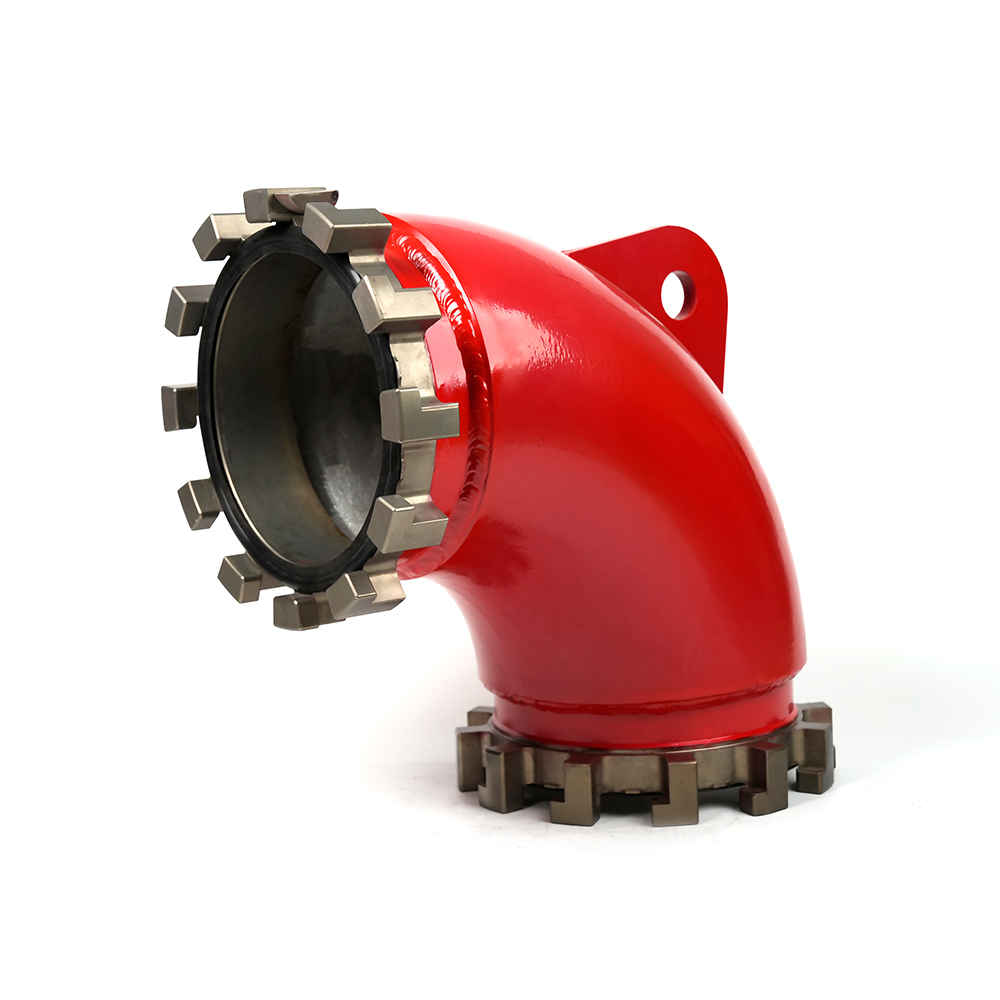 Grooved Fire Elbow-Multi-tooth
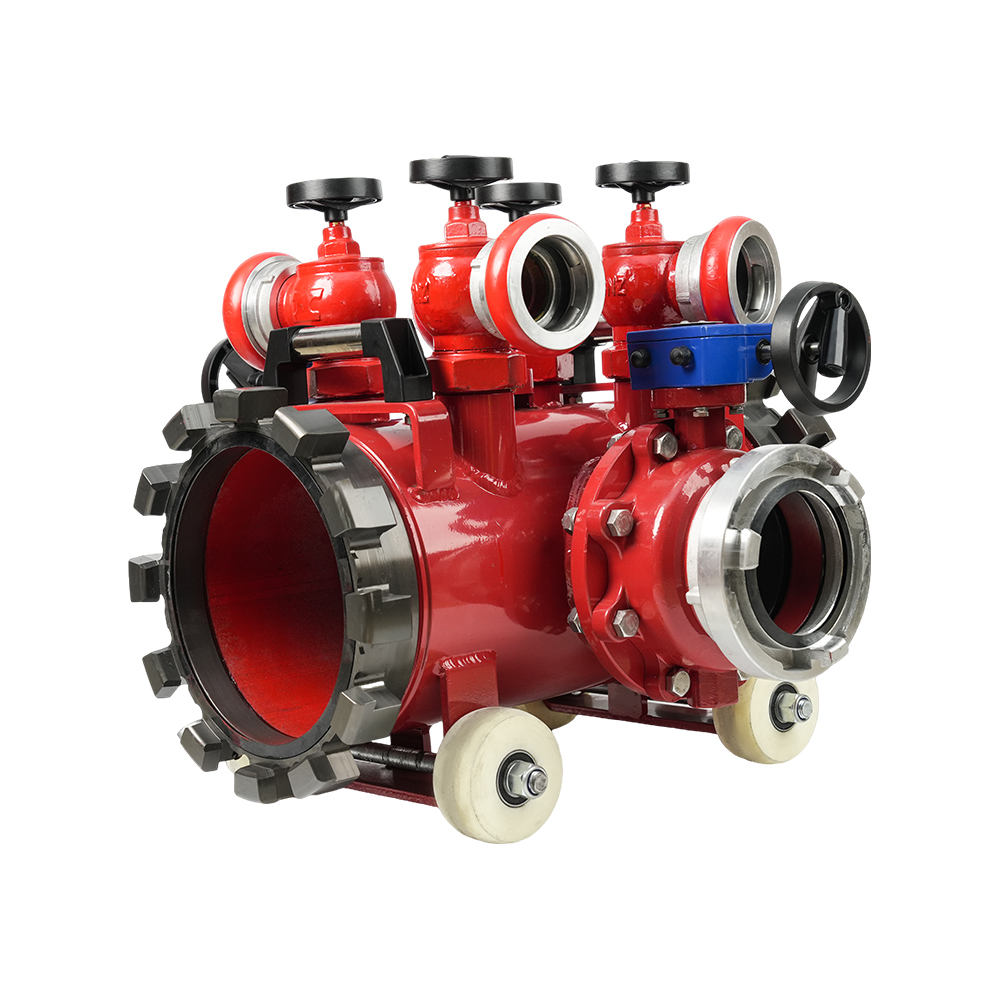 Multi-functional Fire Hose Distributor
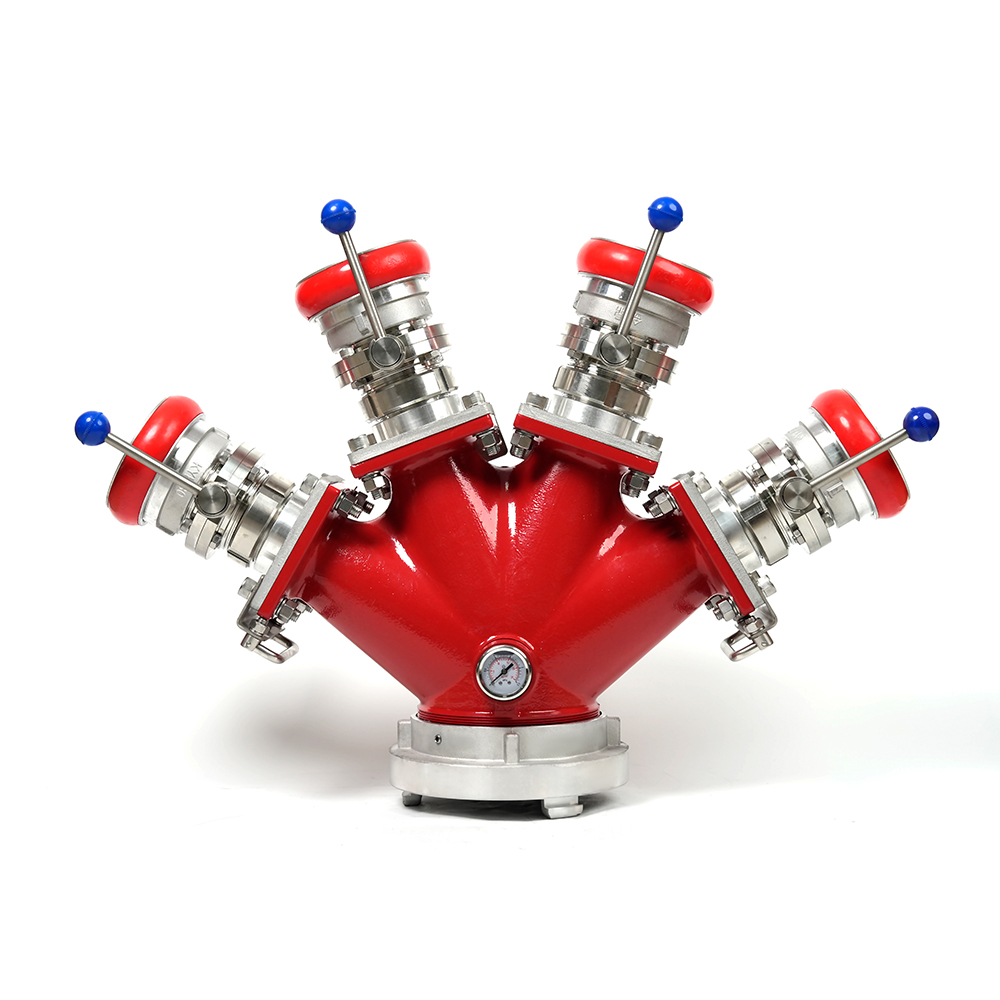 Locking Four-Way Fire Hose Distributor
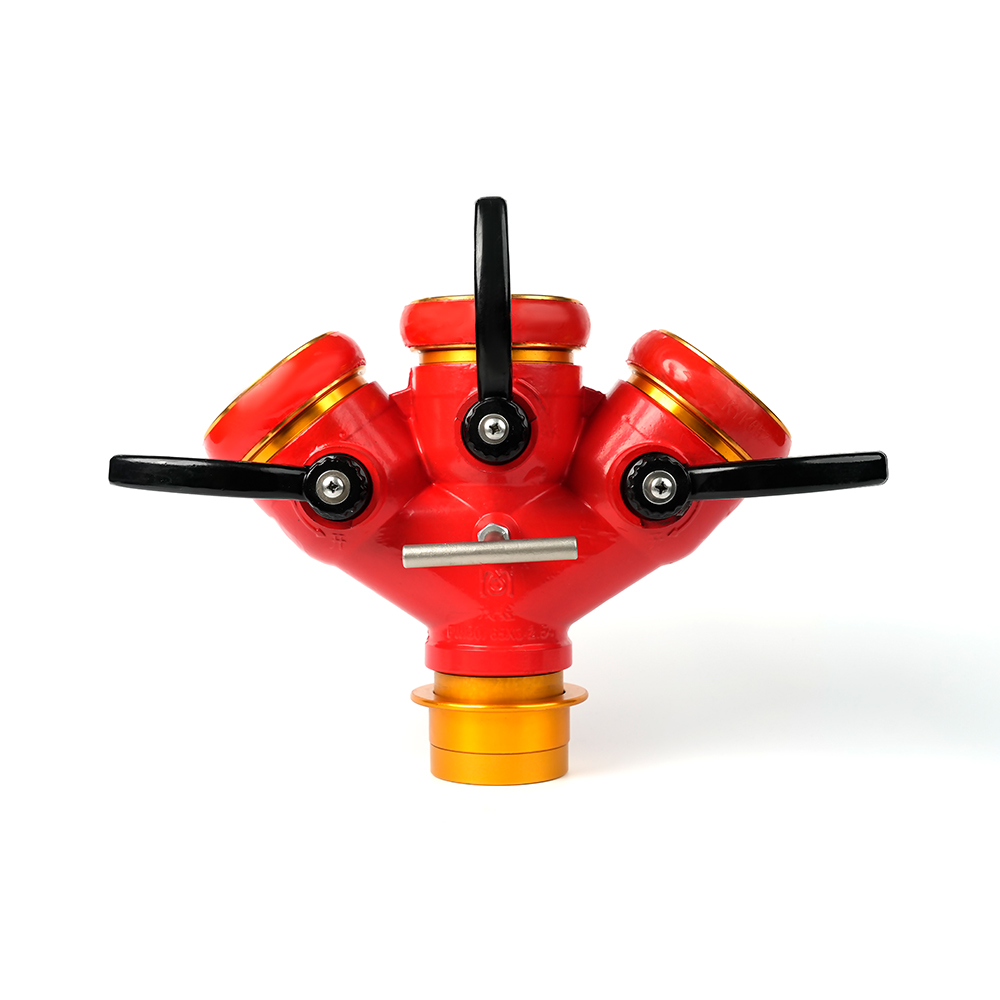 Locking Three-Way Fire Hose Distributor
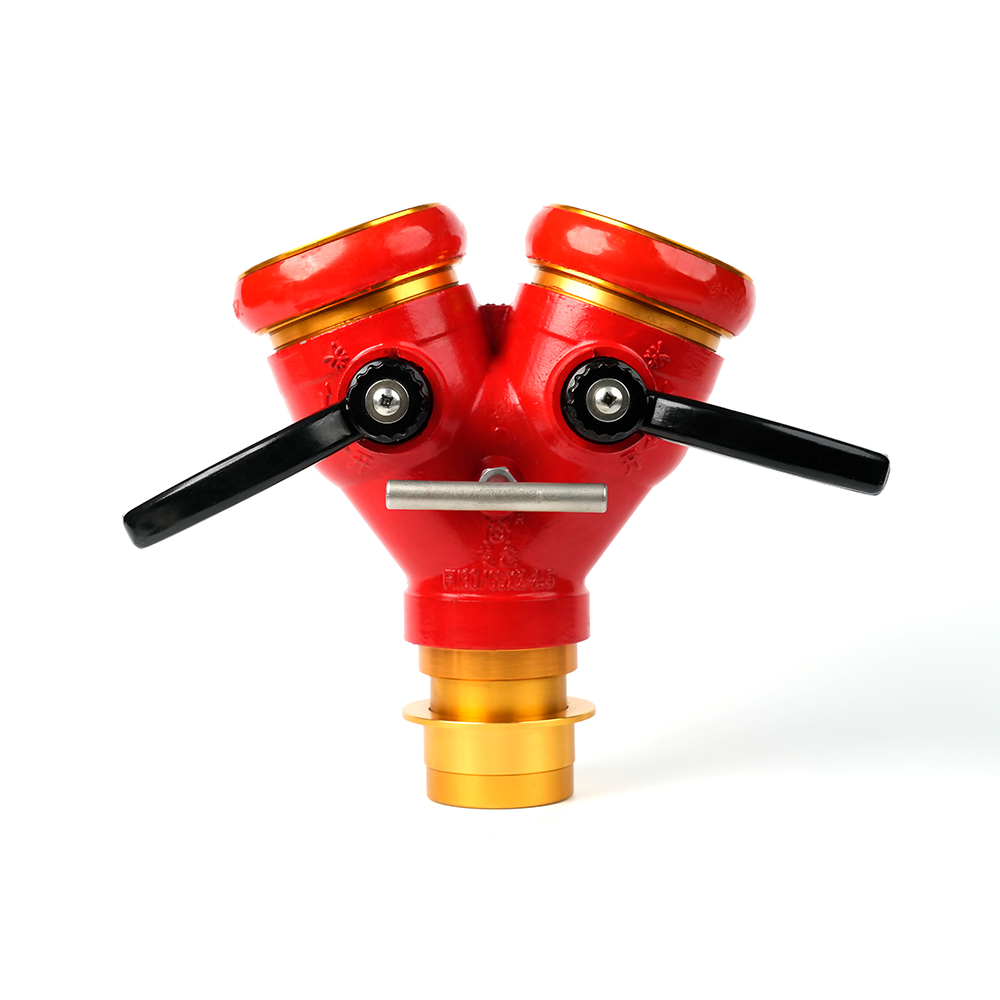 Locking Two-Way Fire Hose Distributor
 Straight Stream Nozzle
 Adjustable nozzle-machino
 Adjustable nozzle-storz
 Storz Adapter Couplings - Multi-Tooth
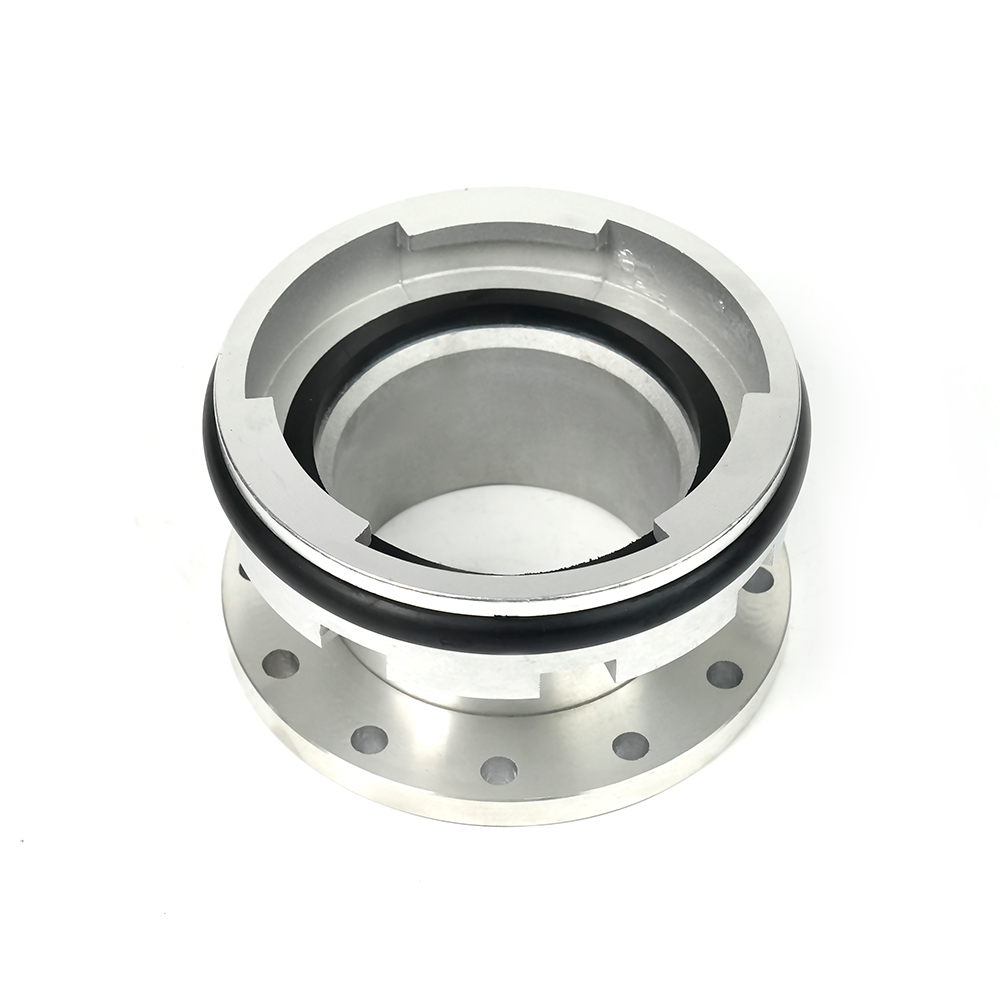 Machino Adapter Couplings – Flanged
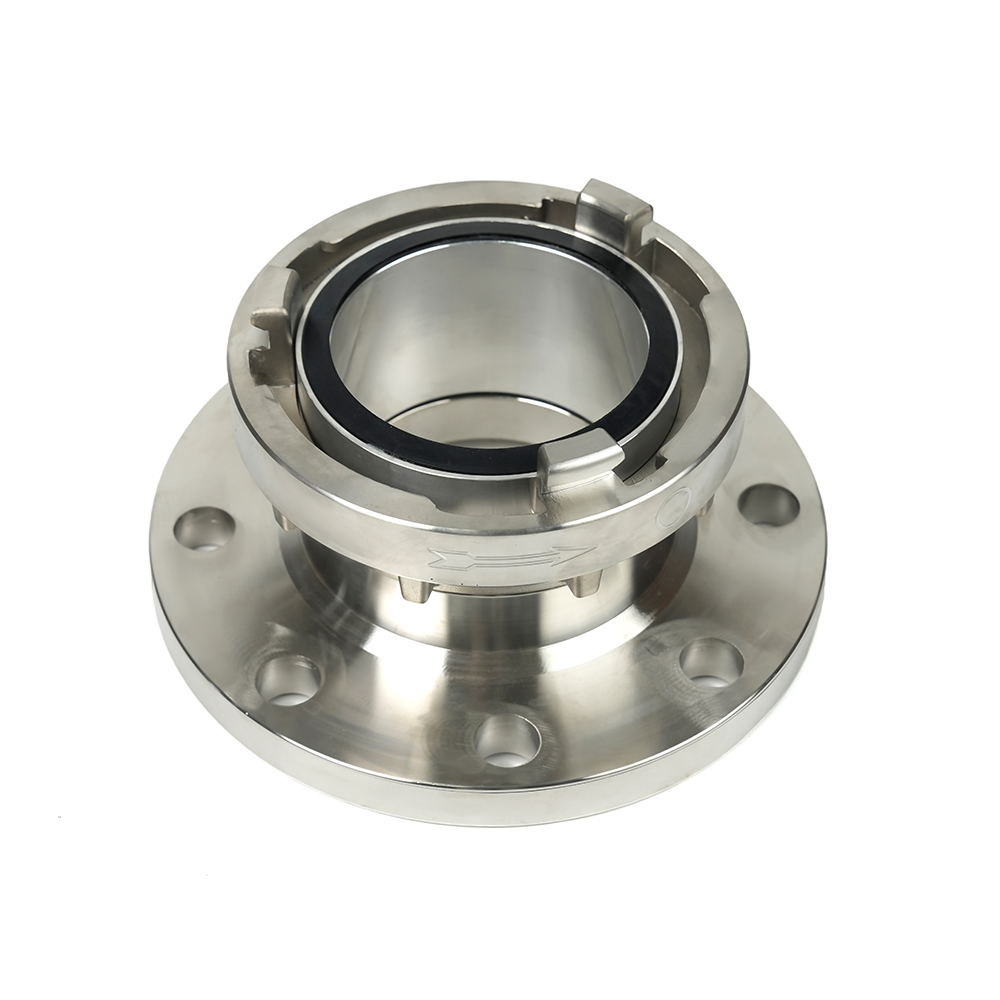 Storz Adapter Couplings – Flanged

 Contact Number
+86-0523-83274900
+86-151 9064 3365
 Let our team offer you customs solutions.
 Company Address
West side of Hongxing Middle Road, Lincheng Street, Development Zone, Xinghua City, Jiangsu Province, China
Copyright @Jiangsu Jinding Fire Protection Technology Co., Ltd. All rights reserved Fire Protection Equipments Manufacturers
