 英语
 西班牙语
 德语
Industry News
Home / News / Industry News / GHT vs NPT Threads: Key Differences, Sizes, and Safe Connection Practices


+86-0523-83274900
+86-151 9064 3365
Content
You take a 3/4 inch garden hose fitting to a pump port or a valve outlet, and the first turn or two feels almost right. Then it binds, leaks, or never seats. That moment is usually the first lesson in GHT vs NPT: the two thread systems are not interchangeable, even when the nominal size looks the same.
The short answer is simple. GHT, or Garden Hose Thread, is a parallel thread that seals with a washer. NPT, or National Pipe Taper, is a tapered thread that seals on the threads with sealant. One is built for quick garden hose connections. The other belongs to pipe, valve, and industrial systems. Matching the thread is a safety and reliability decision, not a cosmetic one.
GHT and NPT may share a nominal size on paper, but they solve different connection problems. A GHT joint is designed for frequent hand tightening and easy removal. An NPT joint is designed for semi-permanent piping and pressure containment. That design difference shows up in the thread form, the pitch, and the way each joint seals.
The pitch difference is often the decisive clue. A 3/4 inch GHT and a 3/4 inch NPT may look close in diameter, but 11.5 threads per inch and 14 threads per inch cannot mate correctly over a full length. The first turn may engage because the diameters are similar. The joint will not seal because the thread counts and the sealing faces are wrong.
Start with the part, not the box label. A thread gauge is the fastest field check. A caliper can confirm diameter, but diameter alone will not reveal pitch or taper. Look at the sealing face as well. A GHT female fitting normally has a flat seat for a washer. An NPT fitting depends on tapered thread engagement and does not use a garden hose washer as its primary seal.
| Feature | GHT | NPT |
|---|---|---|
| Thread form | Parallel, straight | Tapered |
| Common size and pitch example | 3/4 inch, 11.5 threads per inch | 3/4 inch, 14 threads per inch |
| Sealing method | Washer or gasket at the face | Thread engagement with tape or pipe dope |
| Typical use | Garden hose, sprayers, light irrigation | Pipe, valves, pumps, gauges, industrial lines |
| Misconnection signs | Thread starts but will not seal at the face | Thread binds early or leaks after assembly |
In a maintenance kit, keep a thread gauge for common hose and pipe sizes. If a fitting does not run down smoothly by hand, stop. Forcing it can cut new threads into soft metal or plastic, damage the mating part, and create a leak path that is hard to see after assembly.
The deceptive part of GHT vs NPT is that nominal sizes overlap. A 3/4 inch garden hose fitting and a 3/4 inch pipe fitting are close enough in diameter that one or two turns may engage. That false start is dangerous in maintenance work because it can feel like progress. In practice, the thread pitches are different, and one thread is tapered while the other is straight.
A male NPT fitting can wedge into a female GHT fitting and damage the washer seat. A male GHT fitting can enter an NPT port but will not bottom correctly or compress a washer. In both cases, the joint may pass a quick visual check and fail a pressure test, leak at low flow, or drip after the hose is moved. In fire protection work, a leaking connection can fail an inspection, delay a system return to service, or create a slip hazard near equipment.
The safe rule is to match the standard first, then the size. If the standard is unknown, treat the joint as unverified until it is measured or compared with a known fitting.
GHT is common on outdoor faucets, garden hoses, spray nozzles, and light irrigation fittings. It is convenient because it seals with a washer and can be connected by hand. NPT is common on pump drain ports, valve outlets, gauge ports, filter housings, and industrial pipe connections. It is a pipe thread, not a hose thread, and it relies on controlled thread engagement.
Fire hose systems use their own coupling standards, such as NH/NST, Storz, Machino, and John Morris, depending on the region and the fire service requirement. A garden hose thread is not a substitute for a fire hose coupling, and an NPT port is not a fire hose connection unless the correct adapter is specified. GHT to NPT adapters exist and are useful for controlled low pressure transfer, but they do not turn a garden hose coupling into a fire hose coupling.
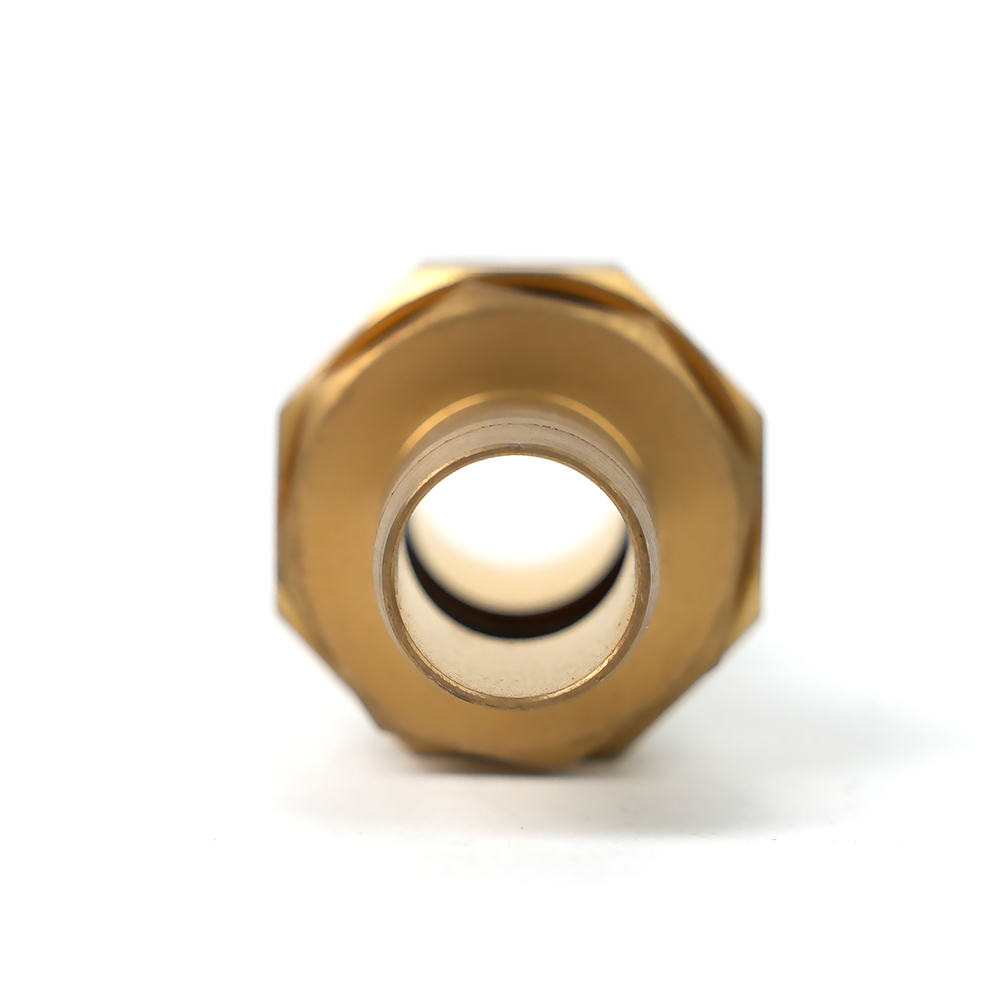 Garden Hose Coupling for Fixed Sprinkler SystemsA garden hose coupling with internal/external threads, 0.8–1.0 MPa long-term pressure rating, and serrated tailpipe for wire-bound fixed sprinkler connections.View Product →
For fire hose equipment, the standard must match the local fire service and the mating appliance. A mismatched coupling can prevent a nozzle, valve, or distributor from connecting when it is needed. That is why buyers should confirm the thread standard, the nominal size, and the male or female end before ordering.
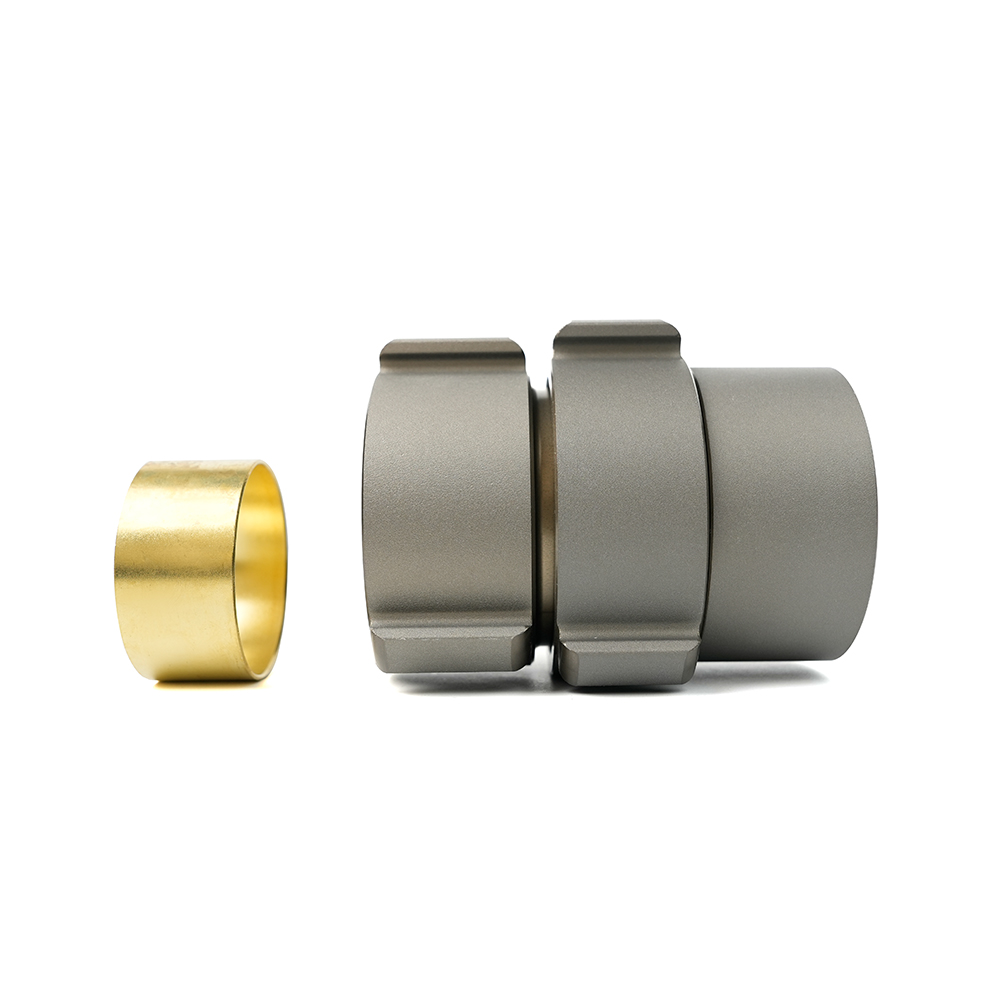 NH Fire Hose Coupling with NST ThreadsThreaded NST coupling connects fire hoses to nozzles, pumps, and trucks; available in 1–4 in sizes with male/female ends and customizable materials.View Product →
A correct adapter changes the thread standard without changing the function of the system. A GHT to NPT adapter should have a clean GHT face and a washer on the garden hose side. Sealant belongs on the NPT side only. Putting tape on a GHT washer seat can prevent the washer from sealing and may cause a leak that looks like a thread problem.
Connection practice matters as much as the part. A joint should start by hand, run down smoothly, and seal without excessive force. If it does not, stop and recheck the standard. The guide on how fire hose joints should be connected gives a useful field reference for tightening and inspection.
No. The nominal size is close, but the thread pitch and form are different. A 3/4 inch GHT normally has 11.5 threads per inch and seals with a washer. A 3/4 inch NPT has 14 threads per inch and seals on tapered threads.
No. GHT seals with a washer at the face. Tape is for NPT and similar tapered pipe threads. Tape on a GHT washer seat can interfere with the seal.
Yes, when the adapter is correctly specified for size, gender, material, and pressure rating. The adapter must match GHT on one side and NPT on the other. It does not make the two thread systems otherwise interchangeable.
Fire hose couplings use specific fire hose standards, not GHT. Common examples include NH/NST, Storz, Machino, and John Morris. The correct choice depends on the region, the fire service, and the equipment already in use.
GHT and NPT are different thread systems with different sealing methods and different jobs. GHT is a parallel garden hose thread that seals with a washer. NPT is a tapered pipe thread that seals on the threads. They should not be forced together, and they should not be treated as interchangeable because the nominal size looks close. Check the thread standard, check the sealing face, and use the correct adapter when a transition is truly needed.
For fire hose, industrial, agricultural, or garden hose applications, the safest purchase decision is the one based on measured threads and a clear standard. If you need help matching a coupling to an existing connection, send photos and thread details to contact our team before placing the order.
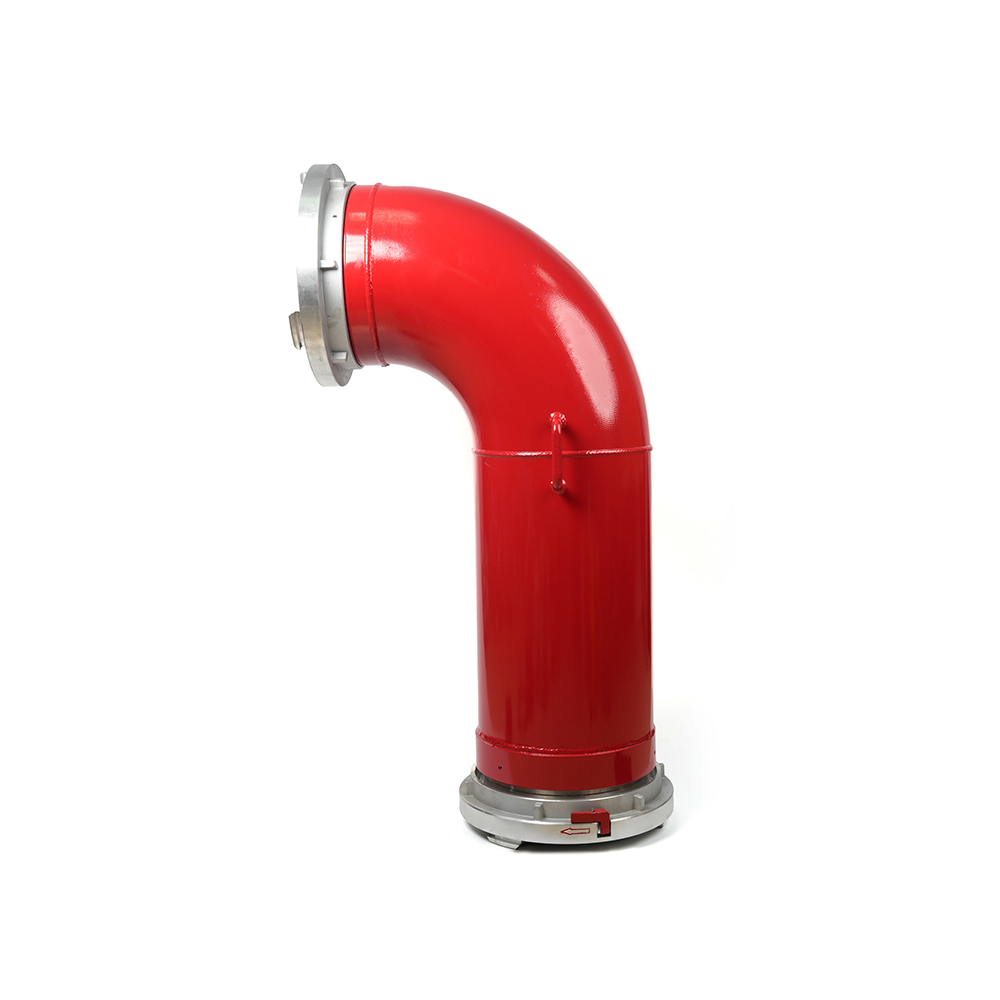 Grooved Fire Elbow-Storz
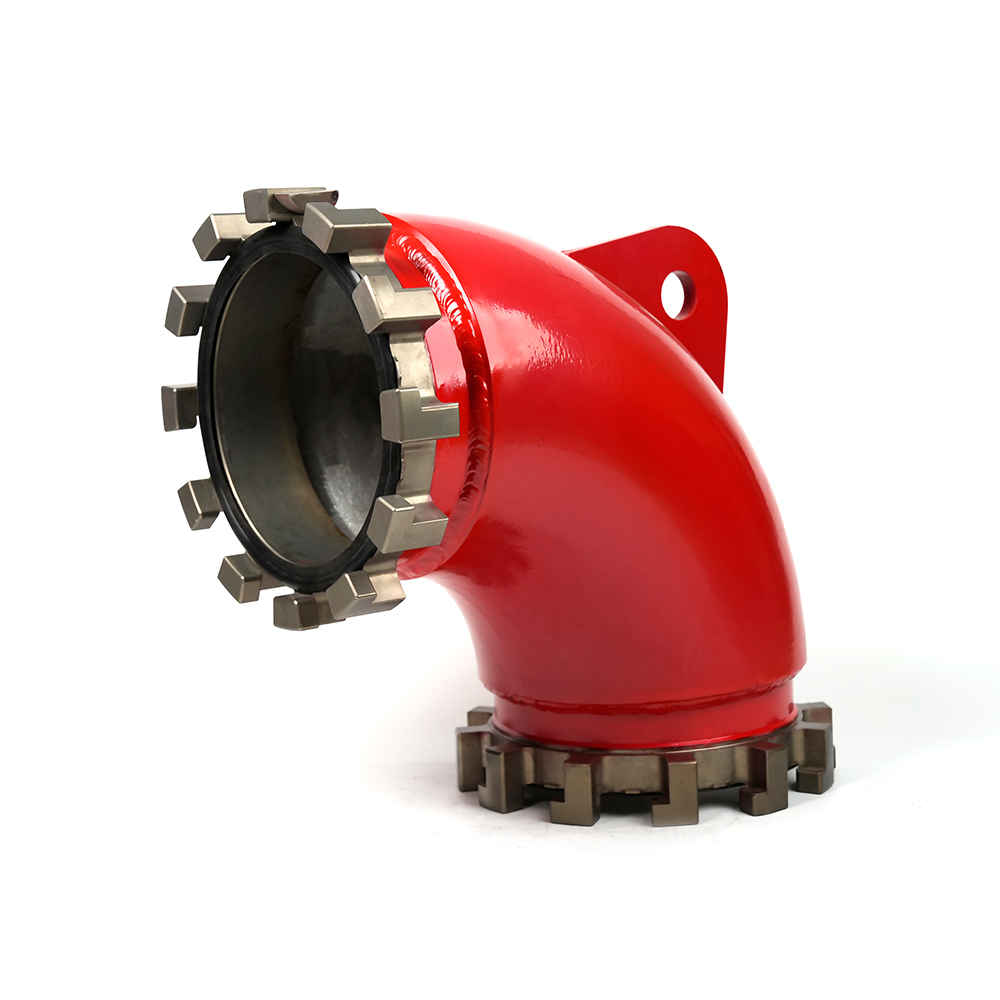 Grooved Fire Elbow-Multi-tooth
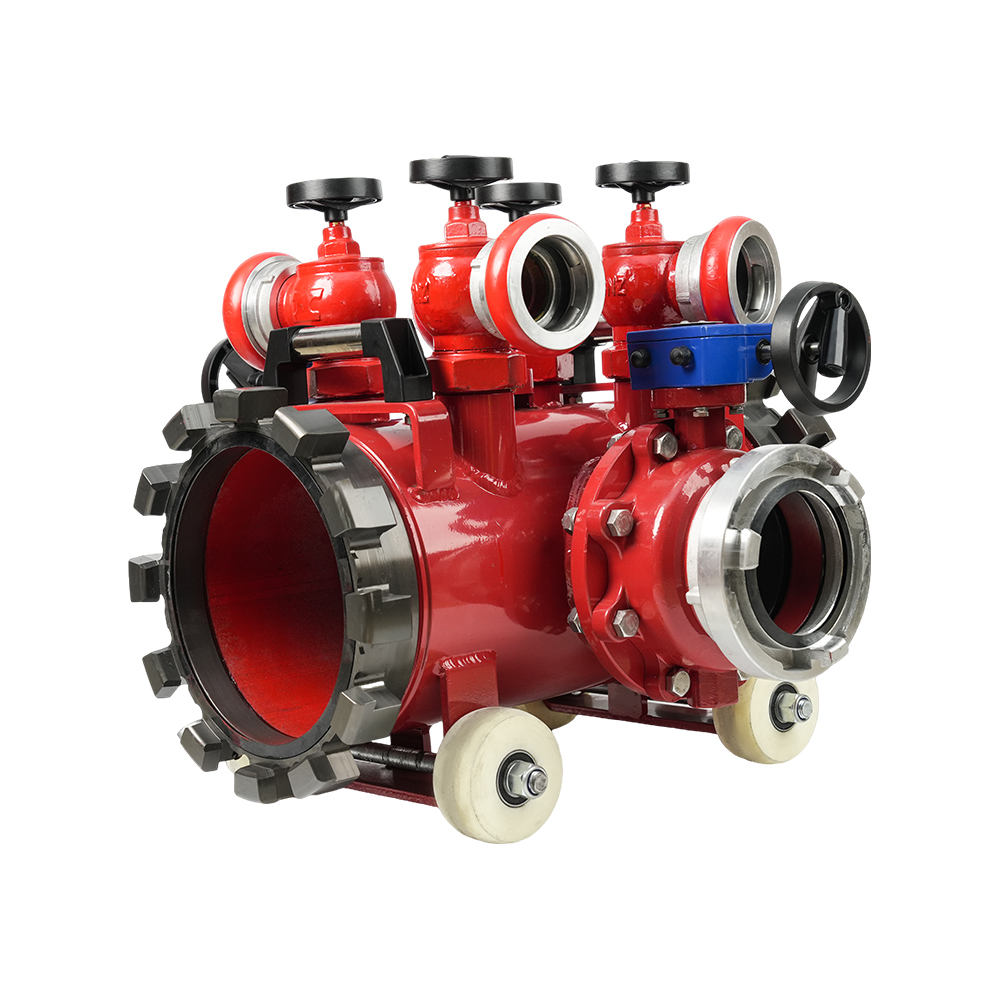 Multi-functional Fire Hose Distributor
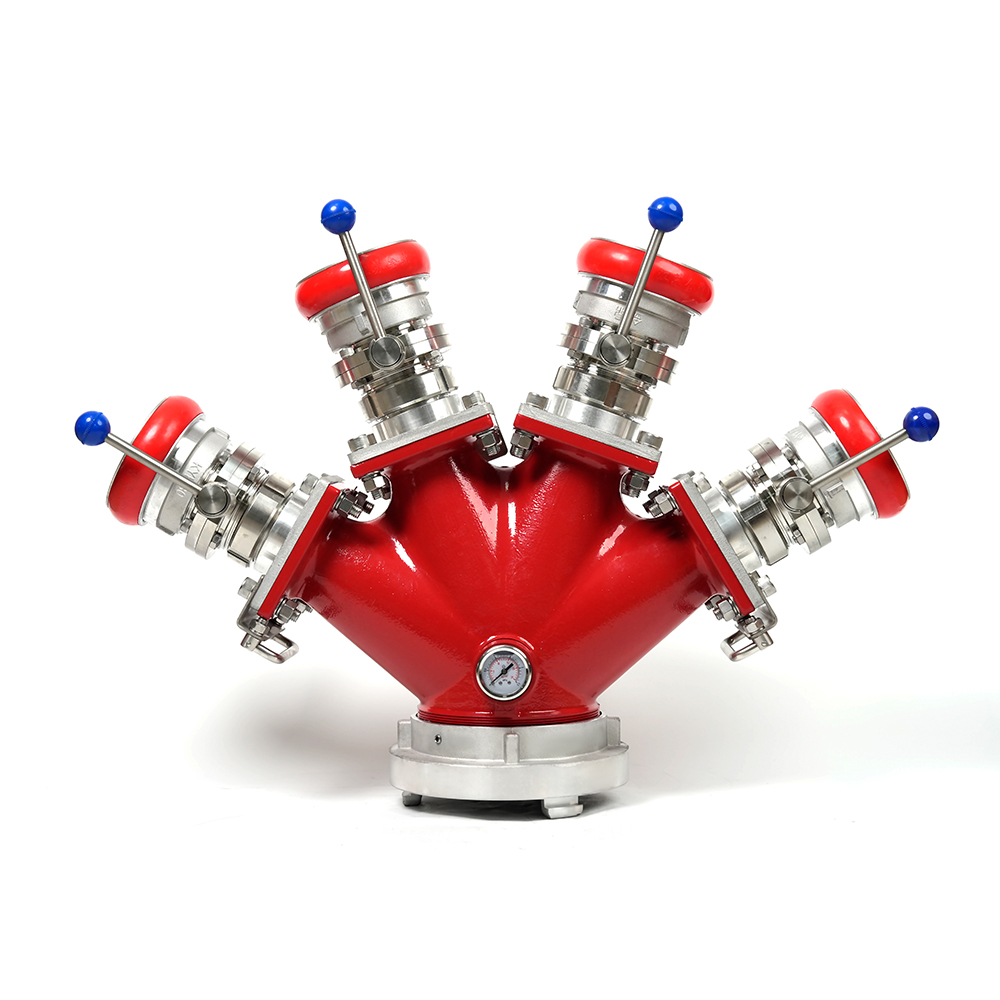 Locking Four-Way Fire Hose Distributor
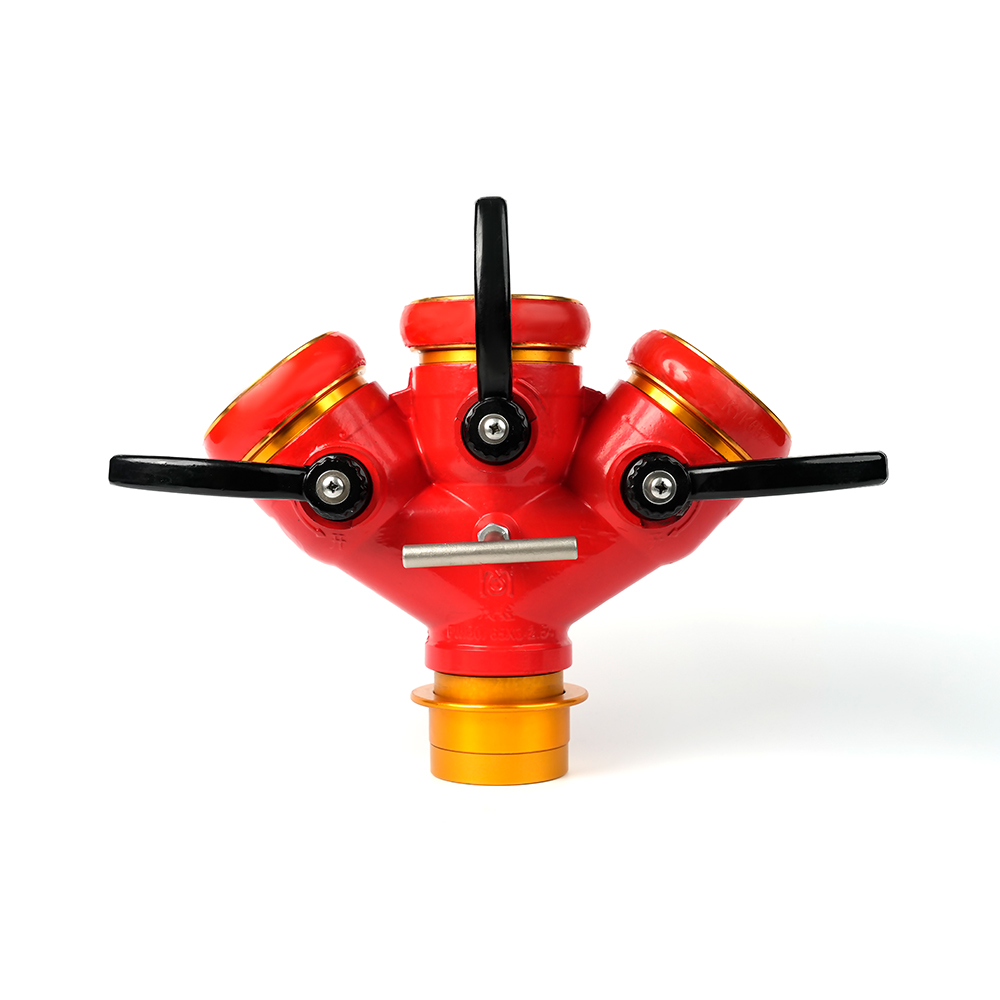 Locking Three-Way Fire Hose Distributor
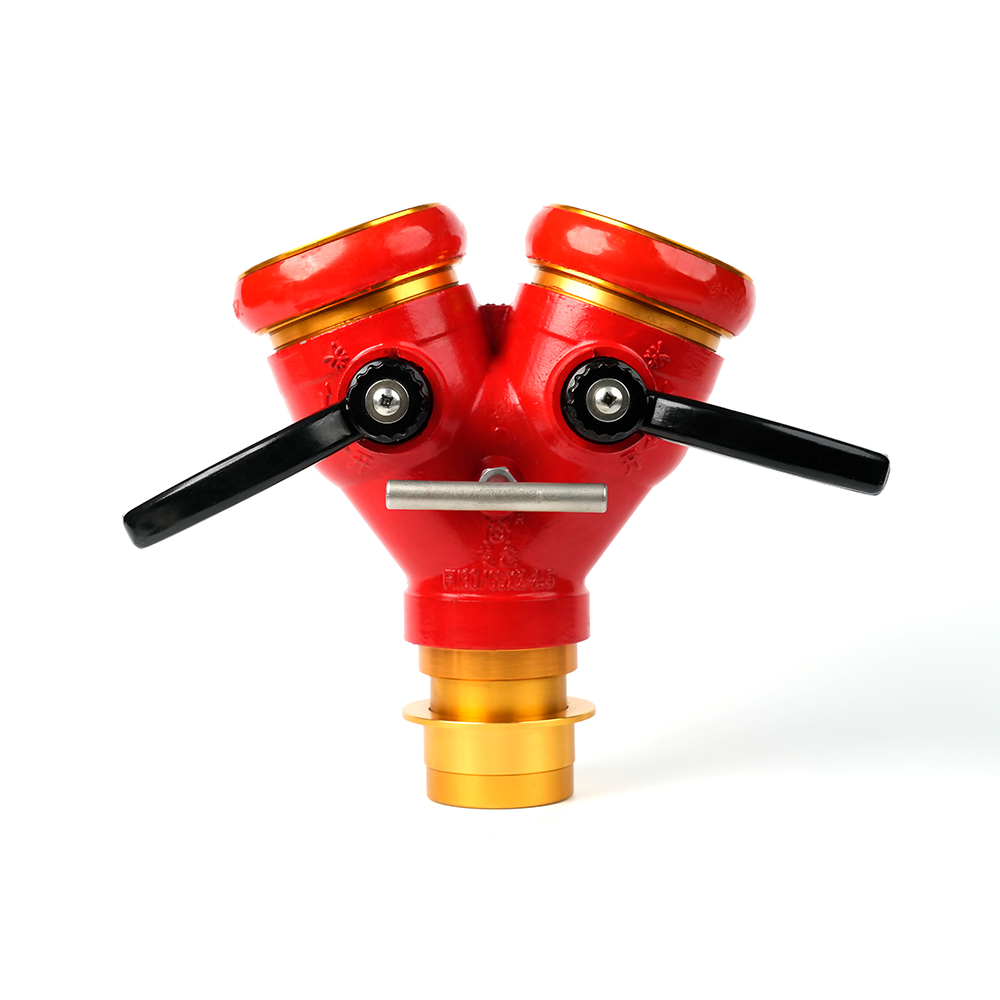 Locking Two-Way Fire Hose Distributor
 Straight Stream Nozzle
 Adjustable nozzle-machino
 Adjustable nozzle-storz
 Storz Adapter Couplings - Multi-Tooth
 Machino Adapter Couplings – Flanged
 Storz Adapter Couplings – Flanged

 Contact Number
+86-0523-83274900
+86-151 9064 3365
 Let our team offer you customs solutions.
 Company Address
West side of Hongxing Middle Road, Lincheng Street, Development Zone, Xinghua City, Jiangsu Province, China
Copyright @Jiangsu Jinding Fire Protection Technology Co., Ltd. All rights reserved Fire Protection Equipments Manufacturers
