 英语
英语 西班牙语
西班牙语 德语
德语Industry News


GET IN TOUCH
+86-0523-83274900
+86-151 9064 3365
Content
To install Storz Couplings, follow four steps: inspect both coupling faces and the sealing gasket for debris or damage before joining, align the lugs of both couplings so the hooks of each one face the slots of the other, press the two coupling faces firmly together, and then rotate them in opposite directions by approximately a quarter turn until the hooks engage and the locking collar seats. Wikipedia confirms that to couple a Storz connection, the two opposing couplings are pressed together so the hooks of each one are inserted into the slots in the flange of the other, then rotated in opposite directions until they are tight, creating a watertight connection between the internal packing gaskets (Source: Wikipedia, Storz). The entire process takes seconds and requires no tools, which is precisely why Storz became the dominant coupling standard for firefighting operations worldwide. Uncoupling simply reverses the quarter turn until hooks and slots align, then separates the faces.
Effective installation begins with understanding what makes a Storz coupling fundamentally different from threaded couplings and why that difference matters in both normal and emergency conditions.
Carl August Guido Storz invented the Storz coupling in 1882, patented it in Switzerland in 1890 and in the United States in 1893, and the design has been used by German fire brigades since 1933 (Source: Wikipedia, Storz). The defining mechanical feature is that a Storz coupling is sexless, meaning identical locking heads without male or female halves, so any two couplings of the same diameter and lug spacing can connect to each other regardless of which end is on the hose and which is on the hydrant or pump. QRFS explains the practical consequence: firefighters will never face the dangerous inconvenience of finding and using adapters to correct mismatched threads during a fire (Source: QRFS, What Is a Storz Connection and How Does It Work).
Tameson's product guide confirms the pressure rating that defines what installations Storz couplings can handle: they generally carry a pressure rating of up to 16 bar (232 psi), making them suitable for high-pressure firefighting and industrial applications (Source: Tameson, A Guide to Storz Couplings). The locking mechanism is a bayonet-type system with hooks and slots rather than threads, and the only sealing element is the internal flat-face gasket, which means gasket condition is critical to every installation.
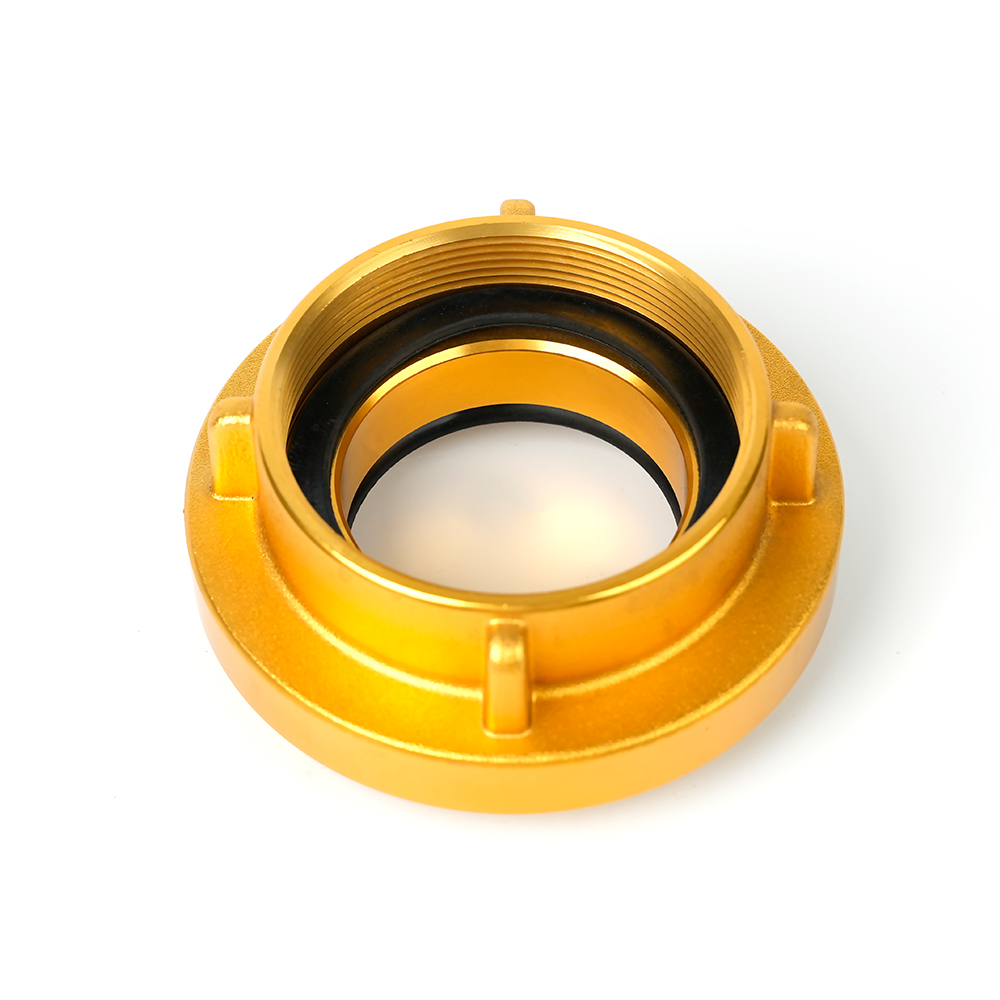
The JD FireTech technical guide on Storz coupling use identifies pre-connection inspection as the essential first step of every installation, since a debris-covered face or damaged gasket will produce a leak under pressure regardless of how correctly the coupling is rotated and locked (Source: JD FireTech, How to Use and Select a Storz Fire Hose Coupling).
Examine the flat annular face of both couplings for embedded grit, gravel, or pipe scale. Even small particles trapped between the two mating faces will prevent the gaskets from making full contact and will cause weeping leaks under pressure. Check the lug hooks for bends, cracks, or deformation that would prevent them from seating correctly in the opposing slots. Hooks that do not fully seat cannot hold the coupling together under high flow conditions. The secondary benefit of the Storz design noted by Wikipedia is relevant here: because the hooks are inside the housing, they are less prone to damage or catching onto obstacles when a hose is dragged over a hard surface, but this protection is not absolute and hooks should still be inspected before each use (Source: Wikipedia, Storz).
The JD FireTech guide emphasizes that the internal flat-face gasket is the only sealing element in a Storz coupling, making its condition and material selection critical to every installation (Source: JD FireTech, How to Use and Select a Storz Fire Hose Coupling). Check the gasket for cuts, compression set, extrusion damage, or swelling from chemical exposure. A gasket that has been compressed beyond its elastic recovery limit will not create a watertight seal no matter how tightly the coupling is rotated. Tameson confirms that replacement seals for Storz couplings are available in four materials: NBR (nitrile), EPDM, Silicone, and FKM (Viton), with the material selected based on the fluid type and temperature range of the application (Source: Tameson, A Guide to Storz Couplings).
| Gasket Material | Best Suited For | Avoid With |
| NBR (Nitrile) | Water, petroleum-based fluids, oils | Ozone exposure, UV aging over time |
| EPDM | Water, steam, weathering, ozone | Oils, petroleum products |
| Silicone | High and low temperature extremes, food contact | High abrasion environments |
| FKM (Viton) | Aggressive chemicals, fuels, high temperatures | High cost when standard water service is sufficient |
The connection procedure is straightforward, but correct technique matters, particularly in poor visibility conditions, under time pressure, or when working with couplings that have not been recently used and may have stiffened gaskets or minor surface oxidation.
Hold one coupling in each hand with the flat gasket faces directed toward each other. Because Storz couplings are symmetrical and sexless, there is no requirement to determine which end is which; any two couplings of the same size and lug spacing are compatible. Tameson describes the process: to connect Storz couplings, align the lugs, plug them into each other, and twist until they lock (Source: Tameson, A Guide to Storz Couplings). The lug alignment is the key step; the two sets of hooks and slots must be oriented so they can interlock rather than block each other.
Rotate one coupling relative to the other until the hook lugs on one face line up with the open slots on the opposite face. In this aligned position, the hooks will drop into the slots freely when the two faces are pressed together, so little resistance should be felt at the moment of engagement. Press both faces firmly together with enough force to seat the hooks into the slots and bring both flat gasket faces into initial contact. QRFS describes this engagement: when opposing Storz couplings are pressed together, special hooks on each coupling insert into the slots in the flange of the other (Source: QRFS, What Is a Storz Connection and How Does It Work).
With the faces pressed together and hooks inserted into slots, rotate one coupling against the other in opposite directions. Wikipedia confirms the mechanics: rotating in opposite directions causes the hooks to engage, and the latches seat and lock the joint in a single quarter turn (Source: Wikipedia, Storz). The quarter turn moves the hooks from their entry slot position to the fully engaged position where they bear against the back face of the slot and cannot pull out under axial tension. As the hooks engage, the two flat gasket faces compress against each other, creating the watertight seal. The rotation continues until firm resistance is felt, indicating the hooks have fully traversed the slot and reached the locked stop.
After the quarter turn, visually check that the two coupling bodies are flush and parallel, with no gap between the outer faces. A properly locked Storz connection will have both coupling flanges in full contact with no visible rotation play when tested by hand. The locking collar on the outer ring should be seated. JD FireTech advises that before pressurizing any installation, a brief visual and manual inspection confirms that the connection has fully locked, since a partially engaged hook can pull free under the surge pressure of pump startup or a sudden demand spike (Source: JD FireTech, How to Use and Select a Storz Fire Hose Coupling).
Disconnecting a Storz coupling is the reverse of the connection procedure, but there are important safety considerations when disconnecting under or after pressure.
The connection procedure above covers joining two Storz-to-Storz connections. A separate but equally important installation task is attaching a Storz coupling to the end of a hose or to a fixed threaded port, and this process requires different techniques.
Storz suction hose couplings use a hose tail shank that inserts into the bore of a hose and is then clamped or banded to secure the coupling to the hose end. The manufacturing classification from storz-coupling.com identifies suction hose coupling as the primary type for this application, produced as a positive or negative hose tail for different hose attachment methods (Source: Storz-Coupling.com, Storz Fire Fighting Coupling). The hose tail must be sized to match the inner diameter of the hose precisely, since an undersized tail will leak under pressure and an oversized tail risks splitting the hose during tightening of the clamp band. For new hose installations, the hose end is typically lubricated, the tail is inserted, and a spiral clamp band is tightened with a clamp tool to a torque that compresses the hose uniformly around the full circumference of the tail without cutting the outer jacket.
Many installations require connecting a Storz coupling face to a threaded port on a pump, hydrant, or standpipe system. JD FireTech's installation guide covers the common adapter combinations: Storz to BSP thread adapters connect Storz hose to threaded hydrant outlets or pump ports and are available in male and female BSP configurations typically from 1.5 inch to 4 inch BSP, while Storz to NH thread adapters connect Storz-equipped lines to National Hose threaded ports, with the 2.5 inch NH to 2.5 inch Storz adapter being one of the most common in cross-border operations (Source: JD FireTech, How to Use and Select a Storz Fire Hose Coupling). Threaded adapter installation follows standard pipe fitting practice: apply appropriate thread sealant or PTFE tape to male threads, hand-tighten, and then apply wrench torque to the specified thread engagement depth for the port size and pressure rating.
Connecting two Storz couplings that are not the same nominal diameter or lug spacing is physically impossible because the hooks will not align with the opposing slots, which is a built-in safety feature. However, selecting the correct size for the application before installation requires understanding the standardized size system.
JD FireTech's size reference confirms that standard Storz sizes run from DN 25 to DN 150, with DN 52 and DN 75 the most widely stocked sizes for municipal fire departments in Europe and countries following DIN 14307 standards, and 2.5 inch and 4 inch Storz the common sizes at hydrant outlets and pumper discharges in North America (Source: JD FireTech, How to Use and Select a Storz Fire Hose Coupling). Tameson adds that the Storz C coupling, the most common in firefighting, has a 66 mm lug distance and is used for hoses with 52 mm diameter (Source: Tameson, A Guide to Storz Couplings). All Storz couplings of the same nominal size share the same lug distance, so compatibility is guaranteed across any Storz coupling produced to the same size designation regardless of manufacturer.
Storz coupling installations in fire protection systems must comply with the applicable standards for the country of installation. Specifying a coupling that meets the relevant standard ensures dimensional compatibility with all other compliant equipment in the system and confirms that the coupling has been tested to the required pressure ratings.
JD FireTech's procurement guidance recommends that for institutional or government fire protection use, buyers should always request the manufacturer's material certificate and hydrostatic test report before installation to confirm compliance, and notes that a well-maintained Storz coupling can reliably function for 10 to 20 or more years in regular service (Source: JD FireTech, How to Use and Select a Storz Fire Hose Coupling). The JD FireTech Storz Couplings range is manufactured to DIN 14307 and EN 1947 standards with forged aluminum construction, available in the full DN 25 to DN 150 size range with NBR, EPDM, and FKM gasket options to match the fluid and temperature requirements of each installation.
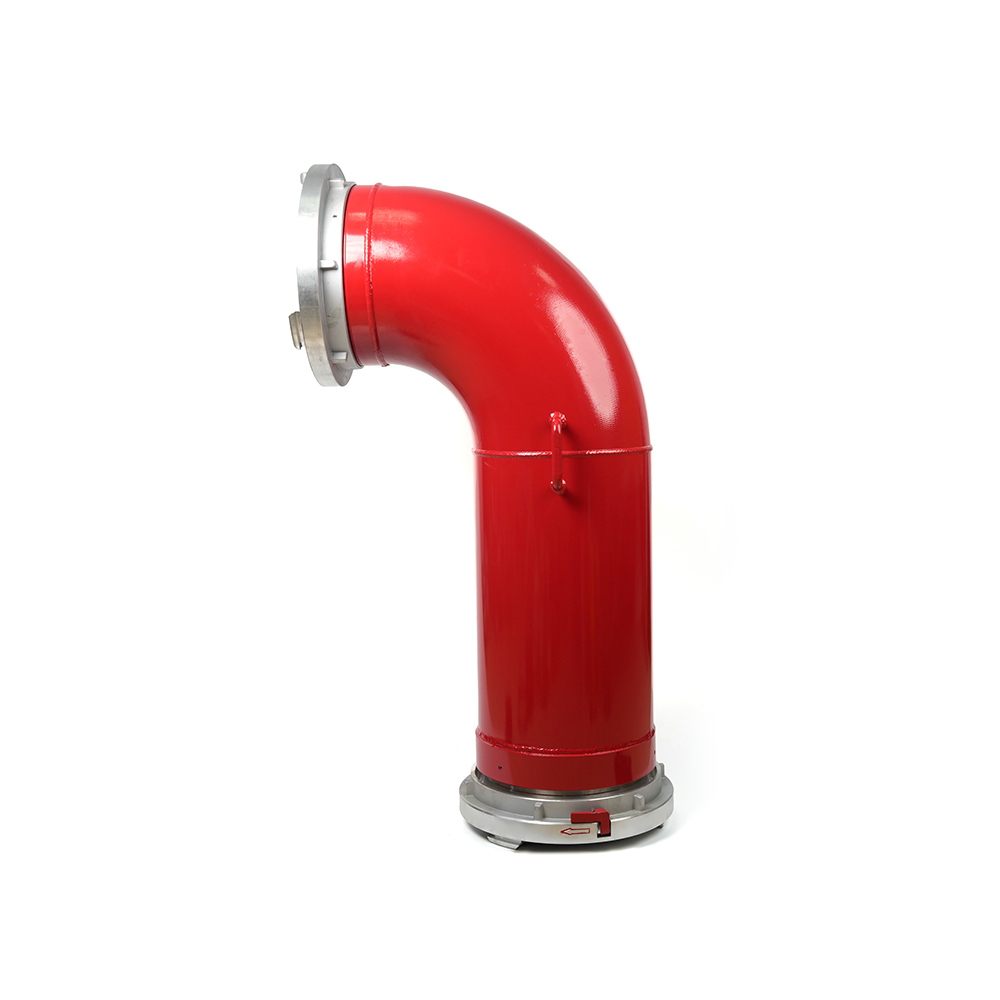 Grooved Fire Elbow-Storz
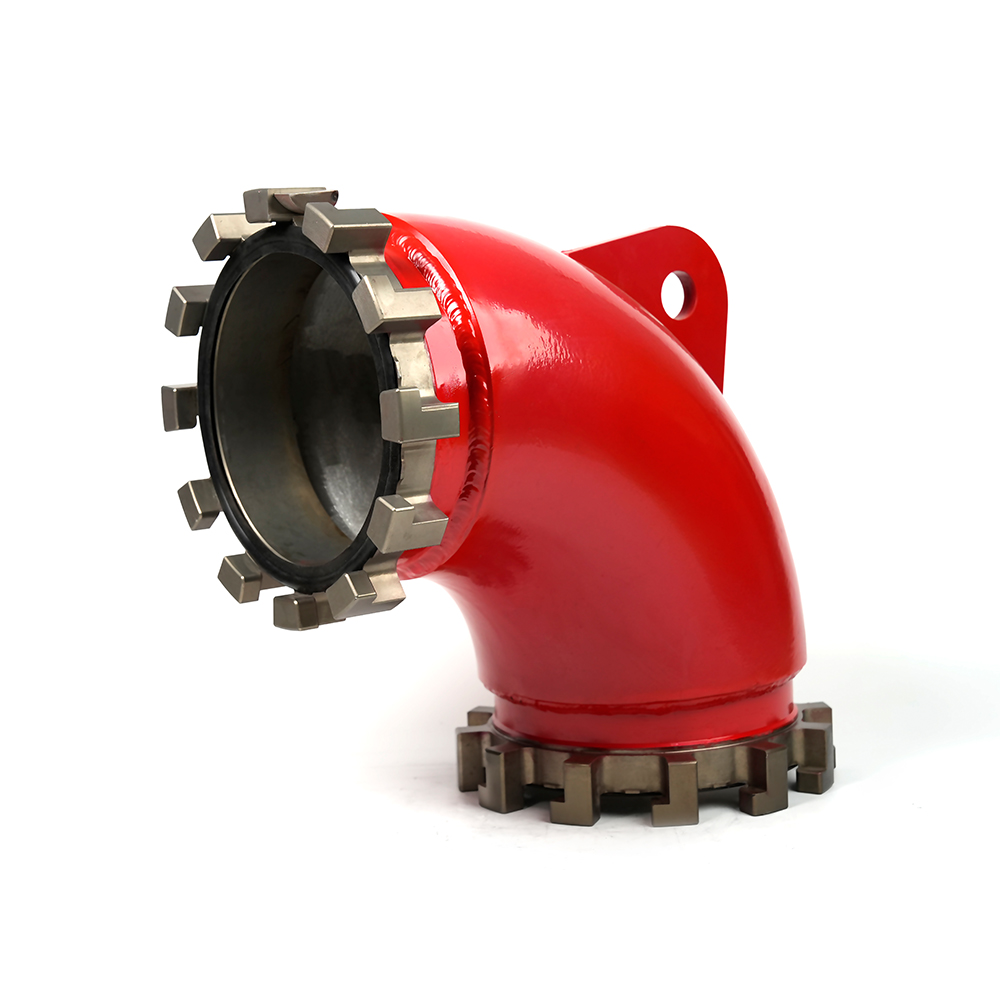 Grooved Fire Elbow-Multi-tooth
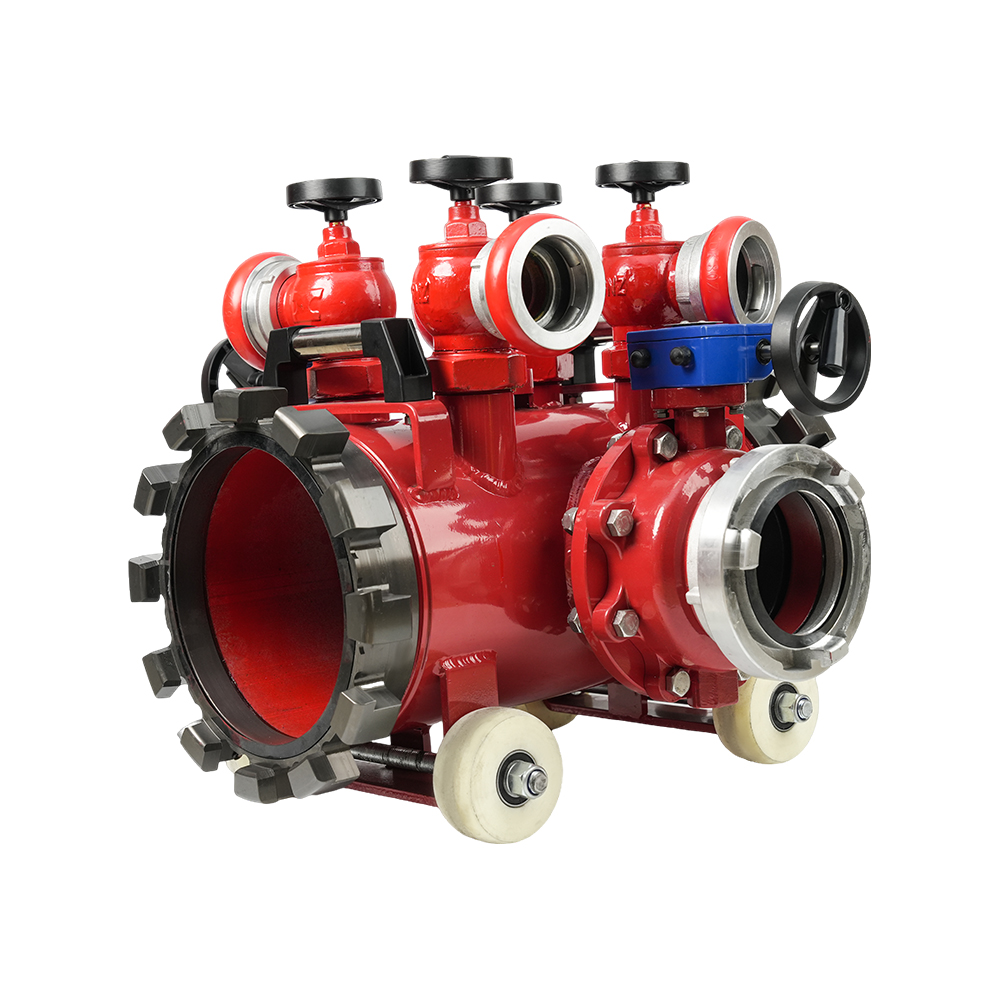 Multi-functional Fire Hose Distributor
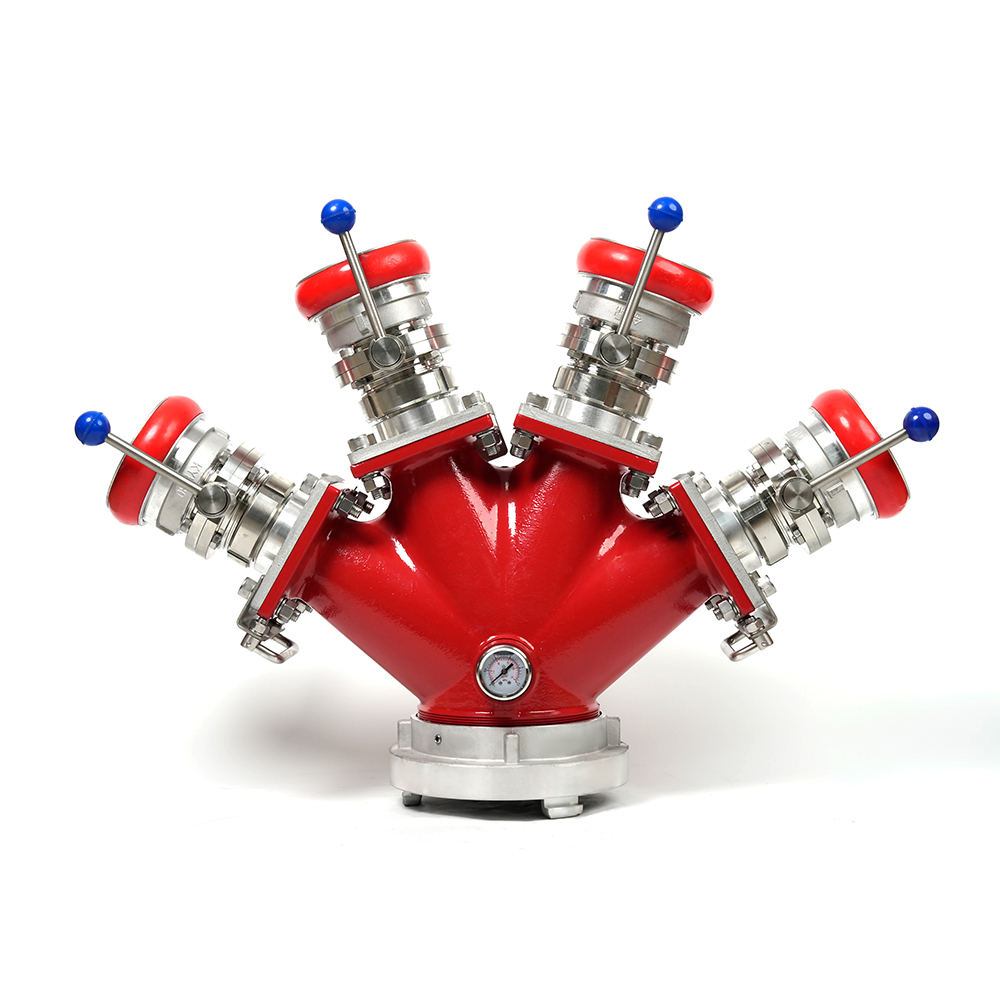 Locking Four-Way Fire Hose Distributor
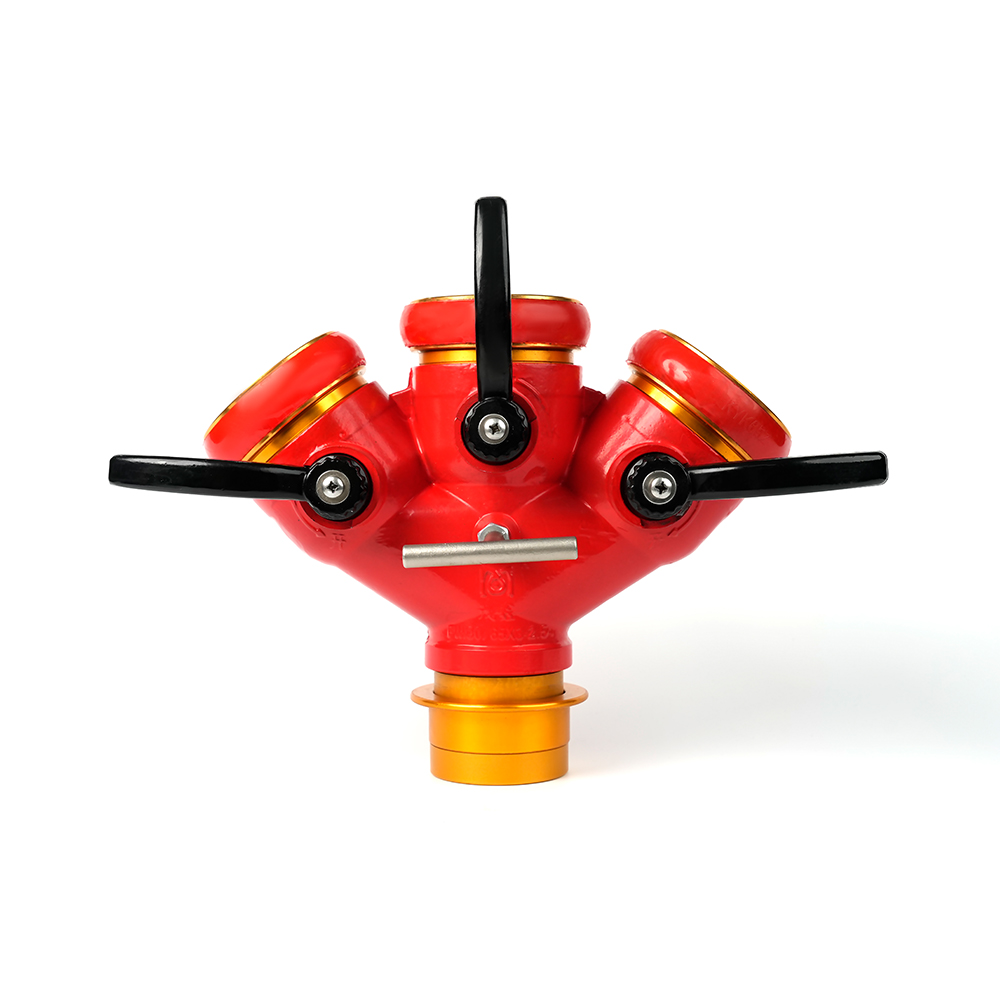 Locking Three-Way Fire Hose Distributor
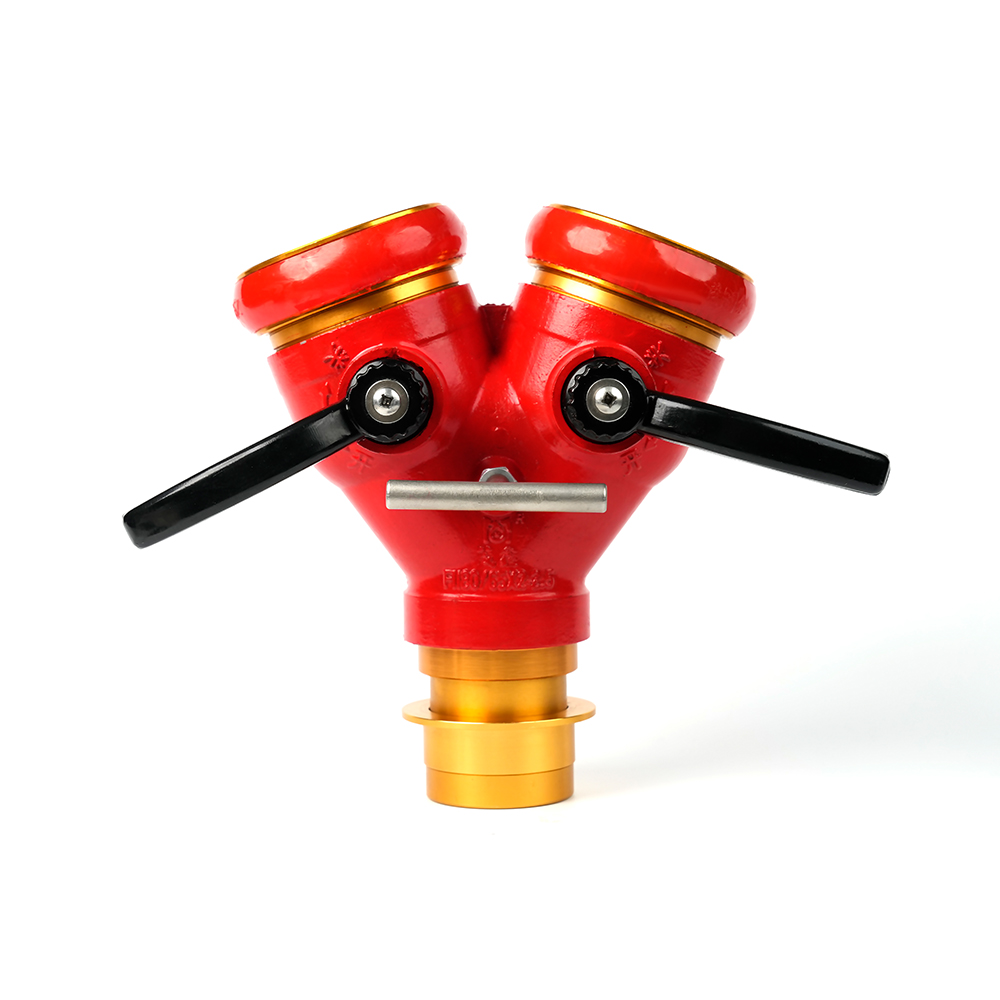 Locking Two-Way Fire Hose Distributor
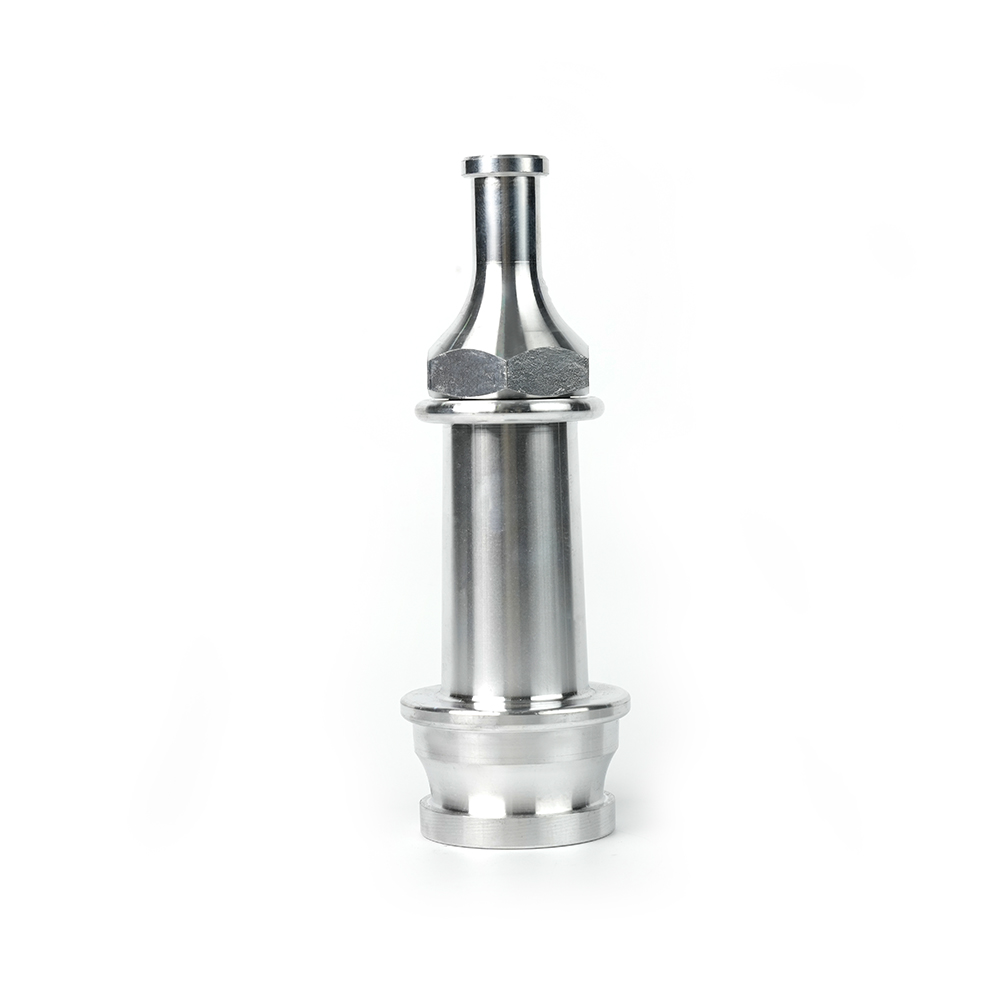 Straight Stream Nozzle
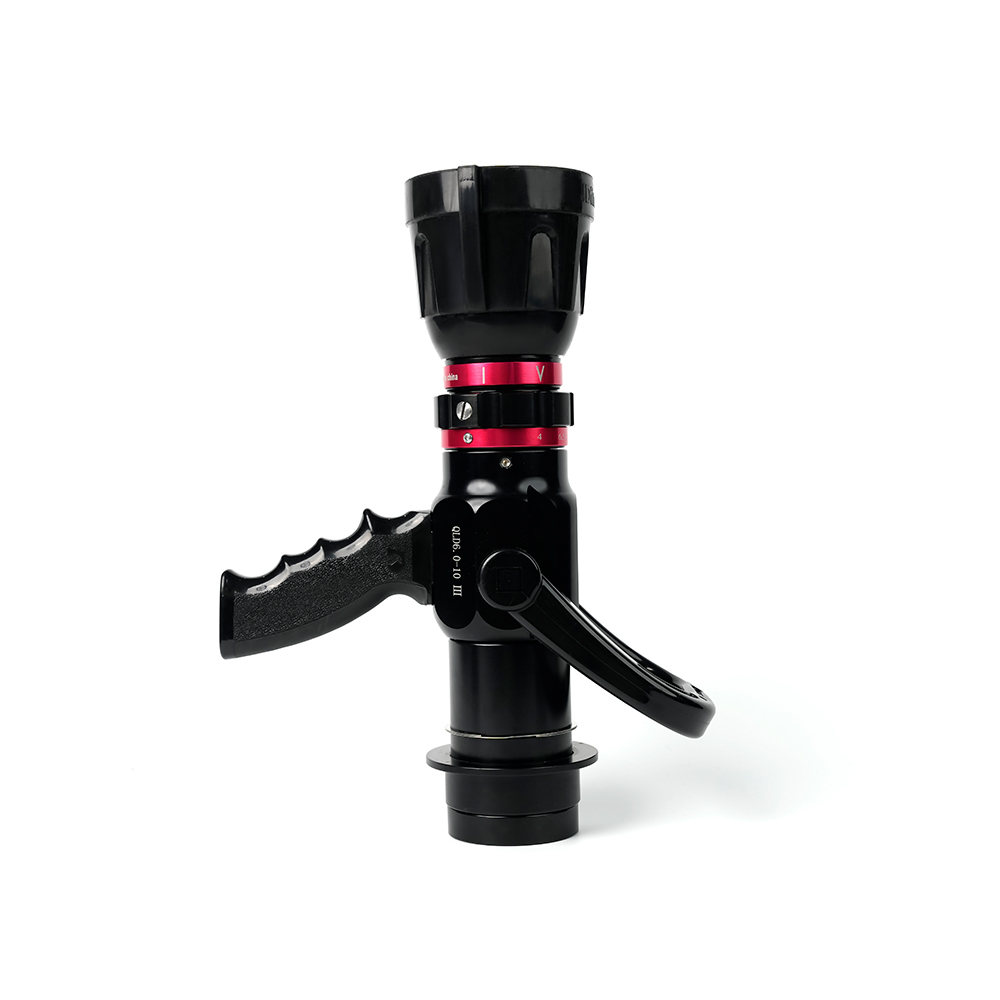 Adjustable nozzle-machino
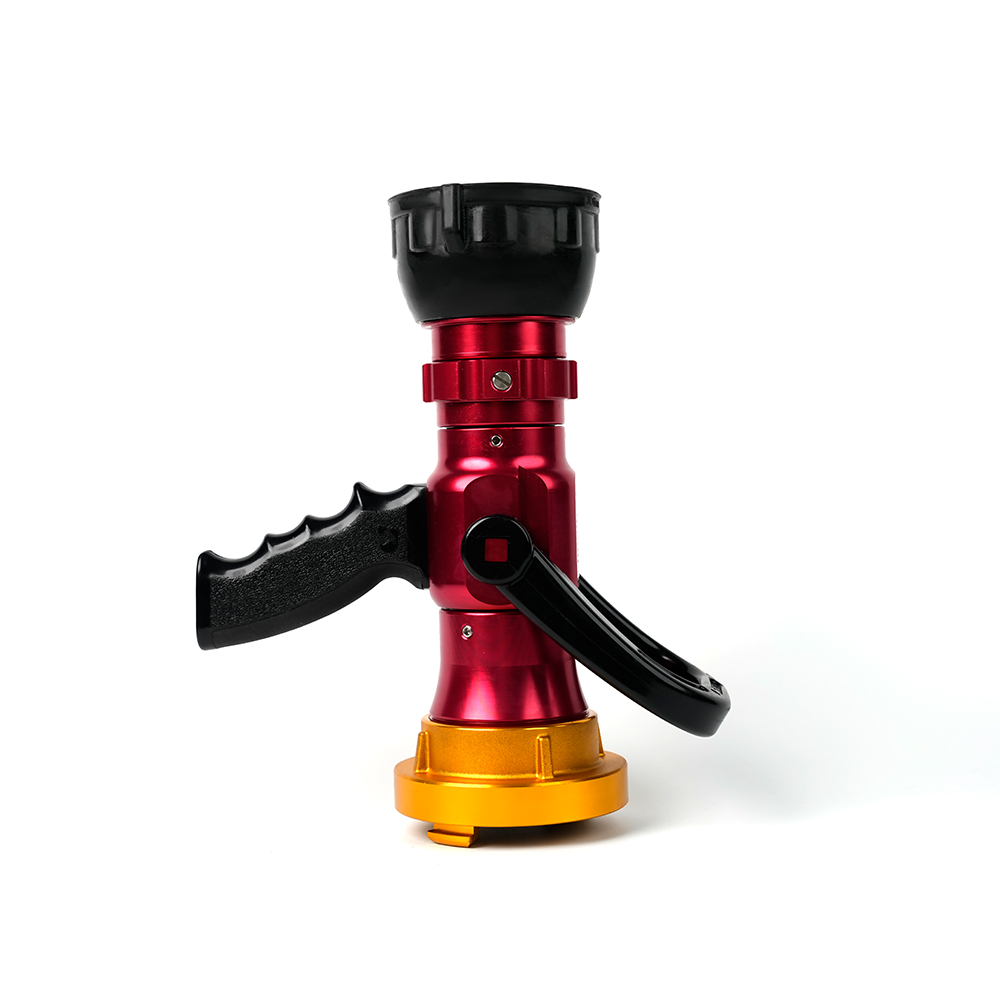 Adjustable nozzle-storz
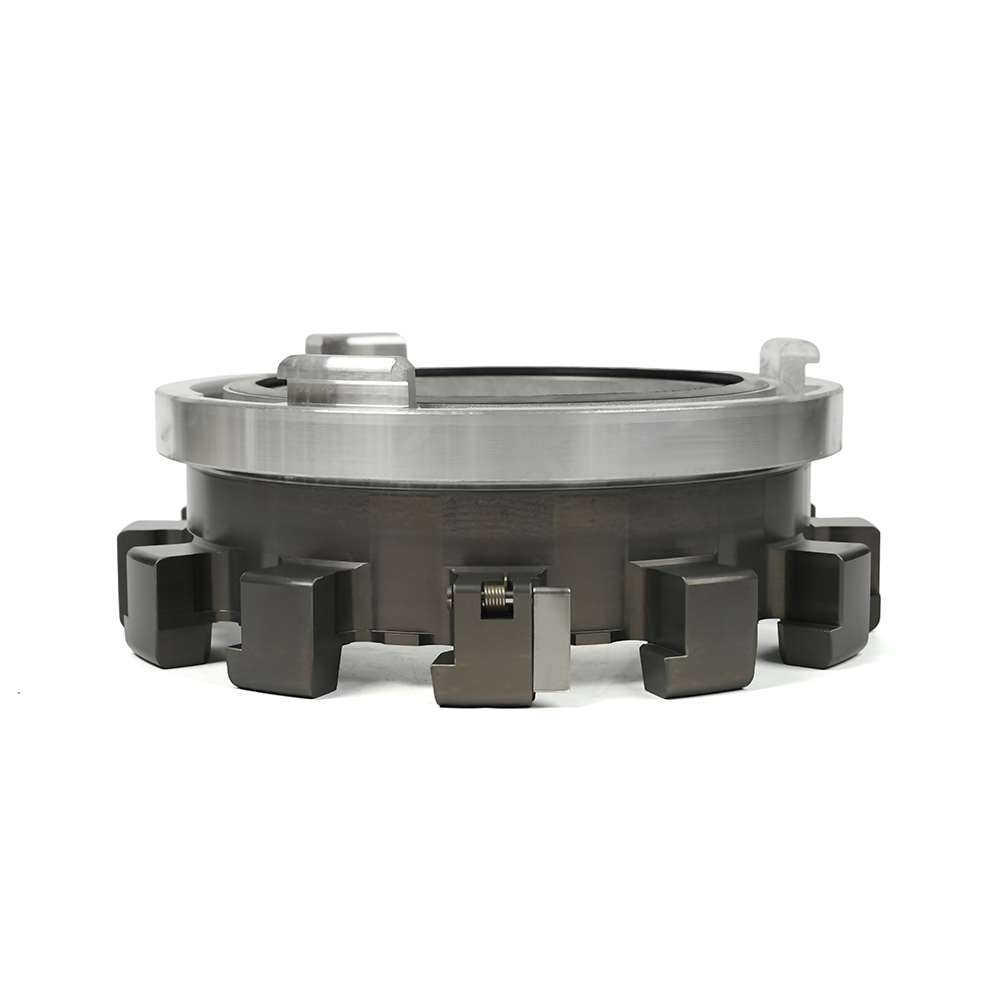 Storz Adapter Couplings - Multi-Tooth
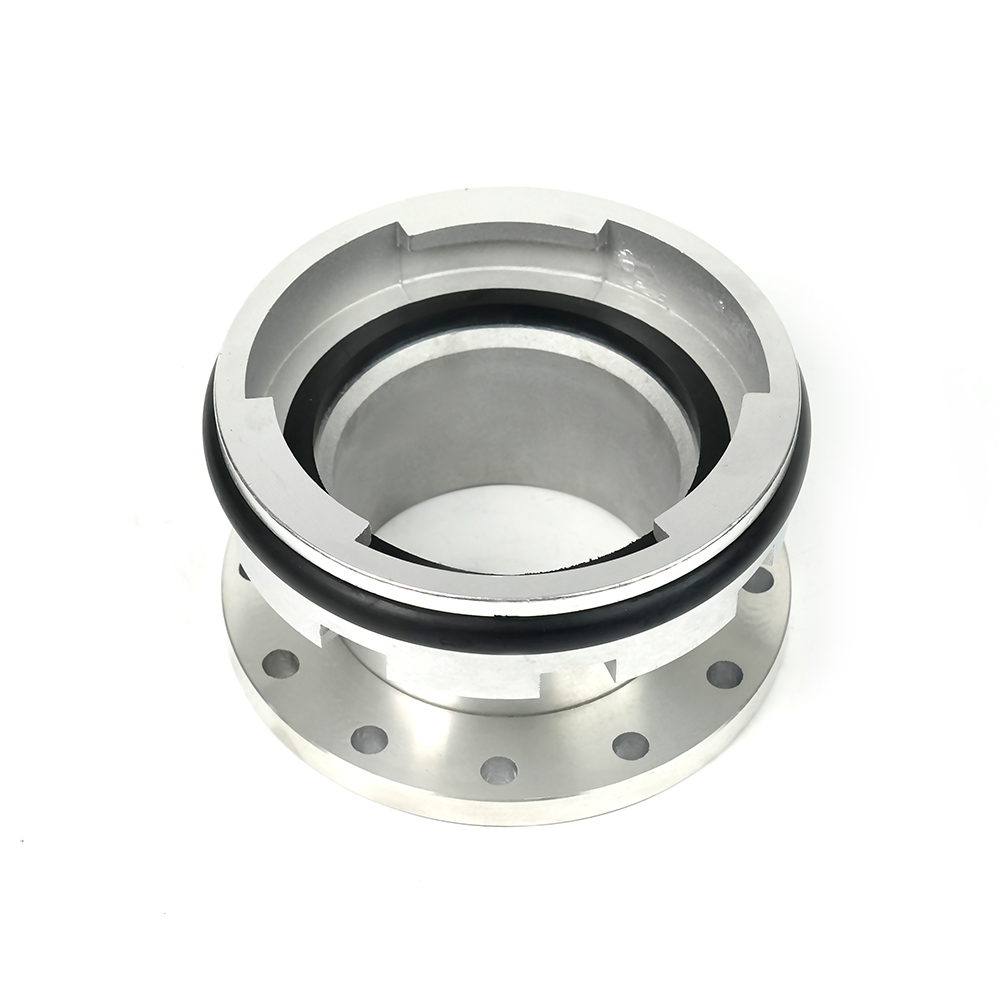 Machino Adapter Couplings – Flanged
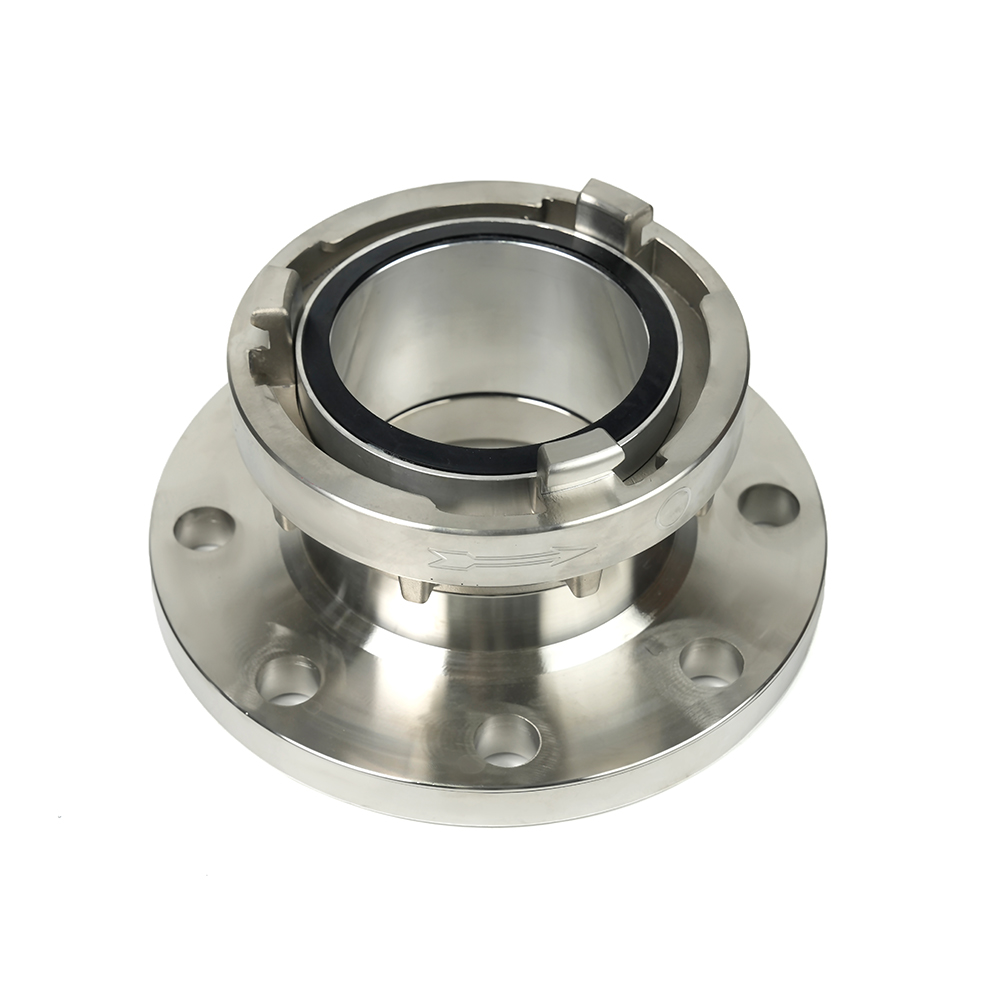 Storz Adapter Couplings – Flanged

 Contact Number
+86-0523-83274900
+86-151 9064 3365
 Let our team offer you customs solutions.
 Company Address
West side of Hongxing Middle Road, Lincheng Street, Development Zone, Xinghua City, Jiangsu Province, China
Copyright @Jiangsu Jinding Fire Protection Technology Co., Ltd. All rights reserved Fire Protection Equipments Manufacturers
