 英语
英语 西班牙语
西班牙语 德语
德语Industry News
Home / News / Industry News / What is the difference between threaded couplings and Storz Couplings?


+86-0523-83274900
+86-151 9064 3365
Content
The fundamental difference between threaded couplings and Storz Couplings lies in their connection mechanism and the speed at which they can be engaged or disengaged under operational conditions. Threaded couplings require rotational motion — turning one fitting relative to the other through multiple thread revolutions — to make a sealed connection, while Storz Couplings connect through a single 90-degree quarter-turn locking action that requires no thread engagement and no relative rotation of the hose bodies.
In fire suppression, emergency response, and industrial fluid transfer applications where seconds matter and operators may be working under physical stress, in darkness, or while wearing heavy gloves, this difference is operationally decisive. A Storz coupling can be engaged and locked in under two seconds by a single operator. A threaded coupling of equivalent bore size typically requires 10 to 30 seconds and both hands to apply adequate make-up torque for a reliable seal. (Source: NFPA 1963 Standard for Fire Hose Connections; DIN 14302 Storz coupling standard.)
The sections below examine every significant dimension of this comparison — mechanical design, sealing performance, material options, pressure ratings, applicable standards, and real-world operational context — to provide a complete technical and practical picture of when each coupling type is appropriate.
The mechanical design philosophy of threaded couplings and Storz Couplings is fundamentally different, and understanding each design clarifies why they perform differently under field conditions.
Threaded couplings consist of a male threaded nipple (external thread) and a female threaded swivel (internal thread), where the swivel rotates freely on the hose tail to allow thread engagement without twisting the hose body. Connection is made by aligning the male and female threads, then rotating the female swivel clockwise through the full thread engagement — typically 3 to 5 complete revolutions for standard fire hose thread pitches — until the coupling shoulder seats against the male nipple shoulder and a positive stop is reached.
Thread profiles used in fire and industrial hose couplings include National Hose (NH) thread — the dominant standard in North America per NFPA 1963 — and BSP (British Standard Pipe) thread widely used in UK and Commonwealth markets, and various national standards across European countries. The thread angle, pitch, and crest geometry vary between standards, making cross-standard threaded coupling engagement either impossible or unreliable without adapters.
The sealing surface in a threaded coupling is typically provided by a rubber gasket compressed between the face of the male nipple and the internal seat of the female swivel as the thread is made up. A worn or missing gasket, or insufficient make-up torque, produces a leaking connection even when the threads are fully engaged.
Storz Couplings operate on a fundamentally different principle: symmetric interlocking lugs and a quarter-turn twist-lock mechanism. Both halves of a Storz coupling are identical — there is no male or female end — which means any Storz coupling of the same nominal size connects to any other coupling of the same size, regardless of which end is the supply and which is the hose. This symmetry is the most operationally significant design feature of the Storz system.
Each Storz coupling half has two opposing interlocking lugs on its face. When two halves are brought together face-to-face with their lugs aligned (the "open" position), they can be mated with a straight push. Rotating either half approximately 90 degrees (a quarter turn) moves the lugs into the locked position behind the opposing coupling's lug shoulders, creating a positive mechanical lock that resists axial separation under pressure. A flat rubber gasket is compressed between the two mating faces during the locking rotation, providing the primary seal.
The Storz system was invented by Carl August Guido Storz in Germany and first patented in 1882. It has since been adopted as the international standard for fire hose connections in the majority of European countries, and is regulated by DIN 14302 in Germany, EN 1947 across the European Union, and adopted by numerous national standards bodies worldwide. (Source: DIN 14302:2017 Fire fighting equipment — Storz-couplings; EN 1947:2003 Fire service hose coupling.)
A properly made threaded coupling is inherently self-retaining — the mechanical engagement of threads under the internal pressure load generates a friction force that prevents the coupling from unscrewing under normal operating pressure. However, this retention relies on adequate initial make-up torque. Under-tightened threaded connections can unscrew under vibration, pressure surge, or hose movement.
A Storz coupling in the locked position is retained by the mechanical interference of the lugs against the opposing coupling shoulders. This locking is independent of assembly torque and remains reliable even if the connection was made quickly under pressure. Most Storz couplings also incorporate a safety locking pin or spring clip that drops into a detent in the locked position, preventing the quarter-turn release motion unless the pin is deliberately depressed — providing an additional layer of retention security against accidental disconnection during fire suppression operations where hose whipping and pressure surges are common.
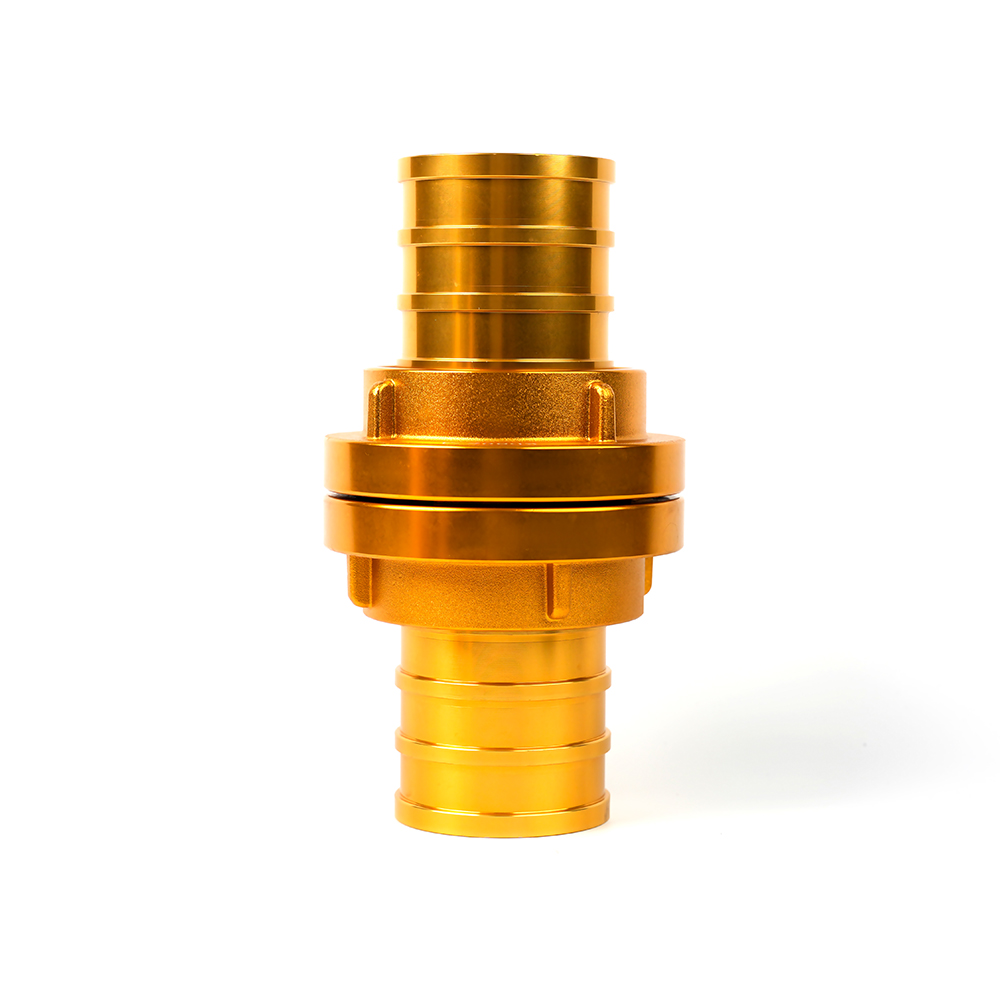
The connection speed difference between threaded couplings and Storz Couplings is not merely convenient — in fire suppression and emergency response contexts, it has direct implications for incident outcomes.
Standardized fire service training exercises and time-motion studies across European fire services document the following typical connection times for 75 mm nominal bore couplings:
(Source: Fire Service Training and Evaluation data; CTIF International Technical Committee on Fire Service Equipment documentation.)
Over a large-scale firefighting operation requiring the connection of a 500-meter supply line with connections every 20 meters — a scenario requiring 25 individual hose connections — the total time saving of using Storz couplings rather than threaded connections can exceed 5 minutes. In a structure fire, 5 minutes is an interval that fundamentally changes fire suppression outcomes.
Storz Couplings can be reliably connected and locked by a single operator in a single motion. For large-bore threaded couplings (100 mm and above), sufficient make-up torque to compress the face gasket and prevent leakage under pressure may require two operators — one to hold the male nipple steady and one to rotate the female swivel. In confined spaces, narrow corridors, or roof environments where firefighters are working individually, this two-person requirement for threaded large-bore couplings creates a practical limitation that Storz Couplings do not have.
A frequently overlooked operational advantage of Storz Couplings is the elimination of the "male-female polarity" problem of threaded systems. In a threaded coupling system, every hose has a male end and a female end. Joining two male ends or two female ends requires an additional adapter. In a large-scale operation where multiple hose lines are being deployed rapidly, the risk of arriving at a connection point with two male ends (or two female ends) is real and requires carrying adapter stock in every apparatus.
Storz Couplings eliminate this problem entirely — any end connects to any other end of the same nominal size. This gender-neutral symmetry simplifies hose management, reduces adapter inventory, and eliminates a class of operational errors that are otherwise possible with threaded coupling systems.
Both threaded couplings and Storz Couplings are capable of producing reliable, leak-free connections at the operating pressures used in fire suppression and industrial fluid transfer. However, they achieve this sealing by different mechanisms, with different sensitivity to operating conditions and gasket condition.
The Storz coupling seal is provided by a flat rubber gasket — typically Natural Rubber (NR), Nitrile Butadiene Rubber (NBR), or Ethylene Propylene Diene Monomer (EPDM) depending on the fluid application — compressed between the two flat mating faces when the coupling is rotated to the locked position. The gasket is retained in a groove on one face of the coupling and is replaced independently of the coupling body when worn.
Standard Storz Couplings per DIN 14302 and EN 1947 are rated for the following pressure parameters:
(Source: EN 1947:2003 Hoses and hose assemblies for fire fighting equipment — Storz couplings; DIN 14302:2017.)
Threaded fire hose couplings are typically rated to equivalent or higher pressures than standard Storz couplings, as the thread engagement provides an additional mechanical resistance to pressure-induced axial separation. NFPA 1963 compliant NH threaded couplings are tested to a hydrostatic pressure of 800 psi (55 bar), significantly above the operating pressures encountered in most fire service and industrial applications.
The sealing reliability of a threaded coupling at a given pressure is more sensitive to assembly quality than a Storz coupling. A Storz coupling rotated to the fully locked position consistently compresses the gasket to the design compression regardless of operator technique. A threaded coupling requires sufficient applied torque to compress the face gasket adequately — insufficient torque results in the gasket being under-compressed and the sealed interface leaking at operating pressure, even though the coupling appears assembled.
Both coupling types depend on a rubber gasket for their primary seal, and gasket material selection is critical for fluid compatibility:
| Gasket Material | Compatible Fluids | Temperature Range | Typical Application |
| Natural Rubber (NR) | Water, aqueous foam solutions | -20 to +80 degrees C | Standard fire hose couplings |
| NBR (Nitrile) | Water, oil, fuel, hydraulic fluids | -30 to +100 degrees C | Industrial fluid transfer, petroleum applications |
| EPDM | Water, steam, dilute acids/alkalis | -40 to +150 degrees C | Hot water systems, chemical plant fire suppression |
| Silicone | Water, steam, food-grade fluids | -60 to +200 degrees C | High-temperature applications, food processing fire suppression |
| FKM (Viton) | Aggressive chemicals, solvents, fuels | -20 to +200 degrees C | Chemical plant, aviation fuel handling |
Both coupling types are available in a range of materials, with the material selection determined by the application environment, required service life, budget, and weight considerations.
Aluminum alloy (typically EN AW-6082 or equivalent alloys) is the dominant material for both Storz Couplings and threaded fire hose couplings in modern fire service applications. The alloy provides an excellent combination of light weight, corrosion resistance, and sufficient mechanical strength for fire service pressures. Aluminum Storz Couplings typically weigh 30 to 50% less than equivalent brass couplings of the same nominal bore, which is operationally significant when firefighters are carrying multiple hose lengths over distances.
Aluminum Storz Couplings conform to DIN 14302 and EN 1947 requirements when manufactured from approved alloy grades with appropriate surface treatment (anodizing or chromate conversion coating) to resist the accelerated galvanic corrosion that occurs when bare aluminum contacts steel hose fittings, foam concentrate, or seawater in coastal applications.
Brass (typically CW614N or equivalent dezincification-resistant brass grades) offers superior corrosion resistance to aluminum in saline, chemical, and aggressive water supply environments. Brass Storz Couplings and threaded couplings are preferred in:
Brass couplings are heavier than aluminum equivalents — a 75 mm brass Storz coupling weighs approximately 850 to 1,100 grams compared to 350 to 500 grams for the aluminum equivalent — which limits their preference in mobile fire service applications where apparatus-carried hose weight affects operational agility.
Stainless steel (typically 316L for maximum corrosion resistance) Storz Couplings are specified for demanding industrial applications including offshore oil and gas platform fire systems, chemical processing plant deluge systems, and applications where couplings are exposed to highly aggressive chemical environments that would attack both aluminum and standard brass over time. Stainless steel Storz Couplings offer:
Glass-fiber reinforced thermoplastic Storz Couplings and threaded coupling bodies are available for applications requiring non-metallic, spark-free, or non-magnetic coupling systems. These are used in explosive atmosphere (ATEX) rated installations, military applications requiring reduced electromagnetic signature, and situations where metal coupling contact with energized electrical systems is a safety concern. Thermoplastic couplings offer weight savings of up to 60% versus aluminum at the cost of reduced mechanical impact resistance and lower maximum pressure rating.
Both Storz Couplings and threaded fire hose couplings are produced across a wide range of nominal bore sizes. The available size range and corresponding flow capacities are important parameters for system design.
| Nominal Size | Storz Coupling (DIN 14302) | Typical Flow Rate at 7 bar | Primary Application |
| 25 mm | Storz A (25) | ~150 l/min | Small diameter hose reels, portable systems |
| 33 mm | Storz B (33) | ~250 l/min | Medium-range attack hose lines |
| 52 mm | Storz C (52) | ~700 l/min | Standard attack hose; most widely used fire service size |
| 75 mm | Storz D (75) | ~1,500 l/min | Supply lines, relay pumping, hydrant connections |
| 100 mm | Storz E (100) | ~2,800 l/min | Large-diameter supply mains, tanker connections |
| 125 mm | Storz F (125) | ~4,500 l/min | Industrial fire systems, airport crash tenders |
| 150 mm | Storz G (150) | ~6,500 l/min | Large-scale industrial fire systems, suction connections |
The Storz C (52 mm) coupling is the most widely distributed fire service coupling size globally, used on the vast majority of European fire attack hose and increasingly specified in countries transitioning from threaded coupling standards. The Storz D (75 mm) is the standard size for large-diameter supply hose connections to hydrants and pumping appliances across Germany, Switzerland, Austria, and most Central European fire services.
The regulatory framework governing fire hose couplings varies significantly by country and application sector. Understanding the applicable standards is essential for specification compliance in construction projects, fire system installations, and equipment procurement.
The diversity of threaded coupling national standards is itself a significant operational limitation in international contexts. A European fire service responding to an incident at an industrial site supplied by North American NH-threaded hydrant connections cannot connect their Storz-equipped apparatus directly — requiring adapters that must be carried specifically for this purpose. Storz Couplings, while not universally standardized across all countries, have achieved a much higher degree of cross-border dimensional standardization through the adoption of DIN 14302 and EN 1947 across most European and many non-European markets. (Source: CTIF International Technical Committee on Operational Issues; NFPA 1963:2019 Standard for Fire Hose Connections.)
The long-term operational reliability of both coupling types depends on systematic inspection and maintenance programs. The maintenance requirements of Storz Couplings and threaded couplings differ significantly in the nature and frequency of checks required.
Regular inspection of Storz Couplings focuses on the following elements:
Threaded coupling inspection is more involved than Storz coupling inspection because the thread form is the primary engagement feature and thread damage directly compromises both coupling function and seal reliability:
Both coupling types, when manufactured from quality materials and maintained to recommended schedules, can achieve service lives of 15 to 25 years in active fire service use. The gasket requires the most frequent replacement — typically annually in active service or every 2 to 3 years in standby installation applications. Coupling body replacement is typically triggered by mechanical damage rather than wear-out, as the lug and thread forms of properly maintained couplings do not wear to failure under normal use frequency.
The following table provides a direct side-by-side summary of all major comparison parameters, enabling rapid assessment for specification and procurement decisions.
| Parameter | Storz Couplings | Threaded Couplings |
| Connection mechanism | Quarter-turn lug lock (90 degrees rotation) | Multi-revolution thread engagement (3 to 5 turns) |
| Connection time (75 mm, trained operator) | 1.5 to 3 seconds | 12 to 25 seconds |
| Gender symmetry | Symmetric — any end connects to any same-size end | Asymmetric — male and female ends are non-interchangeable |
| One-person connection (large bore) | Yes — all sizes connectable by single operator | Difficult for 100 mm and above; two operators preferred |
| Primary seal | Flat face gasket compressed on rotation | Face gasket compressed by thread make-up torque |
| Seal reliability at low torque | High — gasket compression determined by coupling geometry | Lower — gasket compression dependent on applied torque |
| Standard working pressure | 16 bar (EN 1947); up to 40 bar for industrial grades | Up to 55 bar (NFPA 1963 NH thread test pressure) |
| Materials available | Aluminum alloy, brass, stainless steel, thermoplastic | Aluminum alloy, brass, stainless steel, thermoplastic |
| Cross-border compatibility | High within DIN 14302 / EN 1947 zone (most of Europe and beyond) | Low — each country uses different thread standard |
| Primary standard | DIN 14302, EN 1947, ISO 19090 | NFPA 1963 (NH), BS 336 (UK), AS 2419.2 (Australia) |
| Maintenance complexity | Lower — gasket replacement; lug and pin inspection | Higher — thread inspection, swivel servicing, thread gauging |
| Best application | Fire service, emergency response, industrial rapid-connect applications | Permanent installations, North American markets, high-pressure specialist applications |
The choice between Storz Couplings and threaded couplings for a given application is determined by a combination of operational requirements, regulatory context, and system design parameters. The following guidance covers the most common decision scenarios.
Real-world fire and industrial systems frequently require connections between Storz-equipped hose and threaded connection points, or vice versa. Purpose-designed adapters bridge these incompatible systems, but their use introduces additional connection time, additional potential leak points, and an additional component that must be inspected and maintained.
Common adapter configurations include:
When specifying adapters, it is essential to confirm that the adapter's pressure rating matches or exceeds the working pressure of both connected systems, and that the adapter materials are compatible with both coupling body materials to avoid galvanic corrosion at dissimilar metal interfaces — for example, brass adapters should not be used with bare aluminum Storz coupling bodies in saline environments without an appropriate isolation sleeve or coating.
Our Storz Couplings are manufactured to DIN 14302 and EN 1947 dimensional and performance specifications, providing the connection speed, sealing reliability, and mechanical durability that fire service and industrial emergency response applications demand. The range covers all standard Storz nominal sizes from 25 mm through 150 mm in aluminum alloy, brass, and stainless steel body materials, with gasket options in natural rubber, NBR, EPDM, and silicone to match the fluid and temperature requirements of each specific application.
Key features of our Storz Coupling range include:
Whether the application is a municipal fire service hose fleet standardization project, a fixed fire suppression system for an industrial plant, an airport crash-tender equipped with large-bore supply systems, or an international humanitarian emergency response equipment package, our Storz Coupling range provides the certified, reliable connection system that operational safety requirements demand.
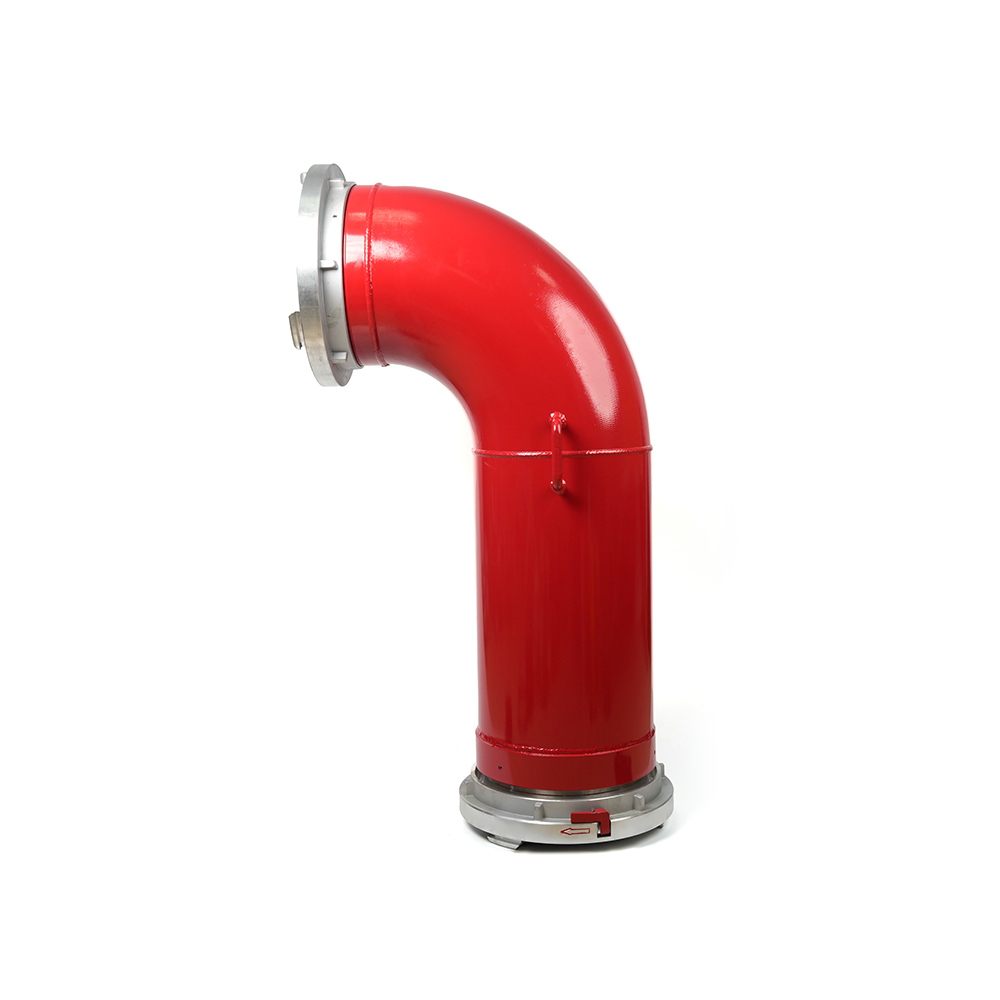 Grooved Fire Elbow-Storz
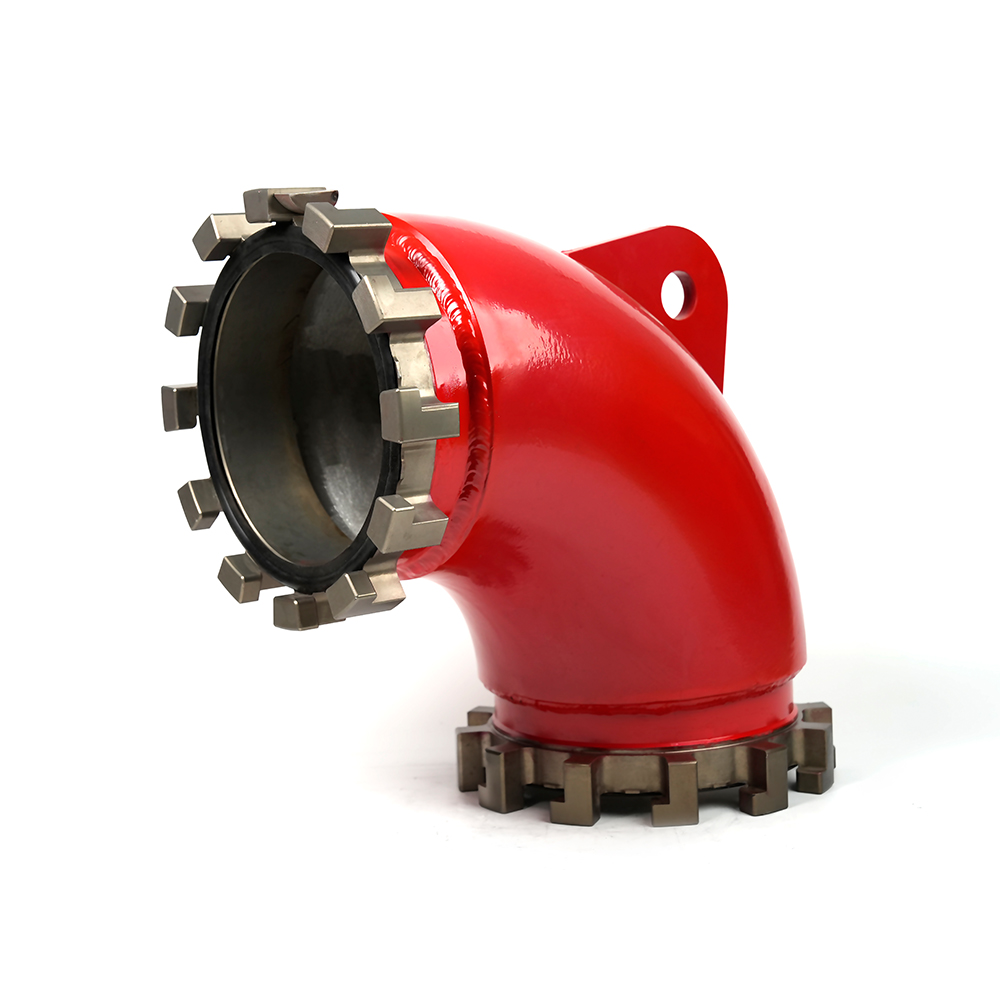 Grooved Fire Elbow-Multi-tooth
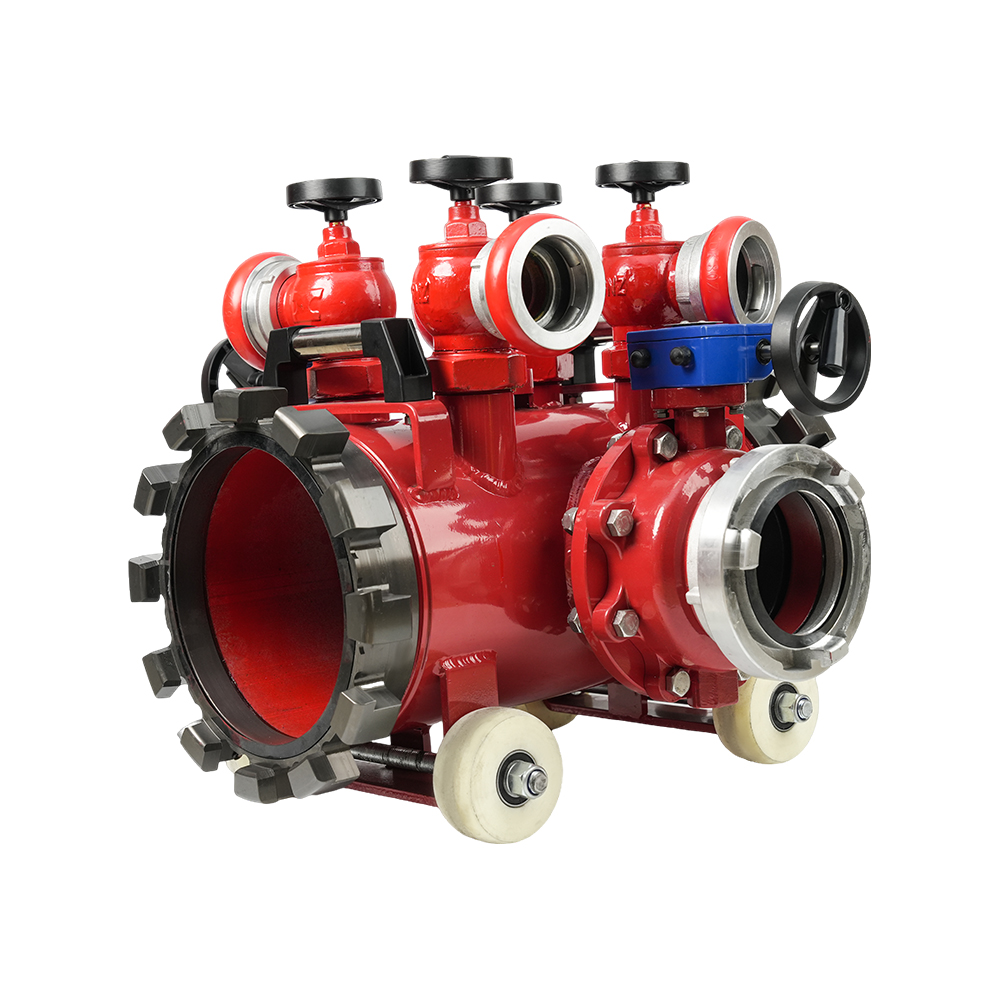 Multi-functional Fire Hose Distributor
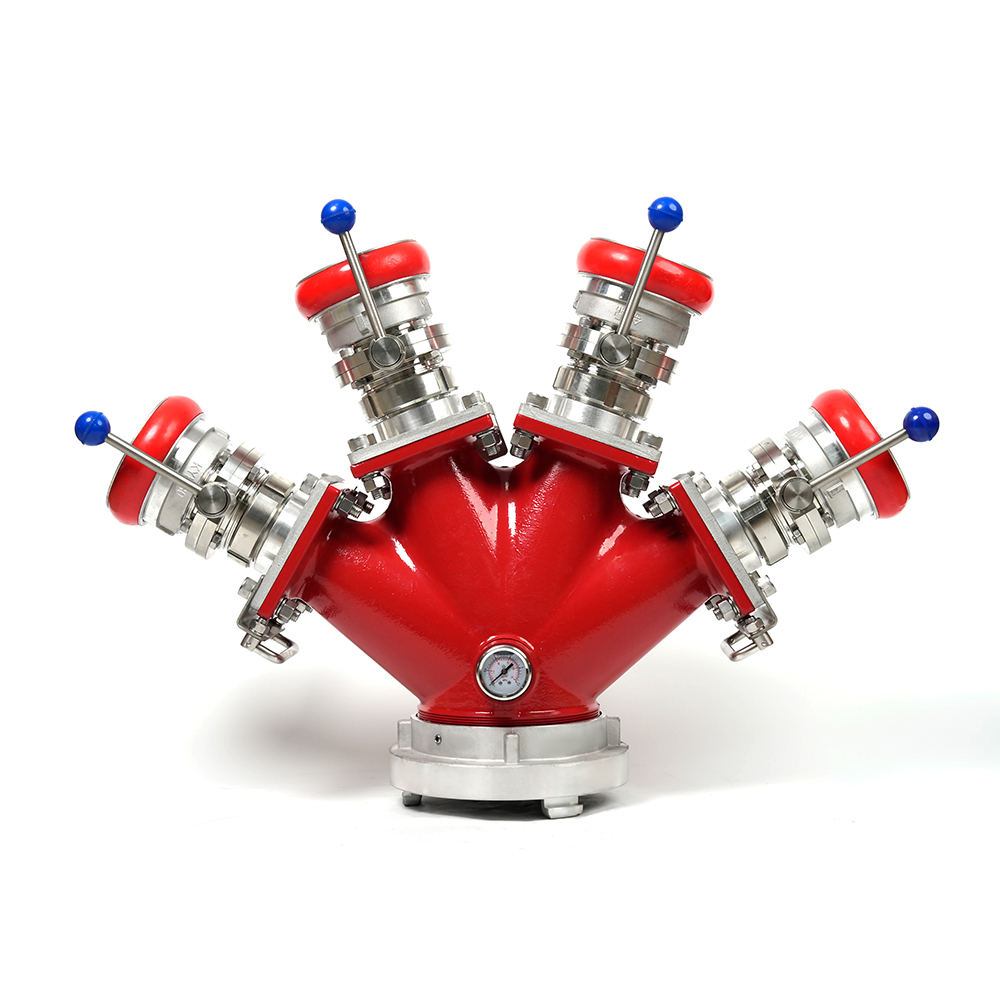 Locking Four-Way Fire Hose Distributor
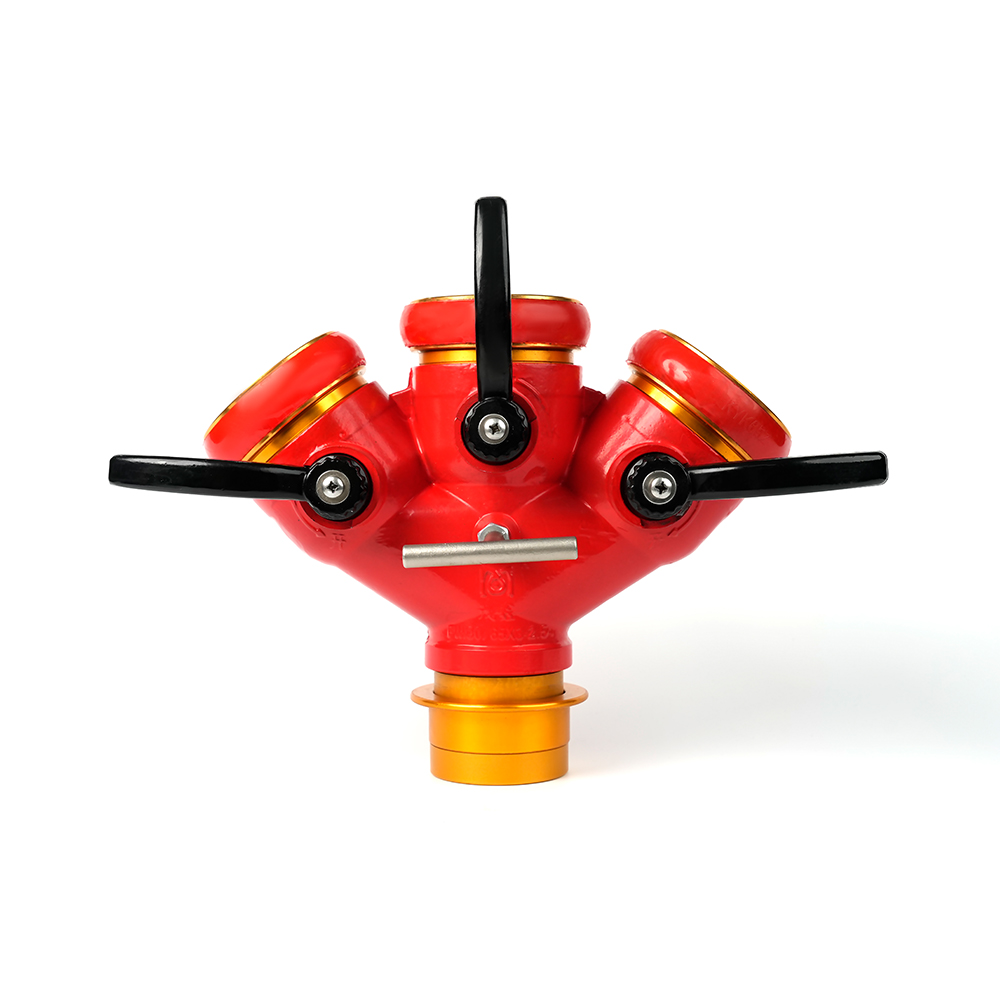 Locking Three-Way Fire Hose Distributor
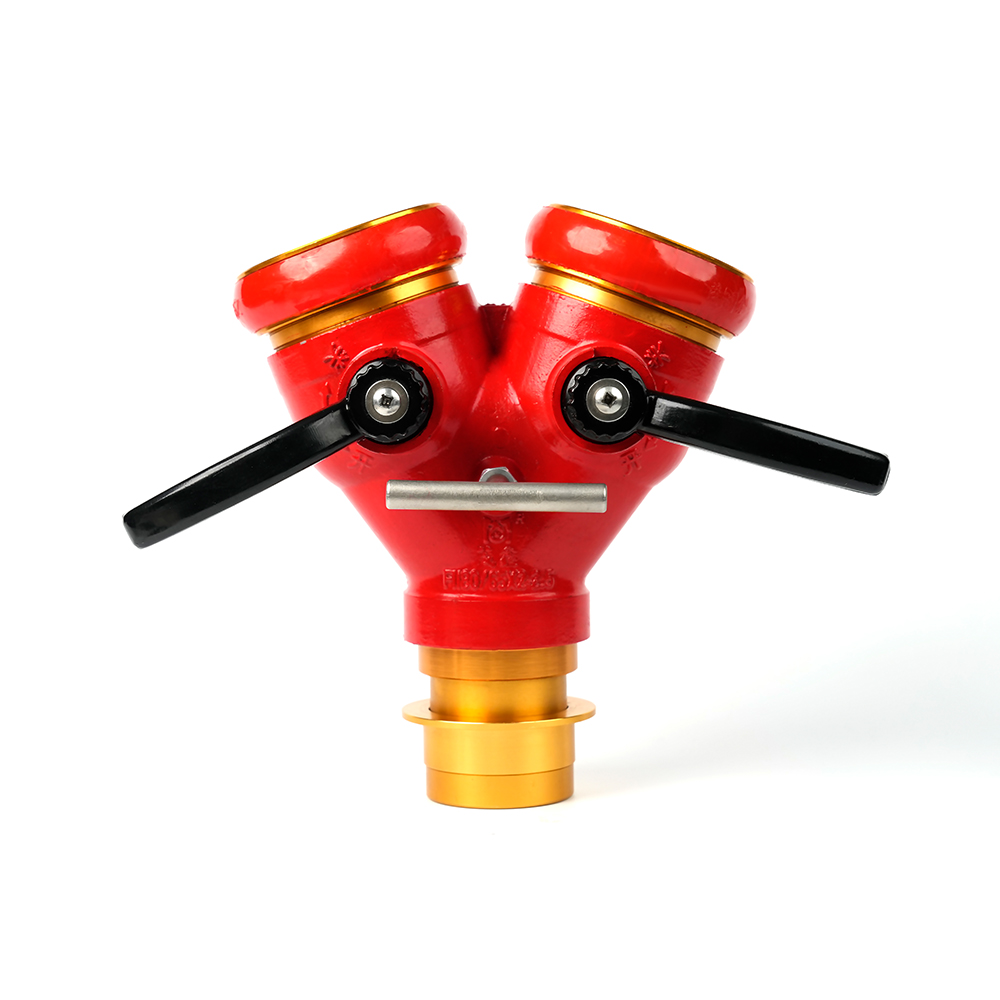 Locking Two-Way Fire Hose Distributor
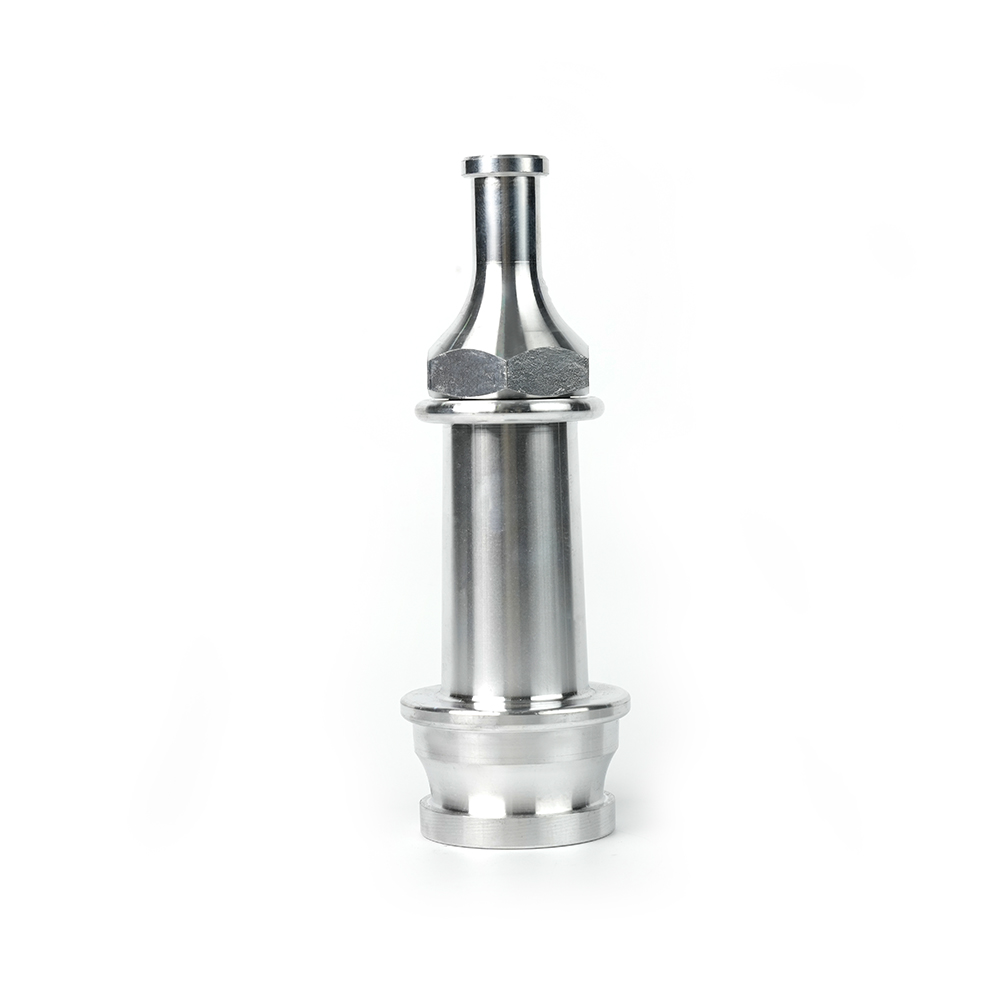 Straight Stream Nozzle
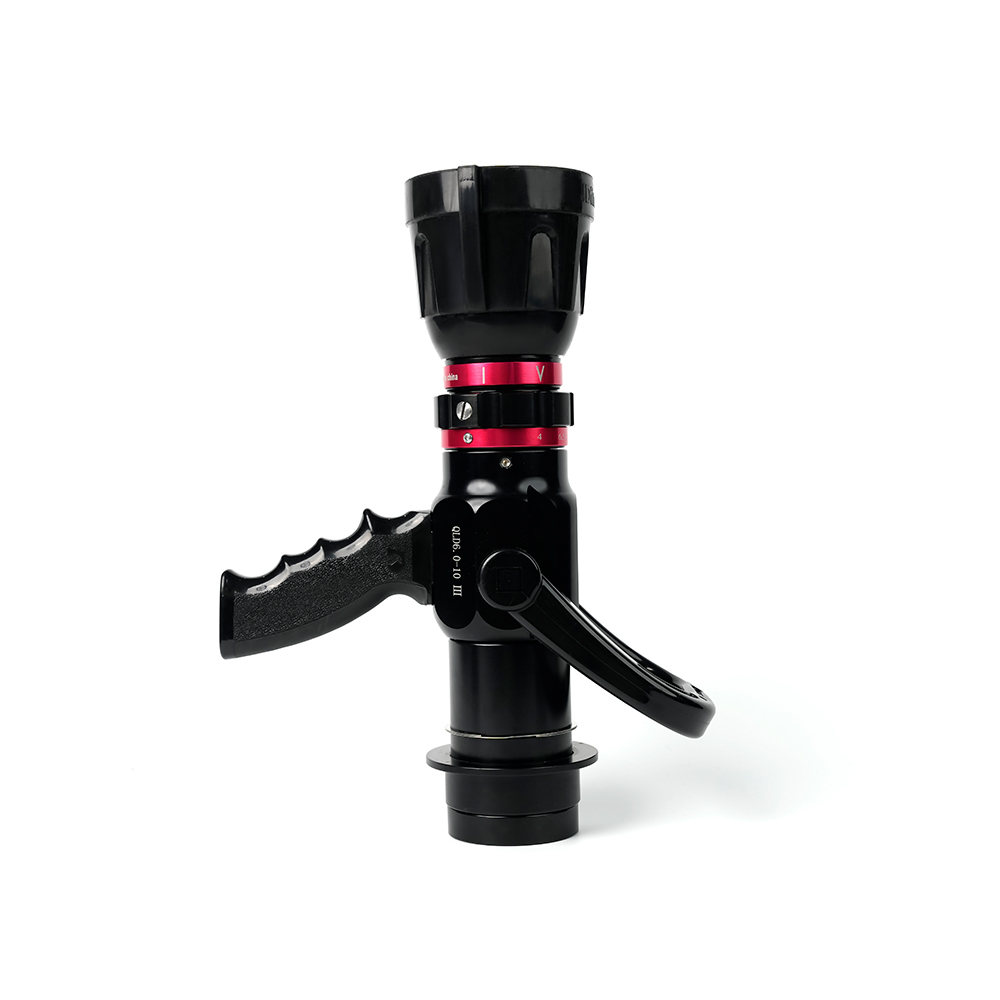 Adjustable nozzle-machino
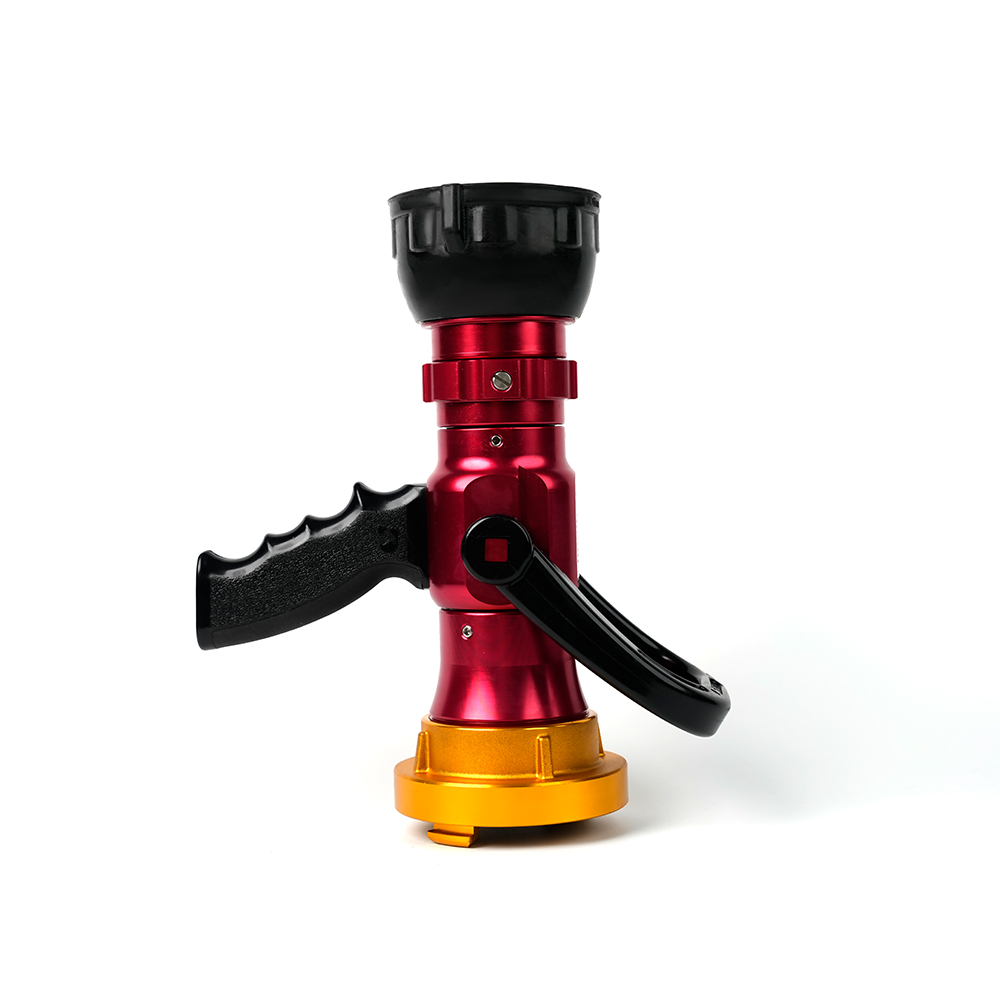 Adjustable nozzle-storz
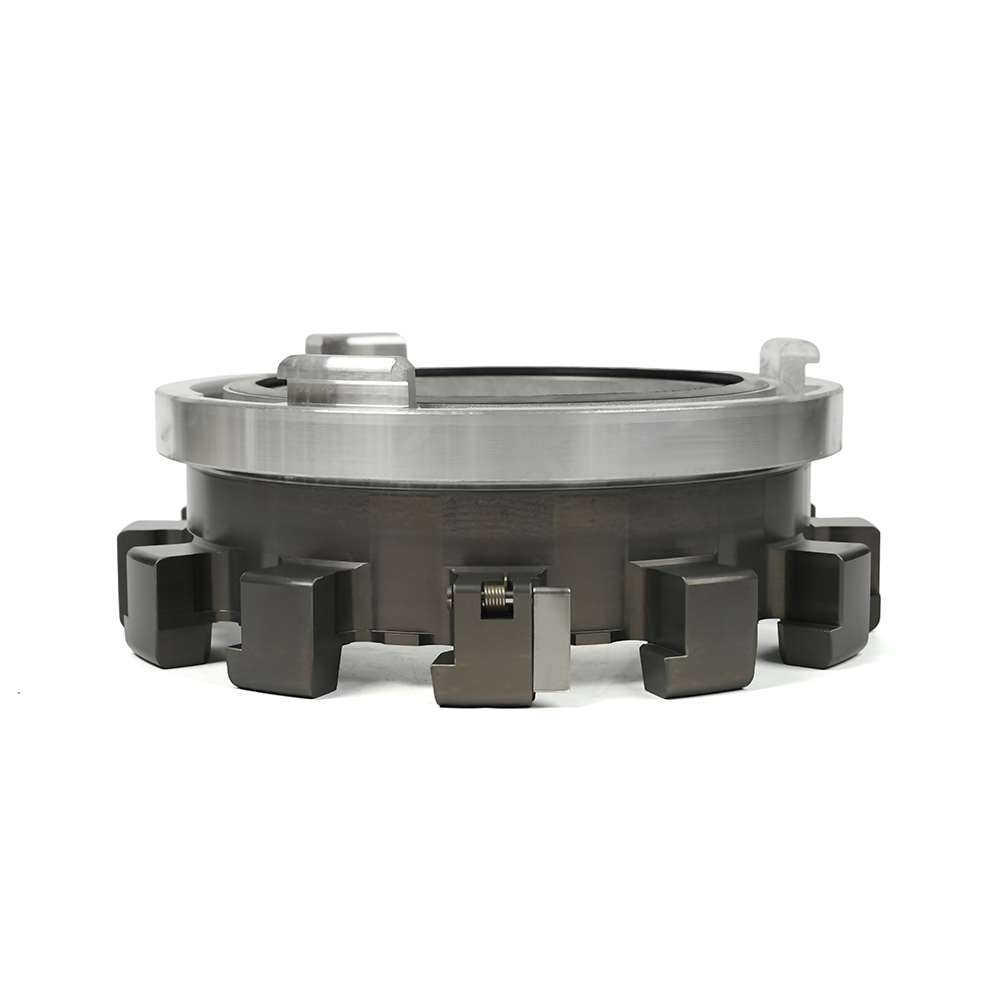 Storz Adapter Couplings - Multi-Tooth
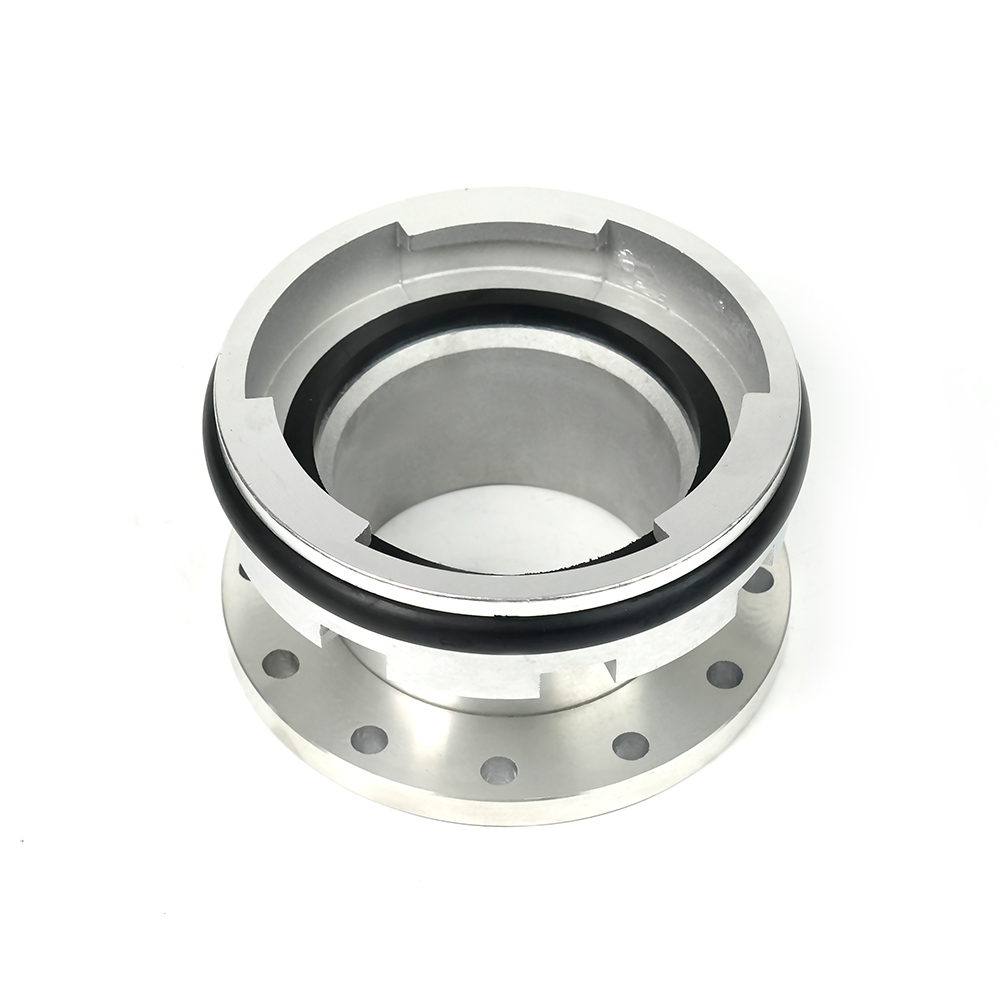 Machino Adapter Couplings – Flanged
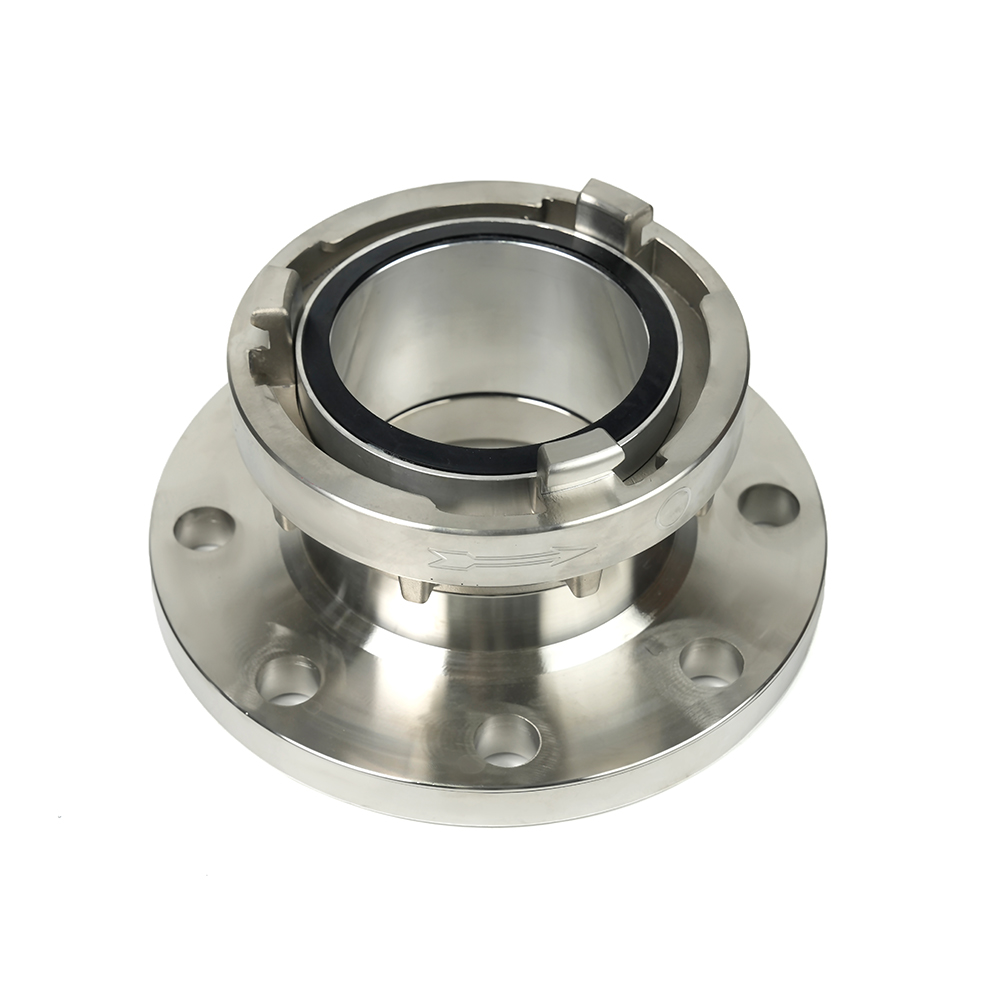 Storz Adapter Couplings – Flanged

 Contact Number
+86-0523-83274900
+86-151 9064 3365
 Let our team offer you customs solutions.
 Company Address
West side of Hongxing Middle Road, Lincheng Street, Development Zone, Xinghua City, Jiangsu Province, China
Copyright @Jiangsu Jinding Fire Protection Technology Co., Ltd. All rights reserved Fire Protection Equipments Manufacturers
