 英语
英语 西班牙语
西班牙语 德语
德语Industry News


GET IN TOUCH
+86-0523-83274900
+86-151 9064 3365
Content
In modern piping engineering, VIC Coupling (Vicley Grooved Connector) has become the preferred choice for fire protection, HVAC, and industrial piping networks due to its superior installation efficiency and reliable sealing performance. Compared to traditional welding or flange connections, the installation process of VIC Coupling is indeed very simple and quick. Because of its mechanically grooved design, installers do not need to perform hot work; the connection can be completed using only basic hardware tools. According to engineering data, using grooved fittings can reduce work time by approximately 50% to 70% compared to traditional welding methods, making it highly competitive in projects with tight deadlines.
VIC Coupling was designed to simplify on-site operations. Its core components include a pair of metal housings, a C-type rubber sealing ring, and two sets of high-strength bolt assemblies.
No complex pretreatment required: Before installing VIC Coupling, only a standard depth groove needs to be machined at the end of the pipe. This physical connection method eliminates the cumbersome beveling, preheating, and post-weld inspection steps required in welding.
Self-aligning function: The metal housing of the connector automatically snaps into the groove at the pipe end during tightening, ensuring automatic pipe alignment through the circumferential pressure of the housing. This means that even in dimly lit or confined spaces, ordinary technicians can accurately complete the installation.
To visually demonstrate the ease of installation of VIC Coupling, we can refer to the average time standard in the pipe installation industry.
Example of installation time: For a DN100 (4 inch) diameter steel pipe connection, an experienced welder typically needs 30 to 45 minutes to complete a weld (including preparation and cooling time). Installing a VIC Coupling system, from fitting the sealing ring to tightening the bolts, takes only 3 to 5 minutes.
Tool dependence: Welding requires large welding machines, gas cylinders, and specialized fireproof shielding materials. Installing VIC Coupling only requires a manual or electric torque wrench. This portability is particularly advantageous in construction wells or high-altitude work platforms where access to large equipment is impossible.
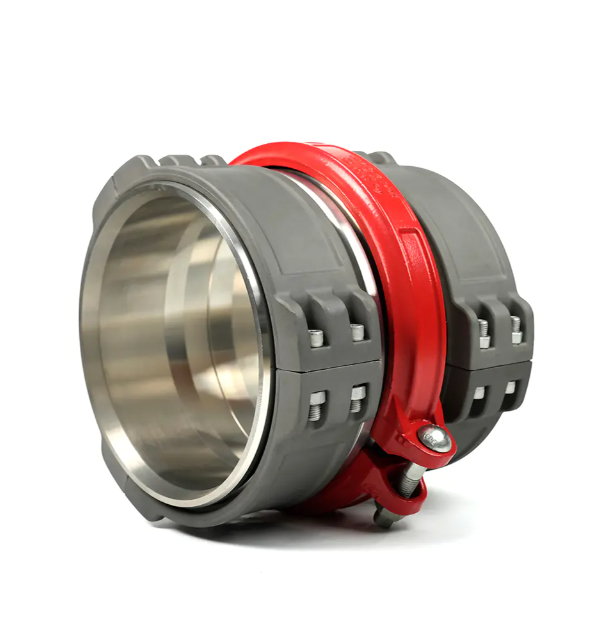
While VIC Coupling is easy to install, following standardized operating procedures is crucial to ensuring the system remains leak-free over the long term.
Sealing Lubrication: This is the most easily overlooked but most constructive step. Before inserting the rubber ring, a special lubricant must be applied to the sealing lip. This not only prevents wrinkles in the sealing ring during installation but also reduces friction, ensuring the housing is properly seated.
Bolt Tightening Standards: When installing VIC Coupling, tighten the bolts on both sides alternately until the metal housing achieves metal-to-metal contact.
Visual Inspection: After installation, quality inspectors can determine the installation's quality simply by visually inspecting whether the gaps in the connector housing are closed, without the need for ultrasonic or radiographic testing as required for welding.
In addition to its fast installation speed, VIC Coupling demonstrates exceptional adaptability to complex on-site conditions.
Angle Deviation Tolerance: Flexible VIC Coupling allows for a certain deflection angle (typically 1° to 3°) at the pipe connection. This significantly reduces the difficulty of secondary adjustments when dealing with foundation settlement or non-linear pipe layouts.
All-Weather Construction: Welding operations are greatly affected by weather conditions, making construction impossible in rain, snow, or strong winds. VIC Coupling, as a cold-work connection, is not limited by ambient humidity and temperature, maintaining normal installation progress even in extremely cold environments such as -30°C.
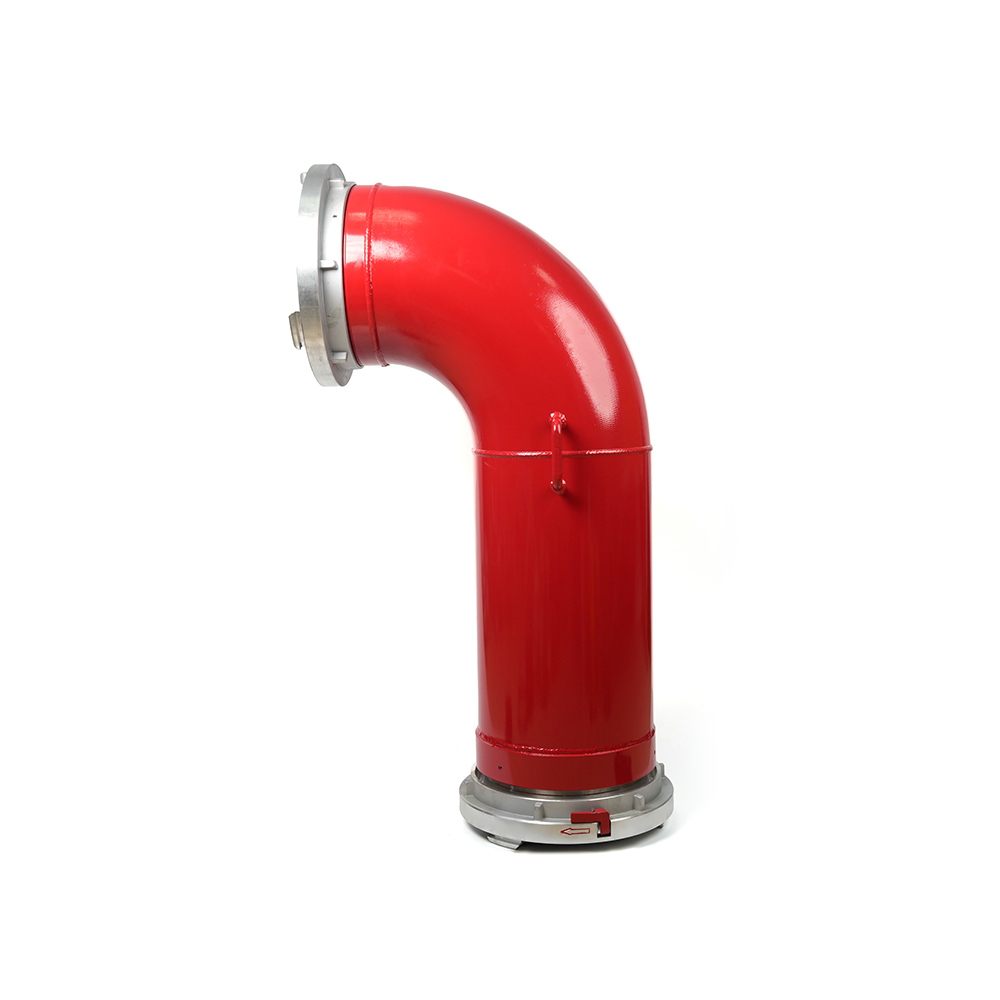 Grooved Fire Elbow-Storz
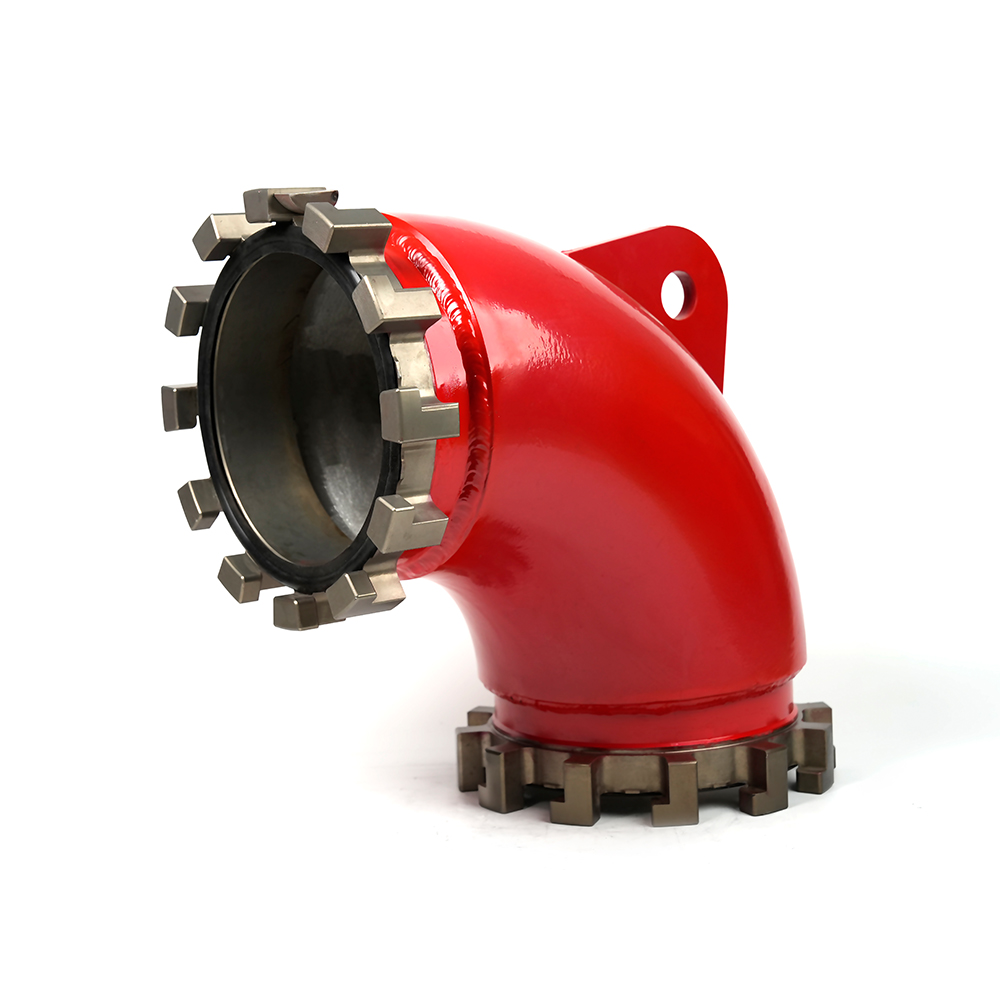 Grooved Fire Elbow-Multi-tooth
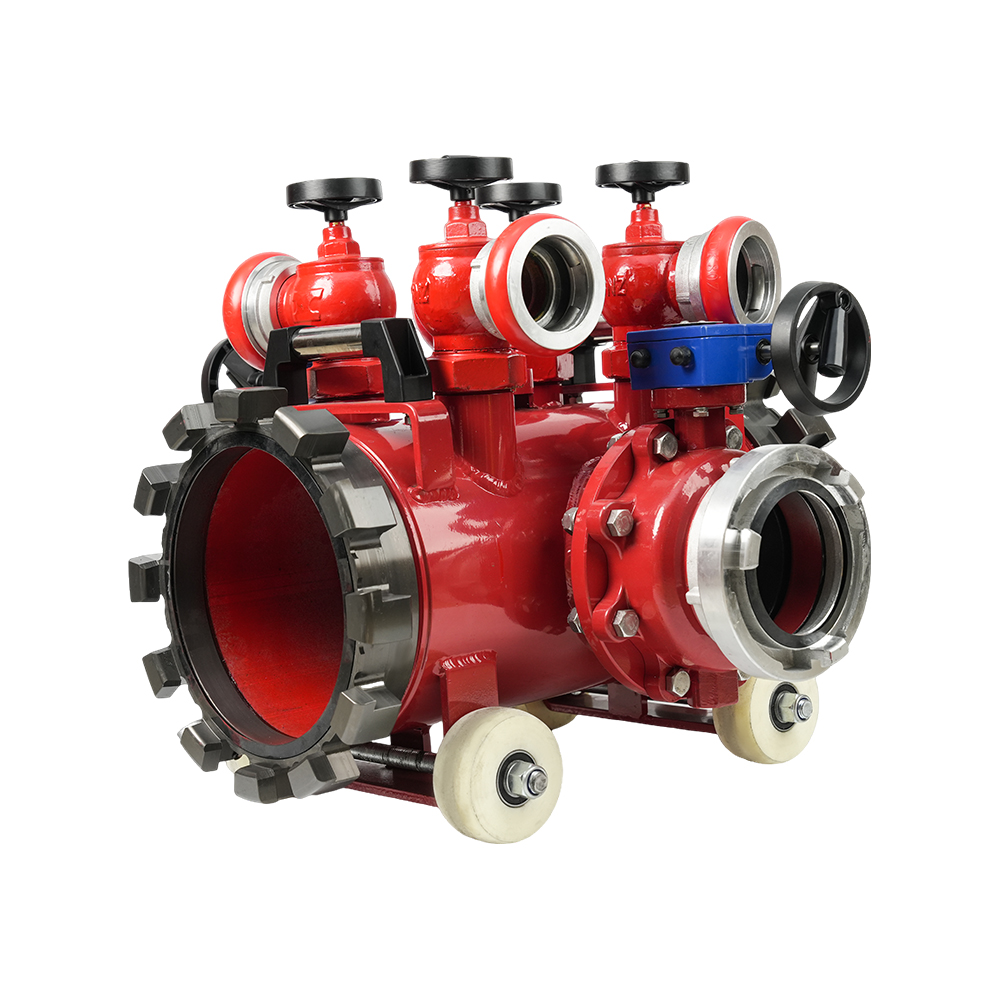 Multi-functional Fire Hose Distributor
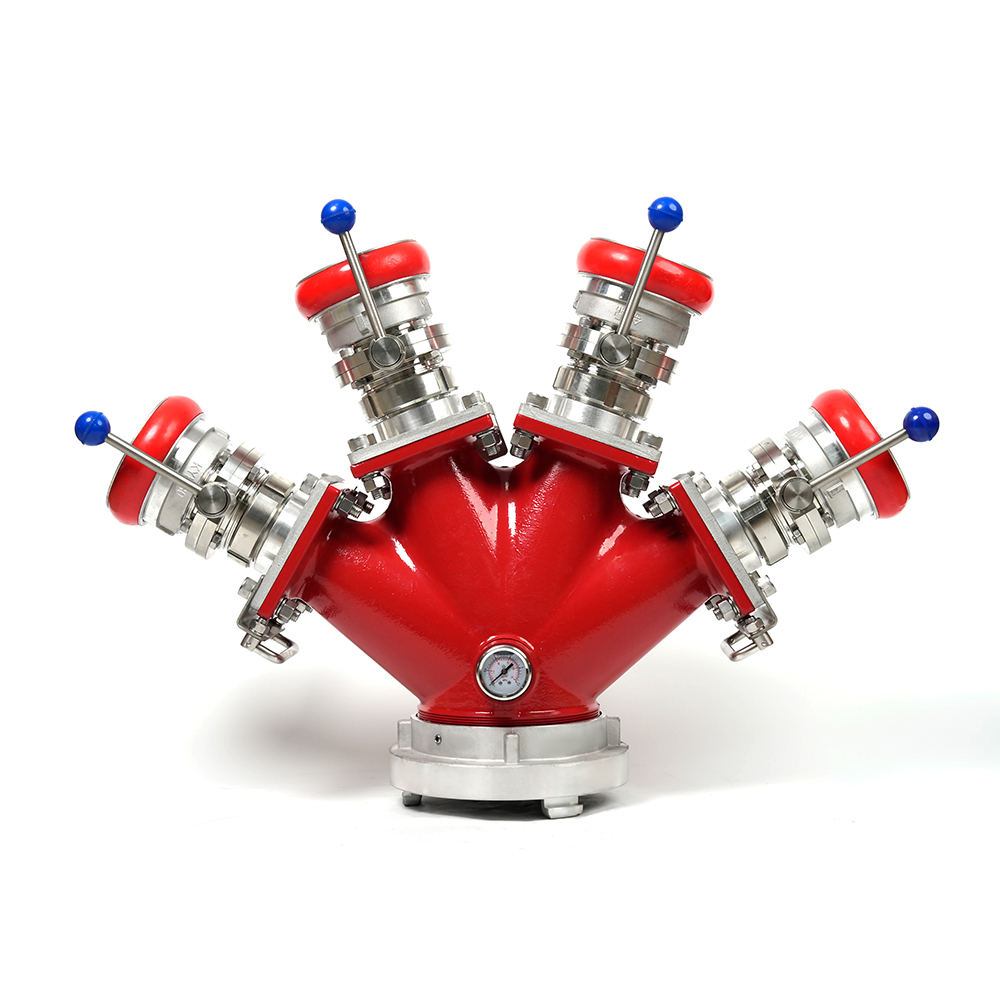 Locking Four-Way Fire Hose Distributor
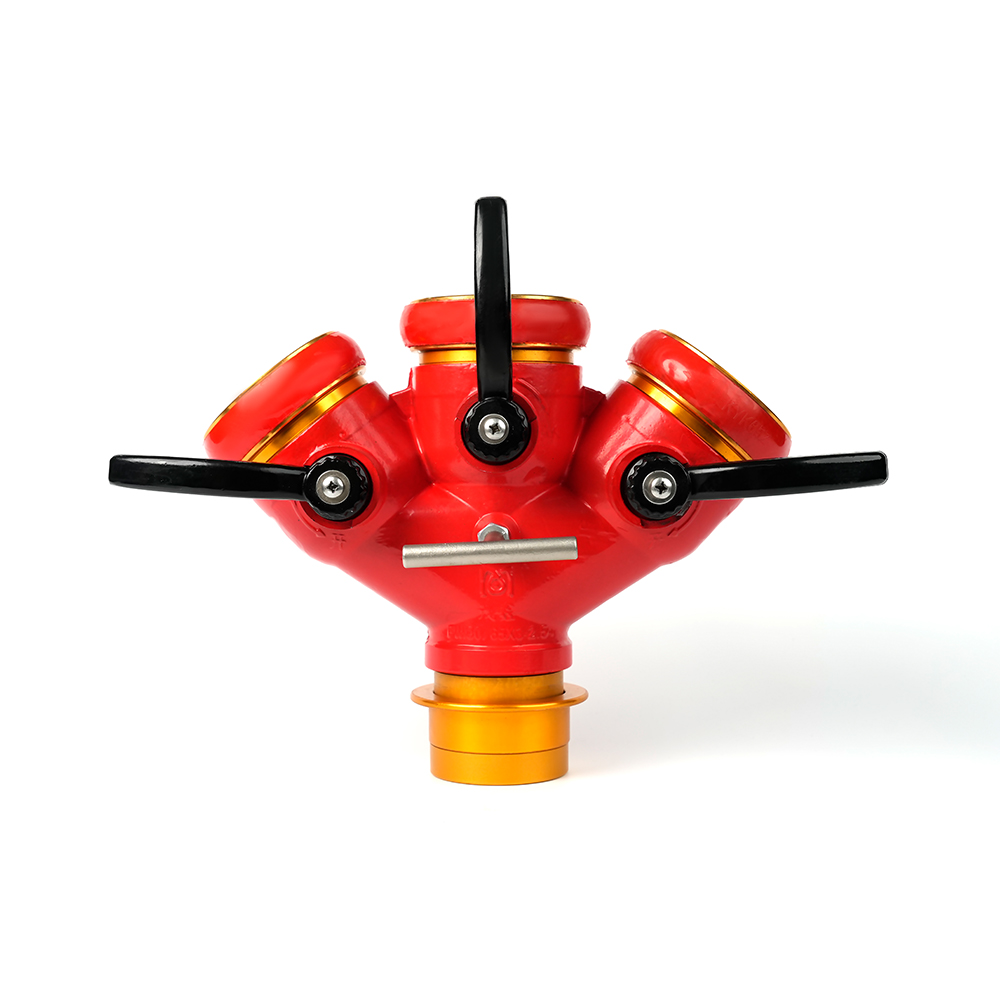 Locking Three-Way Fire Hose Distributor
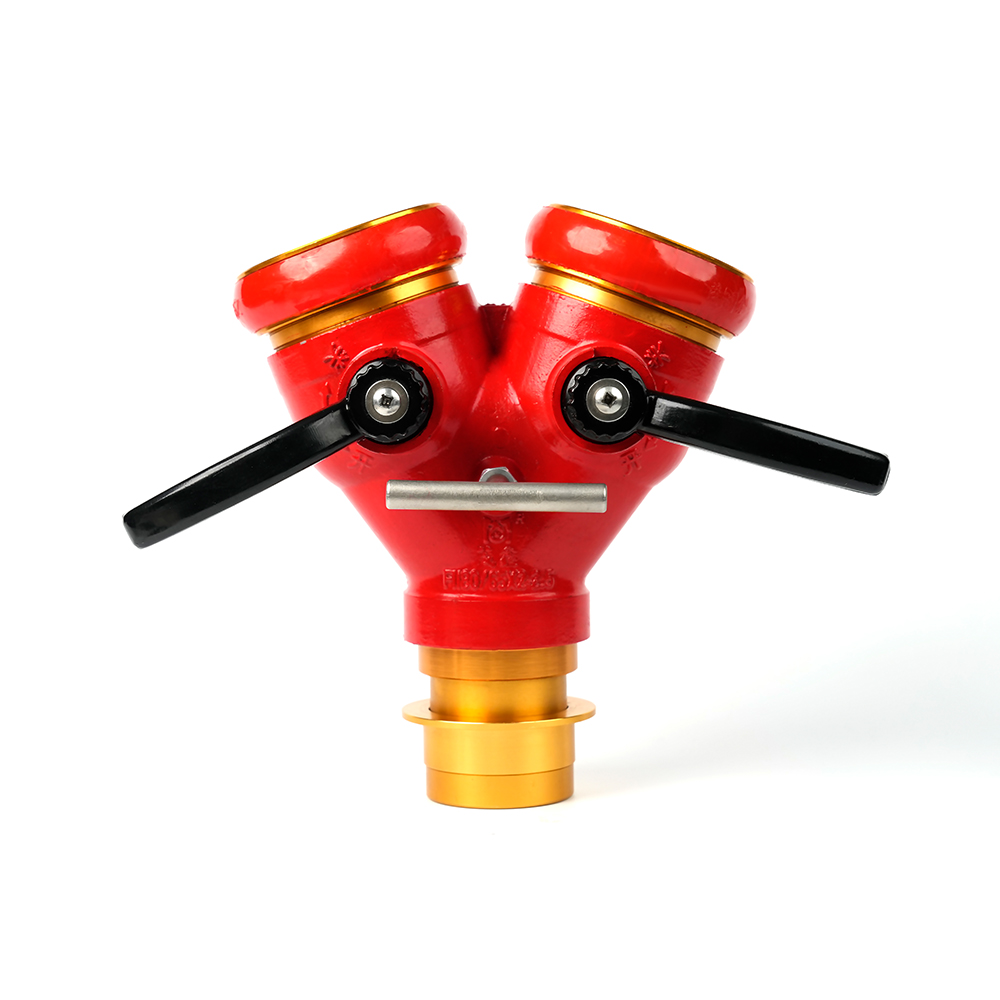 Locking Two-Way Fire Hose Distributor
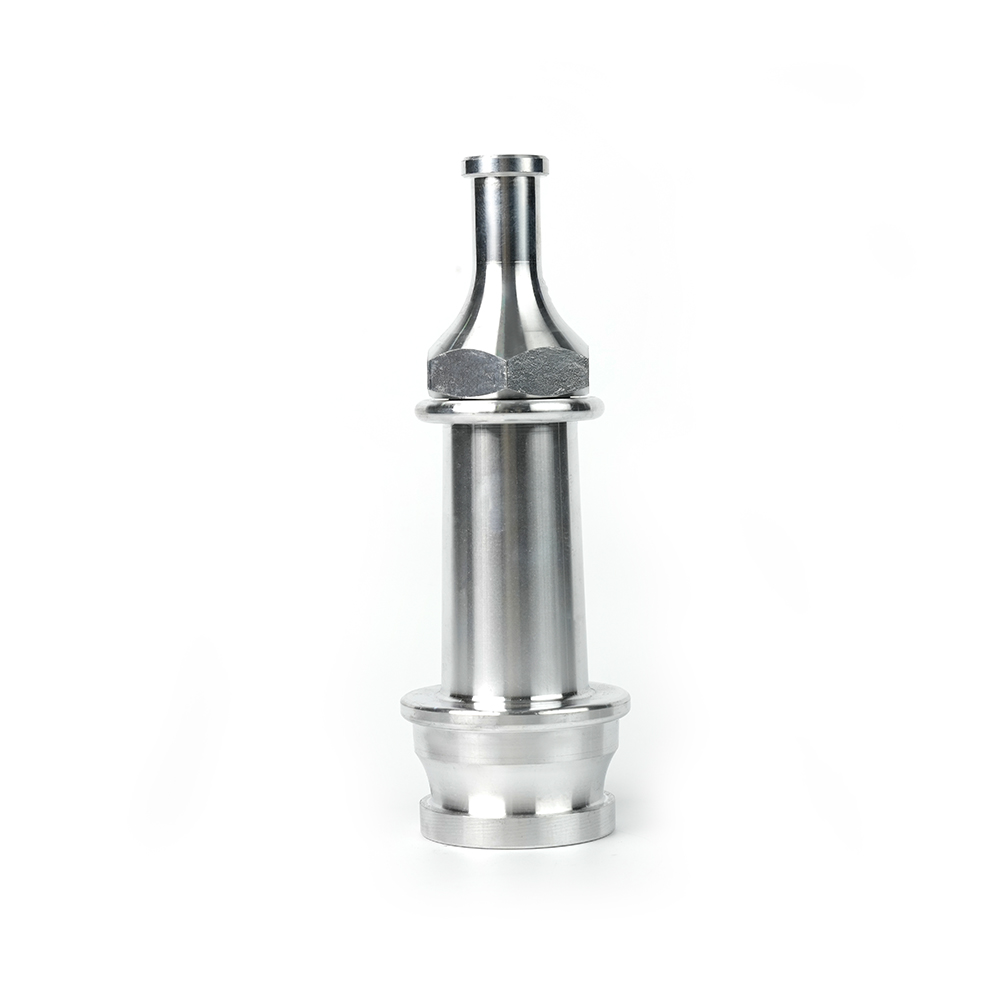 Straight Stream Nozzle
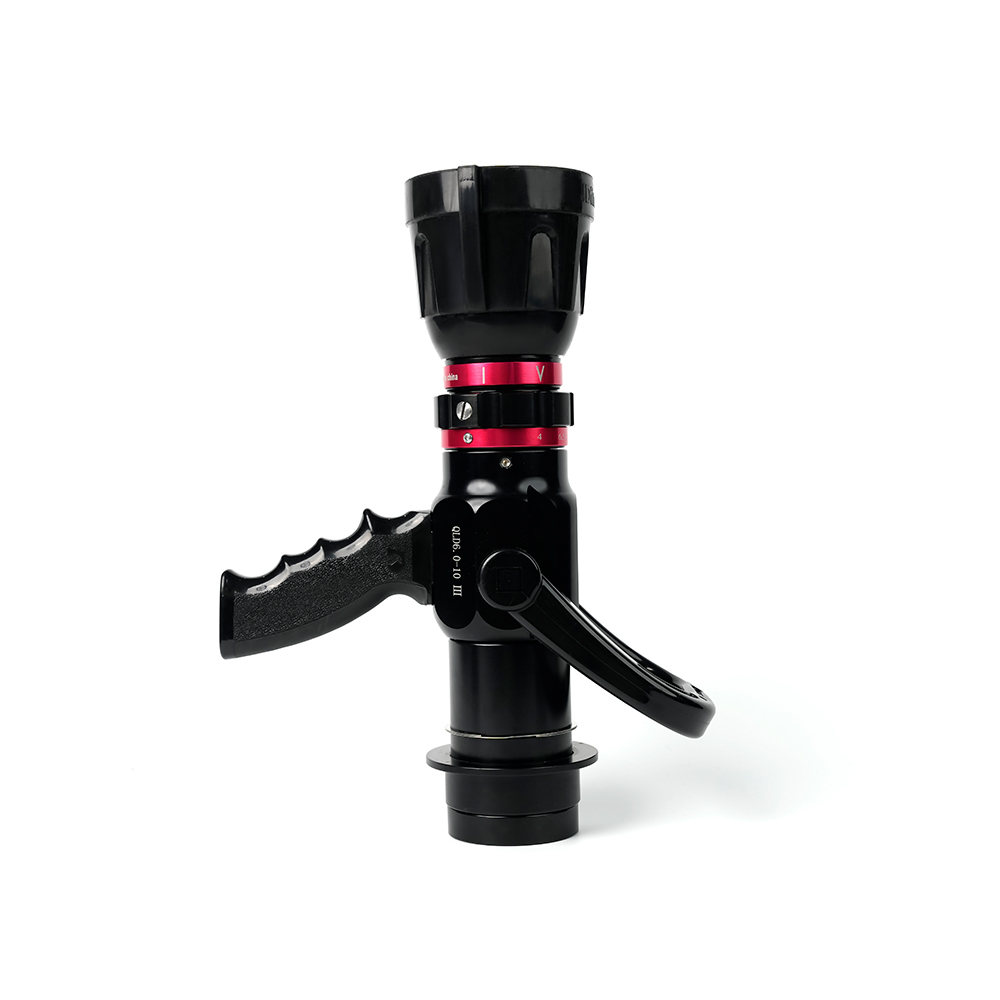 Adjustable nozzle-machino
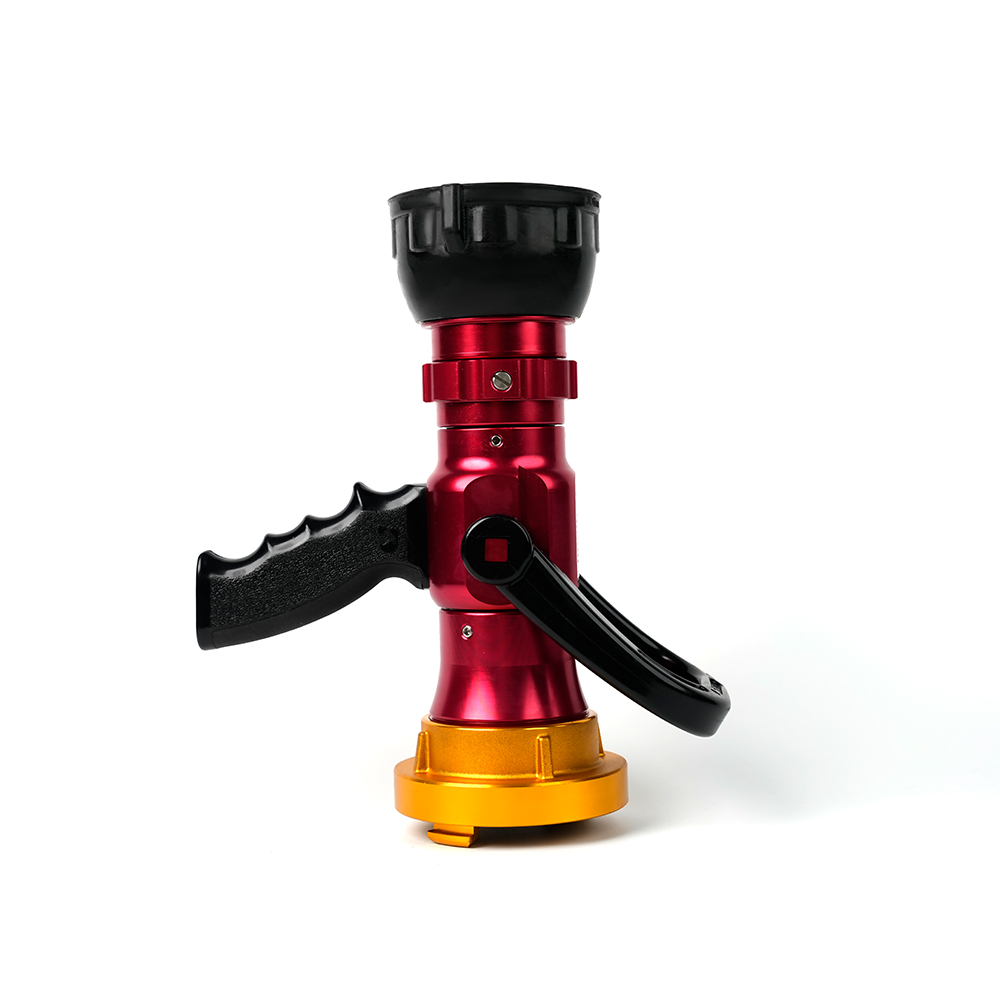 Adjustable nozzle-storz
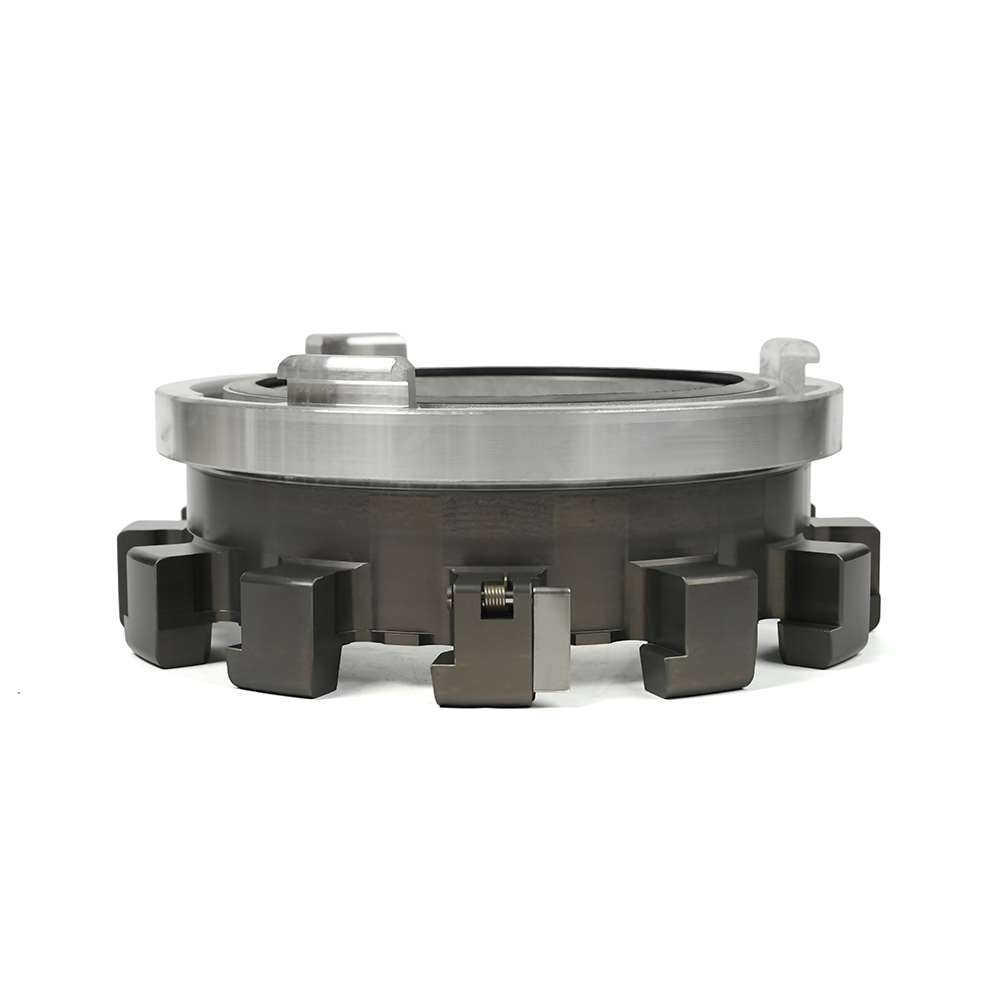 Storz Adapter Couplings - Multi-Tooth
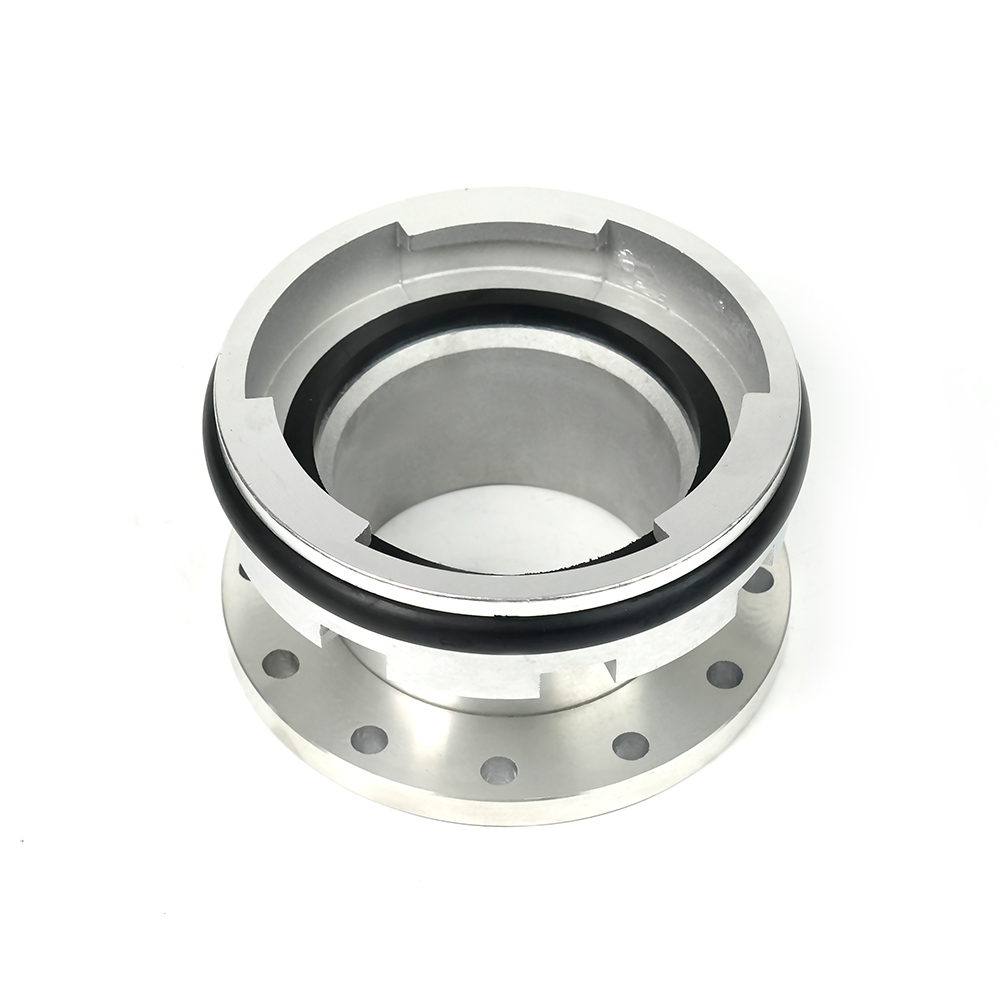 Machino Adapter Couplings – Flanged
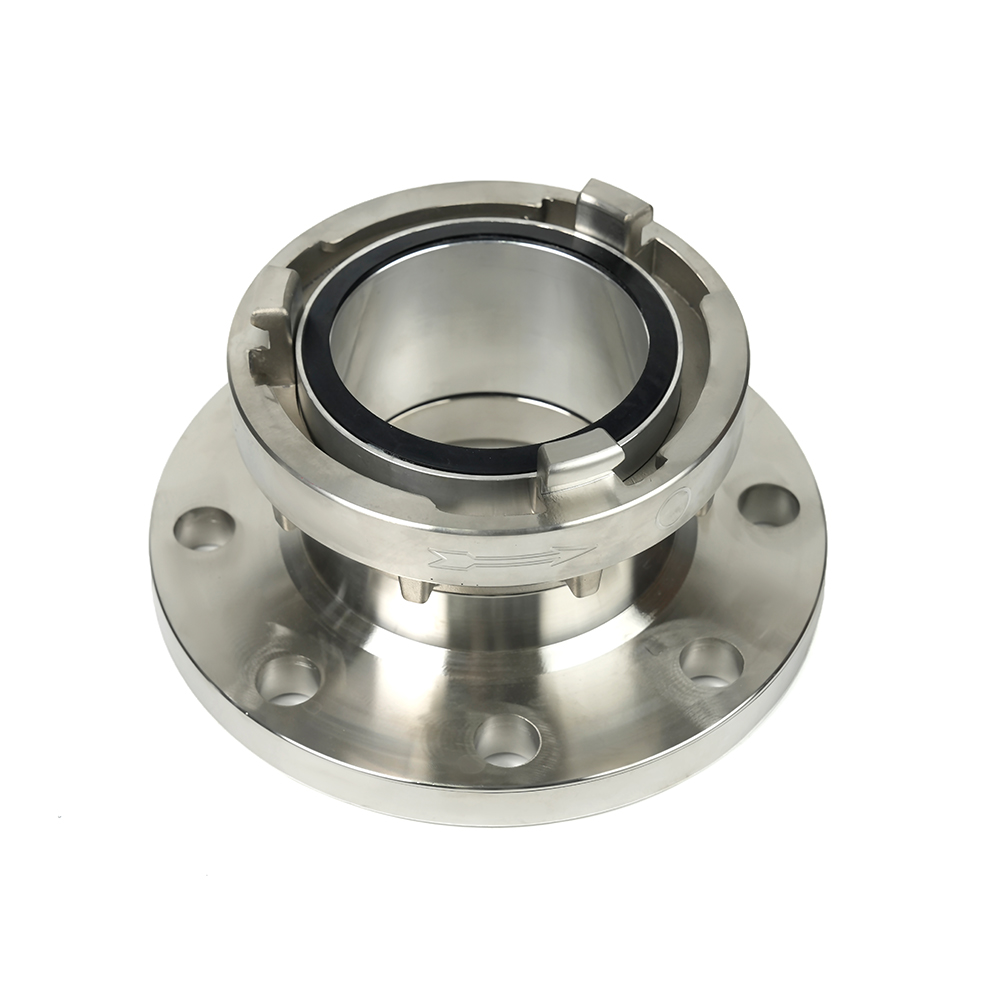 Storz Adapter Couplings – Flanged

 Contact Number
+86-0523-83274900
+86-151 9064 3365
 Let our team offer you customs solutions.
 Company Address
West side of Hongxing Middle Road, Lincheng Street, Development Zone, Xinghua City, Jiangsu Province, China
Copyright @Jiangsu Jinding Fire Protection Technology Co., Ltd. All rights reserved Fire Protection Equipments Manufacturers
