 英语
 西班牙语
 德语
Industry News
Home / News / Industry News / NPSM vs NPT Threads: Straight vs Tapered Sealing Explained for Industrial Buyers


+86-0523-83274900
+86-151 9064 3365
Content
NPSM and NPT threads are not interchangeable, even when they share the same nominal size and 60-degree thread angle. NPSM is a straight mechanical thread that relies on a gasket, O-ring, or face seal. NPT is a tapered pipe thread that seals through thread interference, usually with sealant or tape. If a buyer or fitter treats one as a substitute for the other, the common result is a leak, a damaged thread, or a failed pressure test. The safe approach is to confirm the thread callout, the sealing method, and the mating part before any coupling is ordered.
The differences that matter most are thread form, sealing method, and how the joint behaves after repeated assembly. The table below gives a practical comparison for selection and incoming inspection.
| Feature | NPSM | NPT |
|---|---|---|
| Thread form | Straight, constant diameter | Tapered, about 1:16 |
| Thread angle | 60 degrees | 60 degrees |
| Sealing method | Mechanical seal, O-ring, gasket, or metal-to-metal seat | Thread interference plus sealant or tape |
| Typical use | Hose couplings, pump connections, mechanical joints, equipment that is opened for service | Pipe, valves, gauges, manifolds, air and fluid lines |
| Mating rule | NPSM male to NPSM female with the correct seal | NPT male to NPT female with controlled engagement |
| Main field risk | Missing or wrong seal, false fit with tapered threads | Over-tightening, cracked fittings, sealant-dependent joints |
A shared nominal size does not prove compatibility. The pitch diameter, thread length, and seal seat still have to match the mating part.
NPSM stands for National Pipe Straight Mechanical. It belongs to the straight pipe thread family, but the mechanical detail is important. An NPSM joint is designed for free-fitting assembly and a separate seal. The female half often has a counterbore or an O-ring seat, while the male half may have a chamfered end. The threads carry the mechanical load. They are not expected to close the leak path by themselves.
This is why NPSM appears on hose couplings, pump ports, filter housings, and equipment that needs frequent disassembly. In fire hose and industrial water systems, a straight mechanical thread can be a good choice when the joint must come apart for inspection or replacement. It is a poor choice when someone expects pipe tape alone to seal it.
 Male Machino Threaded Coupling for Fire Hose ConnectionsA Machino-series coupling with one threaded end and one male connection, suited to fire hoses, pumps, and hydrants where the thread standard and seal method must be specified.View Product →
Threaded coupling ends in a hose coupling range are a typical place where this callout matters. The coupling may look correct at a glance, but the order still has to state NPSM, NPT, or another thread standard, together with the seal method.
NPT stands for National Pipe Tapered. The thread diameter changes along the length of the fitting, so tightening drives the threads together and closes the spiral leak path. NPT is common on pipes, valves, gauges, and manifold connections. It is a proven system, but it depends on controlled engagement. Too little engagement leaks. Too much engagement can split a thin-wall fitting or damage the female port.
 Female Machino Threaded Coupling for Fire Hose SystemsA Machino-series coupling with a female connection and one threaded end, used in fire hose, pump, and hydrant assemblies where thread type and sealing must be confirmed.View Product →
NPT should not be treated as a universal replacement for a straight mechanical thread. A tapered male thread may start into a straight female thread for a few turns, which can mislead a fitter. That partial fit is not a seal and does not prove that the thread forms are compatible.
In an NPSM joint, the seal is created at a dedicated surface. That surface may be an O-ring in a recess, a flat gasket, or a machined seat. The thread clearance is intentional. If the O-ring is missing, the wrong hardness is used, or the seat is scratched, the joint will leak even when the threads are fully engaged. Adding thread tape usually does not correct the problem because the leak path is not the thread flank.
In an NPT joint, the thread flanks are part of the seal. Sealant or tape fills small gaps and lubricates assembly, but the taper does the main work. The fitter needs the right starting thread, the right number of engaged threads, and a sensible torque. A common mistake is to keep tightening an NPT joint to stop a leak. That can distort the female port, crack a casting, or leave the joint difficult to disassemble.
Tolerance also matters. Two fittings can share the same nominal size and still differ in pitch diameter or thread length. For critical fire protection and industrial water connections, the purchase specification should include the standard, the size, the thread class where applicable, and the sealing method. A visual check alone is not enough for a repeat order.
The most expensive mistake is a false fit. An NPT male may enter an NPSM female far enough to feel stable, but the joint lacks the correct seal seat. Under pressure, it may weep, spray, or fail a hydrostatic test. The opposite combination can be worse. An NPT male forced into a straight mechanical female can damage the counterbore or crush the O-ring seat, turning a reusable coupling into scrap.
In fire hose systems, the risk shows up at pump connections, hydrant adapters, and hose-to-pipe transitions. A leak at a pump port can delay commissioning, and a damaged thread can strand a hose assembly during service. Fitters should not use thread tape to compensate for a missing gasket, and they should not mix NPT and NPSM parts just because the threads start. For a practical field reference on hose joint assembly, this guide on how fire hose joints should be connected is useful before the first trial fit.
Identification should combine measurement, visual checks, and the equipment specification. The following sequence catches most errors before a fitting is installed.
Start with the service requirement, not the thread name. If the joint will be opened often and uses an O-ring or gasket, NPSM is usually the better mechanical choice. If the connection is a pipe port on a valve, gauge, or manifold and can be sealed with tape or sealant, NPT is the normal choice. For fire hose assemblies, also separate hose coupling threads from pipe threads. An adapter may be required, and the adapter must be ordered with the correct male and female standards on each end.
 Large Storz Threaded Coupling for Fire Hose ConnectionsA large-size Storz coupling with one threaded end and one claw-type connection, intended for fire hoses and equipment; its thread standard and pressure requirements should be specified.View Product →
A useful purchase callout includes the standard designation, nominal size, threads per inch, male or female end, seal type, material, pressure rating, and the mating part. When a supplier quote leaves out the thread standard, ask for it in writing. A low piece price is no saving if the first batch fails incoming inspection.
For repeat orders, put the thread requirement on the drawing and on the purchase order. Then verify it with a first-article report. The report should list the thread standard, measured pitch diameter where applicable, thread length, and the seal component. A supplier working to ISO 9001:2015 should be able to show thread inspection records and a clear traceability method for the batch.
These checks are especially important when a coupling is used across fire protection, water transfer, and industrial piping, because a thread error can travel from a hose assembly into a fixed port and damage both sides.
NPSM vs NPT comes down to one rule: a straight mechanical thread needs a mechanical seal, and a tapered pipe thread needs controlled thread engagement. They may look similar, and they may even start to assemble, but they are not a matched pair. Confirm the standard, the seal, and the mating part before production. If you need help matching a threaded coupling to a pump, valve, or hose assembly, send the mating part details and required seal method through our contact page. A short thread check before the order is cheaper than a failed pressure test in the field.
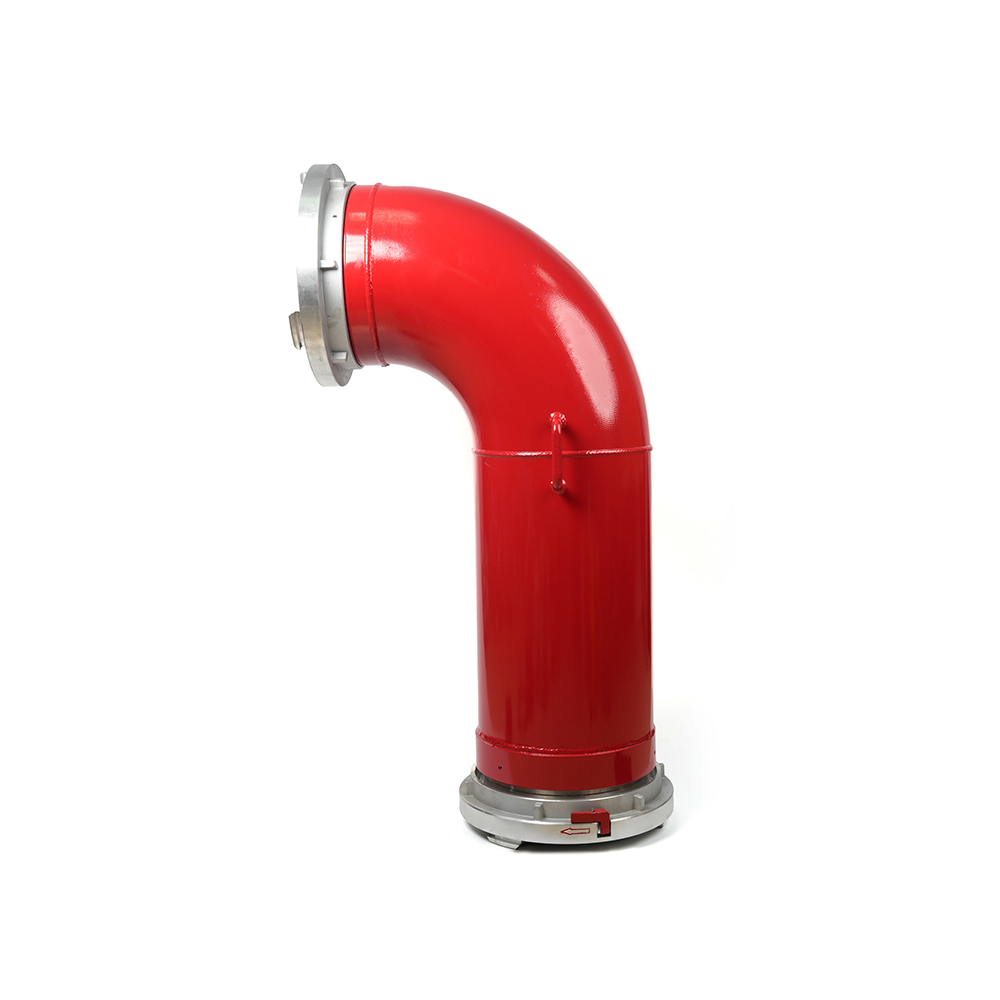 Grooved Fire Elbow-Storz
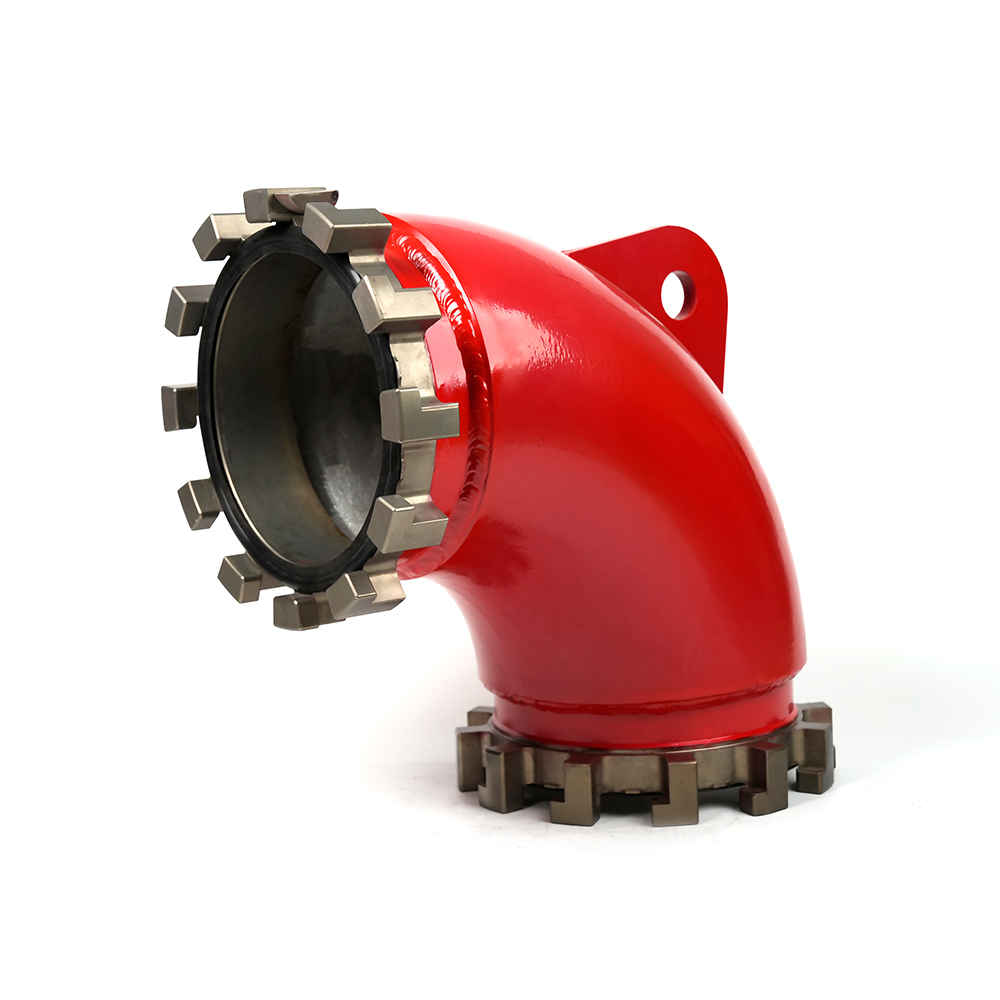 Grooved Fire Elbow-Multi-tooth
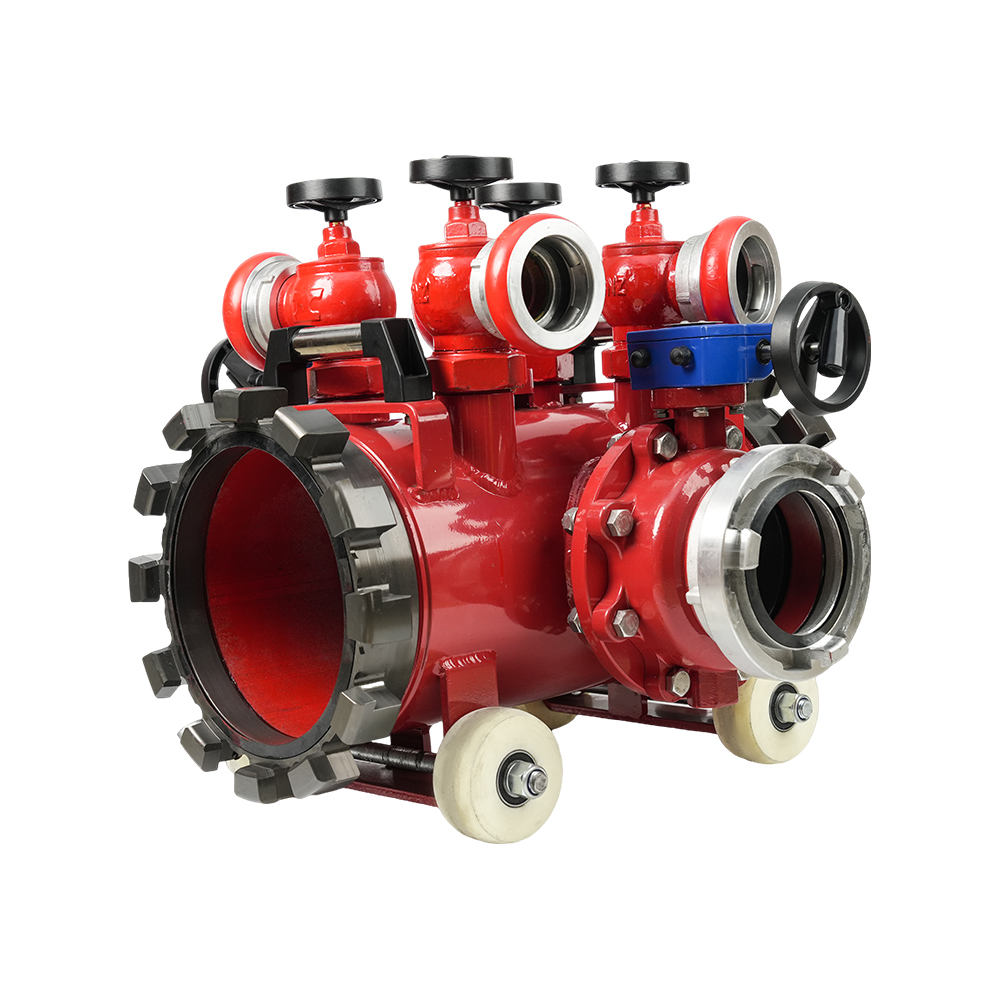 Multi-functional Fire Hose Distributor
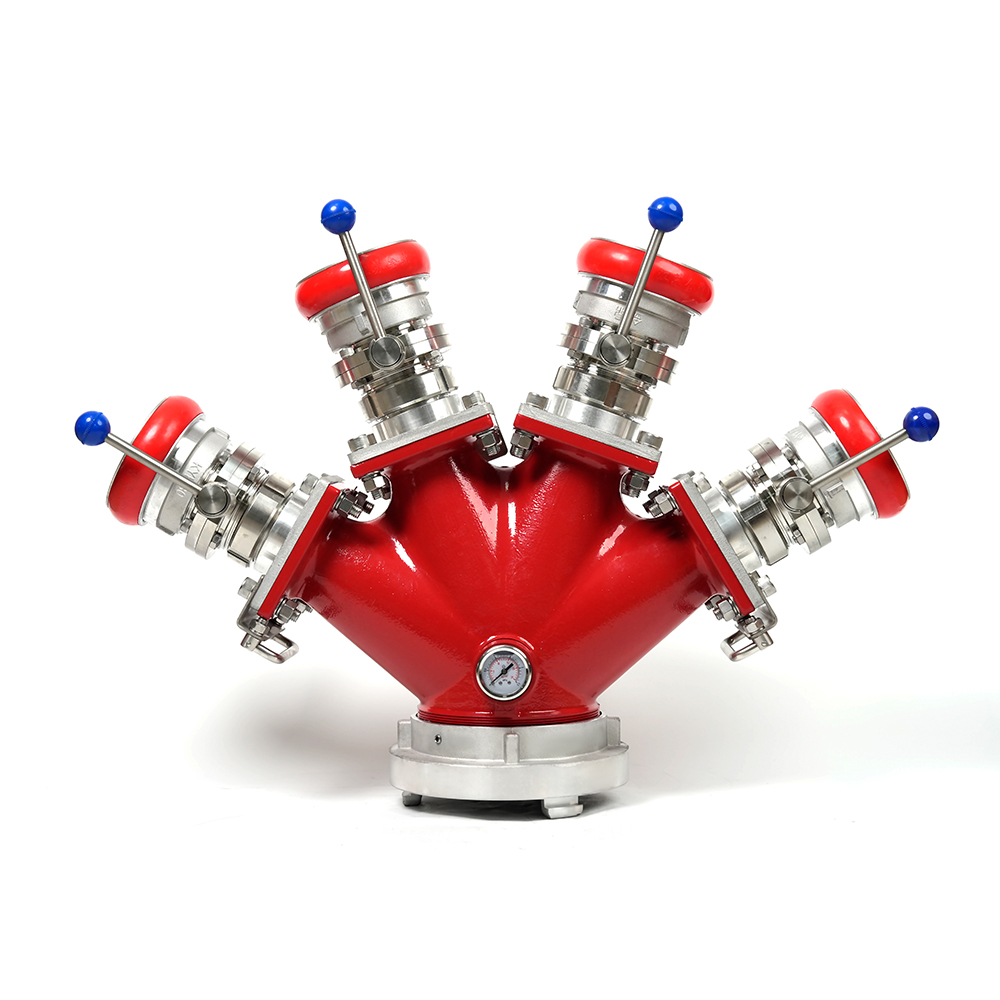 Locking Four-Way Fire Hose Distributor
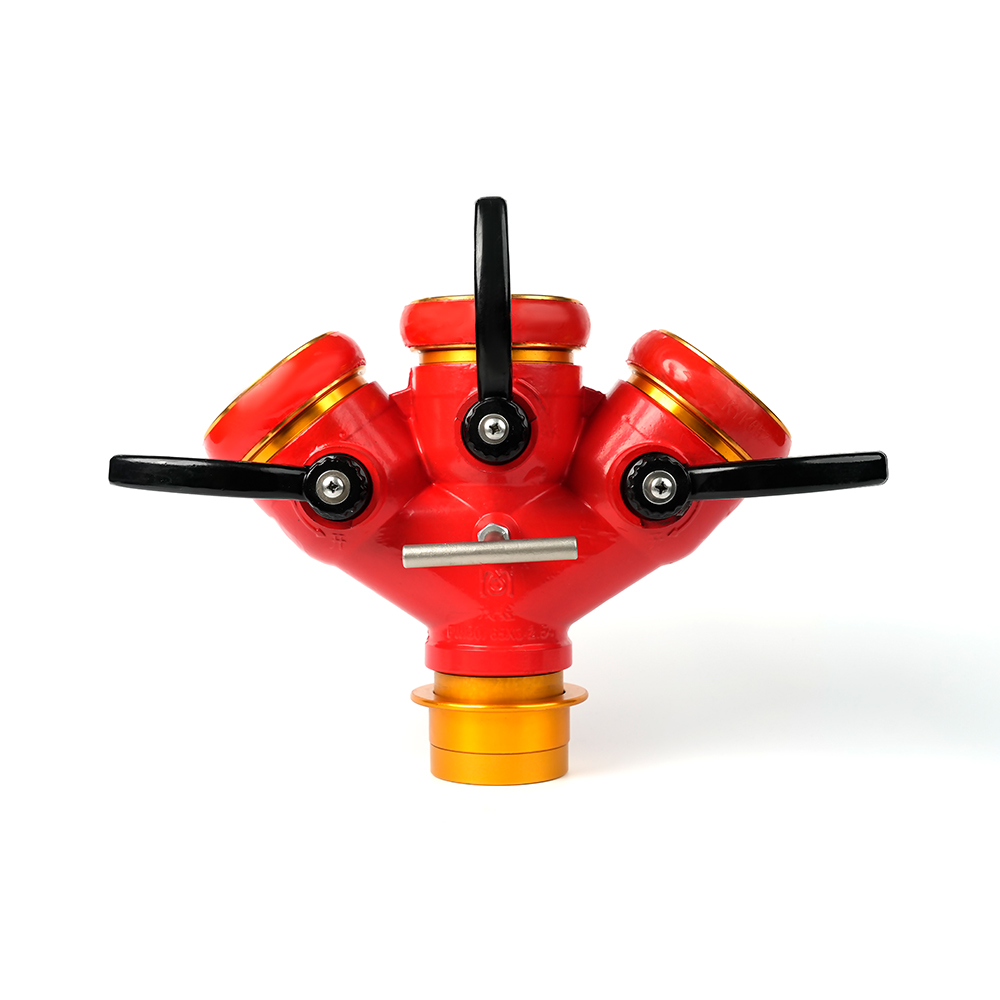 Locking Three-Way Fire Hose Distributor
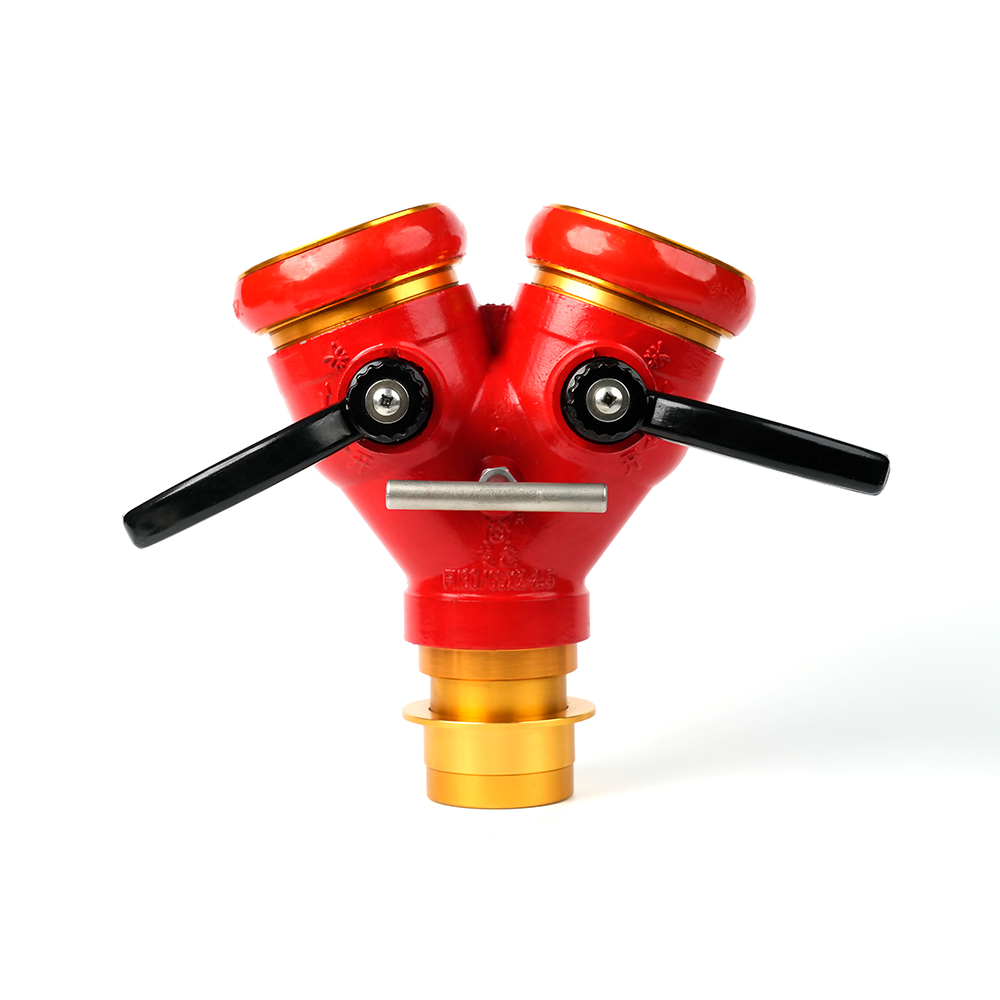 Locking Two-Way Fire Hose Distributor
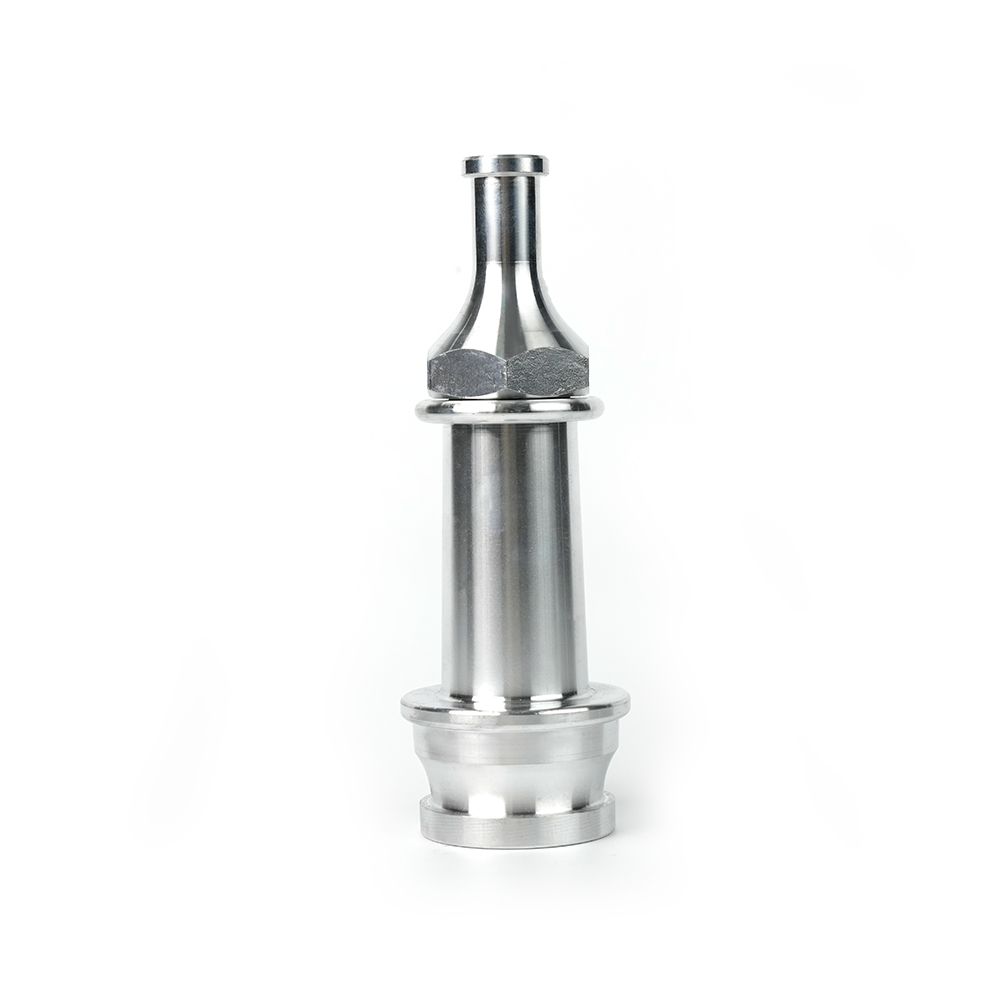 Straight Stream Nozzle
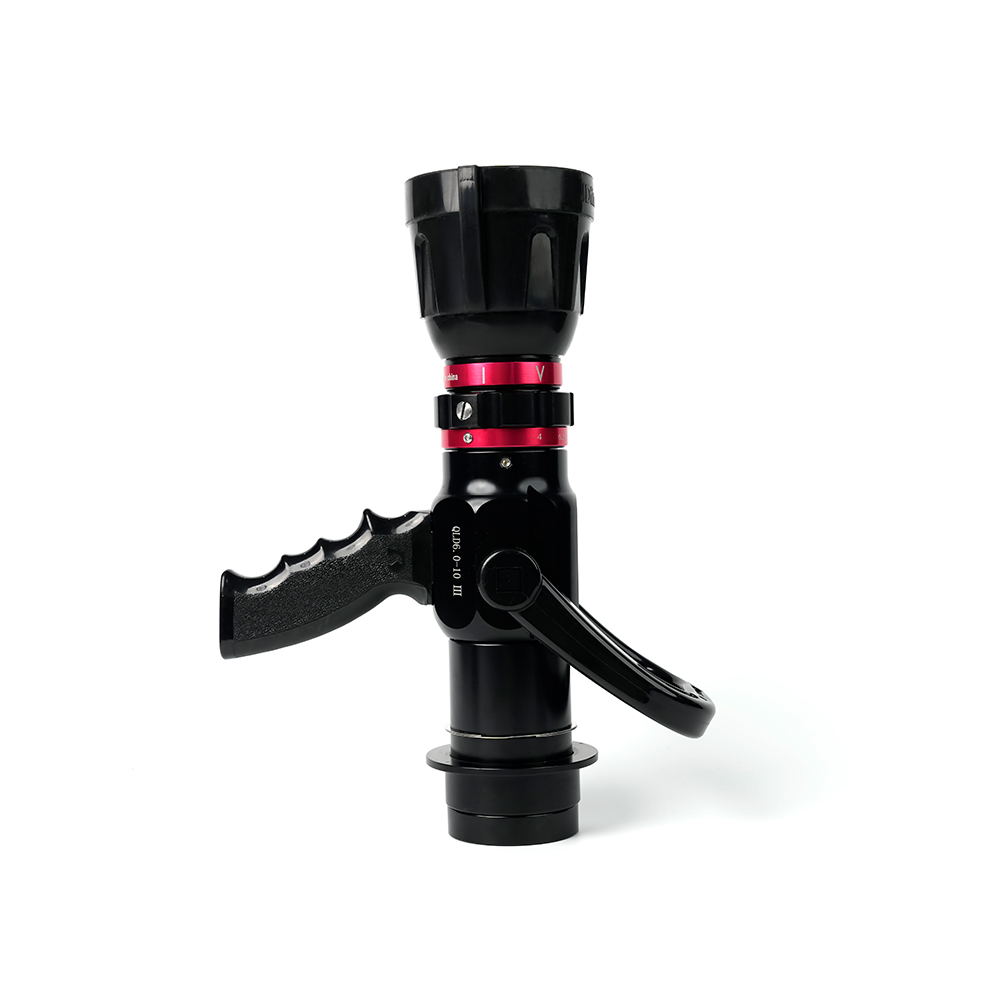 Adjustable nozzle-machino
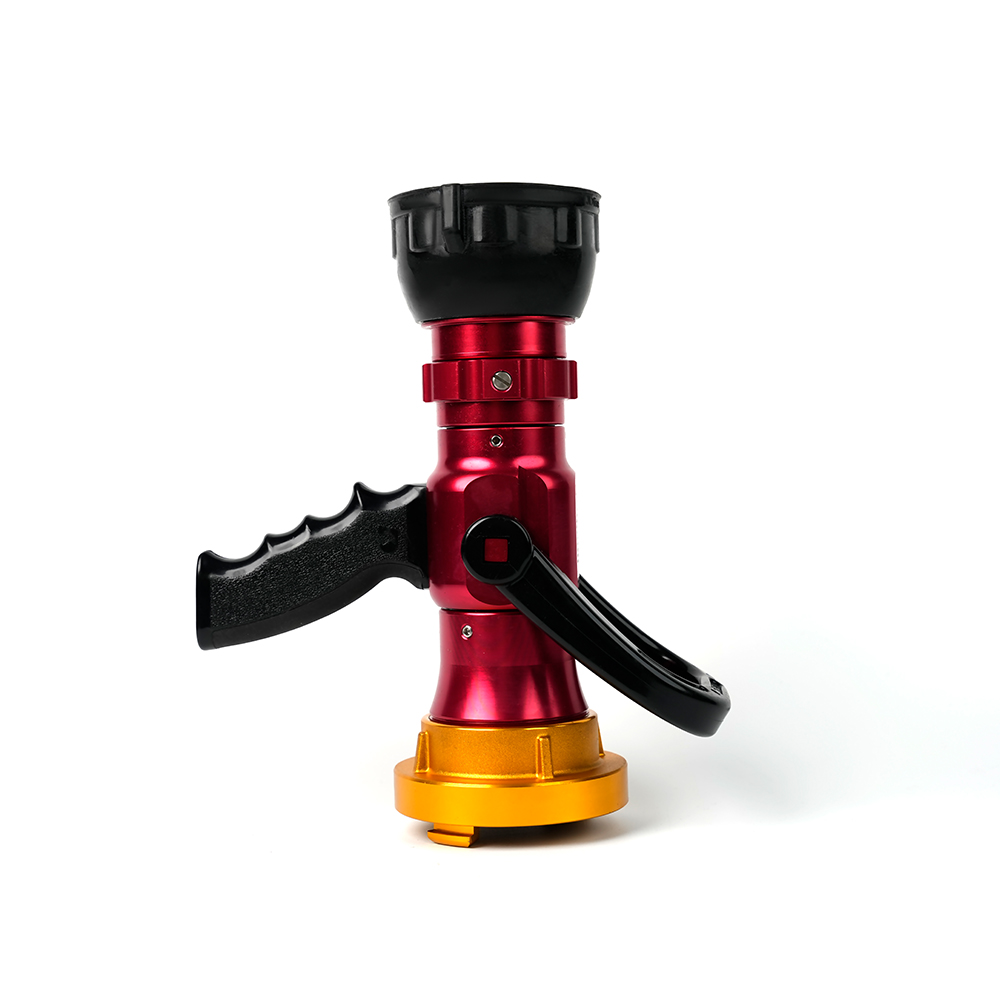 Adjustable nozzle-storz
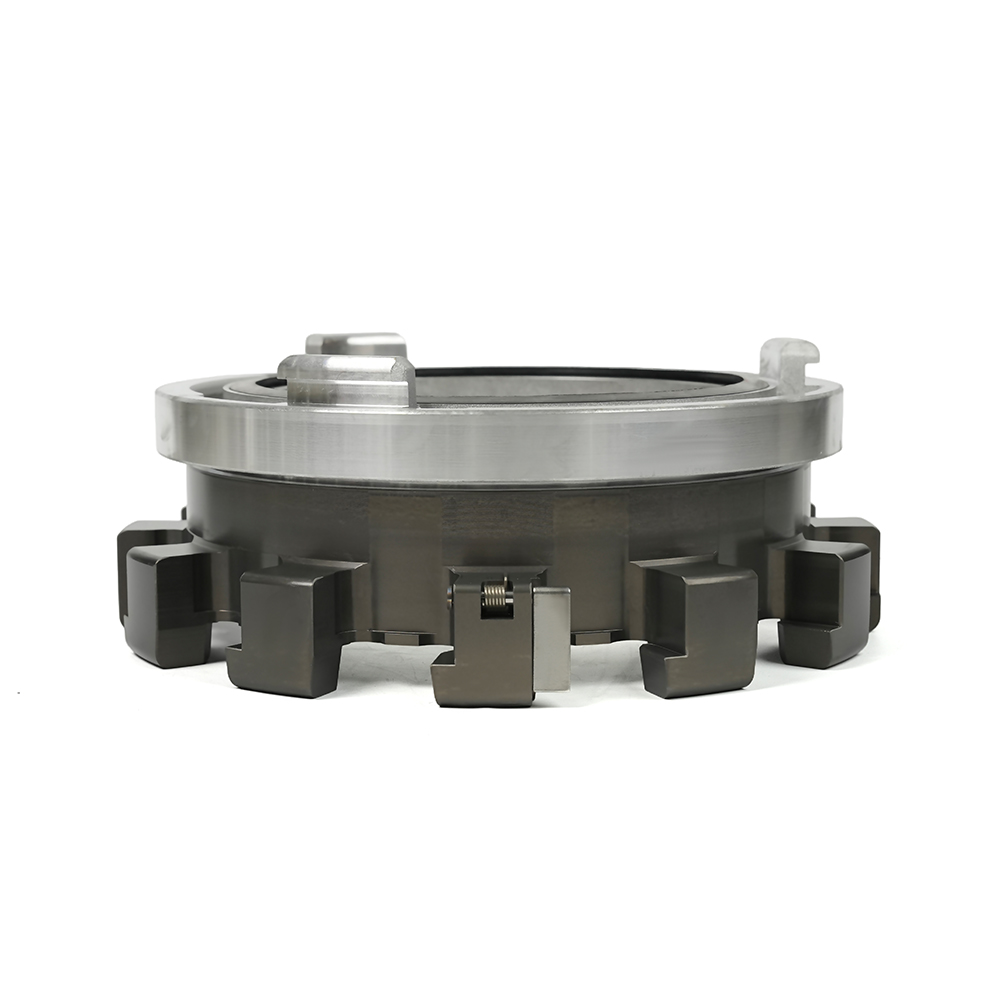 Storz Adapter Couplings - Multi-Tooth
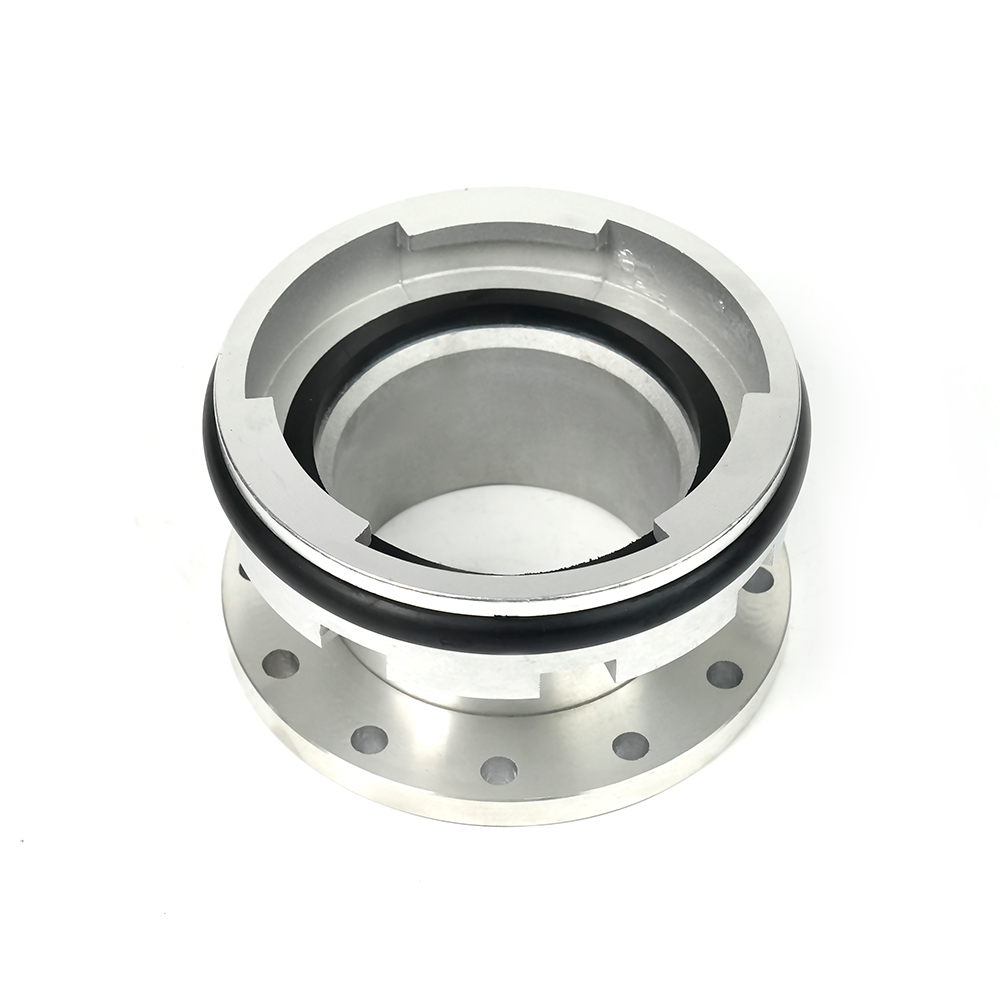 Machino Adapter Couplings – Flanged
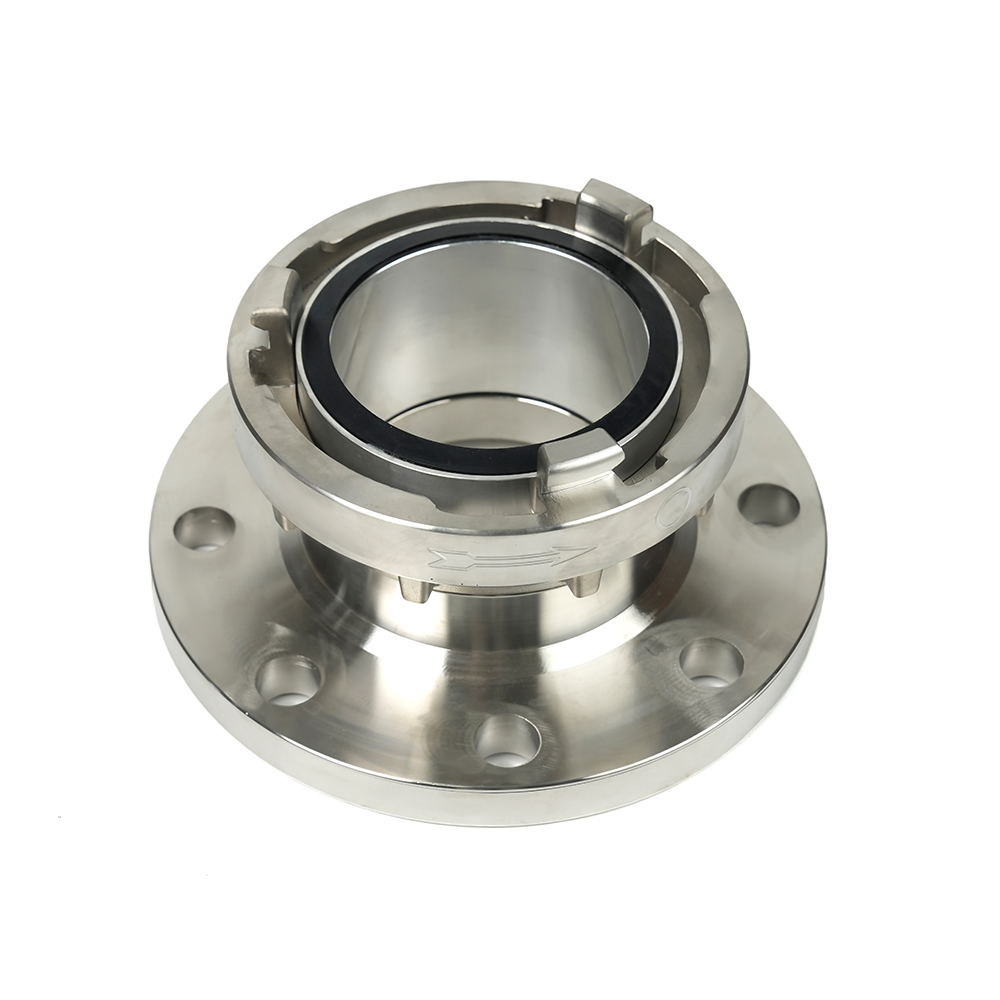 Storz Adapter Couplings – Flanged

 Contact Number
+86-0523-83274900
+86-151 9064 3365
 Let our team offer you customs solutions.
 Company Address
West side of Hongxing Middle Road, Lincheng Street, Development Zone, Xinghua City, Jiangsu Province, China
Copyright @Jiangsu Jinding Fire Protection Technology Co., Ltd. All rights reserved Fire Protection Equipments Manufacturers
