 英语
英语 西班牙语
西班牙语 德语
德语Industry News


GET IN TOUCH
+86-0523-83274900
+86-151 9064 3365
Content
Adapter couplings are mechanical connection devices designed to join or convert between different types, sizes, or standards of pipe fittings and hose connections — allowing otherwise incompatible interfaces to work together seamlessly. In fire protection, industrial fluid systems, and emergency services, adapter couplings are indispensable components that bridge the gap between equipment produced to different national or proprietary standards, ensuring reliable, leak-free connections under demanding operating conditions.
Without adapter couplings, a fire truck equipped with German-standard hose connections could not reliably connect to a hydrant fitted with Storz-standard outlets, or to forestry hose lines used in wildland firefighting operations. Adapter couplings solve this interoperability challenge and are a critical component of any well-equipped fire protection or fluid transfer system.
At their most fundamental level, adapter couplings serve three distinct functional roles in any fluid or fire suppression system:
In practical terms, adapter couplings are typically installed at connection points where two incompatible ends must meet. They may be installed permanently as part of a system design, or carried as portable adapters in emergency service vehicles to handle unexpected connection mismatches on-scene.
A key engineering requirement for all adapter couplings is that they must maintain the full rated working pressure of the system they are installed in. In fire hose applications, working pressures commonly range from 8 bar (116 psi) to 16 bar (232 psi) depending on the system, and adapter couplings must be tested and certified to these values without compromising the integrity of the connection.
Adapter couplings are produced in a wide range of configurations to address the specific connection challenges encountered in fire protection, civil engineering, agriculture, and industrial fluid systems. The following are the most widely used types:
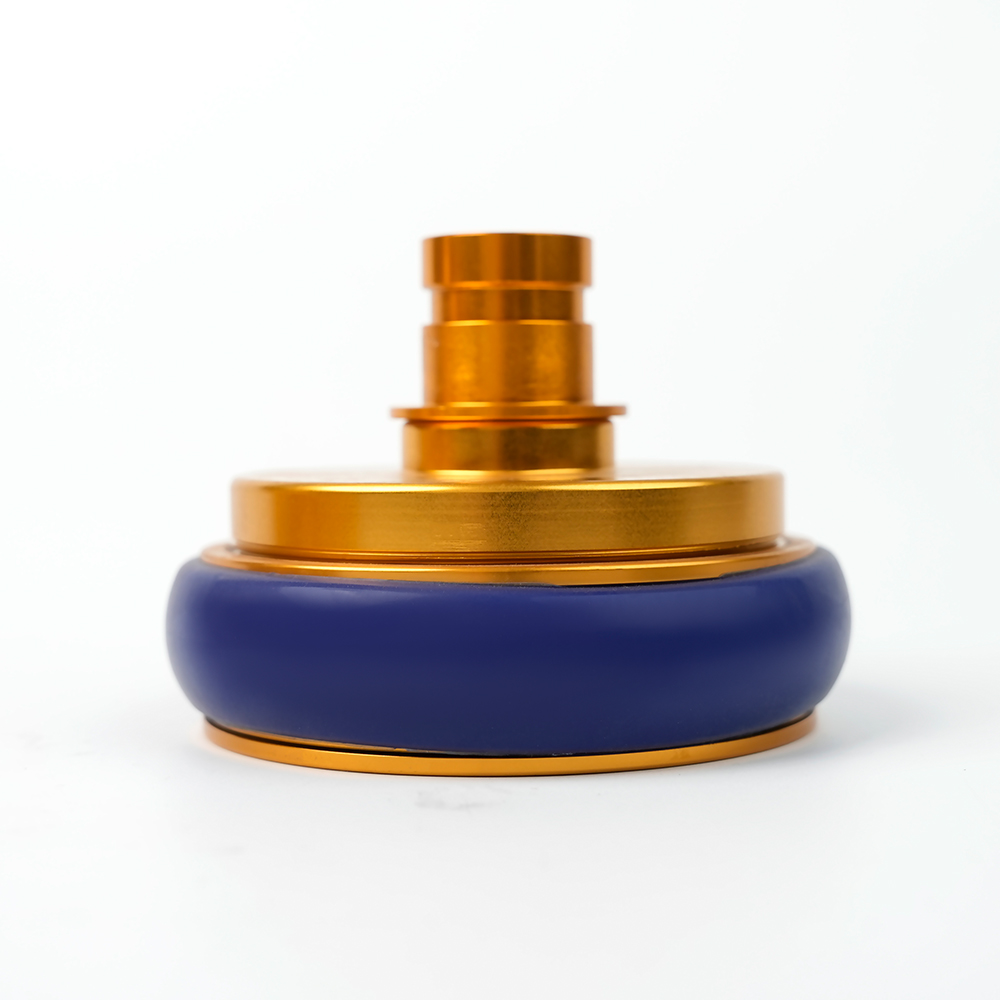
German-standard couplings (also known as DIN-standard or threaded couplings) and Storz couplings are two of the most widely deployed coupling standards in European and international fire protection infrastructure. German couplings use a threaded connection mechanism, while Storz couplings use a symmetrical quarter-turn locking system that allows connections to be made without regard to rotational orientation — a significant advantage in time-critical emergency operations.
German to Storz adapter couplings are available in both male and female German configurations, allowing connection from either end of a German-threaded fitting to a Storz-type hose or outlet. These adapters are standard equipment on fire trucks operating across multiple jurisdictions where both standards are present in the infrastructure.
Forestry couplings are a specialized coupling type engineered for wildland and forest firefighting operations. They are designed to be lightweight, highly durable, and capable of operating on rough terrain where conventional fire hose systems would be difficult to deploy. Forestry couplings typically feature a cam-and-groove or quick-connect locking mechanism optimized for rapid deployment by personnel wearing gloves.
German to Forestry adapters allow municipal fire trucks equipped with German-standard pump outlets to connect directly to forestry hose lines, enabling a single vehicle to support both structural and wildland firefighting operations without carrying duplicate hose inventories.
Standard German threaded couplings rely on manual tightening to maintain their connection. In high-vibration environments — such as on vehicle-mounted pump systems or near heavy industrial machinery — a standard threaded coupling can gradually loosen, risking leaks or disconnection under pressure. German to German self-locking adapter couplings incorporate an automatic locking mechanism that engages upon connection, preventing inadvertent loosening while still allowing controlled manual disconnection when required.
Self-locking adapters are particularly valuable in applications where connections must remain secure without continuous manual inspection, such as in fixed fire suppression system installations or permanently plumbed vehicle equipment.
Flanged pipe connections are the dominant connection method in industrial process piping, water treatment infrastructure, and large-diameter fire main systems. German to Flange adapter couplings bridge the gap between portable fire hose equipment using German-standard couplings and fixed infrastructure using bolted flange connections. These adapters typically feature a flat-faced or raised-face flange on one end to accept a standard bolt pattern, and a German coupling on the other end.
Common flange standards accommodated include PN10, PN16, and ANSI 150, covering the pressure ratings most commonly encountered in fire protection and industrial water supply systems.
Multi-tooth couplings (also referred to as serrated or lug-type couplings in some regional standards) use a multi-point interlocking engagement mechanism that distributes connection forces evenly around the circumference of the coupling. This design provides exceptional resistance to pull-out forces and makes the coupling highly resistant to accidental disconnection under surging flow conditions.
German to Multi-tooth adapters are widely used in high-pressure hose applications and in situations where sudden pressure surges — known as water hammer effects — are anticipated. The multi-tooth engagement distributes impact forces across multiple contact points rather than concentrating them at a single locking feature.
Because Storz couplings are inherently symmetrical — meaning both ends of a standard Storz connection are identical — a Storz male to Storz female adapter is used when the system requires directional flow control or when integrating Storz couplings into equipment designed for gendered (directional) coupling systems. These adapters also serve as extension pieces that allow a Storz connection to be repositioned or redirected without modifying the host equipment.
Storz to Forestry adapters serve the same interoperability function as German to Forestry adapters, but for equipment equipped with Storz-standard outlets. Fire departments that use Storz-equipped apparatus for structural firefighting can use these adapters to connect to the lightweight forestry hose lines used in brush and wildland fire suppression, extending the operational reach of their existing equipment into remote or terrain-challenging environments.
| Adapter Coupling Type | Connection Mechanism | Primary Application | Key Advantage |
|---|---|---|---|
| German to Storz (male/female) | Thread to quarter-turn lug | Fire trucks, hydrant connections | Cross-standard interoperability |
| German to Forestry | Thread to cam/quick-connect | Wildland firefighting | Rapid glove-friendly deployment |
| German to German Self-locking | Thread with auto-lock mechanism | High-vibration installations | Prevents inadvertent loosening |
| German to Flange | Thread to bolted flange | Fixed industrial/infrastructure piping | Integration with fixed pipe systems |
| German to Multi-tooth | Thread to multi-point lug | High-pressure surge environments | Distributed pull-out resistance |
| Storz Male to Storz Female | Quarter-turn symmetrical lug | Direction change, system extension | Gender conversion without rework |
| Storz to Forestry | Quarter-turn to cam/quick-connect | Structural apparatus to wildland hose | Expands apparatus operational range |
The material selection for adapter couplings directly determines their corrosion resistance, weight, pressure rating, and service life. Different operating environments place very different demands on coupling materials, and choosing the correct material is as important as choosing the correct coupling type.
Aluminum alloy — most commonly 6061-T6 or equivalent aerospace-grade alloy — is the dominant material in fire service adapter couplings. Its combination of low density (approximately 2.7 g/cm³, roughly one-third the weight of steel), good corrosion resistance, and adequate strength for fire hose working pressures makes it ideal for portable fire equipment that must be carried and deployed rapidly by personnel. Aluminum couplings are typically anodized to improve surface hardness and corrosion resistance in harsh field environments.
Brass adapter couplings offer superior corrosion resistance compared to aluminum, particularly in environments where the coupling is exposed to chemically aggressive water sources or where galvanic corrosion with other metals in the system is a concern. Brass is significantly heavier than aluminum (density approximately 8.5 g/cm³) but provides excellent thread integrity and dimensional stability over a long service life. Brass adapters are commonly specified for permanent installations and for use with potable water systems where material safety regulations must be observed.
Stainless steel adapter couplings are specified for the most demanding environments — high-pressure industrial fluid systems, offshore and marine applications, chemical processing plants, and systems handling aggressive media. Grade 304 and 316 stainless steel offer excellent corrosion resistance across a wide range of chemical environments, with 316 grade providing additional resistance to chloride-induced corrosion in marine or coastal installations. Stainless steel couplings carry the highest pressure ratings and longest service life of any material option.
| Material | Density (g/cm³) | Corrosion Resistance | Relative Weight | Typical Application |
|---|---|---|---|---|
| Aluminum Alloy | 2.7 | Good | Light | Portable fire equipment |
| Brass | 8.5 | Very Good | Heavy | Fixed installations, potable water |
| Stainless Steel 304 | 7.9 | Excellent | Heavy | Industrial, high-pressure systems |
| Stainless Steel 316 | 8.0 | Superior (chloride-resistant) | Heavy | Marine, offshore, chemical plants |
Adapter couplings used in fire protection and life safety applications are subject to stringent regulatory and quality standards. Compliance with these standards is not optional — it is a legal and contractual requirement for supply to fire departments, civil defense organizations, and infrastructure projects in most countries.
Compliance testing for fire service adapter couplings typically includes hydrostatic pressure testing to at least 1.5 times the rated working pressure, pull-out force testing, repeated engagement and disengagement cycle testing (typically 200–500 cycles), and salt spray corrosion resistance testing to verify material durability in field conditions.
In fire protection system design, the selection and placement of adapter couplings is a deliberate engineering decision that affects system performance, operational speed, and interoperability with mutual aid partners. Poor coupling adapter selection — or the absence of appropriate adapters — can render otherwise well-designed systems unable to function effectively during an emergency.
Fire departments operating in regions with mixed infrastructure — where hydrants, standpipes, and fixed suppression systems may be fitted with different coupling standards depending on their age, manufacturer, or national origin — rely on a standardized set of adapter couplings carried on each vehicle. A typical fire truck in a multi-standard environment may carry 6 to 12 different adapter coupling configurations to ensure connection capability to any infrastructure encountered on an emergency response.
In large industrial facilities, adapter couplings are installed at fixed connection points — such as fire hose cabinets, pump test connections, and hydrant outlets — to allow visiting fire department apparatus to connect regardless of the coupling standard their equipment uses. German to Flange adapters are particularly common in facilities where fire mains use flanged pipe connections but firefighting hose lines use thread or Storz couplings.
In border regions and in large-scale disaster response operations involving multiple agencies from different countries, adapter couplings become critical coordination tools. International disaster response frameworks — including United Nations INSARAG guidelines — specify that response teams must carry adapter couplings to interface with local infrastructure, recognizing that coupling standard differences are one of the most predictable interoperability challenges in international emergency response.
Choosing the correct adapter coupling requires a systematic evaluation of several technical parameters. Using the wrong adapter — even one that physically fits — can result in leaks, pressure loss, or catastrophic disconnection under operating pressure. The following factors should be assessed before specifying an adapter coupling:
While the most common adapter coupling configurations — German to Storz, German to Forestry, Storz to Forestry, and others — are available as standard catalog items, many real-world applications require configurations that fall outside standard product ranges. Custom adapter couplings are produced to meet these requirements, with the dimensional specifications, material selection, pressure ratings, and end configurations determined entirely by the customer's technical requirements.
Scenarios that commonly require custom adapter couplings include:
Custom adapter couplings are typically produced using CNC machining from billet material, ensuring dimensional precision to within ±0.05mm on critical sealing and engagement surfaces. Qualified manufacturers will provide dimensional drawings, material certificates, pressure test reports, and traceability documentation for custom-produced adapter couplings.
Adapter couplings are mechanical components subject to wear, corrosion, and physical damage during service. A coupling that appears serviceable on visual inspection may have degraded sealing surfaces, worn locking mechanisms, or corroded threads that compromise its reliability under pressure. Regular inspection and maintenance are essential to ensuring that adapter couplings perform as expected when needed.
Aluminum couplings that have been exposed to salt water or aggressive chemicals should receive particular attention during inspections, as pitting corrosion can progress internally before becoming visually obvious on the outer surface. The service life of well-maintained aluminum adapter couplings in fire service use is typically 10 to 15 years, depending on usage intensity and environmental exposure.
The reliability of adapter couplings under emergency conditions depends fundamentally on the quality of their manufacture. A coupling that fails during a firefighting operation does not merely cause inconvenience — it can directly compromise life safety outcomes. Selecting adapter couplings from manufacturers with verified quality systems and relevant product certifications is therefore a non-negotiable requirement for professional procurement.
Jiangsu Jinding Fire Protection Technology Co., Ltd., located in the Jiangsu Xinghua Economic Development Zone, has been designing, developing, producing, and selling fire protection equipment since its founding in 1998. With more than two decades of focused expertise in the fire protection industry, the company integrates the full product development and manufacturing cycle within a single operation — from initial design through production, quality inspection, and sales.
The company has achieved ISO 9001:2015 quality management system certification and holds product voluntary certification for its fire protection equipment lines. Products manufactured by Jiangsu Jinding have obtained inspection reports from the National Fire Equipment Quality Supervision and Inspection Center — a key compliance requirement for fire protection products supplied to the Chinese market and a recognized indicator of manufacturing quality for international procurement.
The company's adapter coupling product range covers all major standard configurations — including German to Storz (male/female), German to Forestry, German to German Self-locking, German to Flange, German to Multi-tooth, Storz Male to Storz Female, Storz to Forestry, and additional types — and offers full customization capability for non-standard configurations upon request. This combination of broad standard product coverage and custom manufacturing flexibility makes Jiangsu Jinding a comprehensive source for adapter coupling requirements across the fire protection and industrial fluid system sectors.
Adapter couplings are essential components wherever different coupling standards, connection types, or interface genders must be joined in a fluid or fire suppression system. Their correct selection and application ensures system integrity, operational speed, and cross-standard interoperability that can be critical in emergency situations.
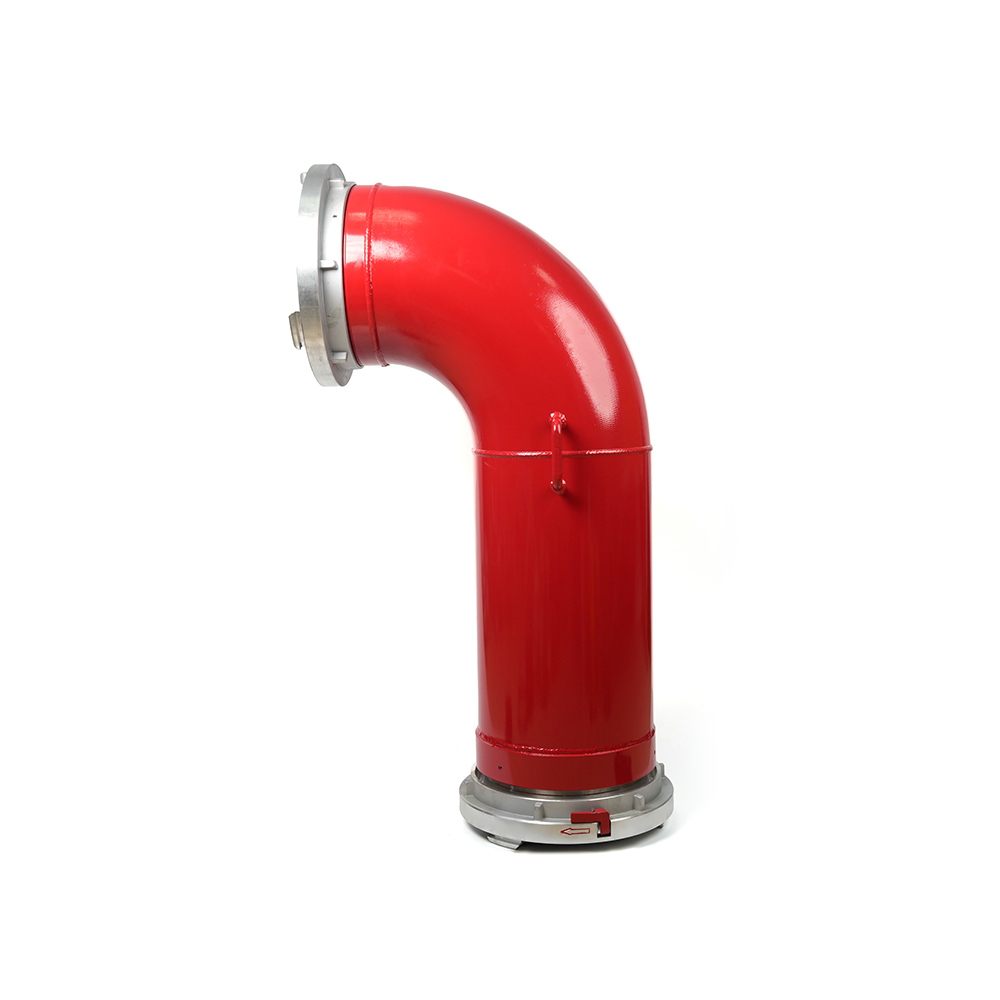 Grooved Fire Elbow-Storz
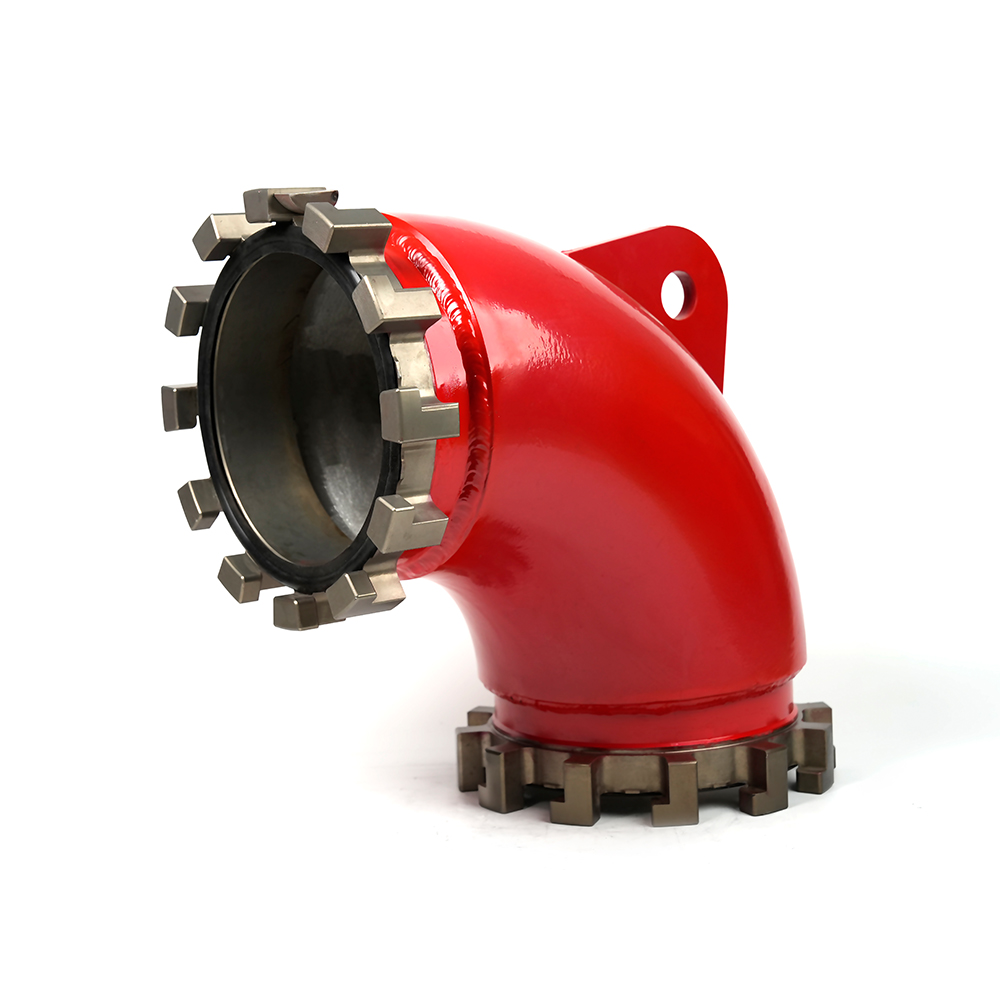 Grooved Fire Elbow-Multi-tooth
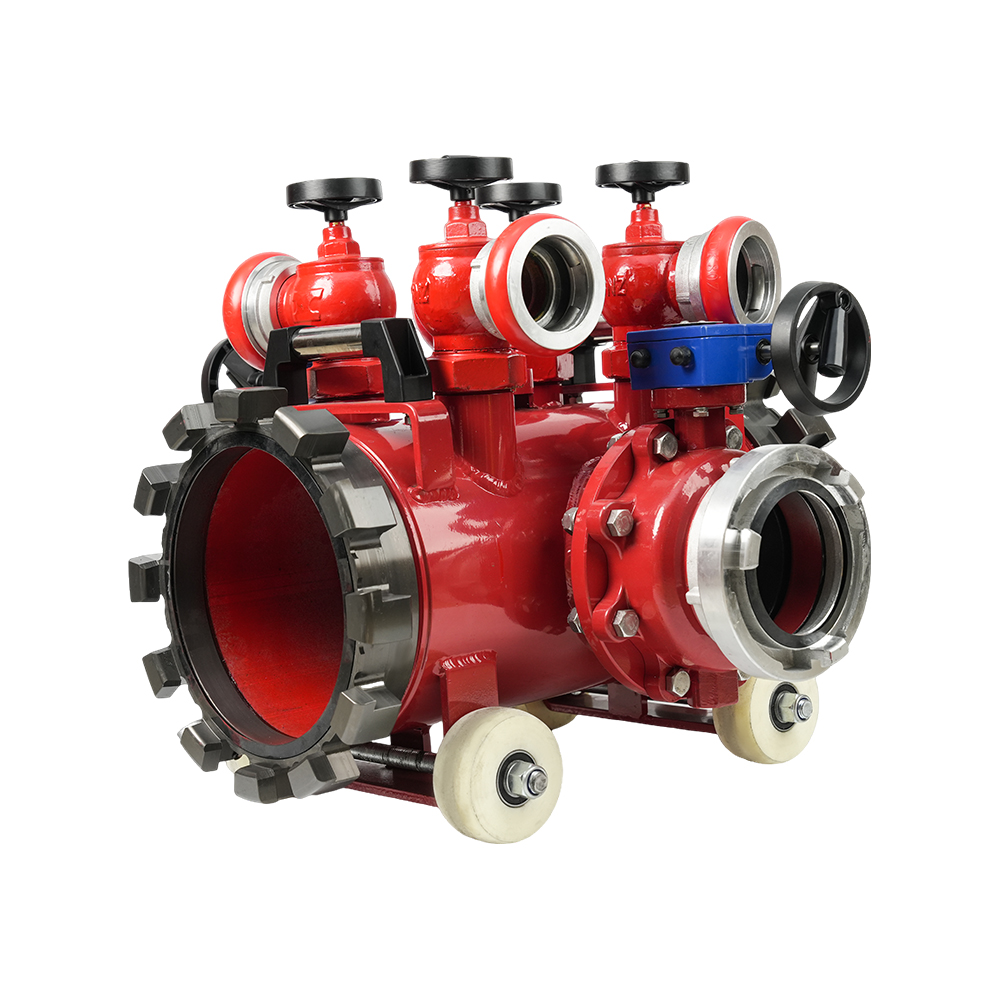 Multi-functional Fire Hose Distributor
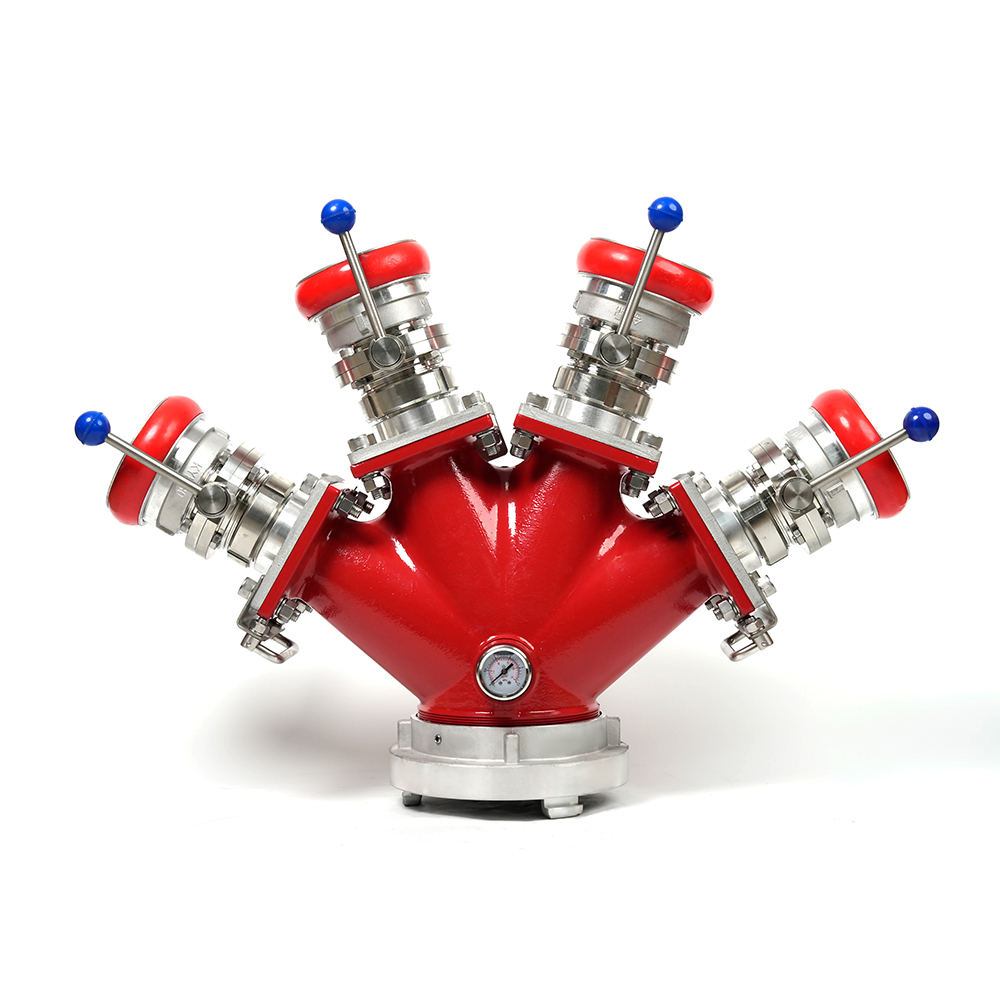 Locking Four-Way Fire Hose Distributor
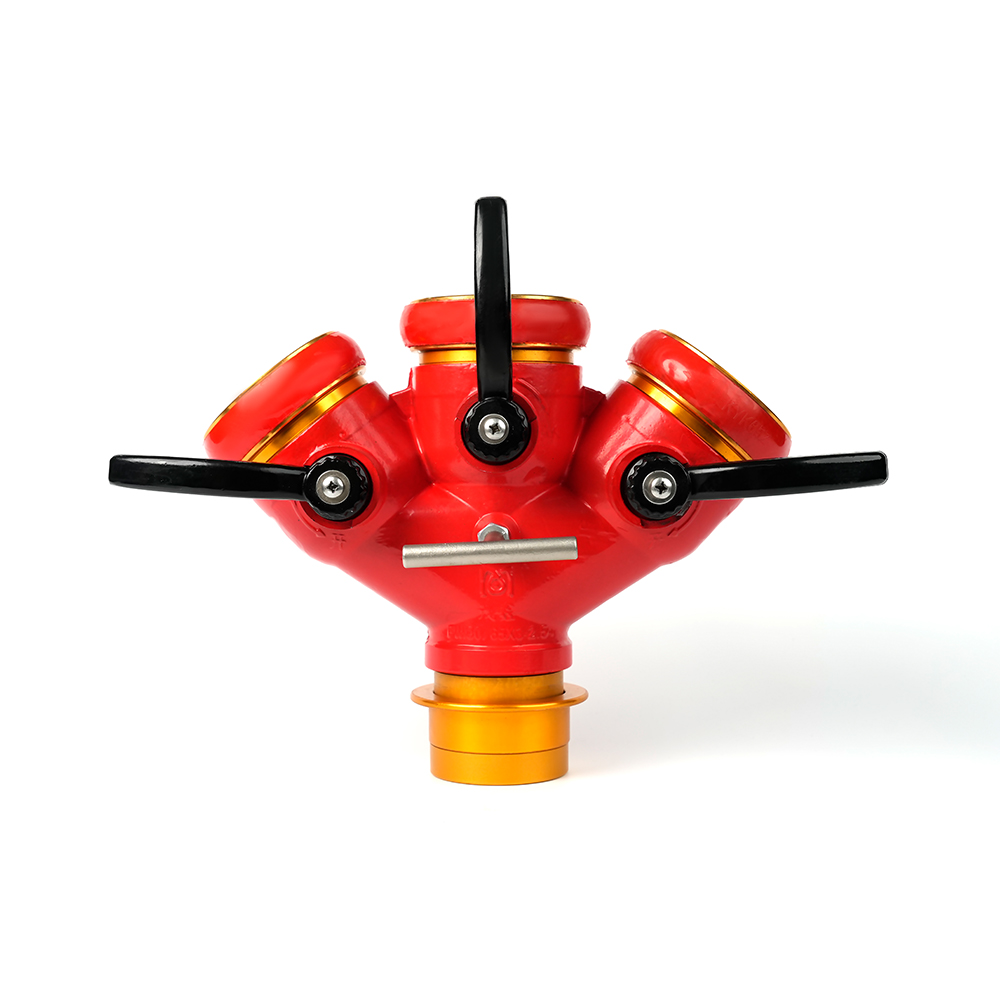 Locking Three-Way Fire Hose Distributor
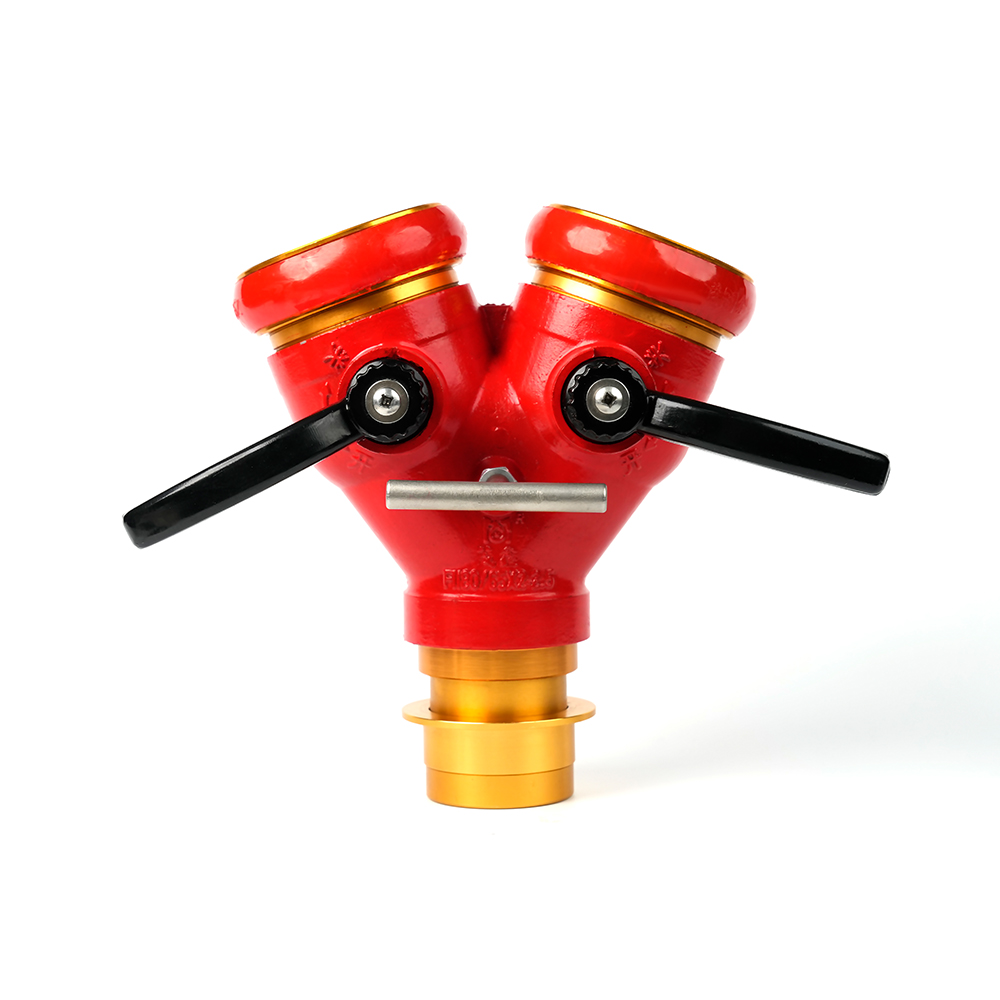 Locking Two-Way Fire Hose Distributor
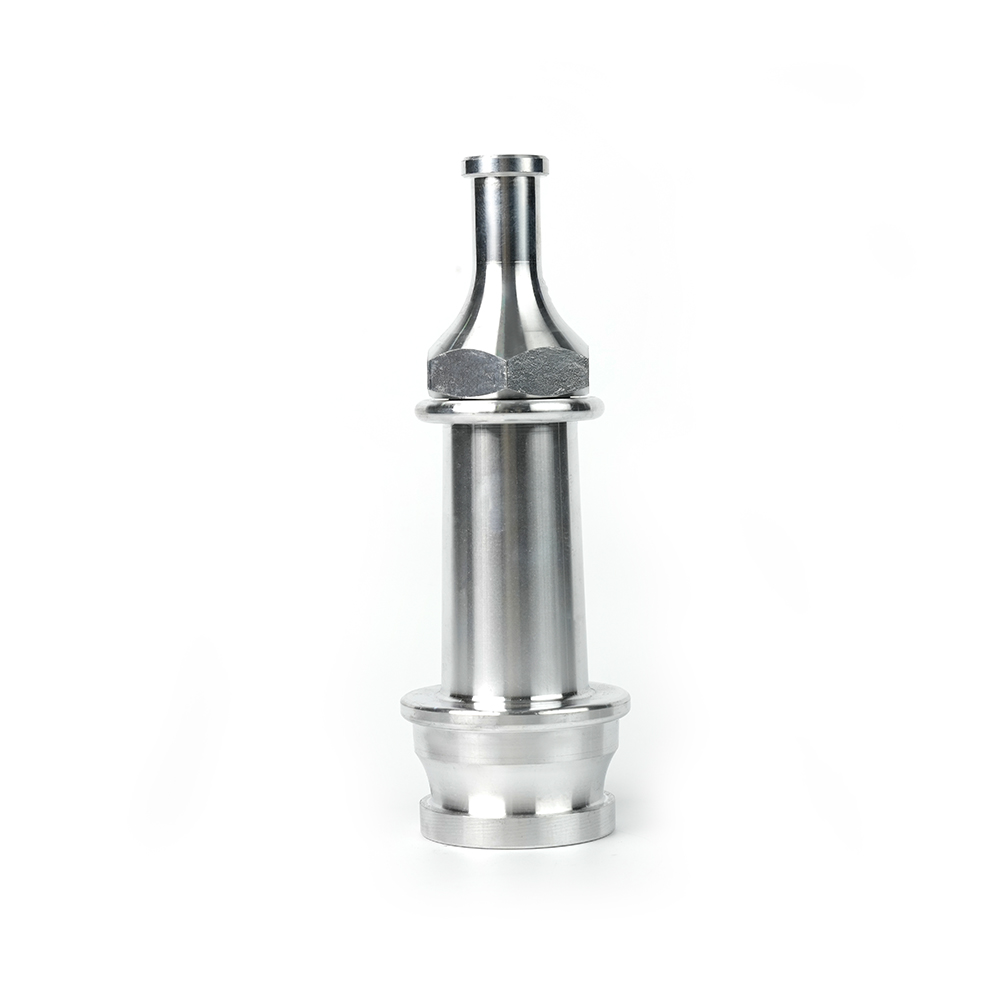 Straight Stream Nozzle
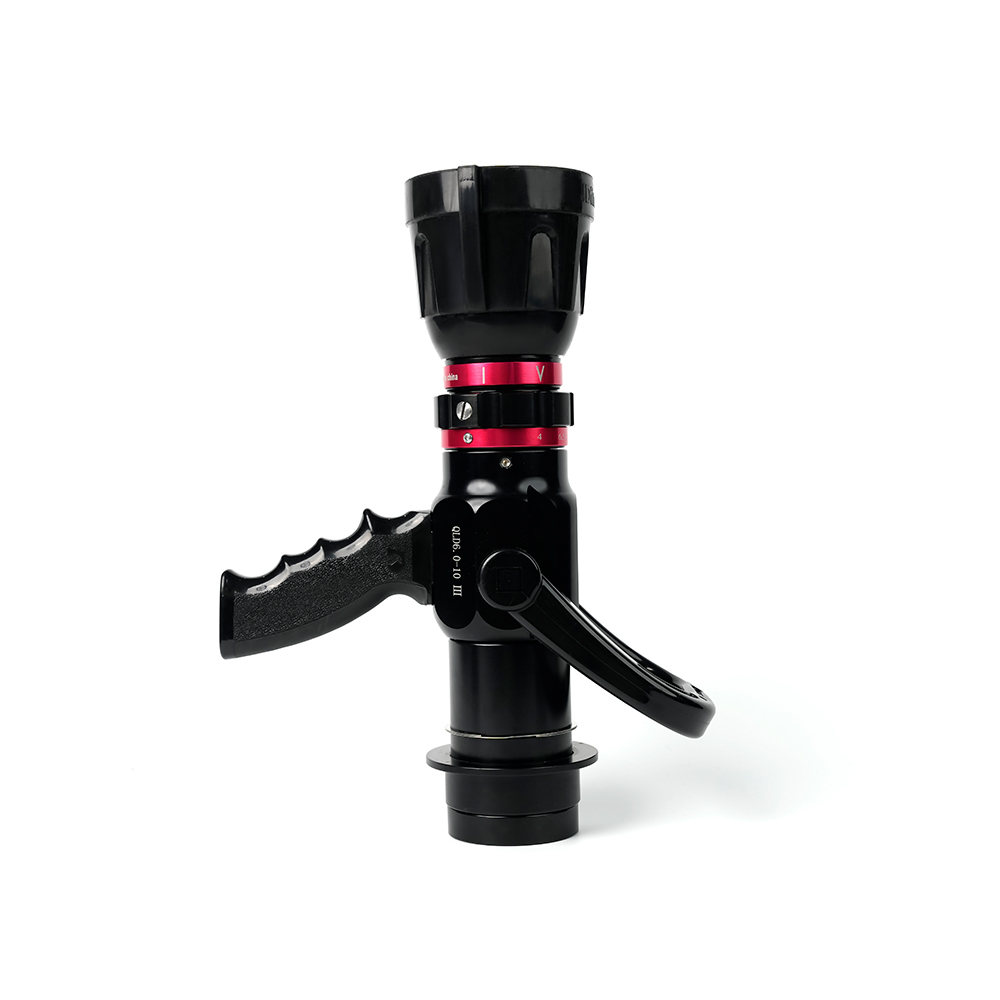 Adjustable nozzle-machino
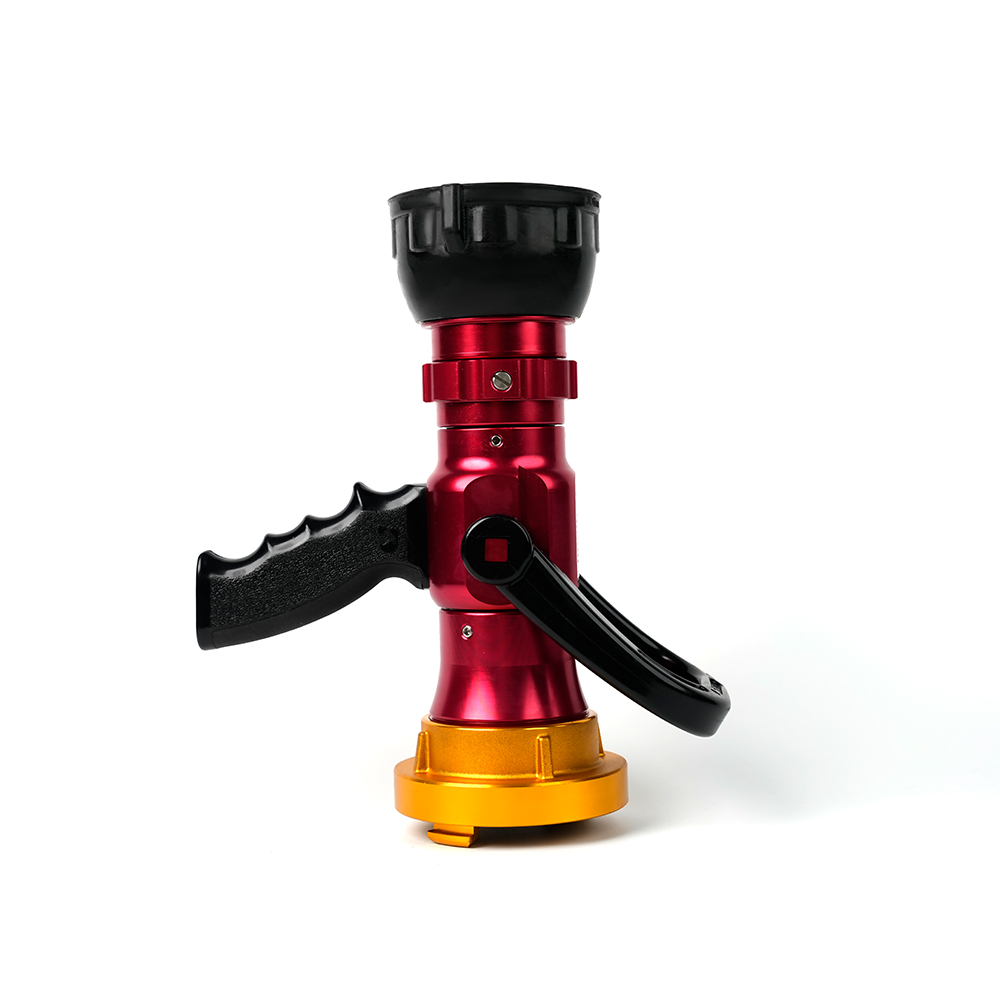 Adjustable nozzle-storz
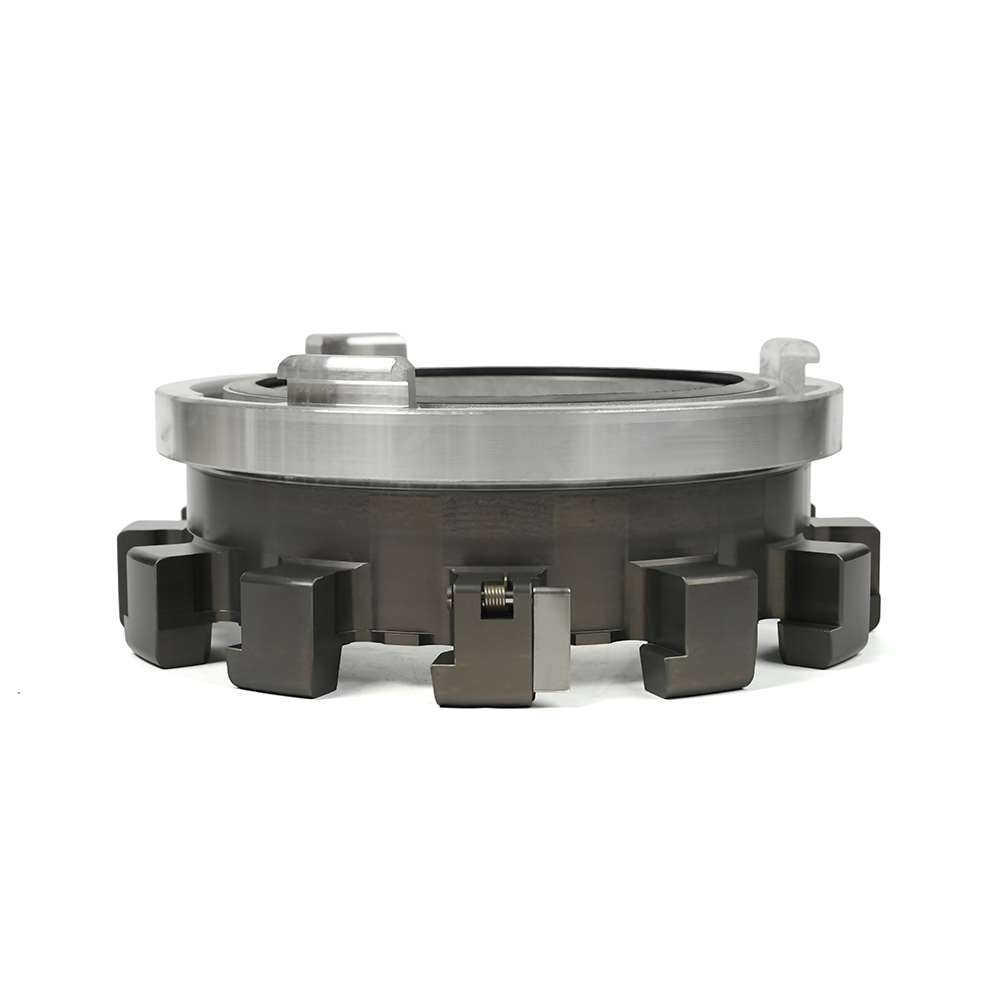 Storz Adapter Couplings - Multi-Tooth
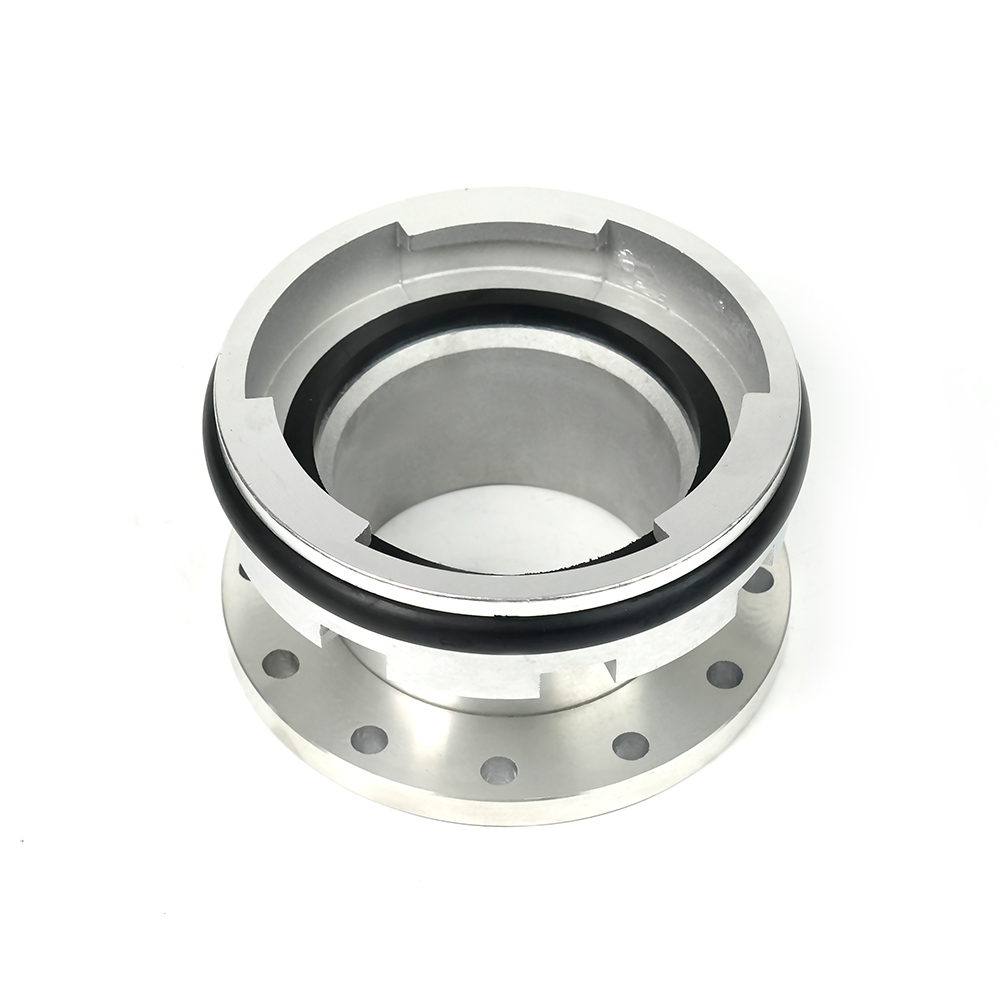 Machino Adapter Couplings – Flanged
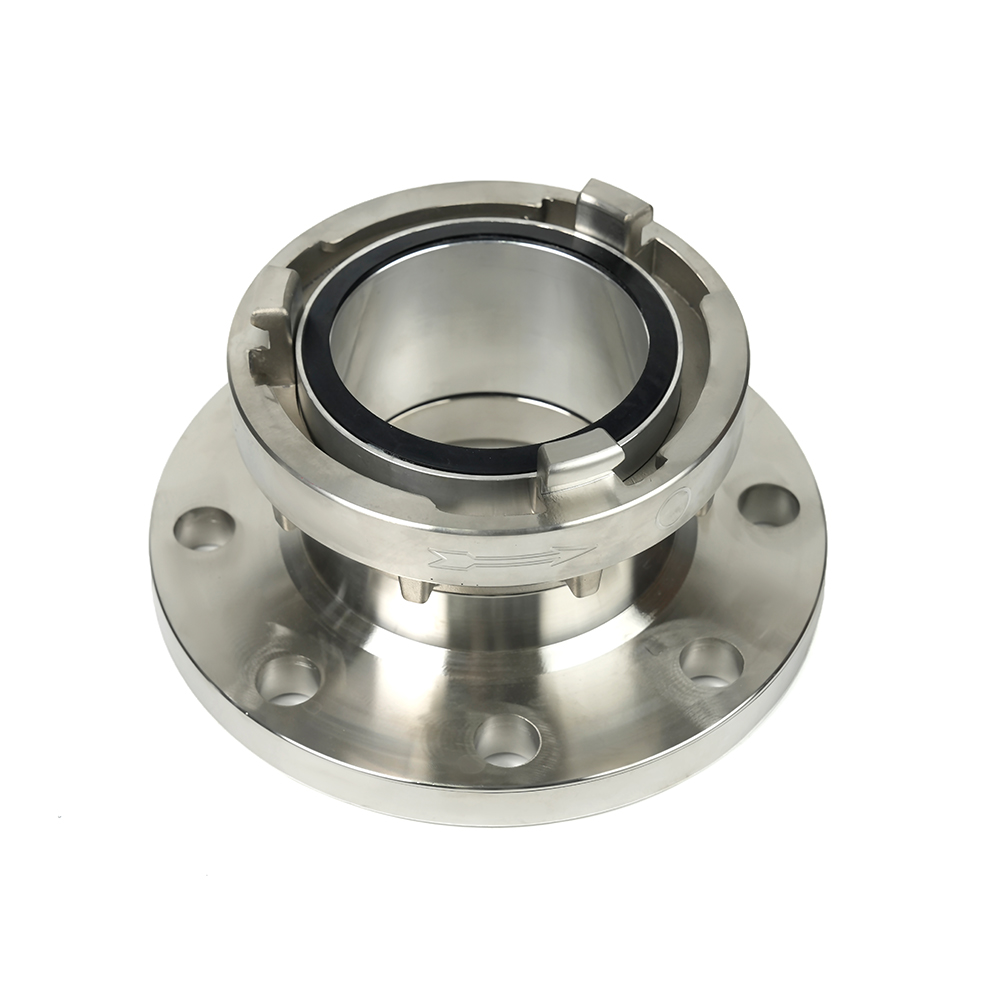 Storz Adapter Couplings – Flanged

 Contact Number
+86-0523-83274900
+86-151 9064 3365
 Let our team offer you customs solutions.
 Company Address
West side of Hongxing Middle Road, Lincheng Street, Development Zone, Xinghua City, Jiangsu Province, China
Copyright @Jiangsu Jinding Fire Protection Technology Co., Ltd. All rights reserved Fire Protection Equipments Manufacturers
