 英语
英语 西班牙语
西班牙语 德语
德语Industry News
Home / News / Industry News / What are the different types of connectors in the fire protection field?


+86-0523-83274900
+86-151 9064 3365
Content
In the fire protection field, fire connectors encompass a variety of critical components, from fluid transfer to electronic signal monitoring. The main types include: hose couplings for quick connection of fire hoses to water sources; grooved connectors for connecting pipes in automatic sprinkler systems; and electrical signal fire connectors, which are indispensable in modern smart fire protection systems. These devices must possess extremely high pressure resistance, high temperature resistance, and corrosion resistance to ensure the absolute reliability of the fire protection system in extreme environments.
Fluid fire connectors are the most common and basic part of a fire protection system, directly determining the transmission speed of the extinguishing medium (water or foam).
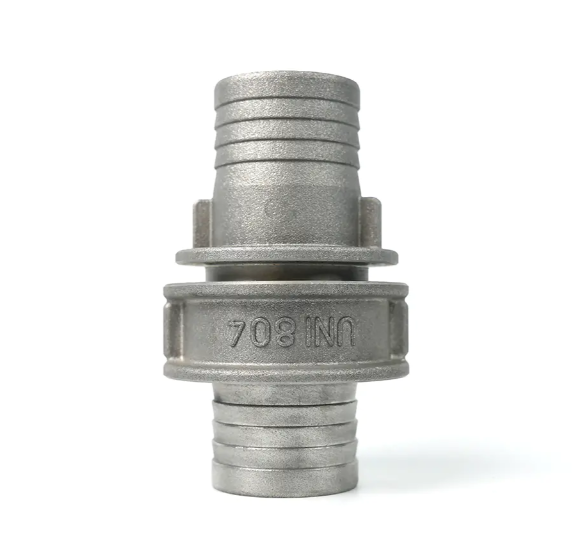
With the popularization of smart fire protection, the importance of electronic fire connectors is becoming increasingly prominent.
As a professional fire equipment supplier, we recommend that customers focus on the following three points when choosing fire connectors:
From traditional water system connections to underlying digital monitoring, fire connectors, though small in size, are the last line of defense in protecting urban safety. Understanding the functions and characteristics of different types of fire connectors is of great significance for optimizing fire system design and improving emergency rescue efficiency.
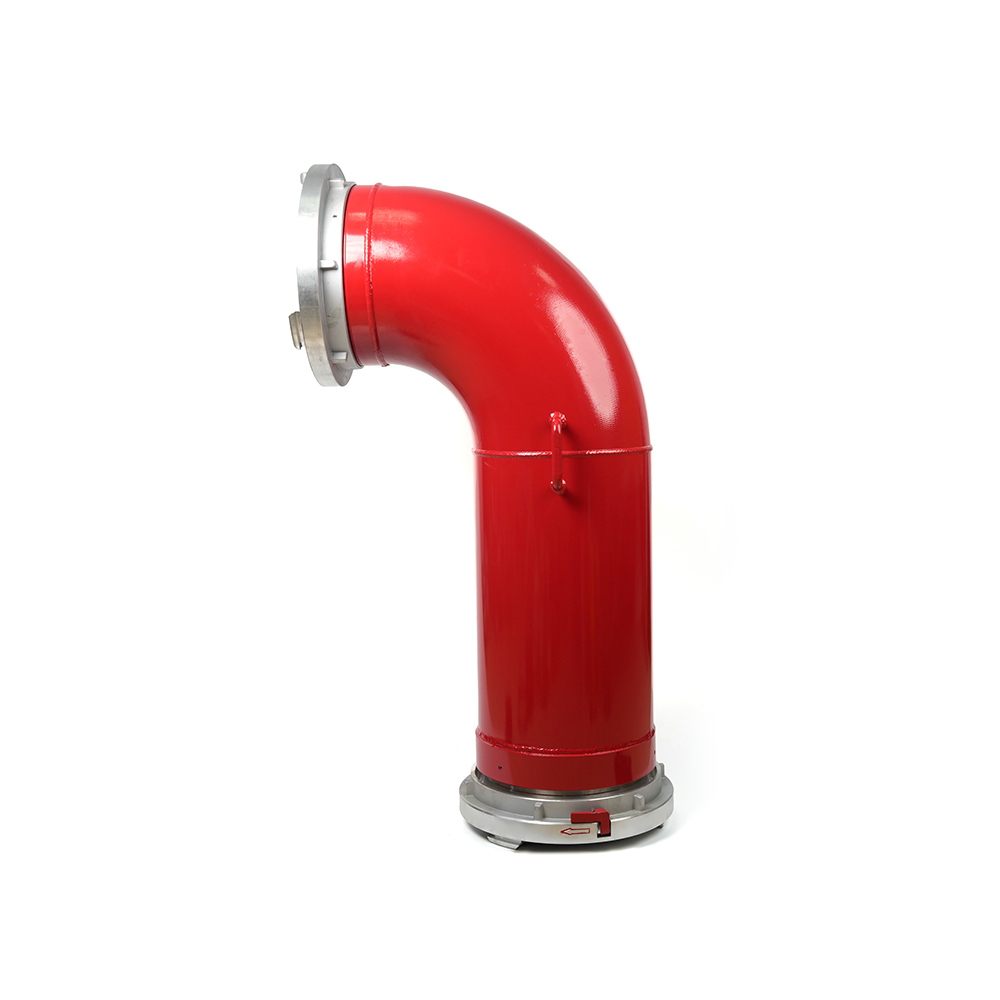 Grooved Fire Elbow-Storz
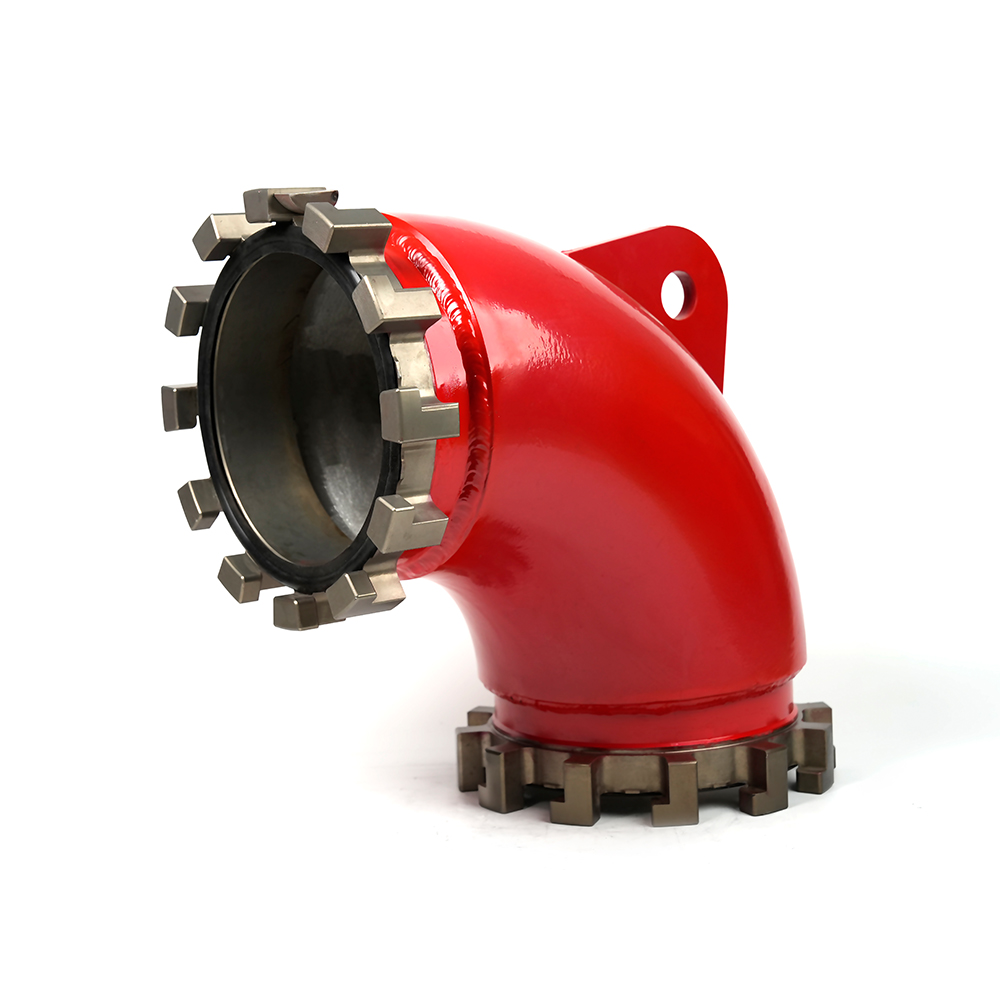 Grooved Fire Elbow-Multi-tooth
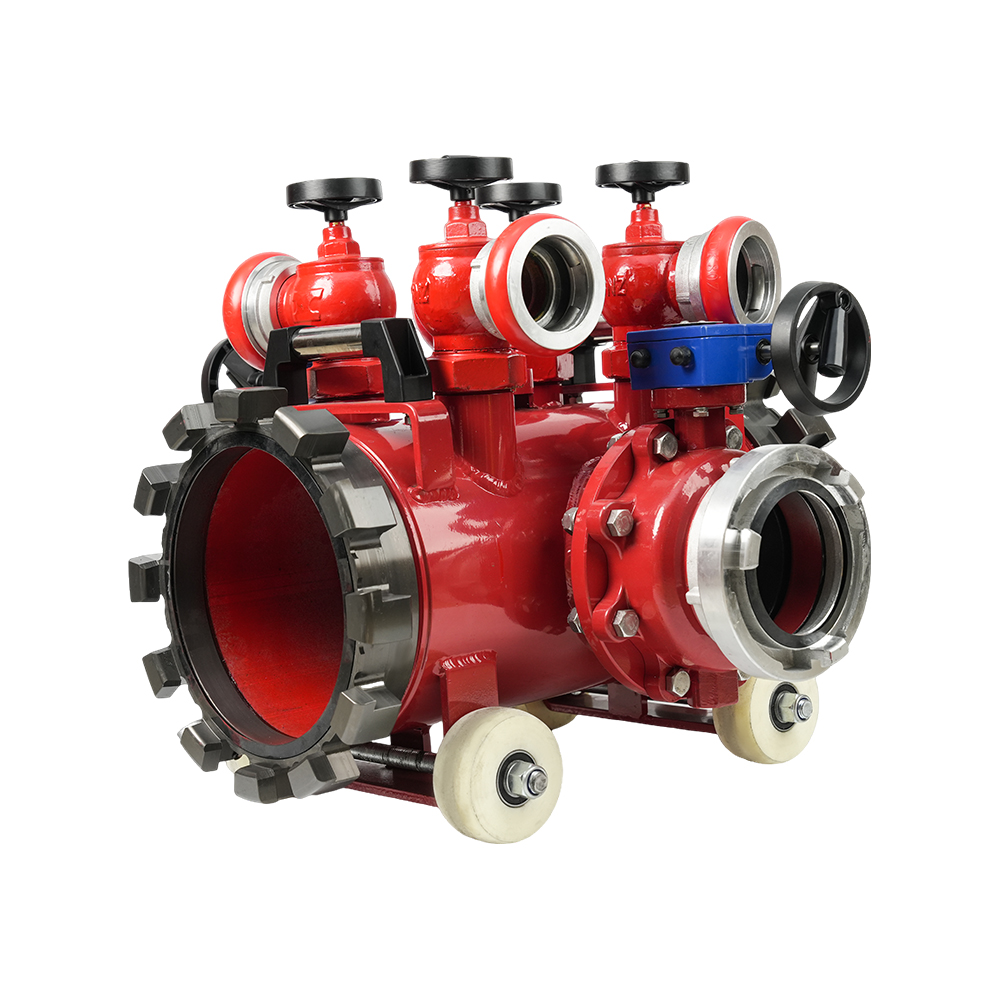 Multi-functional Fire Hose Distributor
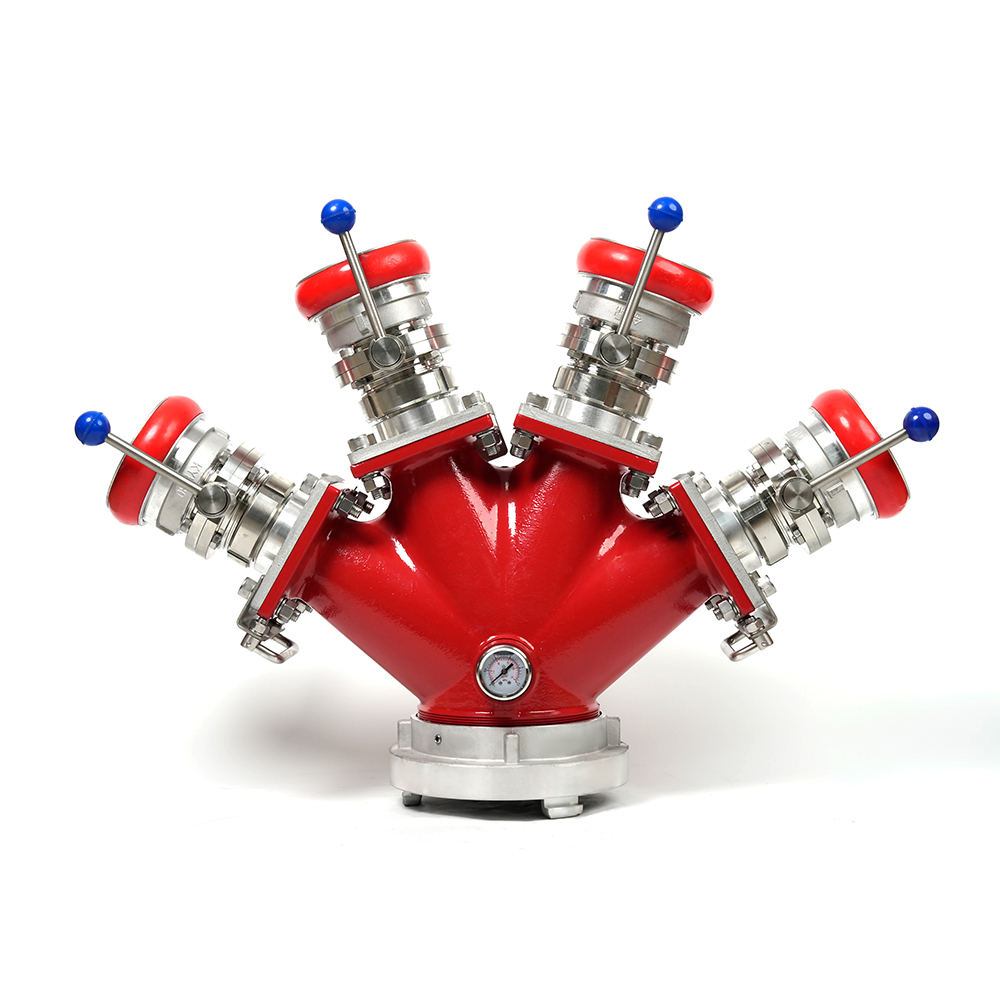 Locking Four-Way Fire Hose Distributor
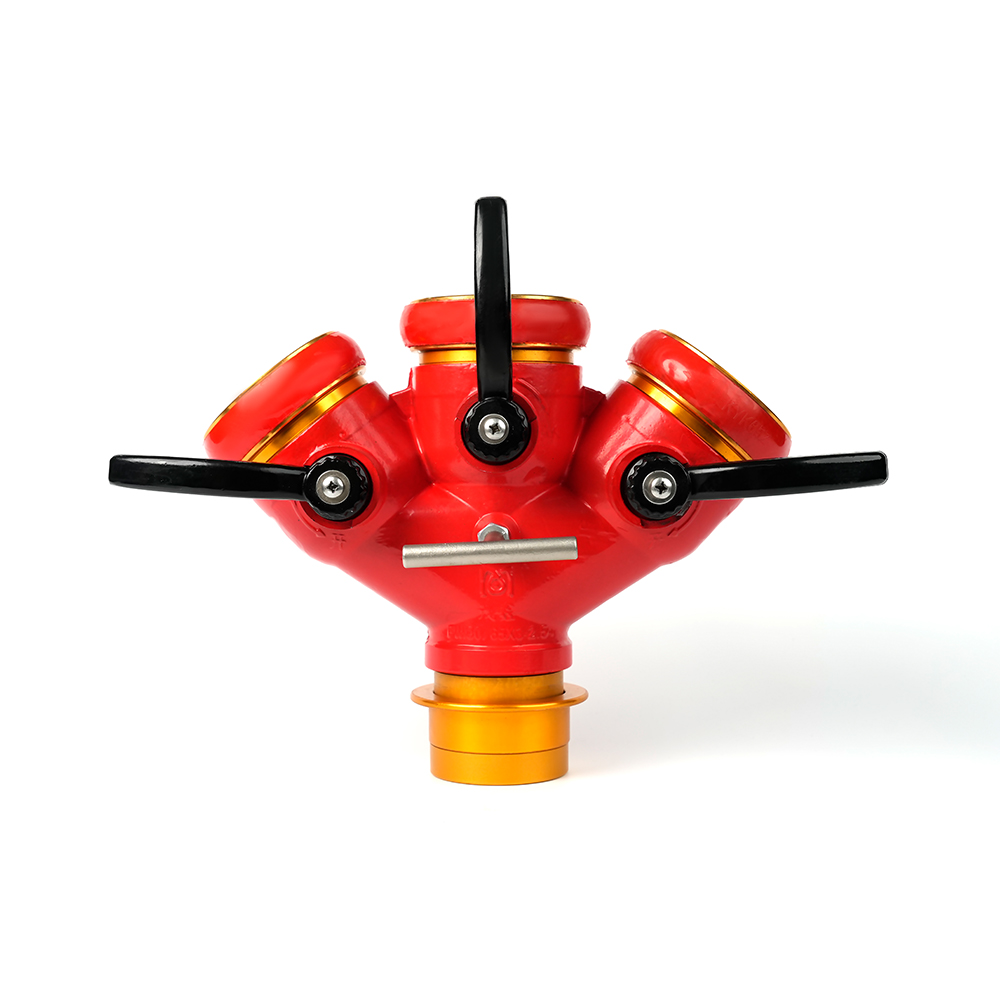 Locking Three-Way Fire Hose Distributor
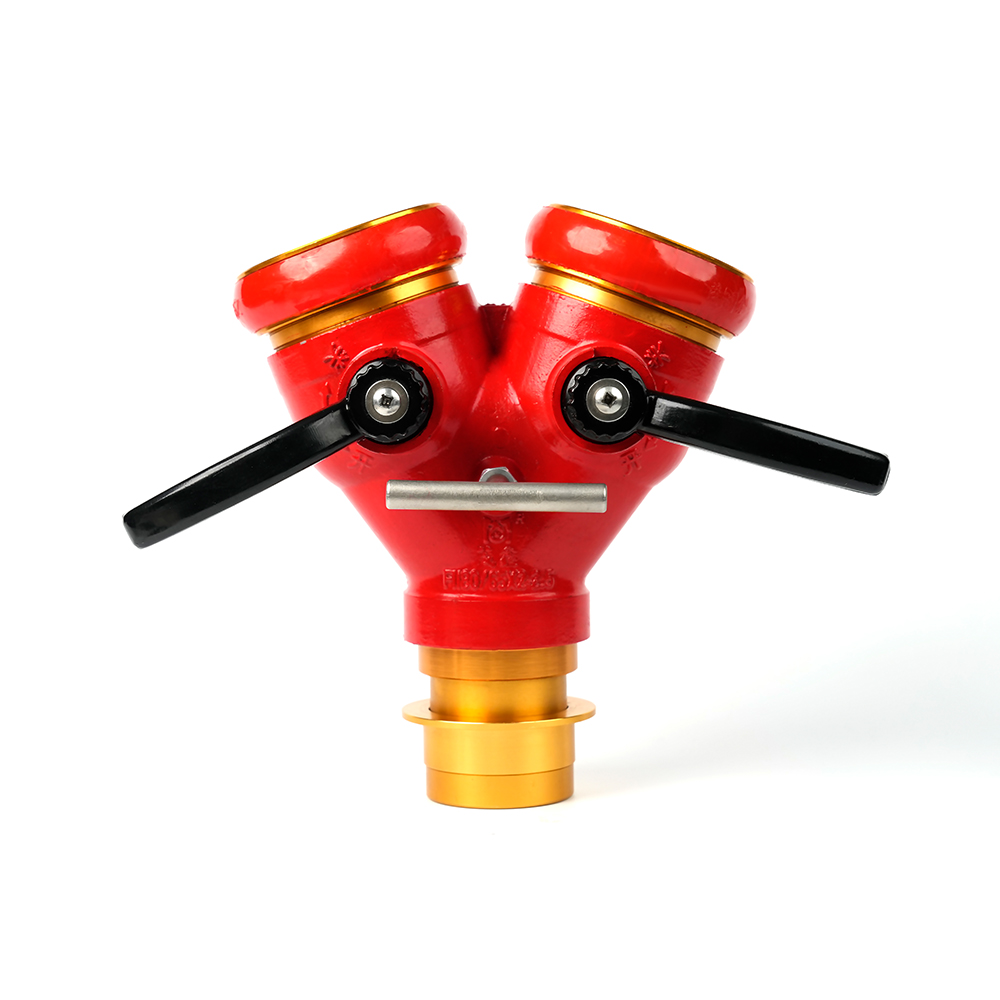 Locking Two-Way Fire Hose Distributor
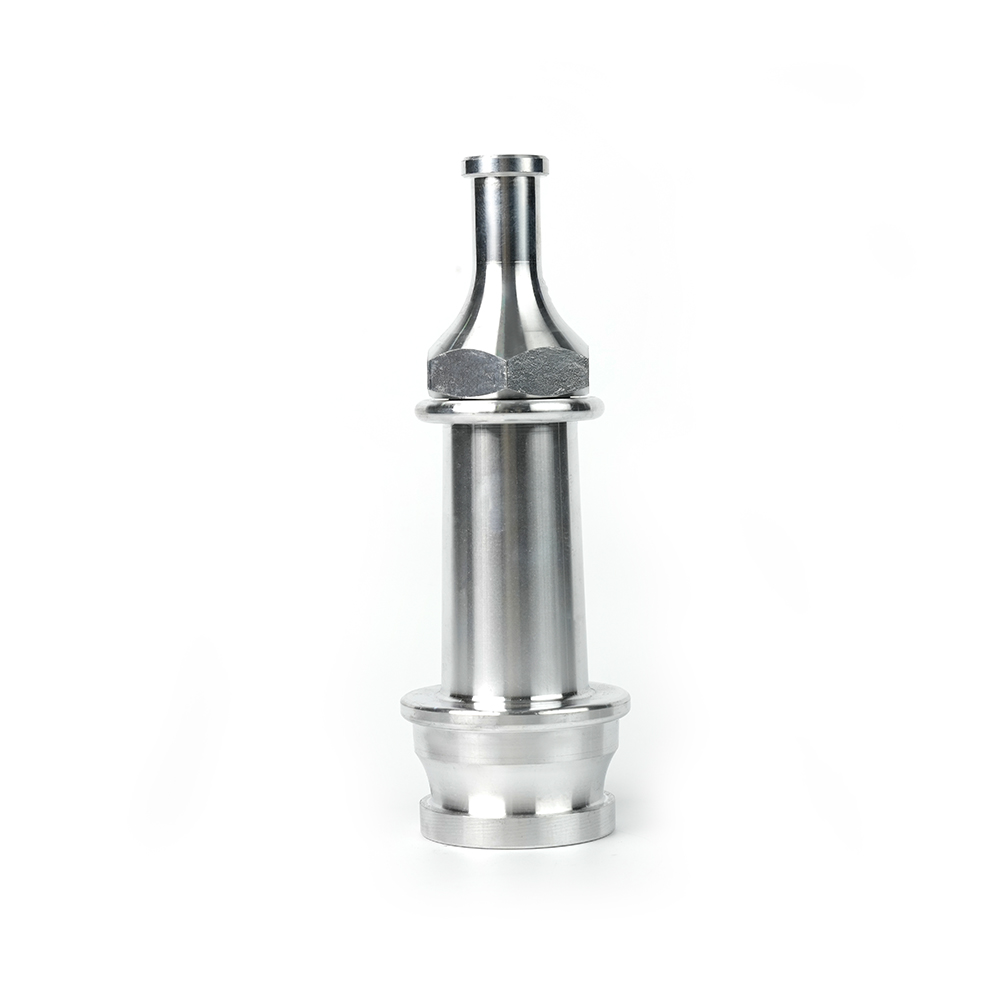 Straight Stream Nozzle
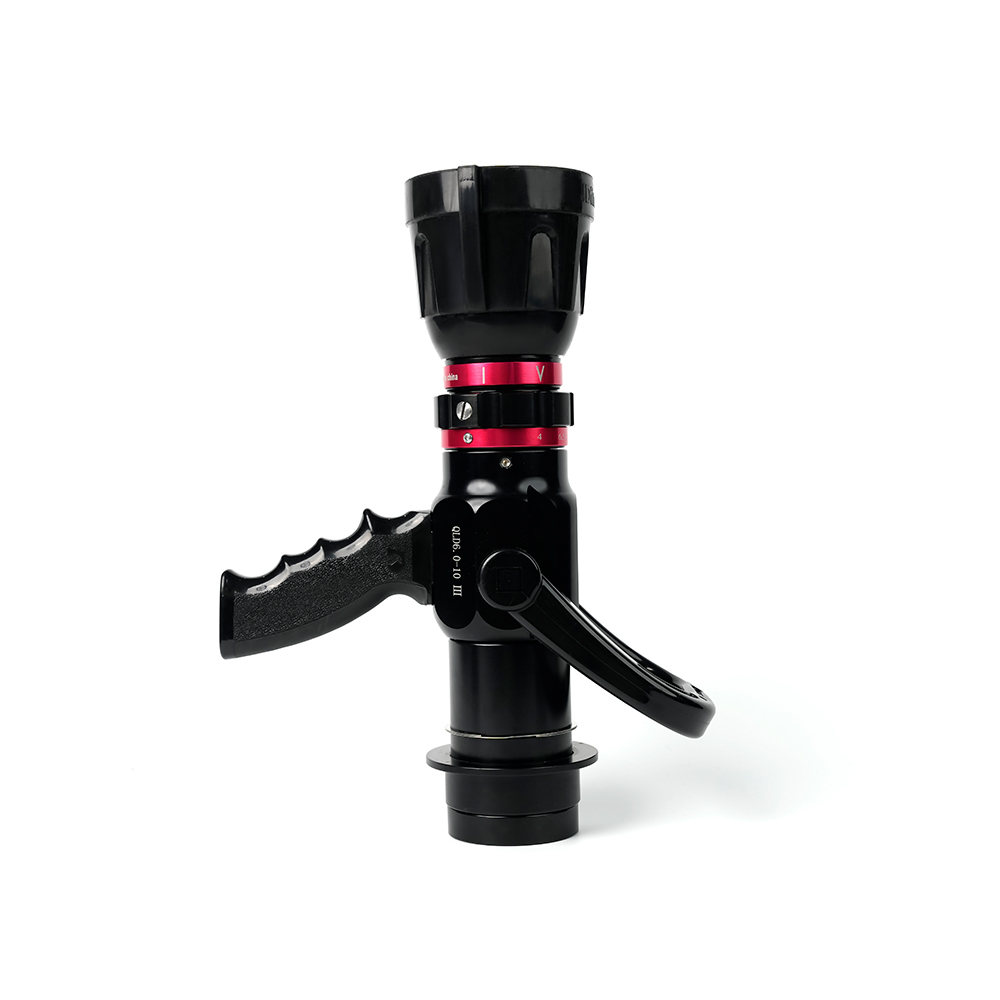 Adjustable nozzle-machino
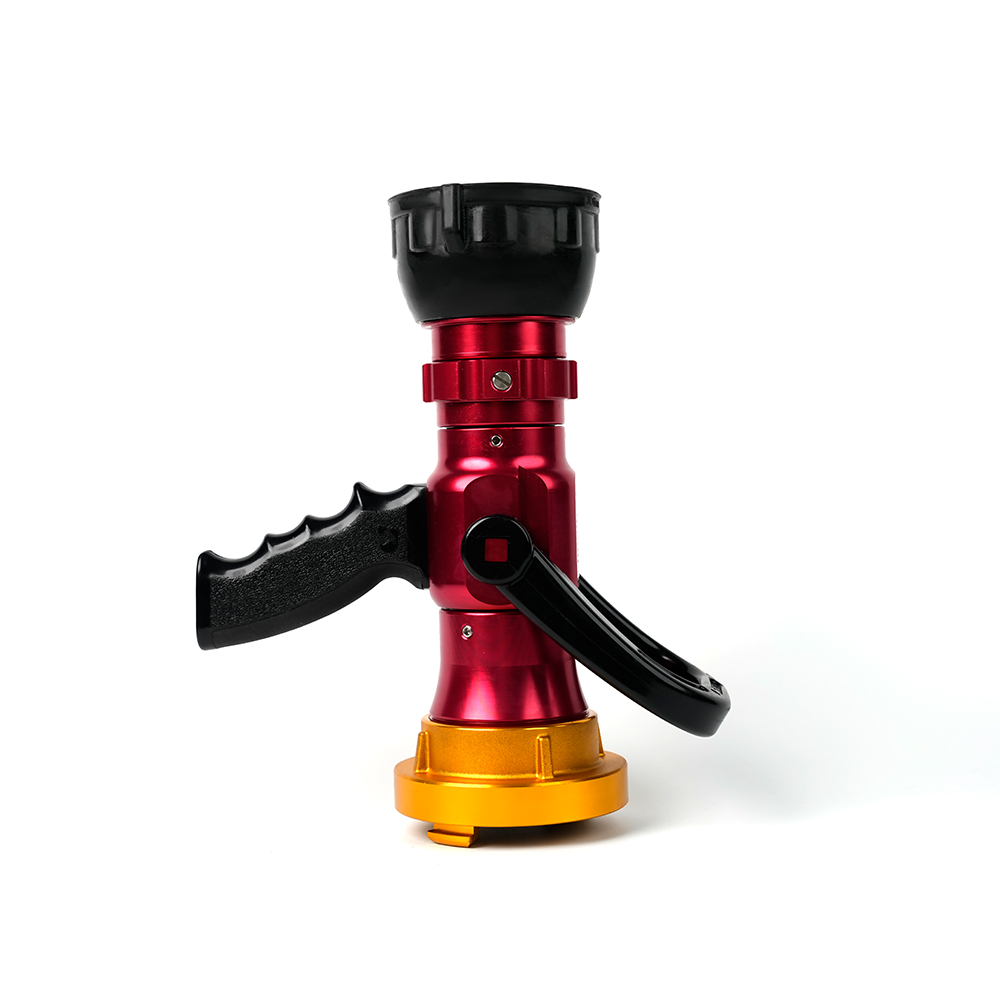 Adjustable nozzle-storz
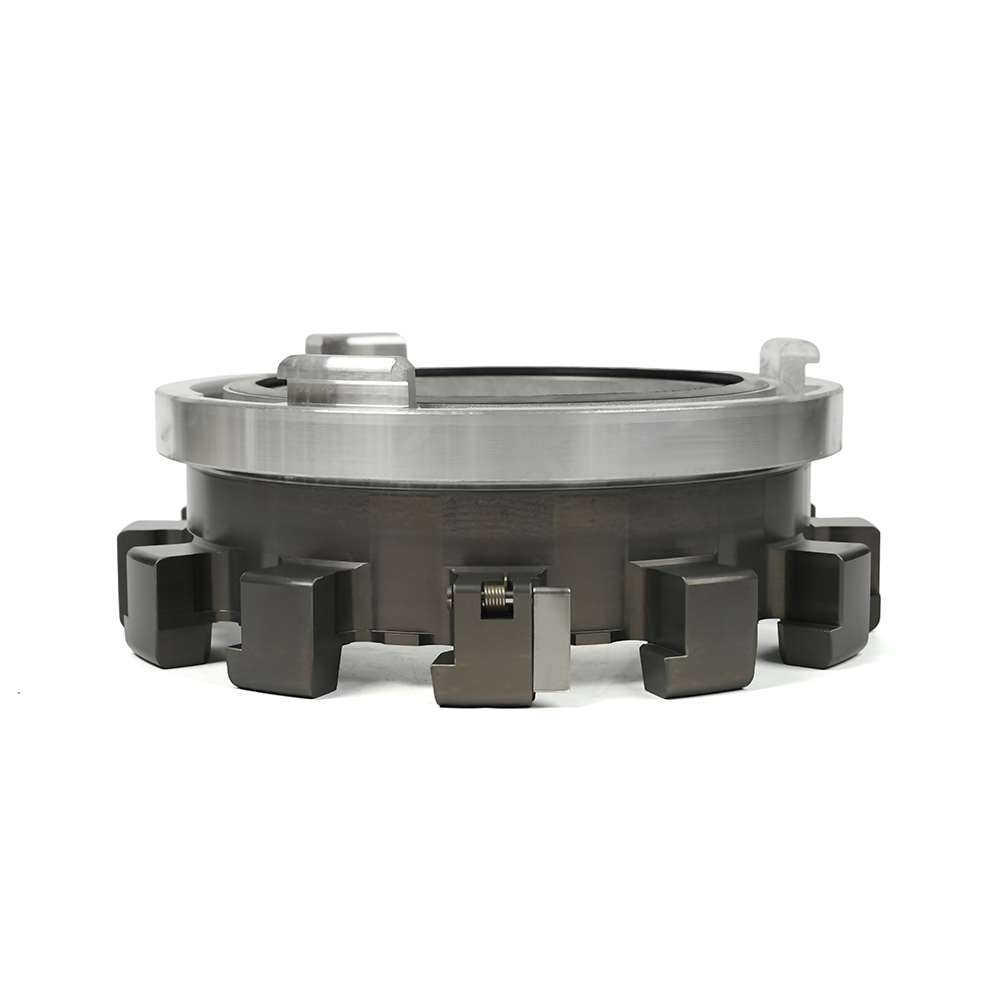 Storz Adapter Couplings - Multi-Tooth
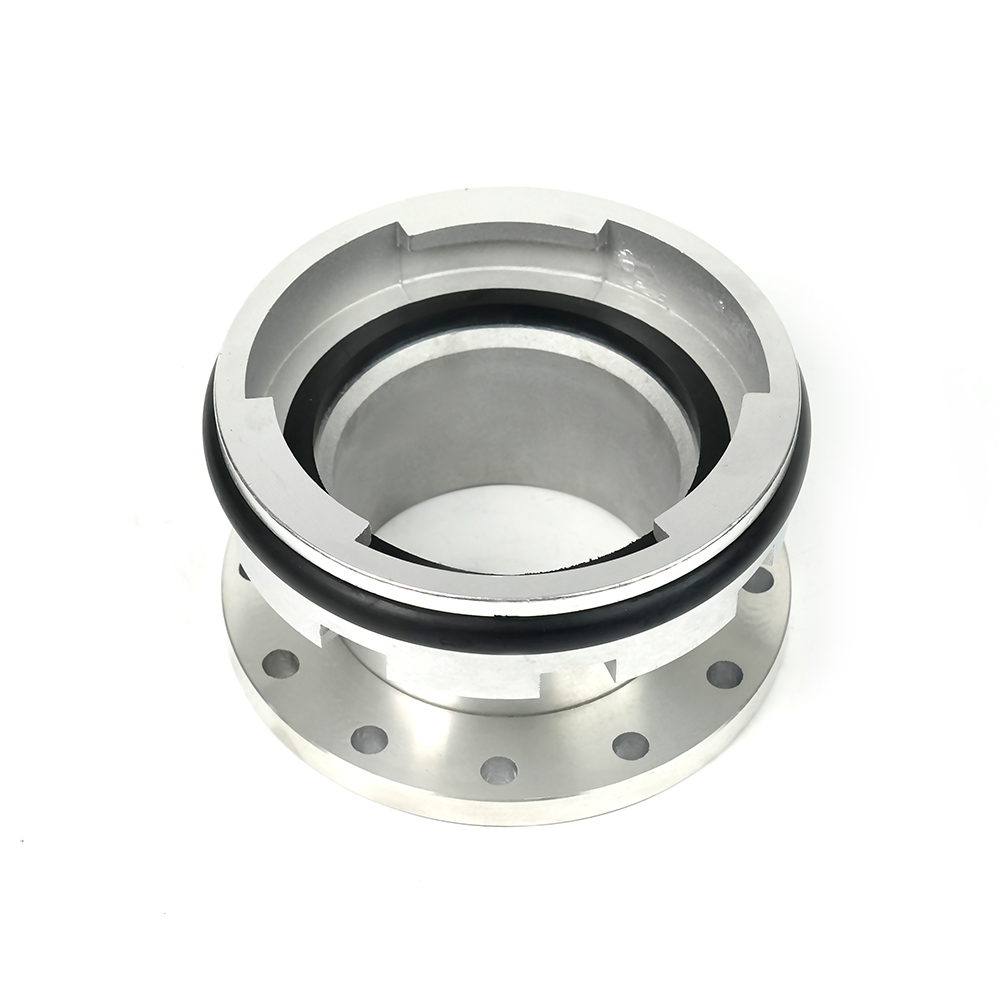 Machino Adapter Couplings – Flanged
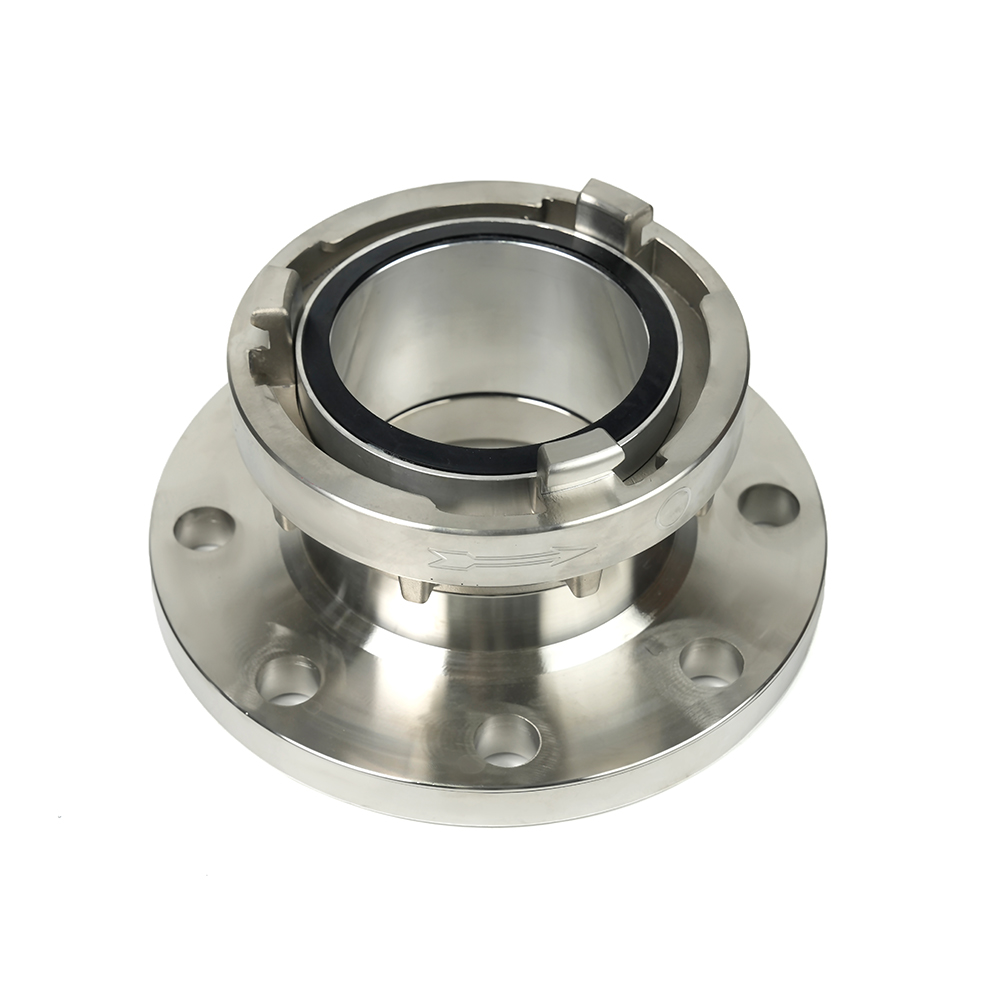 Storz Adapter Couplings – Flanged

 Contact Number
+86-0523-83274900
+86-151 9064 3365
 Let our team offer you customs solutions.
 Company Address
West side of Hongxing Middle Road, Lincheng Street, Development Zone, Xinghua City, Jiangsu Province, China
Copyright @Jiangsu Jinding Fire Protection Technology Co., Ltd. All rights reserved Fire Protection Equipments Manufacturers
