 英语
英语 西班牙语
西班牙语 德语
德语Industry News
Home / News / Industry News / What Safety Precautions Should Be Taken When Installing Fire Hose Couplings?


+86-0523-83274900
+86-151 9064 3365
Content
The primary safety precautions when installing fire hose couplings include ensuring the coupling matches the hose specifications, rigorously checking the seal, confirming water pressure compatibility, and following the correct operating sequence. Correct installation not only ensures the stable operation of the fire protection system in emergencies but also extends the service life of the fire hose and coupling, preventing leaks or accidents caused by improper operation.
Different models of fire hoses require corresponding coupling specifications. Generally, common fire hose coupling diameters include 65mm, 75mm, and 100mm. Before installation, always check that the coupling and hose interface are completely compatible to avoid leaks or detachment due to size mismatch.
Example: Using a 100mm fire hose coupling to connect a 75mm hose may cause the coupling to detach during high-pressure water spray, resulting in a fire accident.
Before installation, carefully check that the sealing ring, threads, and locking mechanism of the fire hose coupling are intact. If the sealing ring is aged, cracked, or improperly positioned, it can cause leakage from high-pressure water.
Operation Tip: Test under low pressure first to ensure a tight connection between the connector and the hose before putting it into service.
Fire hose connectors generally need to withstand a water pressure between 1.0MPa and 1.6MPa. During installation, ensure the system water pressure does not exceed the connector's design limit. Excessive water pressure can cause the connector to burst, while insufficient pressure will affect the effectiveness of the fire hose spray.
Case Study: A fire drill used a connector that did not meet the water pressure requirements, causing the hose to suddenly detach during spraying, delaying firefighting time.
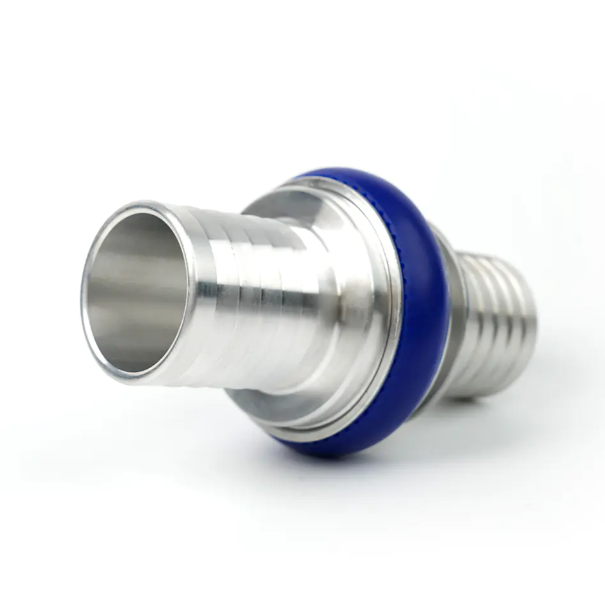
When installing fire hose connectors, follow the sequence: "Clean the hose interface → Insert the connector → Fasten the buckle → Check the seal." Avoid forcibly rotating or striking the connector, as this can easily damage the threads or the sealing ring.
Practical Tip: After installation, test the connector's stability by hand before conducting a water pressure test to ensure there is no loosening or leakage.
Even with correct installation, fire hose connections require regular inspection. It is recommended to conduct a routine inspection every 3-6 months to ensure the connections are free of cracks, corrosion, or loosening. Connections exposed to sunlight or chemical environments for extended periods should be given special attention to prevent material aging.
Data Reference: According to fire equipment maintenance standards, regular inspections can reduce connection failure rates by more than 40%, improving firefighting efficiency and safety.
The key to safe installation of fire hose connections lies in matching specifications, checking seals, ensuring water pressure compatibility, following the correct operating sequence, and routine maintenance. Adhering to these safety guidelines not only ensures reliable operation of fire hoses in emergencies but also extends equipment lifespan and avoids unnecessary losses.
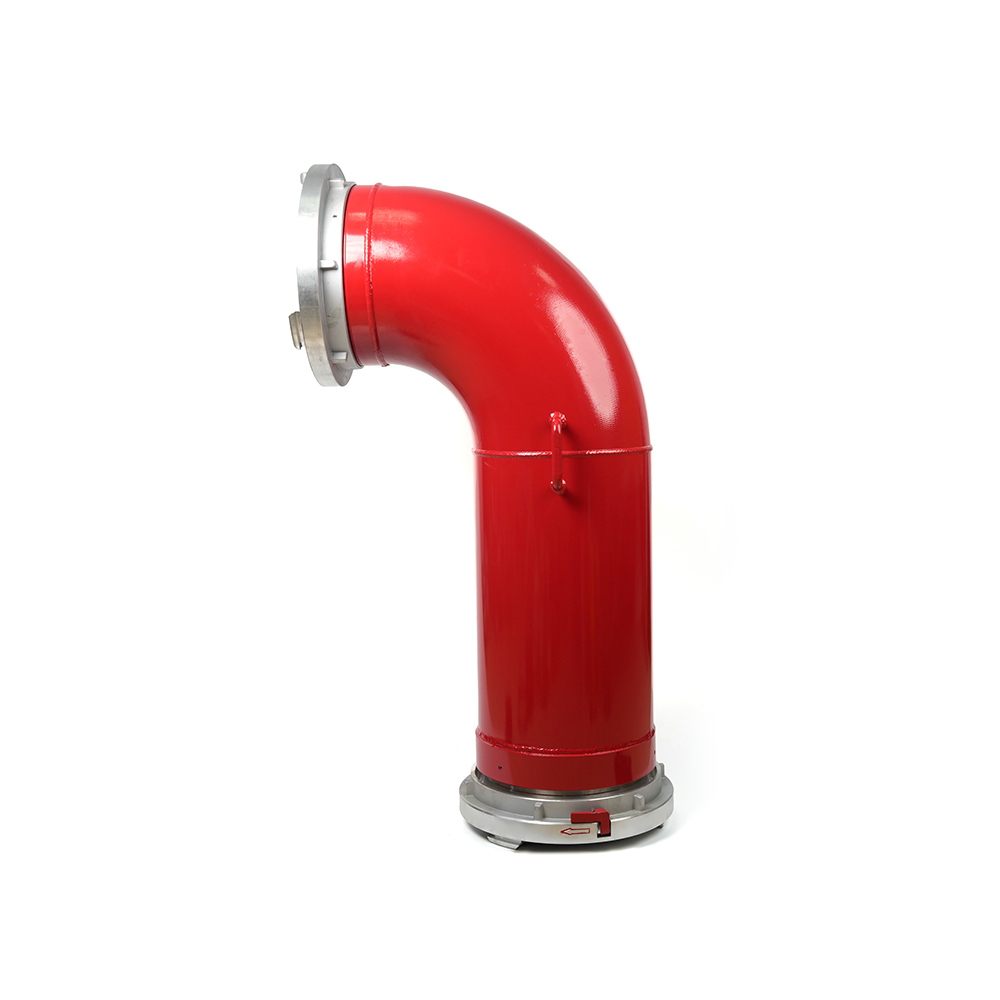 Grooved Fire Elbow-Storz
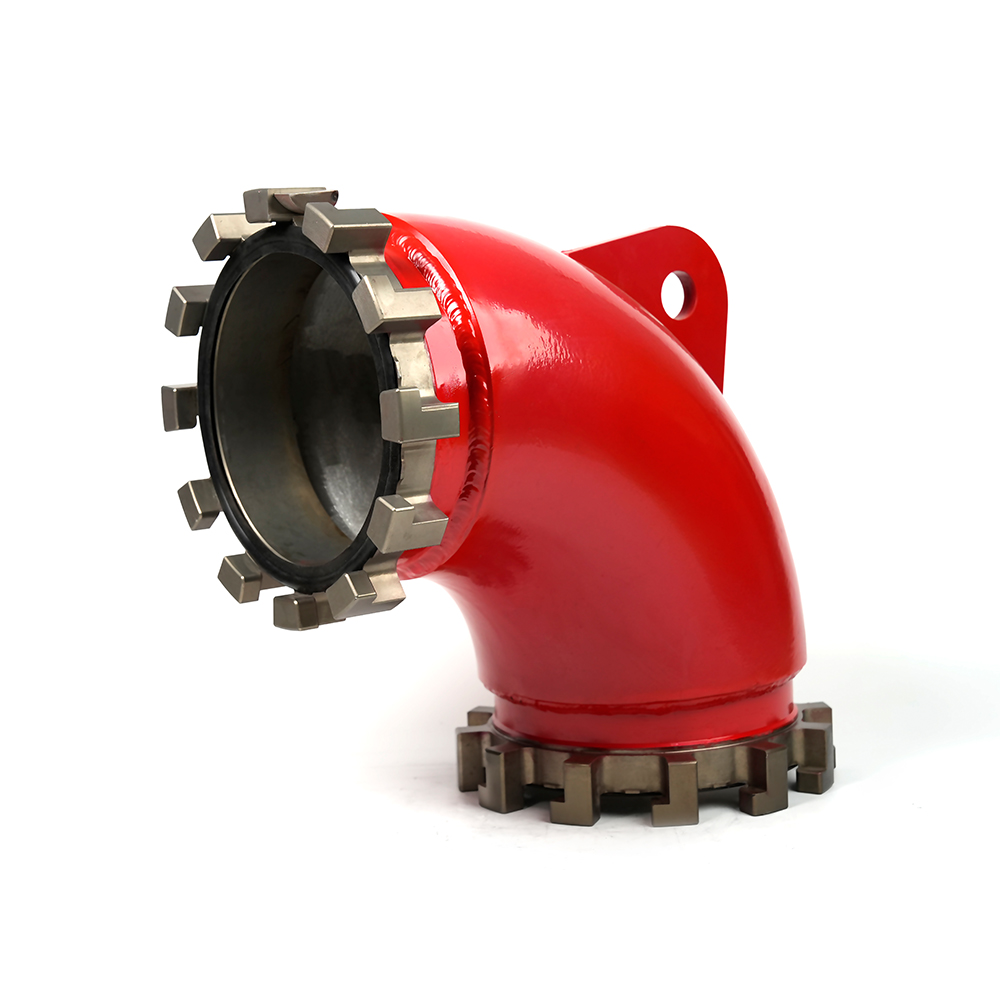 Grooved Fire Elbow-Multi-tooth
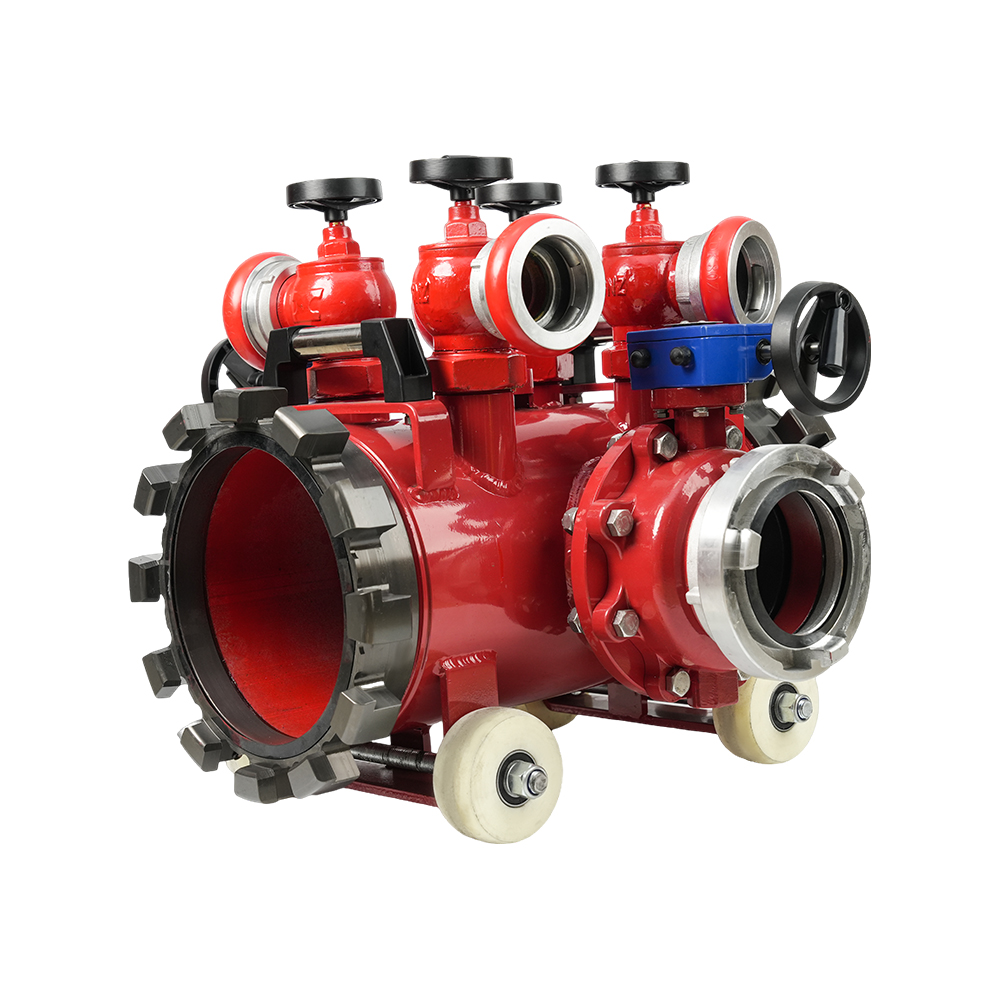 Multi-functional Fire Hose Distributor
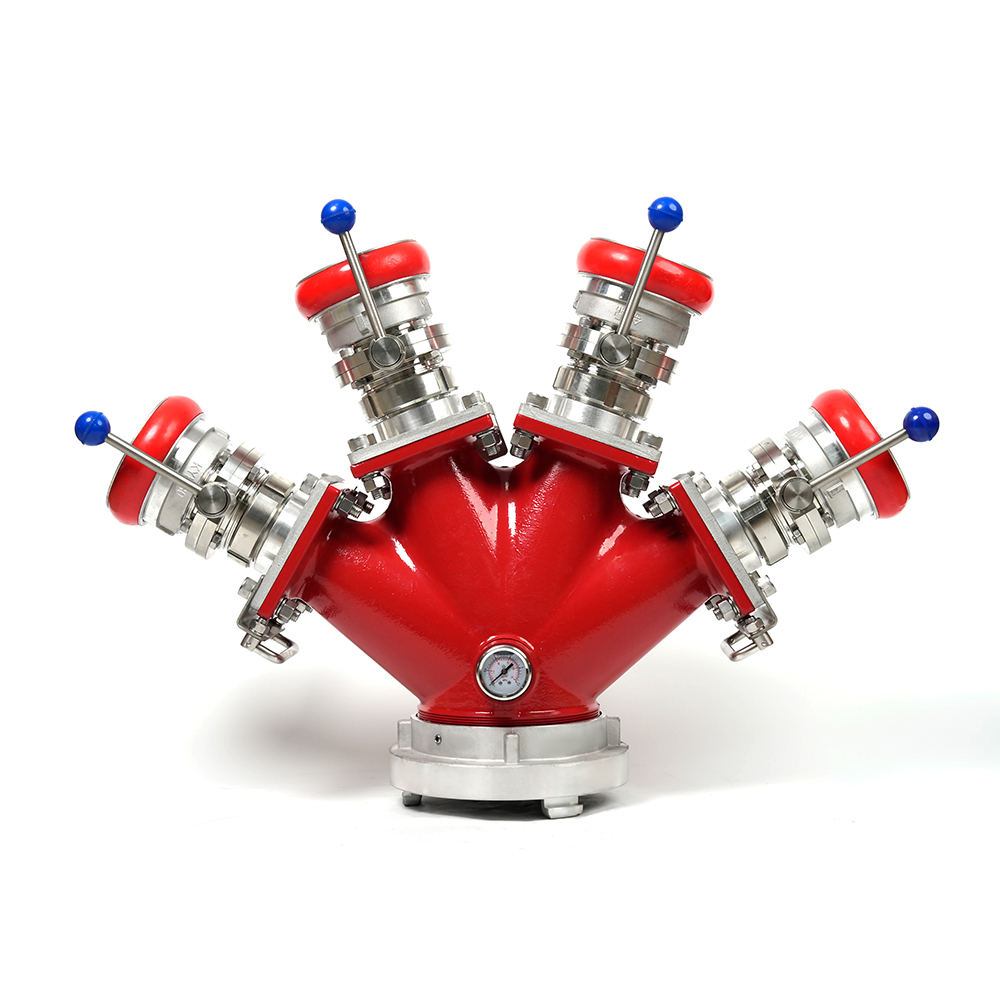 Locking Four-Way Fire Hose Distributor
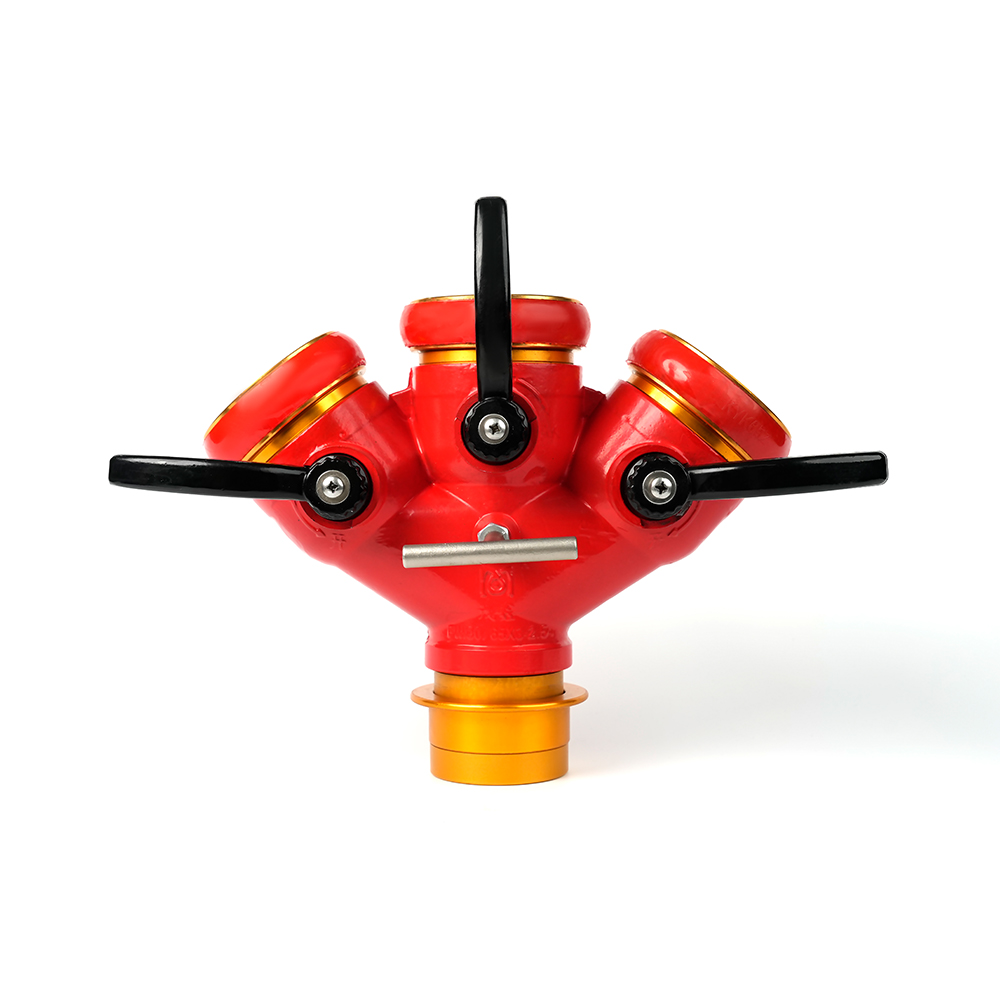 Locking Three-Way Fire Hose Distributor
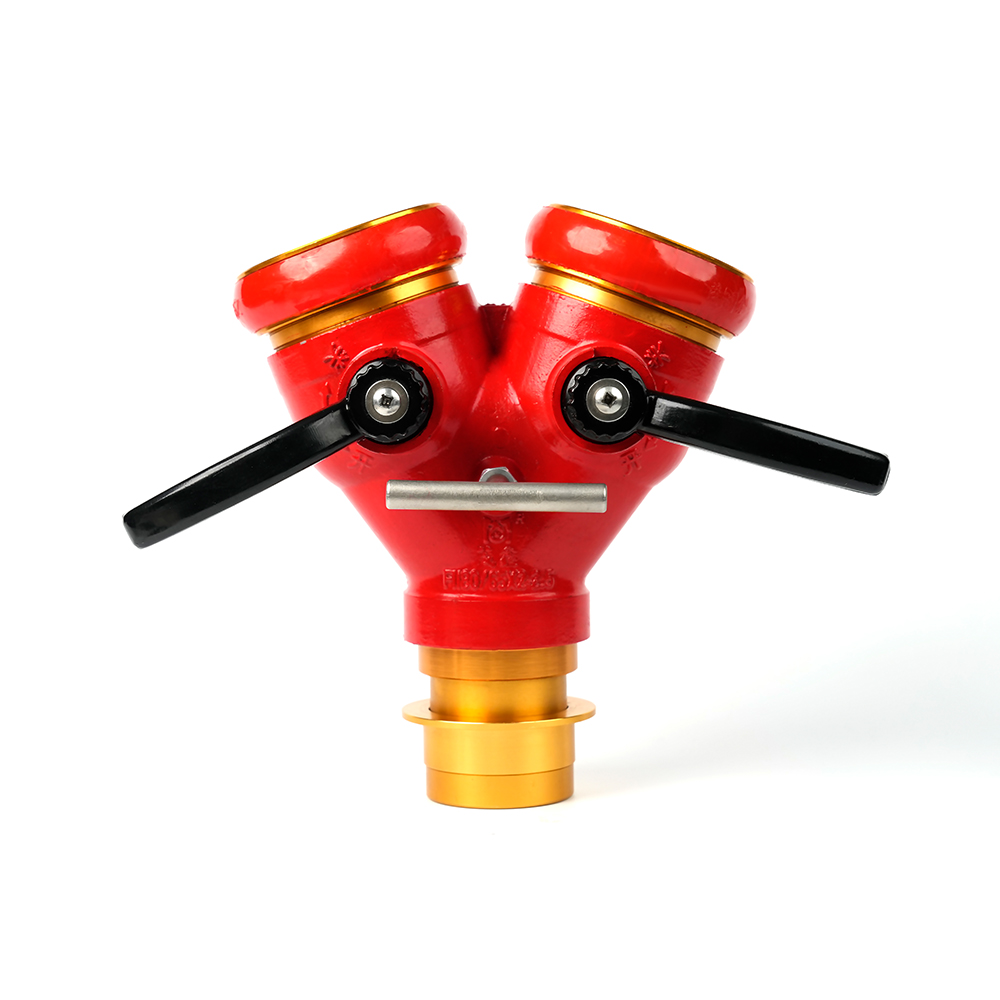 Locking Two-Way Fire Hose Distributor
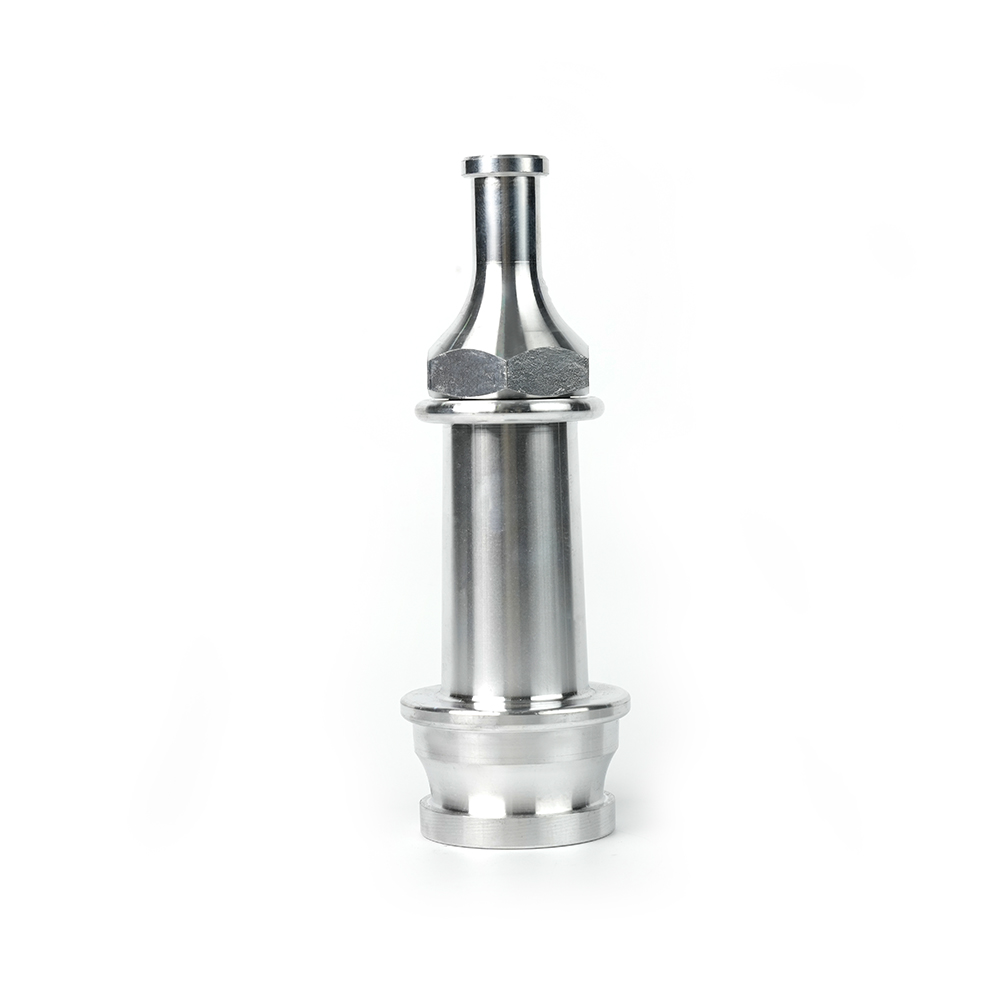 Straight Stream Nozzle
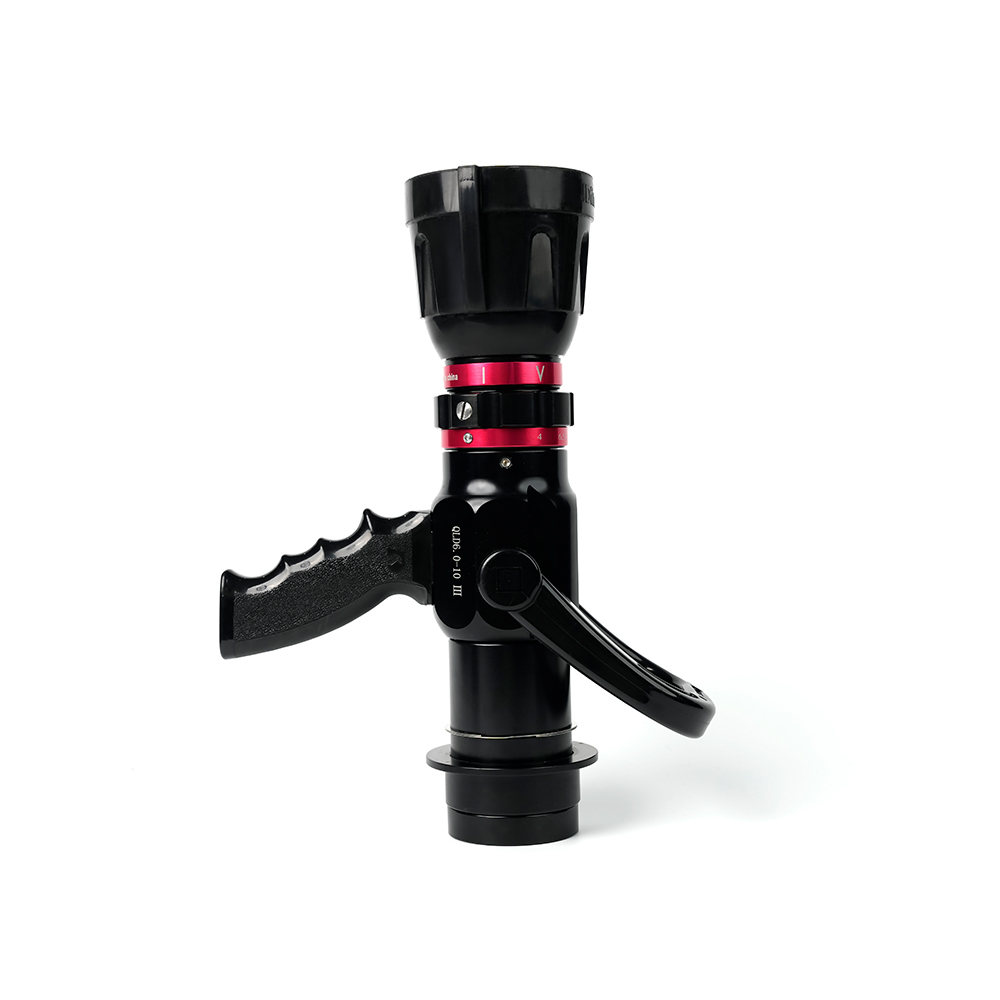 Adjustable nozzle-machino
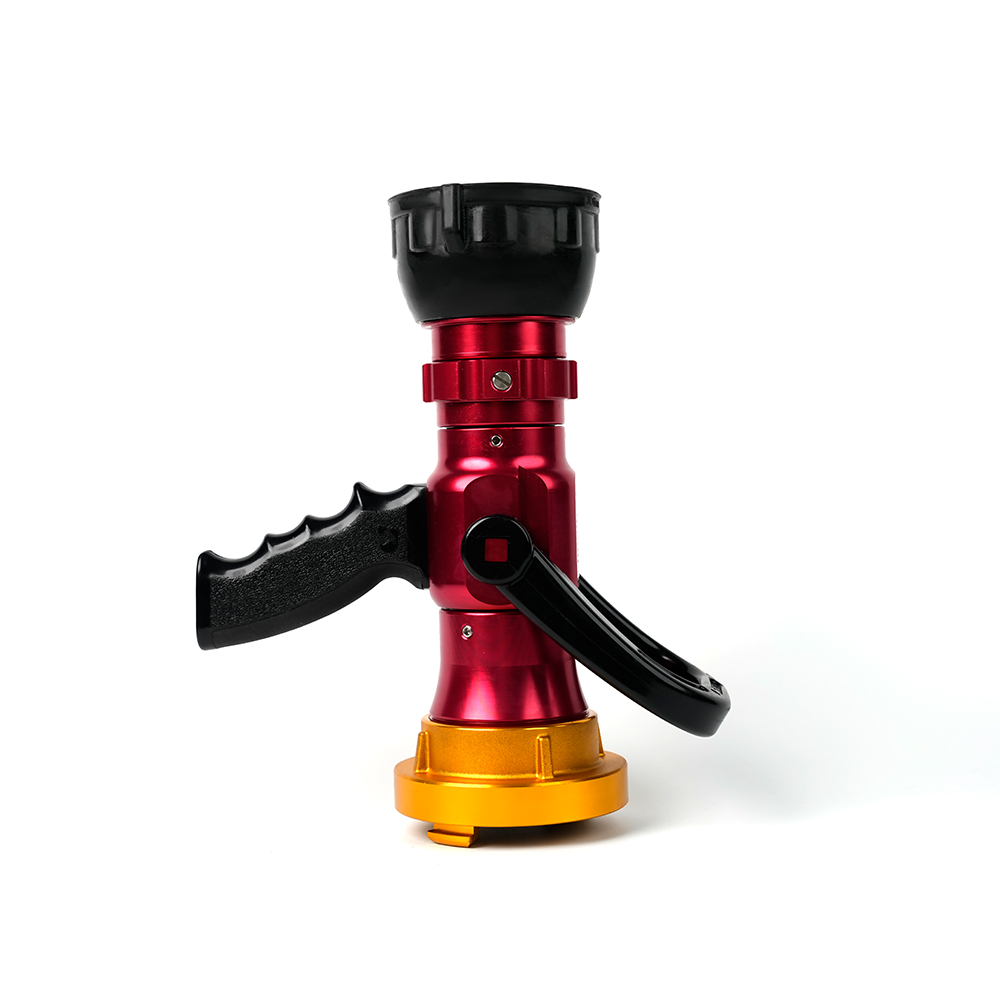 Adjustable nozzle-storz
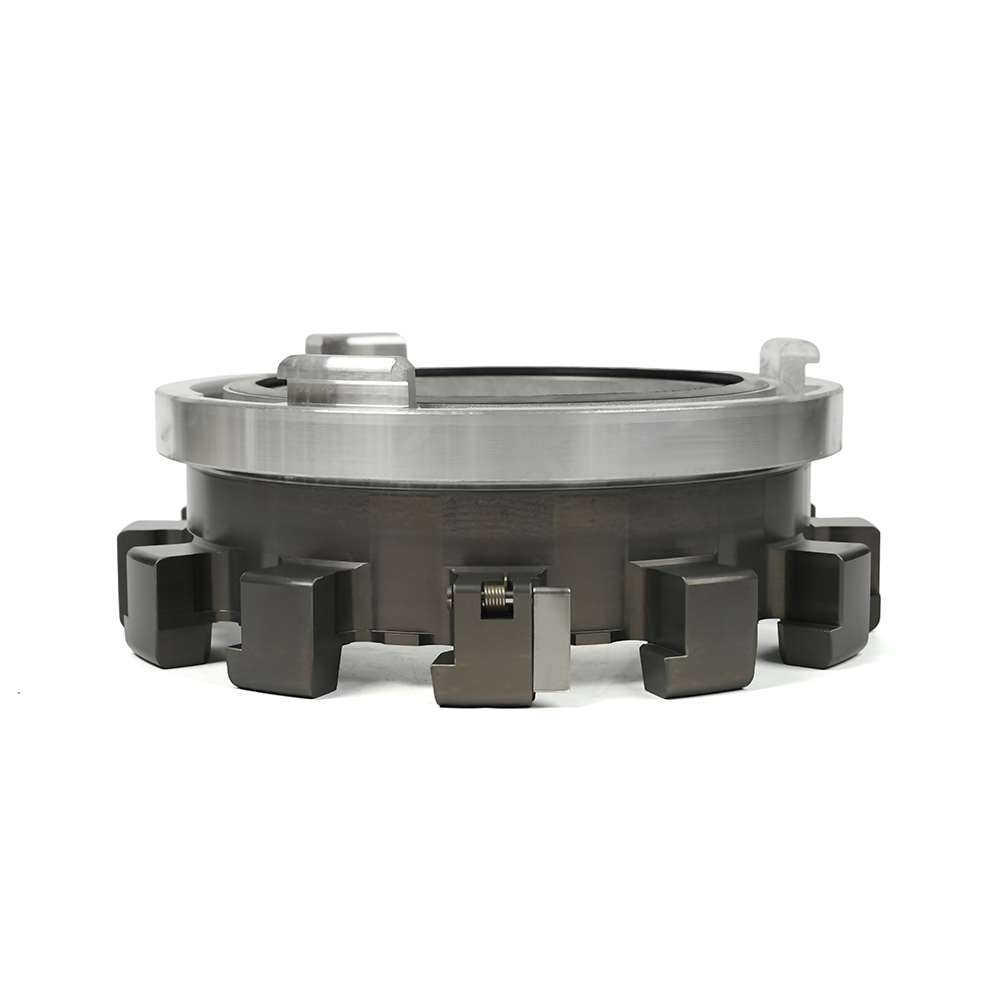 Storz Adapter Couplings - Multi-Tooth
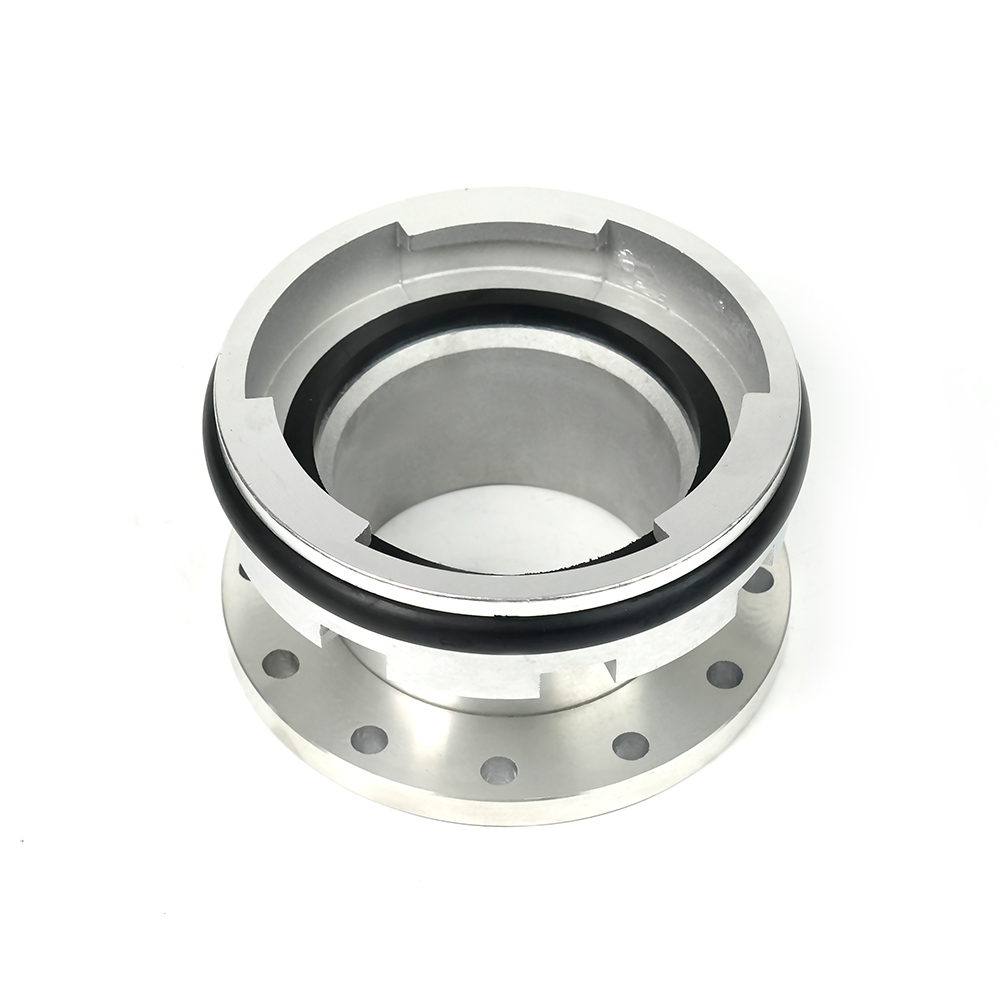 Machino Adapter Couplings – Flanged
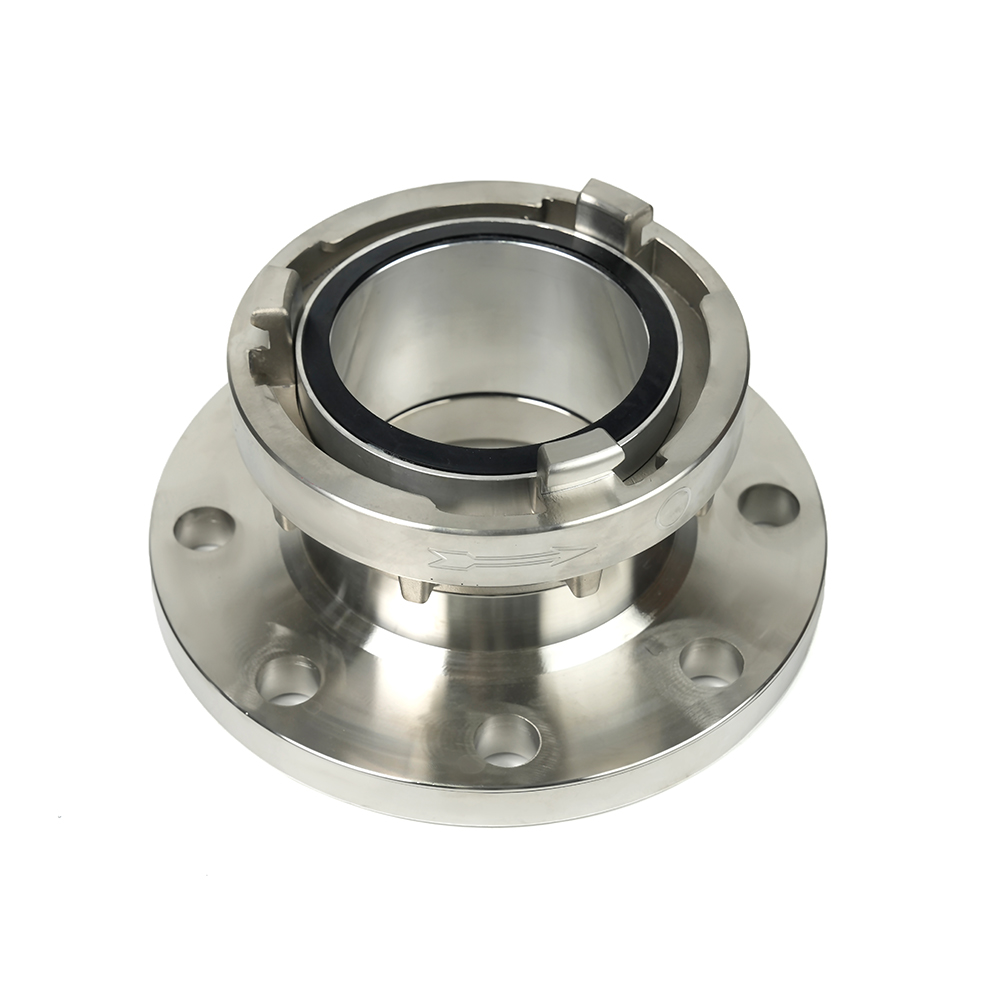 Storz Adapter Couplings – Flanged

 Contact Number
+86-0523-83274900
+86-151 9064 3365
 Let our team offer you customs solutions.
 Company Address
West side of Hongxing Middle Road, Lincheng Street, Development Zone, Xinghua City, Jiangsu Province, China
Copyright @Jiangsu Jinding Fire Protection Technology Co., Ltd. All rights reserved Fire Protection Equipments Manufacturers
