 英语
英语 西班牙语
西班牙语 德语
德语Industry News


GET IN TOUCH
+86-0523-83274900
+86-151 9064 3365
Content
In various mechanical transmission systems, couplings play a crucial role in connecting two shafts (driving shaft and driven shaft) and transmitting torque. Among the many types of couplings, flange couplings are widely used in various heavy machinery and high-power transmission applications due to their simple structure, good alignment, and large torque transmission capacity.
Flange couplings essentially use bolts to connect two flanged half-couplings, achieving the connection of two shafts and power transmission. Based on their structure and ability to compensate for shaft misalignment, they can be mainly divided into the following two categories:
Rigid flange couplings are the earliest and simplest type of flange coupling.
Structural Characteristics: This type of coupling typically consists of two simple disc-shaped half-couplings, directly bolted together. It has a compact structure and small radial dimensions.
Operating Characteristics: Rigid couplings require precise alignment of the two shafts because they lack the ability to compensate for axial misalignment (such as radial, angular, or axial deviations).
Application Scenarios: Primarily used in low-speed, heavy-load transmission devices where high shaft alignment and smooth operation are required, such as shaft-end connections for large motors.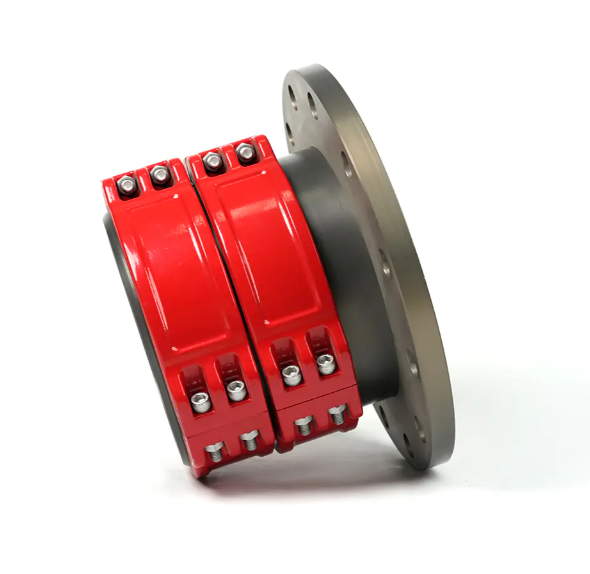
To accommodate unavoidable shaft installation errors or relative displacements during operation in actual mechanical transmissions, engineers have developed various flexible couplings with compensation capabilities. Many flexible couplings also utilize the basic structural form of flange couplings.
Features: A perle-shaped elastic element is embedded between two flanges. This elastic element absorbs and compensates for certain axial misalignment, while also providing vibration damping and buffering.
Applications: Widely used in applications requiring smooth operation and vibration damping, it is one of the most common coupling types.
Features: This type of coupling uses the meshing of internal and external teeth to transmit torque. The external gear sleeve is usually connected to the flange structure. The contact between the internal and external teeth allows the shaft to have a certain degree of angular and radial displacement compensation capability.
Applications: Suitable for transmission devices with high torque, high speed, and requiring compensation for large angular displacements.
Features: Utilizes highly elastic rubber tire rings as connecting elements. It has strong compensation capability and excellent vibration damping performance.
Applications: Mainly used in lifting and transportation machinery, metallurgical and mining machinery, and other applications with large impact loads.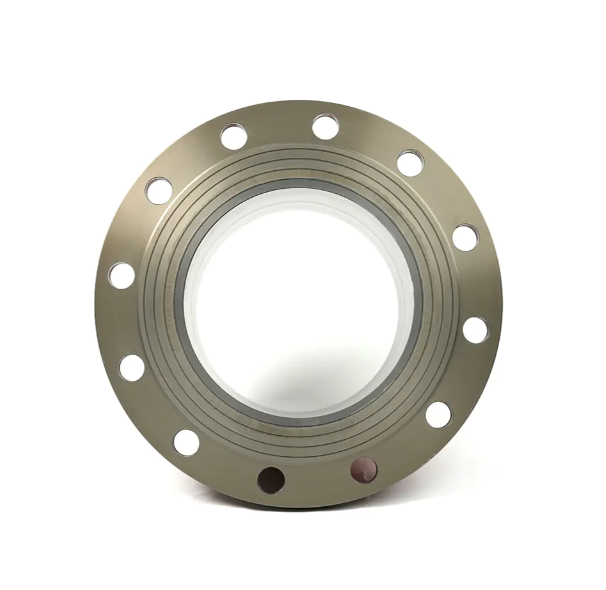
Choosing the appropriate flange coupling is crucial and requires comprehensive consideration of the following factors:
Whether for rigid or flexible connections, flange couplings are the cornerstone of reliable power transmission in mechanical design. Understanding the types of flange couplings and selecting the most suitable one based on actual operating conditions is crucial for ensuring efficient and stable operation of transmission devices.
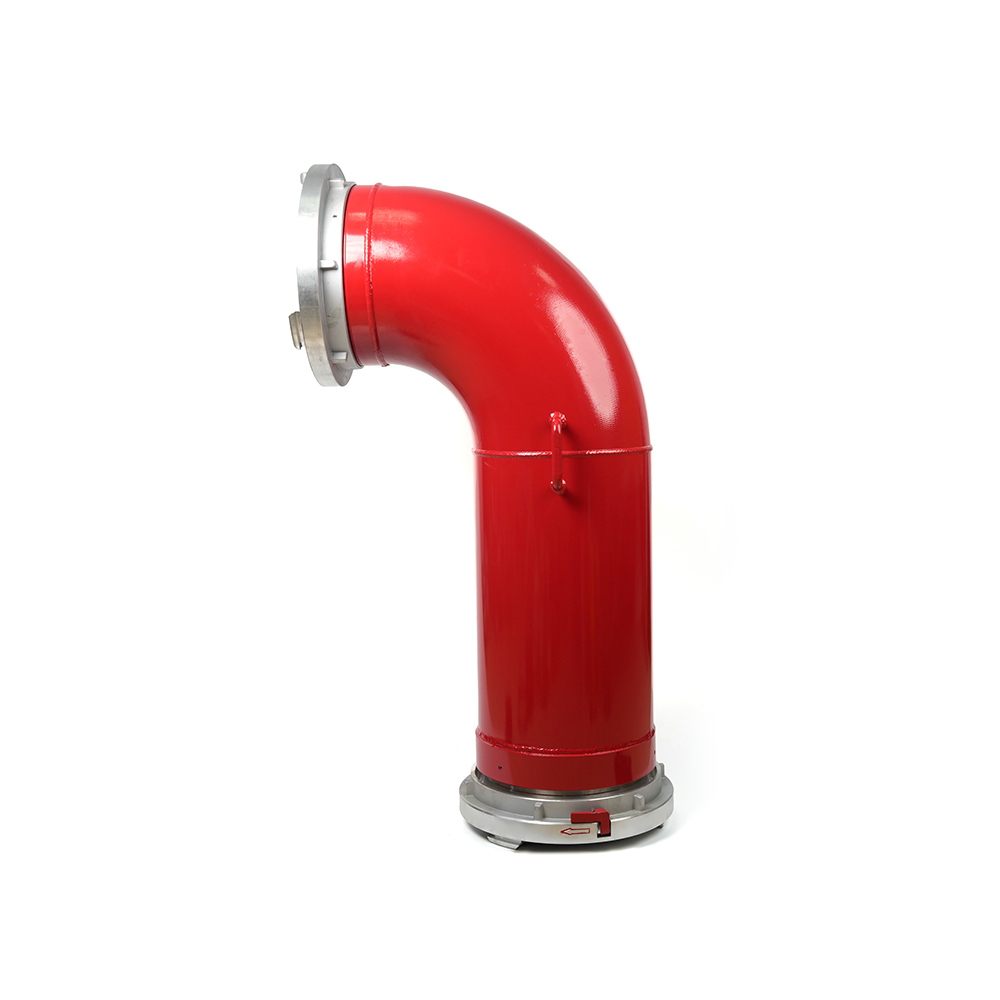 Grooved Fire Elbow-Storz
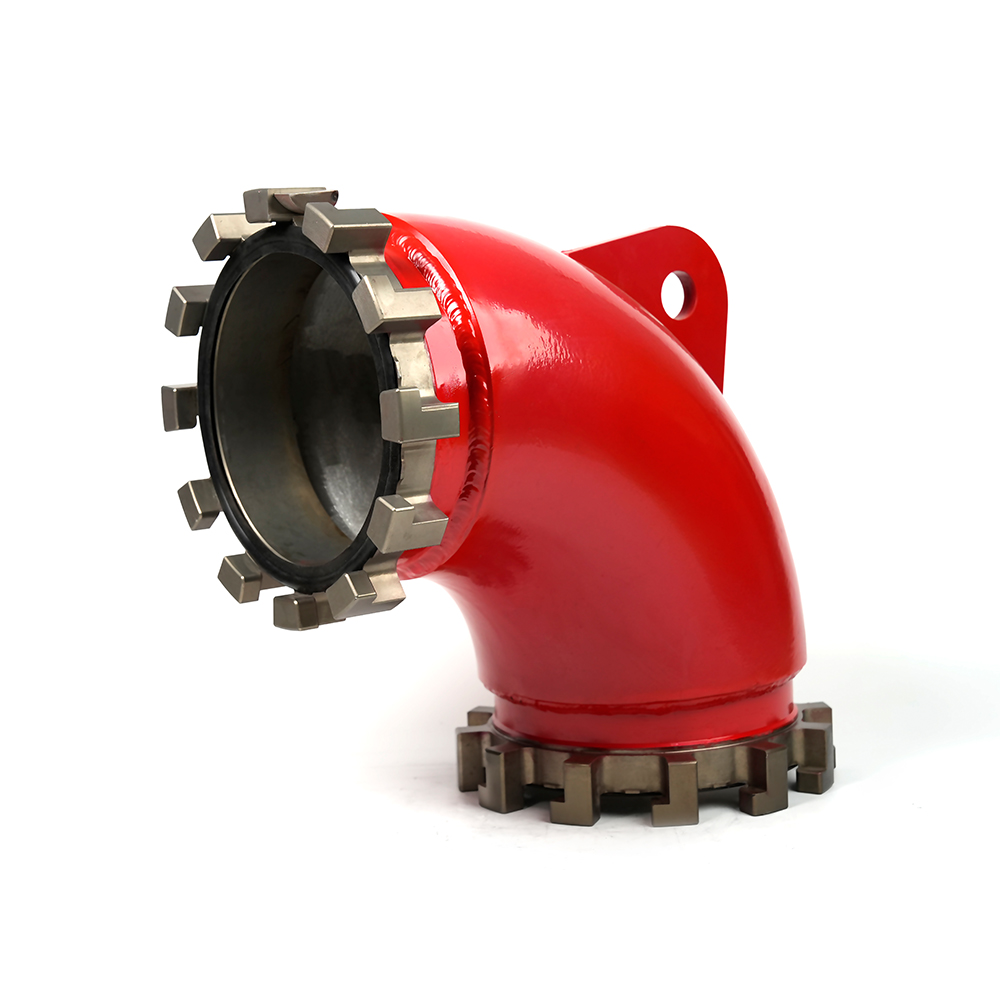 Grooved Fire Elbow-Multi-tooth
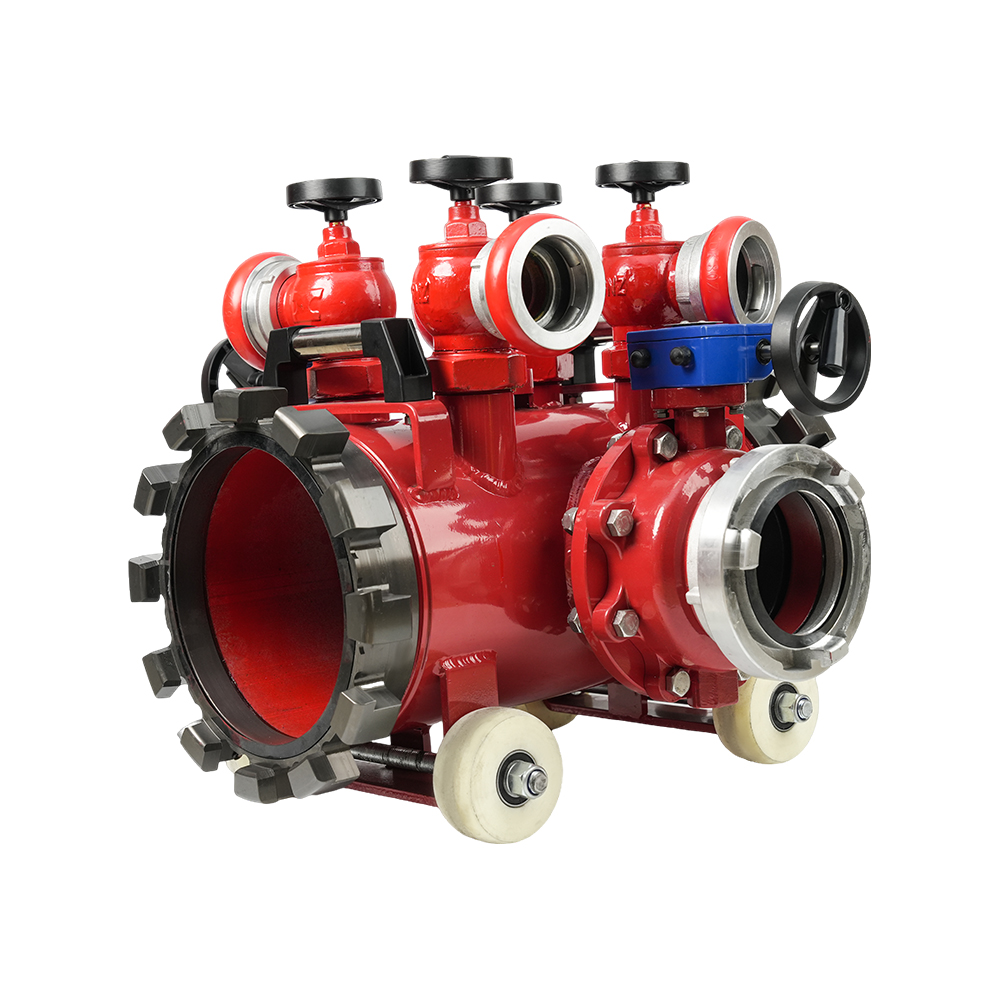 Multi-functional Fire Hose Distributor
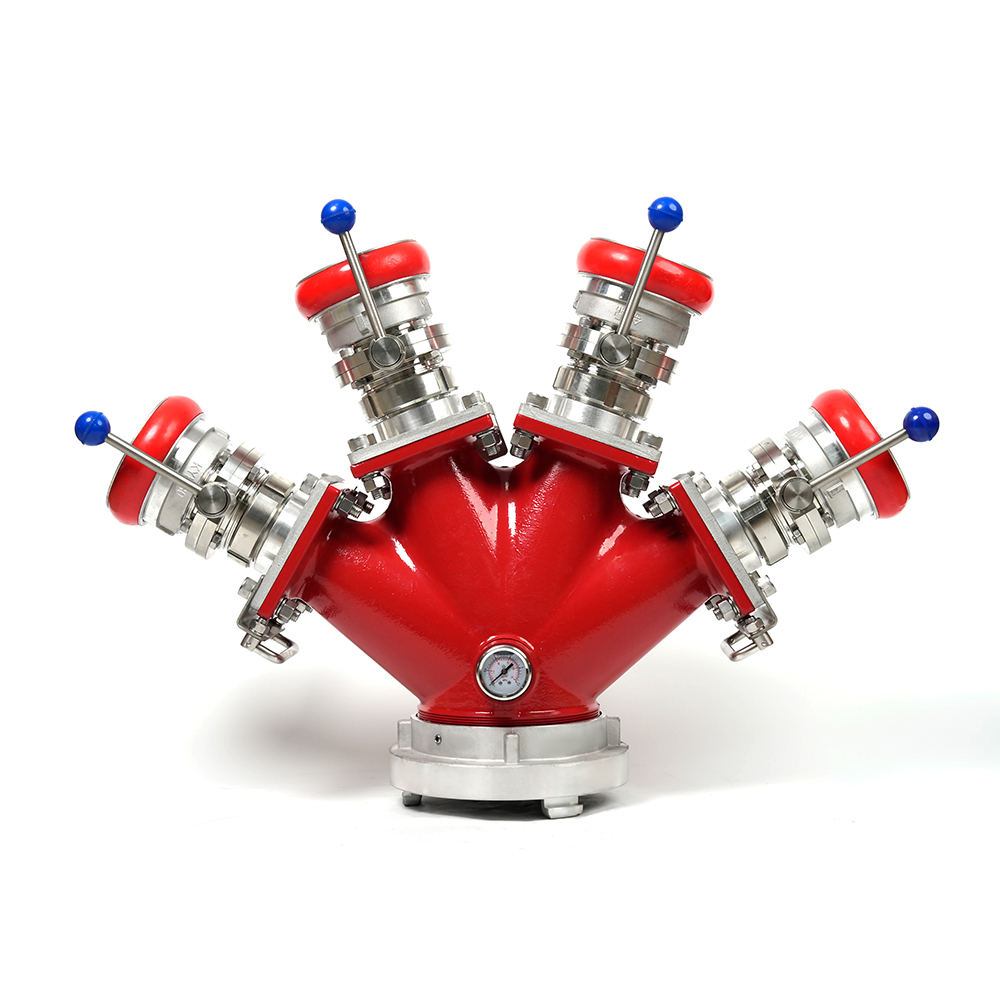 Locking Four-Way Fire Hose Distributor
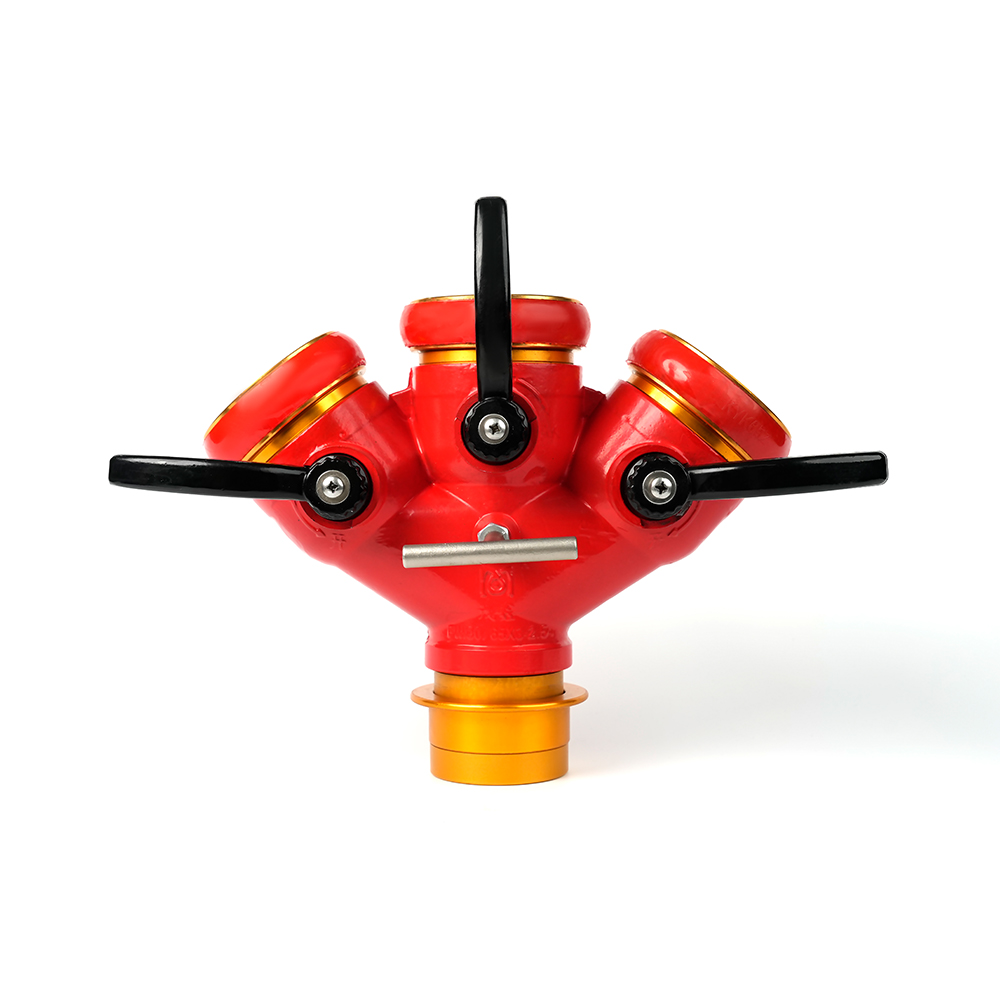 Locking Three-Way Fire Hose Distributor
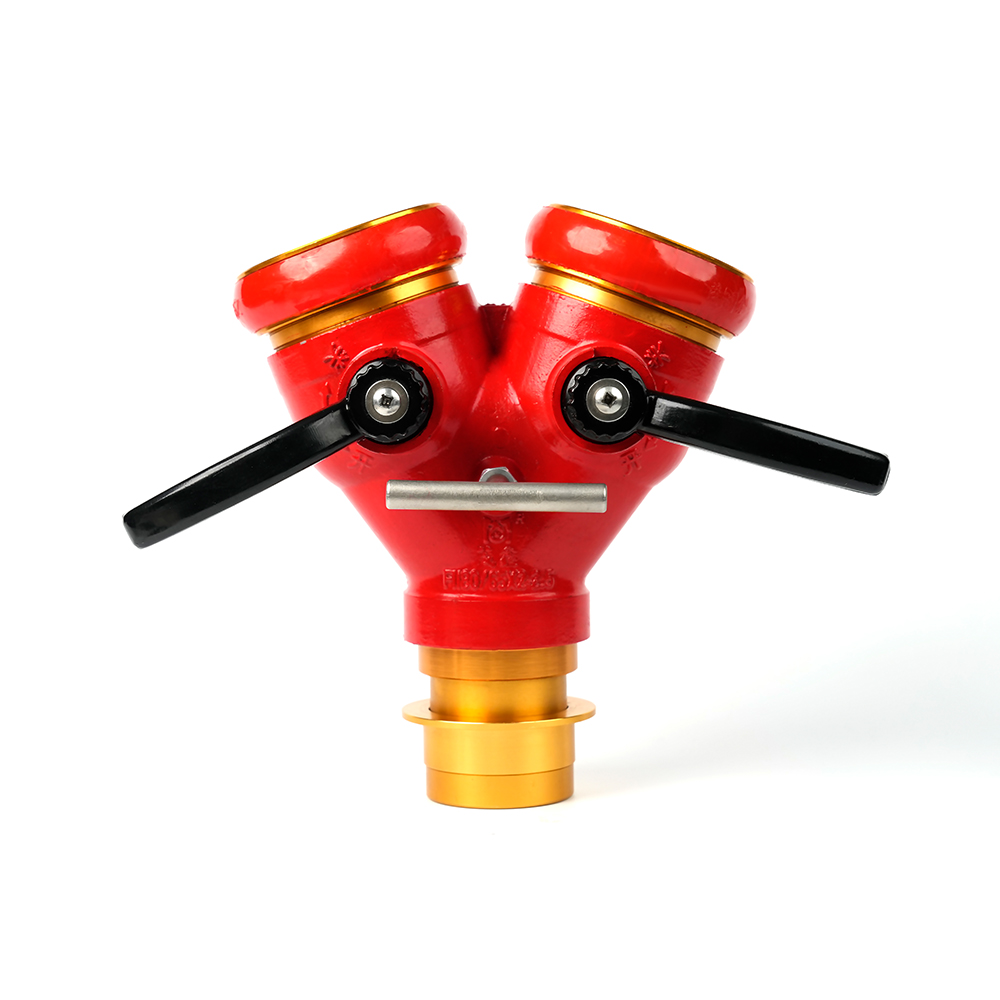 Locking Two-Way Fire Hose Distributor
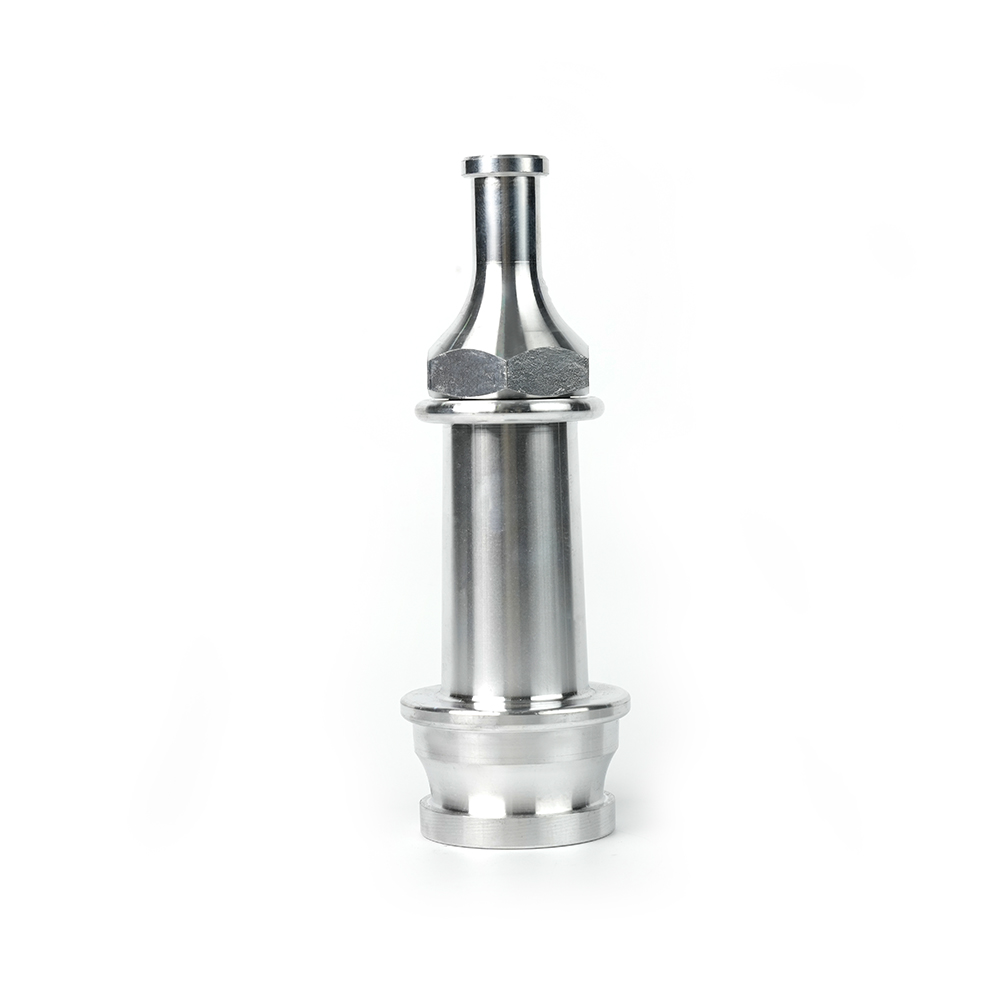 Straight Stream Nozzle
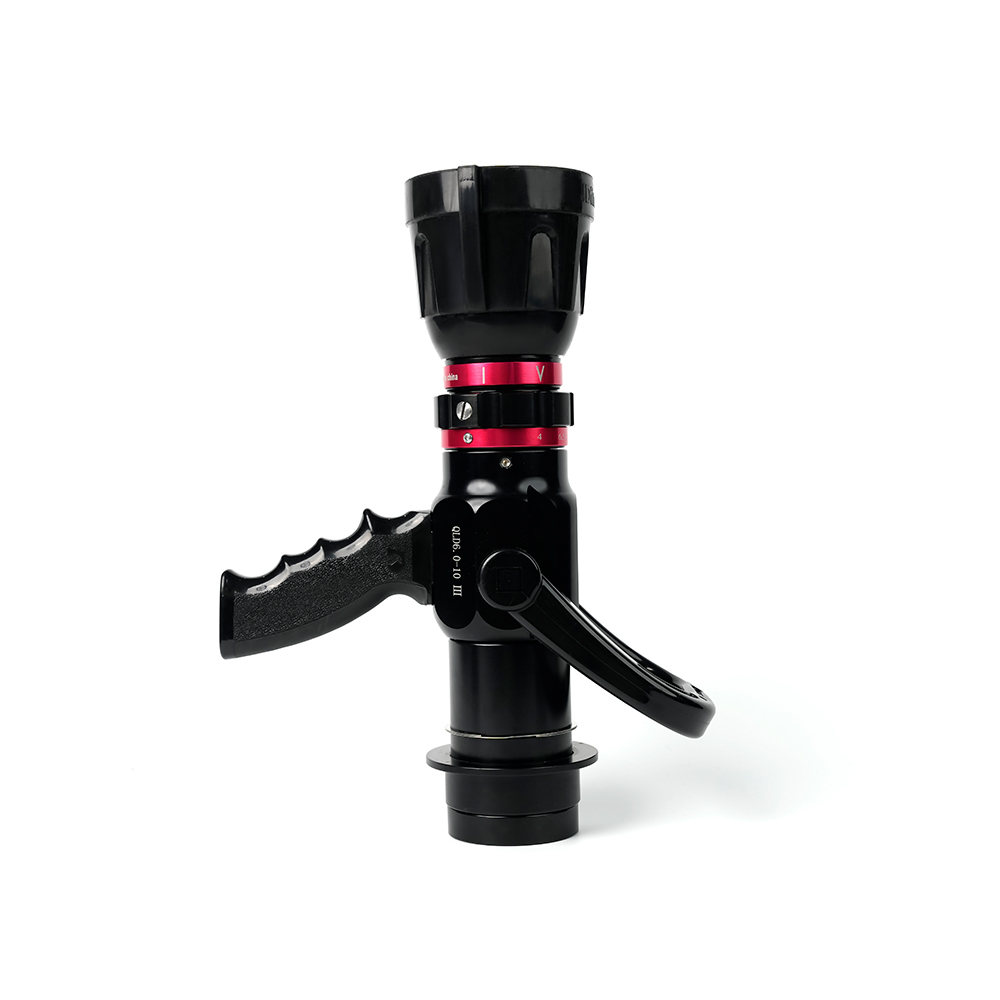 Adjustable nozzle-machino
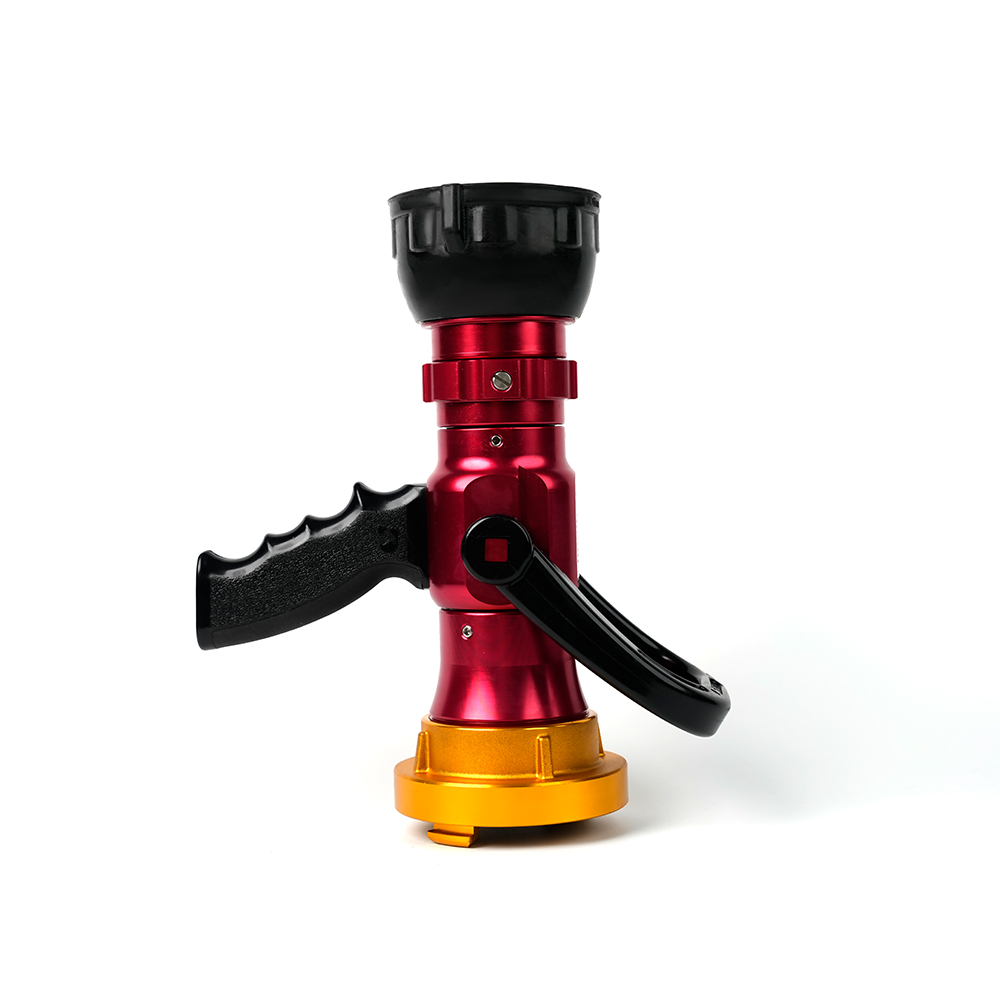 Adjustable nozzle-storz
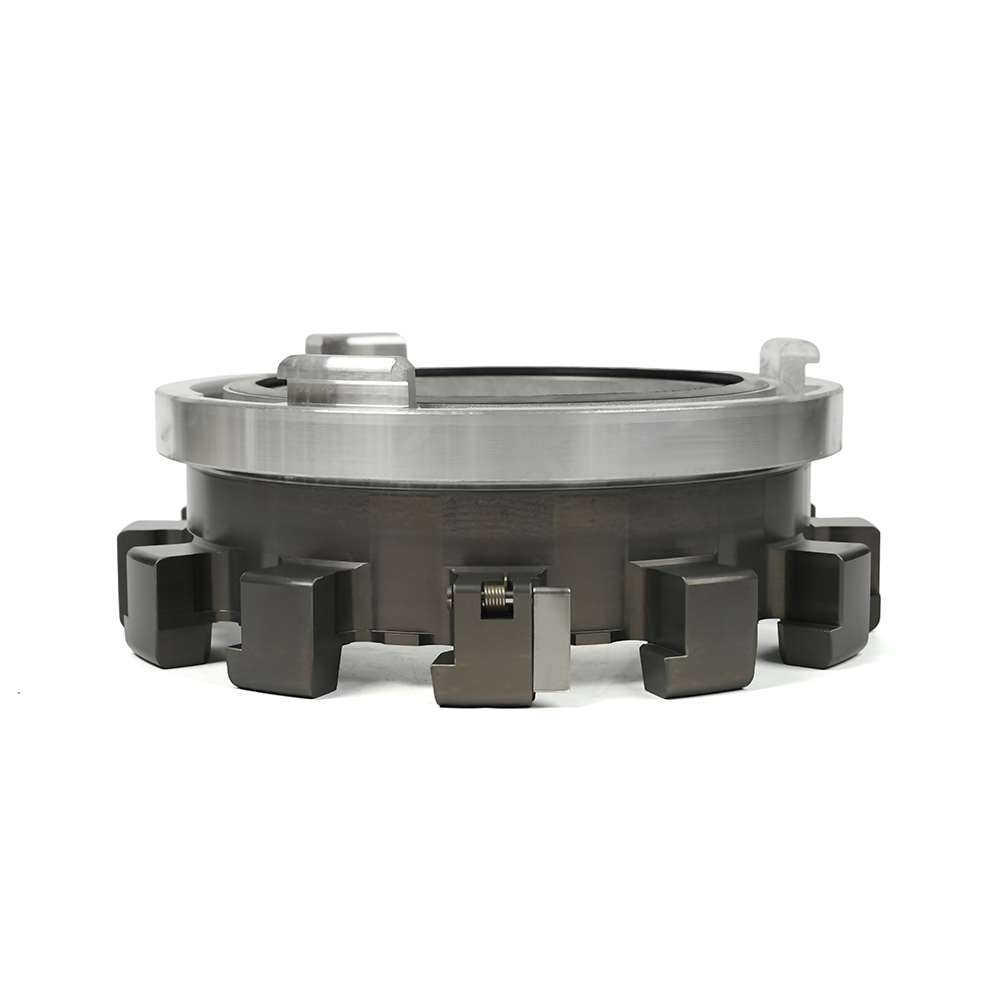 Storz Adapter Couplings - Multi-Tooth
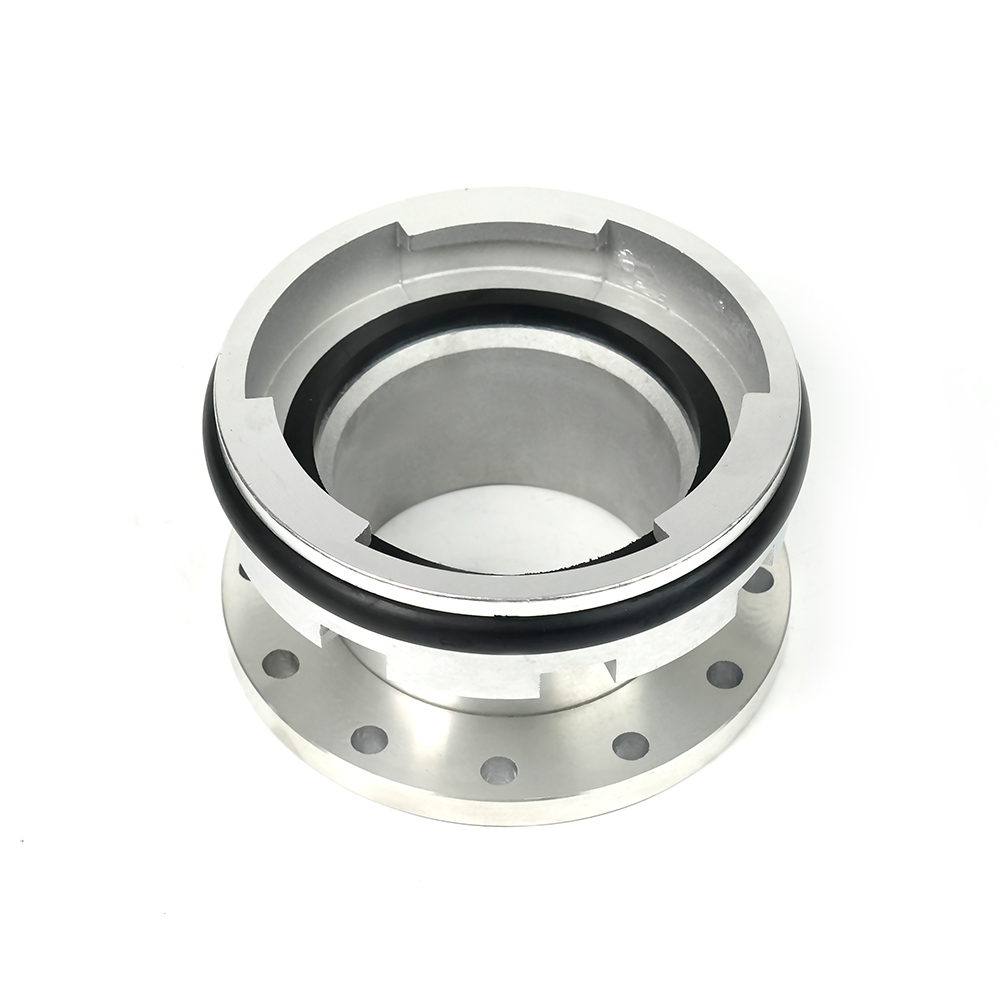 Machino Adapter Couplings – Flanged
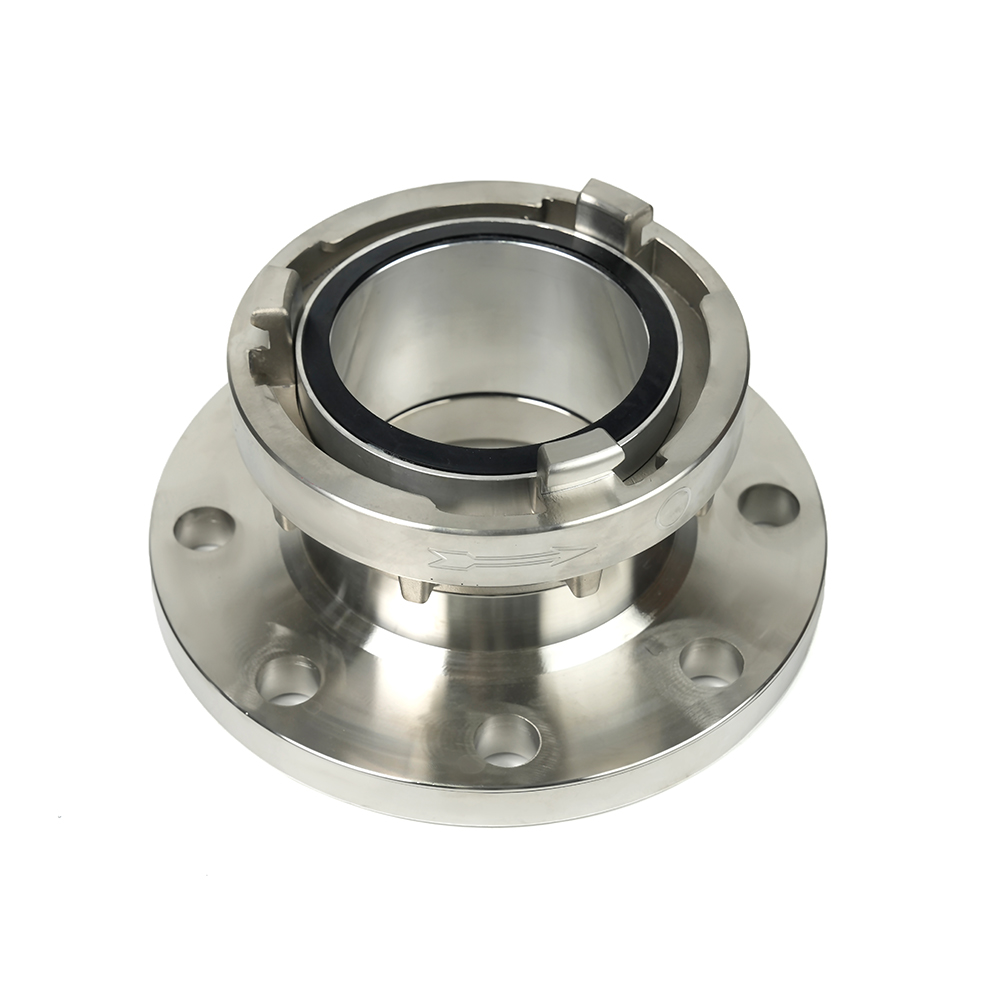 Storz Adapter Couplings – Flanged

 Contact Number
+86-0523-83274900
+86-151 9064 3365
 Let our team offer you customs solutions.
 Company Address
West side of Hongxing Middle Road, Lincheng Street, Development Zone, Xinghua City, Jiangsu Province, China
Copyright @Jiangsu Jinding Fire Protection Technology Co., Ltd. All rights reserved Fire Protection Equipments Manufacturers
