 英语
英语 西班牙语
西班牙语 德语
德语Industry News


GET IN TOUCH
+86-0523-83274900
+86-151 9064 3365
Content
Fire-fighting nozzles are used to control, direct, and shape the flow of water or suppression agent discharged from a hose onto a fire or hazard. Their function is not simply to release water — they determine the reach, pattern, flow rate, and velocity of the discharge, which directly affects how effectively and safely a fire is suppressed. From structural building fires and industrial chemical incidents to wildland firefighting and aviation rescue, different nozzle types are selected to match the specific fire class, environment, and operational requirements of each situation.
In structural firefighting, nozzles are the primary tool for interior and exterior attack on burning buildings. Firefighters use combination nozzles (also called fog/straight-stream nozzles) that can switch between a solid stream for long-range penetration and a wide-angle fog pattern for rapid heat absorption and steam conversion inside enclosed spaces.
A standard residential attack line with a combination nozzle operates at 100 psi (6.9 bar) nozzle pressure, delivering 95–150 gallons per minute (360–570 liters per minute). The fog pattern at 30° creates a water curtain that can reduce compartment temperatures by several hundred degrees Celsius within seconds, protecting both occupants and firefighters during interior operations.
Smooth bore (or solid stream) nozzles produce a tight, coherent water stream with maximum throw distance — effective for reaching fires deep within buildings or across a fireground perimeter. They are favored for their simplicity, reliability in low-pressure conditions, and ability to deliver high flow rates without pressure loss from pattern-forming components.
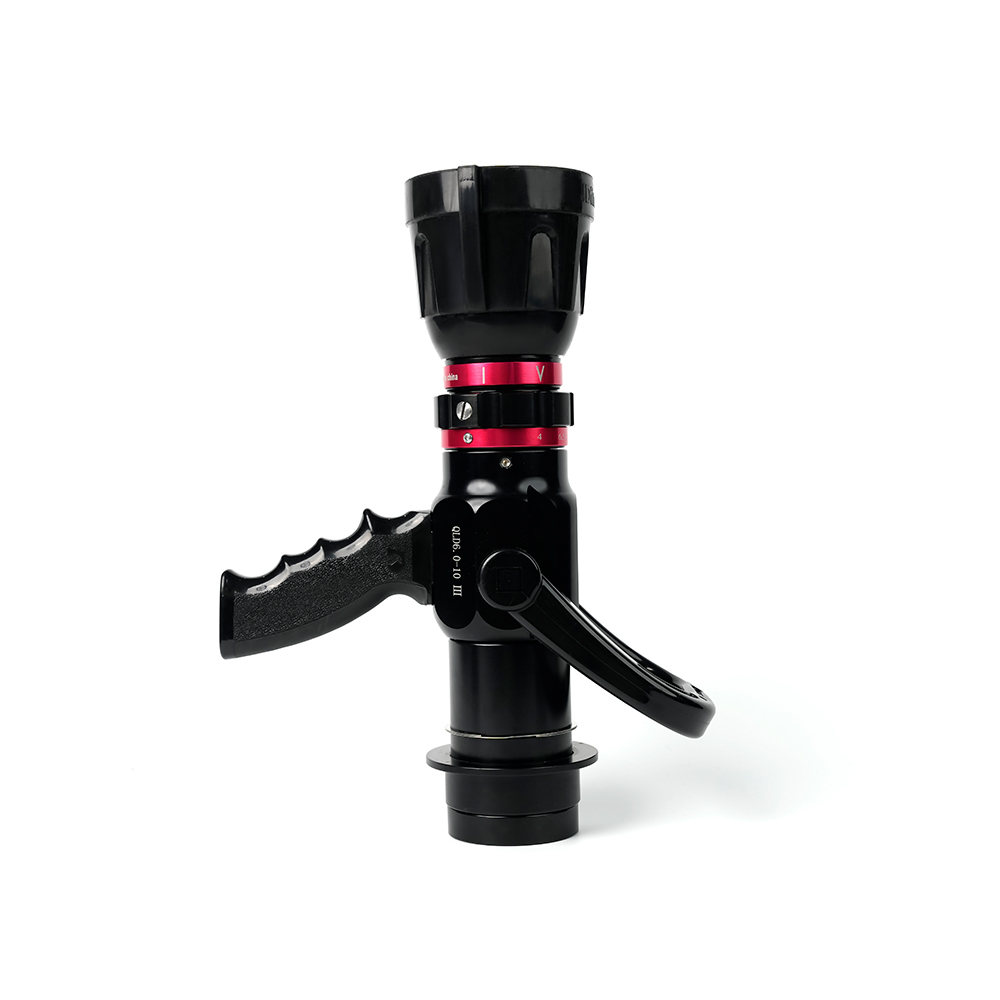
In wildland firefighting, nozzles are used on lightweight hose lines carried by ground crews to directly attack grass, brush, and tree fires. The key requirement is low water consumption combined with maximum coverage area — operators often work from portable tanks with limited water supply.
Wildland nozzles are designed to produce a fine mist or medium fog pattern that wets vegetation efficiently at low flow rates — typically 10–30 gallons per minute (38–115 liters per minute). Some models include a straight-stream setting for cutting fire lines or directly applying water to hotspot areas in dense brush.
Industrial facilities handling flammable liquids, gases, and chemicals require specialized nozzles capable of applying foam, dry chemical, or water at high flow rates under demanding conditions. Uses in this sector include:
Airport fire services use specialized ARFF nozzles on crash tenders to apply large volumes of foam and water rapidly to aircraft fuel fires. These nozzles operate at very high flow rates — major ARFF vehicles carry nozzles rated at 500–1,500 gallons per minute (1,900–5,700 liters per minute) — and are engineered to penetrate aircraft fuselage fires through underbody turret nozzles without requiring firefighter proximity to the burning aircraft.
In fixed fire suppression systems installed in buildings, warehouses, and data centers, nozzles distribute suppression agents automatically when triggered by heat or smoke detectors. Types include:
| Application | Nozzle Type | Key Function | Typical Flow Rate |
|---|---|---|---|
| Structural interior attack | Combination fog/straight | Heat absorption, knockdown | 95–150 gpm |
| Long-range exterior attack | Smooth bore | Stream reach and penetration | 150–350 gpm |
| Wildland / brush fire | Wildland fog/straight | Low-flow vegetation wetting | 10–30 gpm |
| Fuel / chemical fire | Foam branch pipe / monitor | Foam blanket application | 100–2,000 gpm |
| Fixed building system | Sprinkler head / deluge | Automatic area suppression | 15–60 gpm per head |
Beyond active fire suppression, firefighting nozzles are used in several support and non-fire applications:
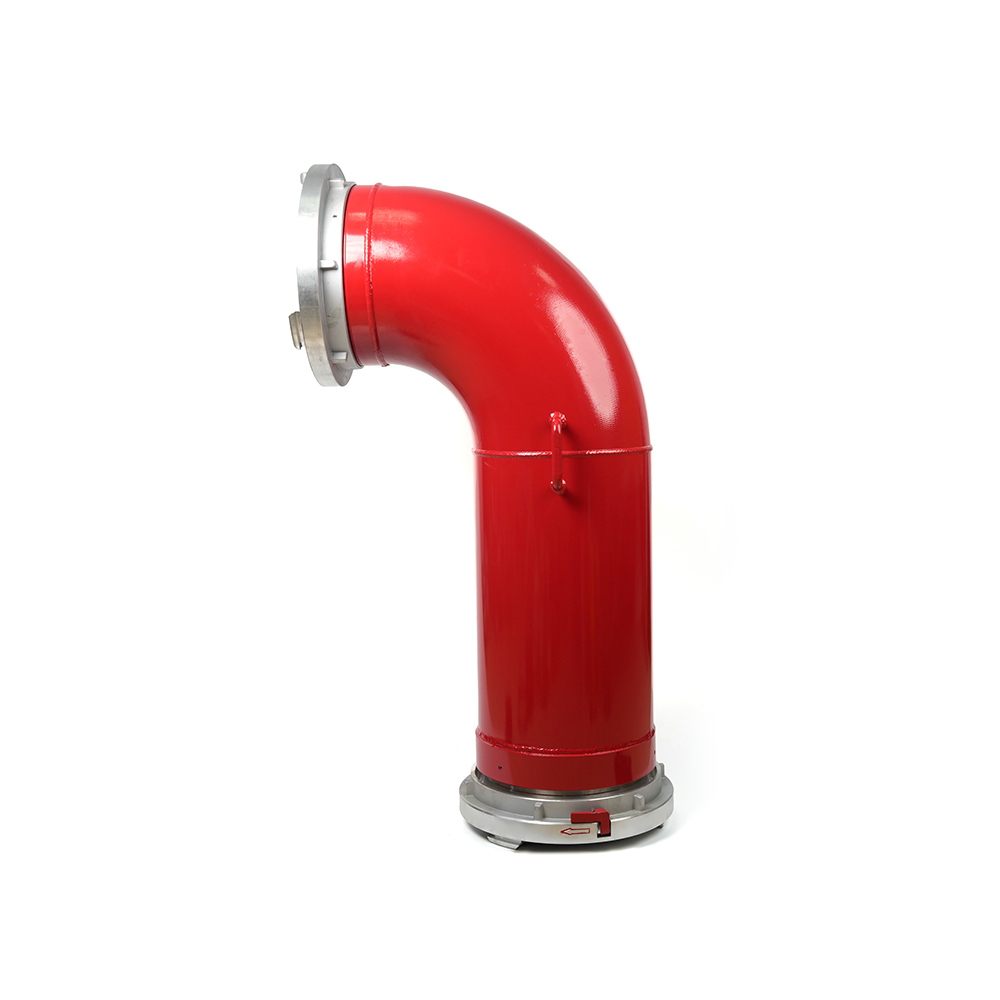 Grooved Fire Elbow-Storz
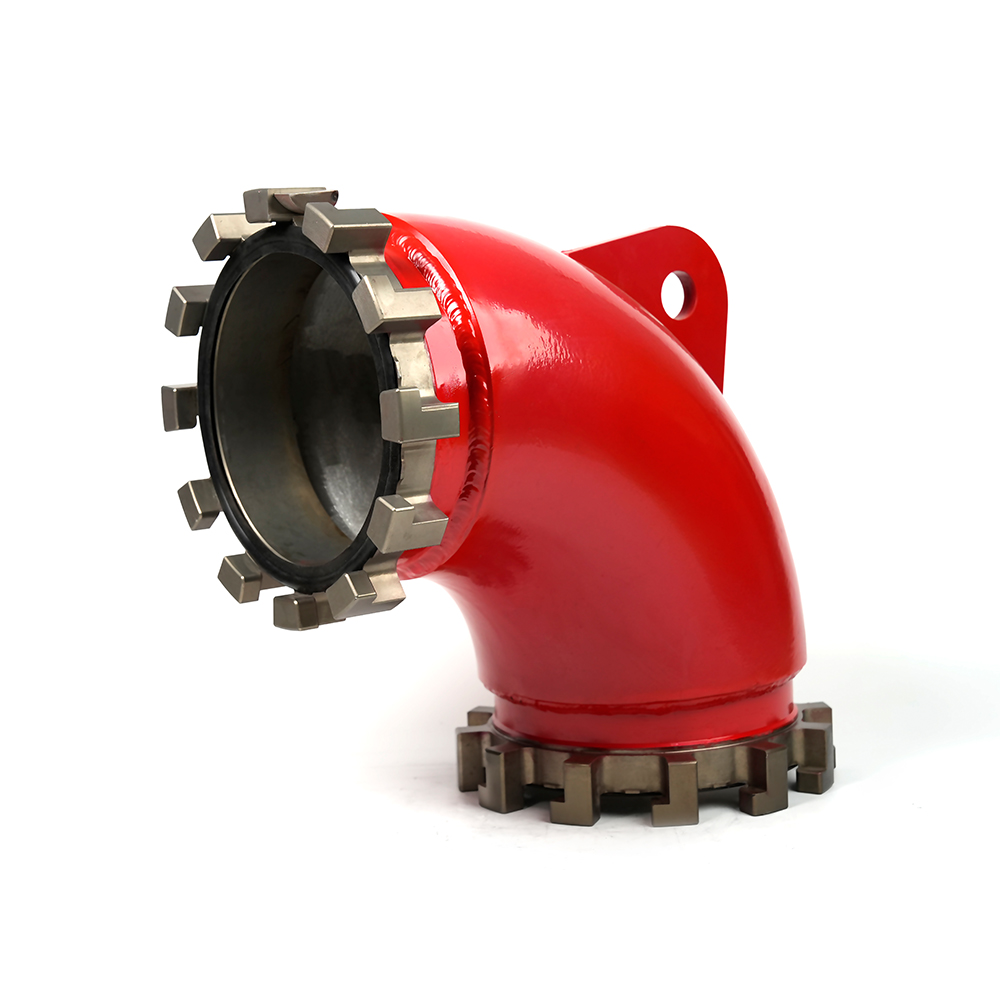 Grooved Fire Elbow-Multi-tooth
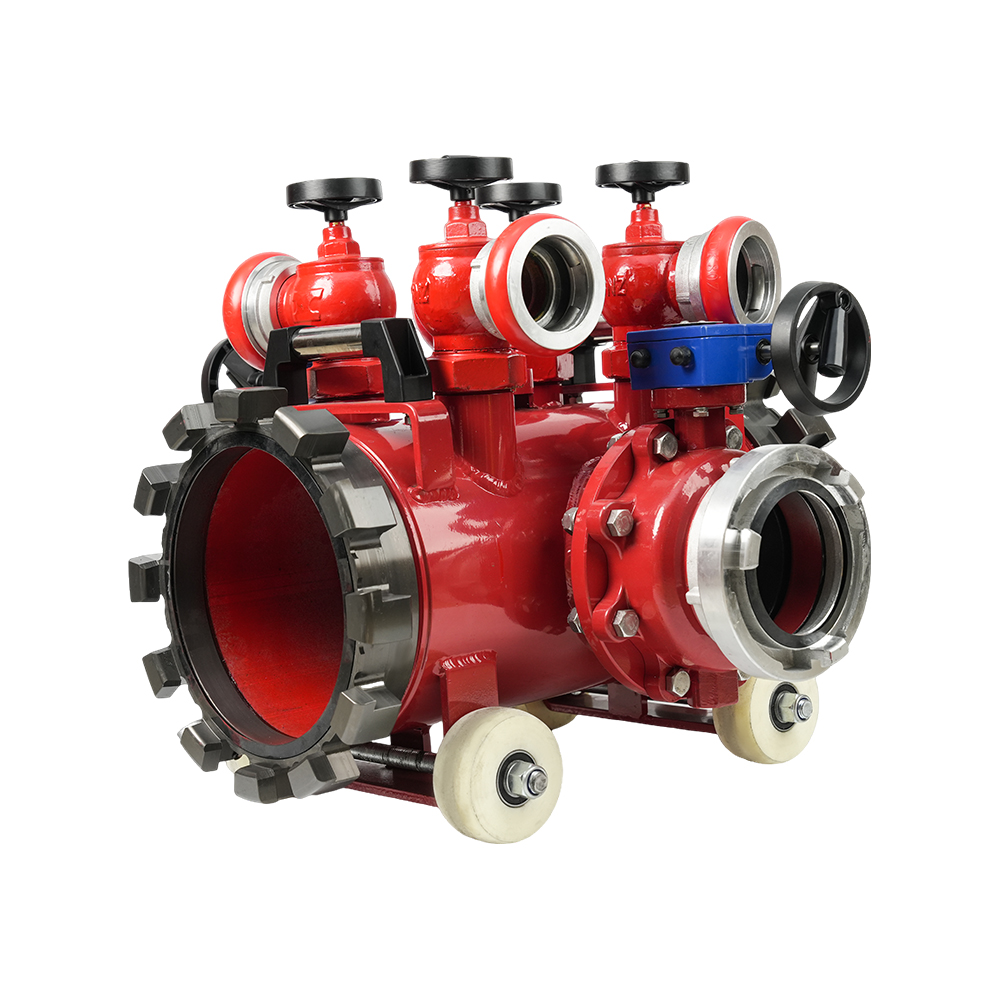 Multi-functional Fire Hose Distributor
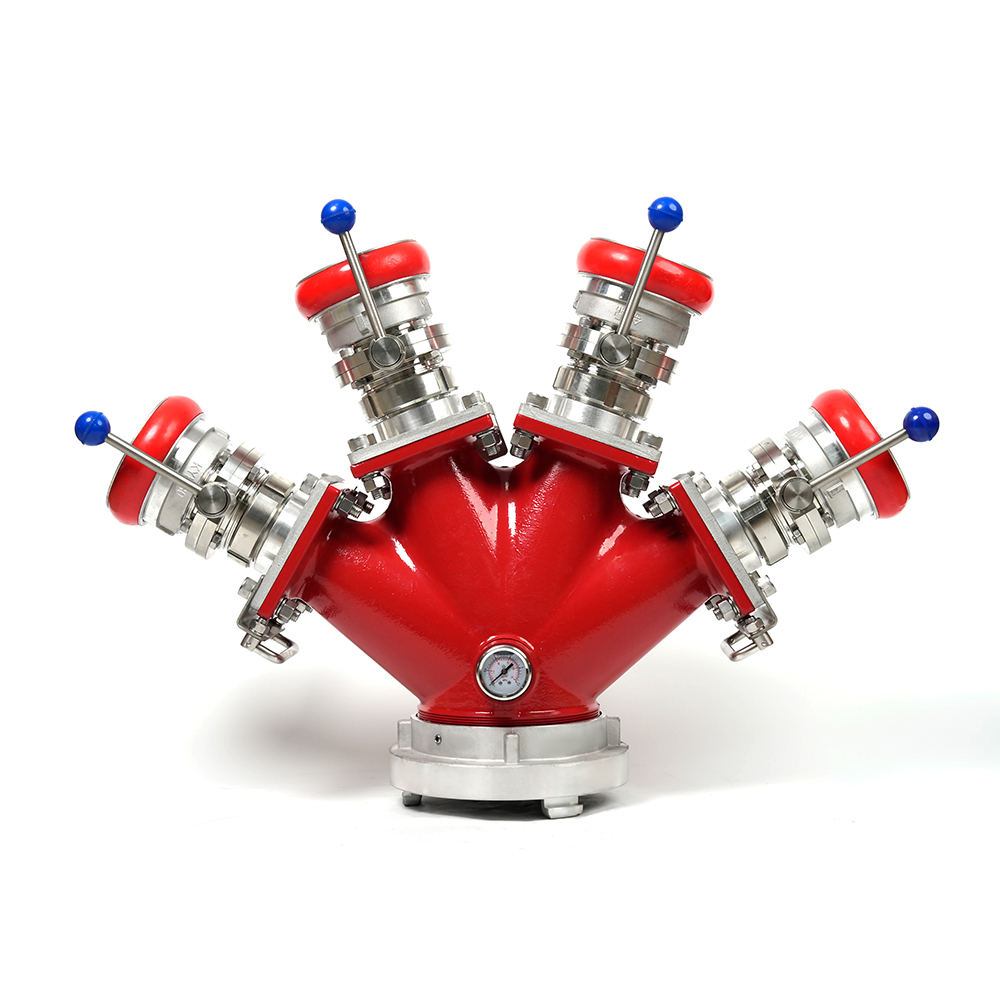 Locking Four-Way Fire Hose Distributor
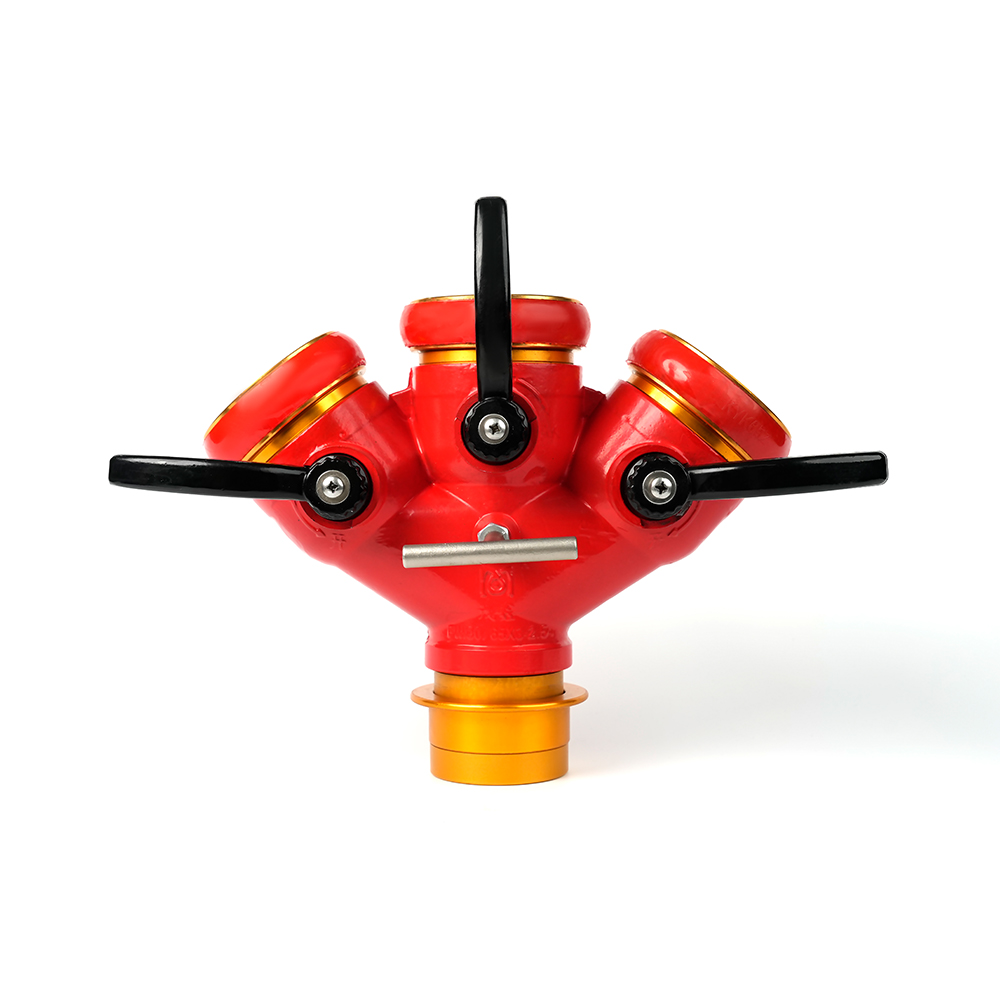 Locking Three-Way Fire Hose Distributor
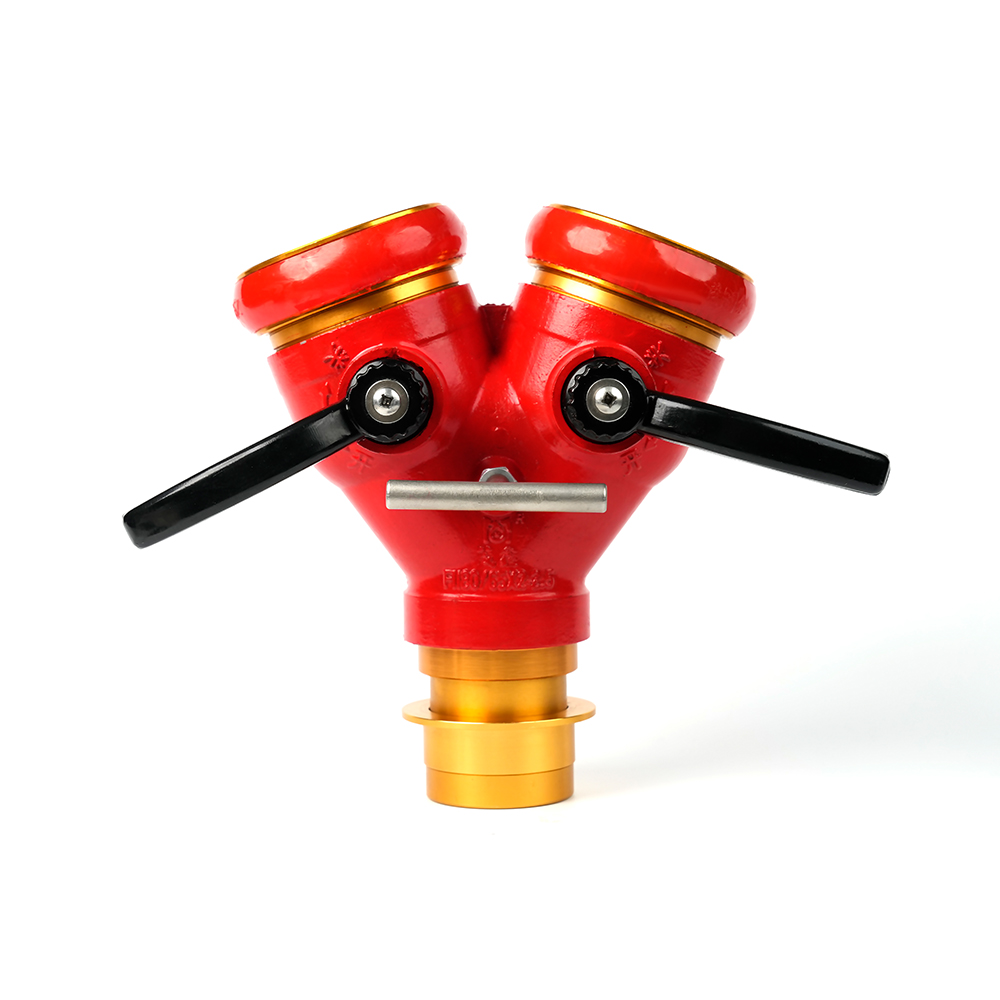 Locking Two-Way Fire Hose Distributor
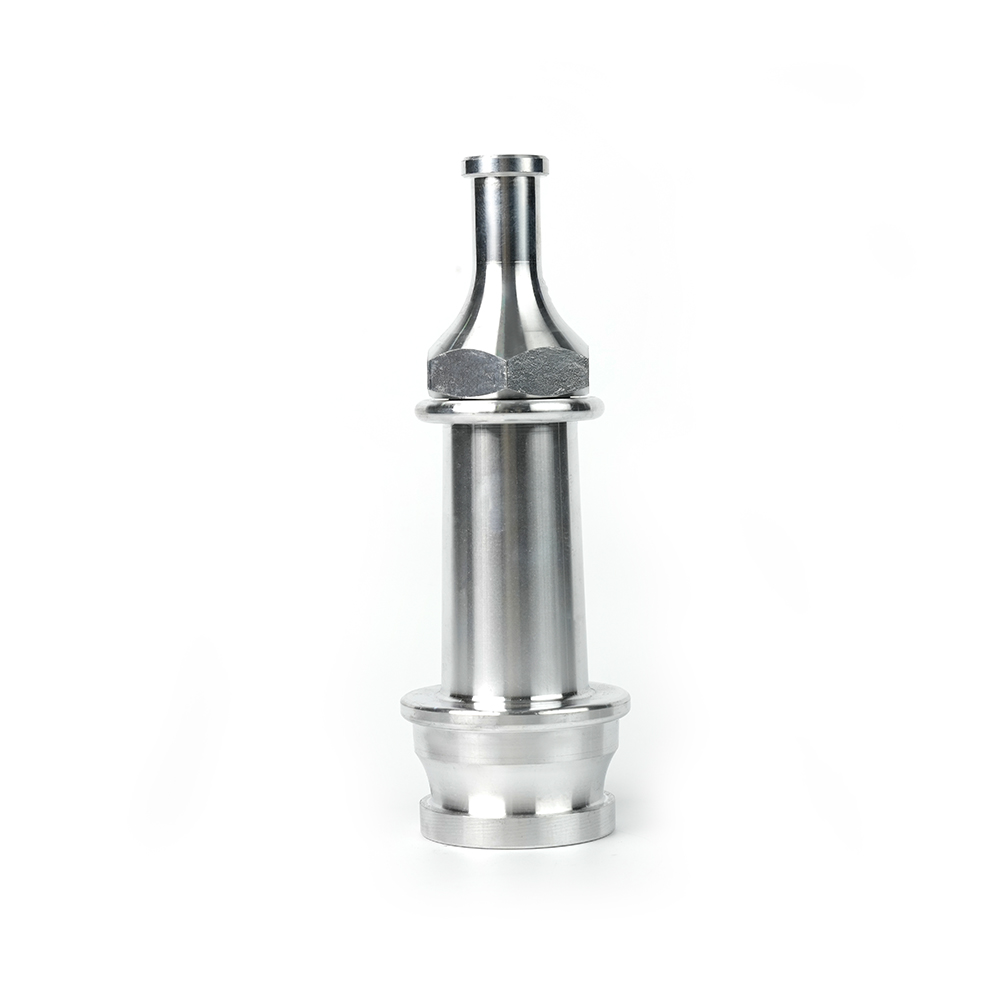 Straight Stream Nozzle
 Adjustable nozzle-machino
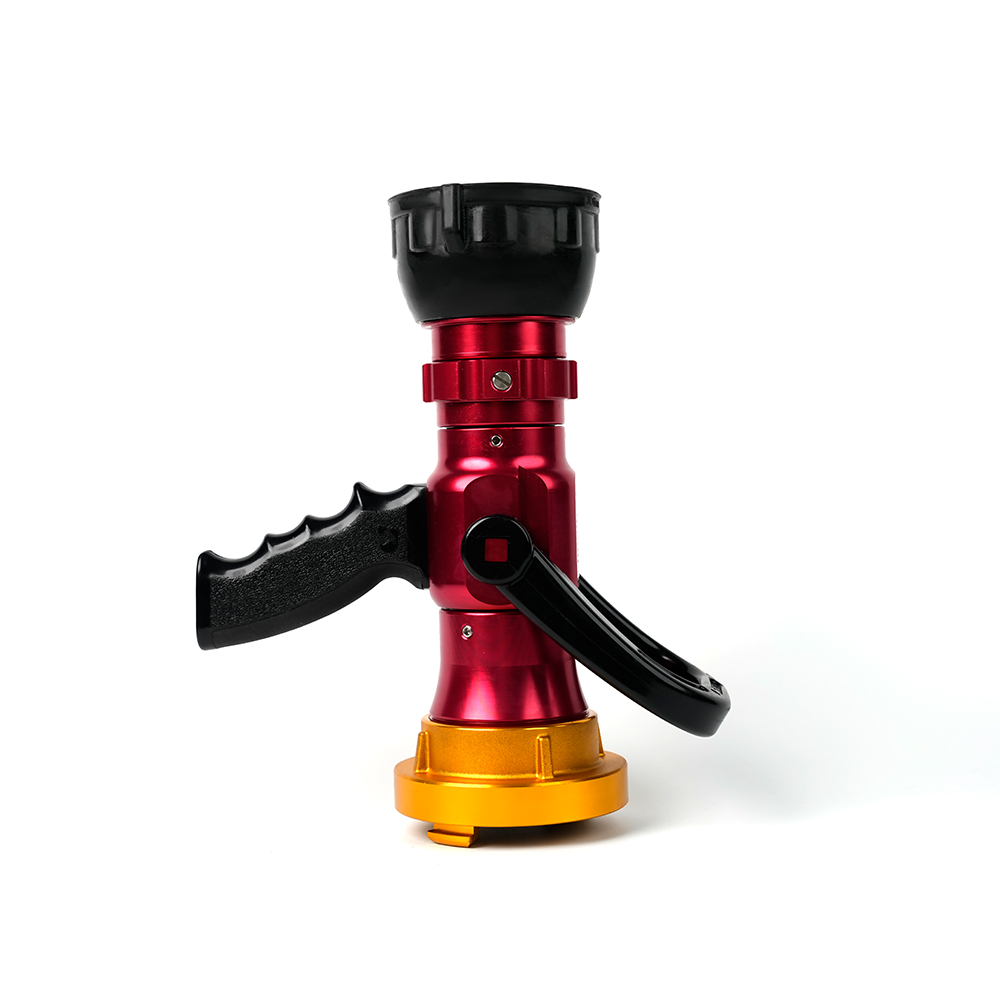 Adjustable nozzle-storz
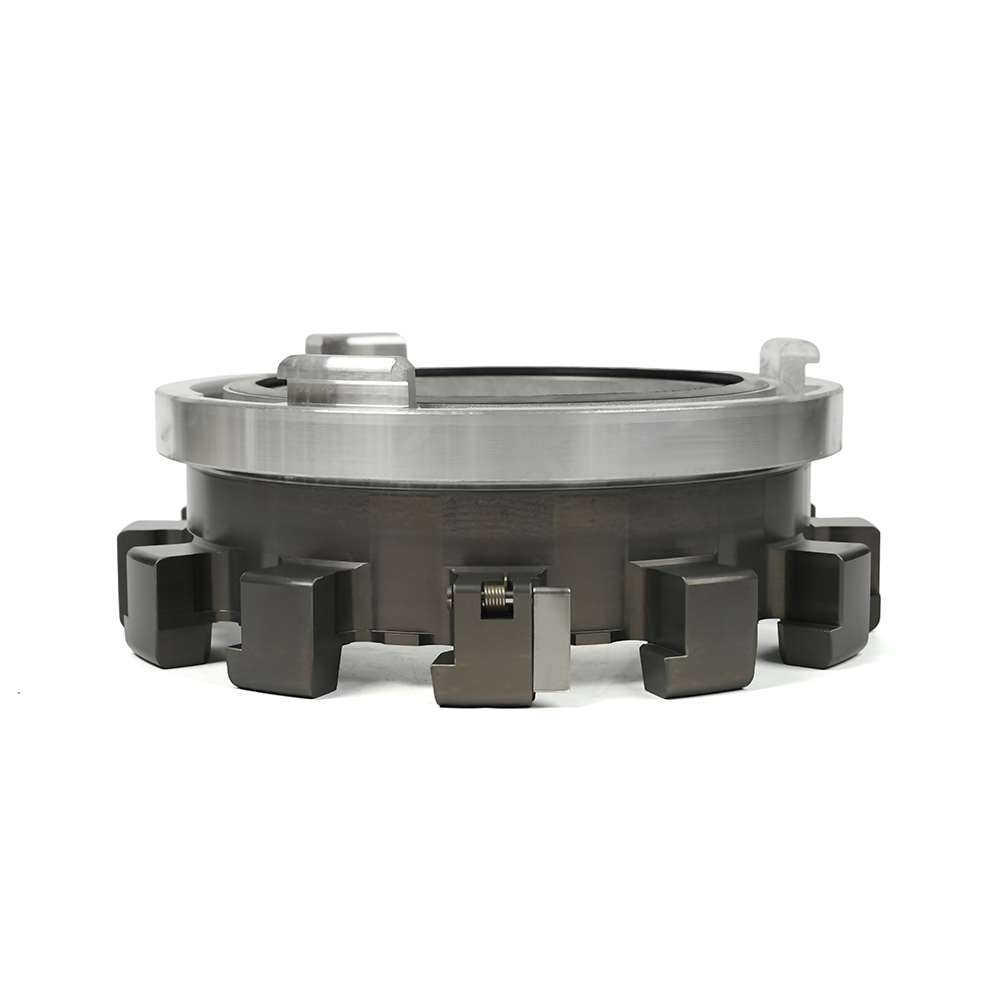 Storz Adapter Couplings - Multi-Tooth
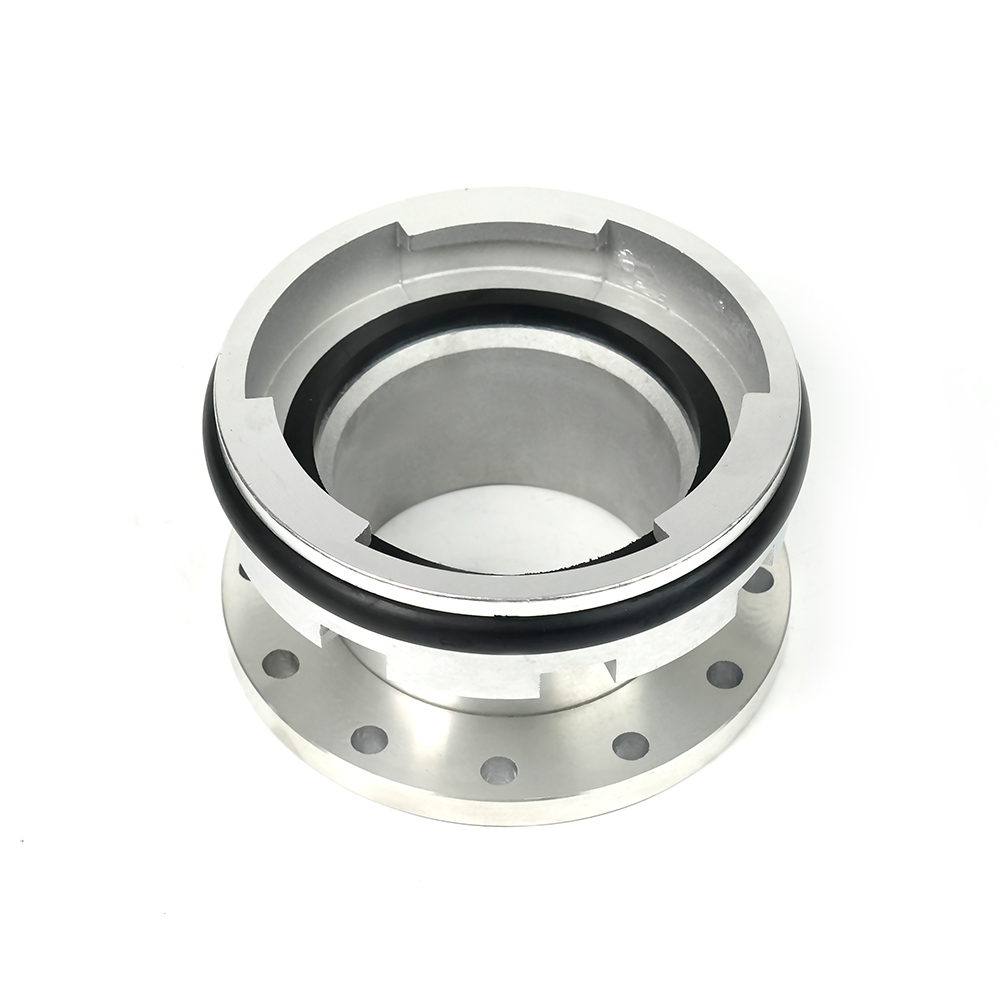 Machino Adapter Couplings – Flanged
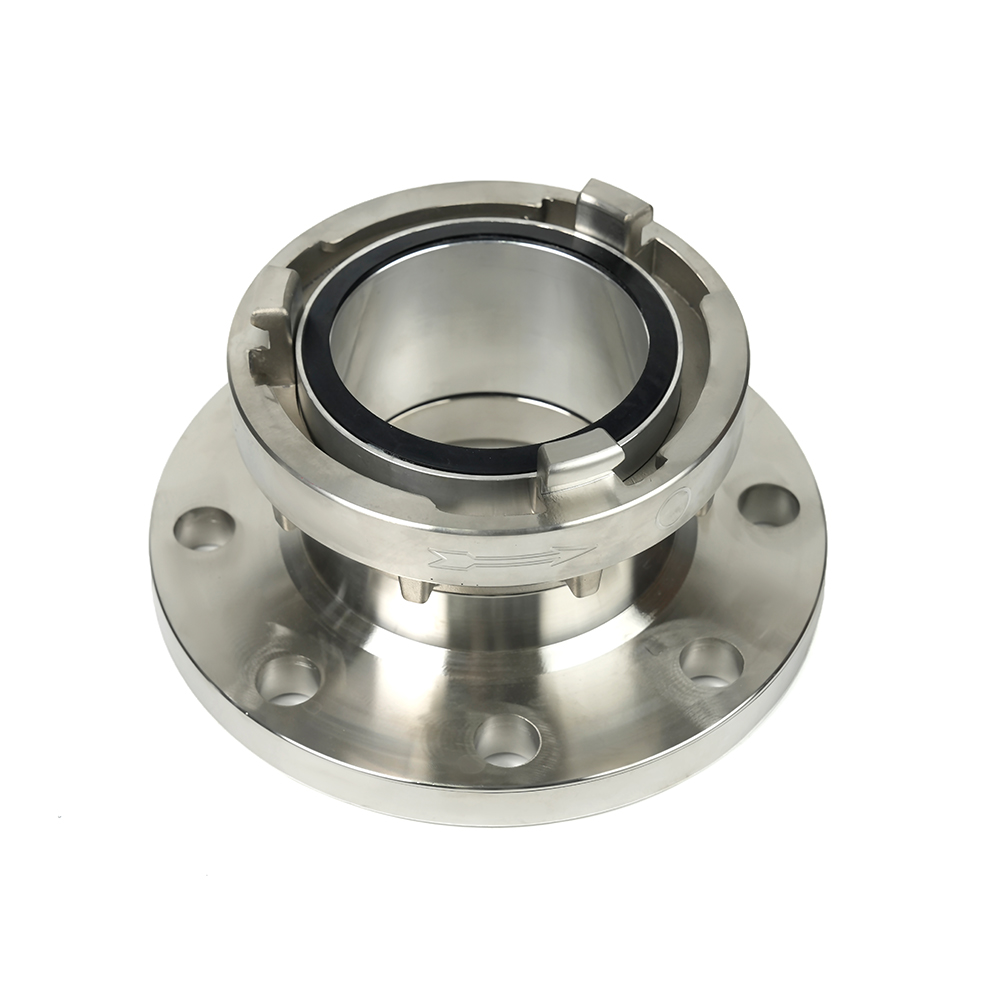 Storz Adapter Couplings – Flanged

 Contact Number
+86-0523-83274900
+86-151 9064 3365
 Let our team offer you customs solutions.
 Company Address
West side of Hongxing Middle Road, Lincheng Street, Development Zone, Xinghua City, Jiangsu Province, China
Copyright @Jiangsu Jinding Fire Protection Technology Co., Ltd. All rights reserved Fire Protection Equipments Manufacturers
