 英语
英语 西班牙语
西班牙语 德语
德语Industry News


GET IN TOUCH
+86-0523-83274900
+86-151 9064 3365
Content
A Storz Locking Blank Cap is a specialized industrial pressure fitting designed to seal off the discharge or suction ends of Storz-compatible pipes, valves, and hoses. Unlike standard Storz caps, the "locking" variant incorporates a mechanical latch or safety lock mechanism—often a spring-loaded pin or a twist-lock slider—that prevents the coupling from accidentally disengaging due to high-frequency vibrations, hose torque, or sudden pressure surges. It serves as a primary safety barrier in fluid delivery systems, ensuring that unused ports remain airtight and watertight under rigorous operating conditions.
The fundamental design of a Storz coupling is "sexless," meaning both ends of the connection are identical. This eliminates the need to match male and female threads, significantly speeding up deployment in emergency scenarios. A blank cap effectively acts as the "terminal" point of this system. When the locking mechanism is engaged, the cap cannot be rotated or removed without manual intervention, providing an essential layer of security in public infrastructure and high-pressure industrial environments.
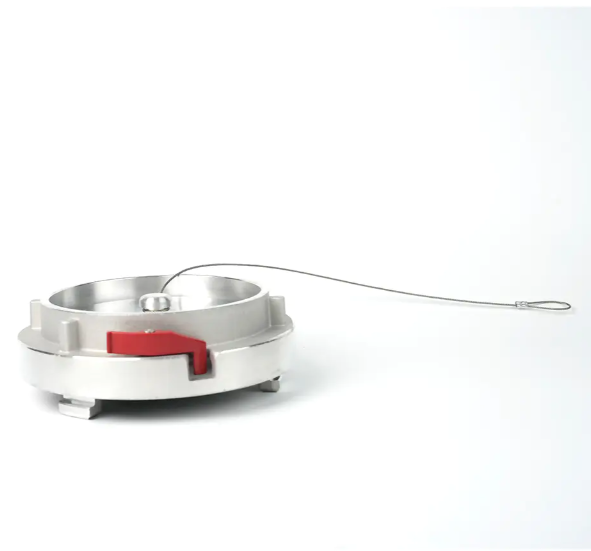
To understand the efficacy of a Storz locking blank cap, one must examine its structural anatomy. The cap is typically forged or cast from high-strength materials and consists of several critical components that work in unison to maintain a seal.
The "lugs" are the interlocking hooks that define the Storz connection. On a blank cap, these lugs are precision-machined to slide into the grooves of the receiving coupling. The distance between the lugs—known as the KA distance or Lug Distance—is the primary sizing metric. For example, a 65mm Storz cap must have a matching KA distance (usually 81mm) to fit the corresponding valve.
The "Locking" feature is what distinguishes this cap from standard versions. It usually consists of a spring-actuated metal latch located on the outer rim. Once the cap is twisted into the locked position (typically a 90-degree turn), the latch clicks into a notch on the receiving coupling. This prevents counter-rotation. In high-vibration environments, such as on a moving fire apparatus or near heavy industrial pumps, this lock prevents the cap from vibrating loose over time.
Inside the face of the cap sits a heavy-duty gasket. Depending on the intended use, these gaskets are made from different elastomers:
Storz locking blank caps are manufactured according to strict international standards to ensure interchangeability. The most common standards followed are DIN (German Institute for Standardization) and various European fire safety codes. Accuracy in sizing is vital; a mismatch of even a few millimeters in the KA distance will render the cap useless.
| Nominal Size (mm) | Lug Distance (KA in mm) | Standard Working Pressure (Bar) | Common Material |
|---|---|---|---|
| Storz 25 (D) | 31mm | 16 Bar | Aluminum/Brass |
| Storz 38 | 52mm | 16 Bar | Aluminum Alloy |
| Storz 52 (C) | 66mm | 16 Bar | Forged Aluminum |
| Storz 65 | 81mm | 16 Bar | Aluminum/Stainless |
| Storz 75 (B) | 89mm | 16 Bar | Forged Aluminum |
| Storz 110 (A) | 133mm | 16 Bar | Hard Anodized AL |
The use of locking blank caps is mandated in several sectors where fluid containment failure could lead to catastrophic property damage or environmental hazards.
Fire departments use these caps to protect the Fire Department Connection (FDC) on the outside of buildings. Without a locking cap, debris, nesting insects, or vandals could obstruct the waterway. When a fire occurs, firefighters must be able to trust that the inlet is clear. The locking mechanism ensures the cap stays in place despite high-traffic urban environments where standard caps might be tampered with.
In the pneumatic conveying of powders (like cement, flour, or plastic pellets), Storz fittings are ubiquitous. During transport, the vibration of the vehicle can cause non-locking fittings to loosen. A locking blank cap prevents the accidental discharge of dry bulk materials, which can be both a financial loss and a respiratory hazard for operators.
Vacuum trucks and sewage treatment plants utilize Storz blank caps to seal suction inlets. Because these systems often operate under negative pressure, the integrity of the gasket seal is paramount to prevent pump cavitation. The locking pin ensures the cap remains perfectly centered and compressed against the seal, maintaining the vacuum.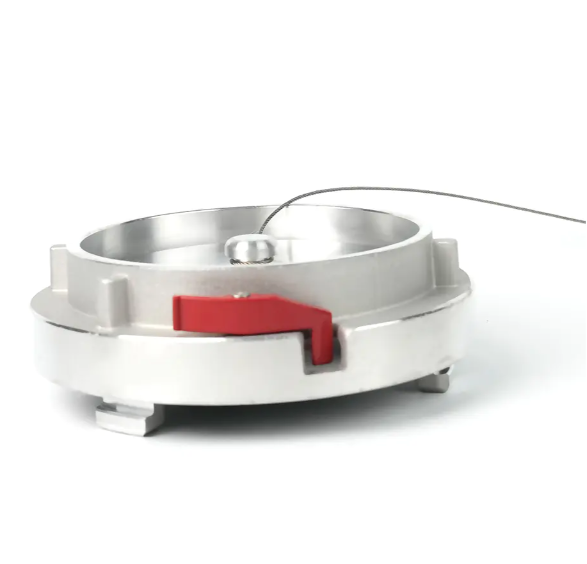
The choice of material for a Storz locking blank cap is determined by the environment it will inhabit. Using the wrong alloy can lead to galvanic corrosion or mechanical failure under pressure.
To ensure a Storz locking blank cap performs its function correctly, proper installation and recurring maintenance are required. A improperly seated cap is a projectile risk under high pressure.
1. Inspect the gasket for cracks, grit, or flat spots. 2. Align the lugs of the blank cap with the slots on the fixed coupling. 3. Push firmly and rotate the cap clockwise. 4. Continue rotation until the locking pin "clicks" or the locking slider engages. 5. Perform a "pull back" test to ensure the cap cannot rotate in the opposite direction without depressing the release catch.
Most Storz locking blank caps are equipped with a heavy-duty galvanized or stainless steel chain. This is not merely a convenience feature; it is a safety and operational necessity. In municipal firefighting, the absence of a chain often leads to caps being misplaced or stolen, leaving the hydrant or standpipe vulnerable to blockage. The chain is typically 300mm to 500mm in length and is anchored to the main body of the valve or pipe via a heavy-duty ring. This ensures that the locking cap is always available for immediate re-sealing after use.
In summary, the Storz locking blank cap is a critical component for any system utilizing the Storz quick-connect standard. Its primary benefits include:
Whether protecting a city's fire protection infrastructure or sealing a vacuum tanker, the locking blank cap remains the gold standard for secure, reliable fluid termination.
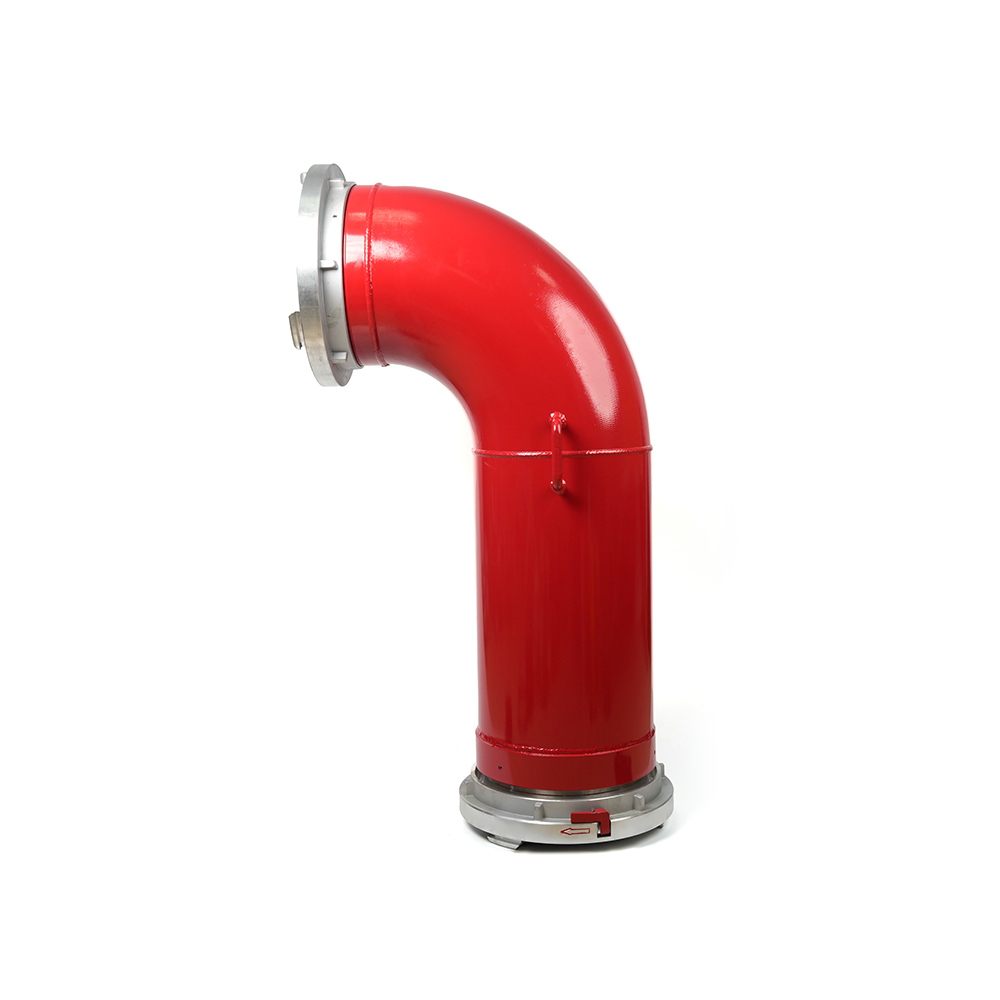 Grooved Fire Elbow-Storz
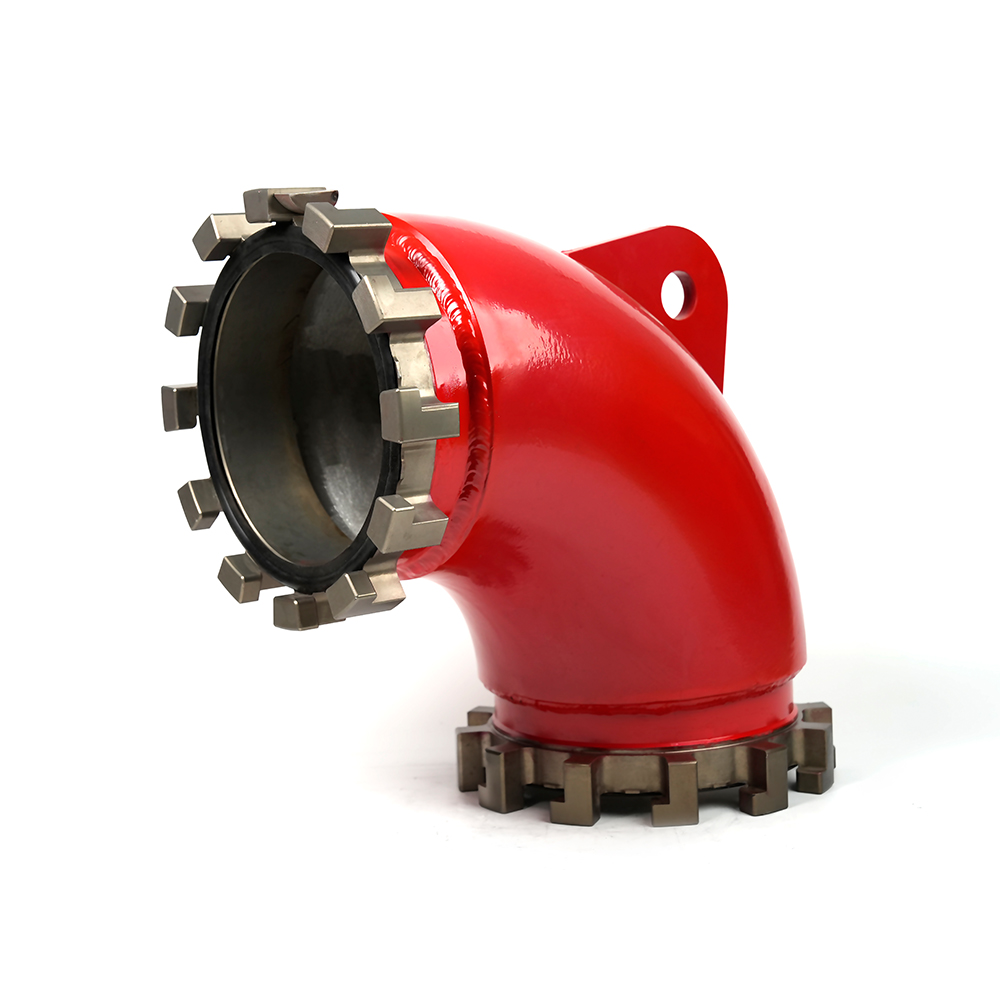 Grooved Fire Elbow-Multi-tooth
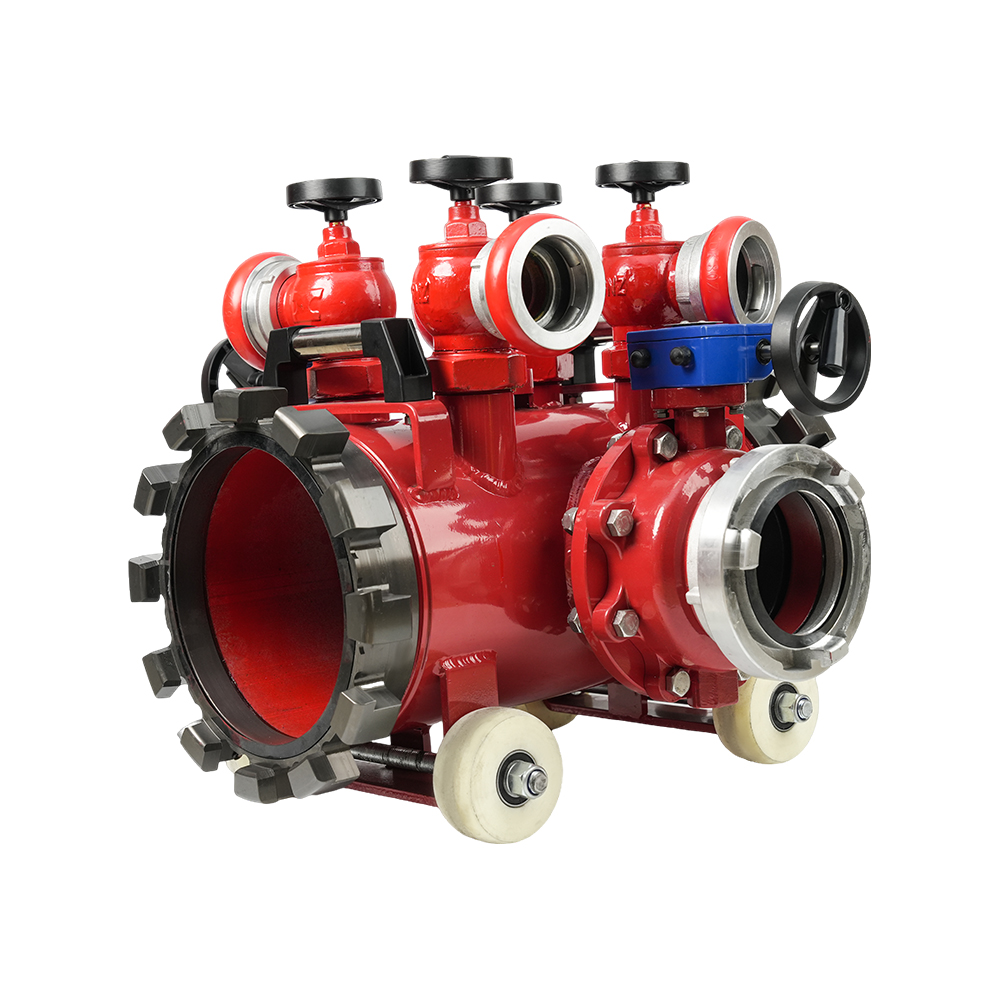 Multi-functional Fire Hose Distributor
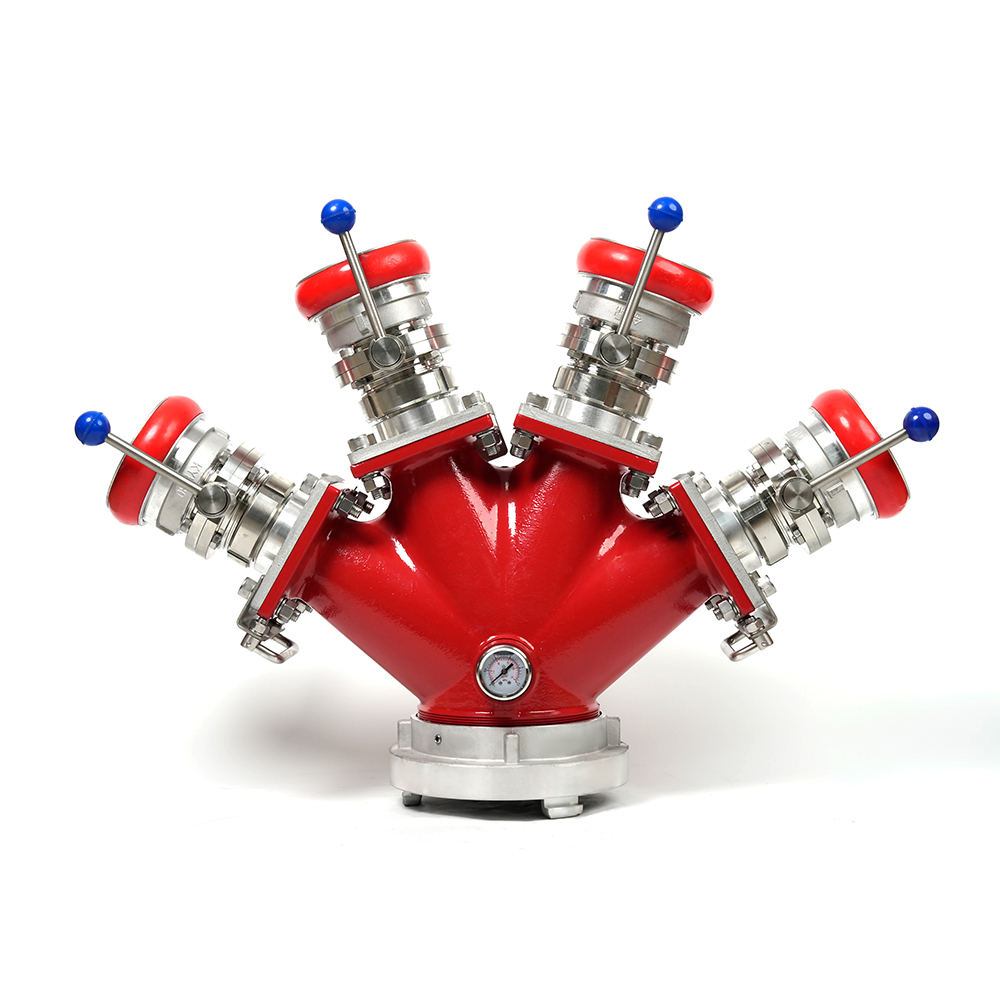 Locking Four-Way Fire Hose Distributor
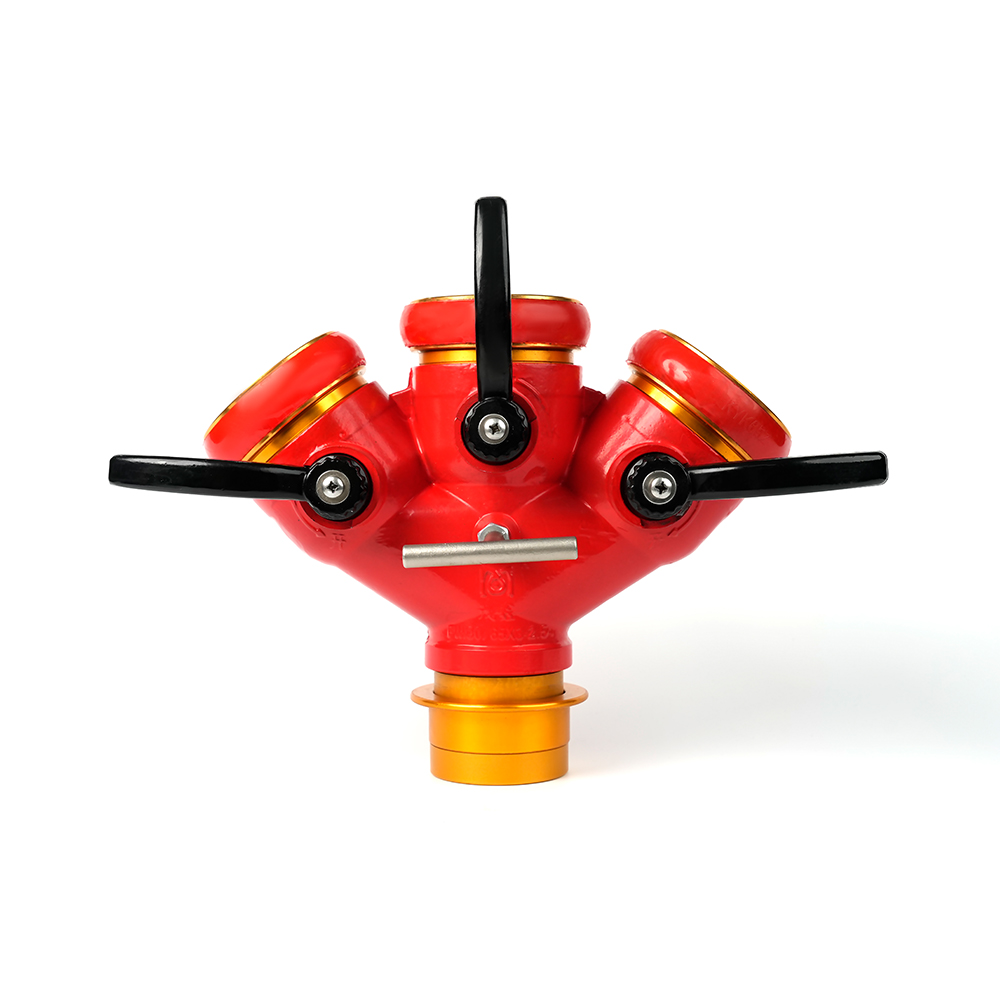 Locking Three-Way Fire Hose Distributor
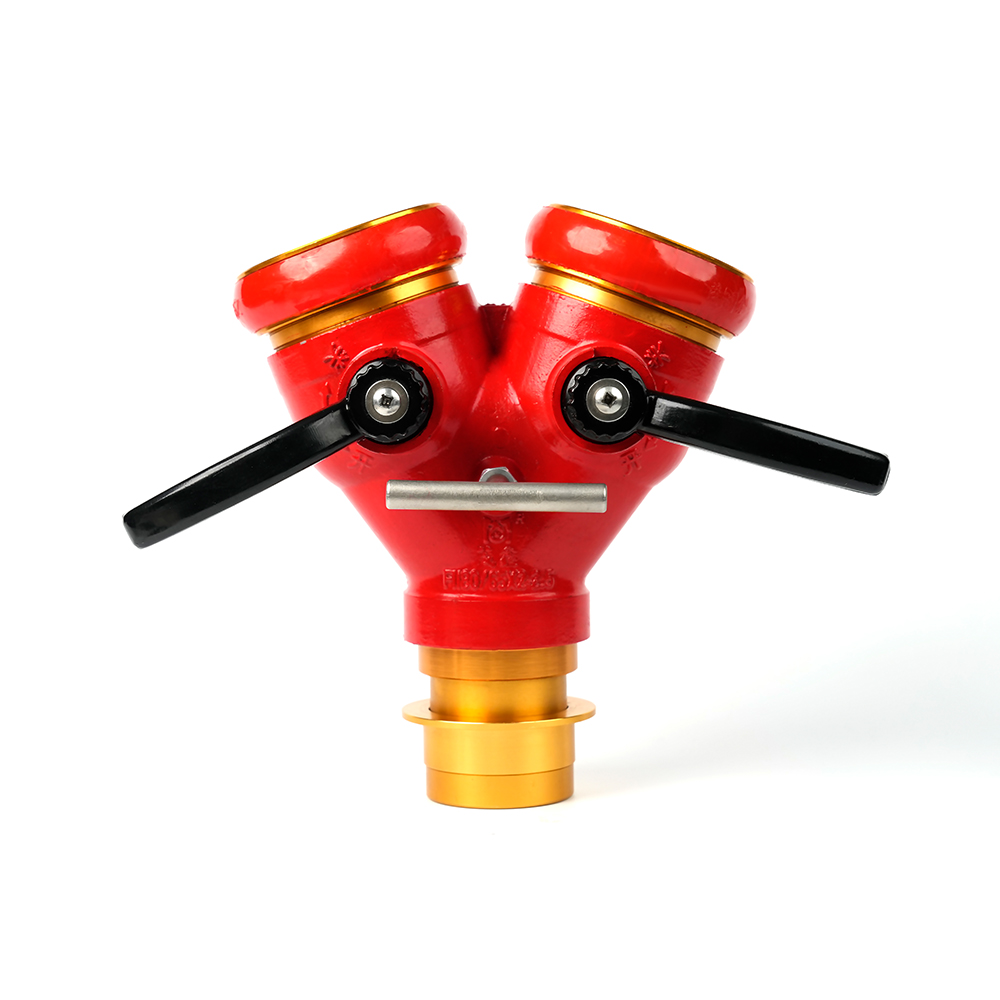 Locking Two-Way Fire Hose Distributor
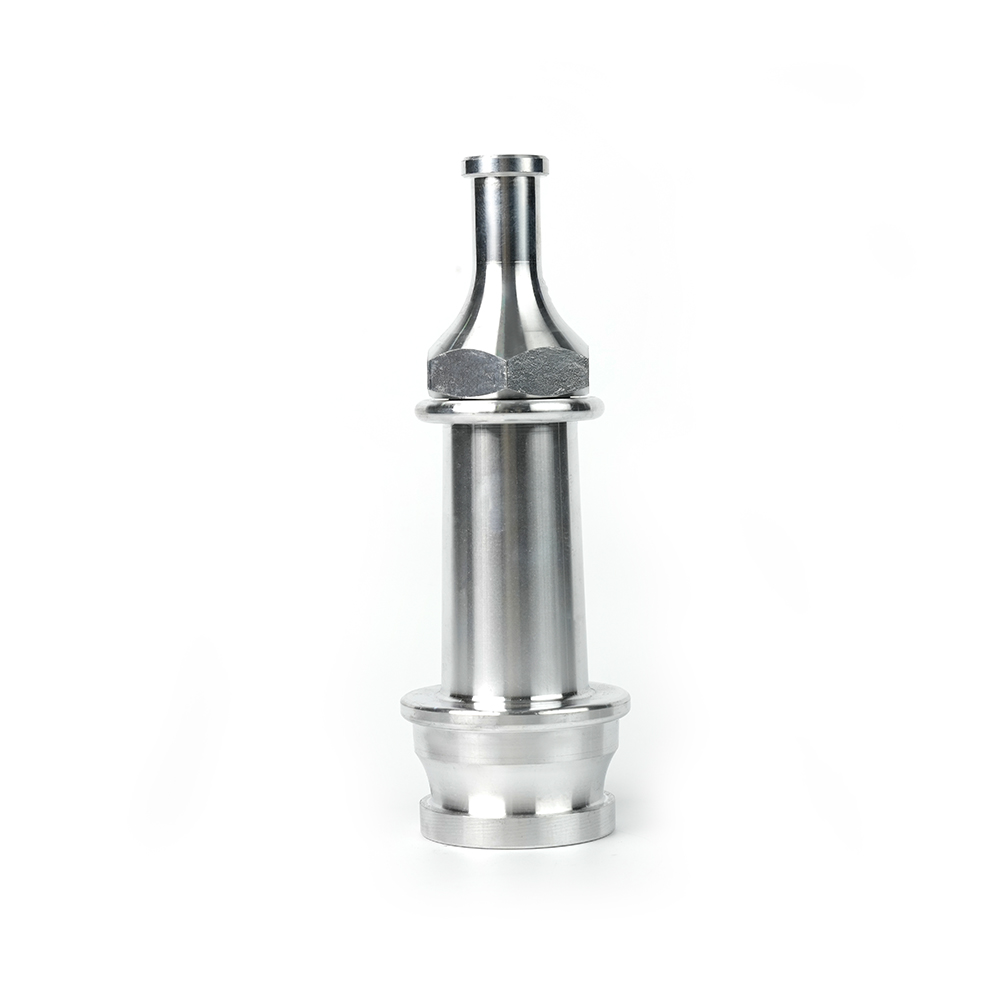 Straight Stream Nozzle
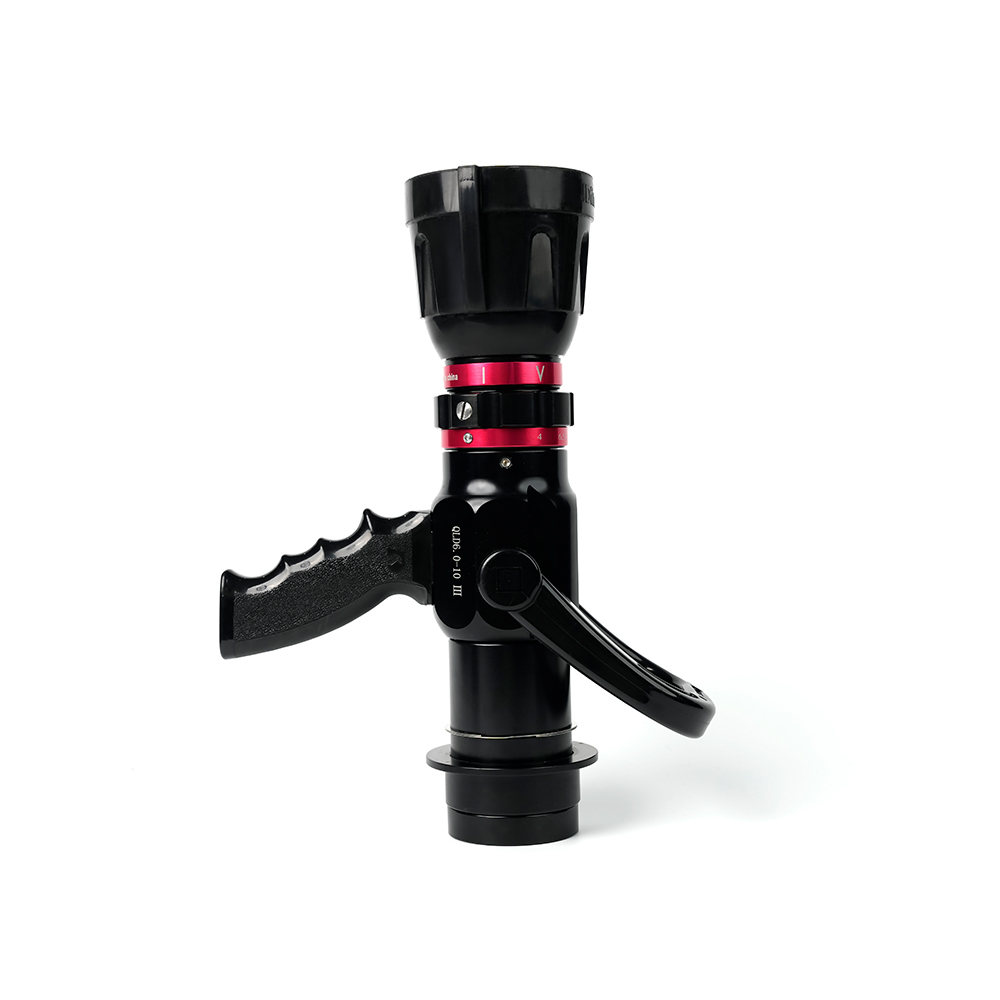 Adjustable nozzle-machino
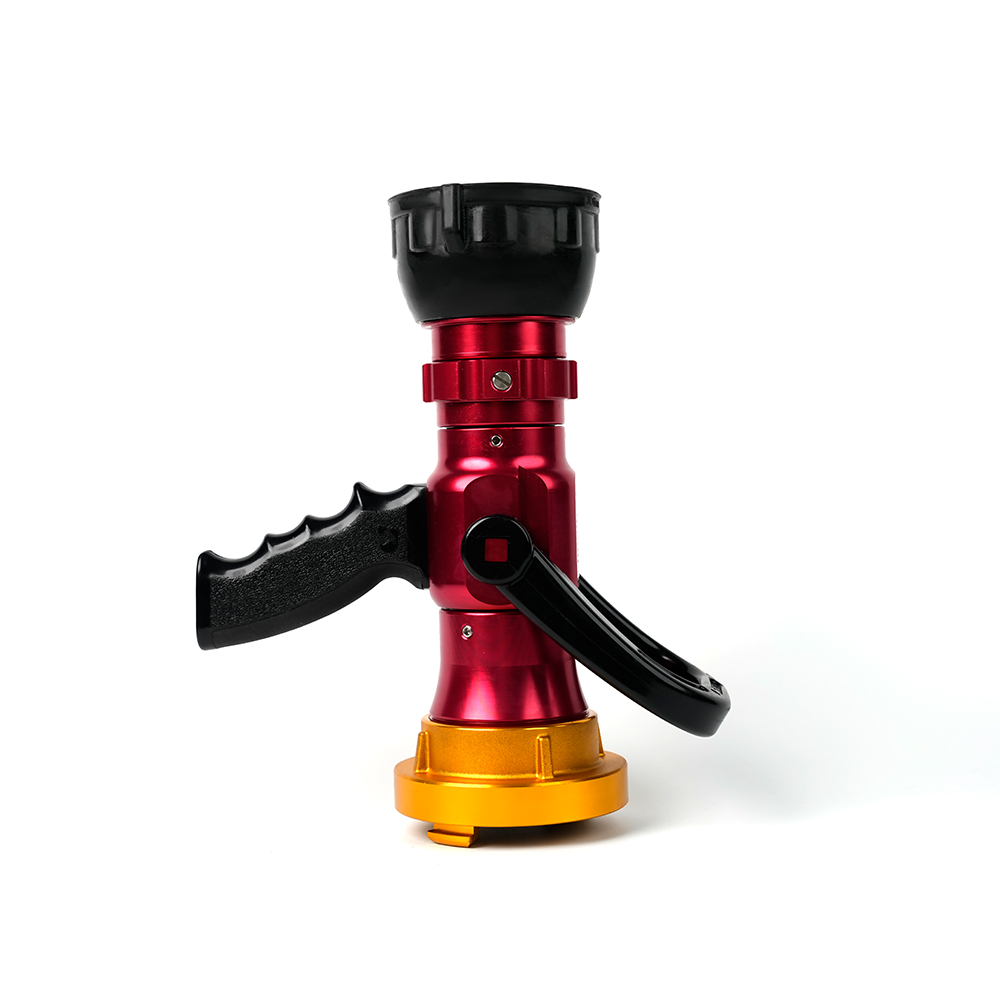 Adjustable nozzle-storz
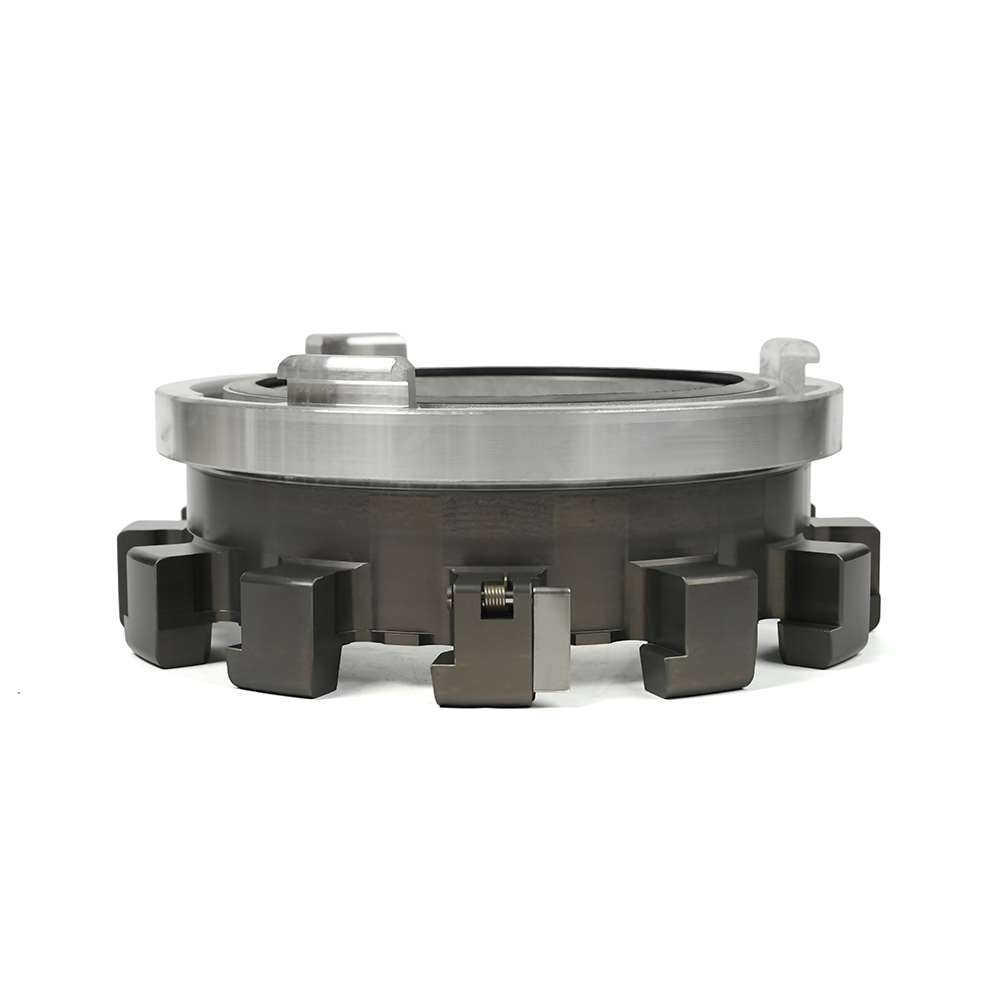 Storz Adapter Couplings - Multi-Tooth
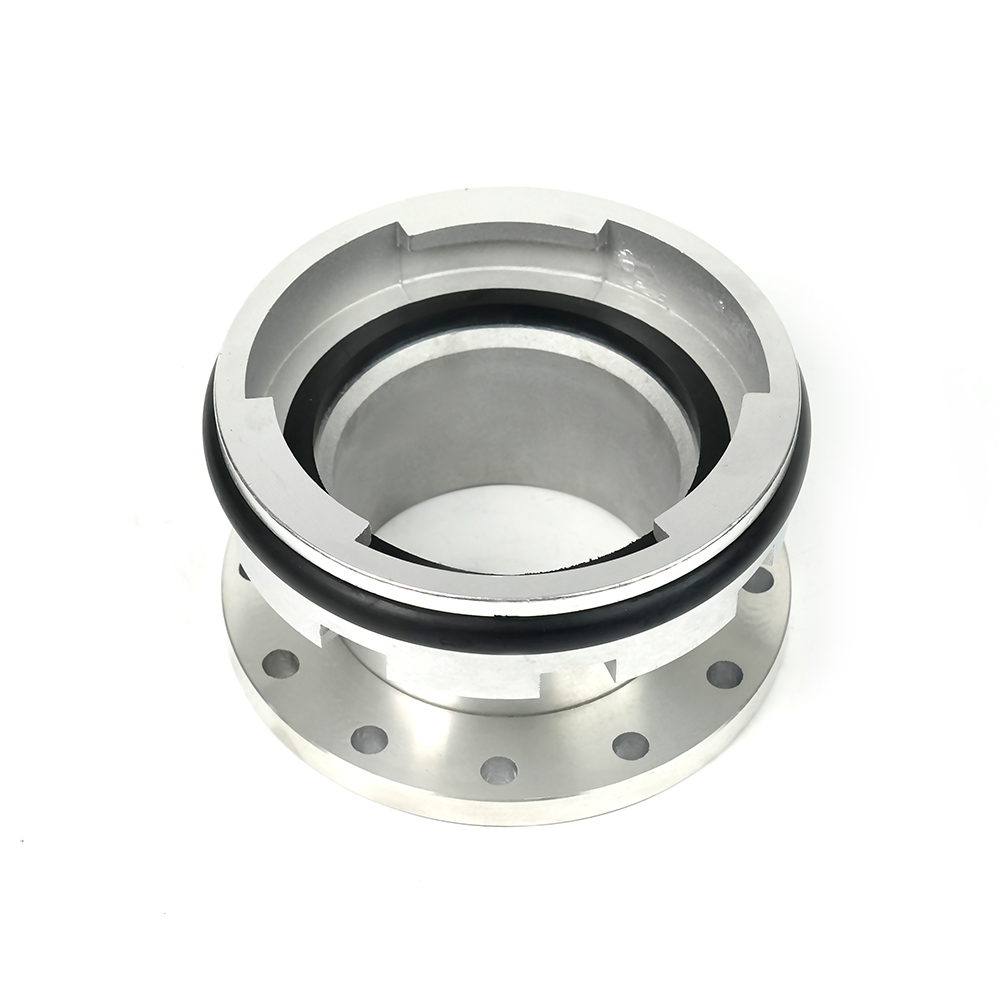 Machino Adapter Couplings – Flanged
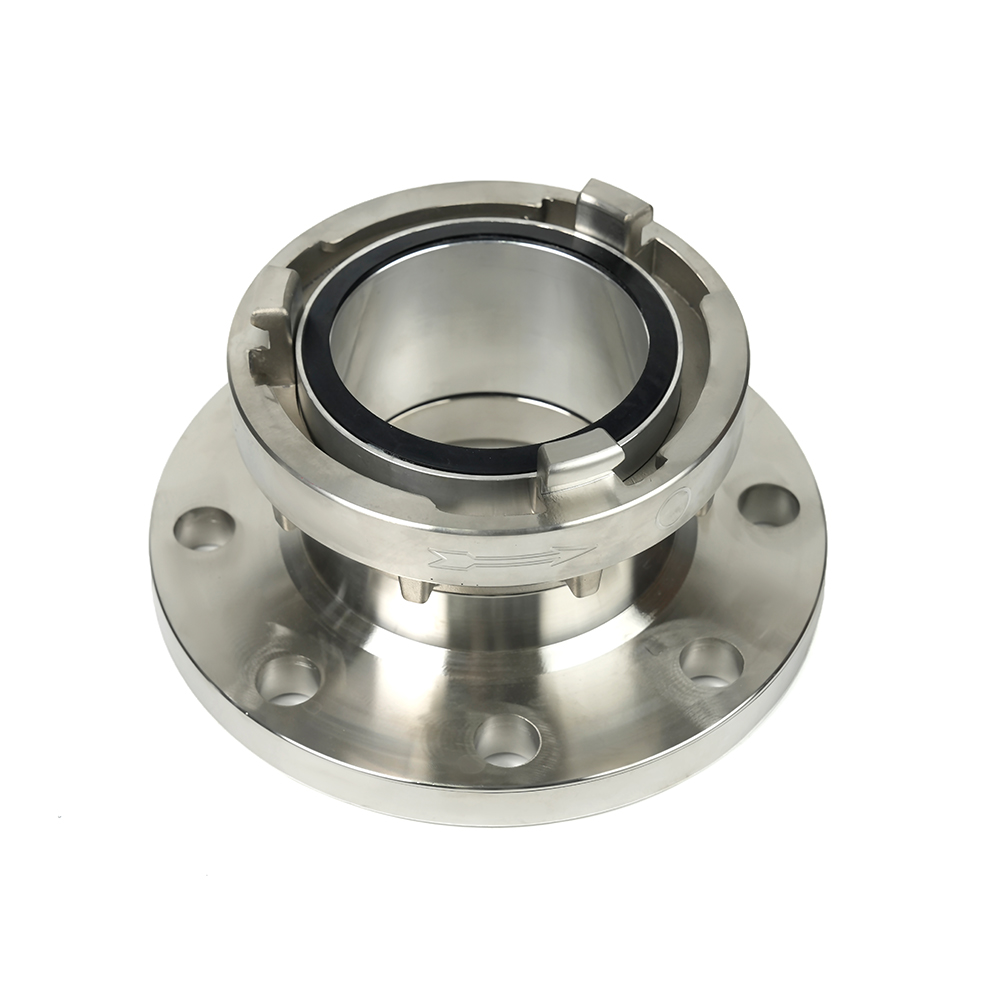 Storz Adapter Couplings – Flanged

 Contact Number
+86-0523-83274900
+86-151 9064 3365
 Let our team offer you customs solutions.
 Company Address
West side of Hongxing Middle Road, Lincheng Street, Development Zone, Xinghua City, Jiangsu Province, China
Copyright @Jiangsu Jinding Fire Protection Technology Co., Ltd. All rights reserved Fire Protection Equipments Manufacturers
