 英语
英语 西班牙语
西班牙语 德语
德语Industry News


GET IN TOUCH
+86-0523-83274900
+86-151 9064 3365
Content
A Storz fire hose coupling is a symmetrical, sexless cam-and-groove connector that allows two identical halves to join without threading. Unlike threaded couplings that require matching male and female ends, any two Storz couplings of the same nominal size connect instantly with a quarter-turn rotation. This design makes it the standard choice for rapid fire suppression deployment worldwide — used by fire departments, industrial facilities, and airport rescue services across Europe, North America, and beyond.
Selecting the right Storz coupling depends on three core factors: nominal diameter, material, and pressure rating. Getting these right ensures leak-free performance under the extreme conditions of firefighting operations.
Storz couplings are classified by their nominal diameter (DN), which refers to the internal bore size of the coupling rather than the outer diameter. Standard sizes range from DN 25 to DN 150, each suited to specific flow demands.
| Nominal Size | Typical Flow Rate | Common Application |
|---|---|---|
| DN 25 / DN 32 | Up to 100 L/min | Standpipe systems, first-aid hose reels |
| DN 52 | 200–400 L/min | Standard attack hose lines |
| DN 75 | 800–1,200 L/min | Supply lines, tanker connections |
| DN 100 | 1,500–2,500 L/min | Large-diameter supply, hydrant connections |
| DN 150 | 3,000+ L/min | Industrial fire protection, airport ARFF |
In Europe and countries following DIN 14307 standards, DN 52 and DN 75 are the most widely stocked sizes for municipal fire departments. In North America, the 2.5-inch (approximately DN 65) and 4-inch (approximately DN 100) Storz versions are common at hydrant outlets and pumper discharges.
The connection procedure is straightforward, but technique matters — especially under pressure or in poor visibility conditions. Follow these steps for a reliable, leak-free joint:
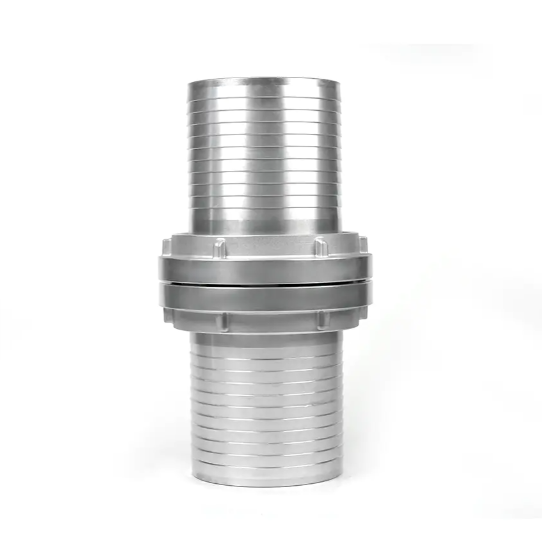
Never attempt to uncouple a Storz fitting while the line is still pressurized. Residual pressure as low as 0.5 bar can cause the coupling to release with enough force to cause injury. Always bleed down the line, confirm zero pressure, then rotate one half 90° counter-clockwise to separate.
Storz couplings are manufactured in several materials, each with distinct advantages depending on the deployment environment, weight budget, and chemical exposure risk.
For most structural firefighting and municipal water supply applications, aluminum Storz couplings conforming to DIN 14307 or EN 1947 represent the optimal balance of weight, strength, and cost.
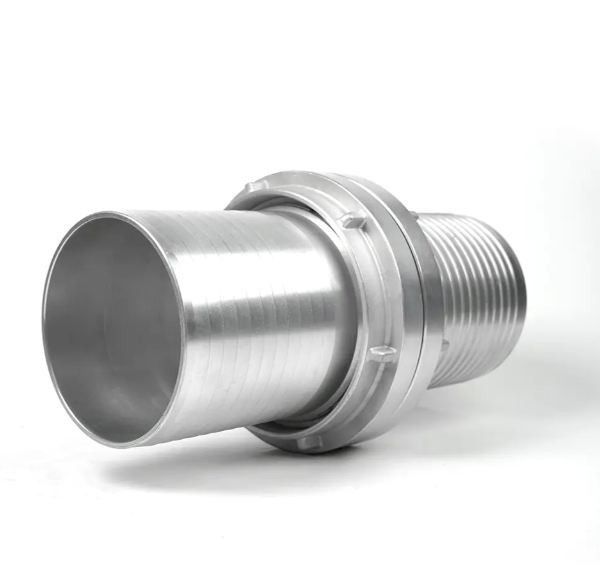
Storz couplings carry two key pressure designations: nominal working pressure (PN) and test pressure. The test pressure is typically 1.5× the working pressure, validated during hydrostatic factory testing.
| Material | Typical Working Pressure | Hydrostatic Test Pressure |
|---|---|---|
| Aluminum alloy | 16 bar | 24 bar |
| Stainless steel | 25 bar | 37.5 bar |
| Brass | 16 bar | 24 bar |
| Composite polymer | 8–10 bar | 12–15 bar |
Always select a coupling rated for at least 25% above your system's maximum operating pressure. For high-rise building standpipe systems, where static pressures can exceed 12 bar even before pump boost, stainless steel couplings are strongly recommended.
The internal flat-face gasket is the only sealing element in a Storz coupling, making its condition and material selection critical. A worn or incompatible gasket is the leading cause of Storz leaks in service.
Gaskets should be inspected before every use and replaced when surface cracking, permanent compression set, or edge deformation is visible. Do not lubricate Storz gaskets with petroleum-based greases, as these degrade EPDM and NBR. Use only silicone-based lubricant or plain water.
Storz couplings intended for fire service use should comply with recognized standards that define dimensional tolerances, material specifications, and pressure testing requirements. Non-compliant couplings may appear similar but fail to interlock reliably with certified equipment.
When purchasing for institutional or government fire protection use, always request the manufacturer's material certificate and hydrostatic test report to confirm compliance before installation.
A Storz coupling that is well maintained will reliably function for 10 to 20+ years in regular service. The maintenance routine is simple but must be consistent.
Store Storz couplings away from direct sunlight (which degrades EPDM gaskets), petroleum products, and temperatures below −20 °C for extended periods. Horizontal hanging storage on hose racks prevents impact damage to lug ears that can occur when couplings pile on top of each other.
In practice, fire departments often operate equipment with mixed coupling standards — particularly when integrating with municipal hydrant networks, mutual-aid partners, or legacy infrastructure that uses threaded or instantaneous couplings. Storz-to-other adapters solve this problem.
Always specify the exact inlet and outlet coupling type, size, and pressure rating when ordering adapters. Mismatched pressure ratings at the adapter are a frequent source of failure during high-flow drills.
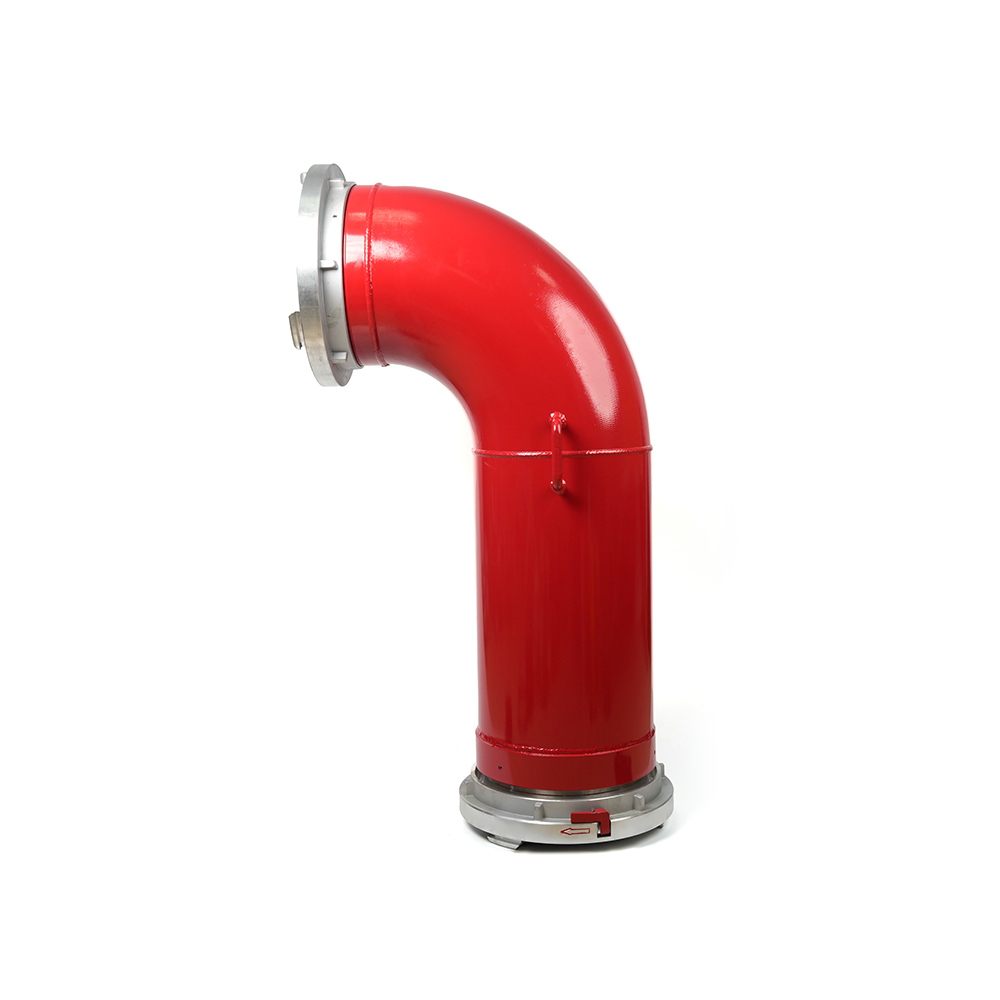 Grooved Fire Elbow-Storz
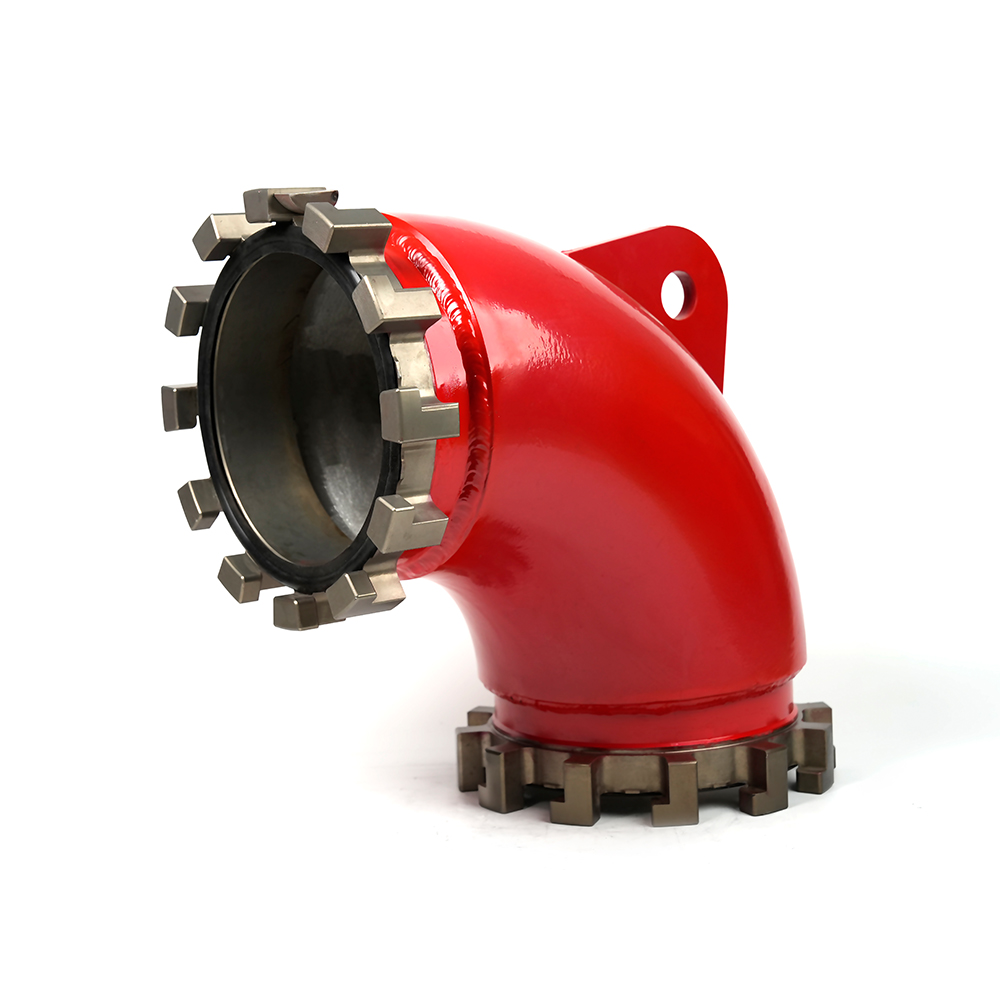 Grooved Fire Elbow-Multi-tooth
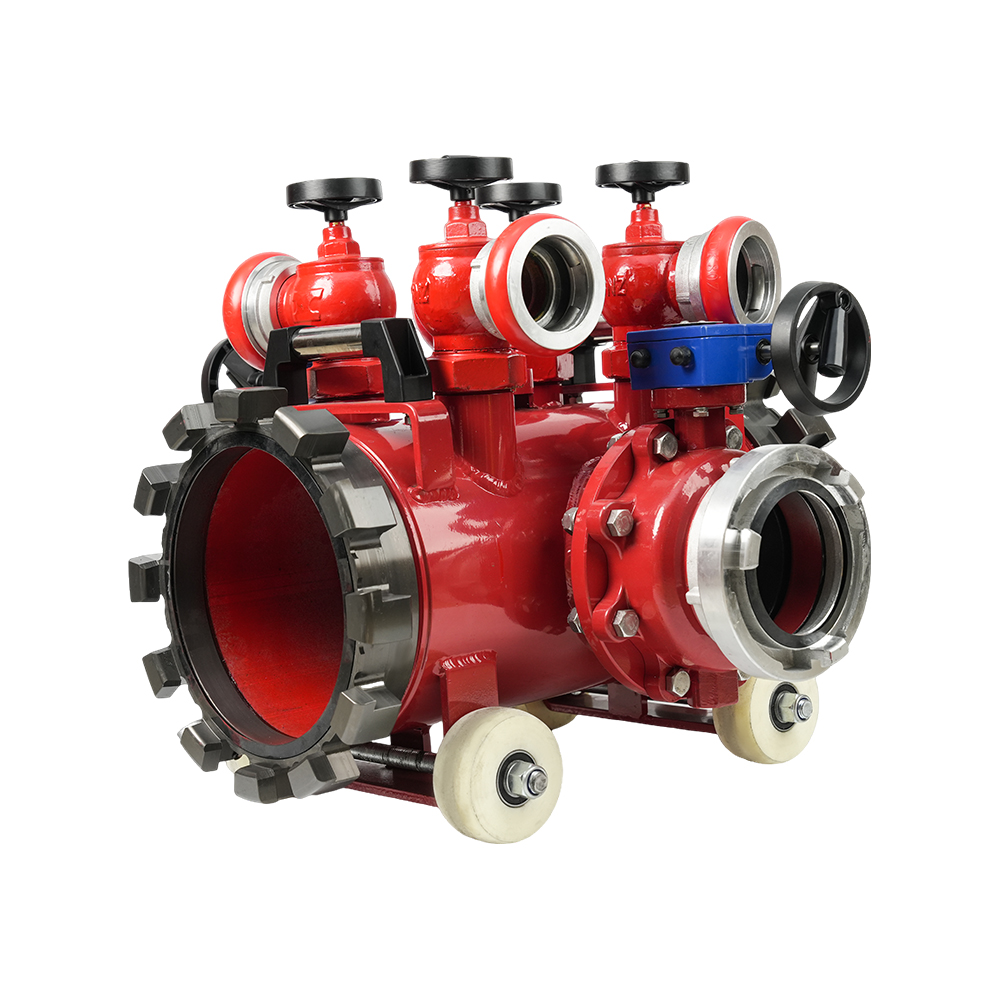 Multi-functional Fire Hose Distributor
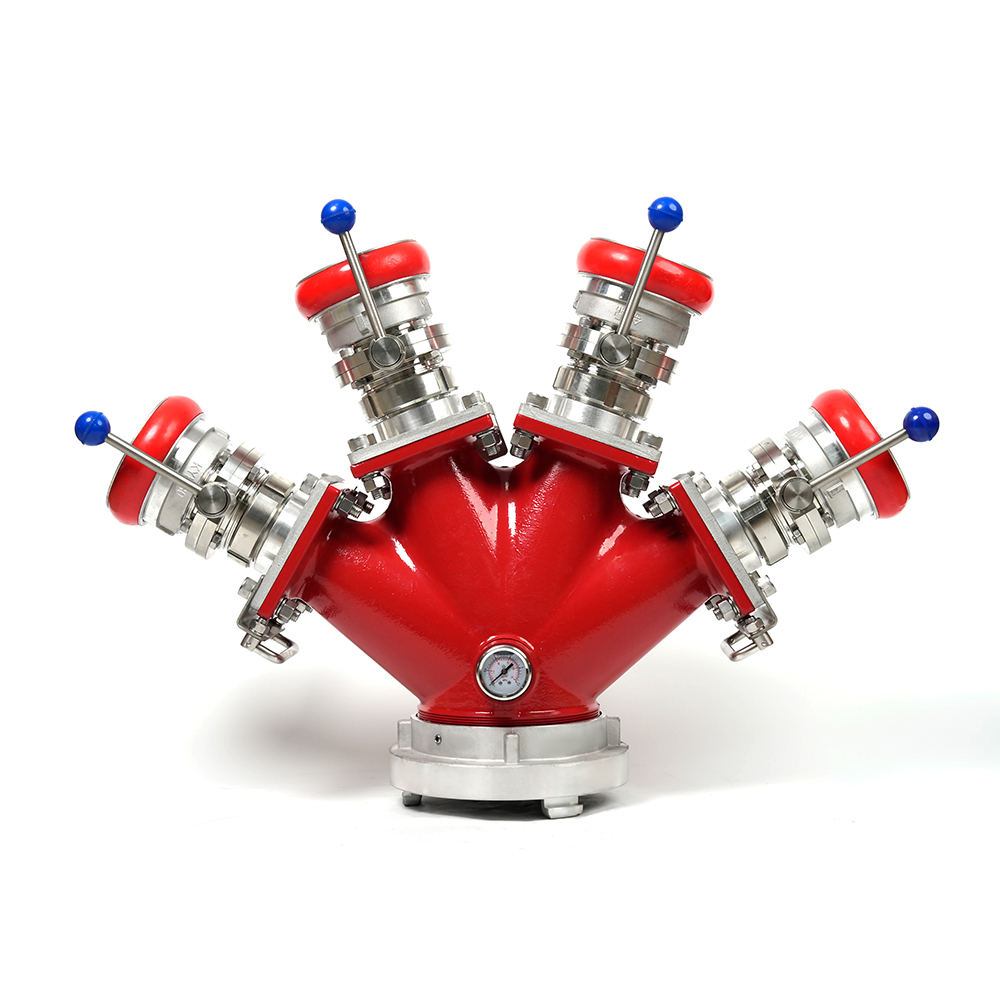 Locking Four-Way Fire Hose Distributor
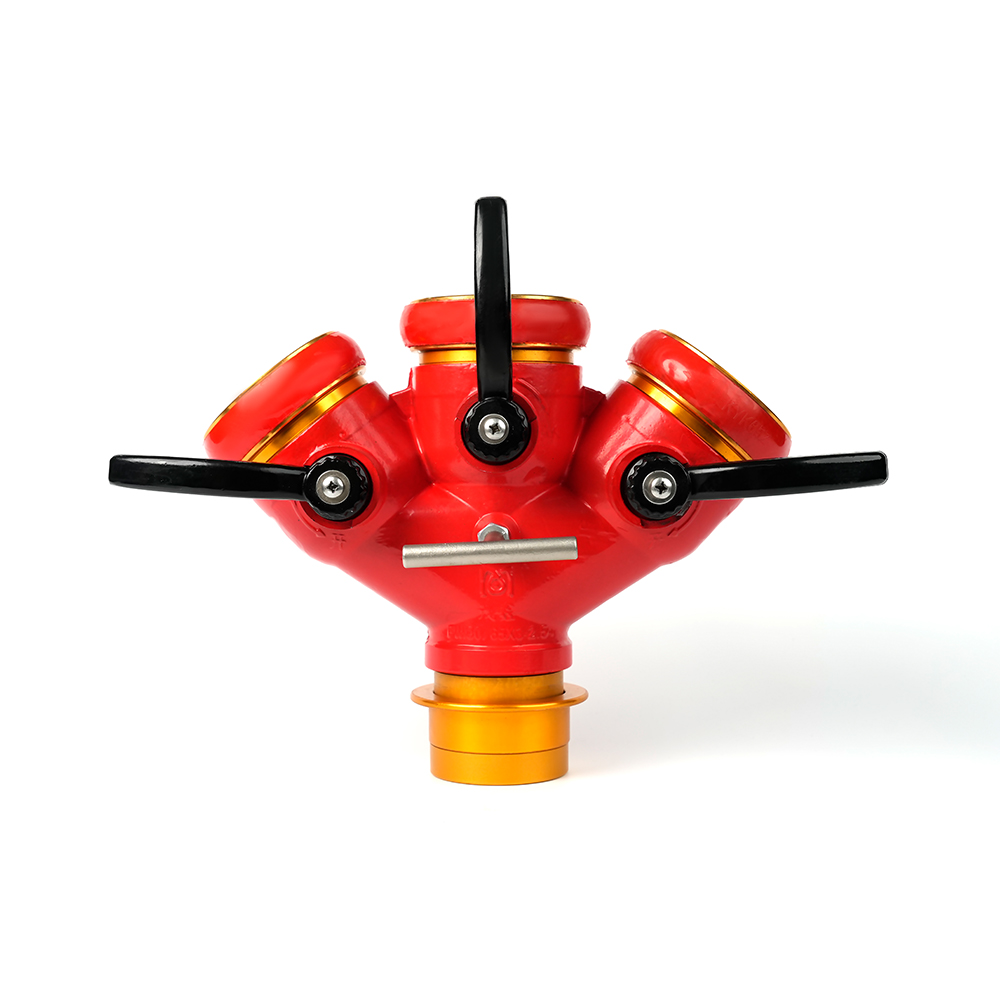 Locking Three-Way Fire Hose Distributor
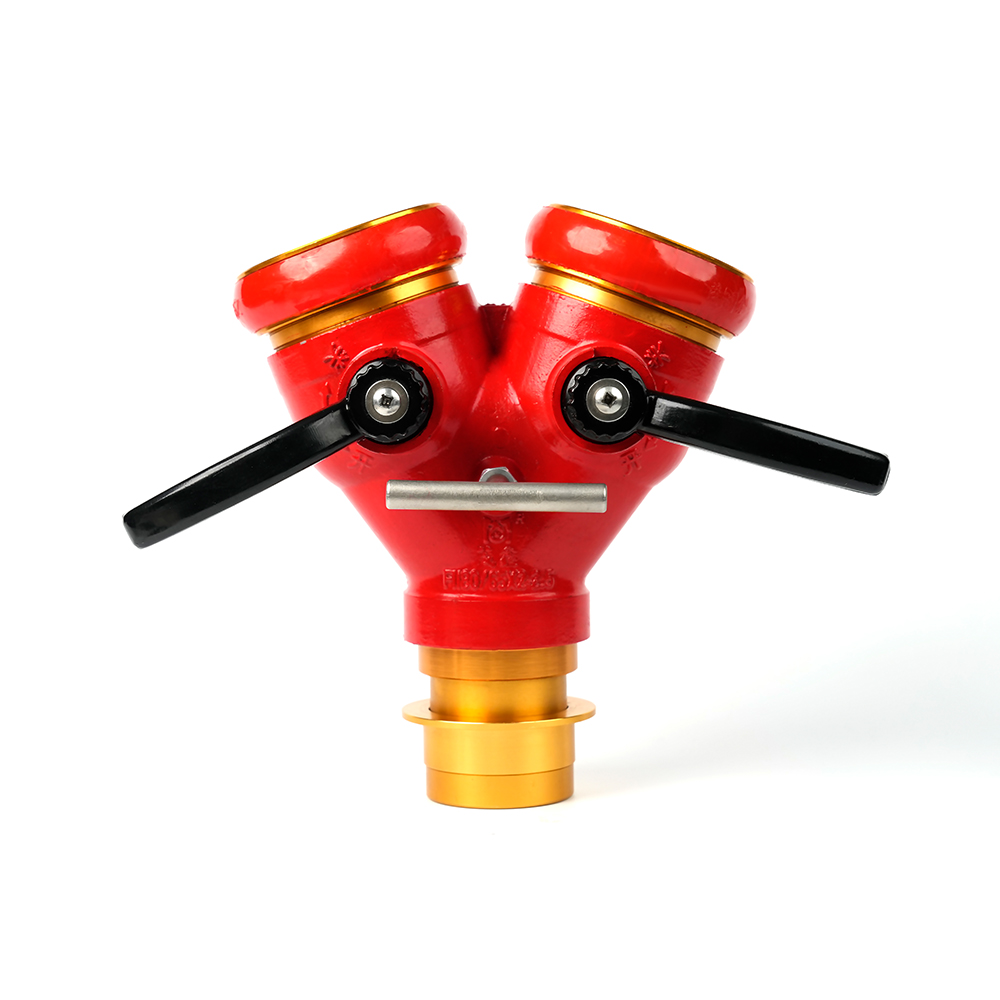 Locking Two-Way Fire Hose Distributor
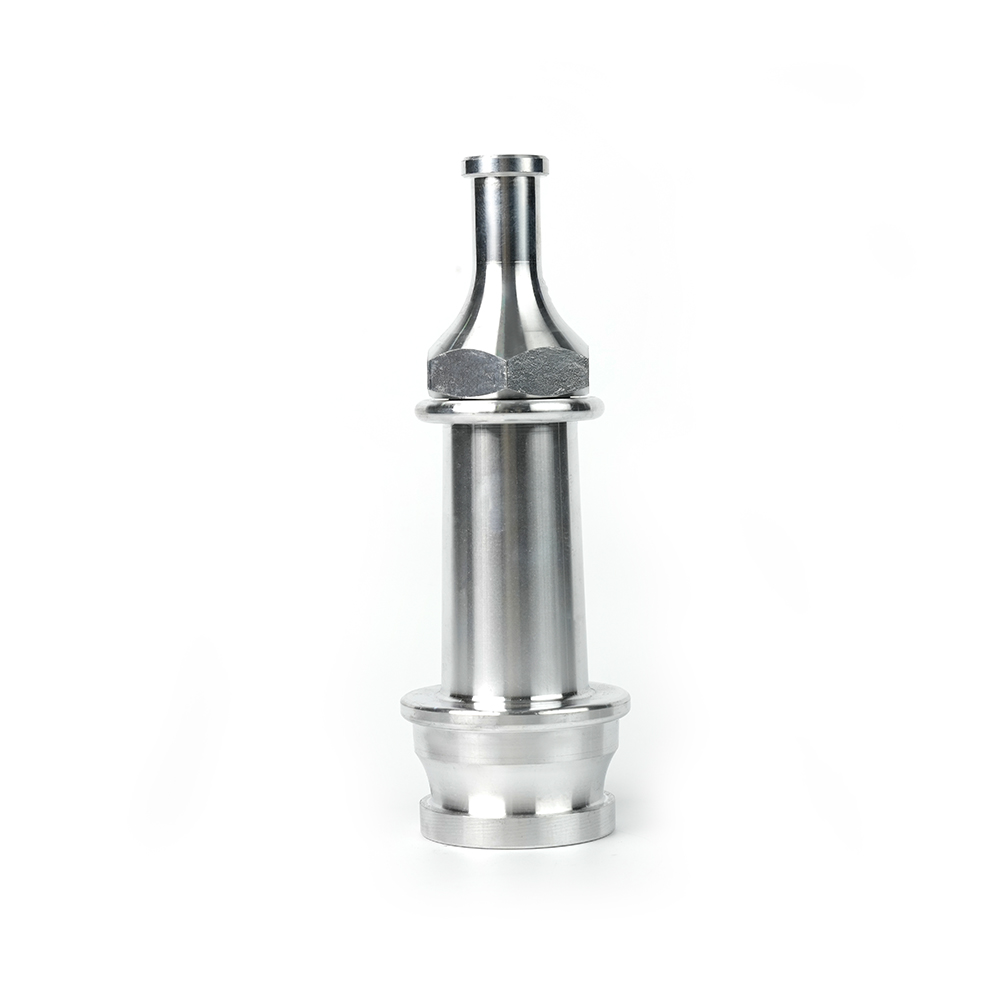 Straight Stream Nozzle
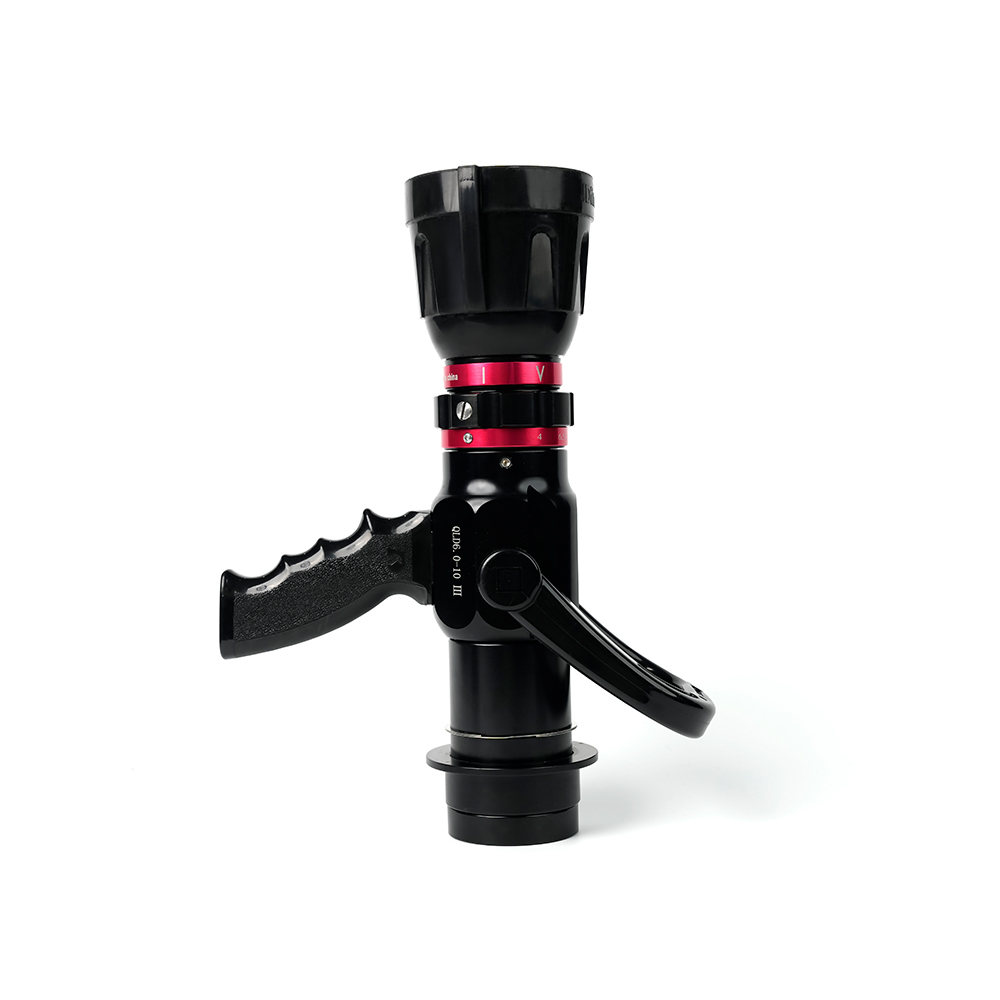 Adjustable nozzle-machino
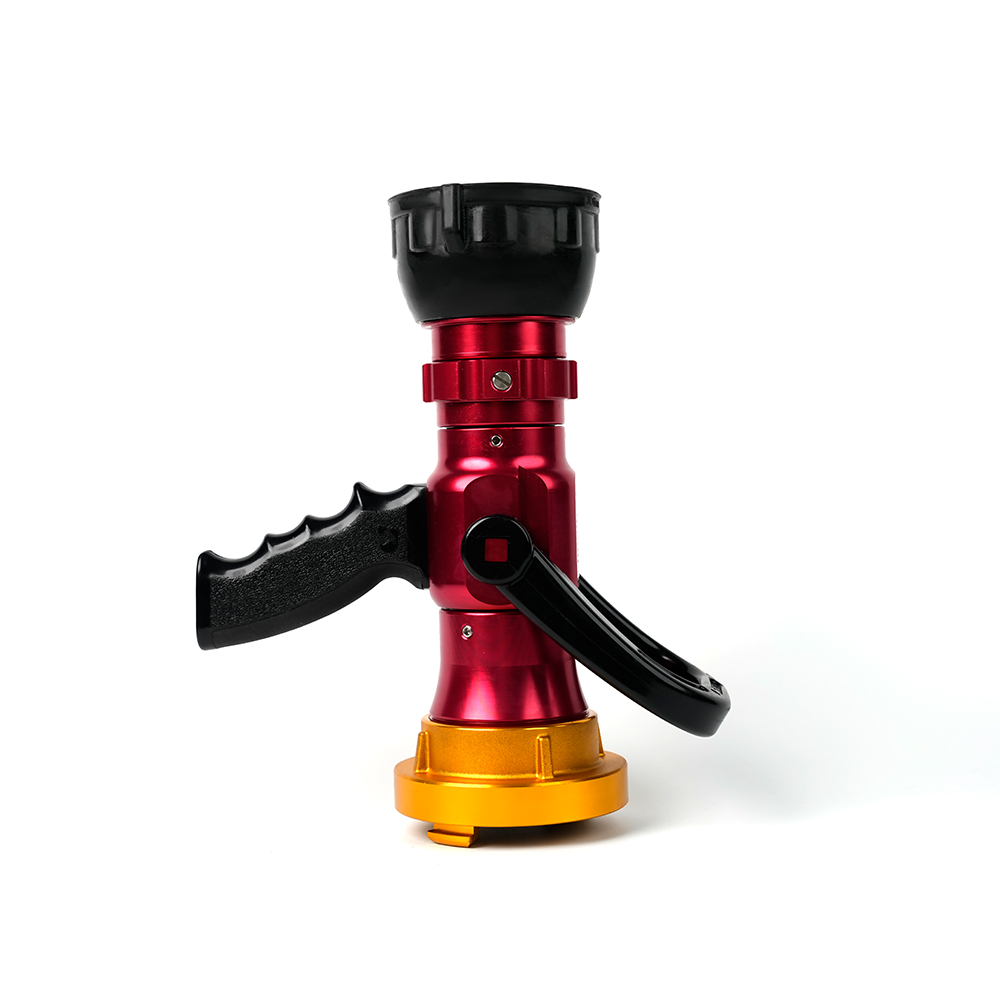 Adjustable nozzle-storz
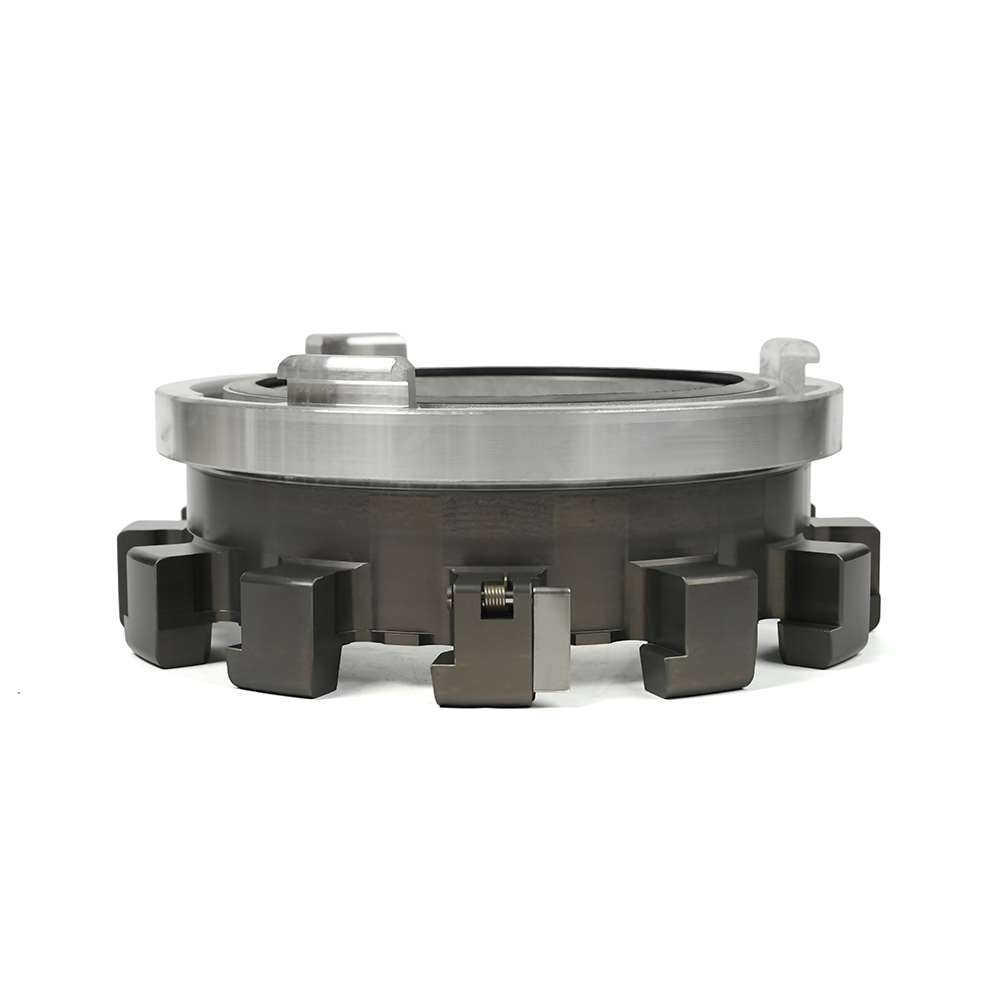 Storz Adapter Couplings - Multi-Tooth
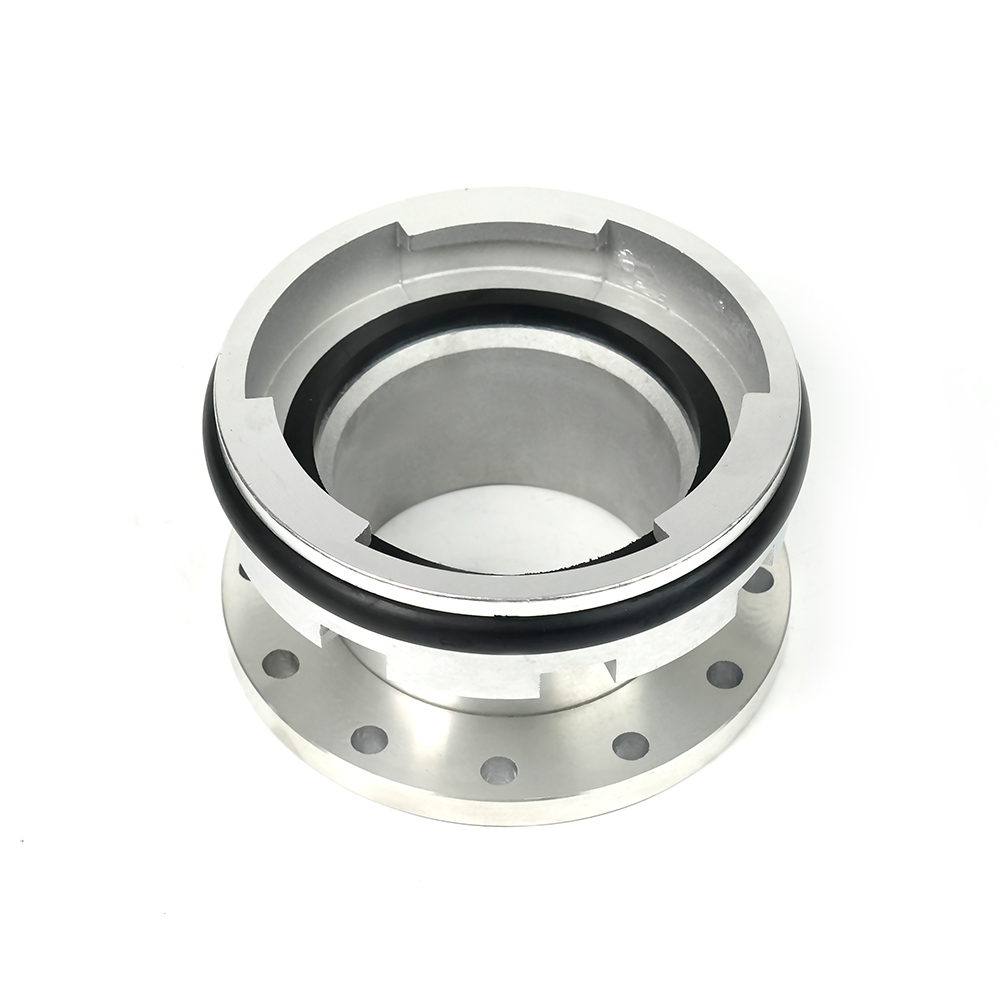 Machino Adapter Couplings – Flanged
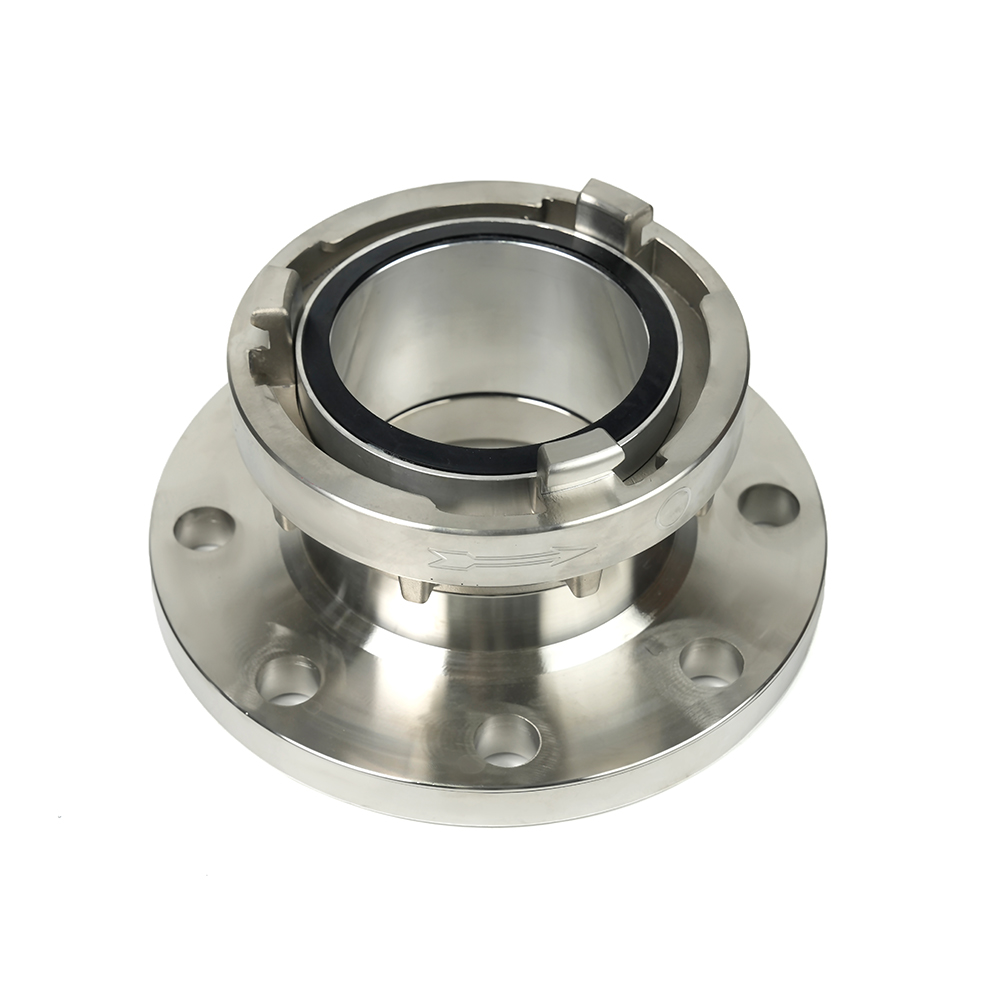 Storz Adapter Couplings – Flanged

 Contact Number
+86-0523-83274900
+86-151 9064 3365
 Let our team offer you customs solutions.
 Company Address
West side of Hongxing Middle Road, Lincheng Street, Development Zone, Xinghua City, Jiangsu Province, China
Copyright @Jiangsu Jinding Fire Protection Technology Co., Ltd. All rights reserved Fire Protection Equipments Manufacturers
