 英语
英语 西班牙语
西班牙语 德语
德语Industry News


GET IN TOUCH
+86-0523-83274900
+86-151 9064 3365
Content
A Storz locking coupling is a standardized, symmetrical, quarter-turn cam-locking connector widely used in firefighting, industrial fluid transfer, and emergency services to create fast, tool-free, leak-resistant hose connections. Both ends of the coupling are identical, eliminating the need to distinguish between male and female fittings — simply align, push, and twist 90° to lock. This design dramatically reduces connection time in high-pressure situations and is one of the most trusted coupling systems in the world.
Invented by Carl August Guido Storz in 1882, the Storz coupling was designed to solve a critical problem in firefighting: mismatched hose connectors. Because traditional threaded couplings required male and female ends to be matched, connecting hoses from different departments or sources was often impossible during emergencies.
The Storz system uses a symmetrical lug-and-cam locking mechanism. Each coupling end has two lugs and a corresponding cam slot. When two ends are brought together, the lugs slide into the opposite cam slots. A 90° rotation then locks them in place, compressing a rubber gasket to create a watertight seal.
Key operational features include:
Storz couplings are manufactured in a range of standardized sizes to suit different flow volumes and pressure requirements. Size designations refer to the nominal inner diameter of the hose or pipe being connected.
| Nominal Size | Outer Diameter (approx.) | Typical Working Pressure | Common Application |
|---|---|---|---|
| 25 mm | ~55 mm | 16 bar | Small hose lines, forestry |
| 52 mm | ~95 mm | 16 bar | Standard fire attack lines |
| 75 mm | ~125 mm | 16 bar | Supply lines, large firefighting ops |
| 100 mm | ~160 mm | 10–16 bar | Hydrant supply, industrial |
| 150 mm | ~230 mm | 10 bar | Large-diameter municipal supply |
The 52 mm size is the most widely used in structural firefighting globally. Couplings must be tested to at least 1.5× their working pressure for certification under EN 1775 and similar standards.
The choice of material directly affects weight, corrosion resistance, durability, and suitability for specific media. The three primary materials are:
The most common material for firefighting applications. Aluminum Storz couplings are lightweight (typically 30–50% lighter than brass equivalents), corrosion-resistant in most environments, and easy to handle under fatigue conditions. They are not suitable for use with seawater or highly acidic fluids.
Brass Storz couplings offer superior corrosion resistance, particularly in marine and chemically aggressive environments. They are heavier but highly durable and are often used in permanent or semi-permanent industrial installations where weight is not a concern.
Used in the most demanding industrial, chemical, and pharmaceutical environments. Stainless steel couplings withstand aggressive chemicals, high temperatures, and extreme mechanical stress. They are the heaviest option but provide the longest service life in harsh conditions.
The gasket is the sealing element of a Storz coupling. It sits in a groove on one face of the coupling and is compressed when the connection is made. Gasket material must be selected based on the fluid being transported and temperature range.
Gaskets should be inspected before each use and replaced when cracked, deformed, or hardened. A failed gasket is the leading cause of Storz coupling leakage in field conditions.
Storz locking couplings are used well beyond fire services. Their quick-connect, standardized design makes them ideal wherever rapid fluid transfer is needed.
This remains the primary application. Fire departments in over 40 countries use Storz as the standard hose coupling. Hydrant connections, appliance outlets, and hose-to-hose joins all rely on Storz couplings. The symmetrical design allows any firefighter to connect any hose to any hydrant without compatibility concerns.
Chemical plants, refineries, and processing facilities use Storz couplings for transferring water, solvents, and non-aggressive chemicals between storage tanks and transport vehicles. The tool-free operation reduces handling time during loading and unloading operations.
Large-scale irrigation systems use Storz couplings for rapid connection of water mains and pump outlets. The 75 mm and 100 mm sizes are common in field applications where high flow rates with minimal pressure drop are required.
Underground environments demand fast, reliable connections for both fire suppression and dewatering systems. Storz couplings are preferred for their durability and ability to function in dusty, wet, and confined conditions.
Temporary water supply lines on construction sites, concrete mixing operations, and dewatering applications all benefit from the portability and interchangeability of Storz couplings.
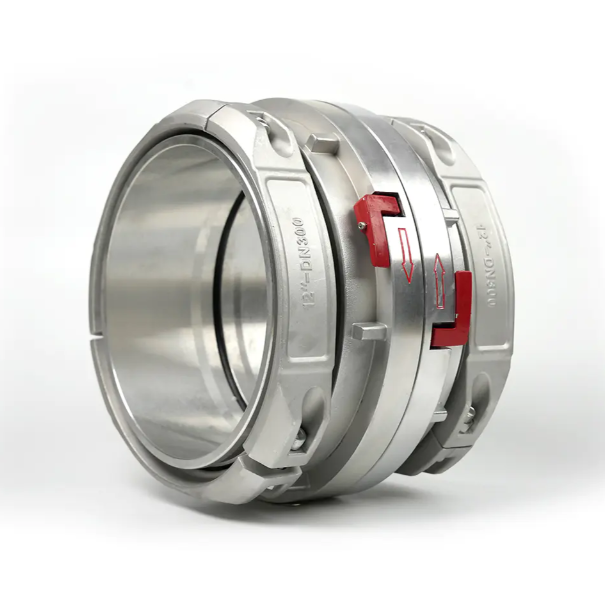
Understanding how Storz compares to alternative coupling systems helps in selecting the right solution for a given application.
| Feature | Storz | Camlock | Threaded (BSP/NPT) |
|---|---|---|---|
| Connection Type | Symmetrical, quarter-turn | Male/female, cam-arm | Male/female, threaded |
| Connection Time | <3 seconds | 3–5 seconds | 15–60 seconds |
| Tools Required | None | None | Wrench often needed |
| Interchangeability | Both ends identical | Requires matched pair | Requires matched pair |
| Pressure Rating | Up to 16 bar (standard) | Up to 10–15 bar | Up to 40+ bar |
| Primary Use | Fire, emergency, irrigation | Industrial fluid transfer | Permanent plumbing |
Storz couplings used in professional applications must comply with applicable standards to ensure interoperability and safety. The most widely referenced standards include:
Always verify that couplings carry relevant certification marks and traceability documentation, particularly for life-safety firefighting applications.
Proper maintenance extends service life and ensures reliable performance when it matters most. A well-maintained aluminum Storz coupling can last 10–20 years or more in normal firefighting service.
A comprehensive range of accessories extends Storz coupling compatibility across different systems and applications:
Even well-maintained Storz couplings can encounter issues in the field. Here are the most frequent problems and their causes:
Caused by debris in the cam slots, worn or damaged lugs, or a swollen gasket that prevents faces from meeting. Clean the cam slots, inspect lugs, and check gasket thickness. Replace worn or damaged components.
Almost always caused by a damaged, missing, or incorrectly seated gasket. In some cases, a deformed coupling face prevents proper gasket compression. Inspect the gasket seating groove for nicks or deformation.
Residual pressure traps the coupling in the locked position. Always bleed pressure before attempting to disconnect. Never strike the coupling body with tools to force disconnection — this damages the lugs and cam slots.
Caused by corrosion, contamination, or lack of lubrication. Apply penetrating silicone lubricant and work the swivel gradually. If the swivel remains seized, remove from service — a non-rotating swivel causes hose twisting and reduces flow efficiency.
Use the following decision points to identify the most appropriate Storz coupling specification:
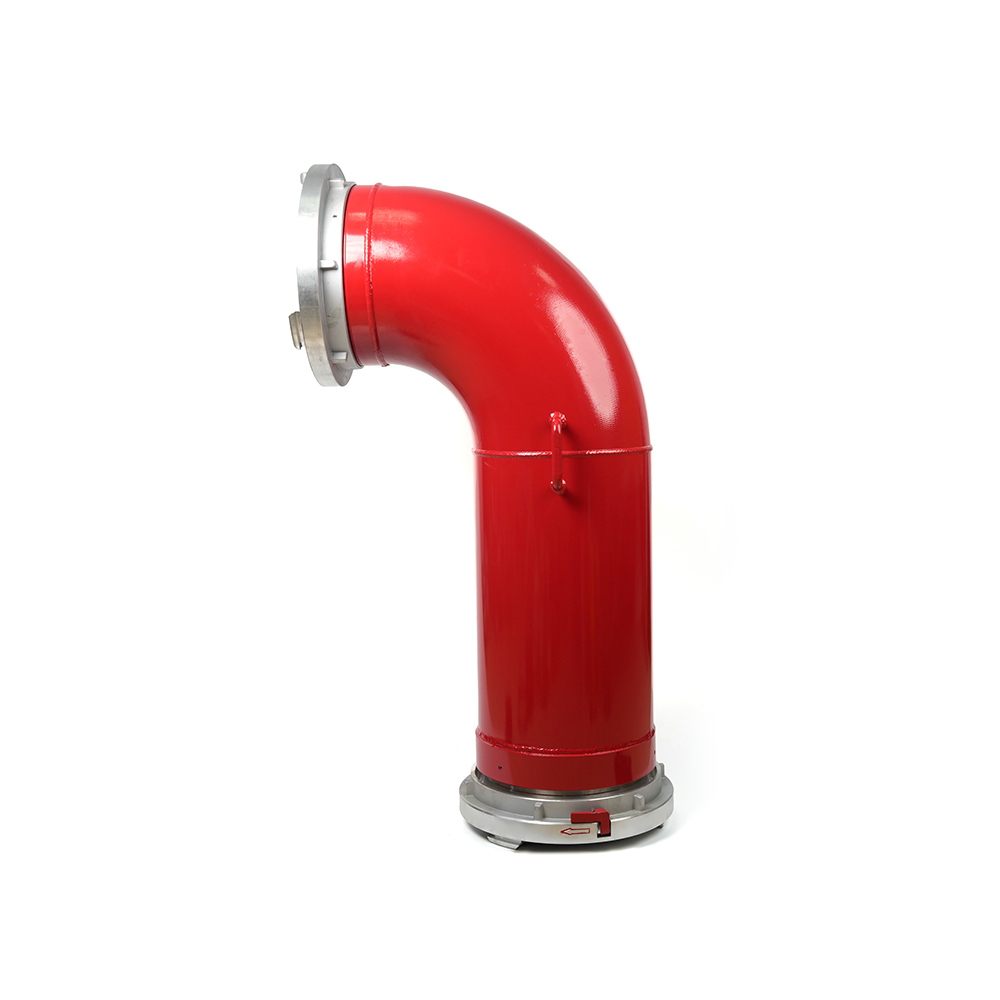 Grooved Fire Elbow-Storz
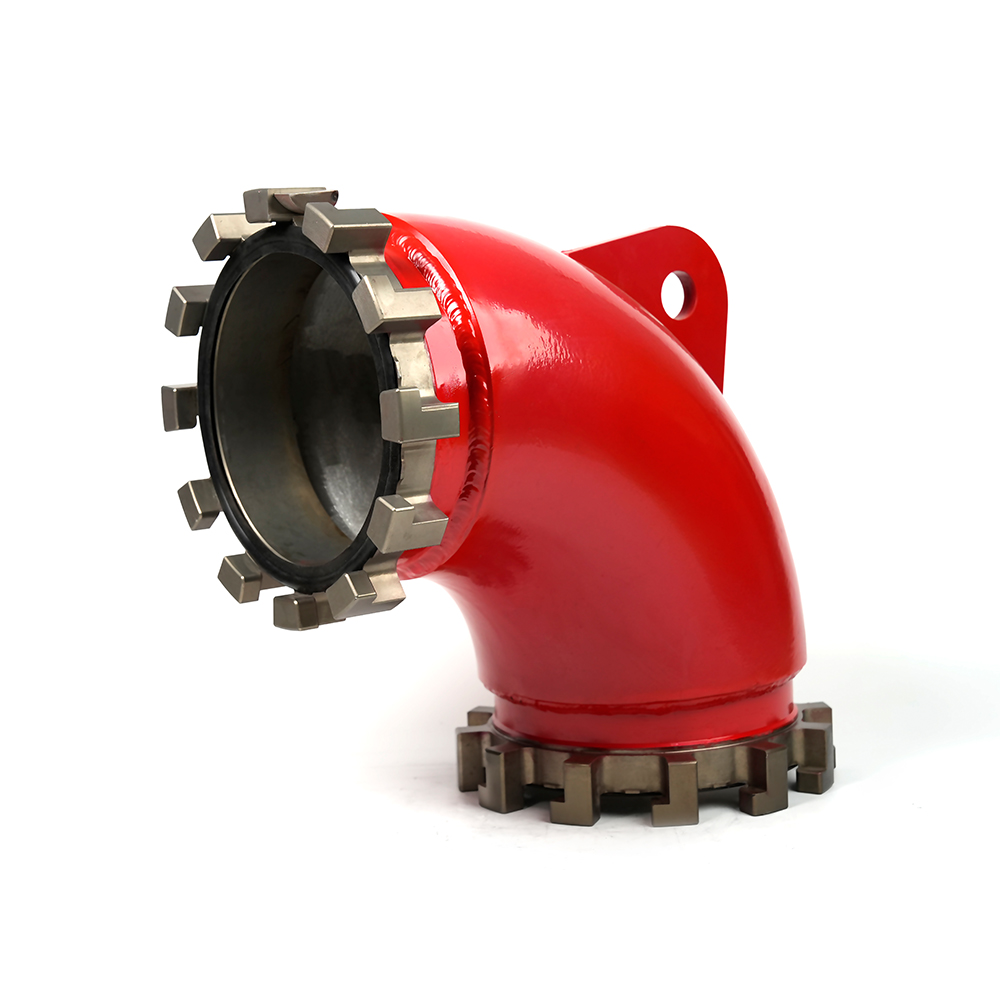 Grooved Fire Elbow-Multi-tooth
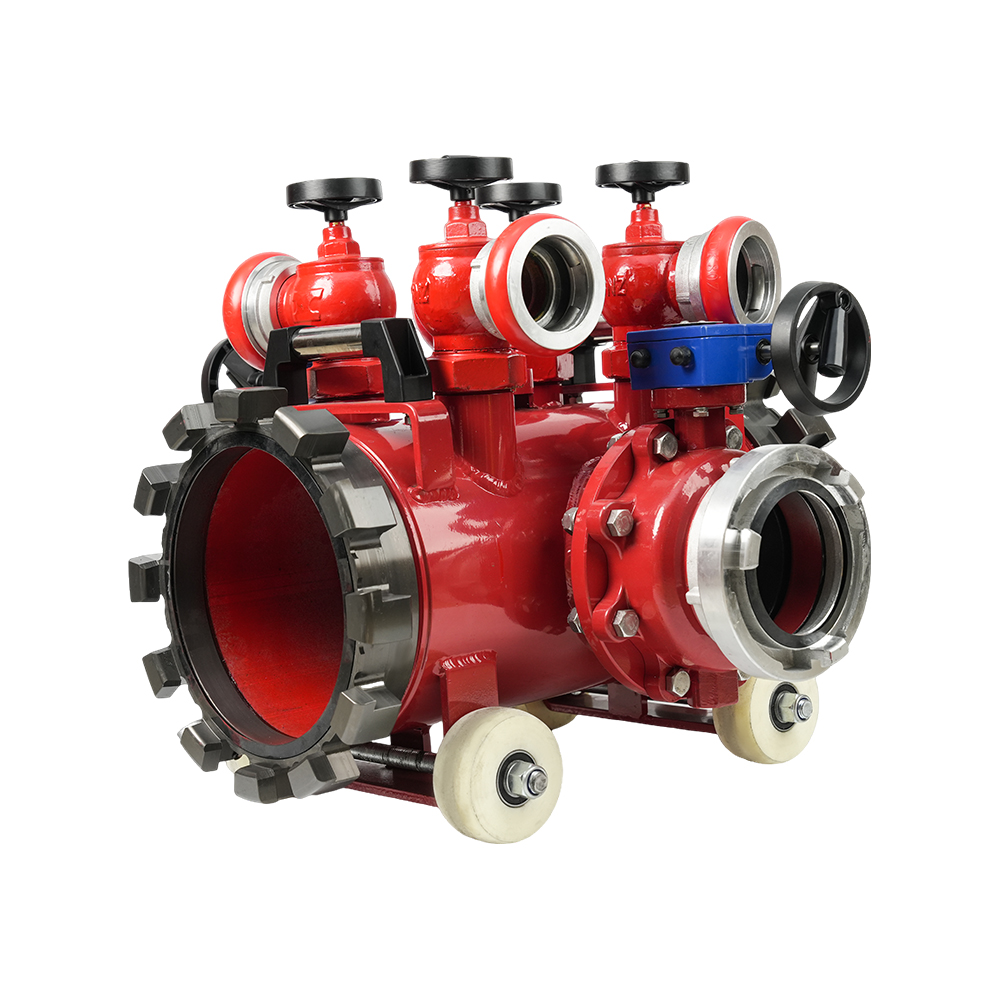 Multi-functional Fire Hose Distributor
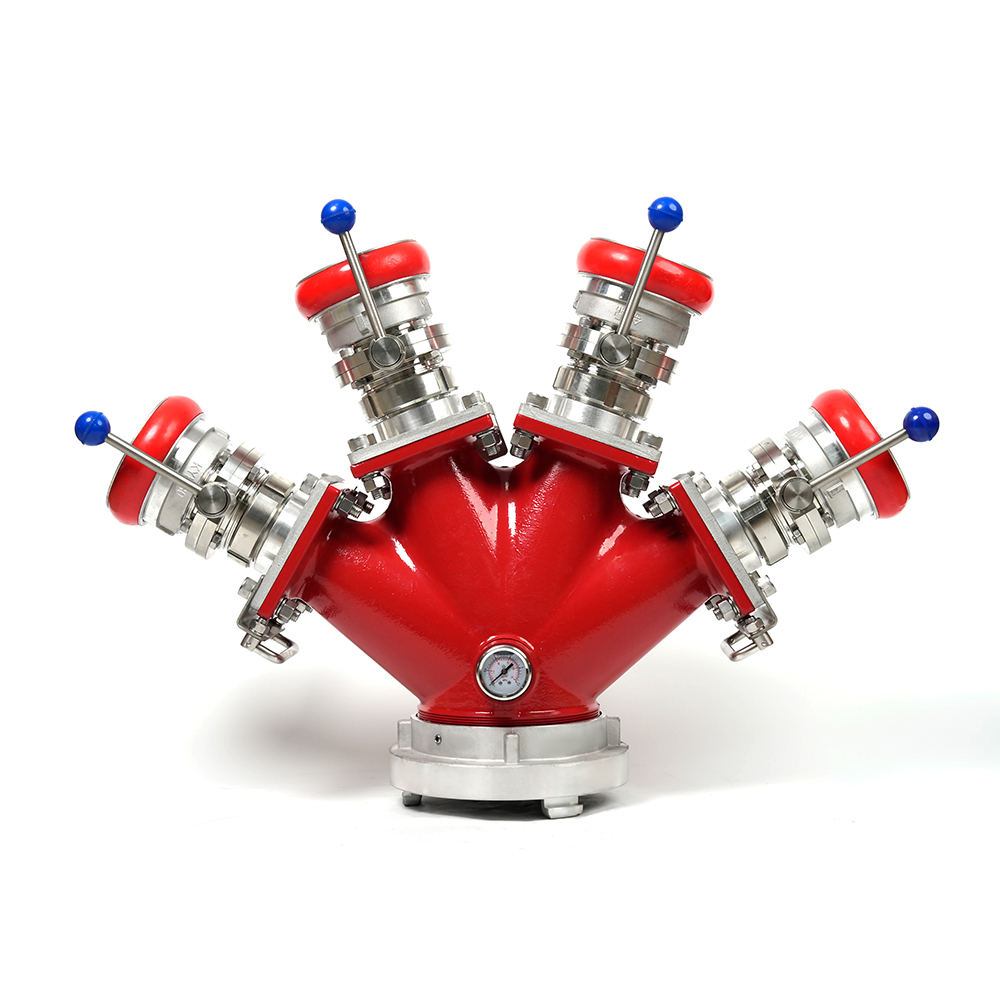 Locking Four-Way Fire Hose Distributor
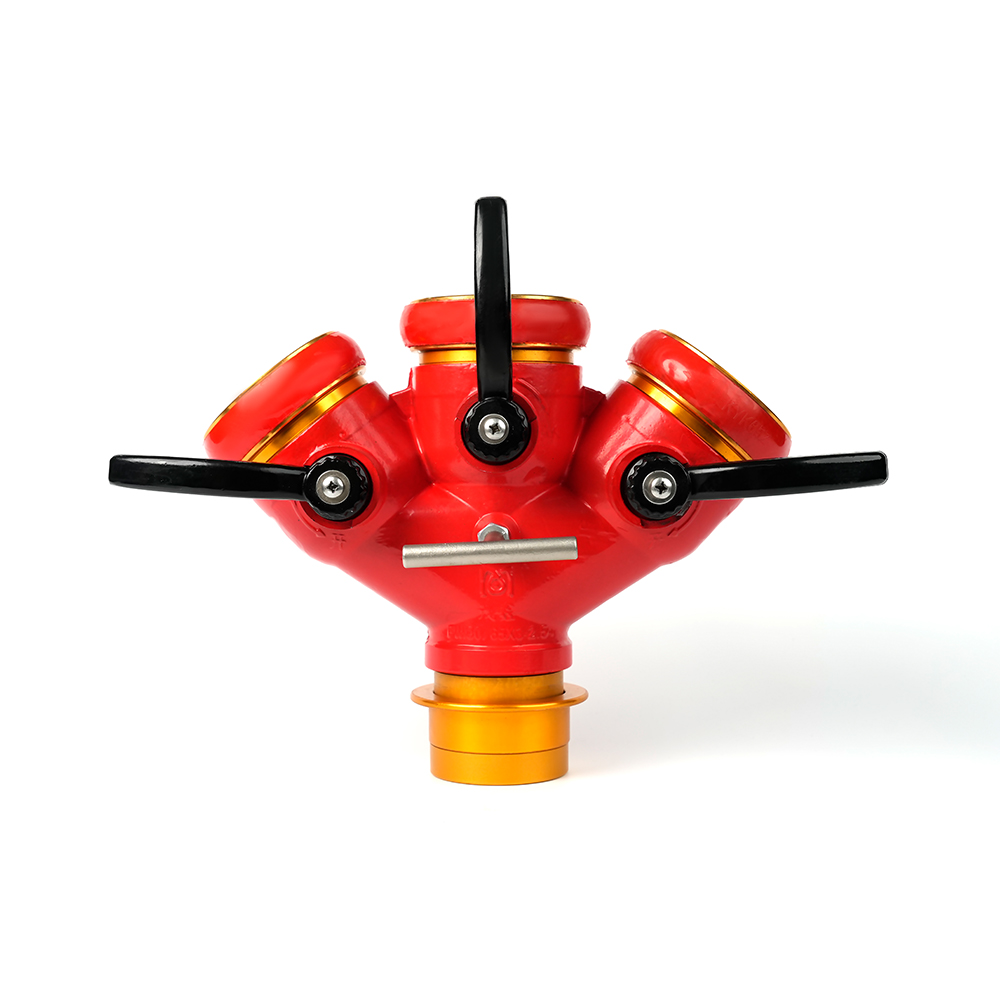 Locking Three-Way Fire Hose Distributor
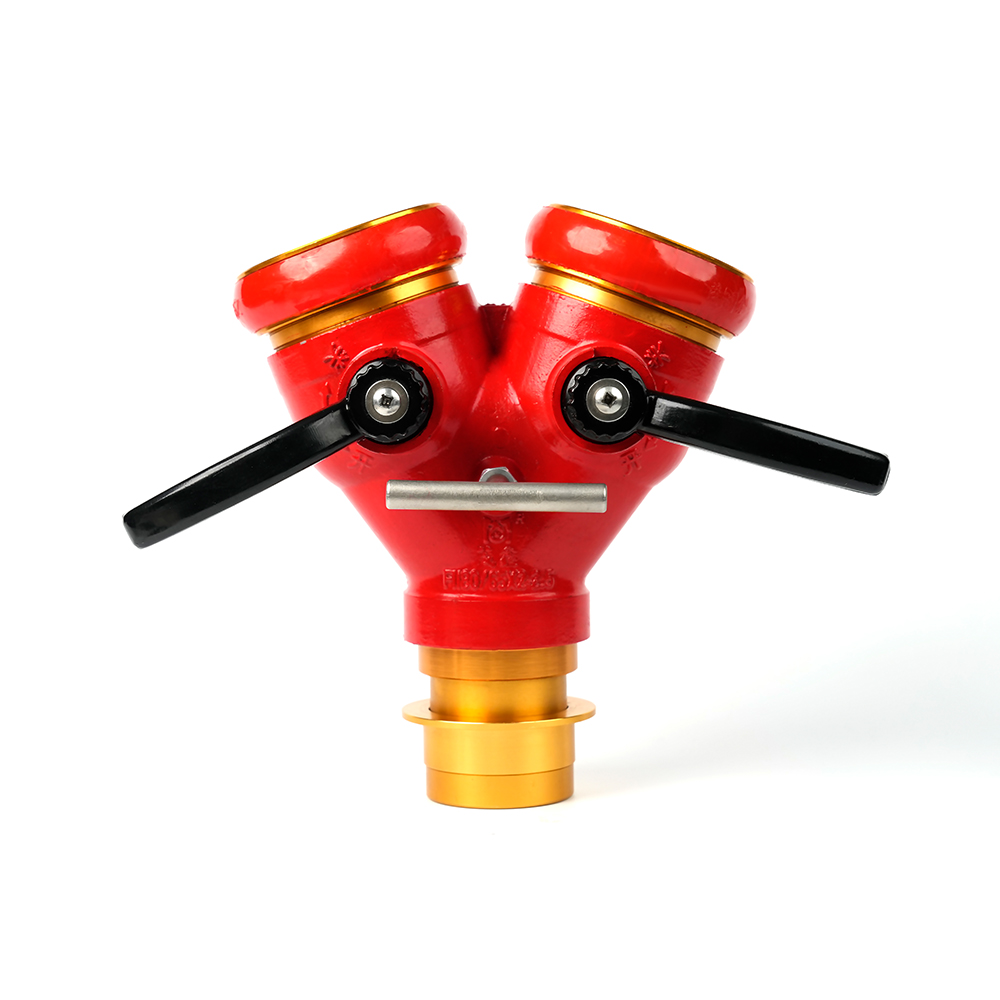 Locking Two-Way Fire Hose Distributor
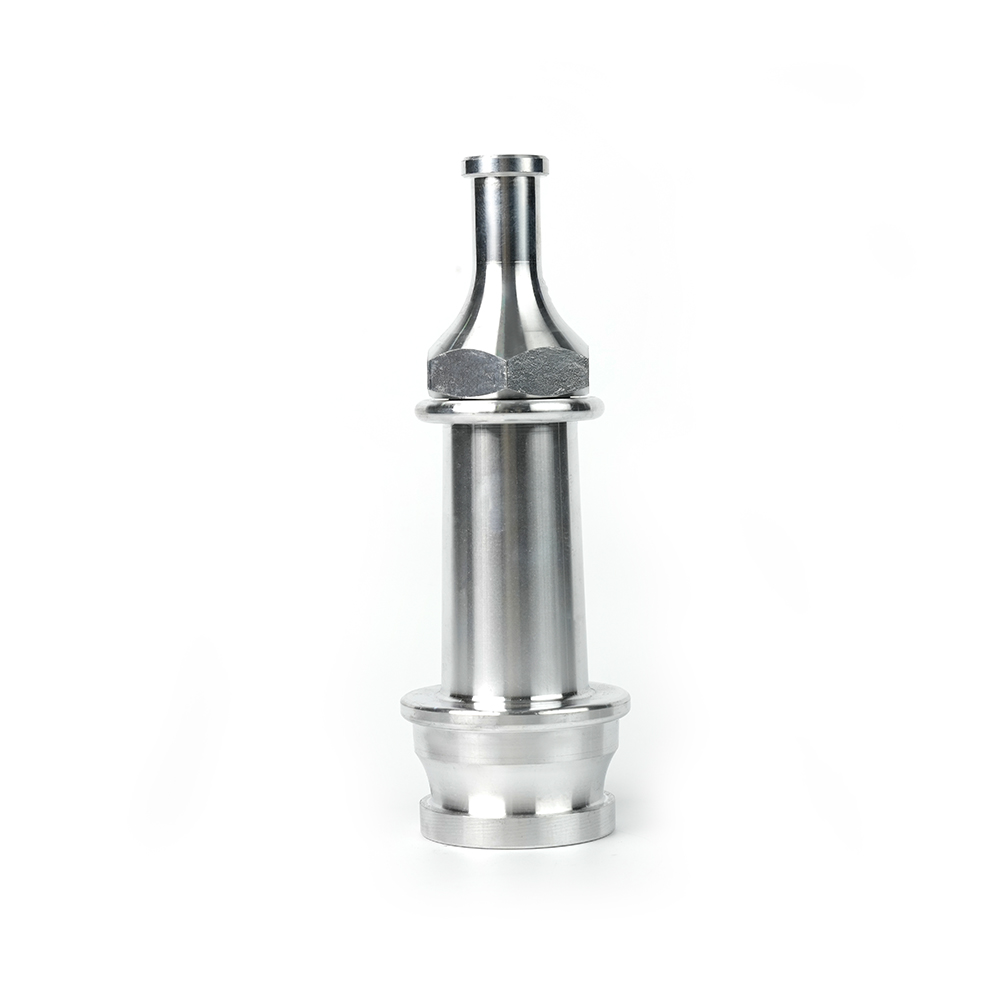 Straight Stream Nozzle
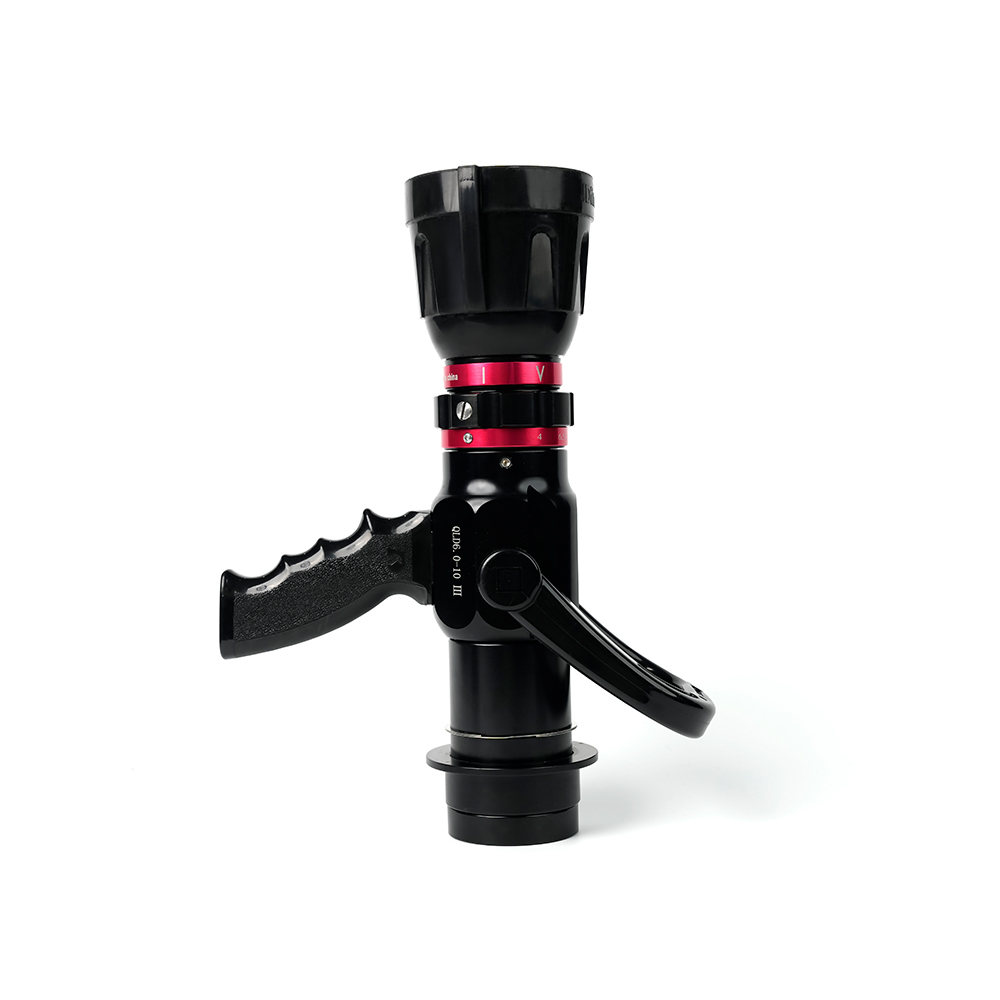 Adjustable nozzle-machino
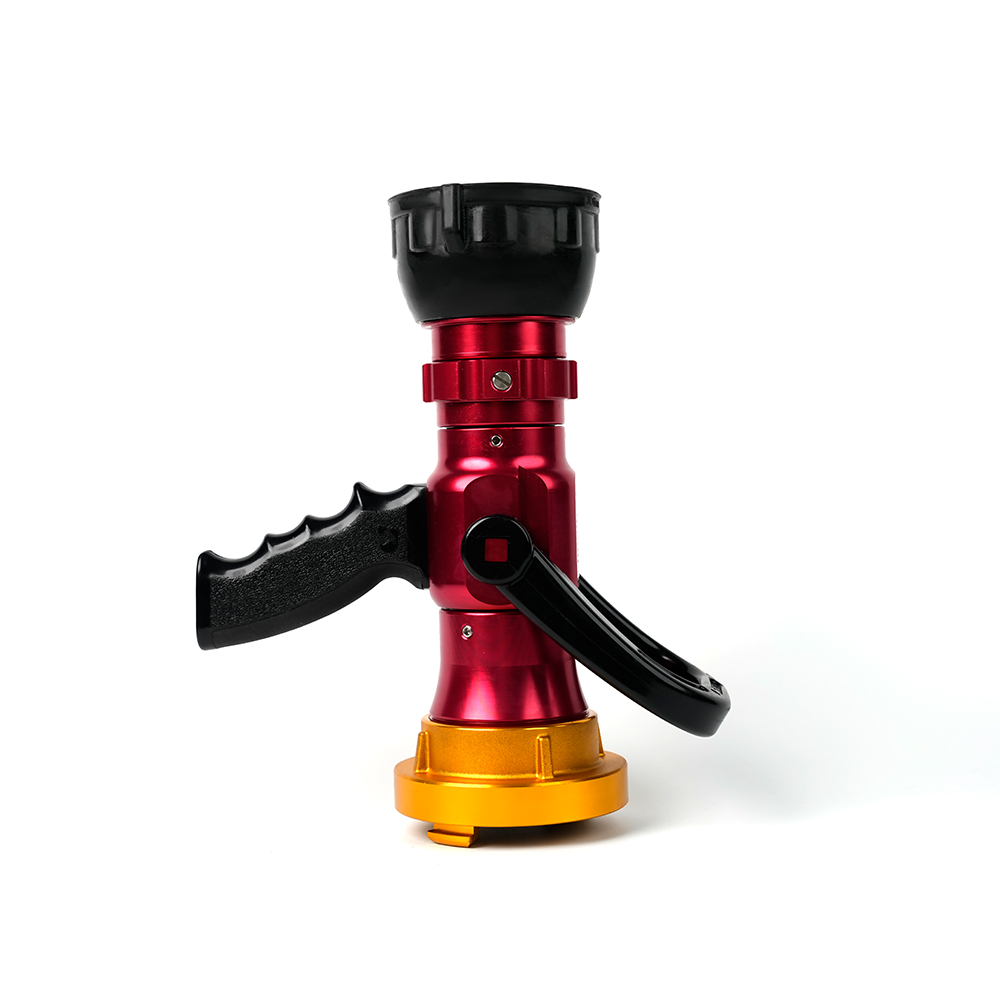 Adjustable nozzle-storz
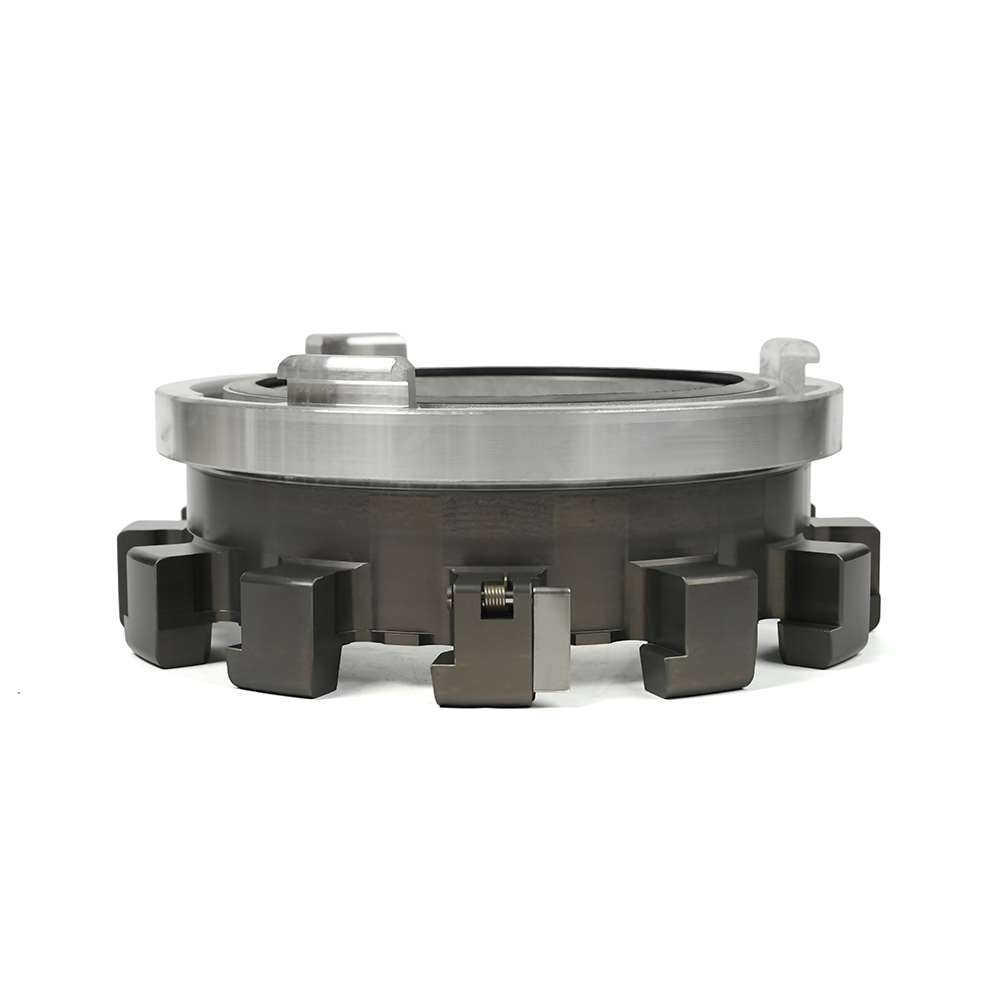 Storz Adapter Couplings - Multi-Tooth
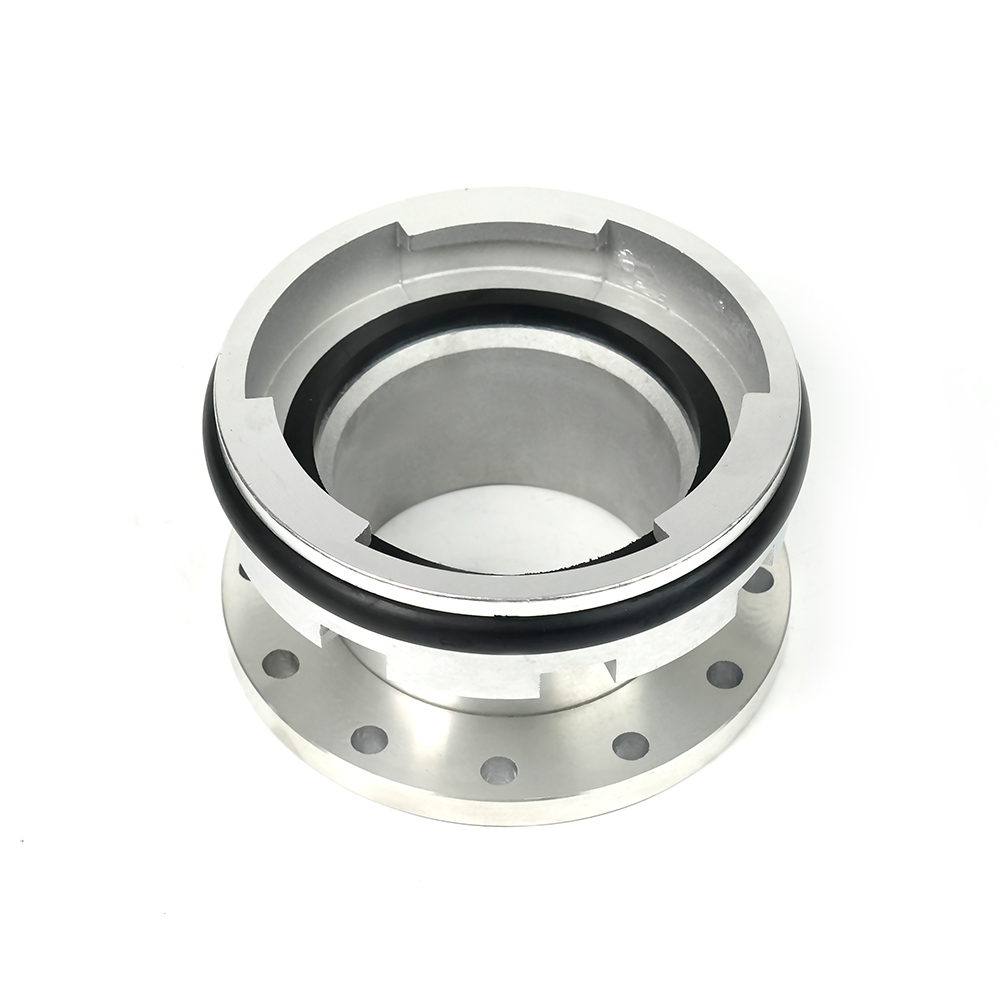 Machino Adapter Couplings – Flanged
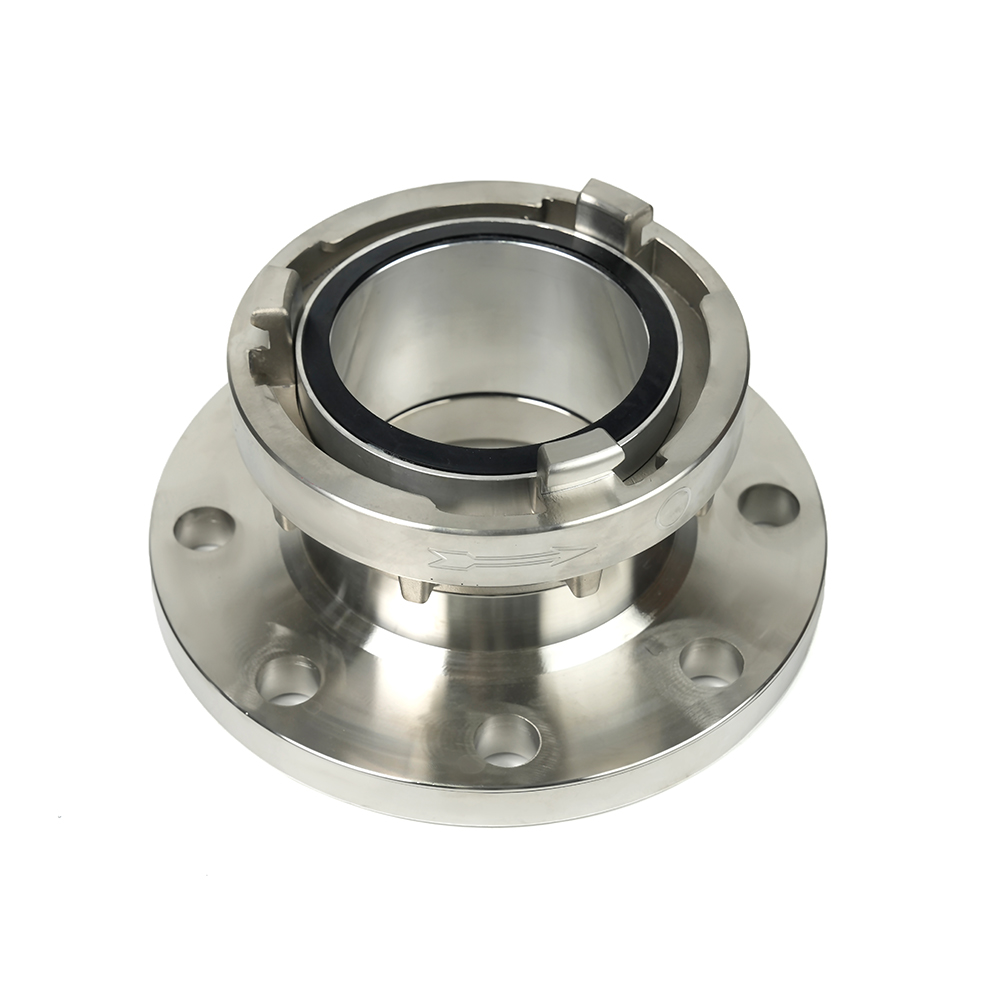 Storz Adapter Couplings – Flanged

 Contact Number
+86-0523-83274900
+86-151 9064 3365
 Let our team offer you customs solutions.
 Company Address
West side of Hongxing Middle Road, Lincheng Street, Development Zone, Xinghua City, Jiangsu Province, China
Copyright @Jiangsu Jinding Fire Protection Technology Co., Ltd. All rights reserved Fire Protection Equipments Manufacturers
