 英语
英语 西班牙语
西班牙语 德语
德语Industry News


GET IN TOUCH
+86-0523-83274900
+86-151 9064 3365
Content
Victaulic couplings are used to join pipe sections quickly and securely without welding or threading, making them a standard choice for fire protection systems, HVAC piping, water distribution networks, and industrial process piping where fast installation and easy maintenance access are priorities. The grooved-end mechanical joint design allows sections of pipe to be connected using a housing, gasket, and bolt assembly rather than permanent welded connections, which significantly speeds up installation while still delivering a reliable, leak-resistant seal capable of handling pressure and vibration. Piping installation data commonly referenced in mechanical and fire protection industries shows that grooved coupling systems can reduce overall installation time by up to 50 percent compared to traditional welded or flanged piping methods, which is a major reason this coupling style remains widely specified across multiple industries.
Fire protection piping represents one of the most common and critical applications for Victaulic couplings, since sprinkler and standpipe systems require both rapid installation across large buildings and dependable long-term joint integrity.
Using properly rated Victaulic couplings throughout a fire protection network allows installers to complete extensive piping runs efficiently while maintaining the code-compliant joint integrity required for life safety systems.
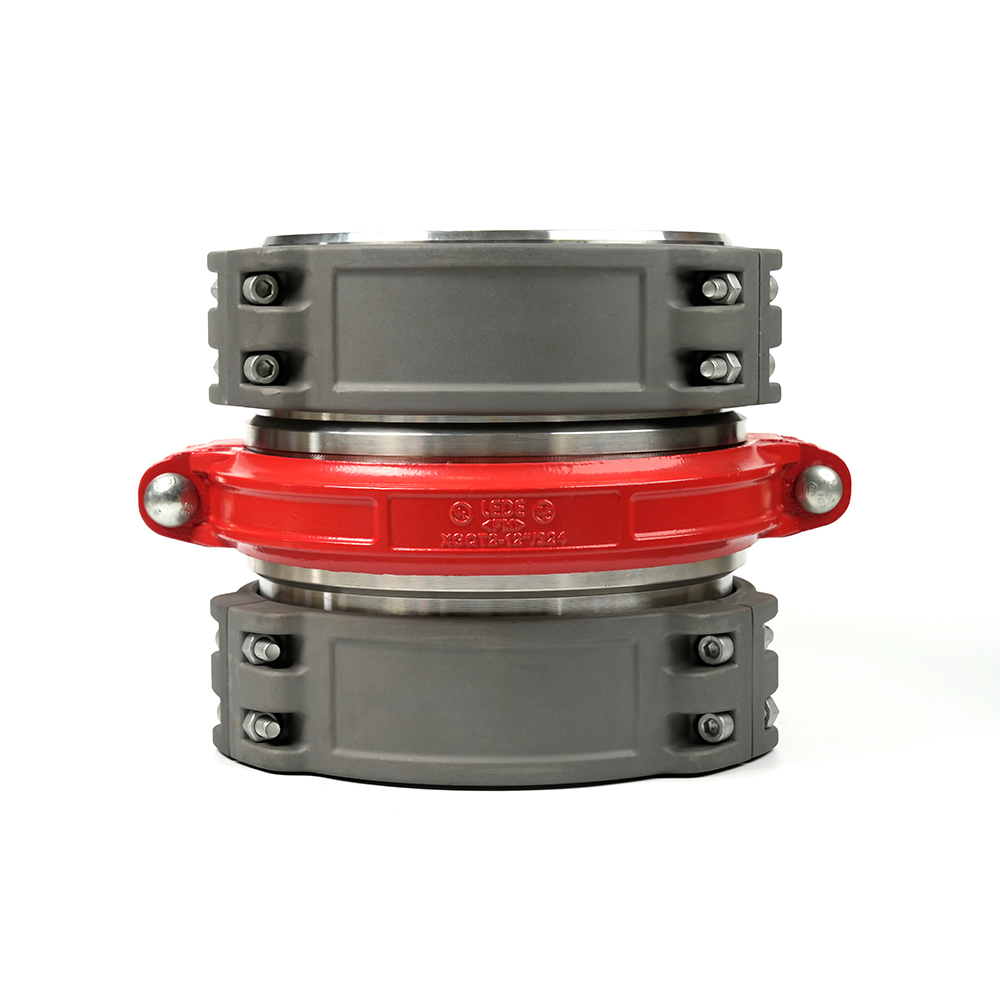
Heating, ventilation, and air conditioning systems frequently use grooved coupling connections throughout chilled water, hot water, and condenser water piping loops, where both installation speed and future maintenance access matter significantly.
| Connection Method | Installation Speed | Maintenance Access |
| Welded joints | Slower, requires skilled welding labor | Difficult, requires cutting for repairs |
| Grooved coupling joints | Faster, bolt-together assembly | Easier, sections can be disassembled for service |
This disassembly capability is particularly valuable in HVAC systems, where periodic equipment servicing or pipe modification is common, since technicians can remove a coupling section for maintenance access without needing to cut and reweld pipe sections.
Grooved mechanical couplings are also widely used in municipal and commercial water distribution networks, where their ability to accommodate slight pipe misalignment and thermal movement offers practical installation advantages.
Unlike rigid welded joints, certain grooved coupling styles allow for controlled flexibility at the joint, accommodating minor pipe deflection caused by thermal expansion, ground settlement, or vibration without compromising the seal integrity of the connection.
For extensive water distribution projects covering significant pipe runs, the reduced installation time associated with grooved couplings can meaningfully impact overall project timelines, particularly on large commercial or municipal infrastructure projects with tight completion deadlines.
Beyond building services, grooved couplings are also specified in various industrial process piping systems where reliable sealing and ease of maintenance are important operational considerations.
In these industrial settings, the ability to quickly disassemble sections for inspection, cleaning, or component replacement provides significant operational value compared to permanently welded piping systems that would require more extensive downtime for similar maintenance tasks.
Different coupling styles are engineered for specific performance requirements, ranging from fully rigid connections to those allowing controlled angular or axial movement at the joint.
Rigid couplings provide a fixed, non-flexing connection suited to applications where pipe alignment is precisely fixed and stable, while flexible couplings allow for a degree of angular deflection and axial movement, making them better suited to applications involving vibration, thermal expansion, or minor structural movement over time.
Beyond straight pipe connections, grooved coupling systems also include reducing couplings and various fitting configurations, allowing for transitions between different pipe diameters or directional changes within the same overall grooved piping system.
One of the most practical long-term benefits of using grooved couplings throughout a piping system is the significant ease of maintenance they provide compared to permanently joined alternatives.
This maintenance accessibility makes Victaulic couplings particularly valuable in systems requiring periodic inspection or component upgrades, since facility maintenance teams can service specific sections without the extensive downtime associated with cutting and rewelding pipe joints.
Achieving consistent, leak-free performance from grooved couplings depends on proper installation practices, including correct groove dimensions, gasket selection, and bolt torque specifications.
Ensuring pipe ends are properly grooved to manufacturer specifications, selecting gasket material compatible with the system's fluid type and temperature range, and torquing housing bolts evenly and to the correct specification all contribute to achieving a reliable, long-lasting joint seal.
Fire protection contractors, HVAC mechanical installers, and facility engineers overseeing piping systems that require both rapid installation and long-term maintenance accessibility should strongly consider grooved coupling systems for their projects. Industrial facilities managing process piping with periodic inspection or component replacement needs particularly benefit from the disassembly convenience these couplings provide, making them a practical choice across a wide range of commercial and industrial piping applications.
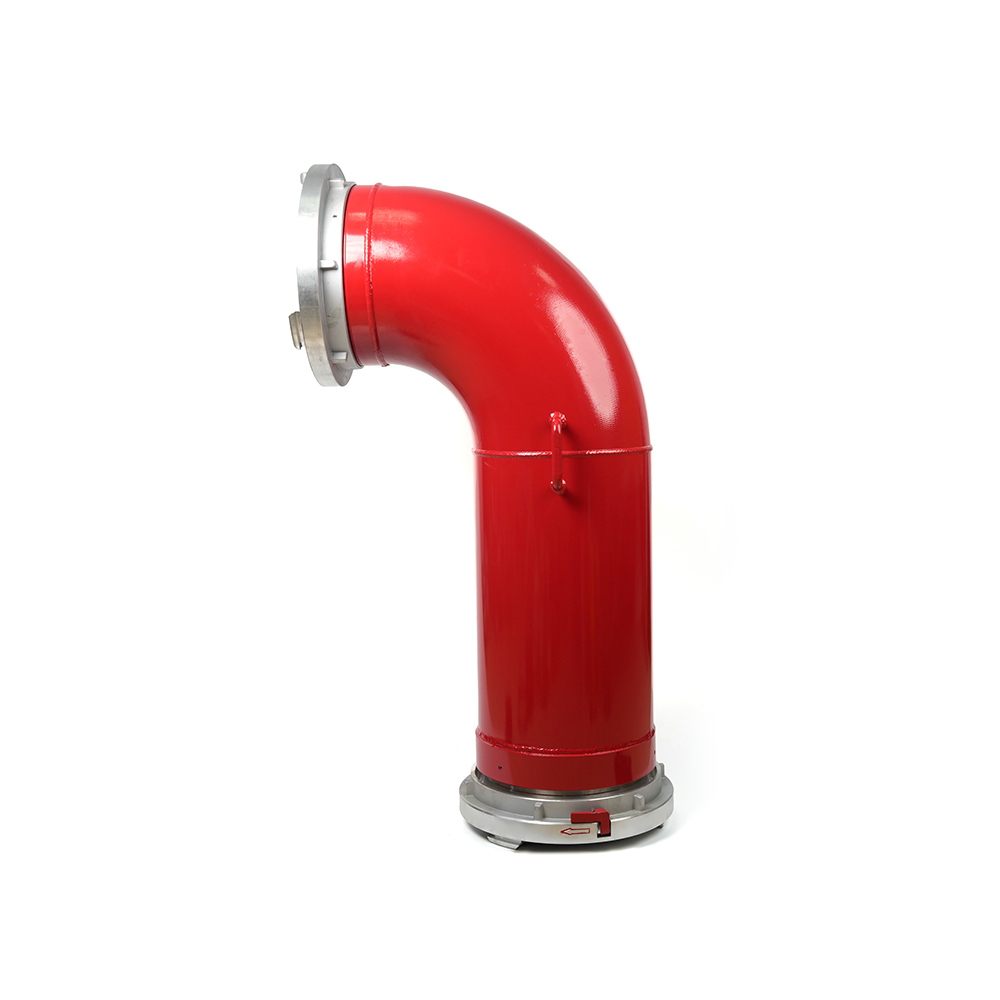 Grooved Fire Elbow-Storz
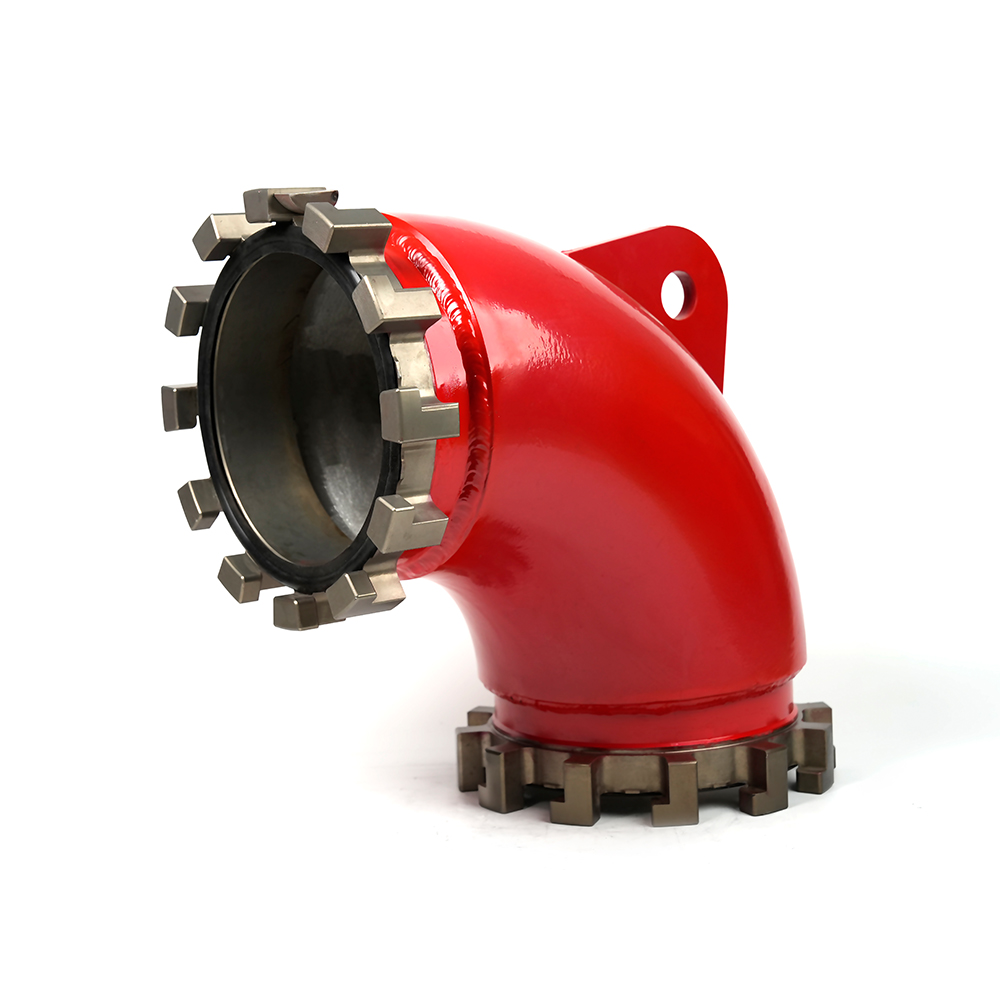 Grooved Fire Elbow-Multi-tooth
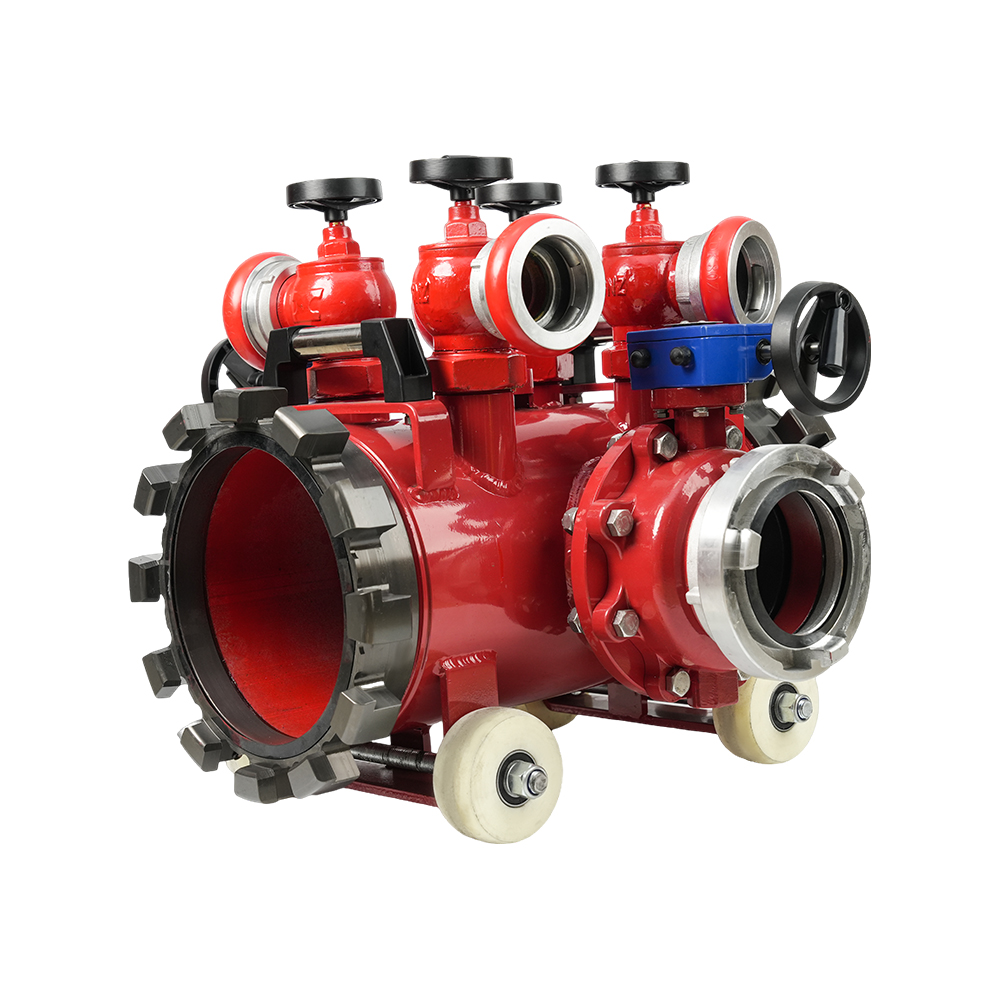 Multi-functional Fire Hose Distributor
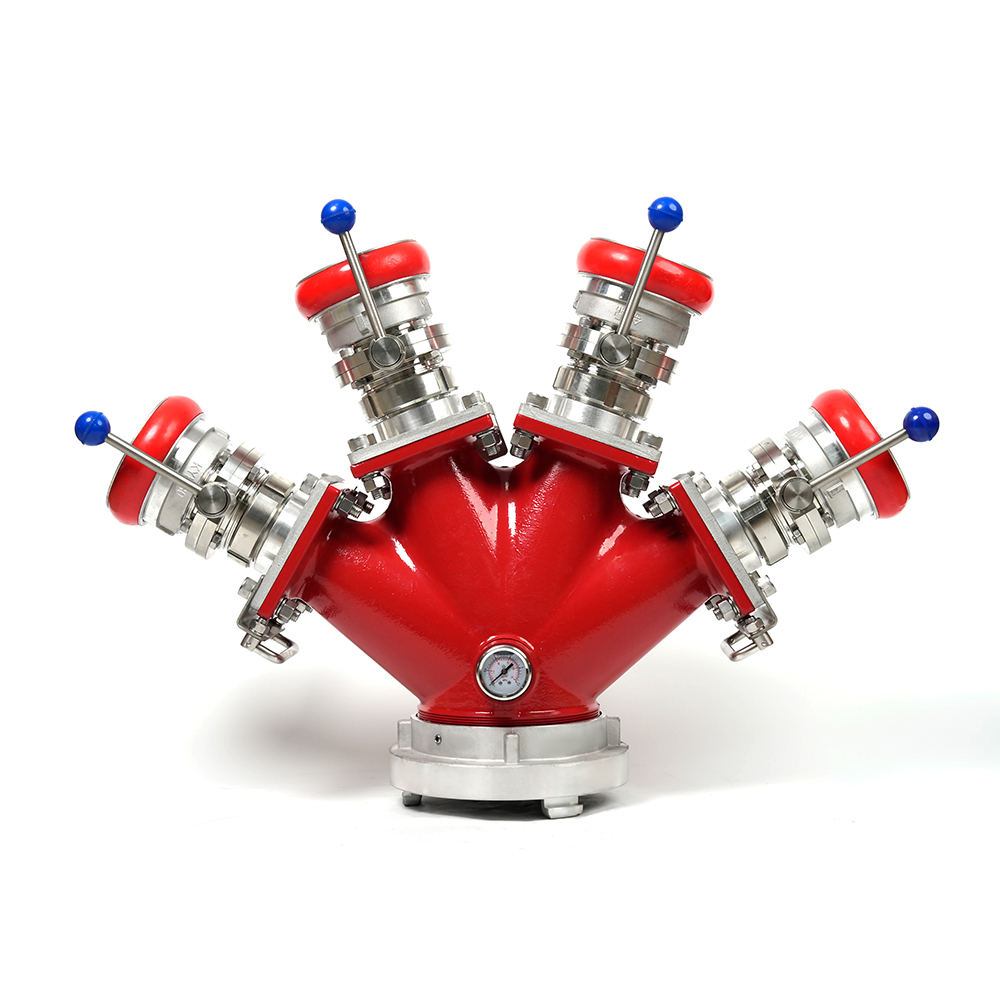 Locking Four-Way Fire Hose Distributor
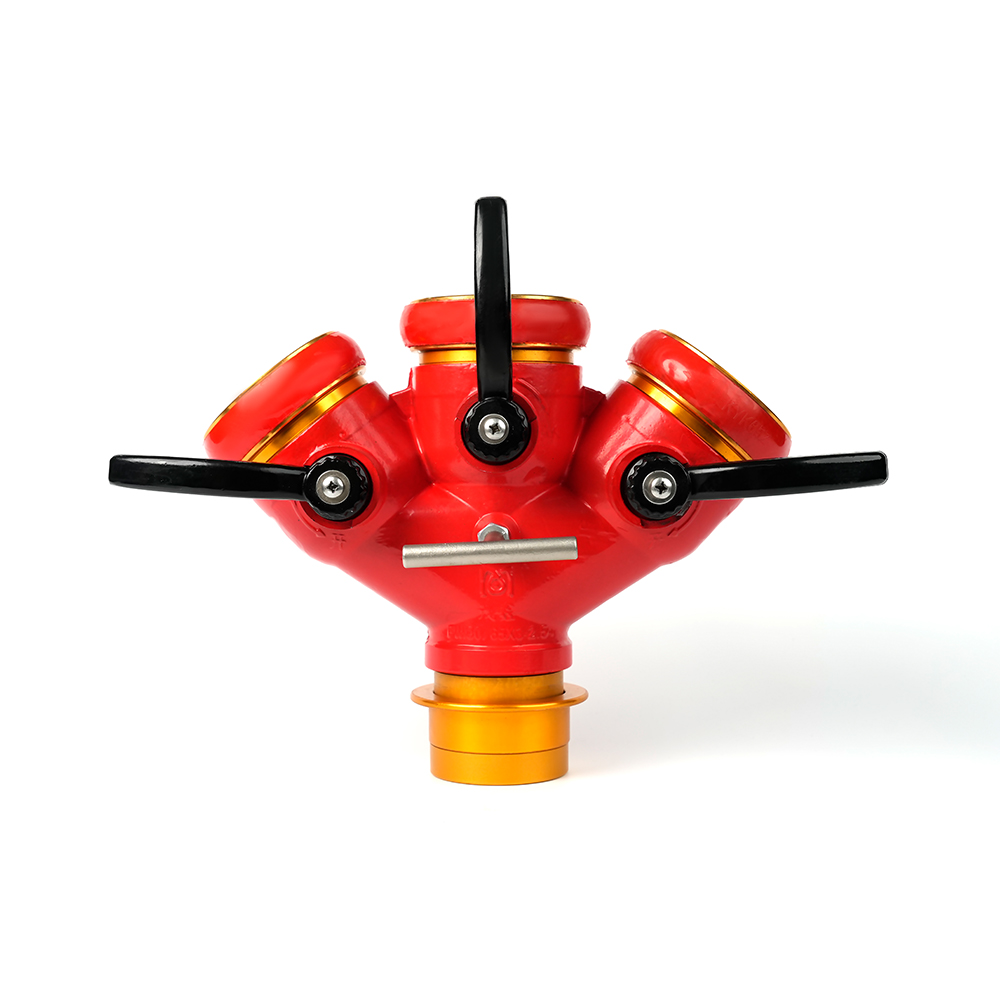 Locking Three-Way Fire Hose Distributor
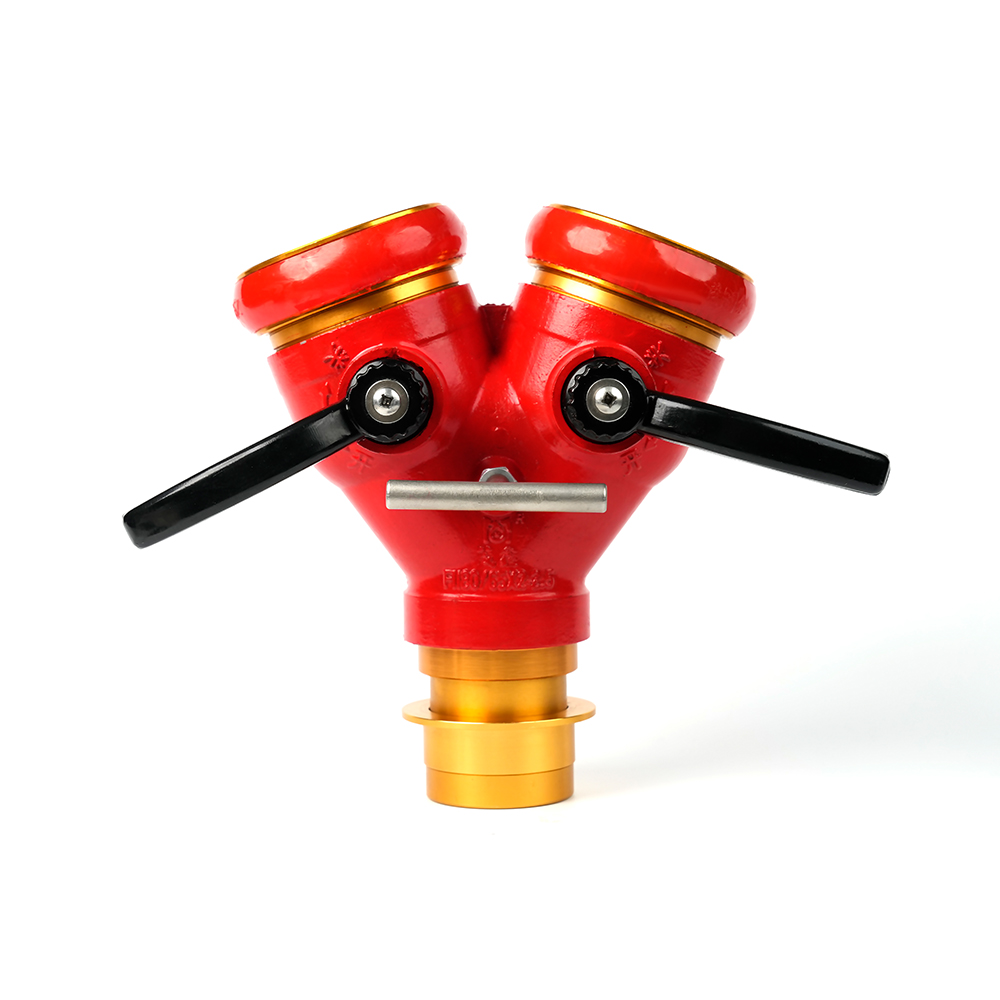 Locking Two-Way Fire Hose Distributor
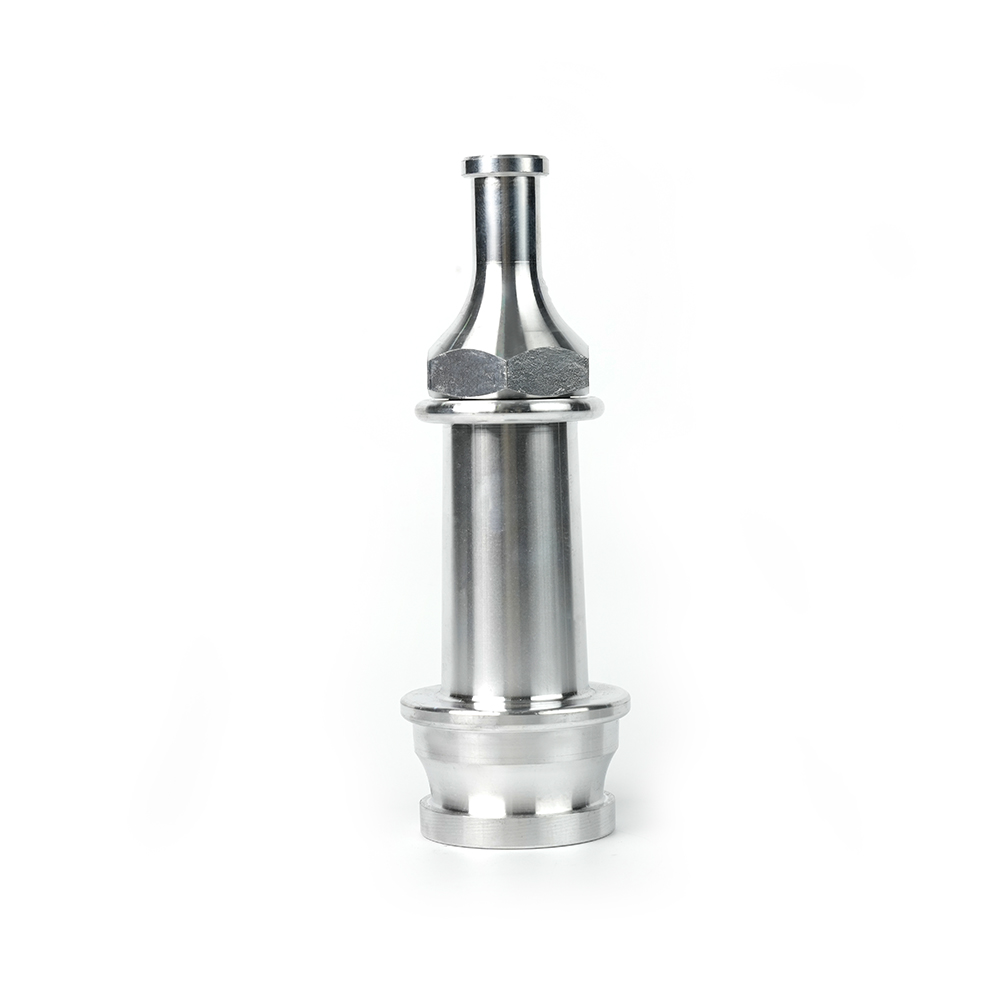 Straight Stream Nozzle
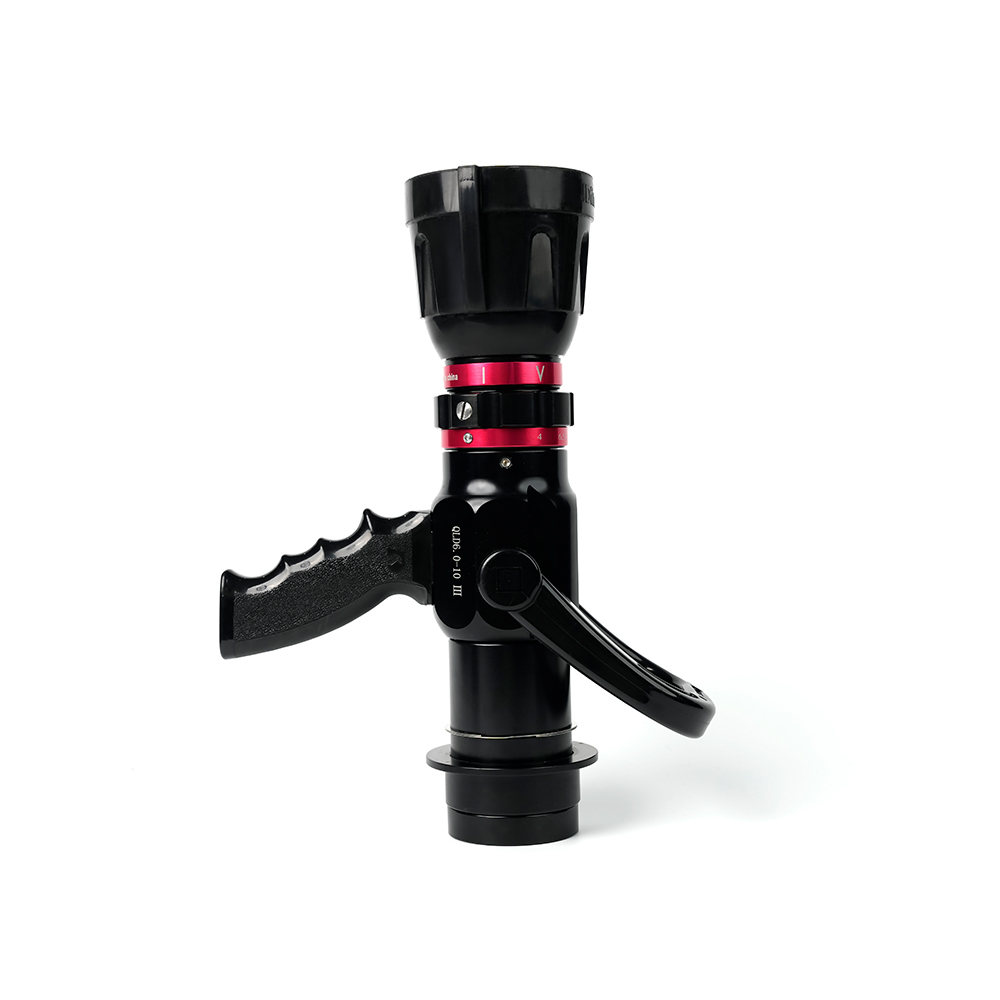 Adjustable nozzle-machino
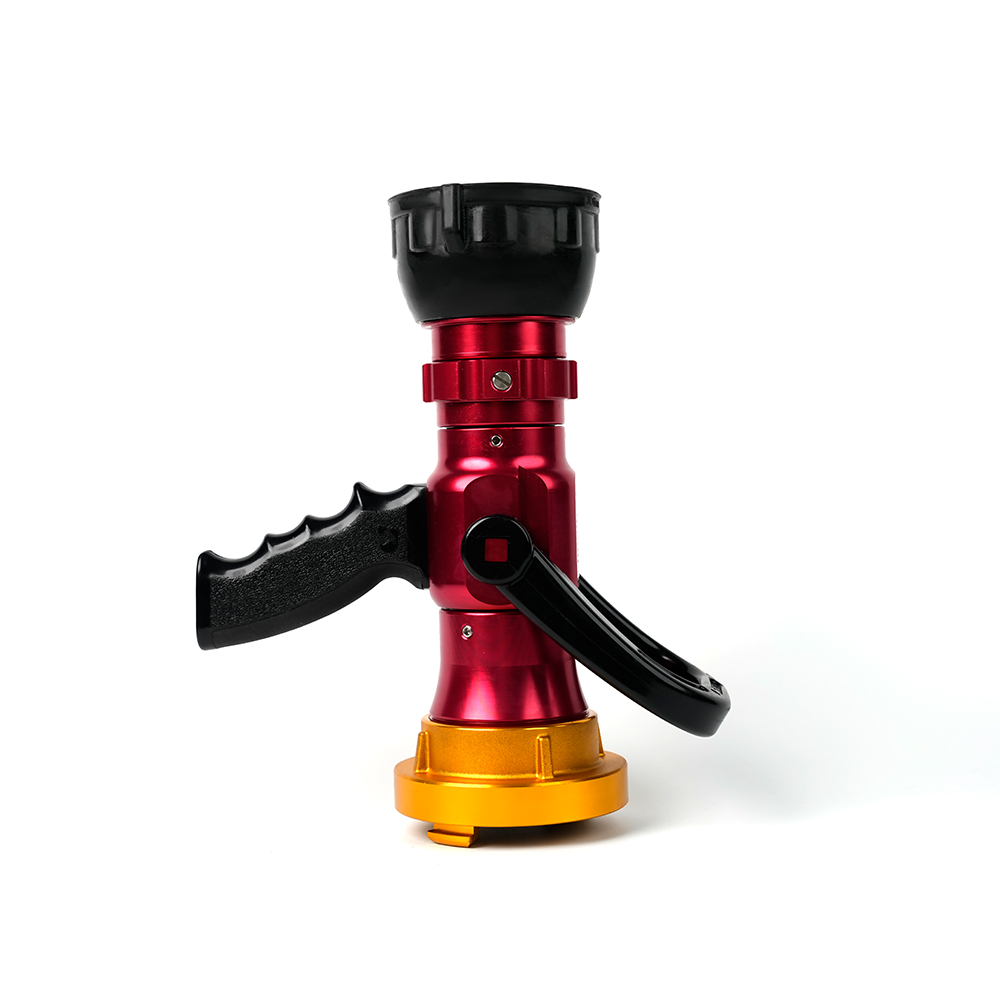 Adjustable nozzle-storz
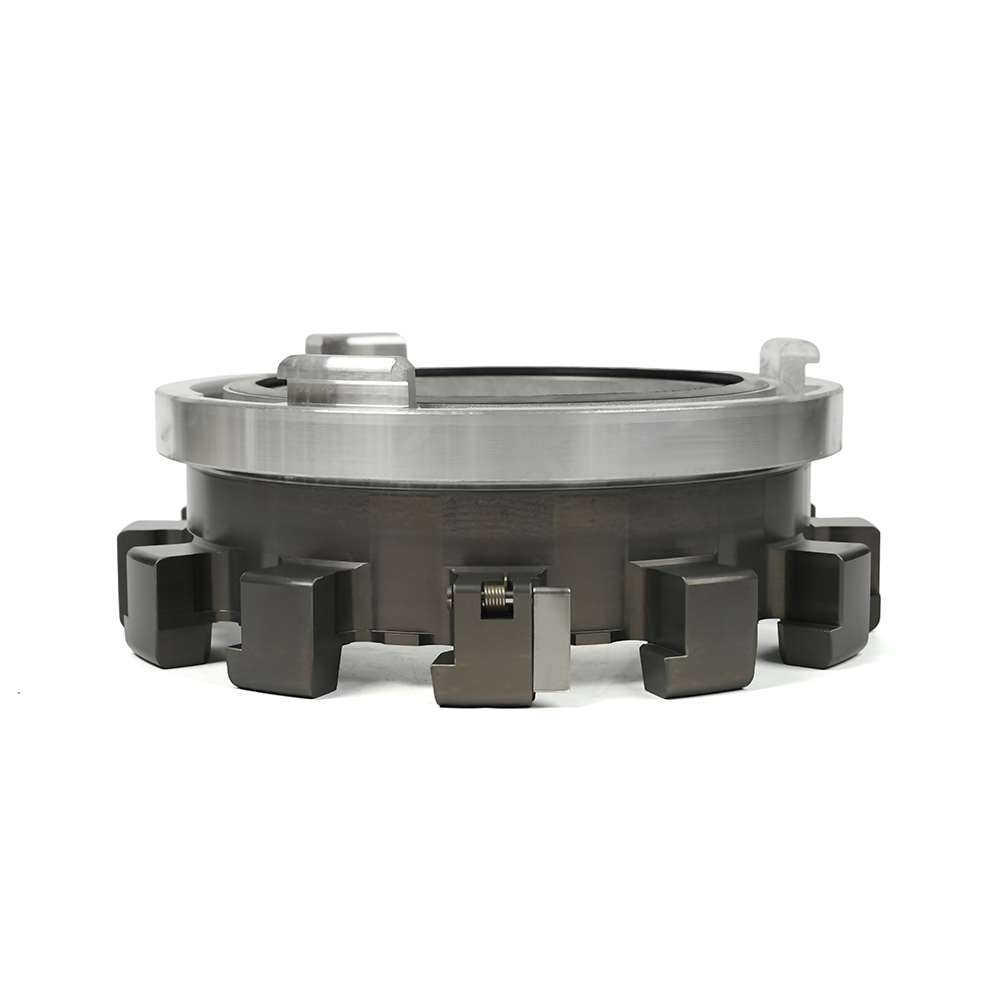 Storz Adapter Couplings - Multi-Tooth
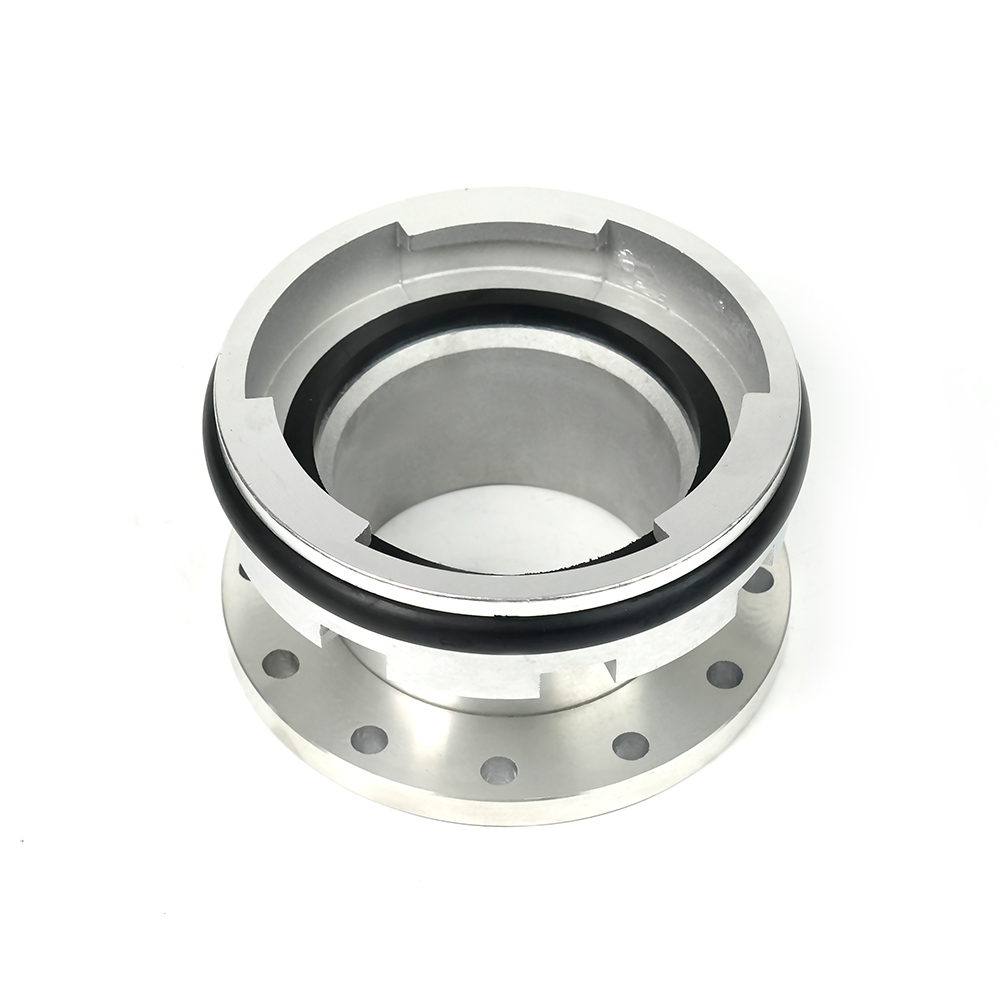 Machino Adapter Couplings – Flanged
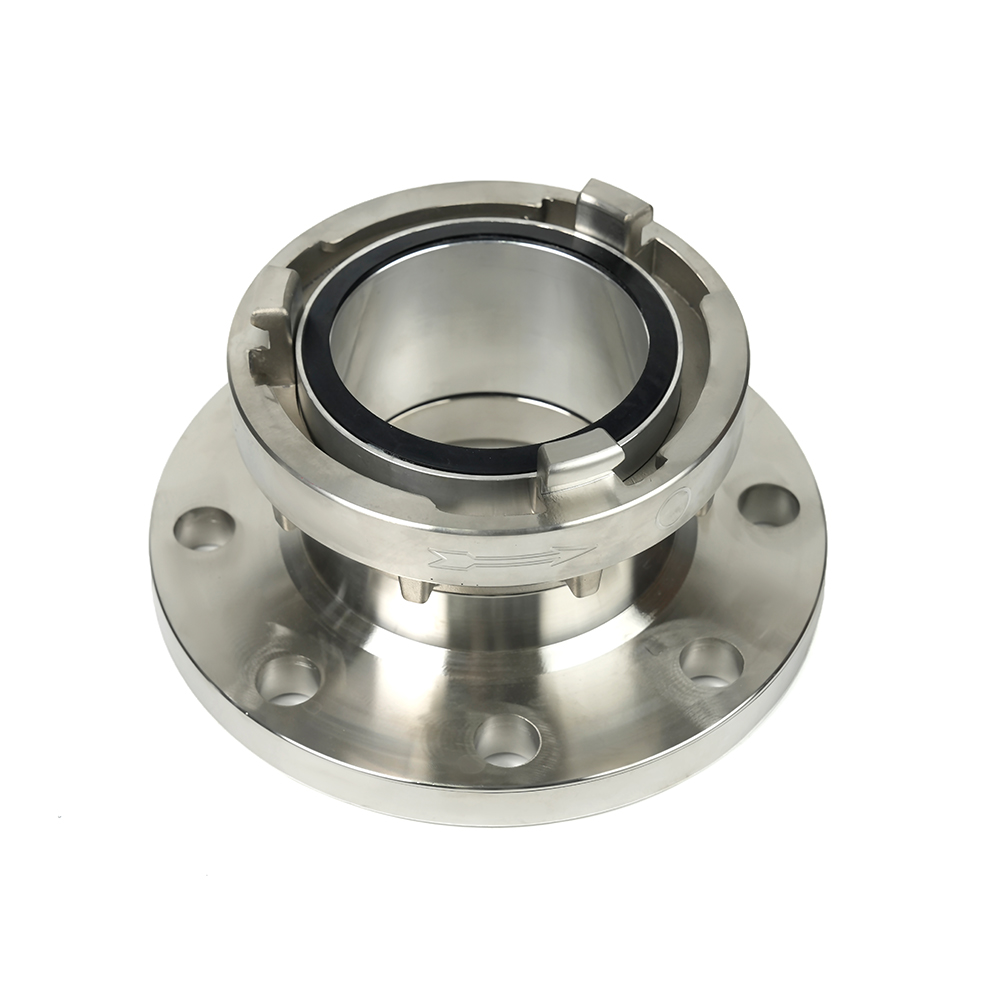 Storz Adapter Couplings – Flanged

 Contact Number
+86-0523-83274900
+86-151 9064 3365
 Let our team offer you customs solutions.
 Company Address
West side of Hongxing Middle Road, Lincheng Street, Development Zone, Xinghua City, Jiangsu Province, China
Copyright @Jiangsu Jinding Fire Protection Technology Co., Ltd. All rights reserved Fire Protection Equipments Manufacturers
