 英语
英语 西班牙语
西班牙语 德语
德语Industry News


GET IN TOUCH
+86-0523-83274900
+86-151 9064 3365
Content
Storz couplings work through a symmetrical, tool-free connection design where two identical coupling halves interlock using curved claws and matching lugs, allowing a secure, leak-tight seal to be made by simply aligning and rotating the fittings a quarter turn, without needing to match male and female threading or use additional tools. This symmetrical design means either coupling half can connect to the other regardless of orientation, which significantly speeds up connection time in emergency situations such as firefighting operations where every second matters. Fire equipment engineering references commonly note that Storz-style couplings can be connected in under two seconds by a trained operator, a speed advantage that traditional threaded couplings, requiring precise thread alignment and multiple rotations, simply cannot match under time-critical conditions.
The defining mechanical feature of a Storz coupling is its fully symmetrical construction, meaning both halves of the coupling are identical rather than divided into separate male and female components as with traditional threaded fittings.
Because both halves of properly manufactured Storz Couplings are identical, any two compatible fittings of the same size can be joined together regardless of which hose or equipment section each coupling is attached to, eliminating the orientation confusion that can occur with traditional threaded connections during high-pressure situations.
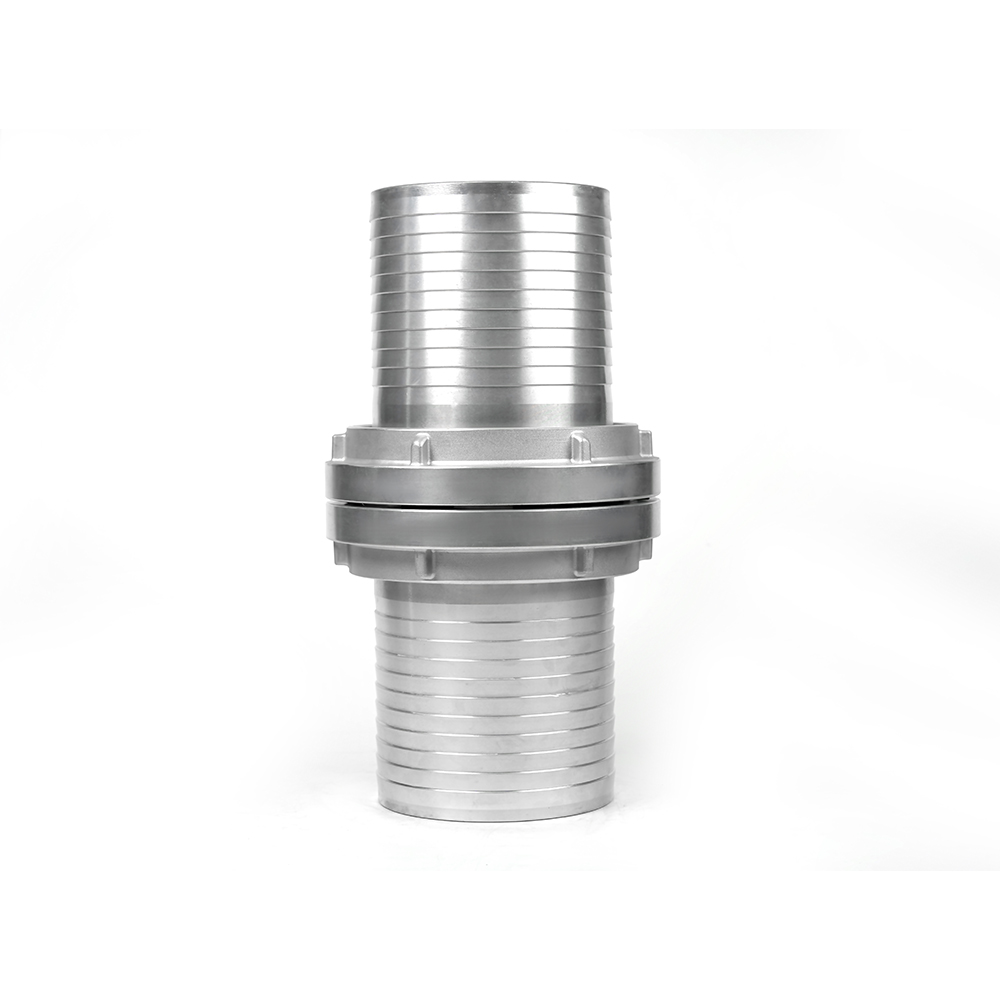
Understanding the specific mechanical interaction between the claws and lugs clarifies why this coupling style achieves such a fast, secure connection compared to threaded alternatives.
This claw and lug locking action is what allows the connection to withstand significant internal water pressure without separating, since the interlocked claws mechanically resist the outward force generated once water flow begins through the connected hose line.
While the claw and lug mechanism provides the mechanical connection, the rubber gasket seated within each coupling face is what actually prevents water leakage at the joint once the connection is made.
| Component | Function |
| Rubber gasket | Compresses between coupling faces to block water leakage |
| Claw and lug lock | Maintains consistent compression pressure on the gasket during use |
As internal water pressure increases during active use, the locking mechanism helps maintain consistent compression against the gasket, which is why properly maintained Storz couplings can reliably handle the pressure fluctuations common during active firefighting or water transfer operations.
The quarter turn locking action is specifically engineered to allow rapid connection and disconnection, which carries significant practical value in emergency response scenarios where speed directly affects operational outcomes.
Traditional threaded couplings require multiple full rotations to fully engage, along with careful attention to avoid cross-threading, whereas the quarter turn Storz mechanism allows a single, quick rotational motion to achieve full engagement, significantly reducing the time firefighters or water transfer personnel spend connecting hose sections during active operations.
Because the coupling halves are identical and self-aligning, operators working quickly under stressful conditions face less risk of connection errors compared to threaded systems, where cross-threading or incomplete engagement can occur more easily when personnel are working rapidly.
Storz couplings are manufactured in various standardized sizes, and understanding size compatibility is essential for ensuring different equipment pieces can connect properly during actual use.
Confirming size compatibility across all hoses, pumps, and hydrant connections within an operational fleet helps avoid the frustration and delay of discovering a mismatch during an actual emergency response situation.
The material used to manufacture Storz coupling bodies affects both the mechanism's durability and how reliably the claw and lug engagement functions over years of repeated use.
Aluminum couplings offer a lightweight option favored for handheld hose sections where reduced weight improves handling during active firefighting operations, while brass or bronze couplings provide added durability and corrosion resistance suited to fixed installations or more demanding operational environments.
Precision manufacturing of the claw and lug geometry is essential regardless of material choice, since even small dimensional inconsistencies can affect how smoothly the quarter turn locking action engages, potentially slowing connection speed during time-critical operations.
Like any mechanical connection point, Storz couplings require periodic inspection and maintenance to ensure the claw, lug, and gasket components continue functioning reliably over their service life.
Inspecting the rubber gasket for cracking or compression set, checking claw and lug surfaces for corrosion or deformation that could impede smooth engagement, and periodically lubricating the coupling face with an appropriate compound all help maintain the quick, reliable connection performance Storz Couplings are specifically designed to provide.
Fire department personnel, water utility operators, and industrial facility maintenance teams responsible for hose and pump equipment should understand how the Storz claw and lug mechanism functions, since this knowledge directly supports faster, more confident equipment operation during both routine maintenance and emergency response situations. Equipment procurement teams specifying coupling standards for new fire apparatus or water transfer systems also benefit from understanding this mechanism, since it clarifies why size standardization and material quality both play a direct role in long-term coupling reliability.
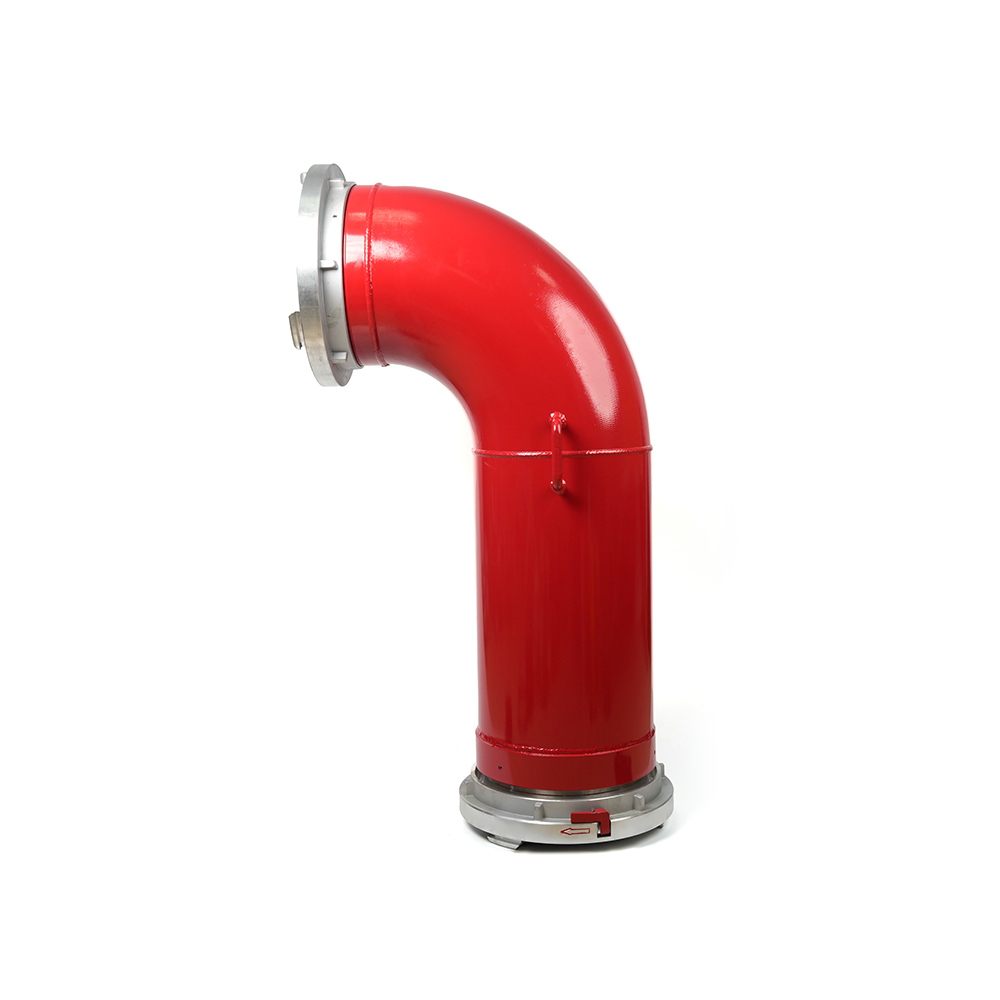 Grooved Fire Elbow-Storz
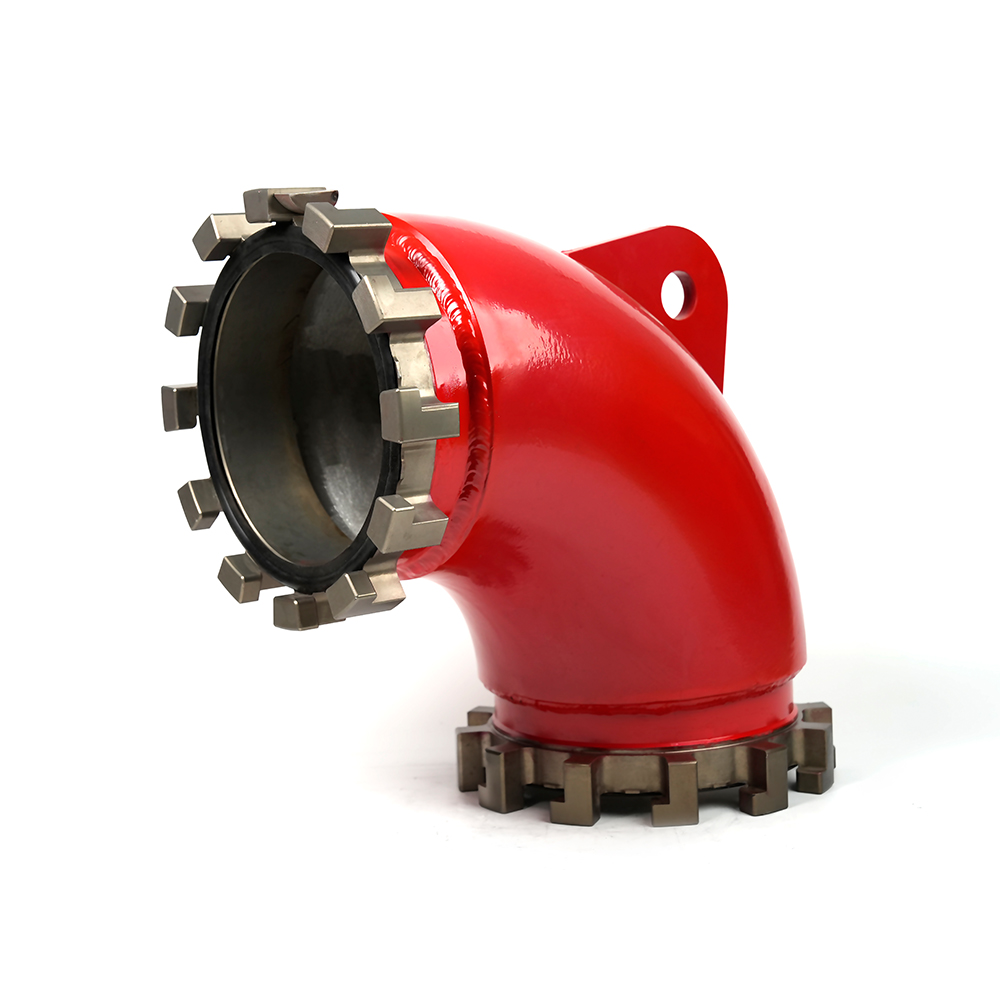 Grooved Fire Elbow-Multi-tooth
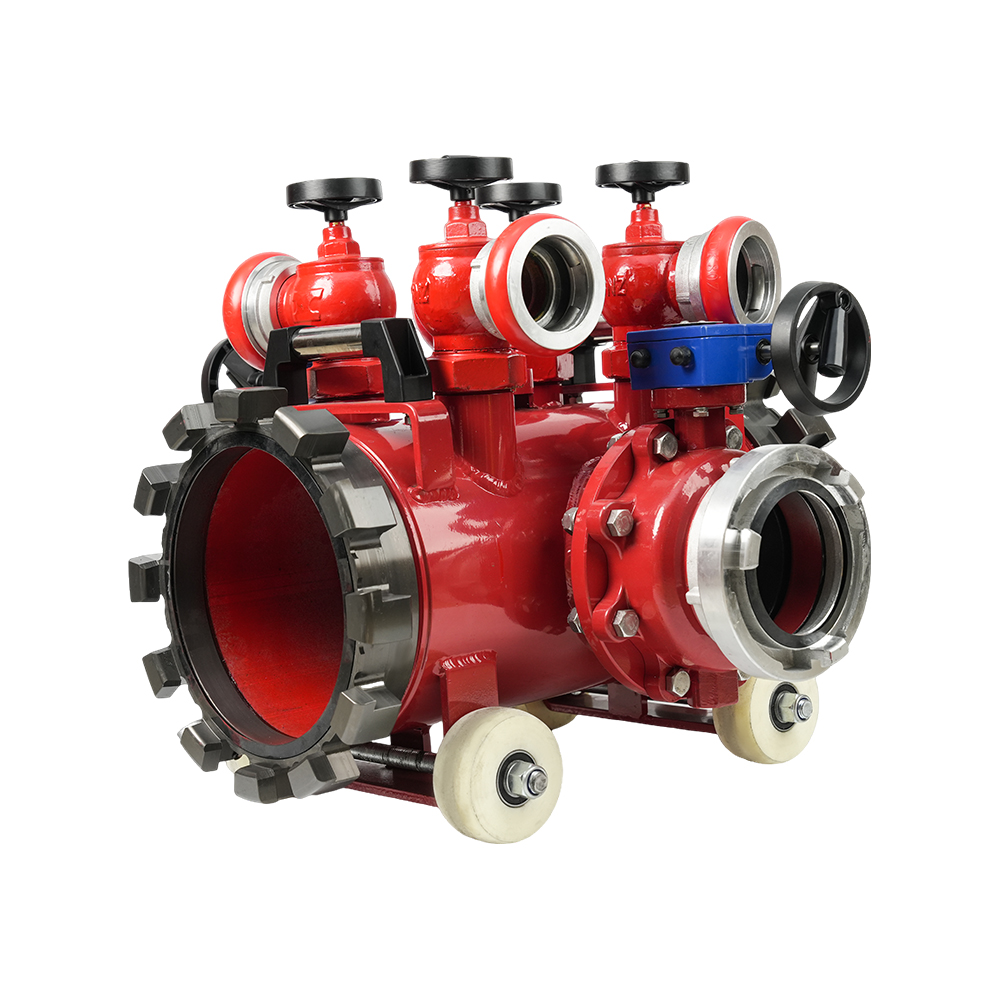 Multi-functional Fire Hose Distributor
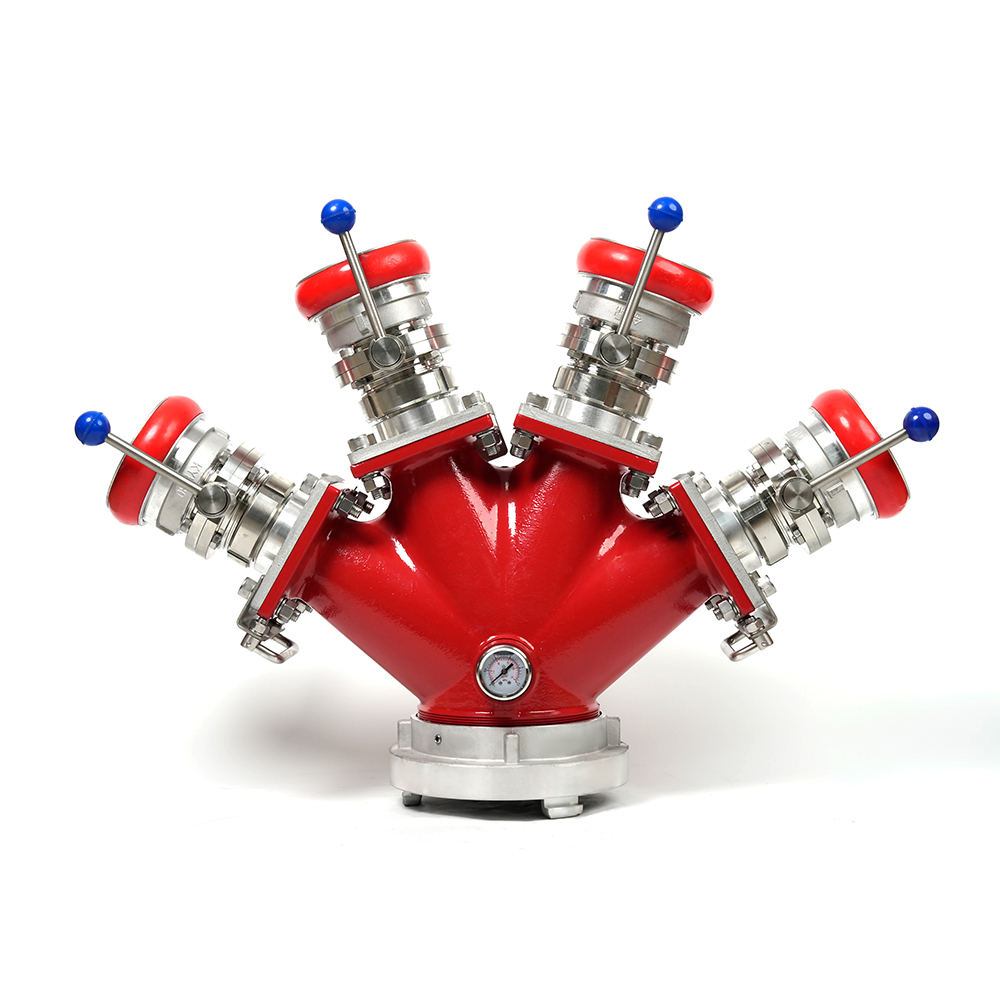 Locking Four-Way Fire Hose Distributor
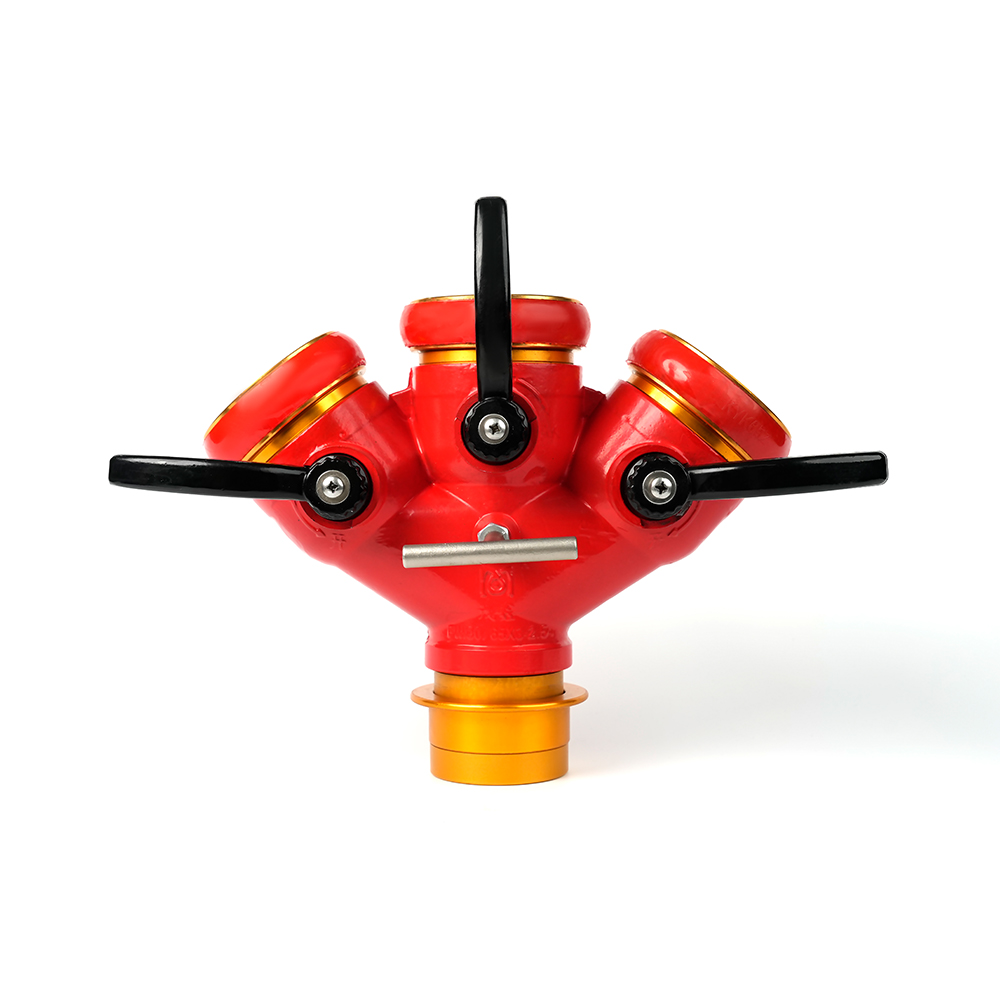 Locking Three-Way Fire Hose Distributor
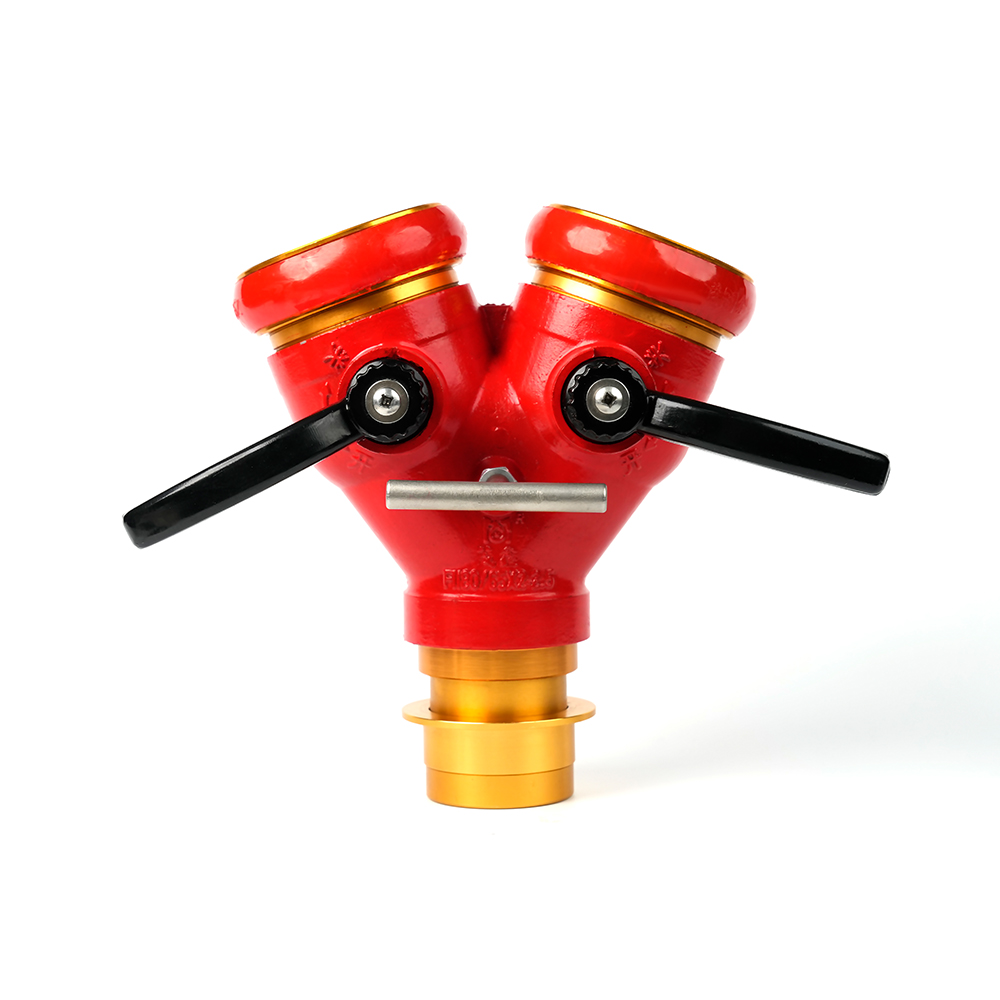 Locking Two-Way Fire Hose Distributor
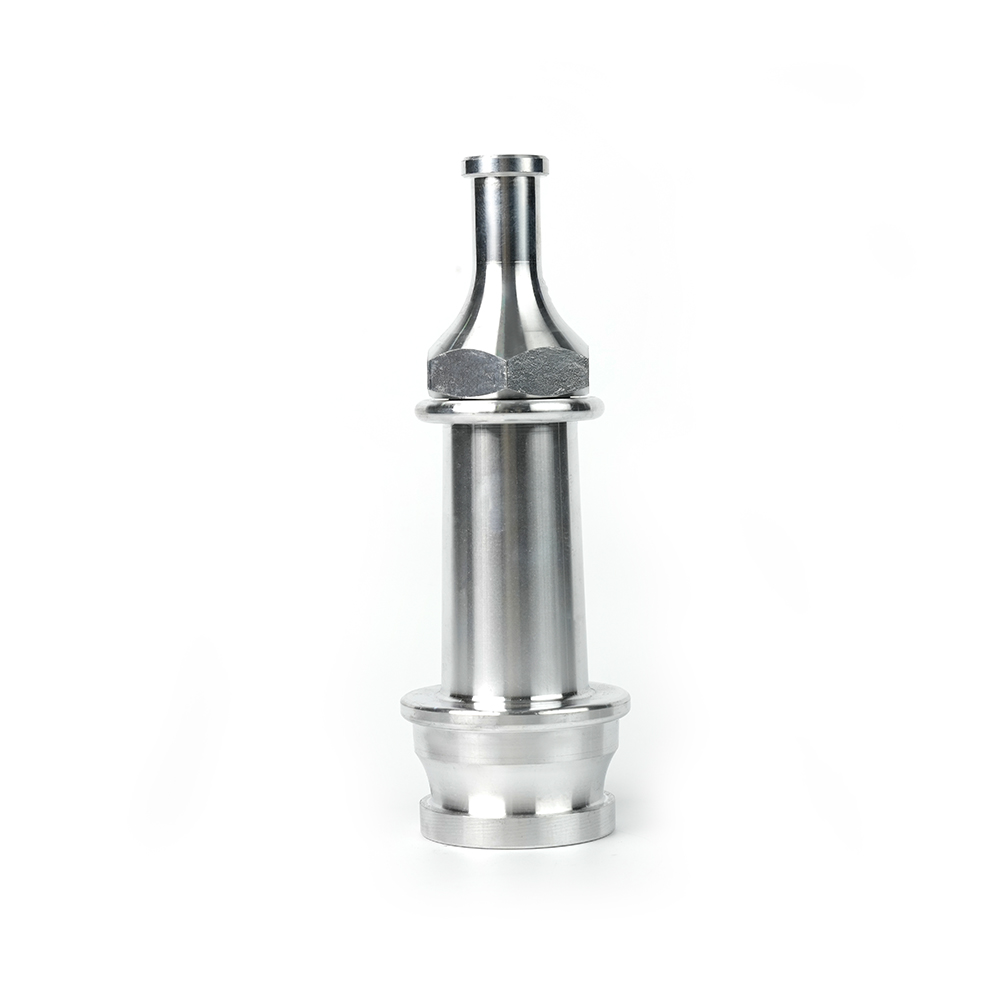 Straight Stream Nozzle
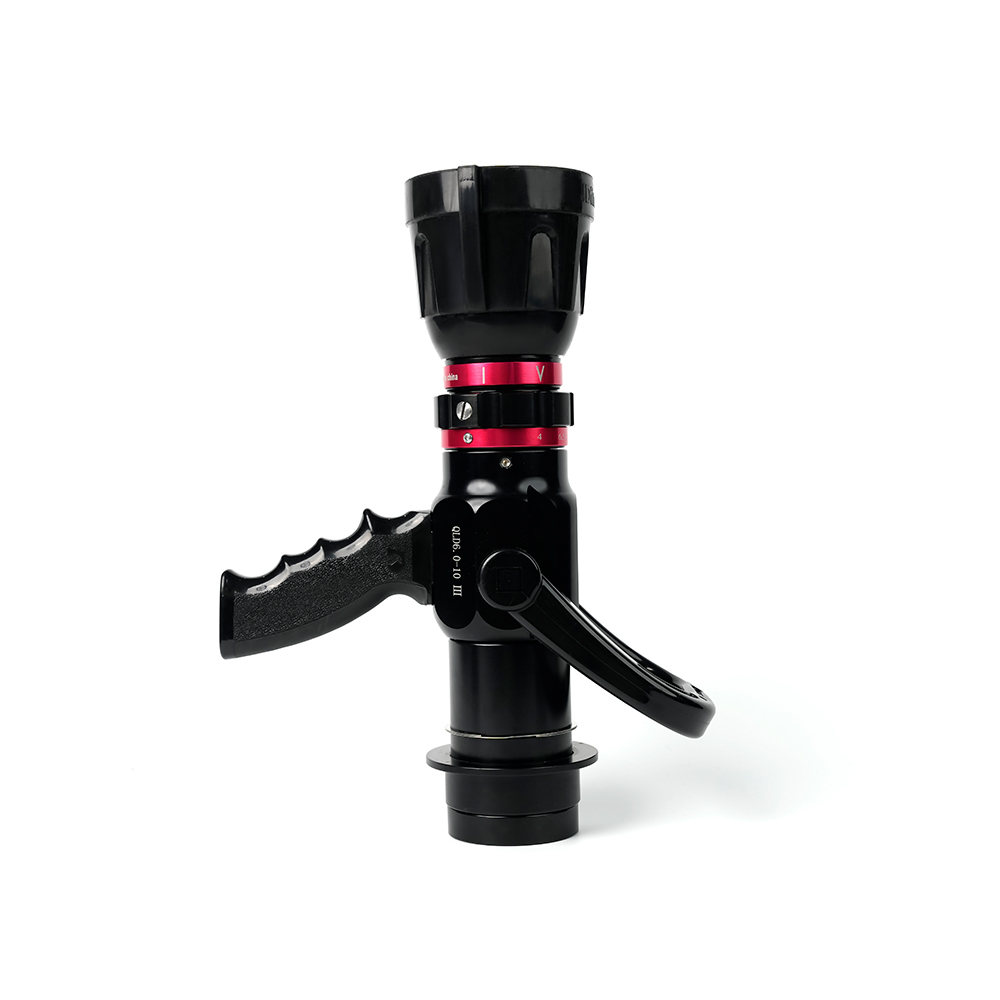 Adjustable nozzle-machino
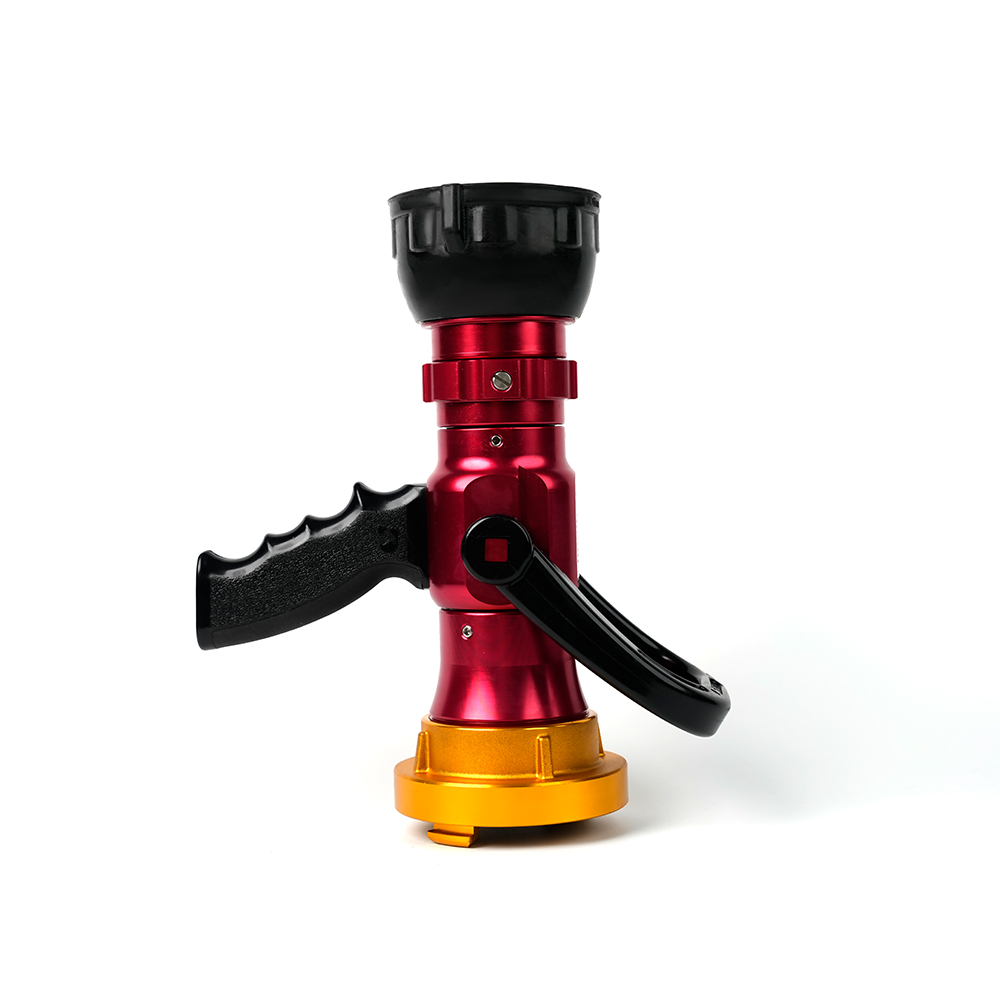 Adjustable nozzle-storz
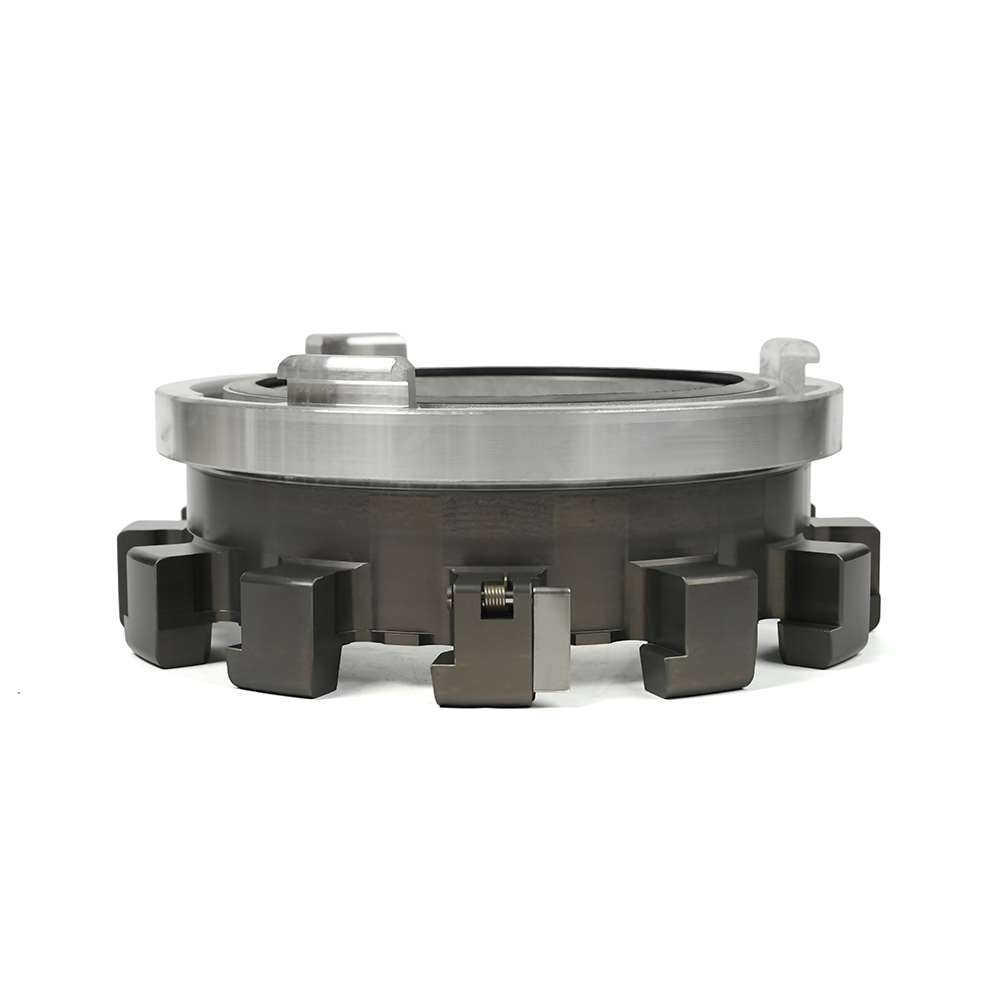 Storz Adapter Couplings - Multi-Tooth
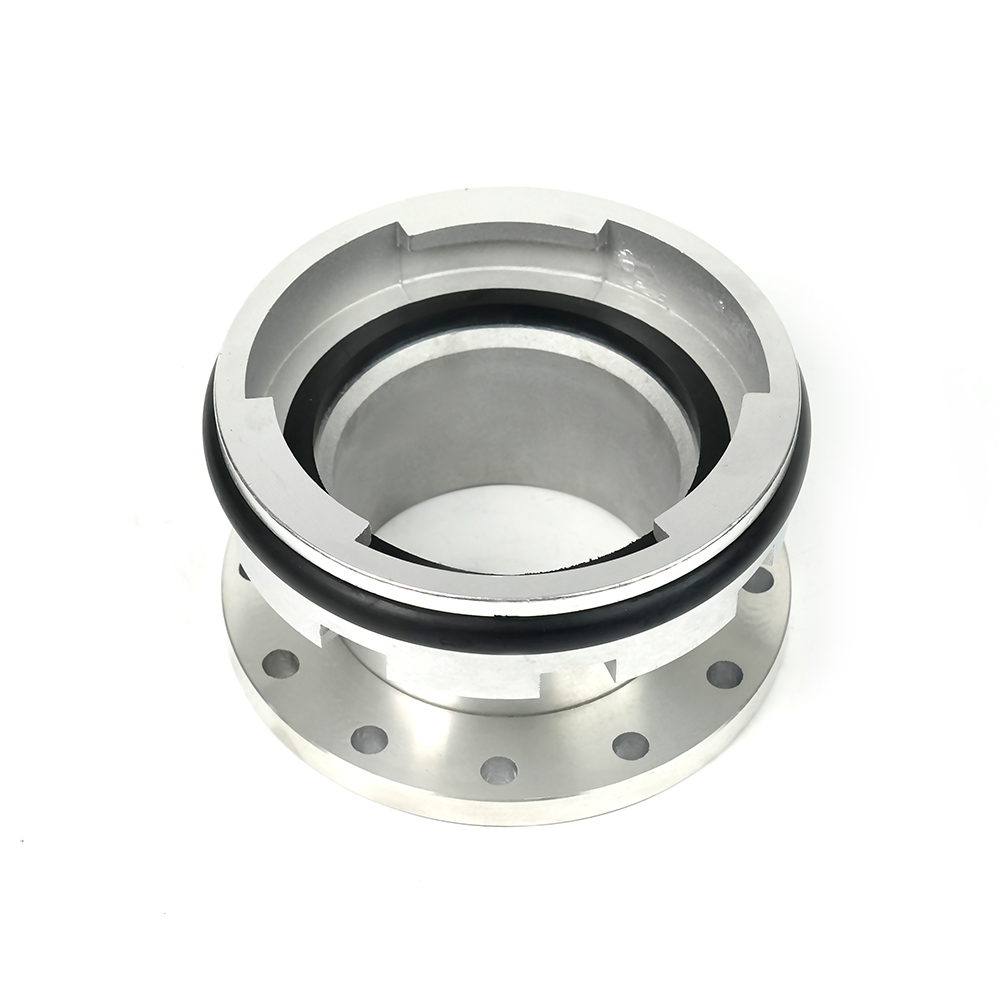 Machino Adapter Couplings – Flanged
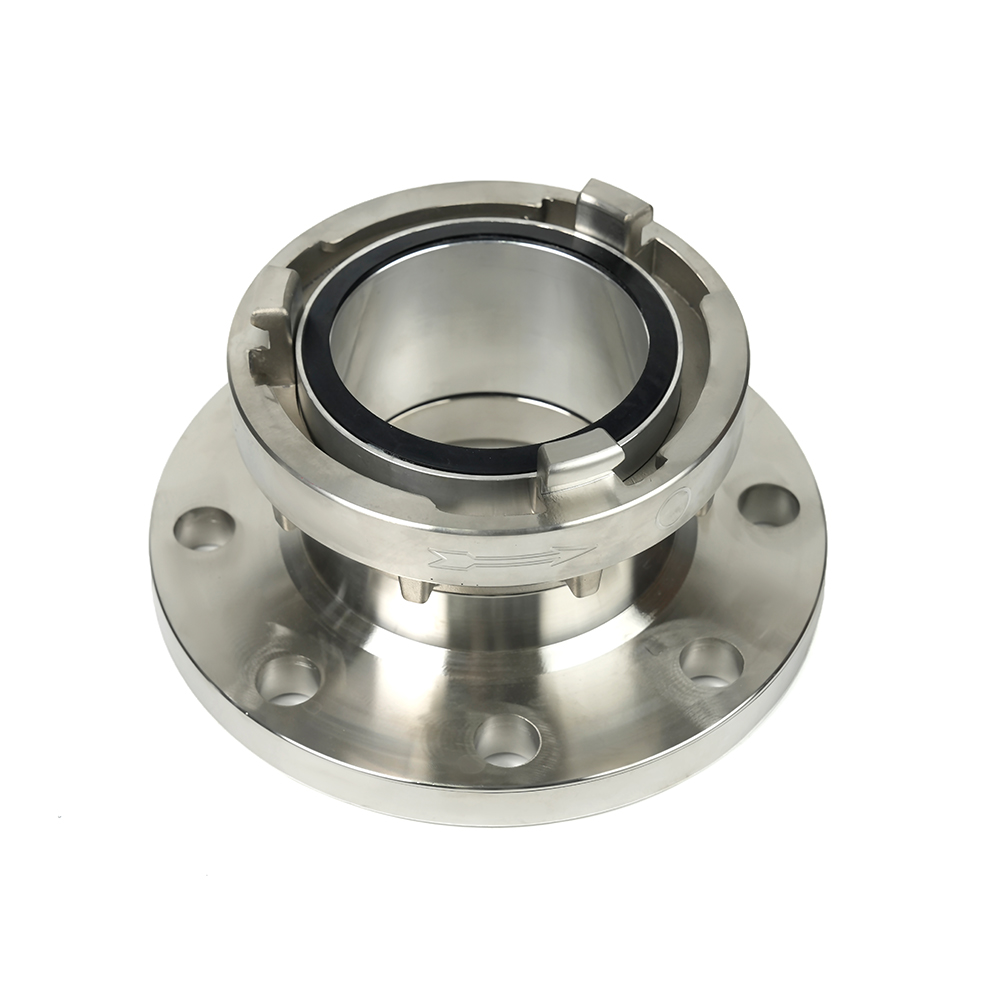 Storz Adapter Couplings – Flanged

 Contact Number
+86-0523-83274900
+86-151 9064 3365
 Let our team offer you customs solutions.
 Company Address
West side of Hongxing Middle Road, Lincheng Street, Development Zone, Xinghua City, Jiangsu Province, China
Copyright @Jiangsu Jinding Fire Protection Technology Co., Ltd. All rights reserved Fire Protection Equipments Manufacturers
