 英语
英语 西班牙语
西班牙语 德语
德语Industry News
Home / News / Industry News / Fire Hose Adapters: Matching Storz, NH, Machino and Other Coupling Standards


+86-0523-83274900
+86-151 9064 3365
Content
When a pumper arrives at a mutual aid scene and the supply hose uses Storz fittings while the hydrant has NH threads, operations stop until someone finds the right adapter. A fire hose adapter is a machined fitting that changes the connection standard, thread form, or gender of a hose end so mismatched equipment can be joined safely. The selection of a fire hose adapter comes down to four factors, and they need to be checked in this order: the standard, the size, the pressure rating, and the material. If all four match, the adapter becomes an invisible part of the water supply. If any one of them is wrong, you get leaks, cross-threaded connections, or a fitting that separates under pressure.
An adapter is not the same as a coupling. A coupling joins two identical ends, and a reducer changes size within the same standard, while an adapter changes the interface between two different systems. For example, a Storz to male Machino adapter converts a quarter-turn Storz connection into the coarse Machino thread pattern widely used in Asian markets.
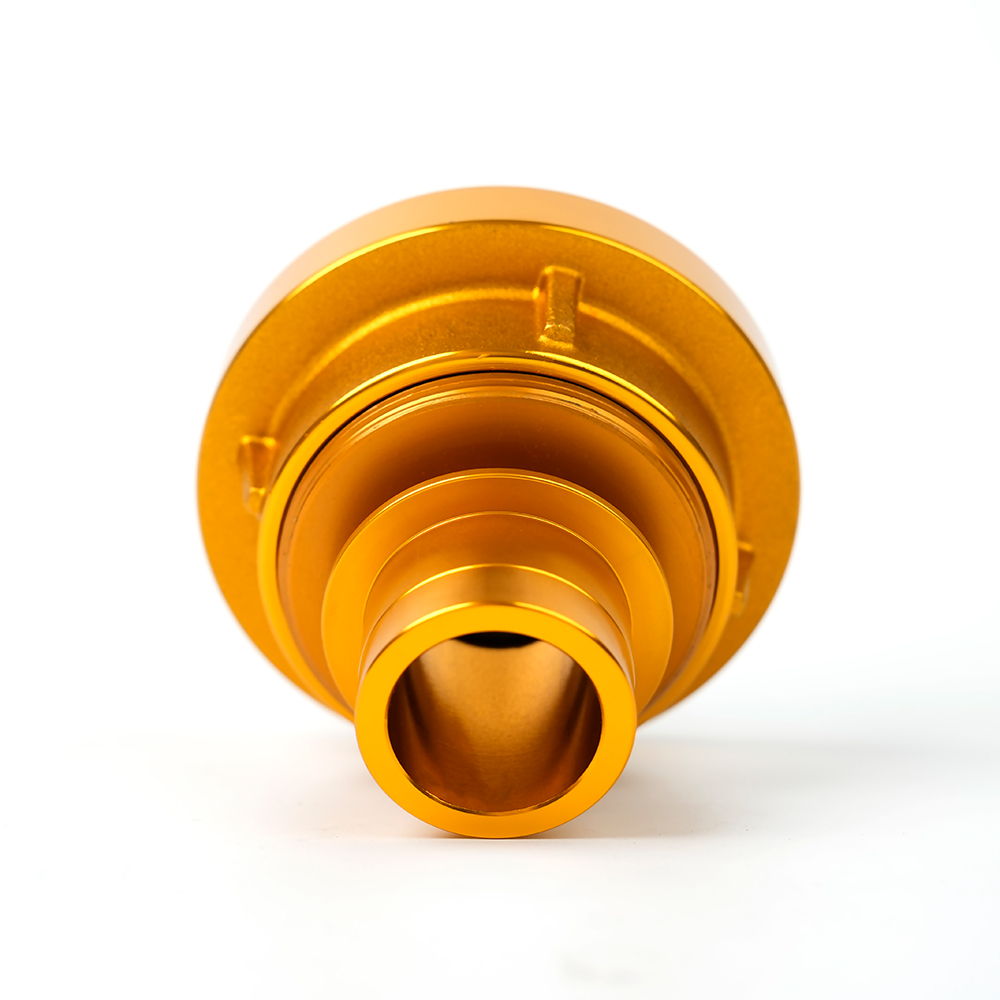 OEM Storz Adapter Couplings – Male Machino Manufacturers, Custom Suppliers - JiaJinding Fire Protection is China OEM Storz Adapter Couplings – Male Machino manufacturers and custom Storz Adapter Couplings – Male Machi...View Product →
You typically need adapters in four situations: when a fire department responds in a neighboring jurisdiction, when a pumper takes water from a municipal hydrant with national standard threads, when an industrial site with flanged or fixed piping connects a fire hose temporarily, and when forestry units mix lightweight forest hose with standard attack line. In every one of these cases, the hoses themselves are in good condition and the real problem is only at the connection point.
Before choosing an adapter, you have to identify the standard on both ends. The table below lists the coupling systems most often found in the international fire service. Note that some standards are threaded and others are quarter-turn, and the two families are never directly compatible without an adapter.
| Standard | Common Region | Connection Design | Typical Sizes |
|---|---|---|---|
| NH / NST | North America | Threaded with a gasket at the base; 4.5 to 9 threads per inch | 1.5, 2.5, 4, 5 inches |
| NPT | North America | Tapered pipe thread that seals on the threads | 0.75 to 3 inches |
| NPSH / IPT | North America | Straight hose thread with a gasket | 1.5, 2.5 inches |
| Storz | Europe, Asia, worldwide | Two quarter-turn lugs and a face gasket, no thread | 25 to 150 mm |
| Machino | Japan, parts of Asia | Coarse thread with separate male and female halves | 40 to 65 mm |
| John Morris | Australia, New Zealand | Threaded with a distinctive collared profile | 38, 64 mm |
| Italian | Italy, Mediterranean | Threaded per UNI 7429 | 25 to 70 mm |
| Forestry | Wildland operations | Lightweight, external binding or internal expansion | 1 to 1.5 inches |
A full-line manufacturer normally produces an entire series around a standard, not just a single coupling. The chart below shows the number of finished coupling variants available in each series from a single full-line manufacturer.
This chart counts the finished coupling variants in each series at one full-line manufacturer. Storz leads because the system includes large and small hose couplings, threaded adapters, blank caps, locking versions, and reducers. The depth of the Storz range reflects its position as the most widely adopted quick-connect system outside North America. Machino and John Morris also show broad coverage because those markets expect matching threaded, blank, and hose-end versions under one product family. A one-variant line such as NH simplifies procurement but leaves fewer options when a station needs blanks or reducers in the same standard. For a buyer, this coverage is a practical signal: the more complete the series, the easier it is to keep every connection in the system compatible. It also reduces the number of suppliers needed to support an entire fleet.
Use a caliper to measure the outside diameter of the male thread and the inside diameter of the female opening. Compare the result with standard tables for NH, NPT, NPSH, and other thread forms. Count threads per inch with a thread gauge. A tapered pipe thread seals at the thread surfaces, while a straight hose thread seals on a gasket; mixing the two is a leak in the making.
For Storz fittings, measure the distance between the two lug centers and compare it with the common sizes, which range from 25 mm to 150 mm. For Machino and John Morris couplings, check the thread direction and pitch, because the two systems look similar in diameter but are not interchangeable. For a step-by-step connection procedure, read this guide on joining fire hose couplings.
Confirm the gender first, because a wrong gender means the adapter cannot seat on either hose end. The common configurations are simple to recognize once you know what to look for.
The material determines weight, corrosion behavior, cost, and service life. The radar chart below compares brass, anodized aluminum, and stainless steel across five practical criteria.
The radar chart compares three common adapter materials across five practical criteria. Stainless steel scores highest on corrosion resistance, wear resistance, and pressure capacity, which makes it the right choice for industrial plants, marine fire systems, and chemical facilities. Anodized aluminum offers the best combination of light weight and cost, which is why municipal pumpers often carry a bag of aluminum adapters for daily use. Brass sits in the middle: it resists corrosion in fresh water well, machines cleanly, but it is noticeably heavier and more expensive than aluminum. The trade-off becomes clear when you carry eight adapters for a reverse lay, because the aluminum kit weighs a fraction of the brass kit. For fixed installations inside a pump house, weight matters less and brass or stainless gives a longer service life. The practical rule is to match the material to the water quality and the frequency of handling, not to the price of the adapter alone.
An adapter has its own bore, and that bore restricts flow. The largest pressure loss comes from installing a reducer that is smaller than the supply line.
The bars show typical flow capacities used in municipal fire planning for each hose diameter. A 1.5 inch line moves about 125 gallons per minute, while a 5 inch supply line moves about 1000 gallons per minute under similar conditions. This is why a 2.5 inch adapter used to connect a 4 inch supply line is a bottleneck, not a convenience. When you size an adapter, start from the smallest diameter in the entire hose assembly, because that component defines the maximum flow. In practice, a fire department that runs 4 inch supply hose should carry 4 inch or larger adapters at every transition point. If you must reduce a 4 inch line to 2.5 inch for a pumper intake, plan for the flow loss and the reduced attack capacity downstream. The flow values in the chart are planning figures, and the exact numbers for your hose depend on its construction, friction loss, and pump pressure.
Every adapter should carry a working pressure rating at least equal to the highest pressure in the system. Attack lines are commonly service tested at 300 psi, while large diameter supply hose is tested at lower values, as the chart shows.
The line chart shows typical service test pressures across hose diameters. Attack lines of 1.5 to 2.5 inches are commonly tested at 300 psi, which means every adapter on those lines should also be rated at 300 psi or higher. Large diameter hose, from 3 to 5 inches, is tested at lower pressures because it is built for volume rather than pressure. For industrial applications, adapters also have to match fixed piping standards, and flanged connections are the most common permanent interface. When you buy these adapters, ask for the test certificate and compare the rated pressure with your pump relief valve setting.
For fixed installations, the interface is often flanged instead of threaded. A Storz to flanged adapter covers building standpipes and industrial headers in Storz regions. Check the bolt circle diameter and the number of holes before ordering, because flange standards vary from one plant to another.
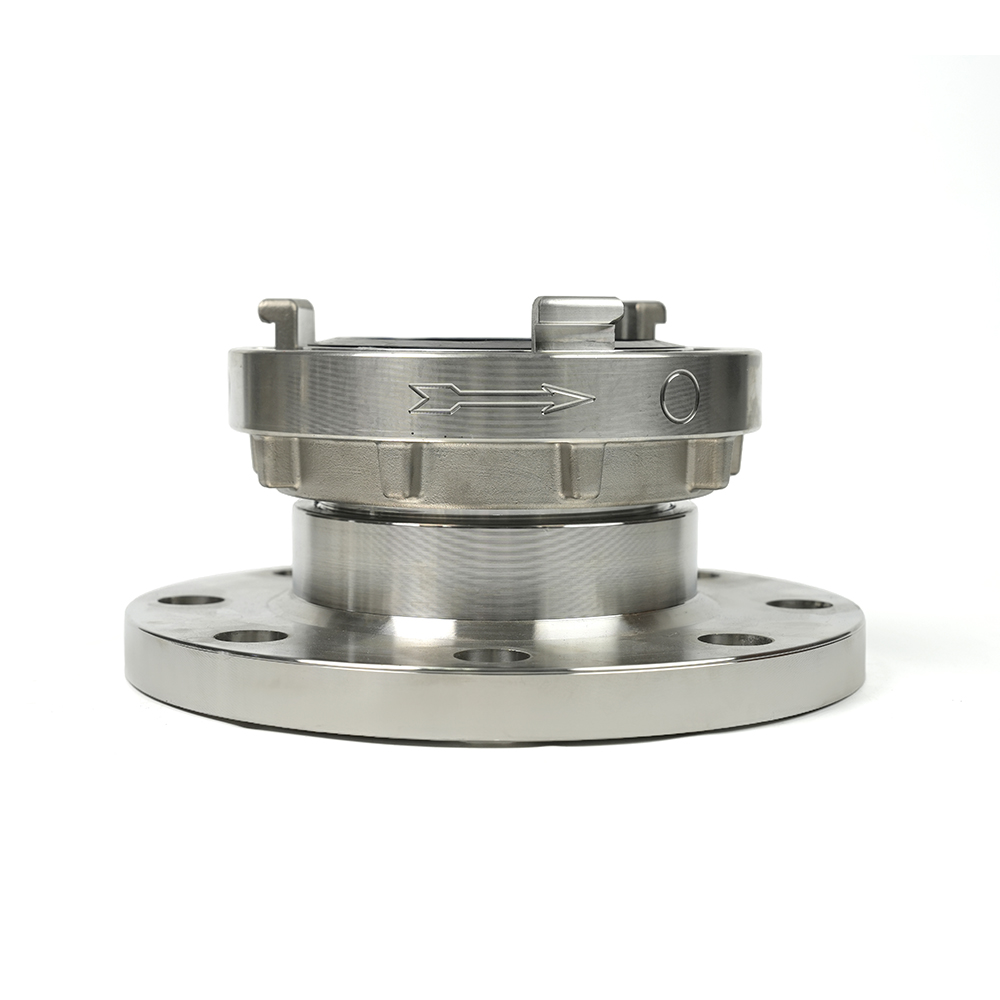 OEM Storz Adapter Couplings – Flanged Manufacturers, Custom Suppliers - Jiangsu Jinding Fire Protection is China OEM Storz Adapter Couplings – Flanged manufacturers and custom Storz Adapter Couplings – Flanged supplie...View Product →
In facilities built around Machino equipment, a Machino to flanged adapter provides the same bridge between fire hose and fixed pipe. Request the pressure test certificate along with the delivery, and confirm the gasket material is compatible with the water or process fluid.
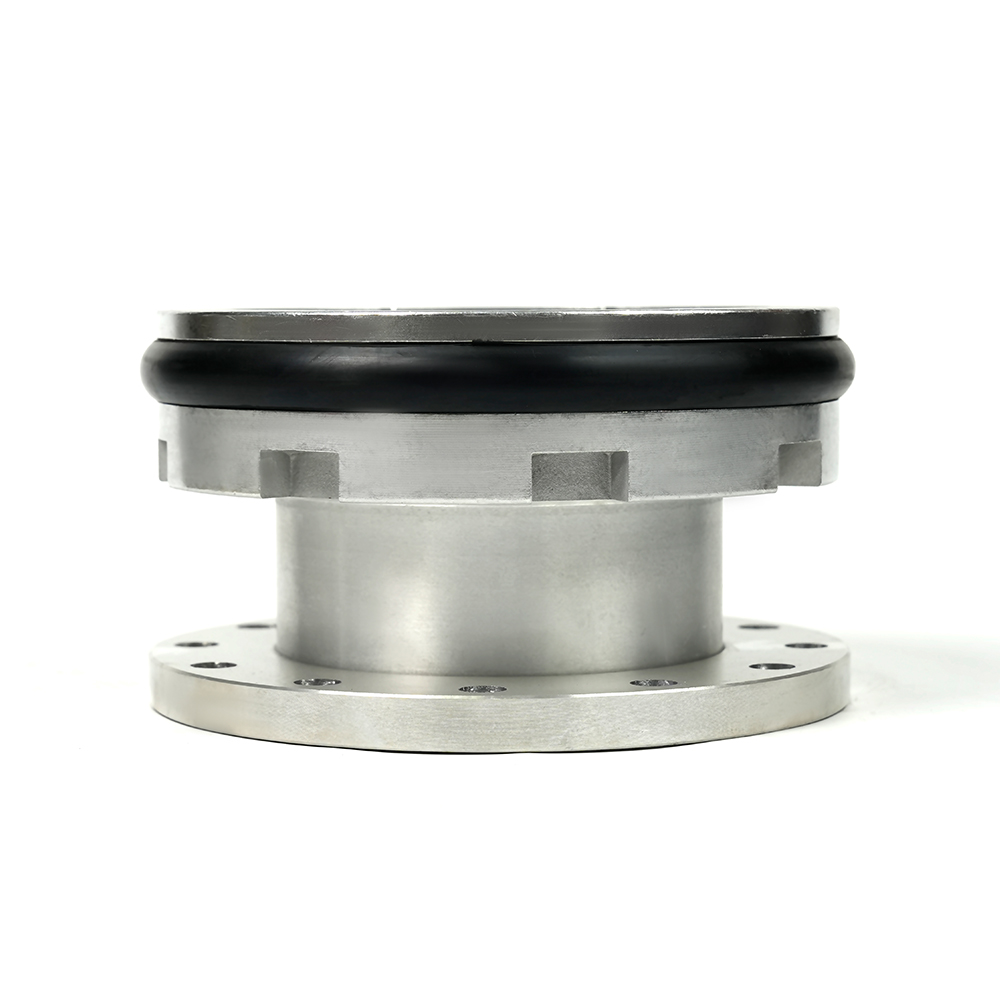 OEM Machino Adapter Couplings – Flanged Manufacturers, Custom Suppliers - JiangsJinding Fire Protection is China OEM Machino Adapter Couplings – Flanged manufacturers and custom Machino Adapter Couplings – Flanged sup...View Product →
Adapters fail in predictable ways. Most of these failures come from a mismatch in thread form, material, or pressure rating, not from manufacturing defects.
| Mistake | Consequence | Prevention |
|---|---|---|
| Using NPT threads on a gasket style connection | Leak at the threads instead of at the gasket | Verify the thread form and pitch before ordering |
| Over-tightening anodized aluminum | Stripped threads or cracked lugs | Hand tighten, then add a quarter turn |
| Mixing brass and aluminum without insulation | Galvanic corrosion locks the parts | Use anodized caps or a dielectric gasket |
| Ignoring the pressure rating | Adapter separates under high pump pressure | Compare the rating with the relief valve setting |
| Buying one adapter without matching parts | Missing reducers and caps during mutual aid | Order the full series in the same standard |
When you standardize on a single coupling series and buy the matching caps, reducers, and locking parts, most of these problems disappear before they reach the truck. Keep spare gaskets in the same compartment as the adapters, and replace any gasket that shows cuts or permanent compression.
Use the following sequence when you buy adapters and you will avoid most compatibility problems.
A fire hose adapter is a small part, but it decides whether water reaches the pump at full volume. Buy from a manufacturer that produces the complete series, ask for test reports, and verify every connection before the truck leaves the station. If you are unsure about a match, contact the manufacturer with the measured dimensions and ask an engineer to confirm the configuration before you spend money on stock or tooling.
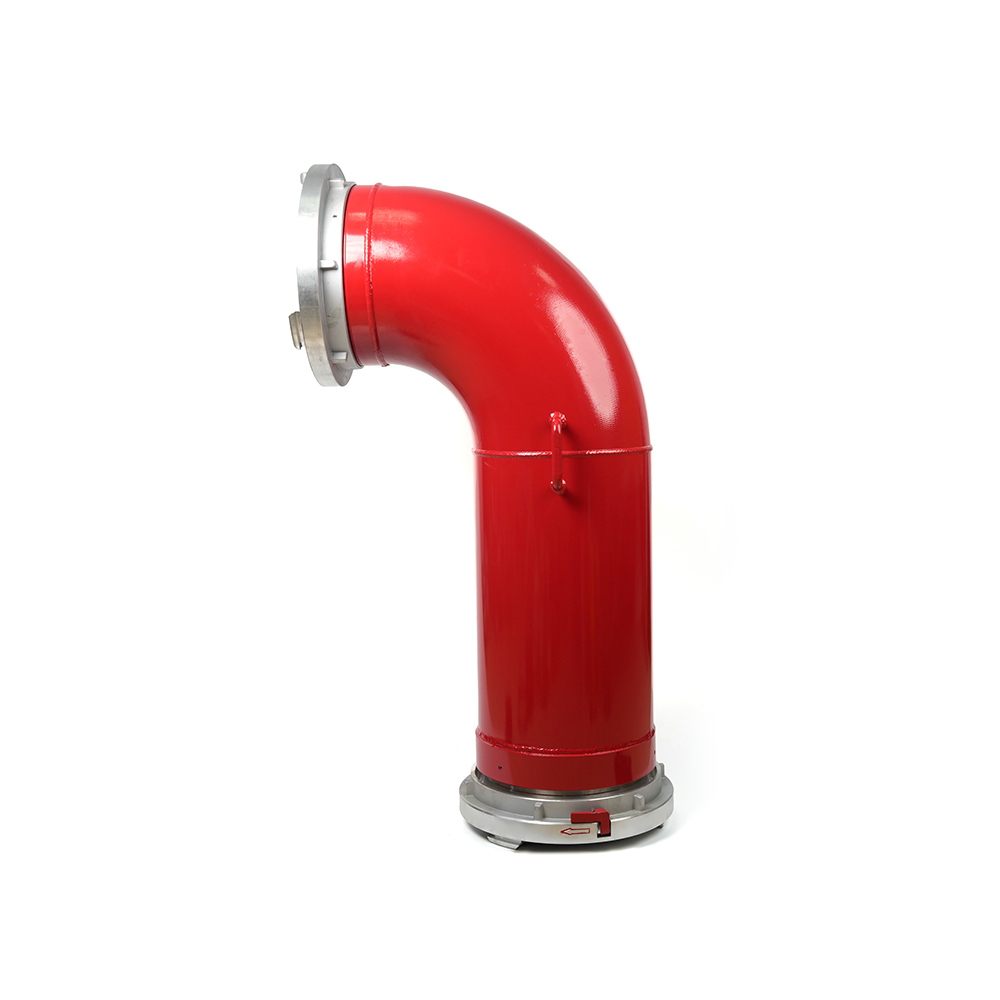 Grooved Fire Elbow-Storz
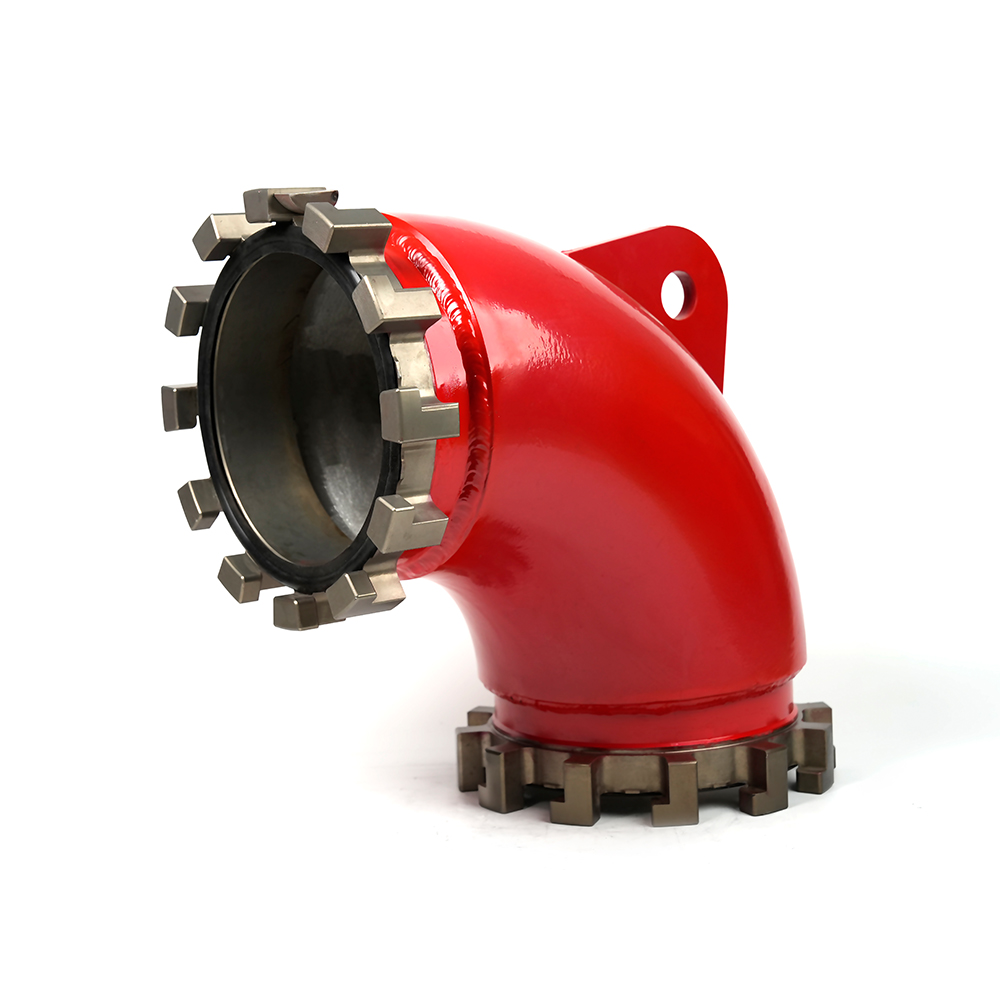 Grooved Fire Elbow-Multi-tooth
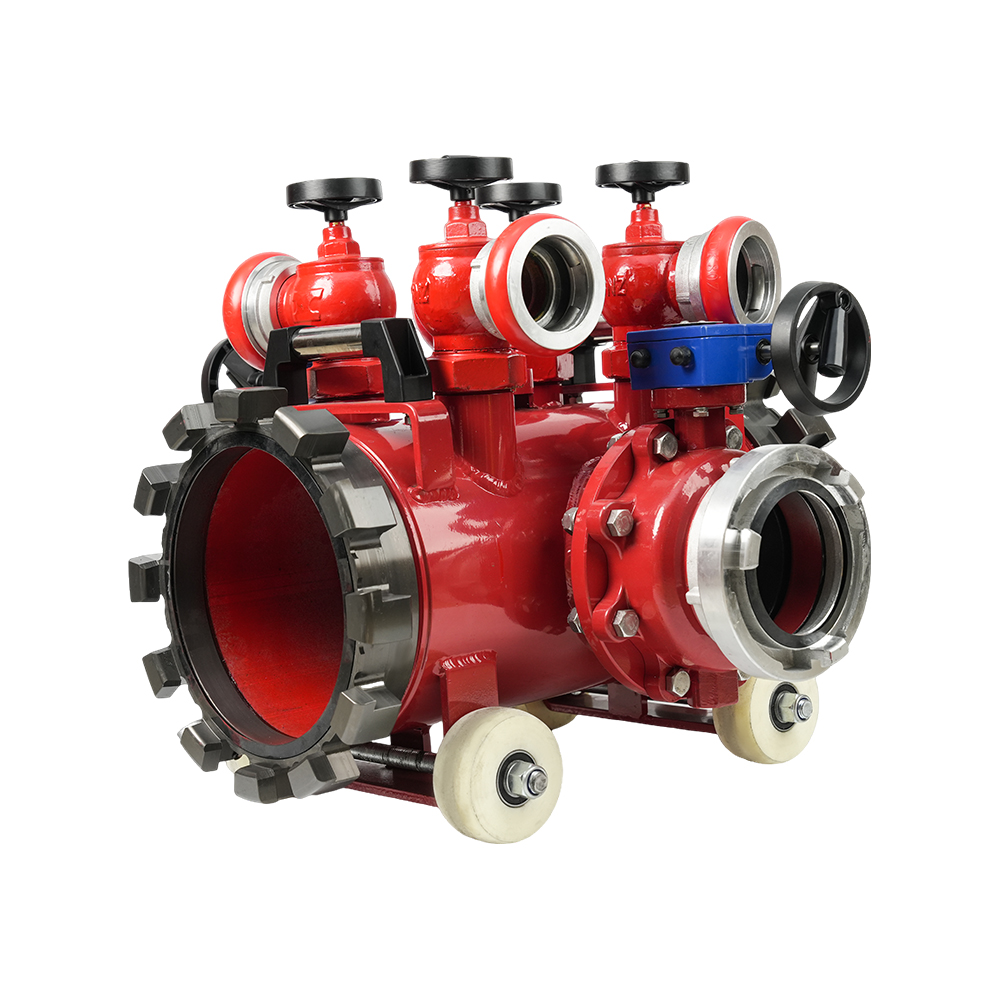 Multi-functional Fire Hose Distributor
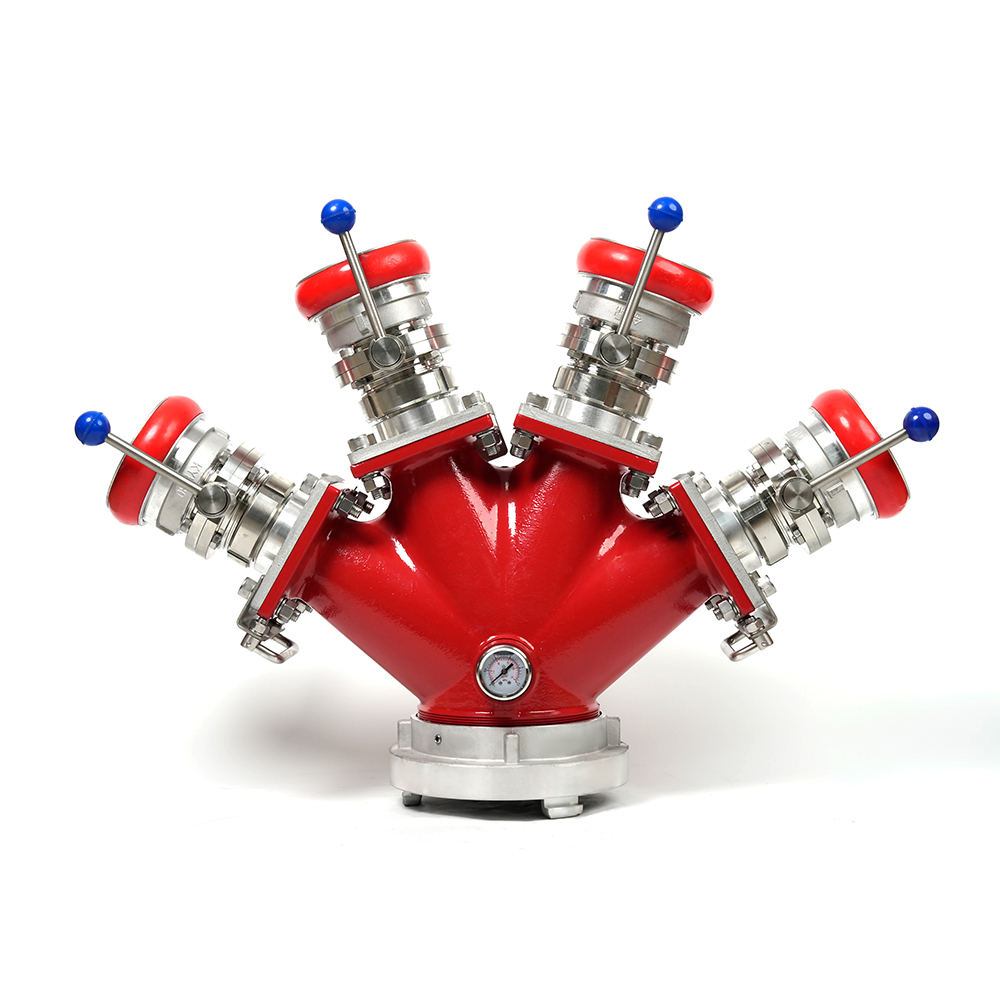 Locking Four-Way Fire Hose Distributor
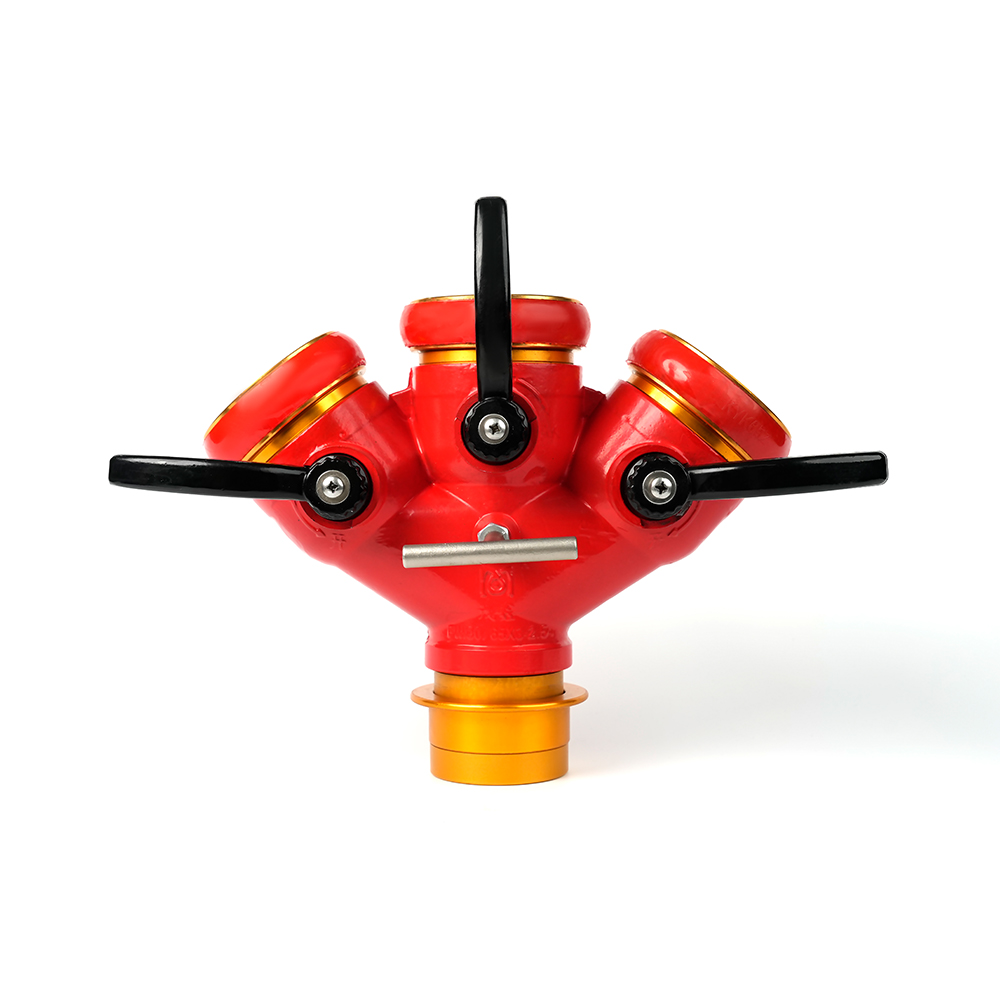 Locking Three-Way Fire Hose Distributor
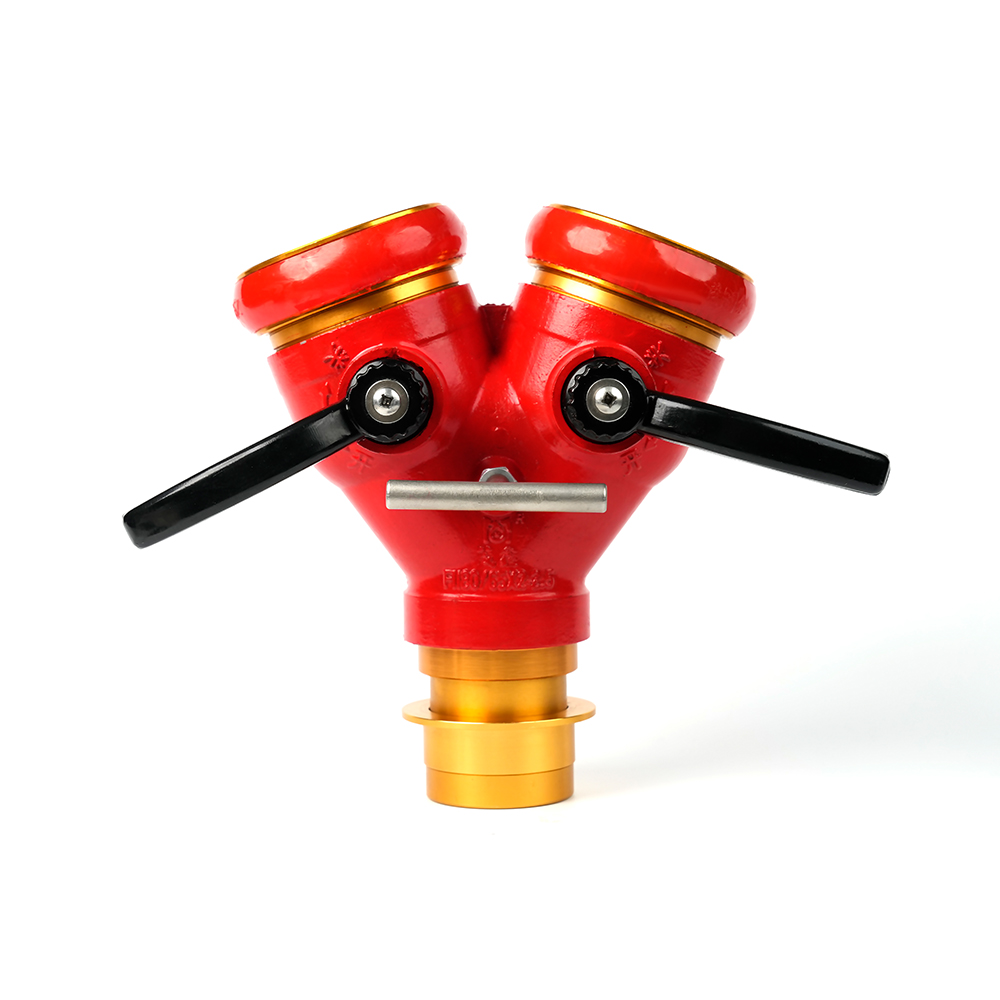 Locking Two-Way Fire Hose Distributor
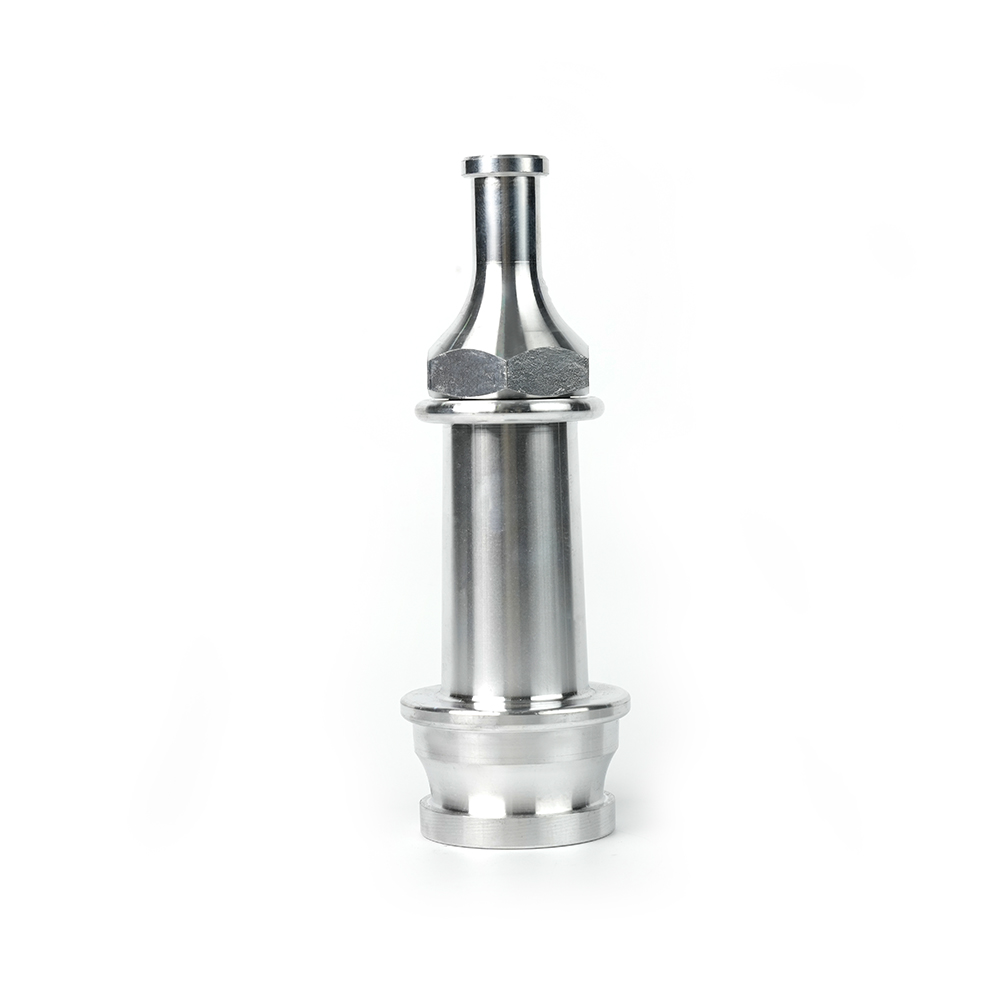 Straight Stream Nozzle
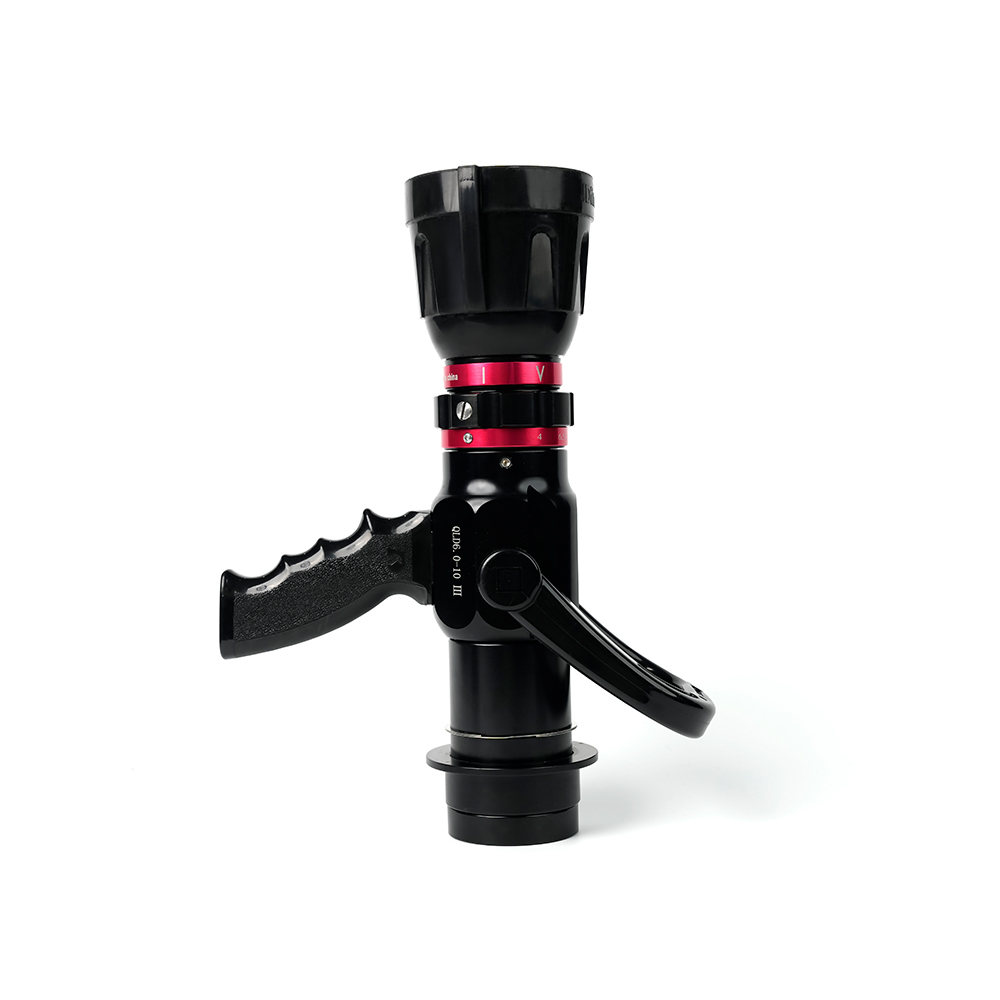 Adjustable nozzle-machino
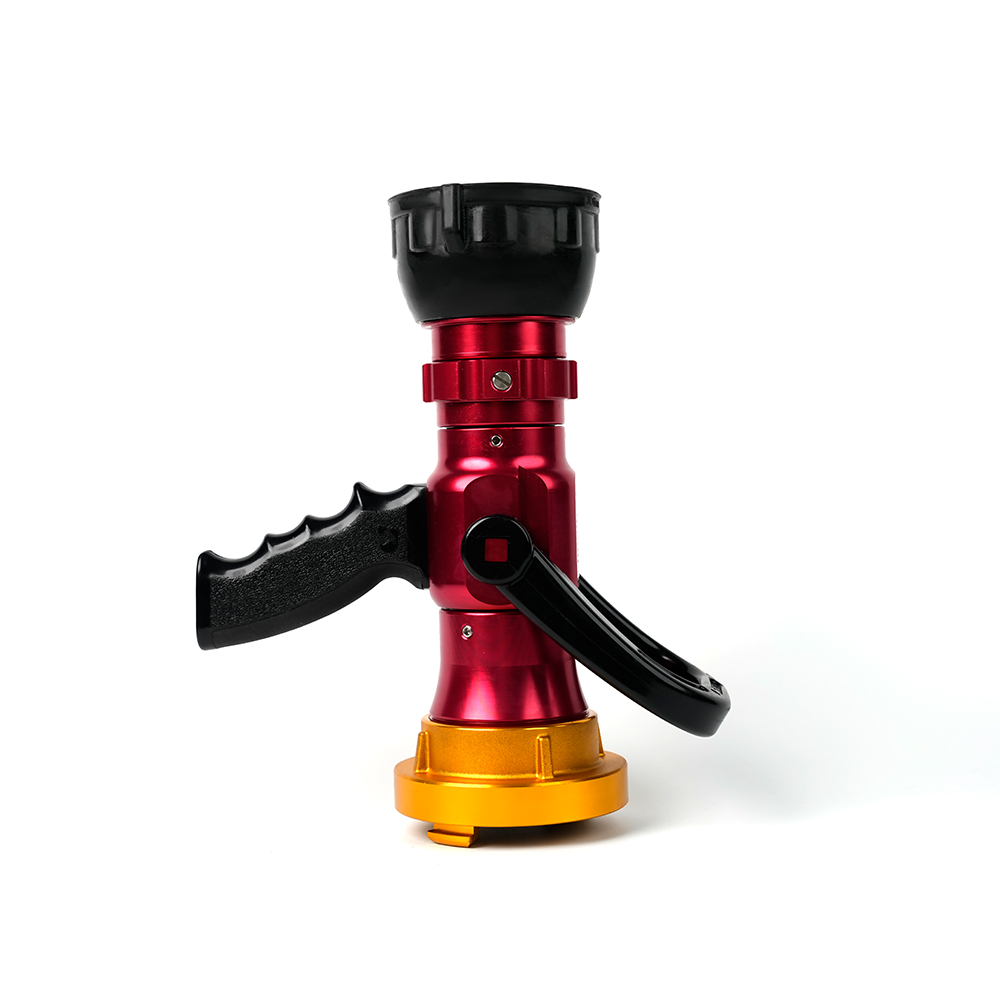 Adjustable nozzle-storz
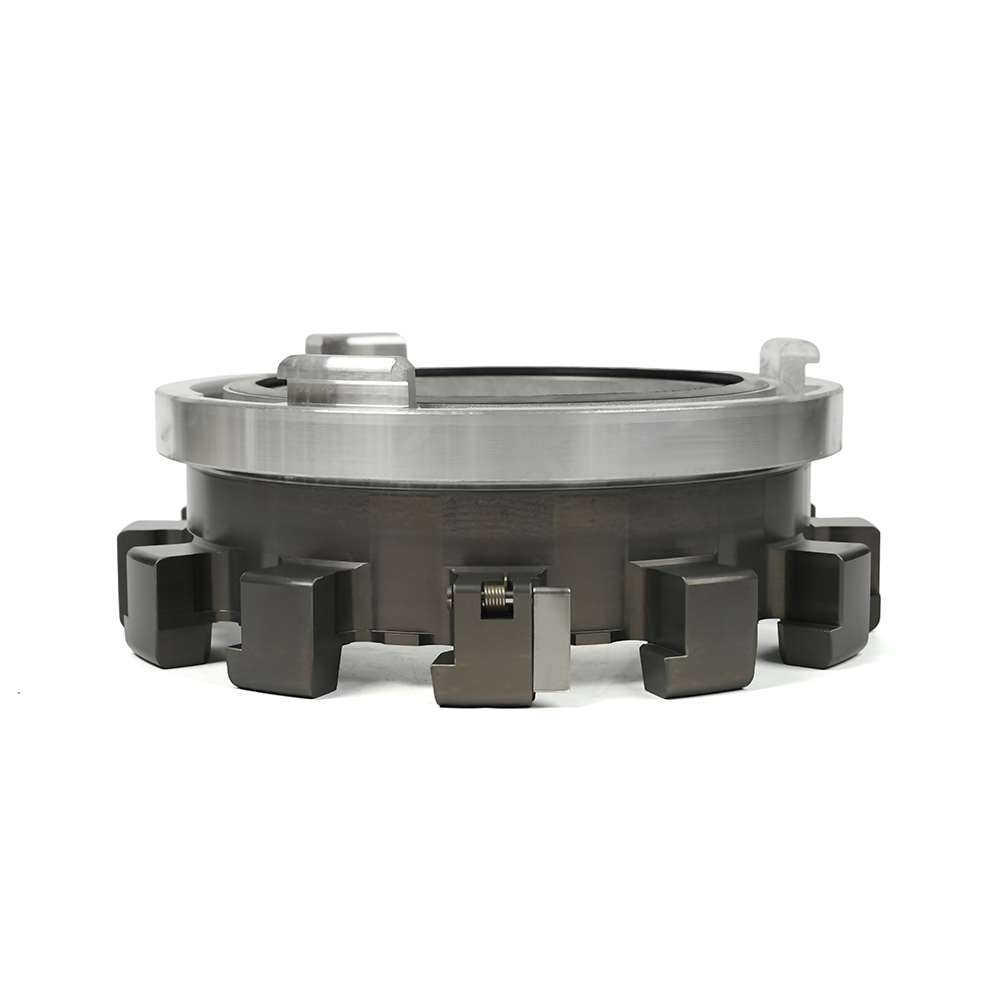 Storz Adapter Couplings - Multi-Tooth
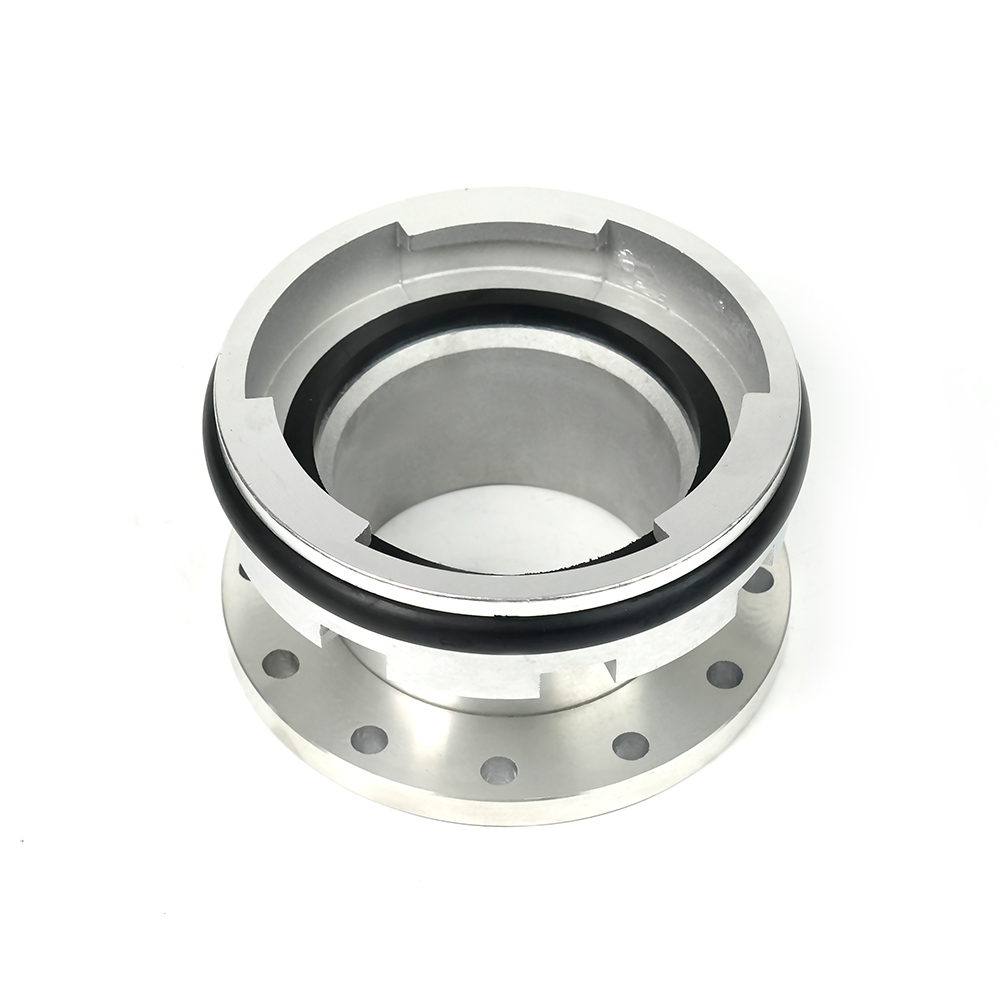 Machino Adapter Couplings – Flanged
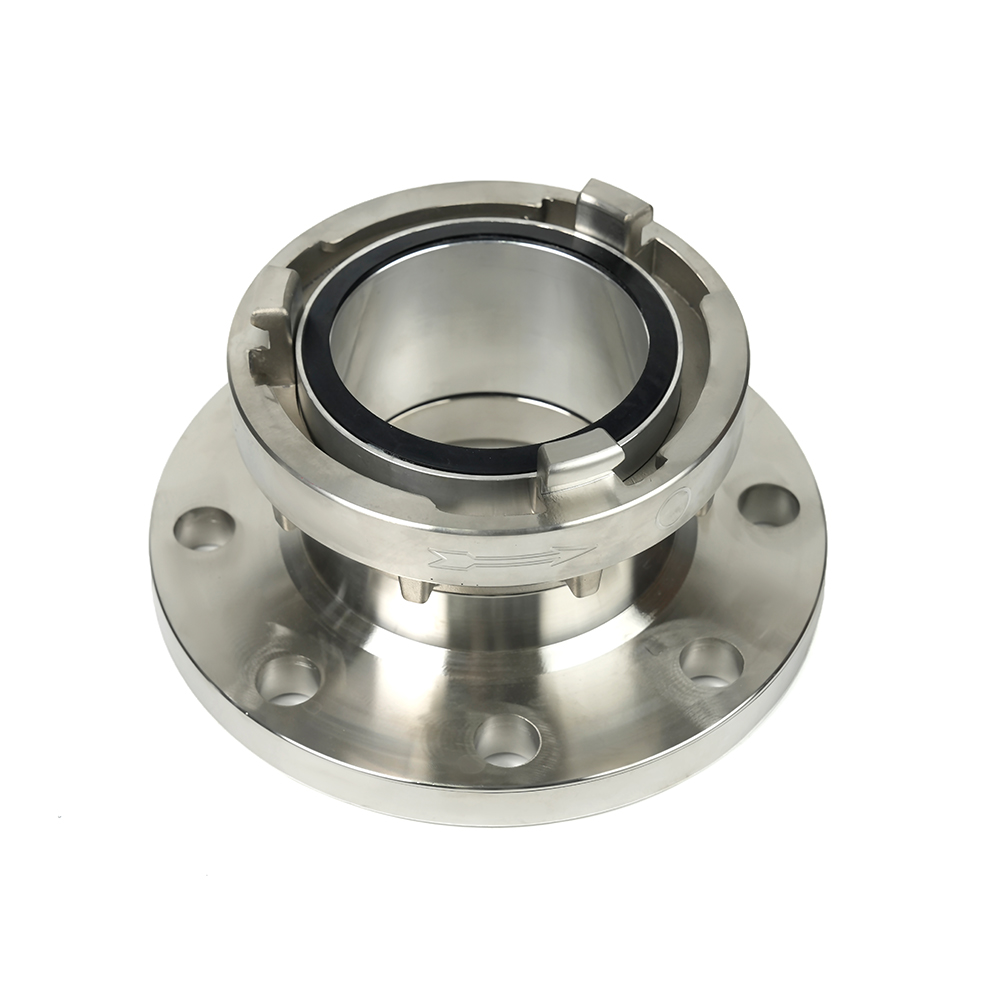 Storz Adapter Couplings – Flanged

 Contact Number
+86-0523-83274900
+86-151 9064 3365
 Let our team offer you customs solutions.
 Company Address
West side of Hongxing Middle Road, Lincheng Street, Development Zone, Xinghua City, Jiangsu Province, China
Copyright @Jiangsu Jinding Fire Protection Technology Co., Ltd. All rights reserved Fire Protection Equipments Manufacturers
