 英语
英语 西班牙语
西班牙语 德语
德语Industry News
Home / News / Industry News / 1-1/2 Fire Hose Adapter: Types, Standards, and How to Choose the Right One


+86-0523-83274900
+86-151 9064 3365
Content
When a 1-1/2 inch fire hose has to connect to a hydrant, pump, or another hose fitted with a different coupling, the right adapter makes the difference between a secure supply line and a dangerous leak. A 1-1/2 fire hose adapter converts one coupling standard or size to another, allowing crews to combine equipment from different manufacturers or systems. The selection process must start with the coupling standard, then move to material and pressure rating, and finally consider the operating environment.
A 1-1/2 fire hose adapter is a fitting used to join a 1.5 inch fire hose to a different thread pattern, coupling style, or connection size. It may connect an NH threaded hose to a Storz hydrant, a Storz hose to a flanged pump discharge, or a Machino hose to an industrial pipe. The adapter body is commonly made of aluminum alloy, brass, or stainless steel, and it uses replaceable gaskets to create a watertight seal.
Fire departments commonly keep a set of adapters for the hose sizes they use. In many inventories, the 1-1/2 inch adapter is as important as the 2.5 inch adapter because attack lines, forestry lines, and smaller supply lines often use this size. The table below lists the most common adapter configurations.
| Configuration | Side A | Side B | Typical use |
|---|---|---|---|
| Thread to thread | NH female | NH male | Extend or repair hose lines |
| Thread to Storz | NH male or female | Storz male or female | Connect hose to hydrant or appliance |
| Storz to flange | Storz | Flange | Connect hose to pump or piping |
| Machino to flange | Machino | Flange | Industrial water supply |
| Storz reducer | Storz male | Smaller Storz female | Reduce from 2.5 to 1.5 inch line |
The first step in choosing a 1-1/2 fire hose adapter is identifying the coupling standard on each side. Different regions and industries use different standards. NH and NST threads dominate in North America, while Storz is widely used in Europe and on modern hydrants. Machino couplings are common in East Asian fire equipment, and John Morris forms are found in some export markets. Whatever the standard, an adapter can bridge the gap.
The chart shows the relative frequency of coupling standards found in fire service adapter orders and equipment inventories. NH and NST threads remain the most common standard in North American fire departments. Storz couplings appear nearly as often, especially on hydrants and large-diameter supply hose. Machino and John Morris couplings are more common in Asian and some European markets. Forestry and Italian patterns appear less often but still require dedicated adapters. This mix makes it necessary to know the exact standard before ordering a 1-1/2 adapter.
When you need to confirm the exact connection method, it helps to understand how the hose joint should be connected before you order an adapter. The same standard can look different at 1.5 inch and 2.5 inch sizes, so always measure the thread or lug pattern.
Material selection directly affects the working pressure, weight, and corrosion resistance of a 1-1/2 fire hose adapter. Aluminum alloy adapters are light and economical, which makes them popular for hand lines and wildland applications. Brass adapters offer better corrosion resistance and a higher pressure rating than aluminum, and they remain the standard choice for many municipal departments. Stainless steel adapters provide the highest pressure rating and the best performance in corrosive or chemical environments, but they are heavier and more expensive.
The column chart compares the maximum working pressure typical for 1-1/2 fire hose adapters made from three common materials. Aluminum alloy offers a good strength-to-weight ratio, but its pressure limit is lower than brass and stainless steel. Brass provides a reliable middle ground for municipal and industrial use, and it resists corrosion better than aluminum in many environments. Stainless steel gives the highest pressure rating and the strongest corrosion resistance, which is why it is chosen for marine and chemical applications. The material choice also affects cost and weight, so the best adapter depends on the operating pressure and the environment. For most firefighting lines, brass remains a balanced choice.
Selecting the correct adapter is a straightforward process if you follow a few practical steps. The most important work happens before you order, not when you arrive on scene.
If one side of the connection is a Storz coupling and the other is a flanged pipe, the 1-1/2 inch Storz adapter coupling flanged can eliminate the need to build a custom reducer. A clean transition with fewer joints reduces the number of places where a leak can start.
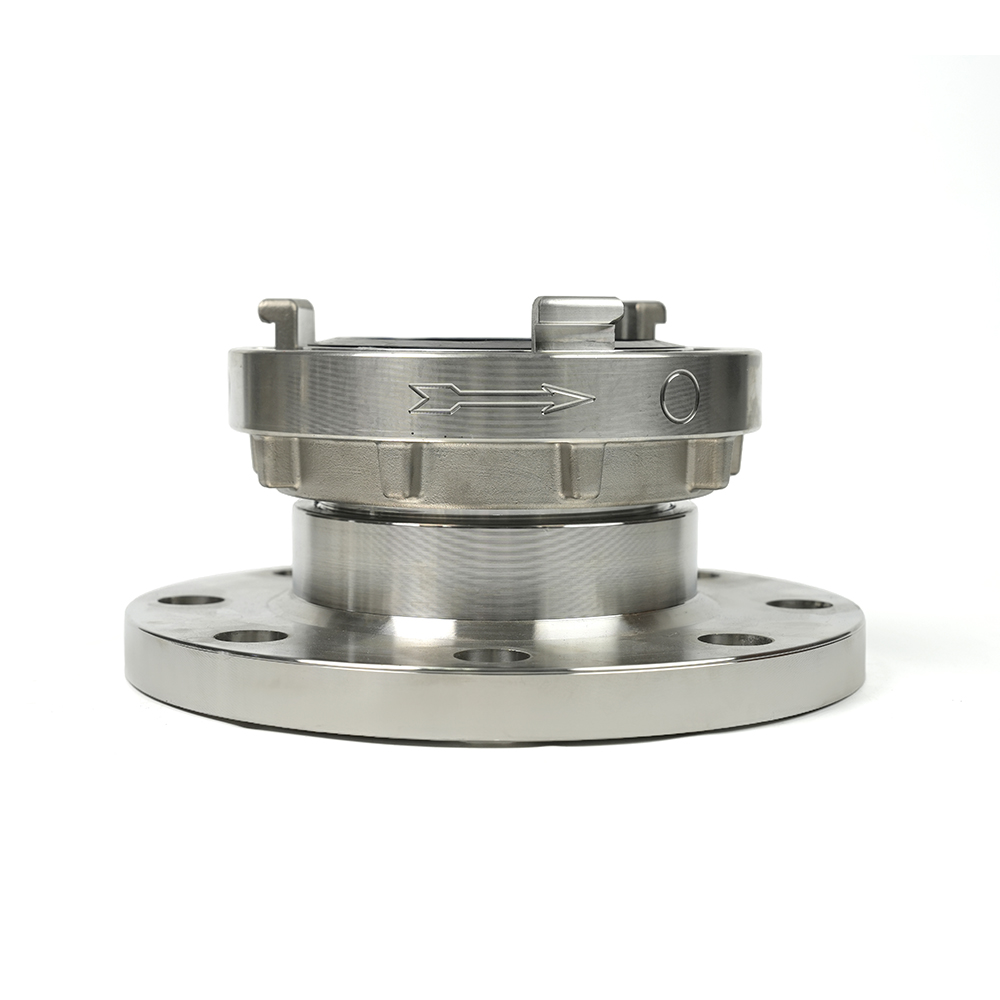 OEM Storz Adapter Couplings – Flanged Manufacturers, Custom Suppliers - Jiangsu Jinding Fire Protection is China OEM Storz Adapter Couplings – Flanged manufacturers and custom Storz Adapter Couplings – Flanged supplie...View Product →
A 1-1/2 fire hose adapter is used in many roles beyond a simple hydrant hookup. Municipal firefighters use it to connect attack lines to standpipes and pumps. Industrial plants use it to link fire hoses to flanged water supplies and chemical systems. Wildland crews depend on lightweight adapters for forestry couplings, while marine operations require corrosion-resistant materials that can withstand salt air. These different environments place different demands on the adapter.
The radar chart compares the performance requirements for municipal firefighting and industrial plant water systems. Municipal firefighting demands high pressure and compatibility with standard hydrants and hose, while portability is also important. Industrial installations value corrosion resistance and durability because the adapter may stay permanently connected to piping. The chart shows that no single adapter is ideal for every role. A municipal crew often prefers a lighter adapter with broad compatibility, while an industrial plant may choose a heavier stainless steel adapter that prioritizes corrosion resistance over portability. Understanding these trade-offs helps you select an adapter that matches the actual working environment.
For Machino-based systems, the Machino adapter coupling flanged is often selected when a pump or tank has a flanged outlet. This approach keeps the standard intact on the hose side and provides a stable mechanical joint on the piping side.
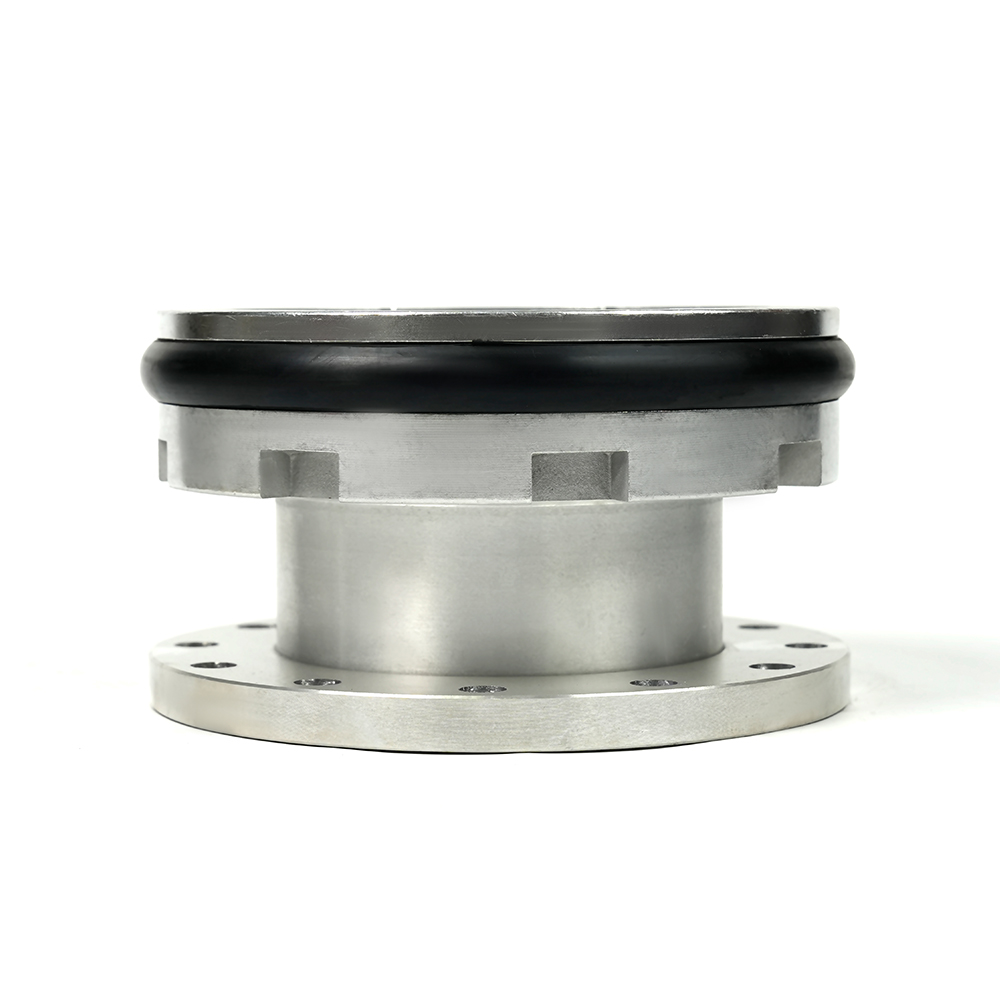 OEM Machino Adapter Couplings – Flanged Manufacturers, Custom Suppliers - JiangsJinding Fire Protection is China OEM Machino Adapter Couplings – Flanged manufacturers and custom Machino Adapter Couplings – Flanged sup...View Product →
A good adapter still needs careful installation and routine inspection. Always inspect the gasket before each connection and replace it if it is cracked or hardened. Clean the threads and lugs to remove sand, debris, and old grease. Tighten the adapter by hand, then use the correct spanner or hydrant wrench to make it snug. Do not over-tighten, because excessive force can deform the gasket and cause leaks. After use, rinse the adapter with clean water and lubricate the moving parts if the design includes swivel rings.
The line chart illustrates how leakage increases with the number of connection cycles. A well-maintained adapter with clean threads and a fresh gasket keeps leakage near zero even after thousands of cycles. A neglected adapter, one with debris, worn gaskets, or over-tightened connections, develops measurable leakage much sooner. The gap between the two lines grows rapidly after four thousand cycles. The practical message is that regular inspection and gasket replacement can extend the useful life of a 1-1/2 fire hose adapter. Replacing worn gaskets is cheaper than replacing the adapter body.
If you need specification data for a specific adapter, contact the manufacturer with the coupling standards, size, and pressure rating. A short discussion with the technical team can prevent ordering the wrong part and save downtime on the job.
Choosing the right 1-1/2 fire hose adapter comes down to knowing the coupling standard, the pressure rating, the material, and the environment. A small investment in the correct adapter gives you a connection that is secure, leak-free, and easy to handle in an emergency. Keep the adapters in a protected compartment with spare gaskets, and inspect them during routine equipment checks. When you need to cover multiple standards in one inventory, a complete adapter set is the most flexible solution. Browse the full lineup of fire hose adapter couplings to match each standard in your system. With the right adapter on hand, you can connect almost any water supply to any hose line with confidence.
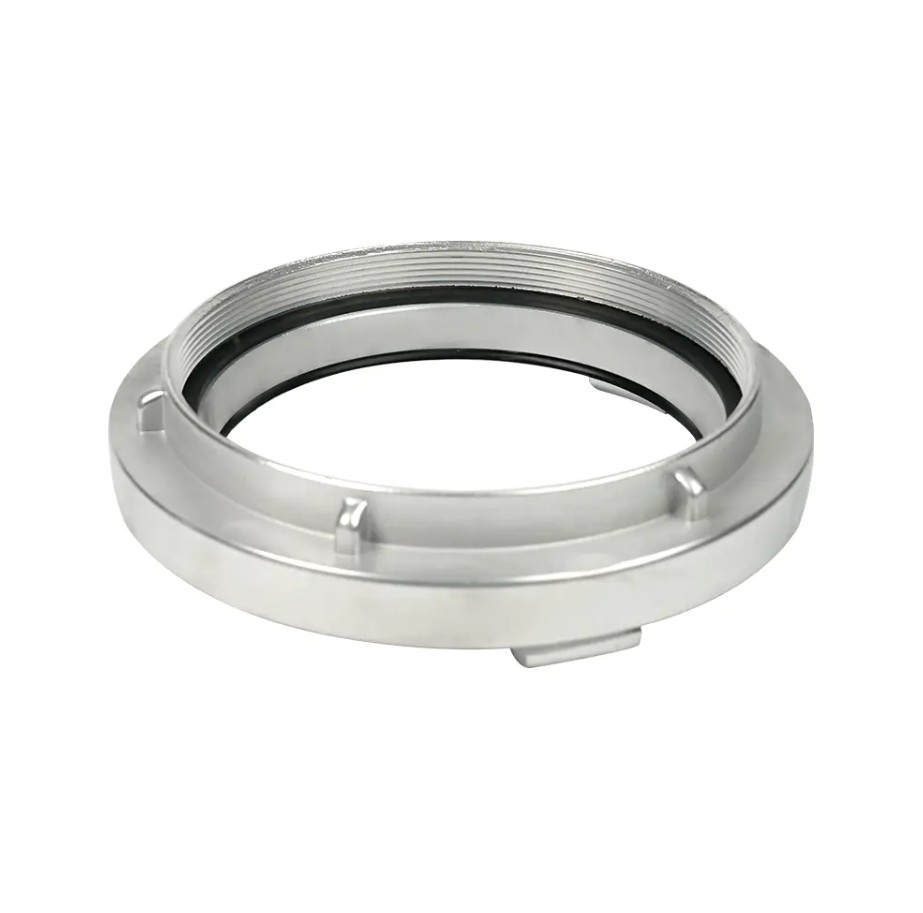 Custom Adapters Couplings Manufacturers, OEM FactoryAs China adapters couplings OEM manufacturers and adapters couplings factory, Jinding Fire Protection offers professional custom adapters...View Product →
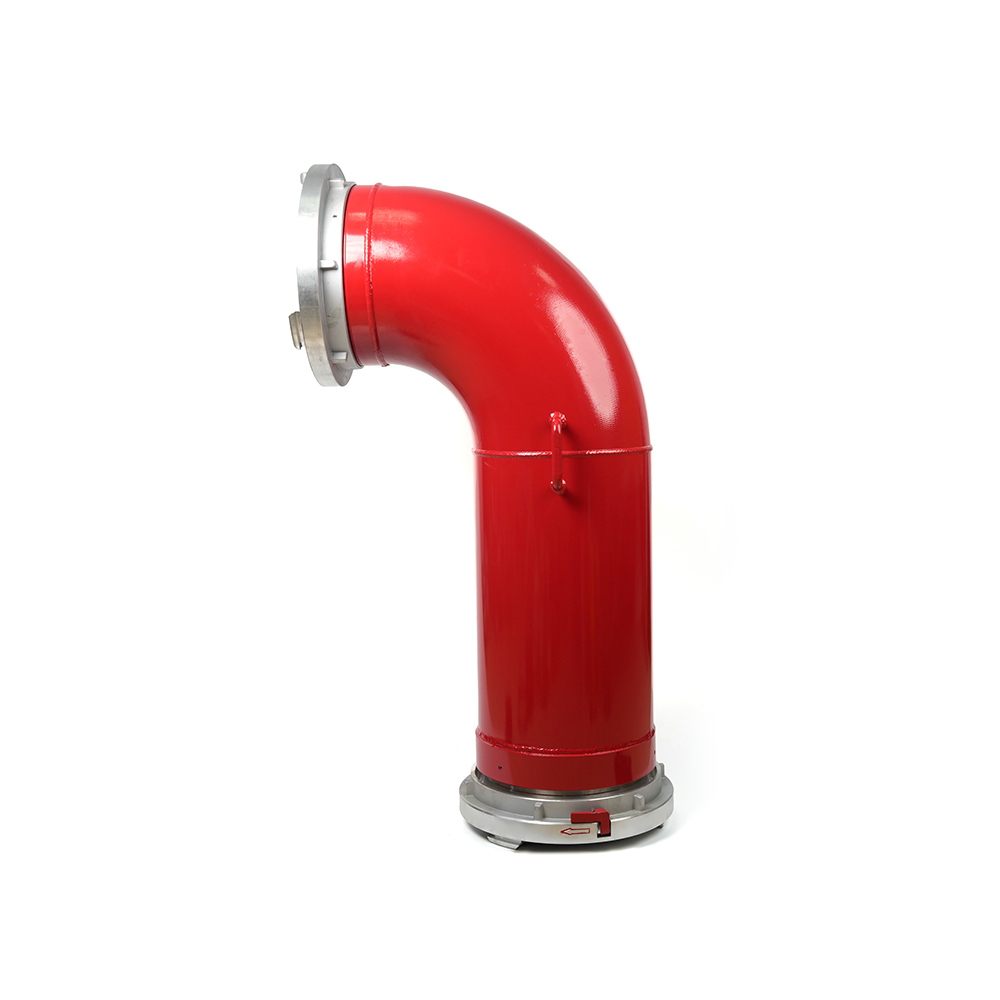 Grooved Fire Elbow-Storz
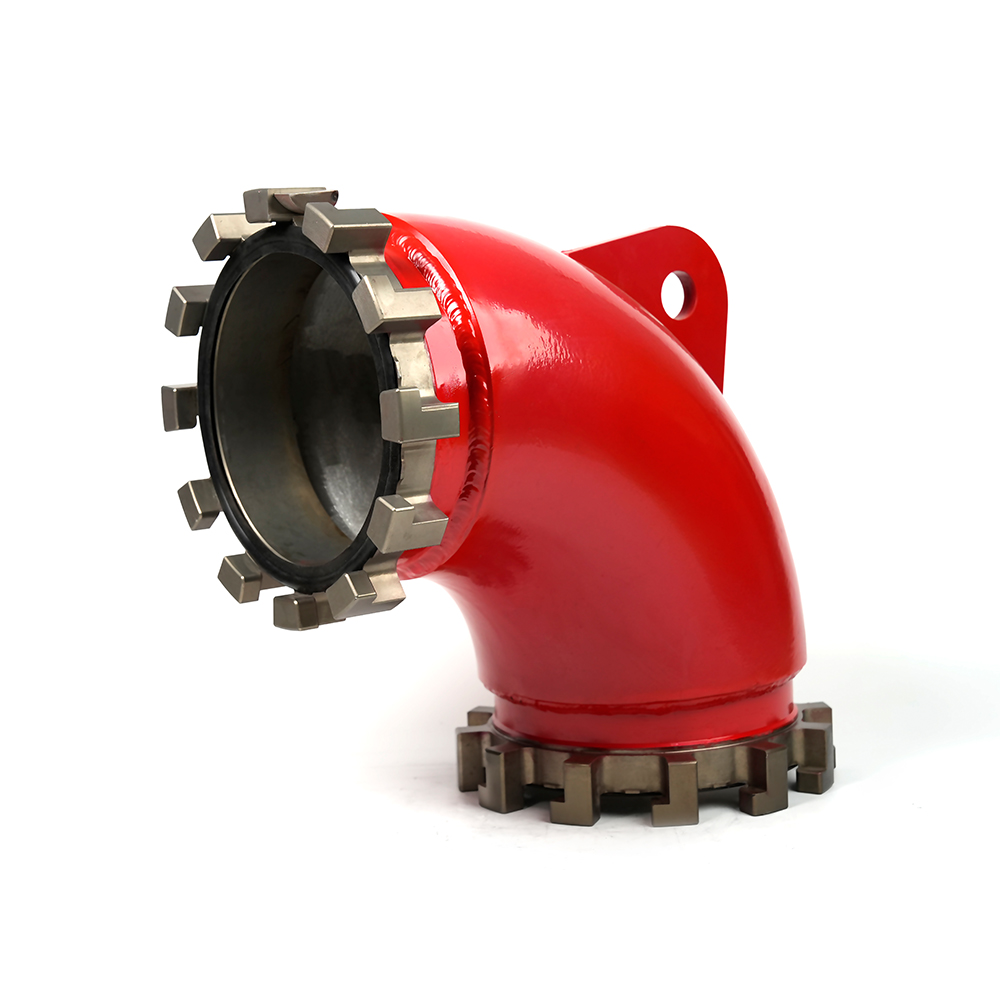 Grooved Fire Elbow-Multi-tooth
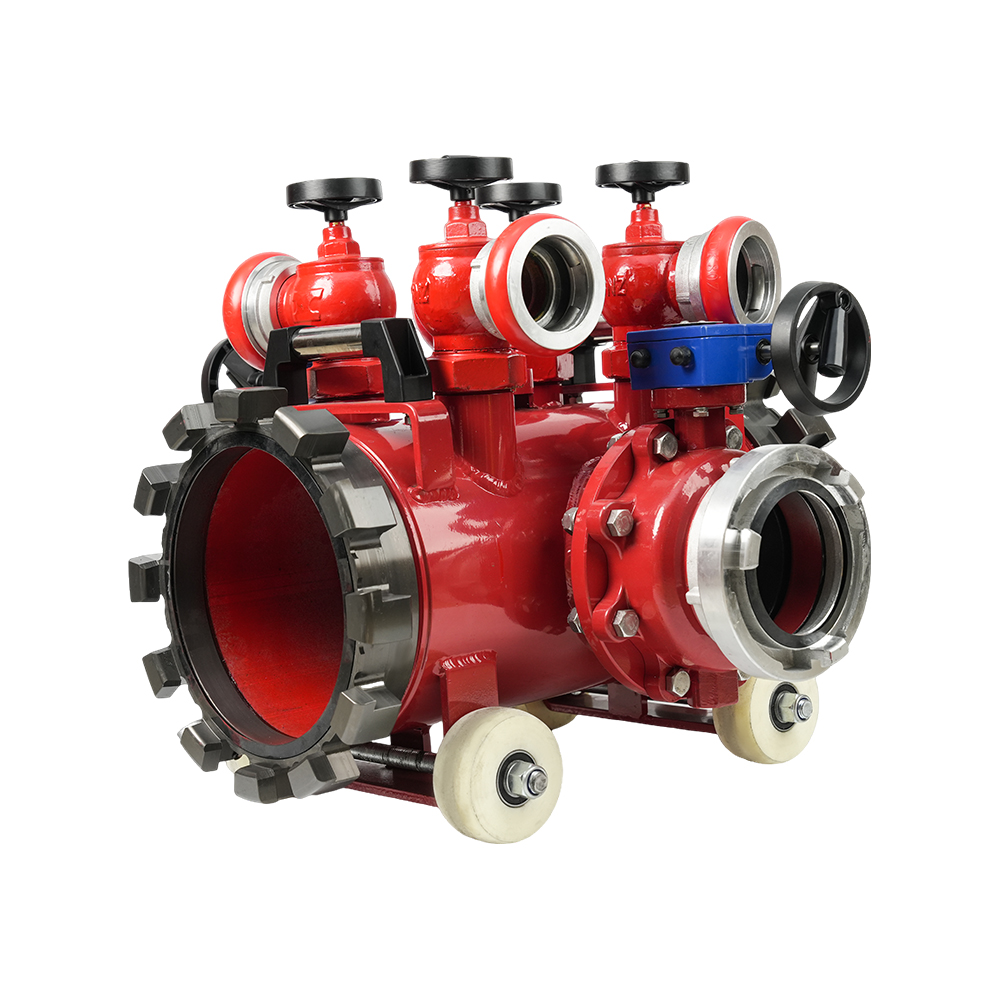 Multi-functional Fire Hose Distributor
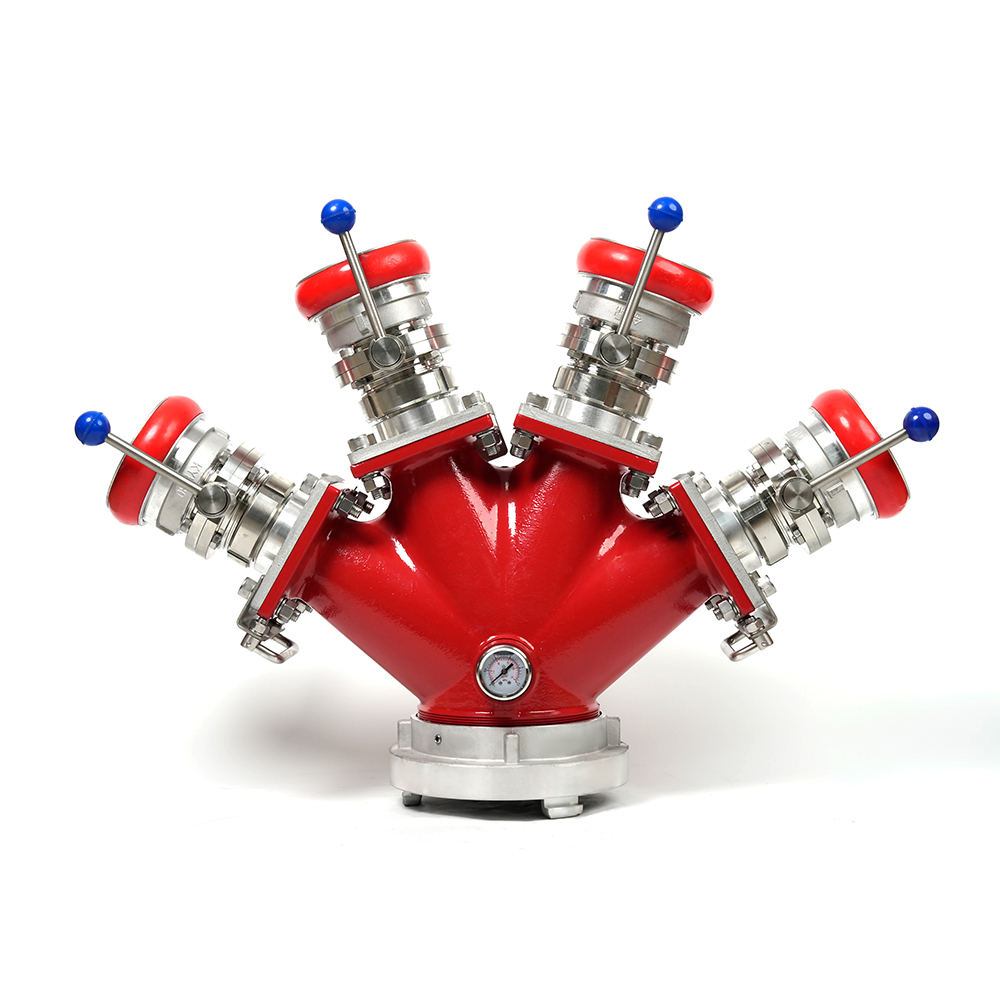 Locking Four-Way Fire Hose Distributor
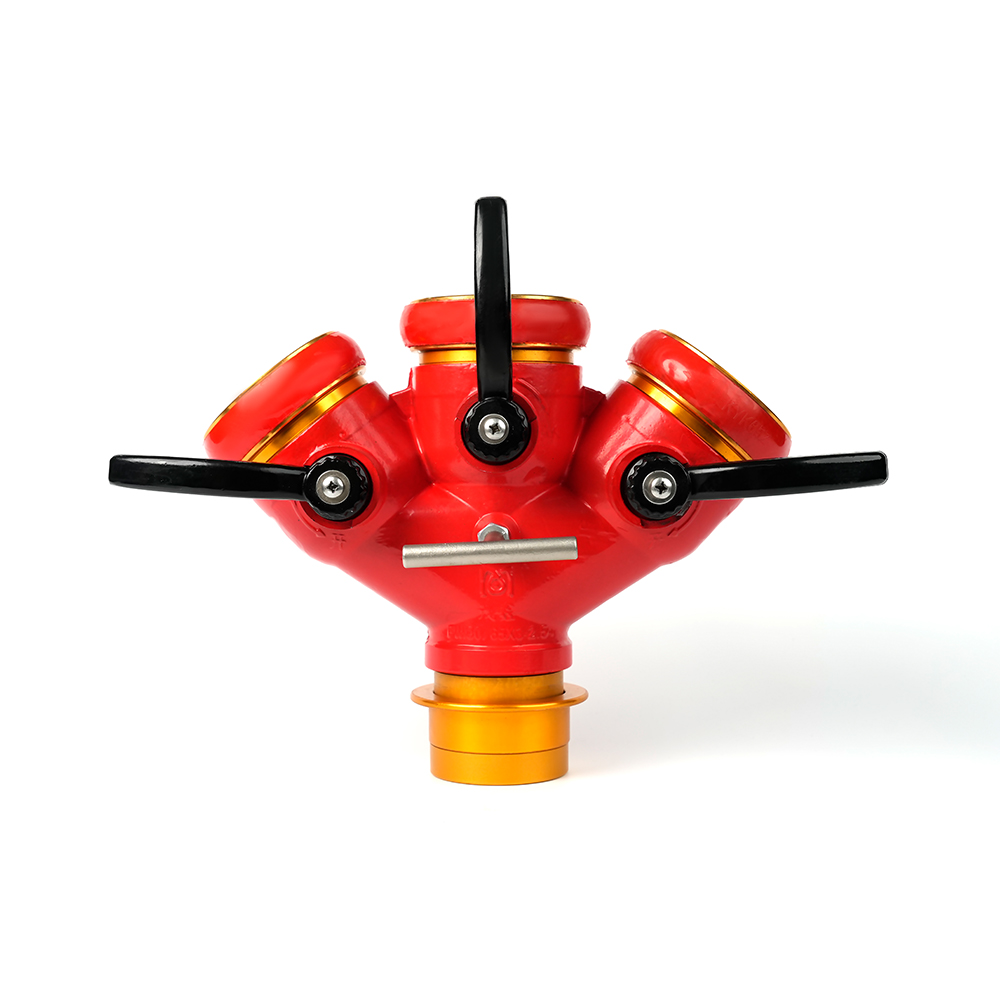 Locking Three-Way Fire Hose Distributor
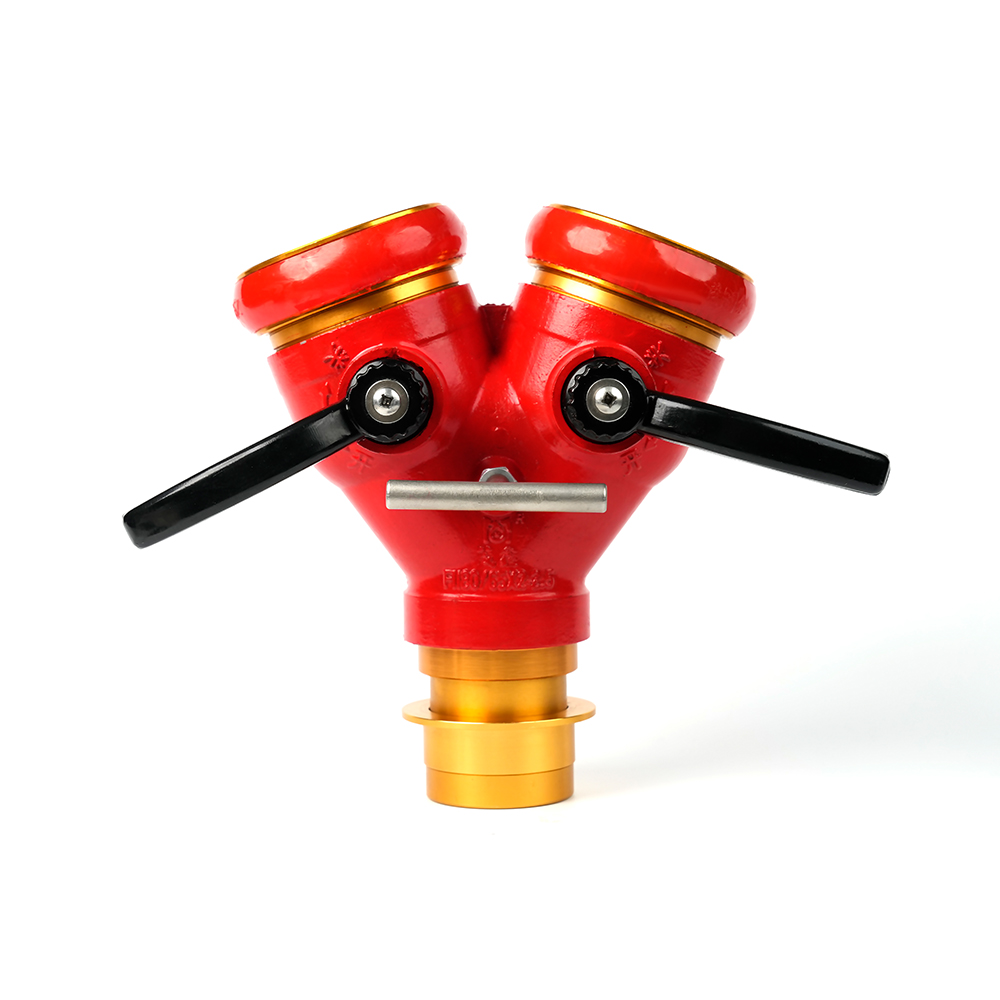 Locking Two-Way Fire Hose Distributor
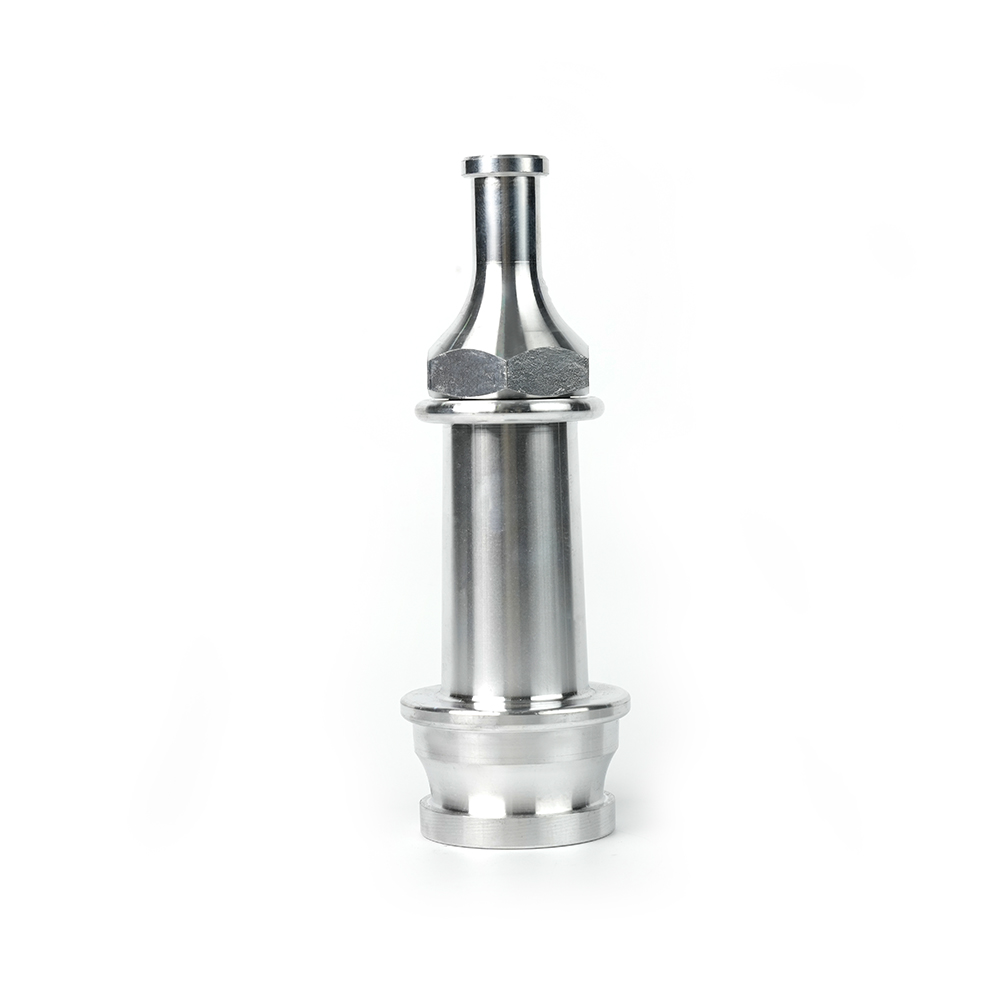 Straight Stream Nozzle
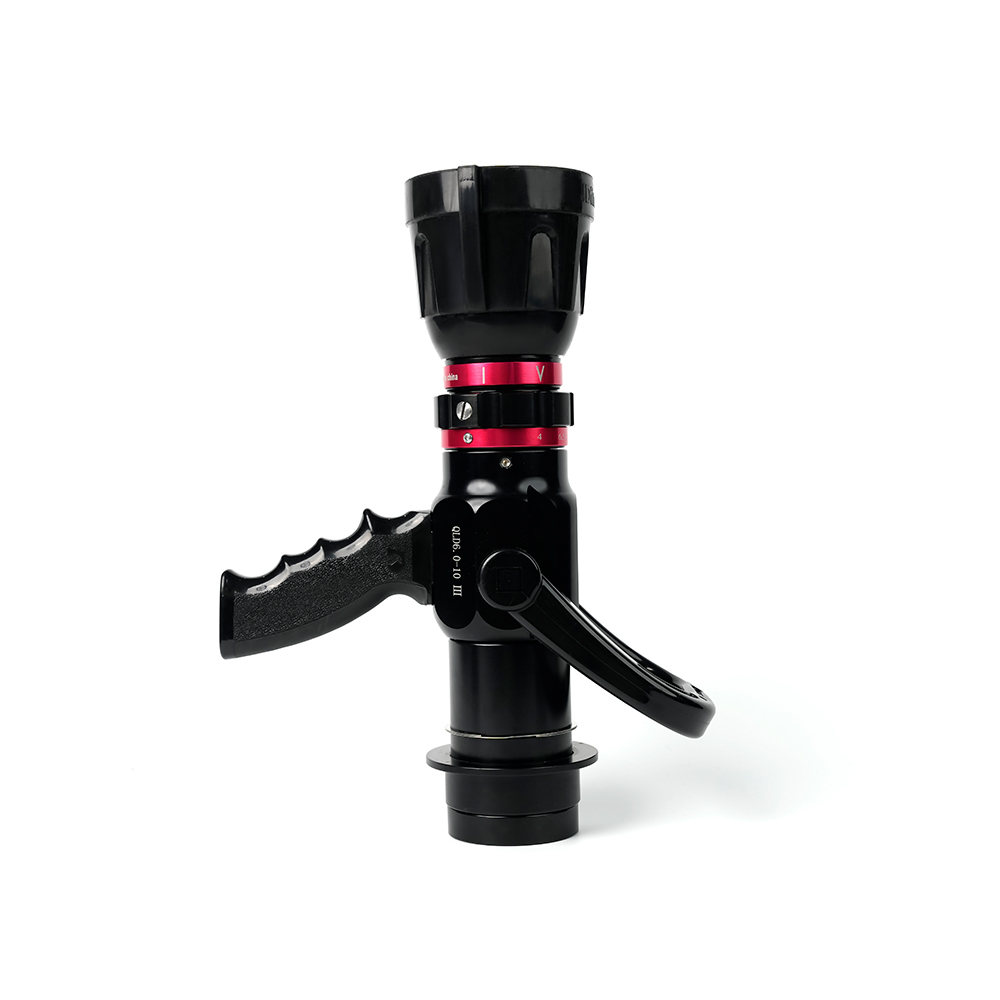 Adjustable nozzle-machino
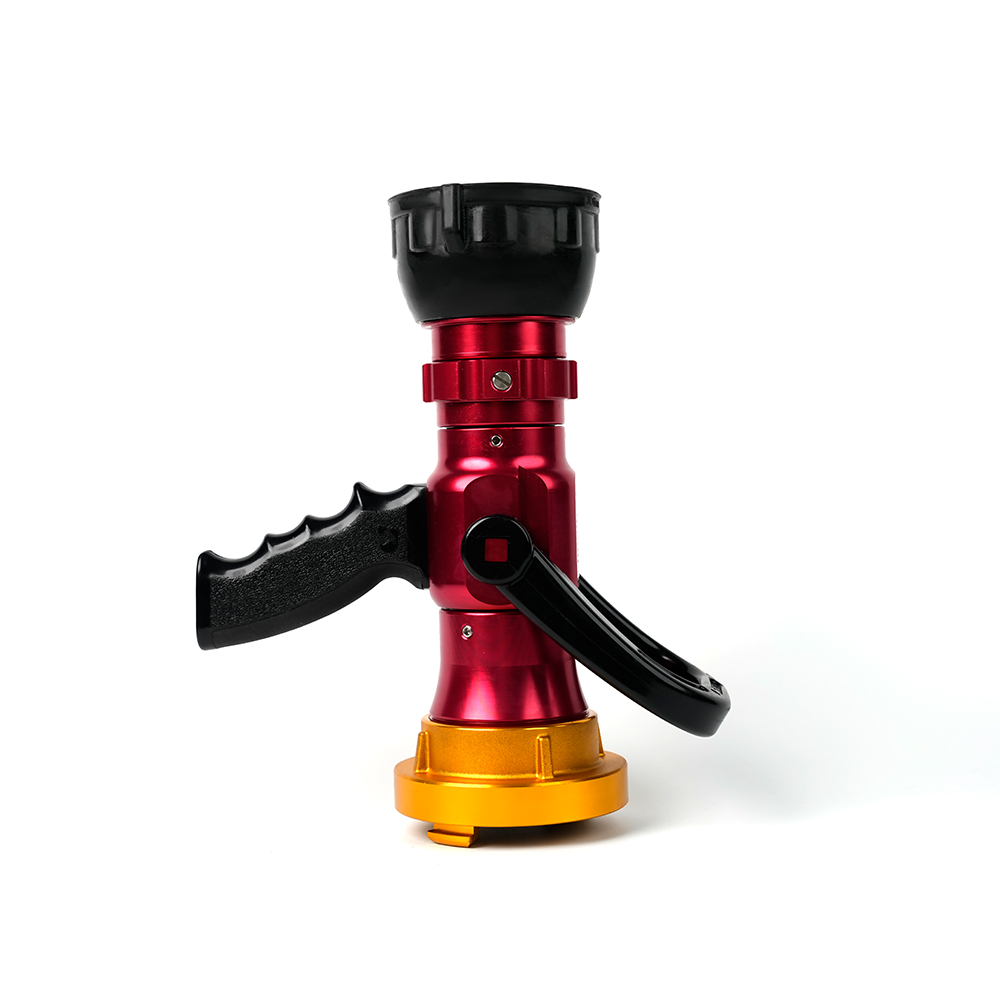 Adjustable nozzle-storz
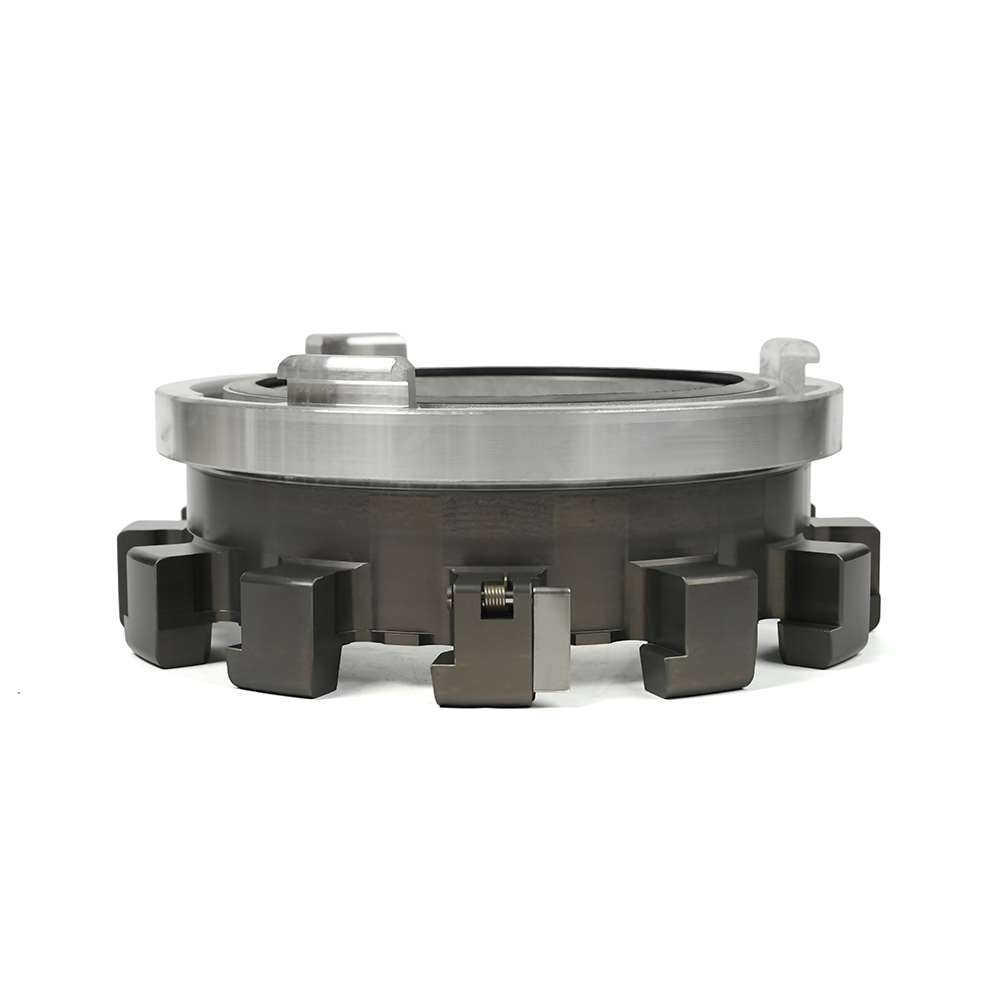 Storz Adapter Couplings - Multi-Tooth
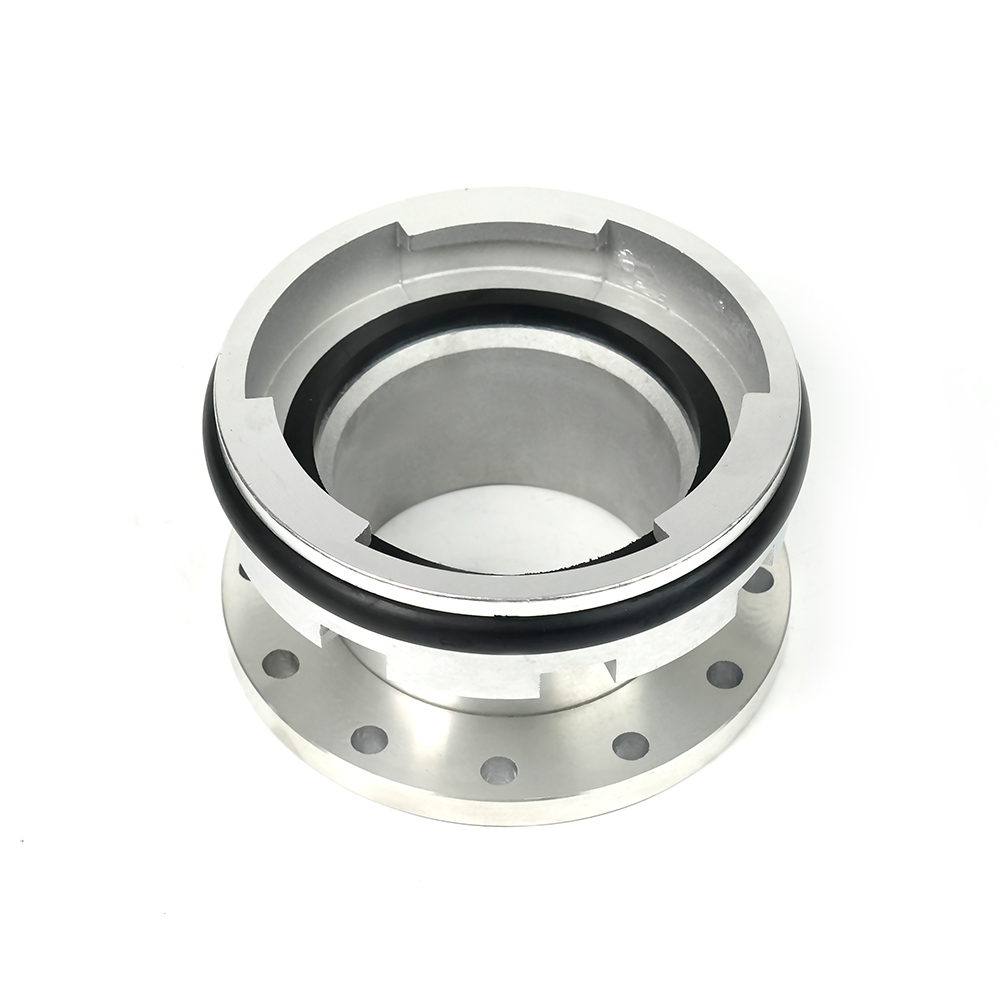 Machino Adapter Couplings – Flanged
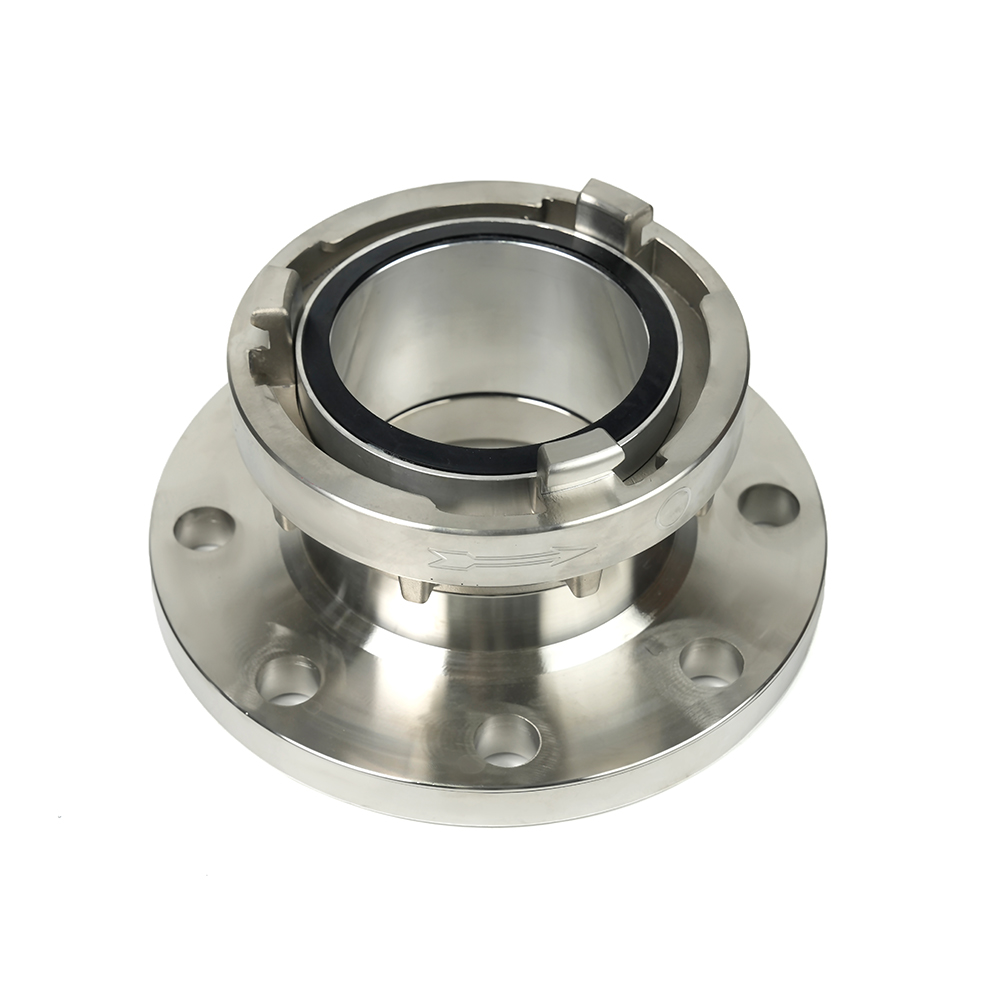 Storz Adapter Couplings – Flanged

 Contact Number
+86-0523-83274900
+86-151 9064 3365
 Let our team offer you customs solutions.
 Company Address
West side of Hongxing Middle Road, Lincheng Street, Development Zone, Xinghua City, Jiangsu Province, China
Copyright @Jiangsu Jinding Fire Protection Technology Co., Ltd. All rights reserved Fire Protection Equipments Manufacturers
