 英语
英语 西班牙语
西班牙语 德语
德语Industry News
Home / News / Industry News / 1 1/2 Fire Hose Valve Guide: Threads, Pressure Ratings and Selection Tips


+86-0523-83274900
+86-151 9064 3365
Content
Open a standpipe cabinet on an upper floor and you will usually find the same compact assembly: a brass or bronze body fixed to the riser, a handwheel or lever handle, and a capped outlet stamped with the size 1 1/2. That outlet is a 1 1/2 fire hose valve. It is one of the smallest pressure-containing parts in a fire protection system, yet it is also the part that gets ordered wrong most often. The thread gets confused with pipe thread, the cap disappears, or the mating coupling arrives in a different national standard.
The short answer first: a 1 1/2 fire hose valve is a small-diameter hose outlet, normally threaded 1 1/2-inch NH, commonly rated at 175 psi working pressure, and sized for manageable handlines of roughly 30 to 100 gpm. Selecting one comes down to five decisions: outlet thread, inlet connection, pressure rating, material, and the caps and couplings that complete the assembly. This article walks through each decision with the numbers and standards that matter in real procurement.
The 1 1/2 in the name refers to the nominal outlet size, not the pipe connected behind the valve. Most valves in this size are angle pattern: water enters through the inlet at the base and leaves through a 90-degree hose outlet, which suits a riser and directs the hose outward. Gate and ball patterns exist where a straight-through path or a special mounting position is required. Every unit should include a threaded outlet protected by a cap, usually secured with a chain so the cap cannot walk away.
These valves appear in Class II and Class III standpipe systems, hose cabinets, industrial wash-down points, and fire apparatus discharges. Class I standpipes keep 2 1/2-inch outlets for fire department use, while Class II exists so trained occupants or first-arriving crews can attack an incipient fire with a lighter line. The design flows behind those classes explain why the outlet sizes differ so sharply.
The chart above shows the minimum flow expected at the most remote hose connection for each standpipe class. Class I systems serve firefighters through 2 1/2-inch outlets and are designed around 500 gpm, which is why their hardware looks and feels heavier. Class II systems are built around a 100 gpm handline, and that is exactly the job a 1 1/2 fire hose valve was made for. Class III combines both outlet sizes in one cabinet, so its demand matches the Class I figure. Once you know your building's standpipe class from the riser label or the design documents, you can tell immediately whether a 1 1/2-inch outlet is the right starting point for your project.
The valve body rarely causes trouble; the outlet thread does. North American practice uses NH thread, also called NST, and in the 1 1/2-inch size it is commonly specified as 1 1/2-7.5 NH, a coarse thread with 7.5 threads per inch. Some municipal hydrants use NPSH, a straight pipe thread that seals on a gasket. Europe and much of Asia work with Storz quarter-turn couplings, Japan uses Machino, and much of the Commonwealth uses John Morris instantaneous couplings. The table below summarizes what you will meet on a 1 1/2-inch connection.
| Standard | Typical regions | Connection style | Buying note |
|---|---|---|---|
| NH (NST) | North America and markets following US practice | Coarse hose thread, 7.5 threads per inch in the 1 1/2-inch size | Default choice for US standpipe valves; confirm gender and thread count |
| NPSH | Some US municipal hydrants and older systems | Straight pipe thread sealing on a gasket | Looks similar to NH but is not interchangeable with it |
| Storz | Europe and retrofit projects worldwide | Genderless quarter-turn claw connection | Often the fastest upgrade path for existing threaded valves |
| Machino | Japan and Japanese-built facilities | Threaded coupling with a distinct serrated shank | Includes the 40 mm class that matches 1 1/2-inch hose |
| John Morris | United Kingdom, Commonwealth, Middle East | Push-in instantaneous locking connection | Widely used at 1 1/2-inch and larger hose sizes |
One practical matching component for this outlet is the NH fire hose coupling shown below, which screws onto a 1 1/2-inch NH valve thread with the same 7.5 threads per inch.
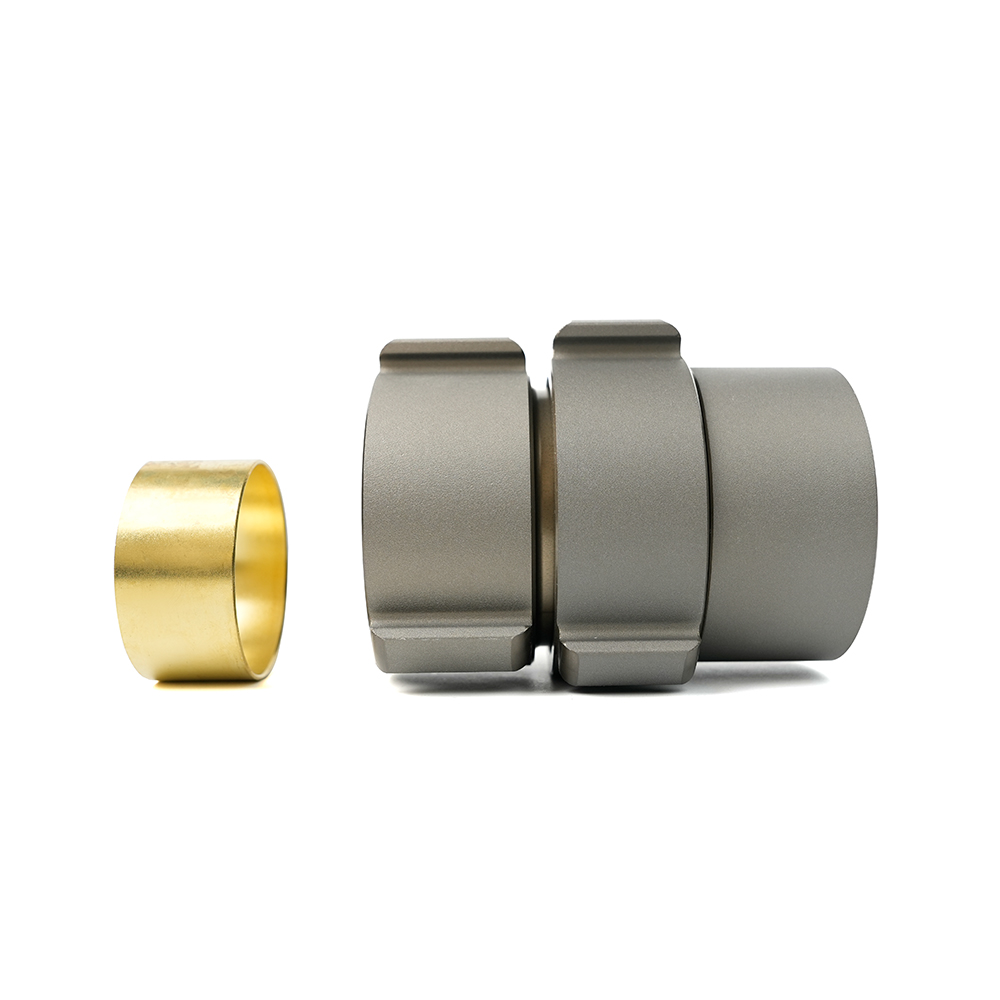 NH Fire Hose Coupling for 1.5-Inch NH ThreadsThis NH coupling mates with a 1 1/2-inch NH valve thread at 7.5 threads per inch, offering a proper alternative to forcing a hose coupling onto an NPT outlet, where tapered threads can bind and leak under pressure.View Product →
NPT pipe thread is tapered and designed for metal-to-metal joints in rigid pipework. A hose coupling spun onto an NPT outlet will engage for a couple of turns, then bind, and under pressure it can weep or blow off. Before ordering, count the threads per inch and measure the outside diameter of the male thread, then compare both figures against a standard thread chart. If the numbers do not match your couplings, adapt the connection rather than forcing the assembly. For a broader walkthrough of joining hardware, this guide on how a fire hose joint should be connected covers the connection sequence in detail.
A 1 1/2-inch handline is a compromise between reach and control. One person can advance it easily, but the waterway limits how much water moves through it. The bar chart below puts the common hose sizes side by side using approximate fireground flows.
The bars above compare the practical flow a single line of each size can carry. A 1 1/2-inch handline typically delivers about 30 to 100 gpm, which handles incipient fires, rubbish, and small interior incidents. A 2 1/2-inch line moves roughly two and a half times as much water but usually needs two or three people to control safely. A 3-inch line is a supply hose rather than an attack line, and it exists to feed other appliances. Matching outlet size to realistic flow keeps the person holding the nozzle in command of the line.
Pressure does not survive a long, small hose. The line chart below shows typical friction loss per 100 feet of 1 1/2-inch hose as flow rises.
The curve above steepens sharply past 70 gpm, which is the quiet reason 1 1/2-inch valves are kept on shorter runs. At around 100 gpm, close to 50 psi can be lost before water even reaches the nozzle, and that is before elevation losses in a stairwell. Every 10 feet of height costs roughly another 4.3 psi. Lengthen the lay or push more flow and the pressure left at the nozzle drops quickly. Designers therefore reserve 1 1/2-inch connections for light handline duty and give high-flow work to 2 1/2-inch outlets.
On the valve itself, check the stamped rating. Working pressures of 175 psi are common for standpipe hose valves, and hydrostatic test pressures run higher, so a valve that passed the system test may still be undersized for a pump discharge duty. Materials matter as well: cast brass and bronze resist corrosion in stairwells and wet risers, while stainless steel earns its cost in chemical plants and coastal installations.
Buyers often ask whether the smaller outlet is simply a cheaper version of the larger one. It is not. The two sizes are built around different users, different flows, and different fires, and the radar chart below makes those trade-offs visible.
The radar chart above compares the two common outlet sizes across six practical dimensions. The 1 1/2-inch valve leads on handling, setup speed, cabinet space, and line weight, which is why owners prefer it for occupant-use stations. The 2 1/2-inch valve wins clearly on flow capacity and throw reach, which is why it remains the standard firefighter outlet in Class I systems. Neither profile is better overall; they simply serve different users. If your scenario involves trained occupants and incipient fires, the 1 1/2-inch outlet is the rational choice, while interior attack crews still need the larger valve despite its weight.
Where crews value speed, many buyers now pair threaded valves with small Storz couplings, since a genderless quarter-turn connection removes the threading step entirely. The small-size Storz fire hose coupling below is a typical example of this retrofit approach.
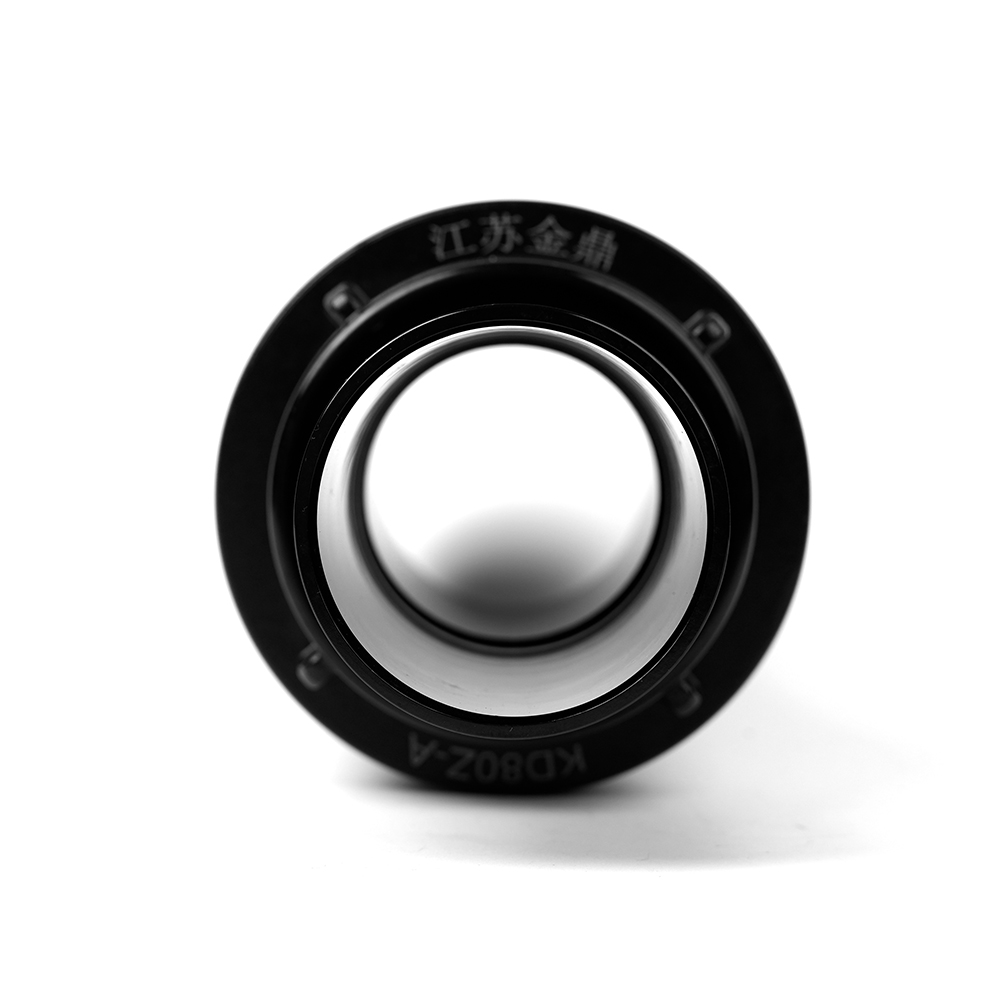 Small Storz Fire Hose Coupling for Quick-Connect RetrofitsA genderless quarter-turn Storz coupling lets crews connect hoses without threading, making it a practical retrofit option for threaded valves where connection speed matters, with serrated or ribbed tail ends for hose attachment.View Product →
An uncapped outlet is a damaged outlet. Dirt packs into the threads, the serrations get used as a step, and the gasket seat gets scarred, which turns a simple connection into a leak. Annual inspection should confirm that each cap is present, the valve opens and closes fully, and the thread engages smoothly. Replace missing caps immediately rather than at the next budget cycle. A fitting such as the small Storz blank cap below shows how a simple accessory preserves the value of the valve behind it.
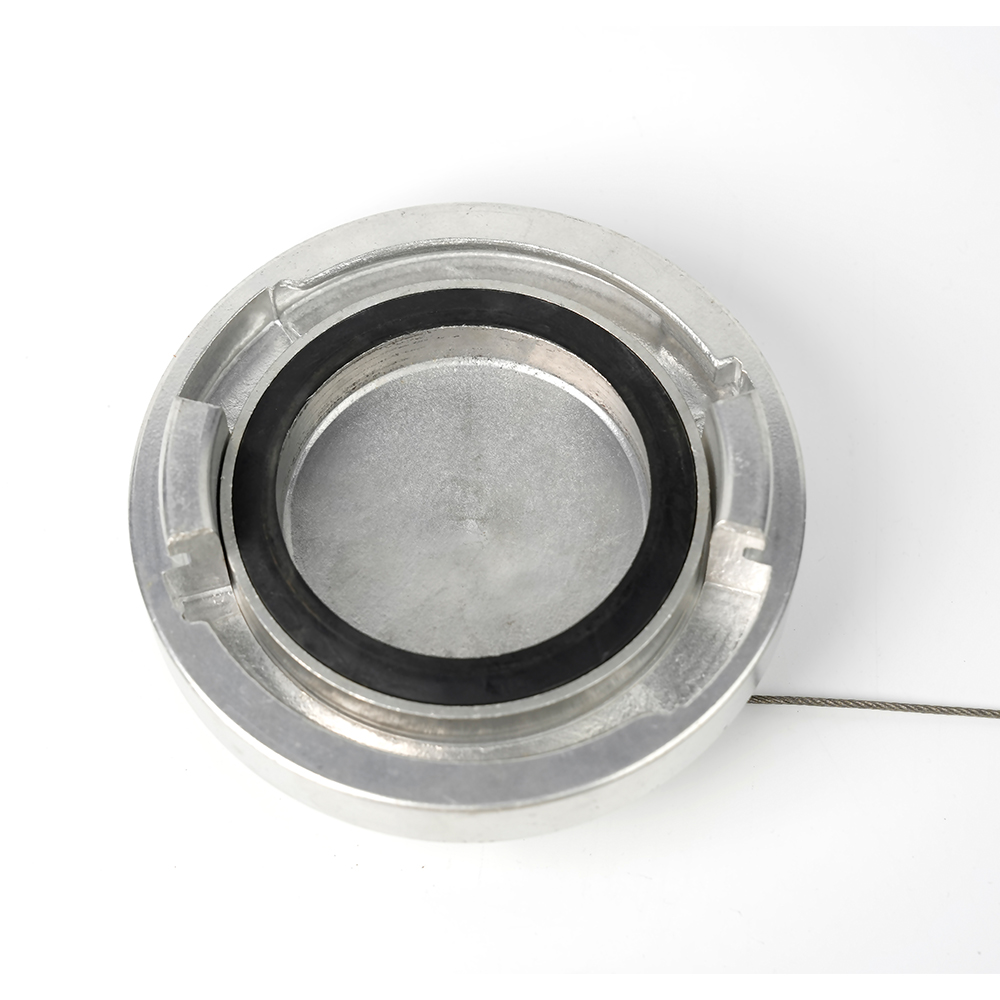 Small Storz Blank Cap to Protect Unused OutletsThis Storz blank cap seals claw-type coupling interfaces on fire water source equipment, keeping dirt out of threads and protecting the gasket seat when the hose is disconnected, with small sizes from 20 to 65.View Product →
The valve is only half of a working connection, and this is where a specialized coupling manufacturer earns its place in your supply chain. Jiangsu Jinding Fire Protection Technology has produced fire hose couplings, caps, adapters, nozzles, and distributors since 1998 across NH, Storz, Machino, John Morris, Italian, and other standards, supported by ISO 9001:2015 certification and national-level product test reports for its export business. For a 1 1/2-inch project the useful pairing is straightforward: NH couplings and caps for North American threads, small Storz components for quick-connect retrofits, and adapters where an existing building mixes standards. If you need a quote, drawings, or samples for matching hardware, send your thread specifications through the contact page and confirm compatibility before you commit to a full order.
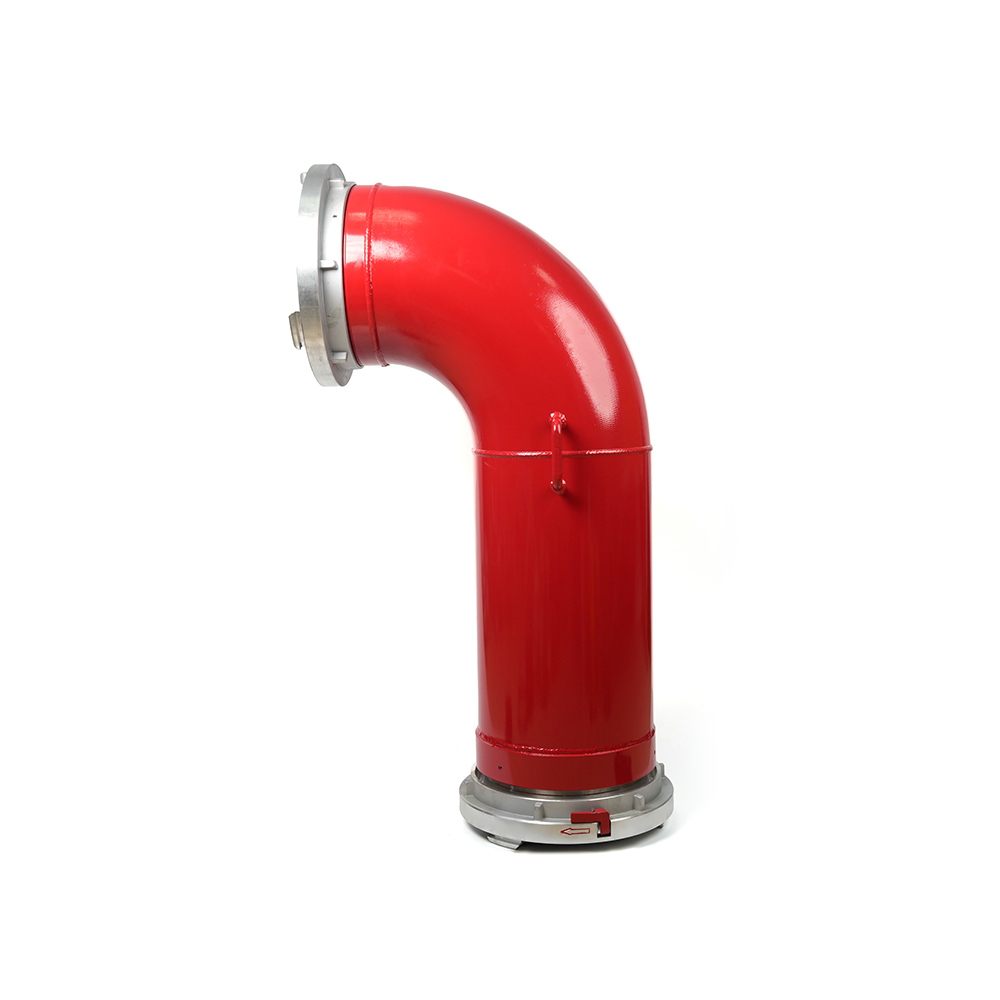 Grooved Fire Elbow-Storz
 Grooved Fire Elbow-Multi-tooth
 Multi-functional Fire Hose Distributor
 Locking Four-Way Fire Hose Distributor
 Locking Three-Way Fire Hose Distributor
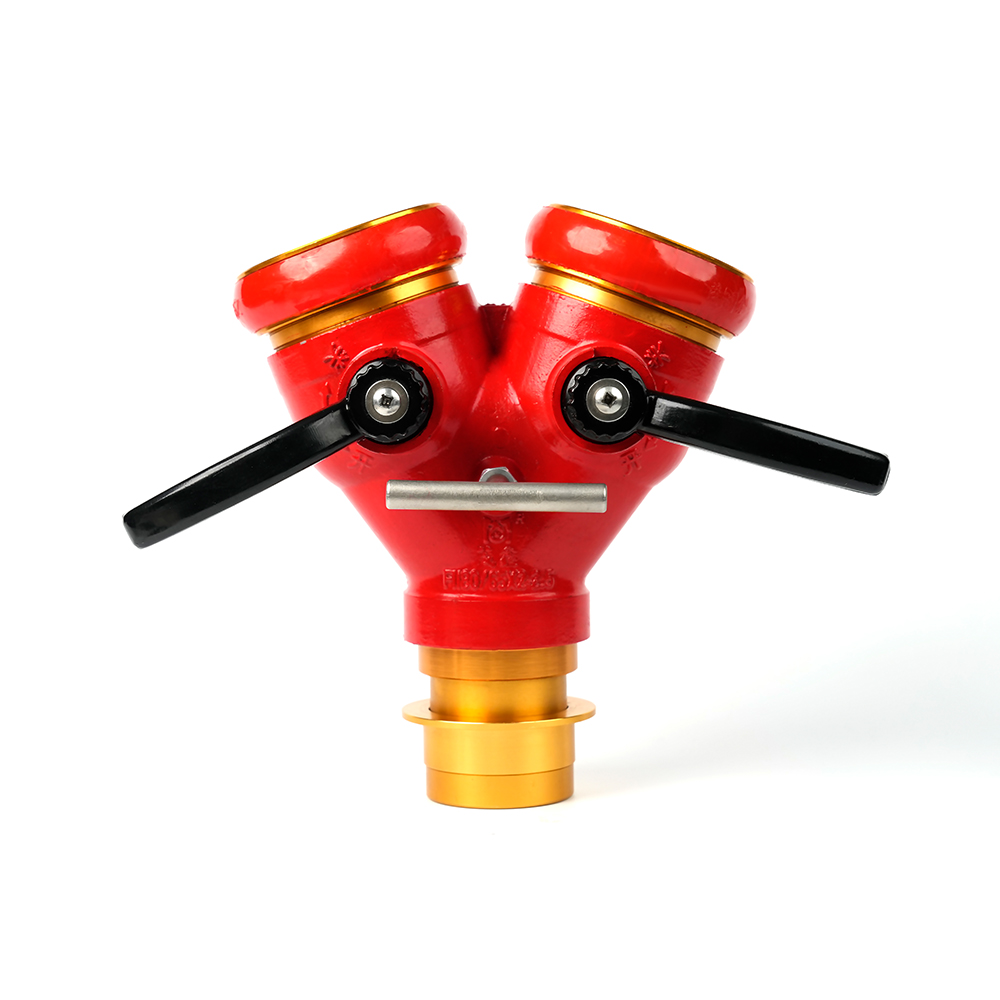 Locking Two-Way Fire Hose Distributor
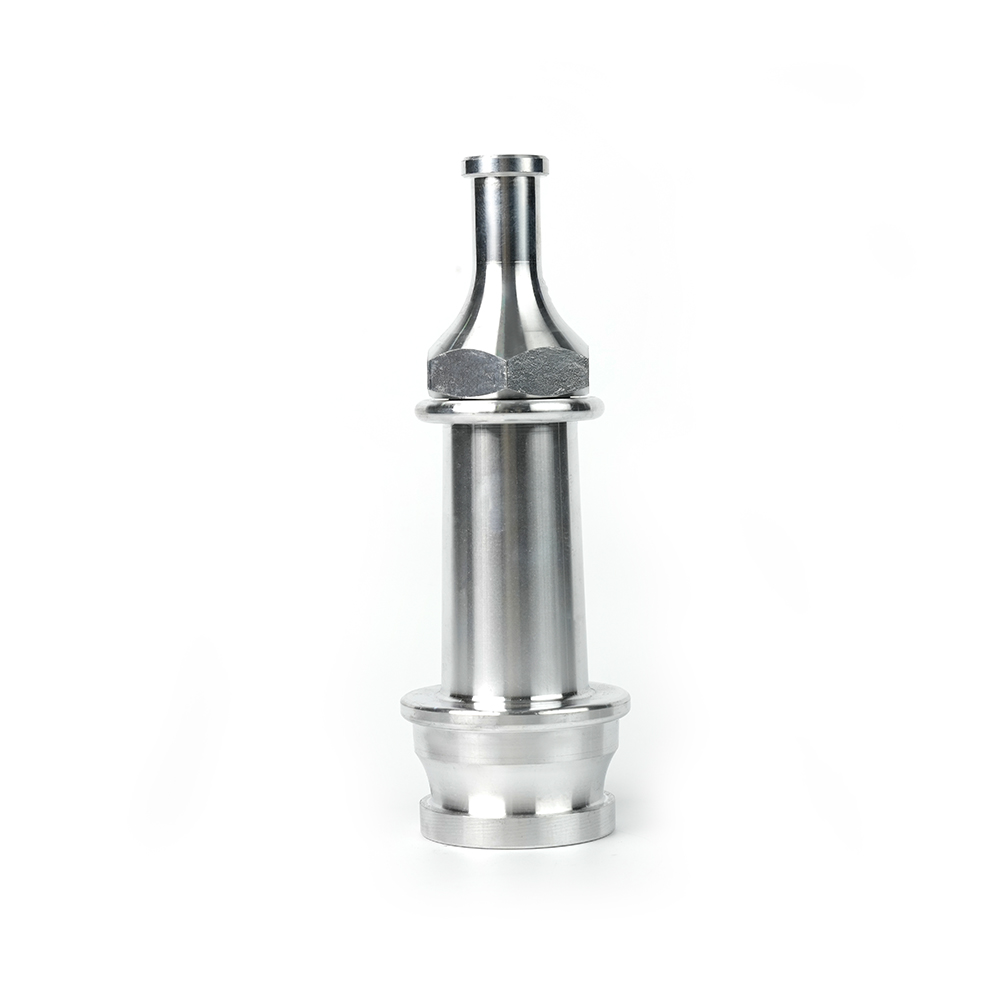 Straight Stream Nozzle
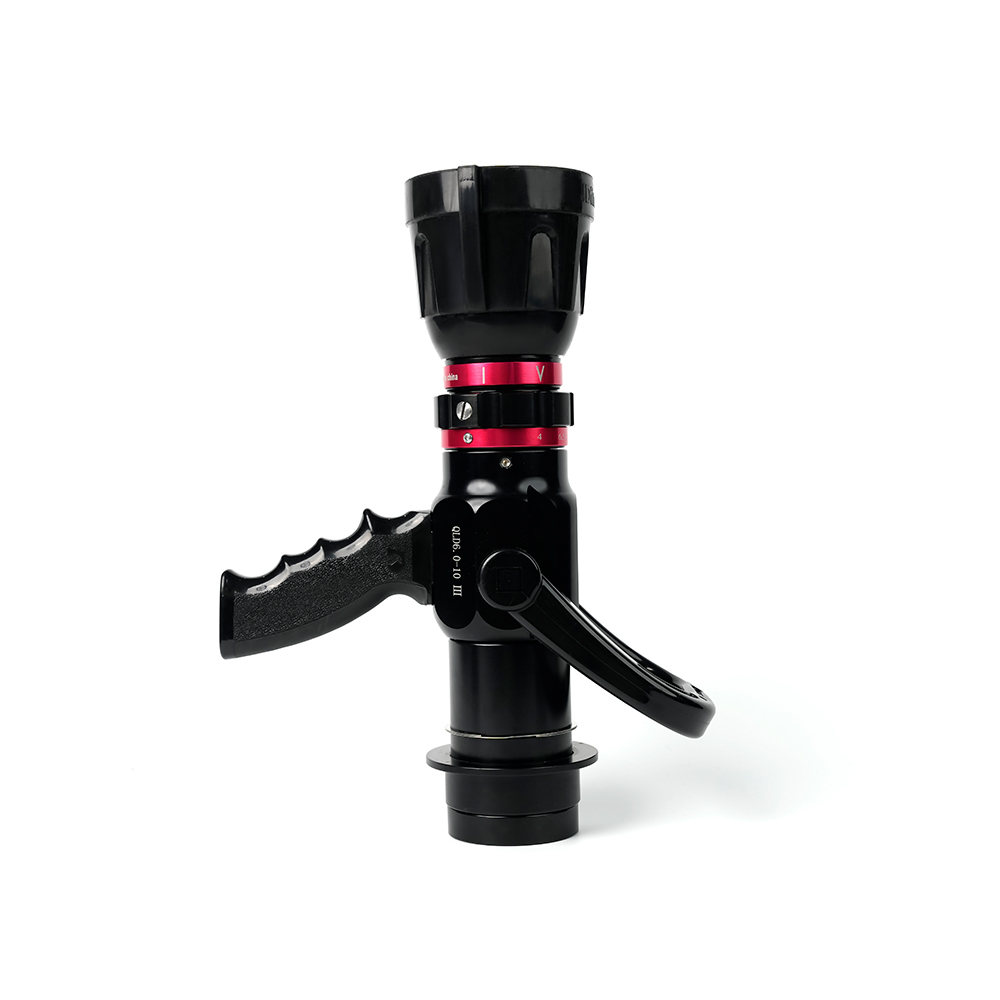 Adjustable nozzle-machino
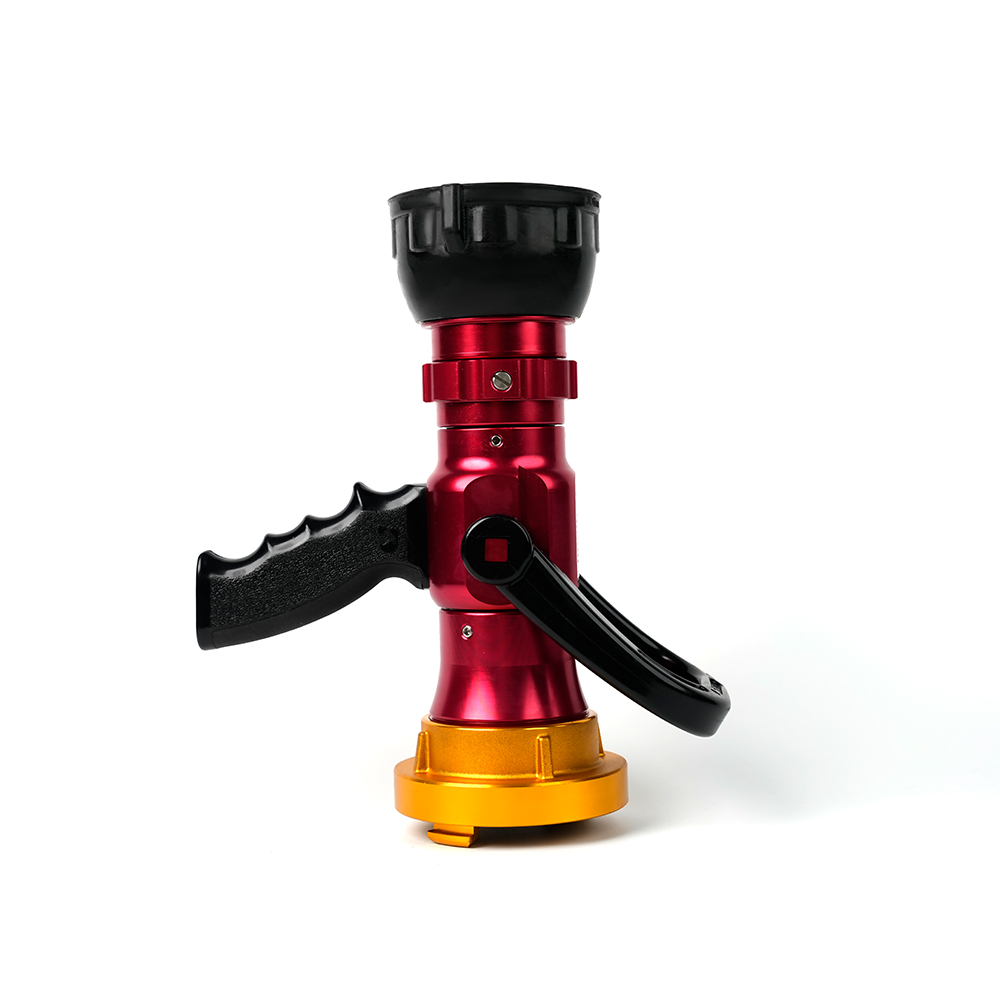 Adjustable nozzle-storz
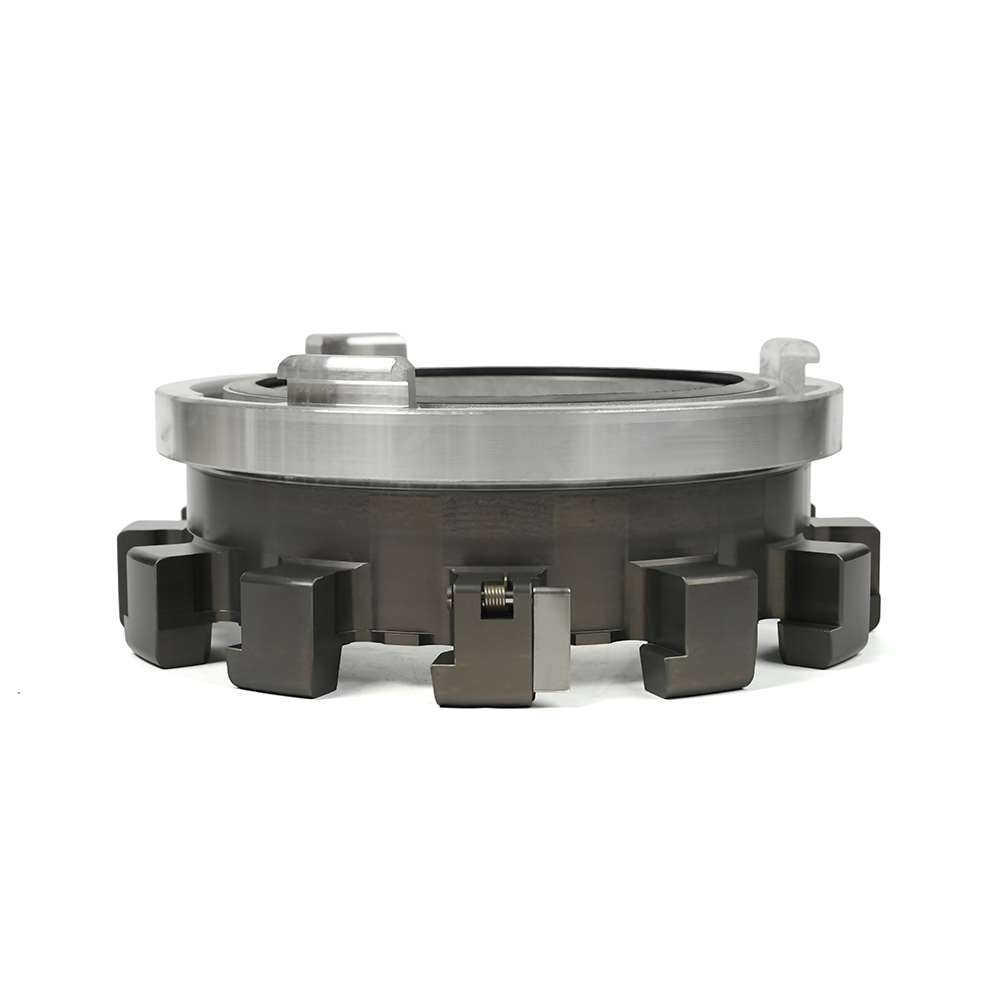 Storz Adapter Couplings - Multi-Tooth
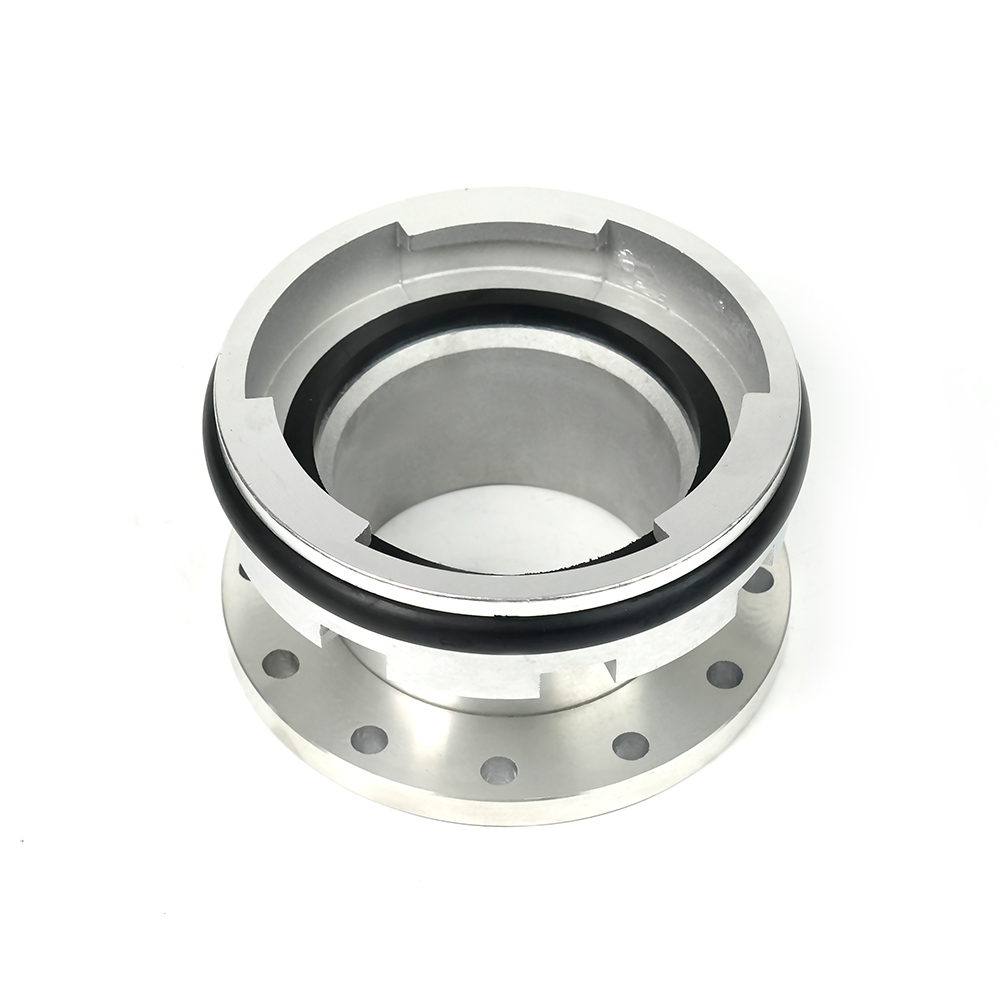 Machino Adapter Couplings – Flanged
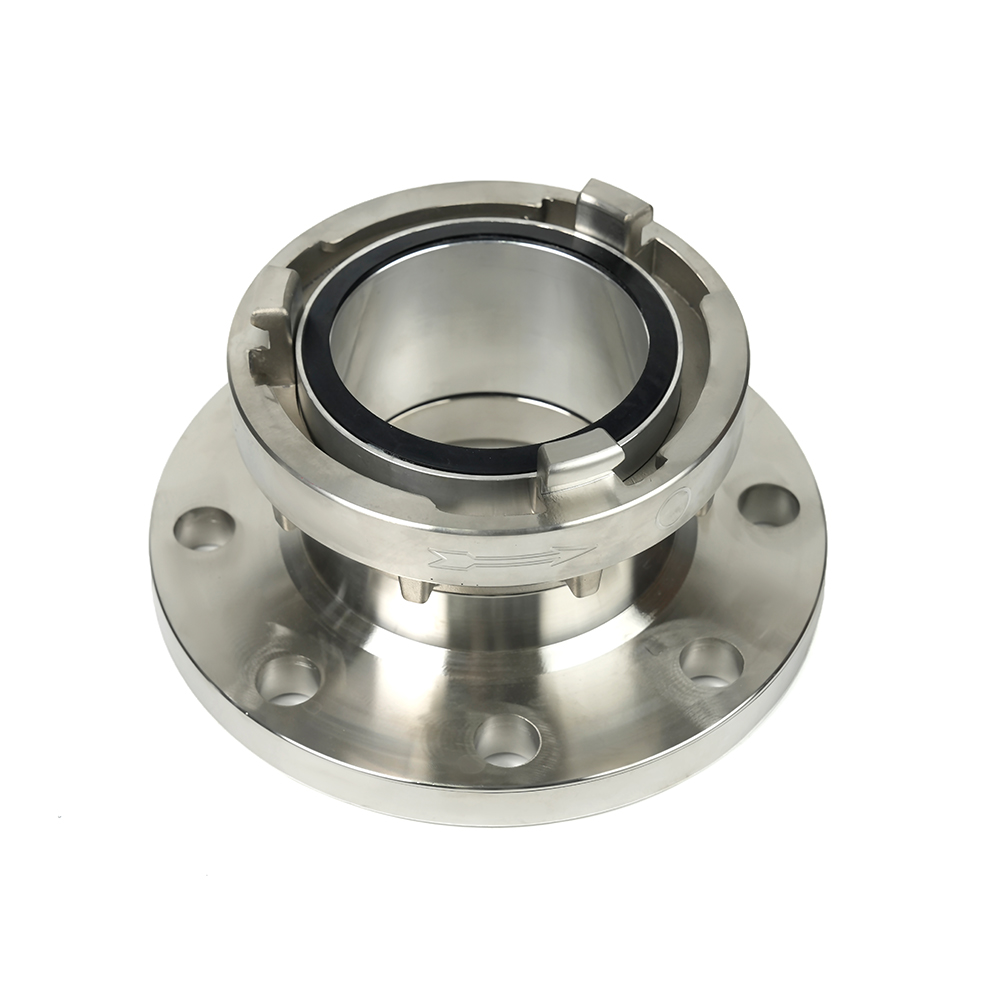 Storz Adapter Couplings – Flanged

 Contact Number
+86-0523-83274900
+86-151 9064 3365
 Let our team offer you customs solutions.
 Company Address
West side of Hongxing Middle Road, Lincheng Street, Development Zone, Xinghua City, Jiangsu Province, China
Copyright @Jiangsu Jinding Fire Protection Technology Co., Ltd. All rights reserved Fire Protection Equipments Manufacturers
