 英语
英语 西班牙语
西班牙语 德语
德语Industry News


GET IN TOUCH
+86-0523-83274900
+86-151 9064 3365
Content
A fire hose coupling is a mechanical fitting used to connect sections of fire hose to each other, to a water supply source, or to firefighting equipment such as nozzles, hydrants, and pumps. It forms a leak-proof, pressure-resistant joint that allows water to flow at high velocity without disconnecting under operational stress. Couplings are among the most critical components in any firefighting system — a failed coupling can interrupt water supply at the worst possible moment.
Fire hose couplings serve three fundamental purposes in firefighting operations:
To perform reliably, couplings must withstand working pressures typically ranging from 10 bar (145 psi) to 20 bar (290 psi), and burst-test pressures of up to 40 bar in certification testing.
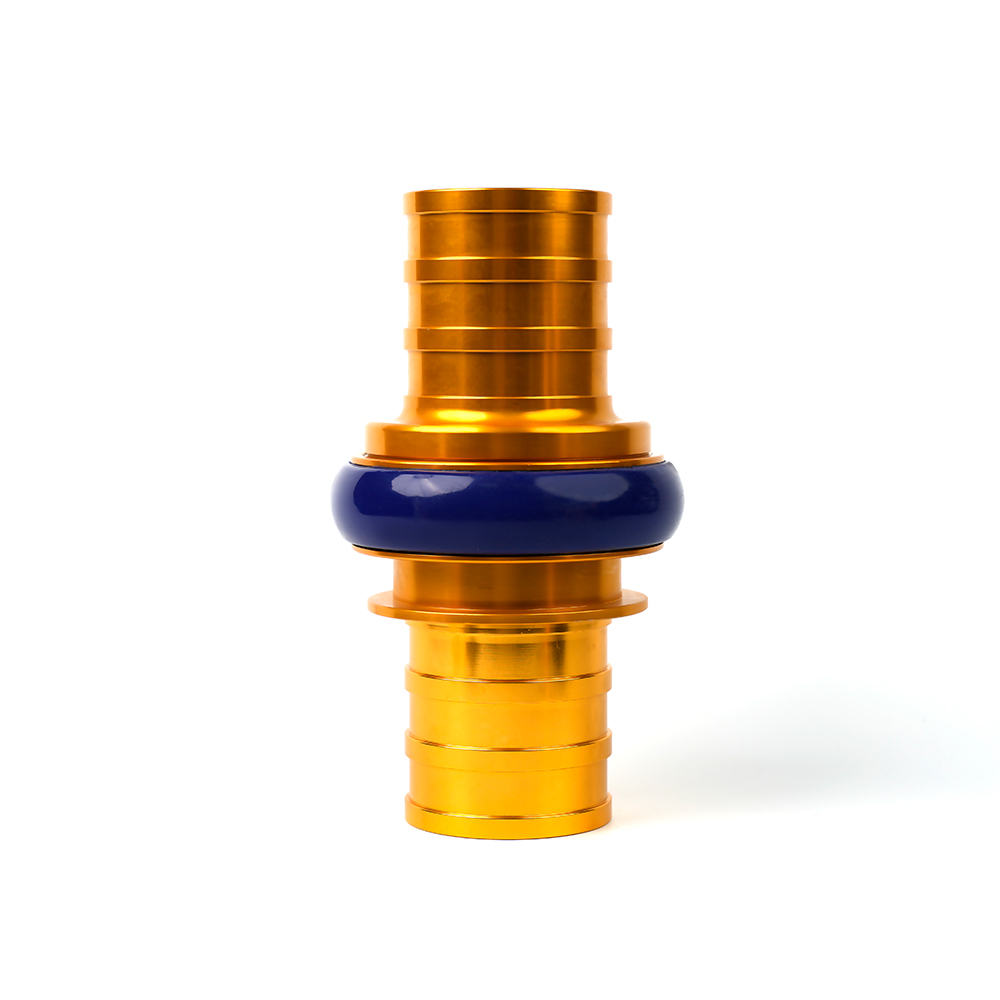
Fire hose couplings are classified by their locking mechanism. Each type is suited to specific operational contexts and regional standards.
Instantaneous couplings connect with a quarter-turn twist and a spring-loaded locking mechanism. They require no tools and can be joined or separated in under two seconds, making them the preferred choice in the United Kingdom, Australia, and many Commonwealth countries. They are commonly used on 38 mm and 70 mm hose diameters.
The Storz coupling is a symmetrical, sexless coupling — both halves are identical, so there is no male/female distinction. Connection requires a half-turn rotation. Storz couplings are dominant across continental Europe, Germany, and increasingly in international standards. They are available in sizes from 25 mm to 150 mm and support high-pressure applications up to 16 bar working pressure.
Threaded couplings use a male-female screw thread and are tightened by rotating one half around the other. They provide an extremely secure connection and are used where vibration or high-pressure surges could disengage other coupling types. They are slower to connect but offer the highest mechanical security — common in industrial fire protection and permanent installations.
Cam-lock (or cam-and-groove) couplings use lever-operated cams to engage grooves on the opposing fitting. They are widely used in industrial fluid transfer and some firefighting applications, particularly where large-diameter hoses are deployed for high-volume water supply. Connection is tool-free and takes approximately 3–5 seconds.
Pin lug couplings are a traditional threaded design with protruding lugs that allow a spanner wrench to tighten or loosen the connection. They were historically common in North America and remain in use in legacy systems. The National Hose (NH) thread is the prevailing standard in the United States for this coupling style.
| Coupling Type | Connection Method | Connection Speed | Primary Region | Sexless Design |
|---|---|---|---|---|
| Instantaneous | Quarter-turn twist | Under 2 seconds | UK, Australia | No |
| Storz | Half-turn rotation | 3–5 seconds | Europe, International | Yes |
| Threaded | Full screw thread | 15–30 seconds | Industrial, Global | No |
| Cam-Lock | Lever-cam engagement | 3–5 seconds | Industrial, USA | No |
| Pin Lug (NH) | Spanner-tightened thread | 20–40 seconds | North America | No |
The material of a coupling directly affects its weight, corrosion resistance, durability, and cost. The three most common materials are:
Aluminum alloy (typically 6061-T6 or equivalent) is the most widely used material for firefighting couplings. It offers an excellent strength-to-weight ratio — a standard 65 mm aluminum Storz coupling weighs approximately 350–450 grams, compared to over 800 grams for brass equivalents. Aluminum couplings resist corrosion well in most environments but can suffer galvanic corrosion when in prolonged contact with dissimilar metals.
Brass couplings provide superior corrosion resistance, particularly in marine and coastal environments where salt exposure is a factor. They are heavier and more expensive than aluminum, but their longer service life makes them cost-effective for permanent installations. Brass is also the preferred material for threaded couplings in high-pressure industrial systems.
Stainless steel couplings offer the highest mechanical strength and corrosion resistance of all options. They are used in extreme environments — offshore platforms, chemical plants, and high-temperature industrial fire systems — where aluminum or brass would degrade. Their primary drawback is weight and cost: stainless steel couplings are typically two to three times heavier than aluminum equivalents.
Regardless of type, most fire hose couplings share common structural elements:
Fire hose couplings are manufactured in a range of sizes to match the internal diameter of the hose. The most commonly deployed sizes in operational firefighting are:
Fire departments operating across jurisdictions or receiving mutual aid from neighboring services often encounter incompatible coupling standards. Coupling adapters — also called reducers or increaser fittings — solve this problem by converting between different coupling types or sizes.
Common adapter applications include:
Carrying the correct adapters on every apparatus is considered a standard operational requirement in multi-agency incident response planning.
Fire hose couplings must meet regional and international performance standards to be approved for operational use. Key standards include:
Couplings should be sourced only from manufacturers who provide third-party certified test reports confirming compliance with the applicable standard for the intended region of use.
Coupling failure during a live incident can be catastrophic. Routine inspection and maintenance protocols are essential:
Couplings showing cracks, permanent deformation, stripped threads, or gasket seats that can no longer hold a seal should be removed from service immediately and replaced. Most aluminum fire hose couplings have an expected service life of 10–25 years when properly maintained.
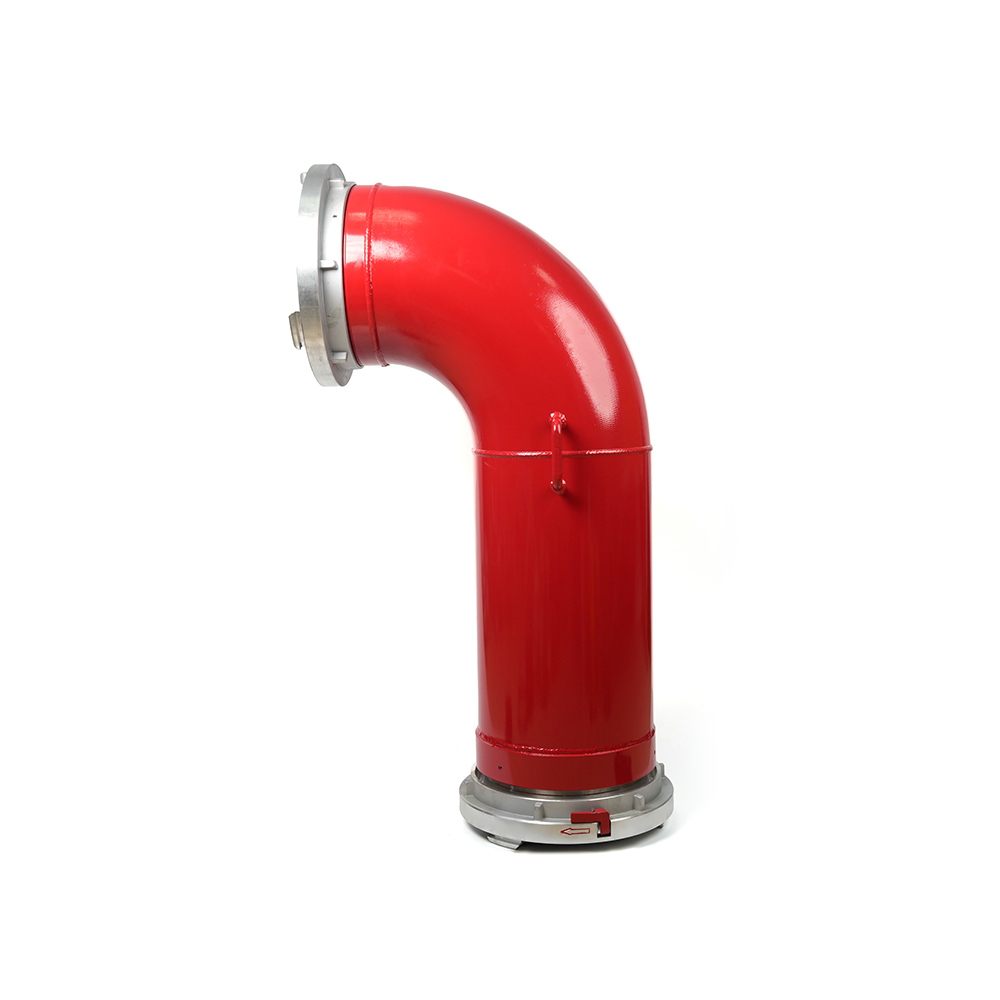 Grooved Fire Elbow-Storz
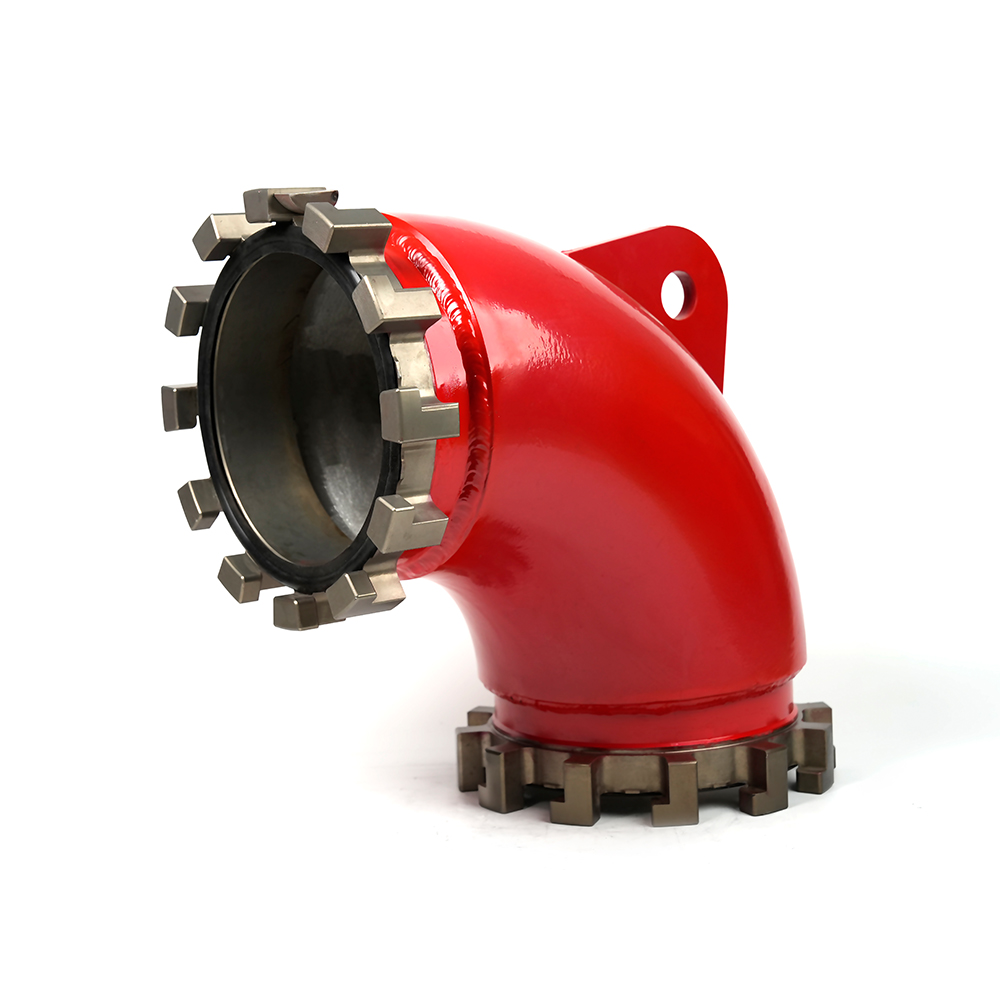 Grooved Fire Elbow-Multi-tooth
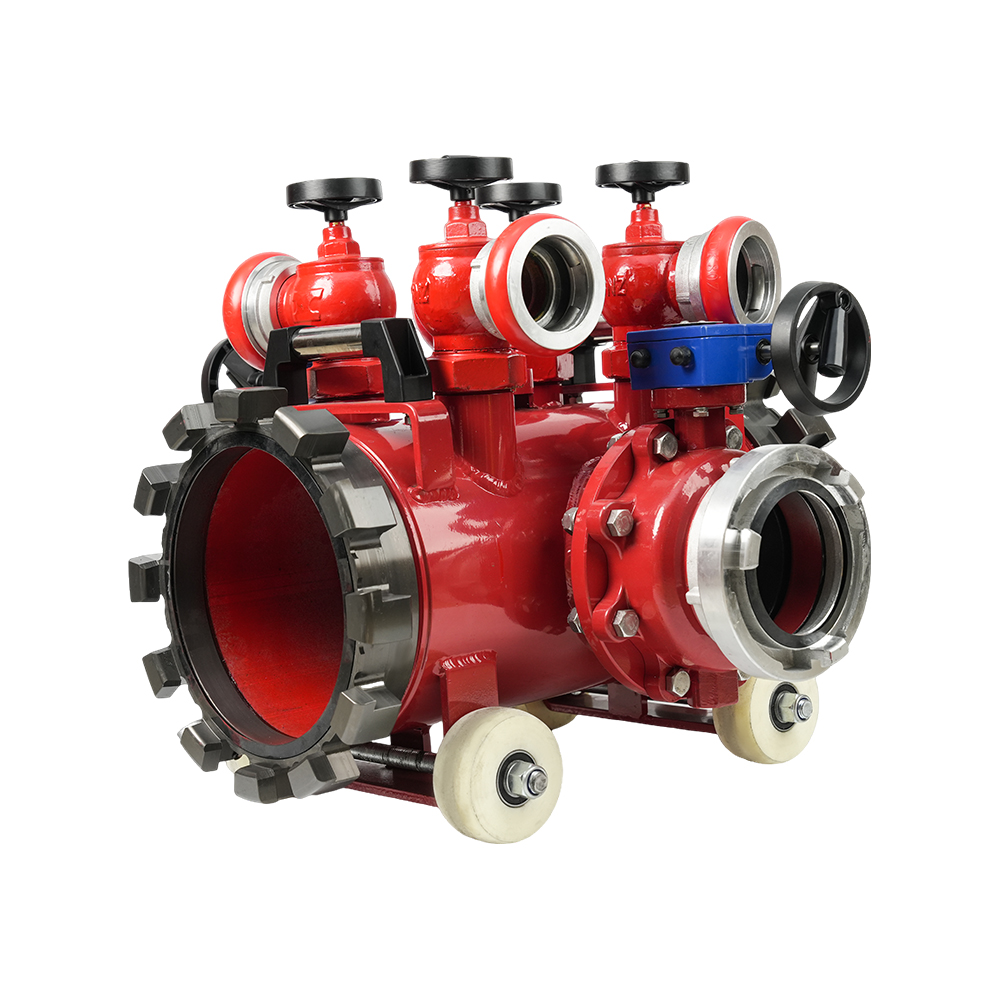 Multi-functional Fire Hose Distributor
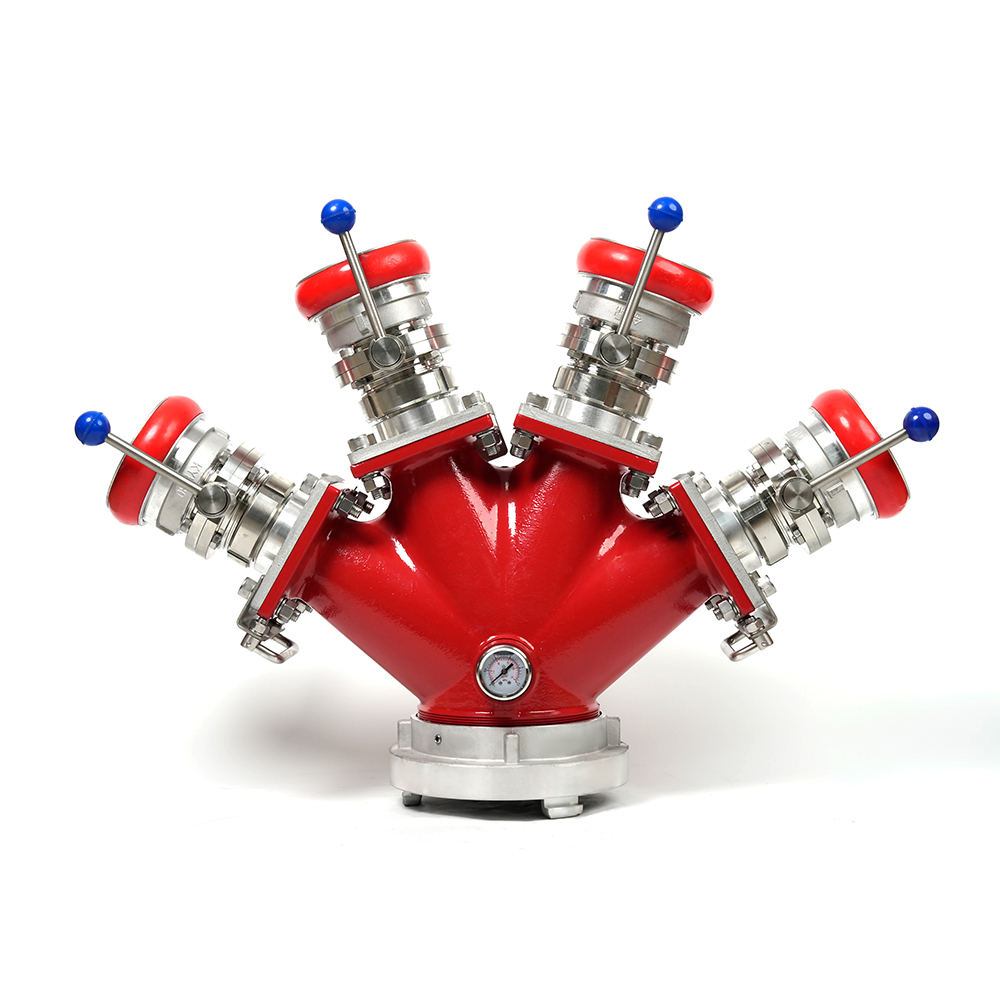 Locking Four-Way Fire Hose Distributor
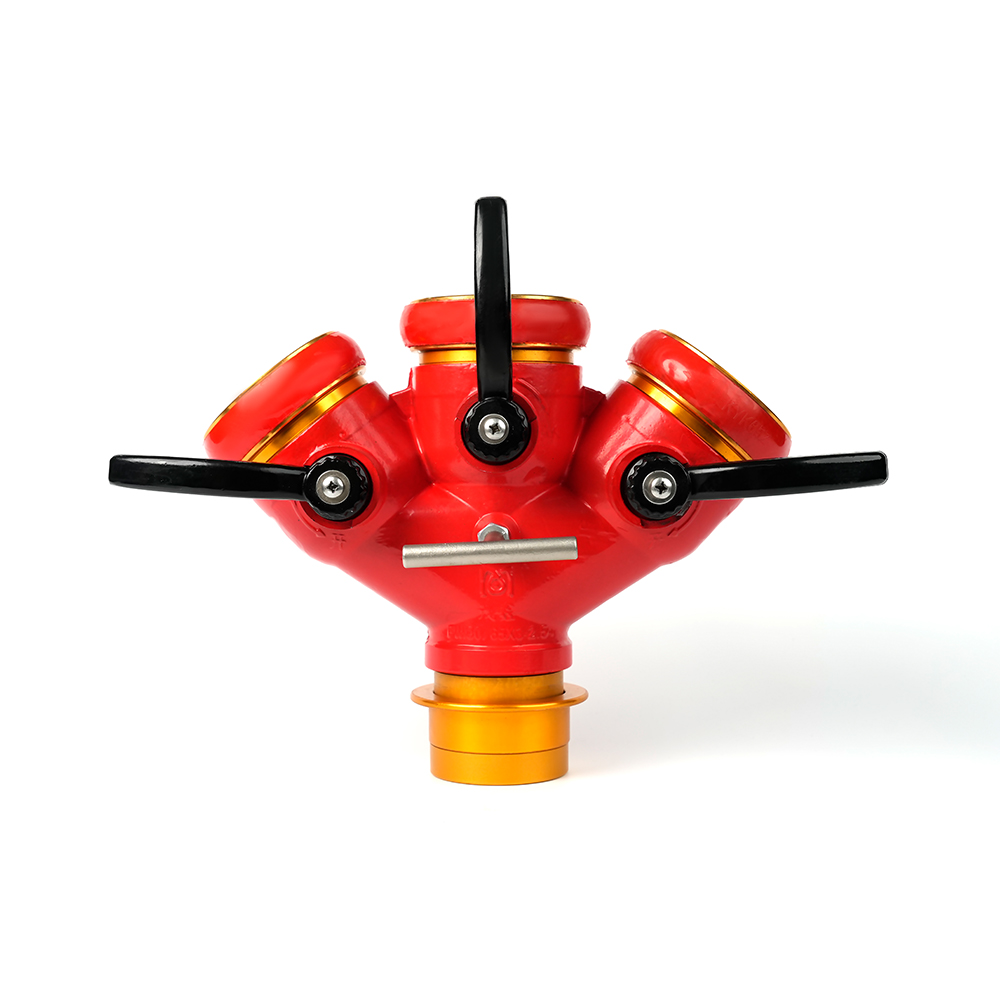 Locking Three-Way Fire Hose Distributor
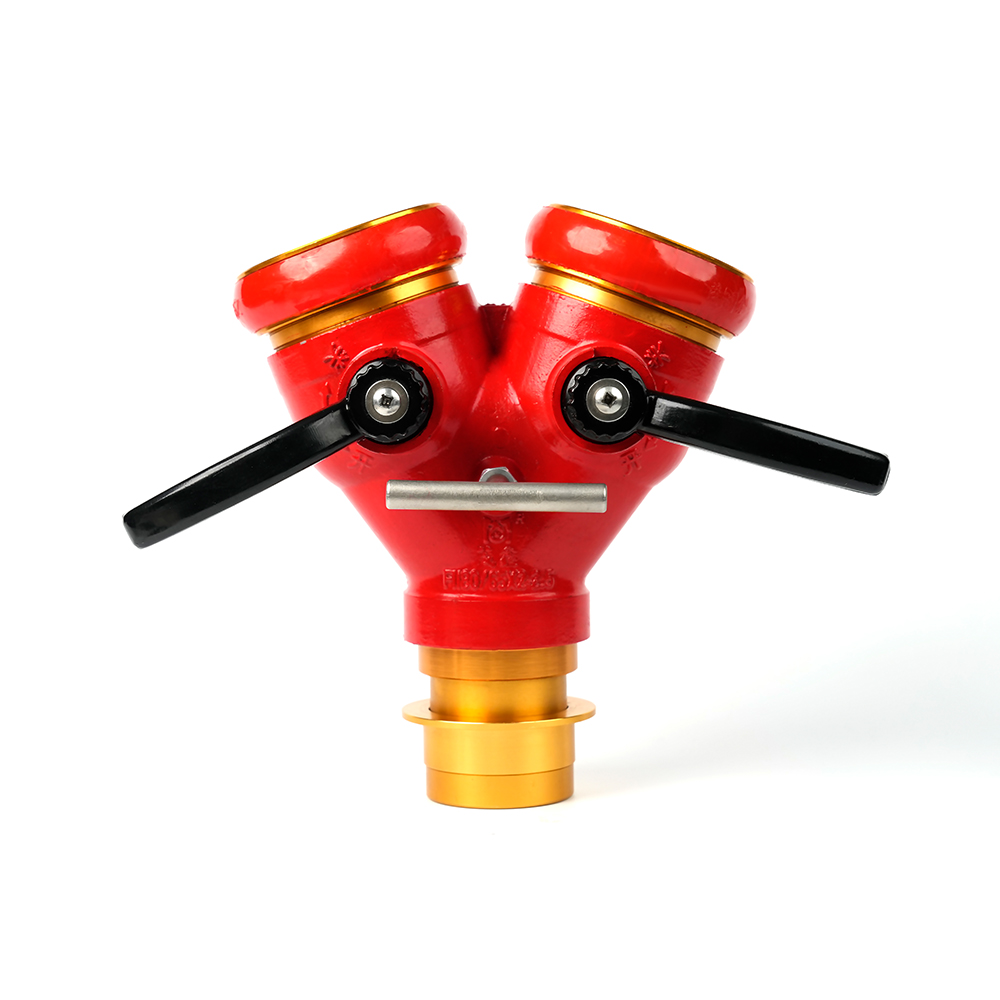 Locking Two-Way Fire Hose Distributor
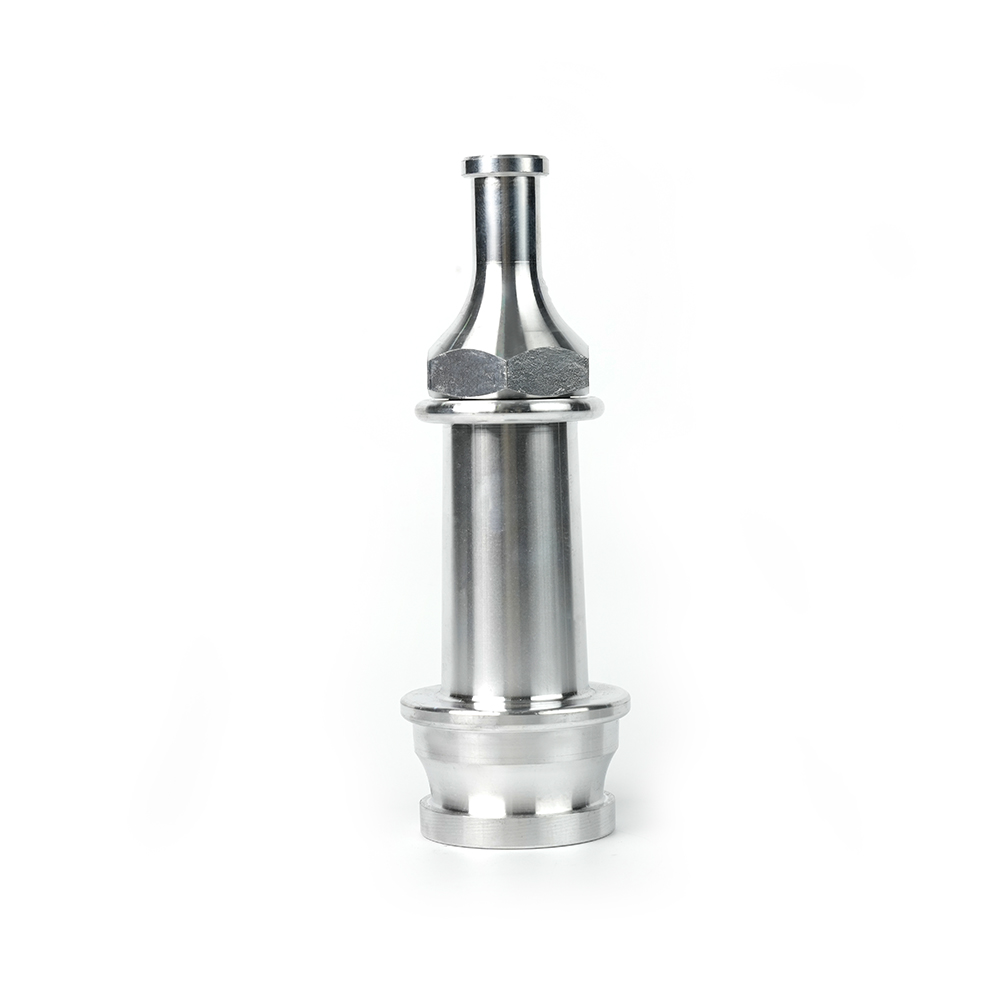 Straight Stream Nozzle
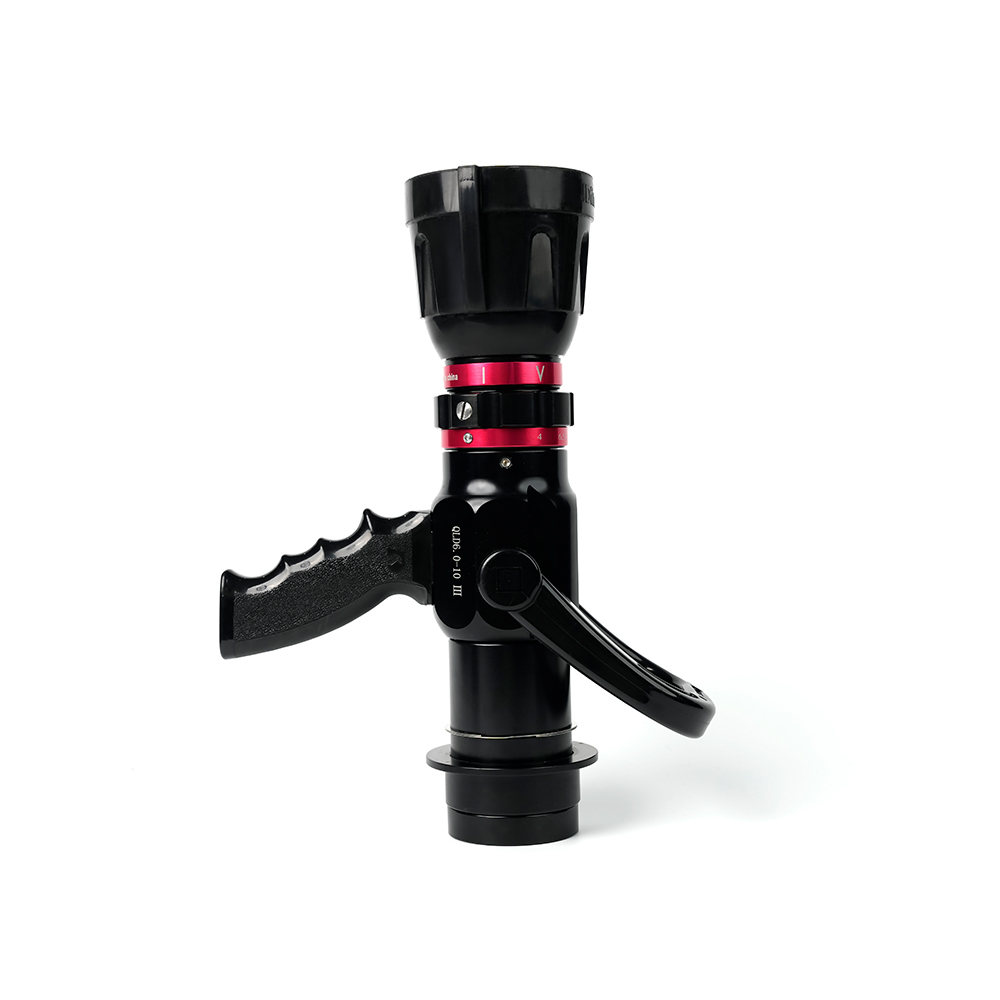 Adjustable nozzle-machino
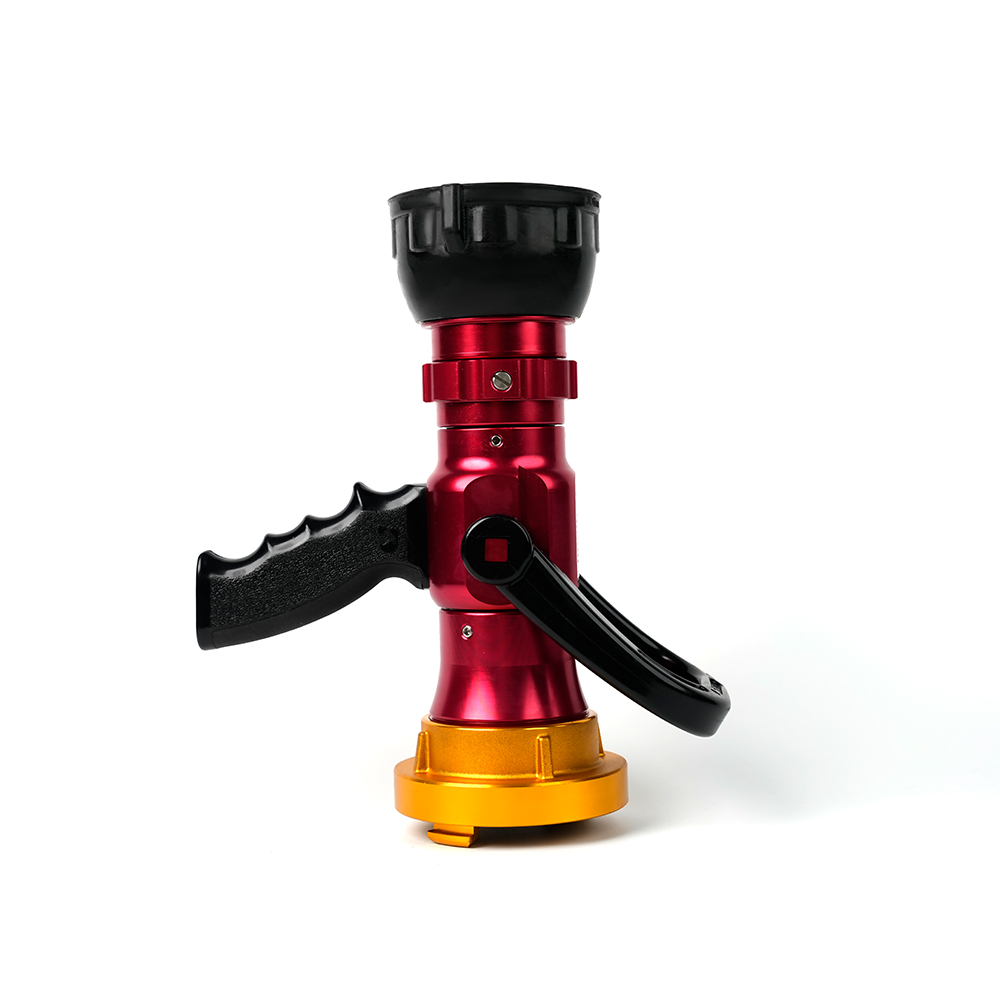 Adjustable nozzle-storz
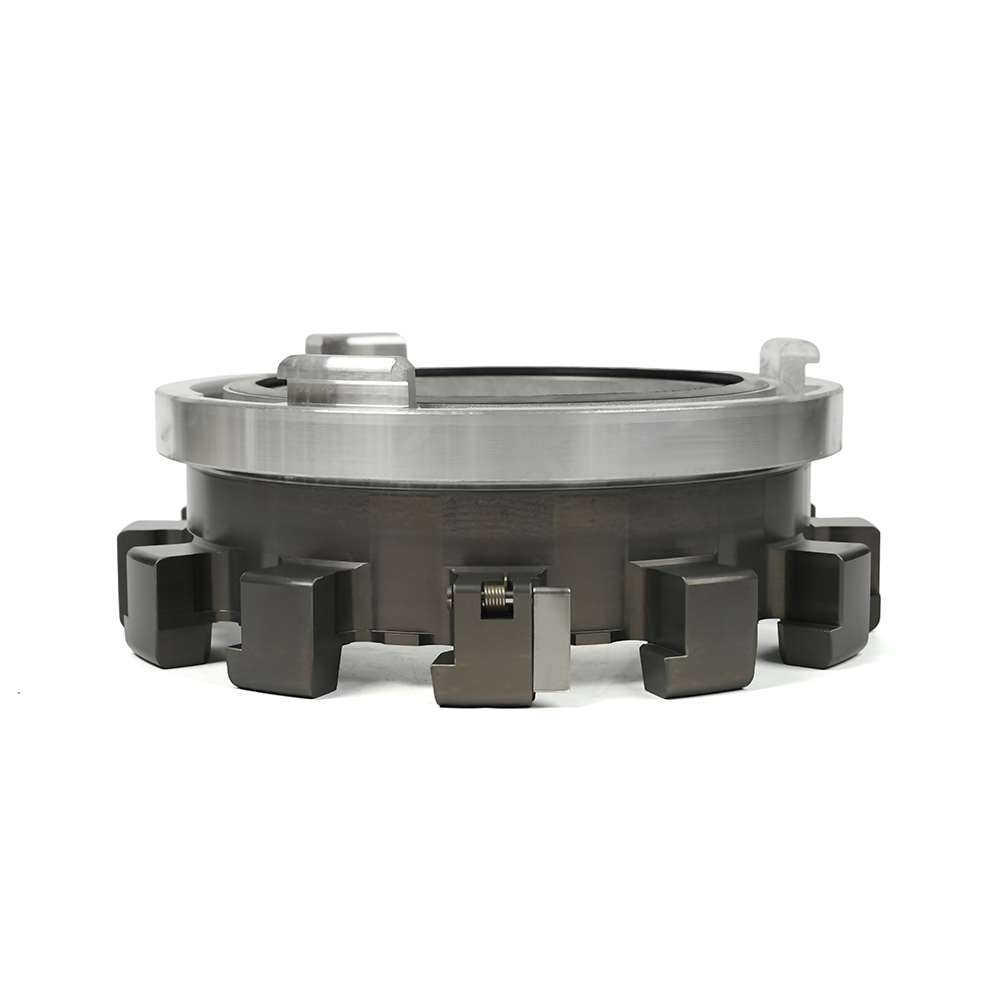 Storz Adapter Couplings - Multi-Tooth
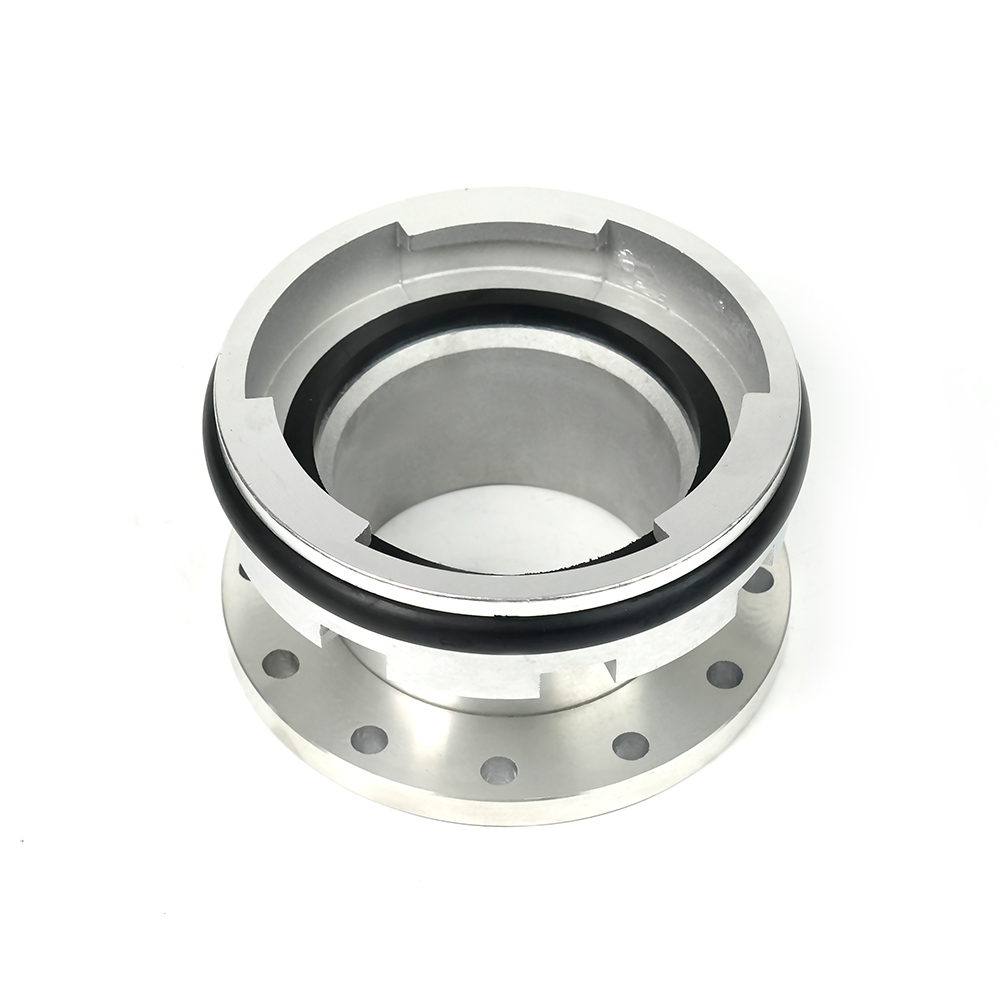 Machino Adapter Couplings – Flanged
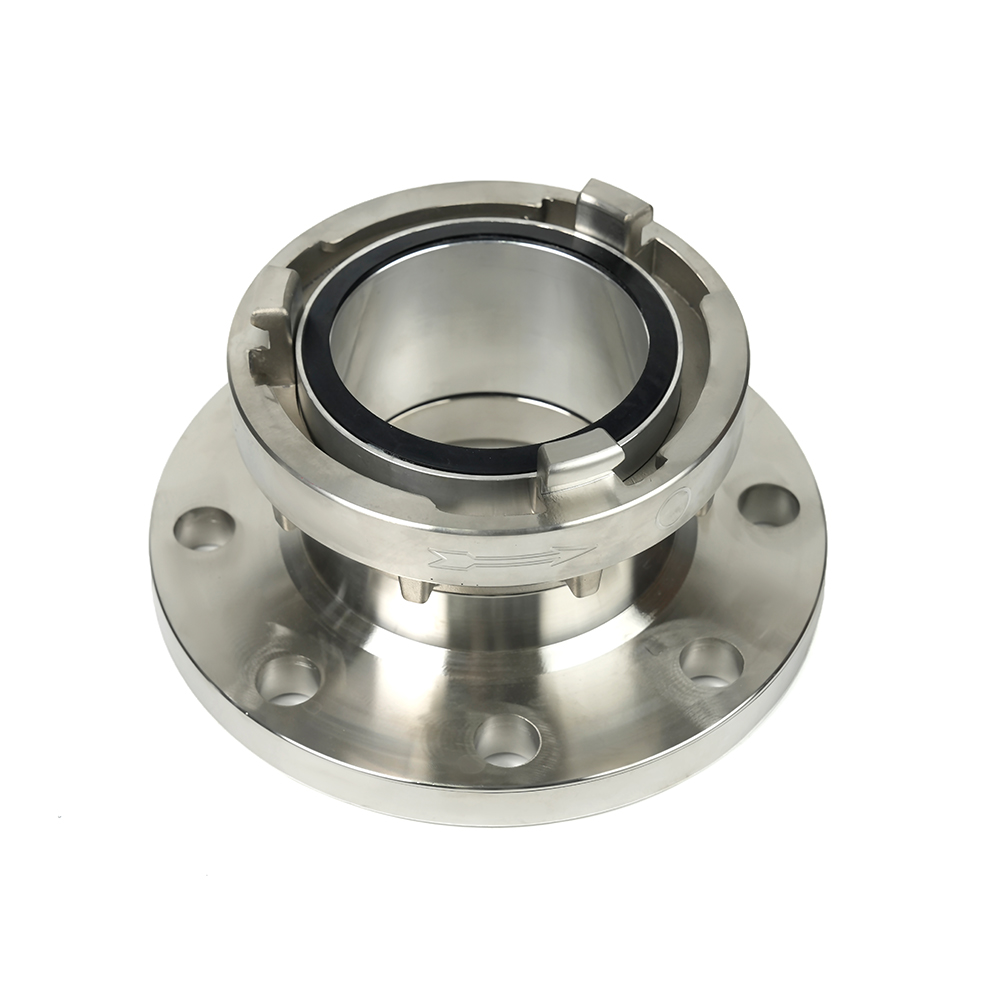 Storz Adapter Couplings – Flanged

 Contact Number
+86-0523-83274900
+86-151 9064 3365
 Let our team offer you customs solutions.
 Company Address
West side of Hongxing Middle Road, Lincheng Street, Development Zone, Xinghua City, Jiangsu Province, China
Copyright @Jiangsu Jinding Fire Protection Technology Co., Ltd. All rights reserved Fire Protection Equipments Manufacturers
