 英语
英语 西班牙语
西班牙语 德语
德语Industry News


GET IN TOUCH
+86-0523-83274900
+86-151 9064 3365
Content
An adaptor is a specialized coupling device used to connect or convert between different standards and types of fittings, allowing otherwise incompatible interfaces to be connected seamlessly. In firefighting and industrial applications, adaptor couplings serve as essential bridge components that enable interoperability between various hose systems, hydrant connections, and equipment interfaces that follow different national or regional standards.
The fundamental purpose of an adaptor is to solve compatibility problems between different connection standards. Firefighting equipment manufacturers and municipalities worldwide use various coupling systems including German (DIN), Storz, British instantaneous, American NH, and Japanese Machino standards. When fire departments from different regions respond to emergencies together, or when equipment from different manufacturers must work in tandem, adaptors become critical for establishing functional connections.
During large-scale emergencies or mutual aid situations, adaptors enable fire departments to share resources regardless of equipment origin. A fire brigade using German standard couplings can connect to a hydrant with Storz fittings using the appropriate adaptor, ensuring water supply continuity. This interoperability is essential for effective coordinated response across jurisdictional boundaries.
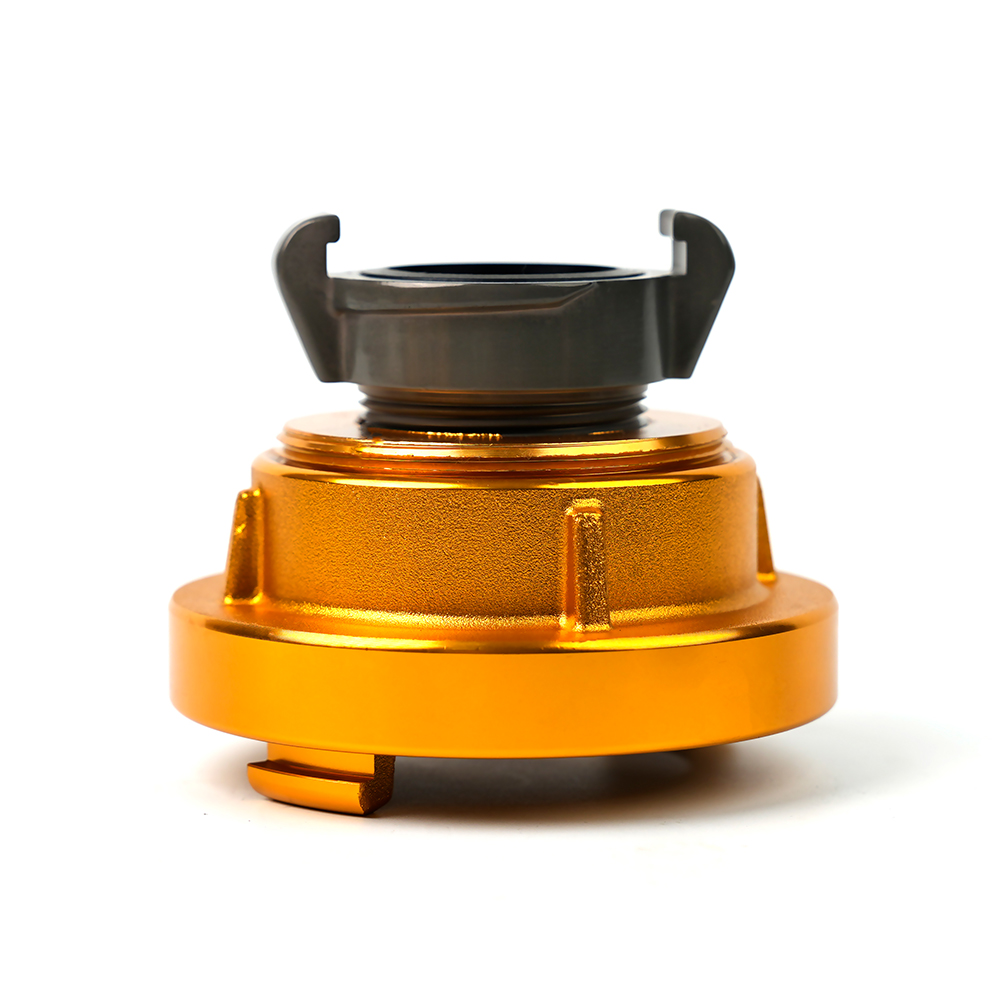
Adaptor couplings include numerous standard combinations to address diverse interoperability needs. Common configurations include German to Storz (male/female), German to Forestry, German to German Self-locking, German to Flange, German to Multi-tooth, Storz male to Storz female, and Storz to Forestry conversions. Each adaptor features specific thread patterns and sealing mechanisms that match the corresponding standards precisely.
Some adaptors serve to convert between male and female connections within the same standard. These gender changers are necessary when equipment configurations do not align—for example, connecting two male-ended hoses or attaching accessories to mismatched ports. Storz male to Storz female adaptors are frequently used to resolve such compatibility issues.
The following table summarizes common adaptor types and their applications:
| Adaptor Type | Connection Purpose | Typical Use Case |
|---|---|---|
| German to Storz | DIN to symmetrical coupling | International mutual aid |
| German to Forestry | DIN to forestry standard | Wildland firefighting |
| Storz male to female | Gender conversion | Equipment alignment |
| German to Flange | Hose to pipe fitting | Industrial connections |
| Multi-standard | Multiple conversions | Versatile emergency use |
Adaptors are typically manufactured from high-grade aluminum or brass alloys. Aluminum adaptors offer lightweight properties that reduce equipment burden during emergency operations, while brass adaptors provide superior corrosion resistance for marine and harsh environment applications. Both materials ensure durability under high-pressure conditions common in firefighting systems.
Quality adaptors feature precision-machined threads and sealing surfaces that ensure leak-free connections. Manufacturing tolerances are held to strict standards to guarantee compatibility with corresponding coupling systems. Rubber washers or O-rings are incorporated at sealing interfaces to maintain pressure integrity.
All types of adaptor couplings can be customized upon request to meet specific operational requirements. Custom configurations may include unique thread combinations, specialized materials for extreme environments, or modified dimensions for space-constrained applications. Manufacturers work with fire departments and industrial clients to develop bespoke solutions for unique interoperability challenges.
While primarily associated with firefighting, adaptors serve similar bridging functions in industrial fluid transfer systems, agricultural irrigation, and marine applications. Any environment where multiple connection standards coexist benefits from adaptor technology to ensure seamless system integration.
Selecting the correct adaptor requires accurate identification of both connection standards involved. Misidentification can result in damaged threads, poor seals, or connection failure under pressure. Fire departments should maintain comprehensive inventories of adaptors covering all standards they may encounter during mutual aid operations.
Regular inspection of adaptors ensures continued reliability. Threads should be checked for damage, sealing surfaces cleaned, and rubber components replaced as needed. Proper storage prevents corrosion and maintains readiness for emergency deployment.
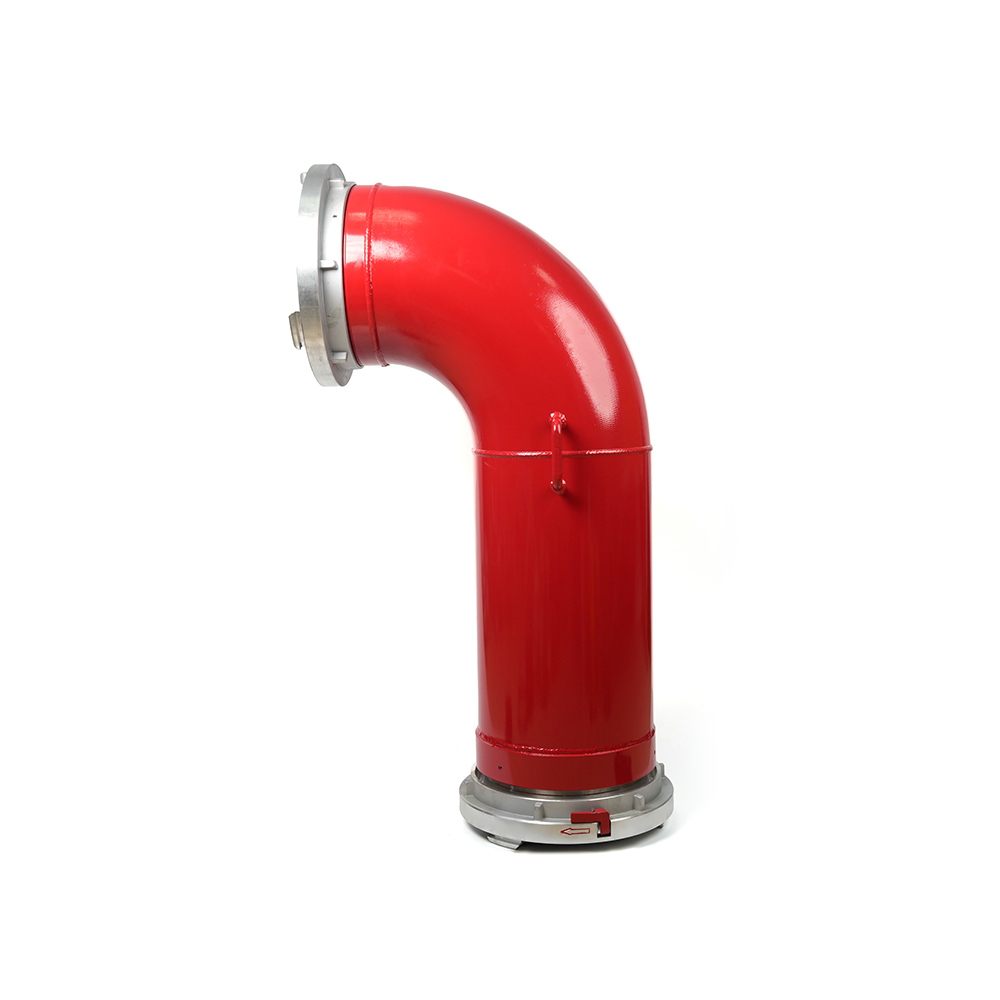 Grooved Fire Elbow-Storz
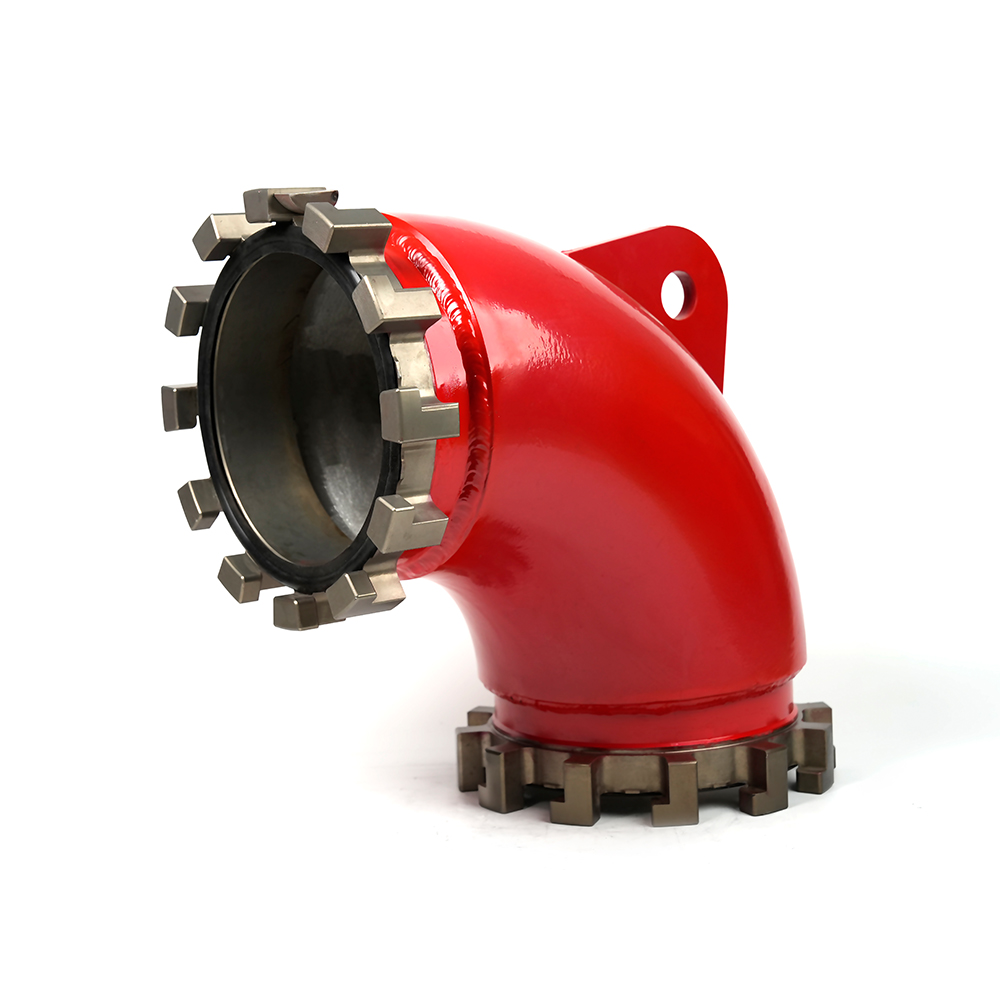 Grooved Fire Elbow-Multi-tooth
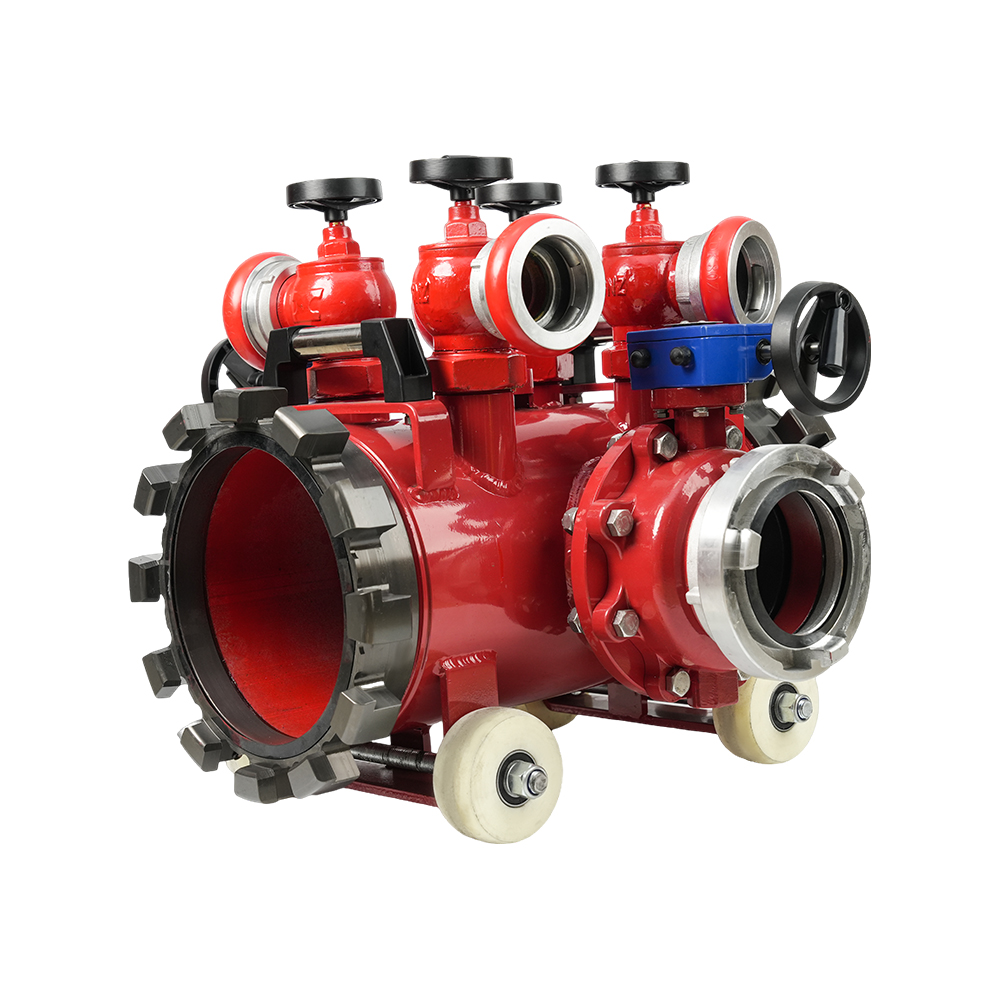 Multi-functional Fire Hose Distributor
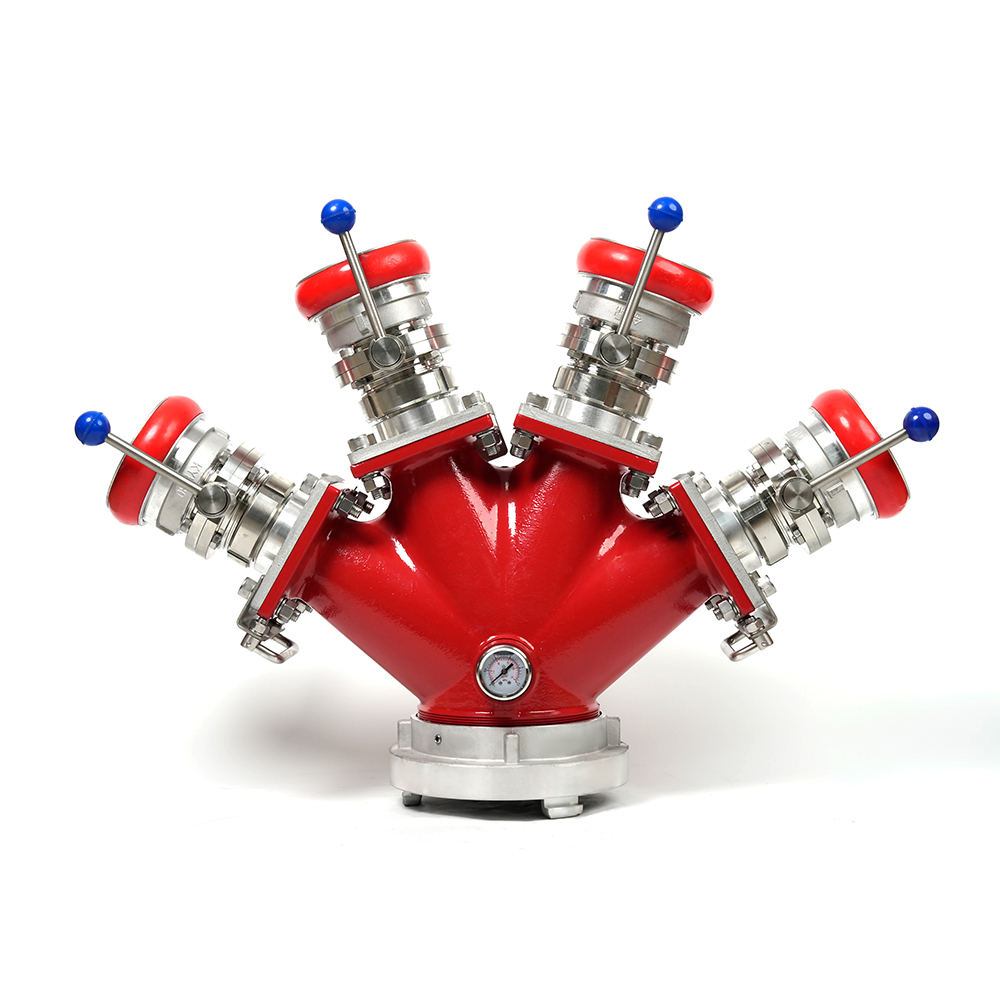 Locking Four-Way Fire Hose Distributor
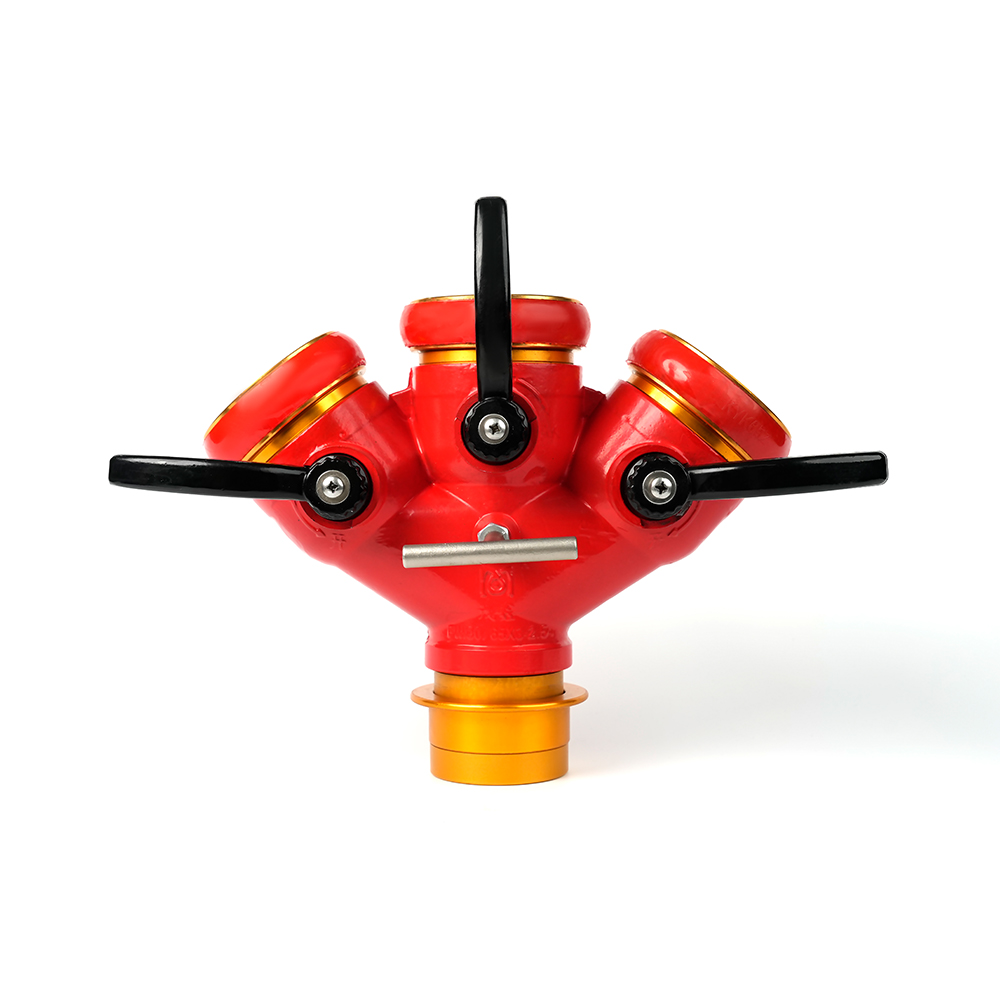 Locking Three-Way Fire Hose Distributor
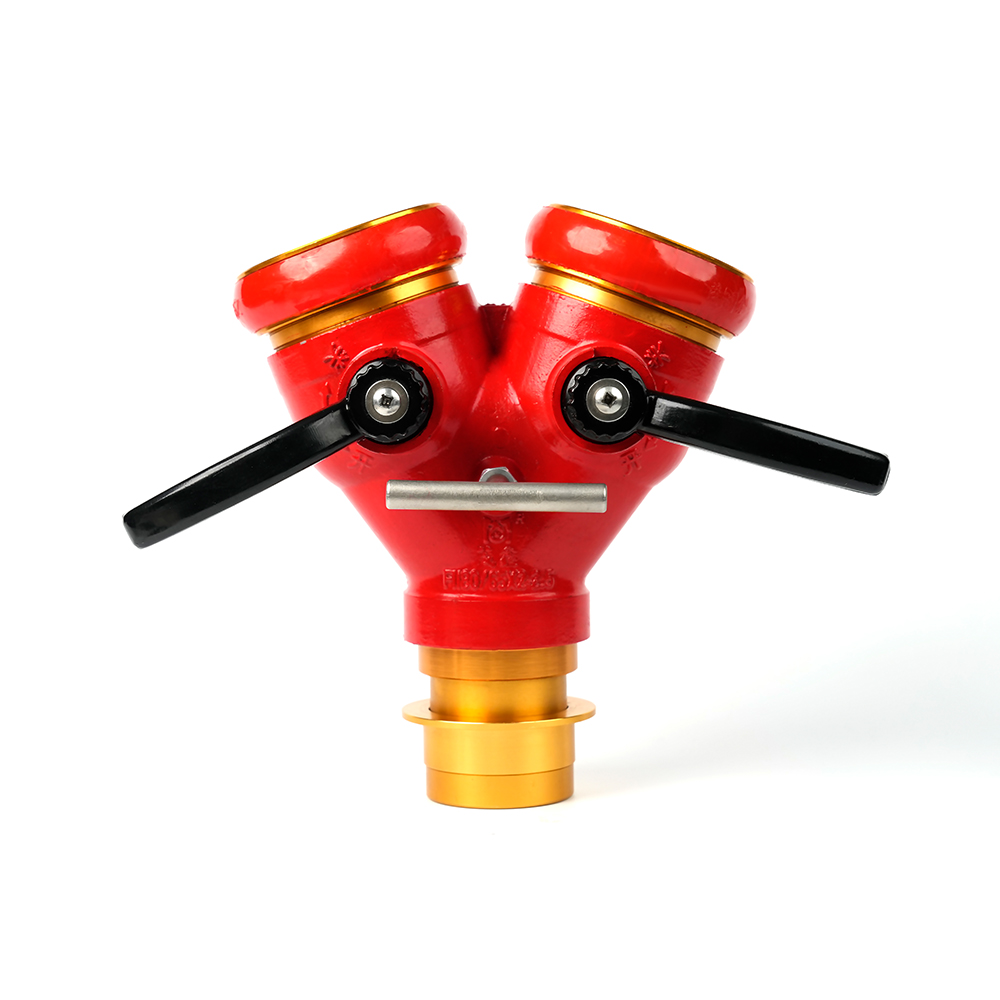 Locking Two-Way Fire Hose Distributor
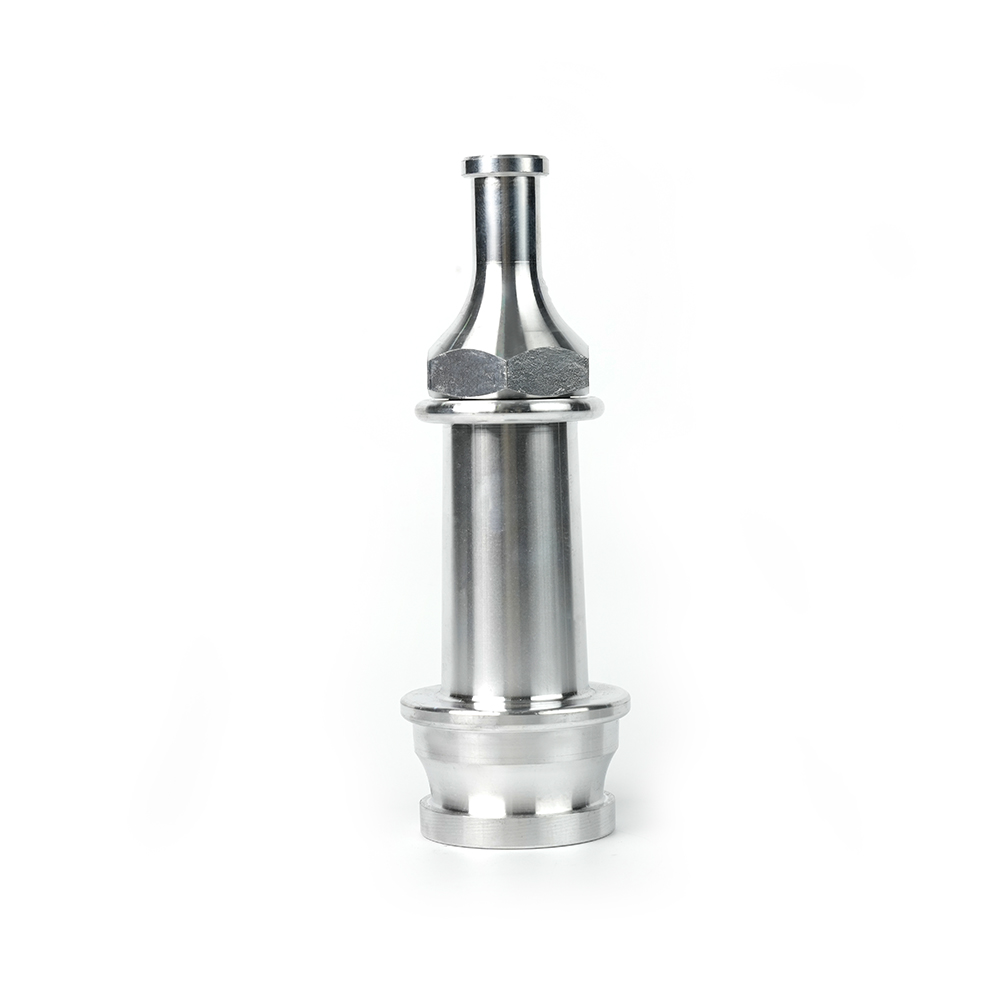 Straight Stream Nozzle
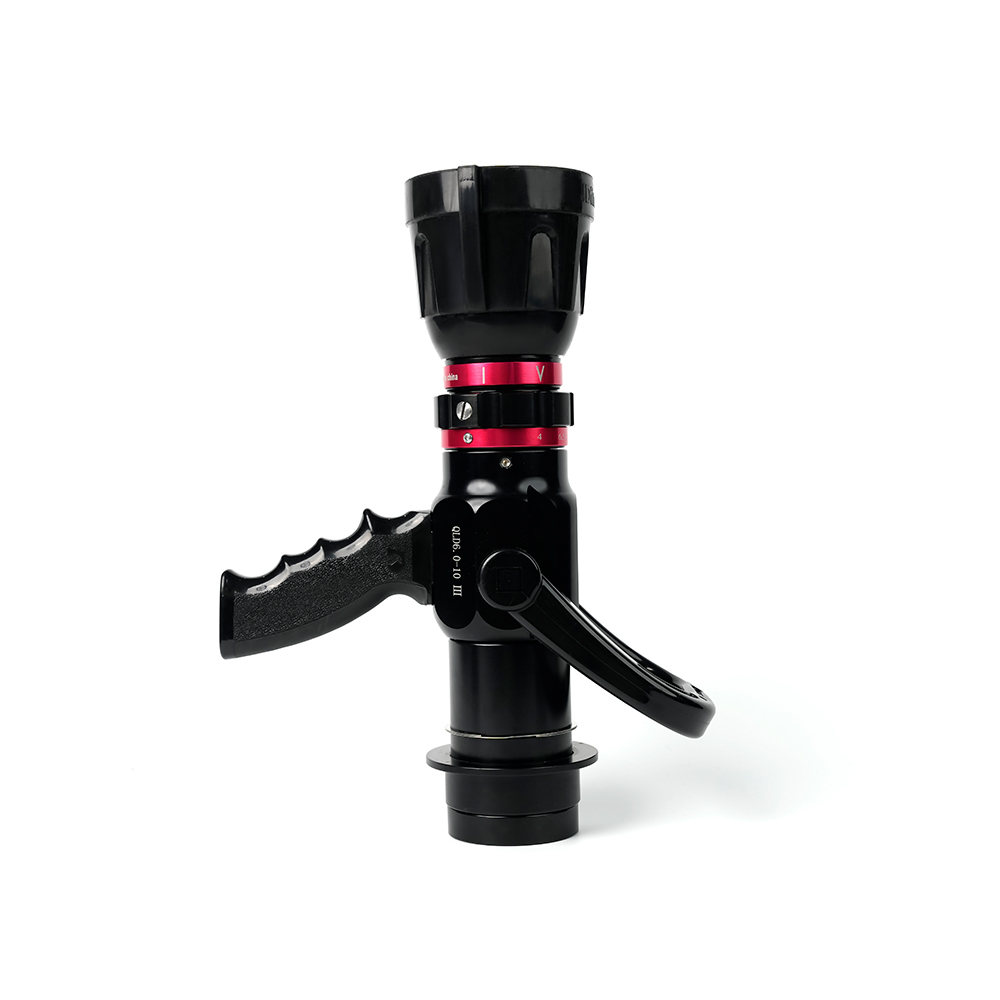 Adjustable nozzle-machino
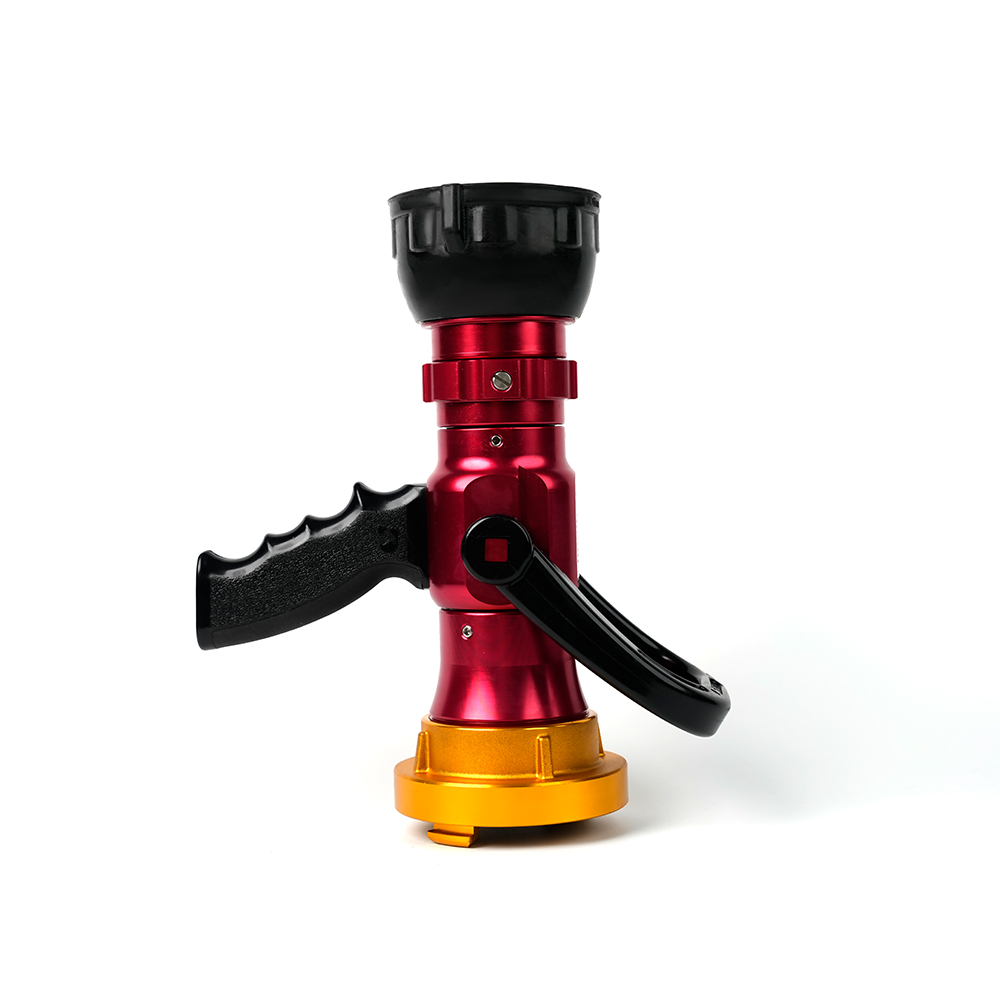 Adjustable nozzle-storz
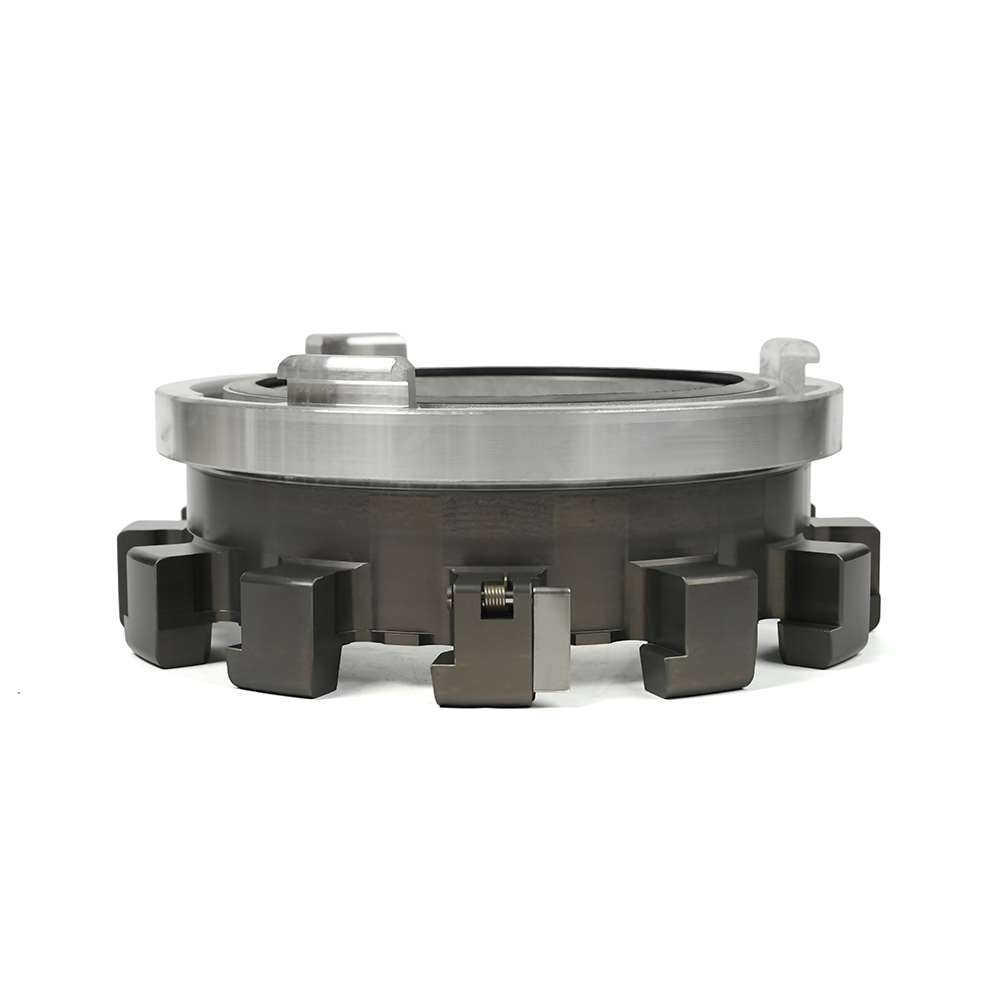 Storz Adapter Couplings - Multi-Tooth
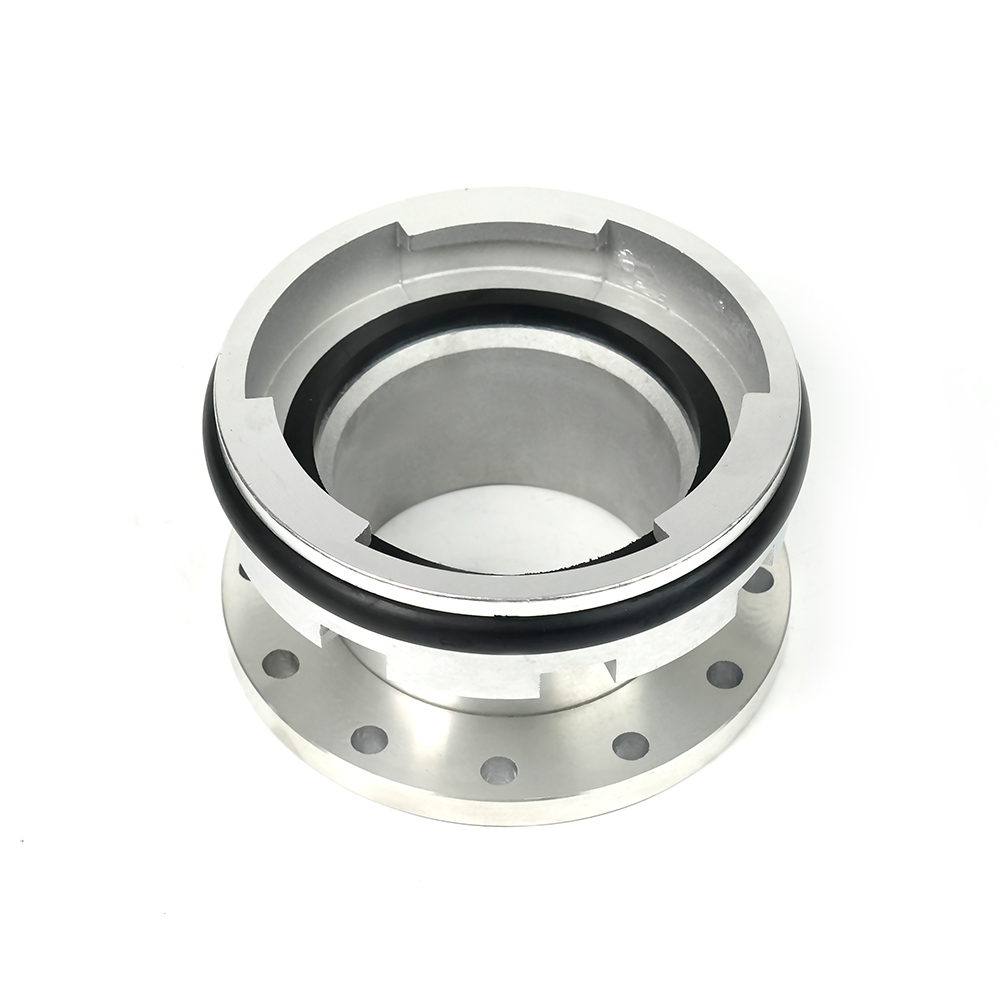 Machino Adapter Couplings – Flanged
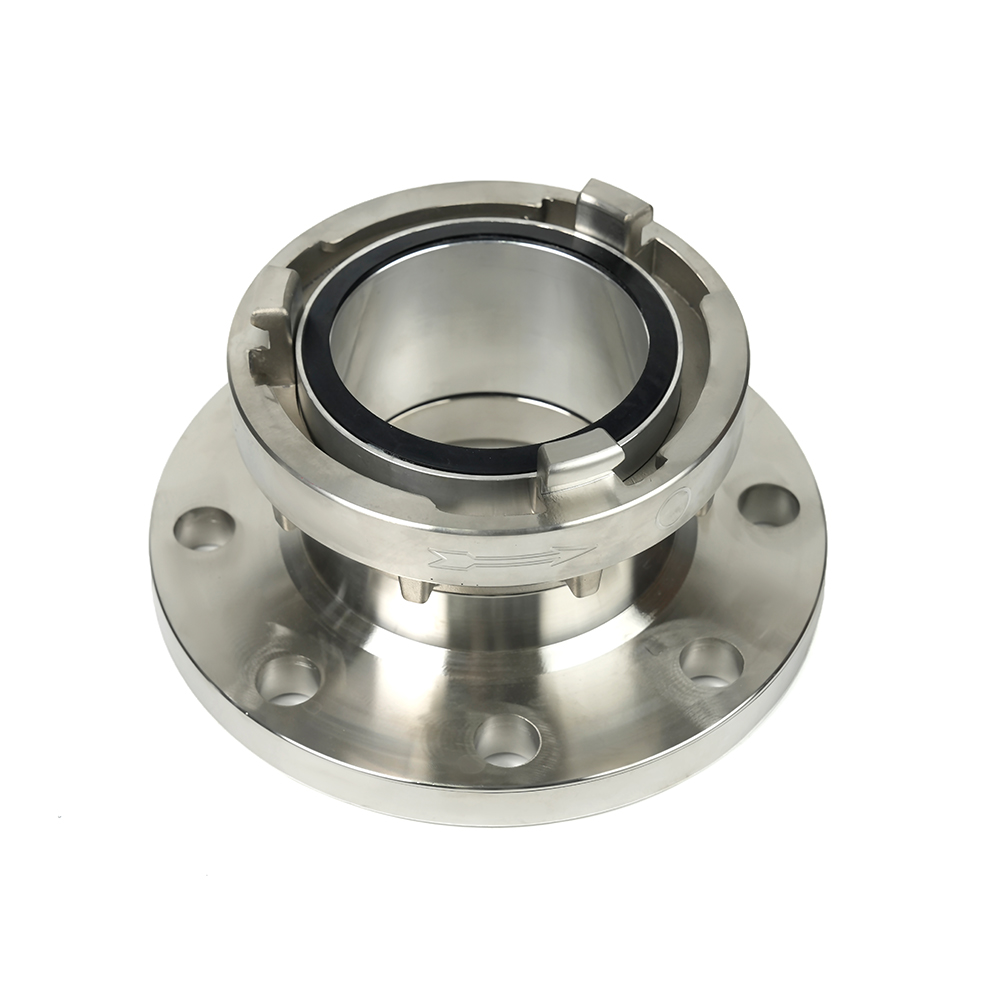 Storz Adapter Couplings – Flanged

 Contact Number
+86-0523-83274900
+86-151 9064 3365
 Let our team offer you customs solutions.
 Company Address
West side of Hongxing Middle Road, Lincheng Street, Development Zone, Xinghua City, Jiangsu Province, China
Copyright @Jiangsu Jinding Fire Protection Technology Co., Ltd. All rights reserved Fire Protection Equipments Manufacturers
