 英语
英语 西班牙语
西班牙语 德语
德语Industry News


GET IN TOUCH
+86-0523-83274900
+86-151 9064 3365
Content
A multi-tooth coupling is a fire pipeline connection device that uses an interlocking multi-tooth meshing structure — consisting of an internal tooth ring and an external tooth sleeve — to achieve rapid, secure, and leak-proof joining of fire hoses and fixed firefighting pipelines without tools. The mechanical engagement between the internal and external teeth simultaneously locks the pipe joint against pull-out forces and compresses a sealing element to prevent water leakage, accomplishing in seconds what threaded or bolted connections take considerably longer to complete.
Structurally, the multi-tooth coupling is a reinforced design variant of the clamp-type coupling family. Where standard clamp couplings rely on a relatively small number of clamping points or a continuous band to grip the pipe, the multi-tooth design distributes locking force across multiple tooth engagement points simultaneously. This increases both the pull-out resistance and the sealing reliability of the joint, making multi-tooth couplings particularly well suited to high-pressure firefighting applications and harsh industrial environments where fast deployment and dependable performance are non-negotiable requirements.
This article covers the construction, operating principle, series types, performance characteristics, application environments, standards compliance, and selection considerations for multi-tooth couplings — providing a complete technical and practical reference for engineers, procurement specialists, and fire protection professionals.
Understanding the internal geometry of a multi-tooth coupling clarifies both its performance advantages and its installation requirements. The coupling system consists of two primary structural elements and a sealing component that work together to form a complete joint.
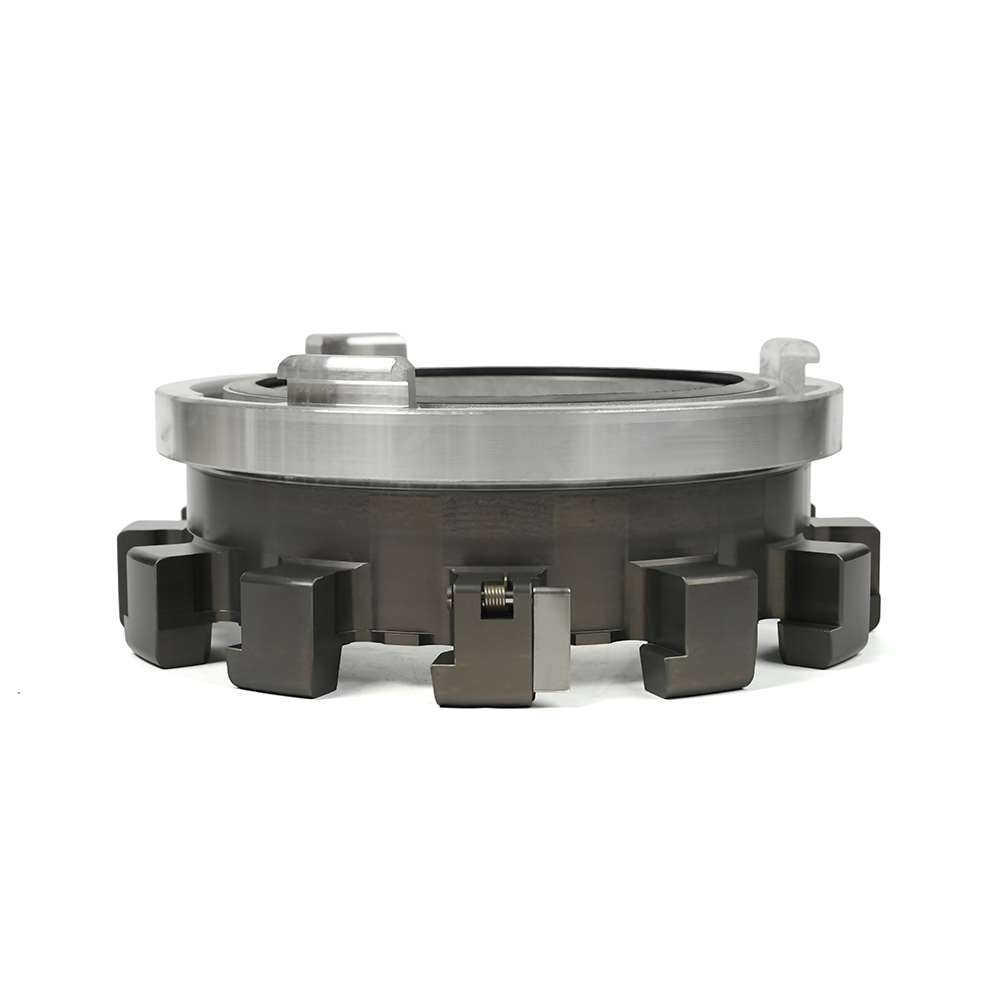
The internal tooth ring is the receiving end of the coupling assembly. Its inner circumference is machined with a series of inward-projecting teeth or locking lugs arranged at precise angular intervals around the bore. These teeth are profiled to accept the corresponding external teeth of the male sleeve in a specific rotational alignment, and to lock them firmly in place once the coupling is rotated to the engaged position. The tooth geometry — including tooth height, width, tooth count, and pitch — determines the joint's load distribution and pull-out capacity.
The number of teeth in a multi-tooth coupling is substantially greater than in a standard two-lug or three-lug storz-type coupling, which is the primary source of the multi-tooth design's superior load distribution. With more engagement points, each individual tooth bears a smaller fraction of the total load, reducing peak stress concentrations and improving fatigue life under repeated connection cycles.
The external tooth sleeve carries a matching set of outward-projecting teeth on its outer surface, sized and spaced to pass through the gaps between the internal teeth during insertion and then lock behind them when the coupling is rotated. The sleeve attaches to the hose tail, pipe end, or threaded fitting depending on the coupling series. It is typically manufactured from the same material as the internal ring to ensure compatible thermal expansion behavior and galvanic compatibility.
A face seal gasket — commonly made from EPDM (ethylene propylene diene monomer) rubber, NBR (nitrile butadiene rubber), or silicone depending on the fluid and temperature requirements — sits in a recessed seat at the mating face of the coupling. When the external sleeve is inserted and rotated to the locked position, the axial clamping force generated by the tooth geometry compresses the gasket against the opposing face. This compression creates a pressure-energized seal that tightens further under internal fluid pressure, providing leak-free performance that actually improves as operating pressure increases up to the coupling's rated working pressure.
Connection proceeds in three steps:
Disconnection is the reverse: release the secondary lock, rotate back to the aligned position, and withdraw the sleeve. The entire connection and disconnection cycle typically takes under 10 seconds per joint for a trained operator — a critical performance attribute when firefighting response time directly affects life safety outcomes.
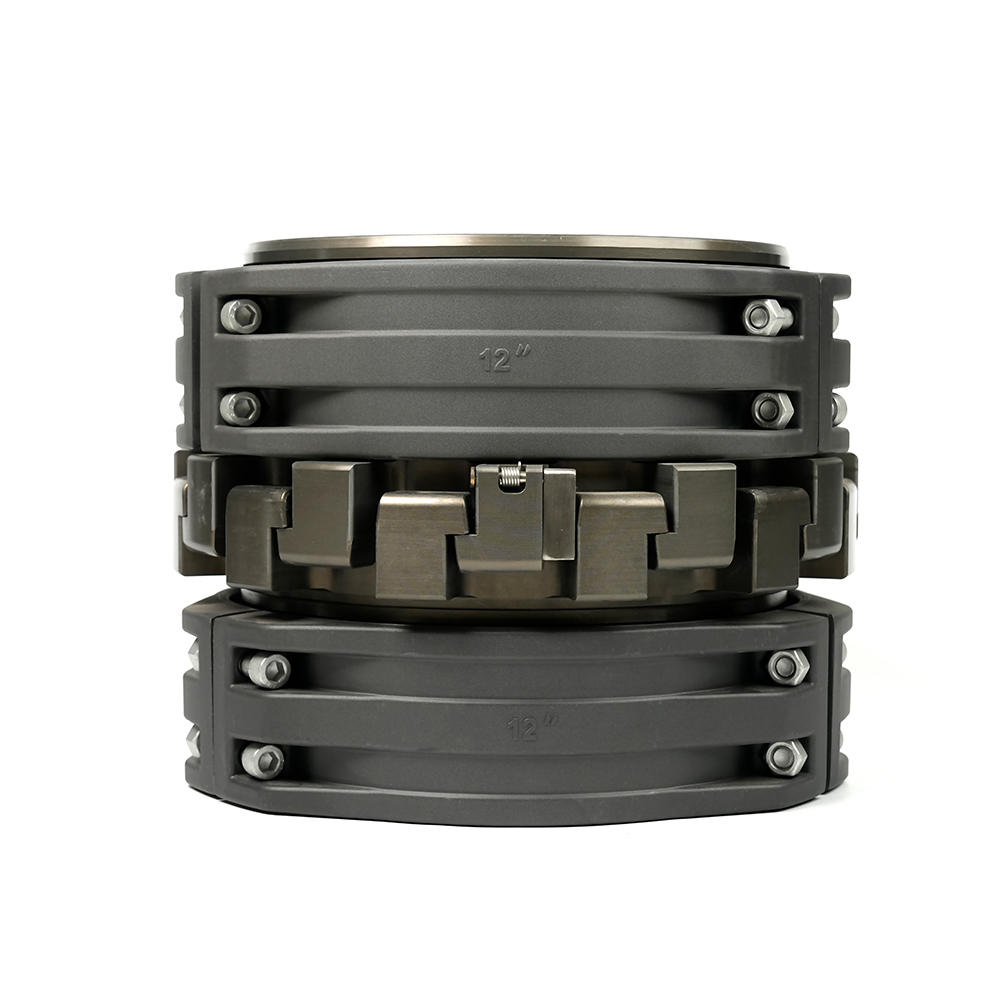
The multi-tooth coupling system is not a single product but a coordinated family of components designed to work together across a complete firefighting pipeline network. Each series type addresses a specific connection scenario within that network.
Multi-tooth hose couplings are designed to connect flexible fire hoses to each other, to hydrant outlets, to pumping equipment, or to fixed pipeline branch points. The coupling body is attached to the hose tail by crimping, clamping, or threading depending on the hose construction and diameter. Hose coupling pairs are manufactured as matched sets — one internal ring end and one external sleeve end — to allow hose lengths to be joined in series for extended reach.
In industrial firefighting applications such as oil fields, refineries, and shale gas extraction sites, multi-tooth hose couplings must withstand not only working pressure but also the mechanical abuse of rapid deployment across rough terrain, repeated connection and disconnection cycles, and exposure to hydrocarbon contamination. The multi-tooth design's robustness under these conditions — compared to the single-lug or two-lug designs that can be damaged by angular loading — is a significant operational advantage.
Multi-tooth threaded couplings provide the interface between the quick-connect multi-tooth system and threaded pipe or threaded fittings in fixed installations. One end of the coupling body carries the multi-tooth profile for rapid hose or branch-line connection, while the other end is machined with standard pipe thread — typically NPT (National Pipe Tapered), BSP (British Standard Pipe), or ISO 7-1 taper thread depending on the geographic market and installation standard. This hybrid design allows multi-tooth hose connections to be made to any threaded outlet without requiring a separate adapter, simplifying installation and reducing the number of potential leak points in the system.
Multi-tooth blind caps are pressure-rated end closures that seal unused coupling outlets in fixed firefighting pipeline networks. In an automatic sprinkler system or fire hydrant network, not every branch outlet is in active use at any given time — those not currently connected to hose lines or active devices must be sealed to maintain system pressure and prevent contamination ingress. The blind cap uses the same multi-tooth engagement mechanism as the hose couplings, allowing it to be installed and removed quickly when the outlet is brought into service or returned to standby.
A properly rated blind cap must withstand the full system test pressure — often 1.5 to 2 times the working pressure — without leakage or blow-off. Multi-tooth blind caps meet this requirement through the same positive mechanical tooth lock that makes the hose couplings reliable, ensuring that caps do not dislodge under hydraulic surge or accidental pressurization.
Reducer couplings carry different multi-tooth profiles on each end — one sized for a larger pipe or hose diameter and the other for a smaller diameter. They allow the firefighting pipeline network to transition between different nominal sizes without requiring a separate threaded reducer fitting and two threaded coupling adapters. This simplifies network design, reduces component count, and maintains the rapid-connect advantage of the multi-tooth system throughout the entire pipeline rather than only at the points where sizes are constant.
Common size combinations for reducer couplings follow standard firefighting hose and pipeline size increments. Typical nominal bore sizes in the multi-tooth coupling range include 25 mm, 40 mm, 50 mm, 65 mm, 80 mm, and 100 mm, with reducer couplings available to bridge each adjacent size step and some non-adjacent combinations for specific application requirements.
The multi-tooth coupling's design delivers a specific performance profile that distinguishes it from other quick-connect coupling types. The following parameters are the most important for engineering evaluation and specification.
Multi-tooth couplings for firefighting applications are typically rated for working pressures of 1.6 MPa (16 bar / 232 psi) as a standard class, with higher-rated versions available for industrial applications where supply pressures from pumping equipment exceed the standard municipal hydrant pressure range. Test pressure — the pressure applied during factory or installation acceptance testing — is generally 2.4 MPa (24 bar) for standard 1.6 MPa working pressure couplings, representing a 1.5× safety factor as required by most firefighting equipment standards.
At working pressure, the tooth engagement geometry must prevent any measurable gap opening at the coupling face — a requirement that the multi-tooth design satisfies through redundant tooth contact and the self-energizing nature of its face seal.
Pull-out force is the axial tension required to separate a locked coupling, and it is the primary mechanical safety parameter for hose couplings used in active firefighting. A charged hose under pressure generates significant internal axial force — a 65 mm hose at 1.0 MPa working pressure generates an end thrust of approximately 3,300 N (330 kgf) purely from internal pressure, before any bending or whip loads are considered.
Multi-tooth couplings are designed to withstand pull-out forces well above these service loads. The tooth engagement area — the total cross-sectional area of material in the tooth shear plane — is calculated to provide a safety factor of at least 4:1 against the maximum expected pull-out load, ensuring that accidental or operational tension on the hose line does not cause coupling disengagement.
Unlike threaded couplings where thread wear limits service life, multi-tooth couplings are designed for many thousands of connection and disconnection cycles without loss of performance. The tooth geometry is typically machined to close tolerances and may be surface-hardened to resist wear at the tooth engagement faces. Well-maintained multi-tooth couplings routinely achieve 10,000 connection cycles or more before the tooth profiles wear to the point where replacement is recommended — a service life measured in decades under typical firefighting application usage rates.
The sealing gasket material is selected to match the operating environment. Standard EPDM gaskets are suitable for water, foam concentrate, and dilute chemical solutions across a temperature range of -40°C to +120°C. For applications involving hydrocarbon exposure — common in oil field and refinery firefighting — NBR gaskets provide better resistance to swelling and degradation. Silicone gaskets extend the upper temperature limit for applications near high-temperature process equipment.
The material selection for multi-tooth coupling bodies is determined by the balance between mechanical strength requirements, corrosion resistance in the deployment environment, weight constraints, and cost. Several material options are used in practice, each with distinct trade-offs.
| Material | Tensile Strength | Corrosion Resistance | Weight | Typical Application |
|---|---|---|---|---|
| Aluminum alloy (e.g., A356, 6061) | 200–310 MPa | Good (anodized) | Very light | Portable hose couplings, standard industrial |
| Brass (CuZn) / Bronze | 300–500 MPa | Excellent | Heavy | Fixed pipeline, marine, chemical plant |
| Stainless steel (304 / 316) | 515–690 MPa | Excellent (316 for chloride) | Moderate-heavy | Offshore, coastal, food/pharma facilities |
| Ductile iron (coated) | 400–600 MPa | Moderate (coating-dependent) | Heavy | Large-diameter fixed pipeline installations |
Aluminum alloy is the dominant material choice for portable firefighting hose couplings because the weight reduction compared to brass or iron is directly beneficial in hose deployment scenarios — firefighters carry and handle hose lines manually, and every kilogram saved per coupling is multiplied across the entire hose run. An aluminum multi-tooth coupling of 65 mm nominal bore typically weighs 0.4–0.6 kg, compared to 1.0–1.4 kg for an equivalent brass coupling — a difference of nearly 1 kg per connection point that accumulates significantly over a long hose train.
For fixed pipeline installations where weight is not a handling concern, brass and stainless steel are preferred for their superior long-term corrosion resistance, particularly in underground or high-humidity installations where painted or anodized aluminum surfaces may be compromised over time.
The multi-tooth coupling is deployed across a broad range of firefighting and fire protection infrastructure environments. Its specific combination of rapid connection speed, high pressure rating, and robust mechanical engagement makes it the preferred coupling type in several demanding contexts.
Oil fields, shale gas extraction sites, LNG terminals, refineries, and petrochemical plants require firefighting infrastructure capable of handling fires fueled by highly energetic hydrocarbon substances. In these environments, response time and coupling reliability under adverse conditions are paramount. Multi-tooth couplings are specified for industrial hose connection in these settings for several reasons:
In automatic sprinkler systems — particularly pre-action and deluge systems used in warehouses, data centers, and industrial facilities — branch line connections must be both reliable under pressure and accessible for maintenance and modification without draining large sections of the system. Multi-tooth threaded couplings allow branch line connections to be made and broken quickly during system installation and future modifications, reducing labor time compared to threaded or flanged connections that require tools and thread sealant.
For large warehouse sprinkler installations, the labor time saving from using multi-tooth couplings on branch line connections can reduce installation time by 20–35% compared to conventional threaded pipe connections — a significant project cost reduction when multiplied across hundreds of branch points in a large facility.
Fire hydrant outlets and hose cabinet (hose reel cabinet) connection points in commercial buildings, industrial facilities, and infrastructure projects increasingly specify multi-tooth couplings as the outlet standard. The consistent coupling geometry across all outlets in a network ensures that any hose from the facility's inventory — or from mutual aid equipment brought in from another facility with the same coupling standard — can be connected to any outlet without compatibility issues.
In large industrial campuses where fire hose stations may be hundreds of meters apart, the ability for a responding team to grab hose from the nearest station and connect it to the nearest hydrant without verifying coupling compatibility is a meaningful operational simplification. Multi-tooth coupling standardization within a facility's fire protection system delivers this interchangeability.
Where regional fire protection standards specify multi-tooth coupling types for municipal infrastructure, fire department pumping appliances and hose inventories are equipped with matching couplings to ensure connection to building hydrant systems and supply mains. The coupling type specified at the municipal level then propagates as the required standard for all new building fire protection installations in that jurisdiction, creating a consistent system that any mutual aid department can connect to without adapters.
Multi-tooth couplings compete with several other firefighting coupling designs. Understanding the comparative advantages helps clarify when the multi-tooth design is the optimal choice and when an alternative may be more appropriate.
| Parameter | Multi-Tooth Coupling | Storz (2-Lug) Coupling | Threaded Coupling | Camlock Coupling |
|---|---|---|---|---|
| Connection speed | Very fast (<10 sec) | Fast (<10 sec) | Slow (30–120 sec) | Fast (<10 sec) |
| Tools required | None | None | Wrench required | None |
| Load distribution | High (multiple teeth) | Moderate (2 lugs) | High (continuous thread) | Moderate (cam arms) |
| Max working pressure | Up to 1.6 MPa+ (standard) | Up to 1.6 MPa | High (size-dependent) | Typically up to 1.0 MPa |
| Angular load resistance | Excellent | Good | Good | Moderate |
| Accidental disconnection risk | Very low (tooth lock + safety latch) | Low | Very low | Moderate (lever can snag) |
| Wear resistance over cycles | Excellent | Good | Thread wear over time | Good |
The storz coupling is the most globally widespread alternative and shares many of the multi-tooth coupling's rapid-connect advantages. The primary difference is in the engagement mechanism: storz couplings use two asymmetric lugs that require a half-turn to lock, while multi-tooth couplings use multiple symmetric teeth that distribute load more evenly. In high-cycle industrial applications and where angular loading is a concern, the multi-tooth design's superior load distribution gives it a durability and reliability advantage over the two-lug storz design.
Fire protection equipment — including couplings — is subject to mandatory standards and certification requirements in most jurisdictions. These standards define minimum performance levels for pressure rating, pull-out resistance, leakage, material quality, dimensional interchangeability, and marking. Compliance with applicable standards is not optional for fire protection equipment and is a key criterion in product selection.
When specifying multi-tooth couplings for a project, the applicable standard must be identified based on the project location, the authority having jurisdiction (AHJ), and any insurance requirements. Using non-certified couplings in fire protection systems may invalidate the system's approval and the facility's insurance coverage — a compliance risk that makes standards verification an essential step in the procurement process.
Fire protection couplings are safety-critical components, and their reliable performance depends on correct installation, regular inspection, and timely maintenance. Multi-tooth couplings are well suited to maintenance programs because of their accessible inspection points and the straightforward nature of their wear mechanisms.
Most fire protection standards require periodic inspection of hose coupling condition. Recommended inspection points for multi-tooth couplings include:
Selecting the correct multi-tooth coupling for a specific application requires evaluating several parameters in sequence. The following framework covers the key decision points.
Coupling bore size must match the hose or pipe internal diameter. Mismatched coupling and hose bore sizes create turbulence at the coupling transition, increase pressure loss, and can cause hose distortion at the coupling attachment point. Select the coupling bore size to match the hose or pipe nominal diameter exactly, and use reducer couplings only where a deliberate flow restriction or size transition is intended.
The coupling's rated working pressure must meet or exceed the maximum operating pressure at that point in the system, including allowance for pressure surges (water hammer). For systems where pump output pressure can exceed static supply pressure significantly, specify couplings rated for the maximum pump delivery pressure, not the normal operating pressure.
Match the coupling series type to the connection requirement:
Use aluminum alloy for portable applications where weight is critical. Specify brass or stainless steel for fixed installations in corrosive environments, high-humidity locations, or where long-term unattended service is required. Use 316 stainless steel for coastal, offshore, or applications where chloride-induced corrosion is a concern.
Identify the applicable standard for the project location and the authority having jurisdiction. Verify that the selected coupling carries the required certification marks (GB, FM, UL, CE, or equivalent) before placing the order. Request test certificates and material certifications from the supplier for documentation purposes.
The multi-tooth coupling occupies a well-defined and important position in the firefighting equipment landscape. Its defining characteristics — multi-point tooth engagement, tool-free rapid connection, positive mechanical locking, and self-energizing face seal — combine to deliver a coupling that is simultaneously faster to use than threaded connections, more robust under angular and cyclic loading than two-lug alternatives, and more reliable in high-pressure industrial environments than cam-lever designs.
The breadth of the multi-tooth coupling series — hose couplings, threaded couplings, blind caps, and reducer couplings — means that the system can serve as a complete connection solution for an entire firefighting pipeline network from the supply main to the hose nozzle, maintaining the rapid-connect advantage at every junction rather than only at selected points.
For industrial facilities, oil and gas operations, and fixed fire protection systems where connection reliability, deployment speed, and long service life under harsh conditions are the governing requirements, the multi-tooth coupling is among the most technically justified choices available in the firefighting coupling market. Proper specification — matching series type, bore size, pressure rating, material, and standards compliance to the application — ensures that the coupling's inherent performance advantages are fully realized in service.
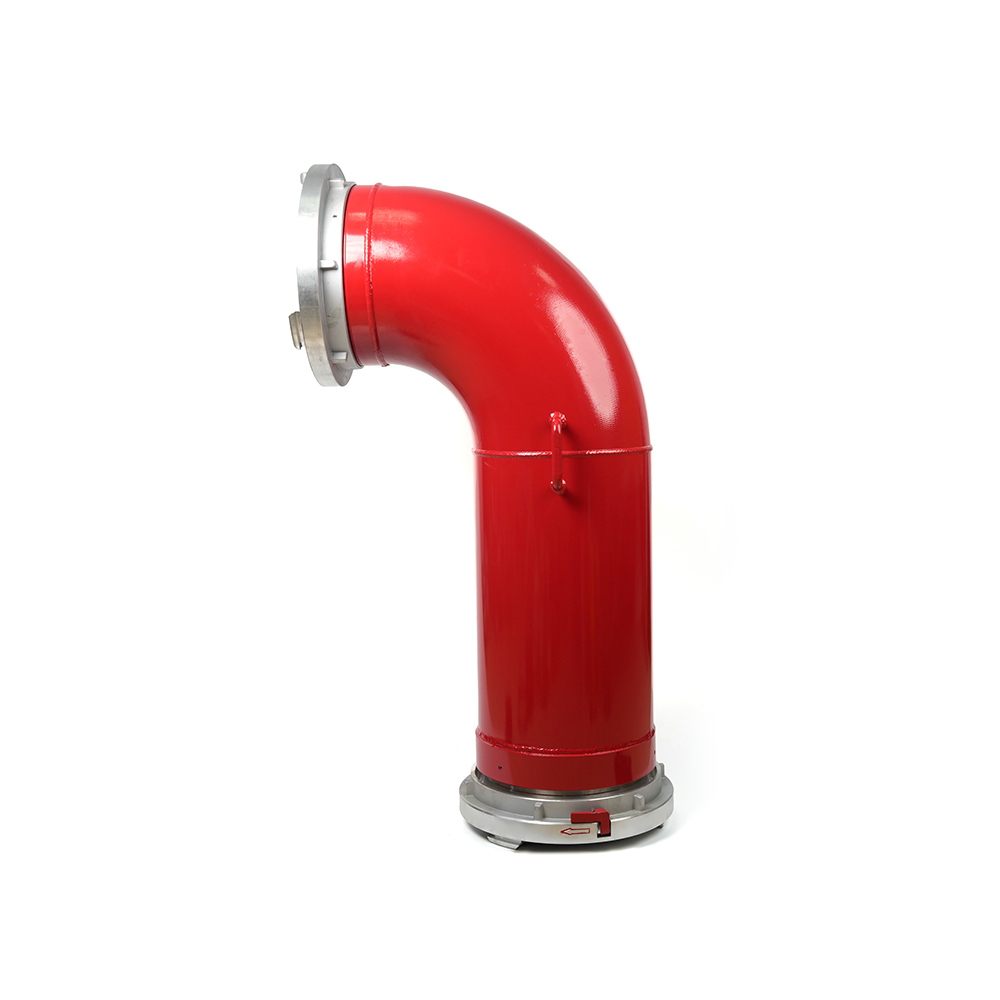 Grooved Fire Elbow-Storz
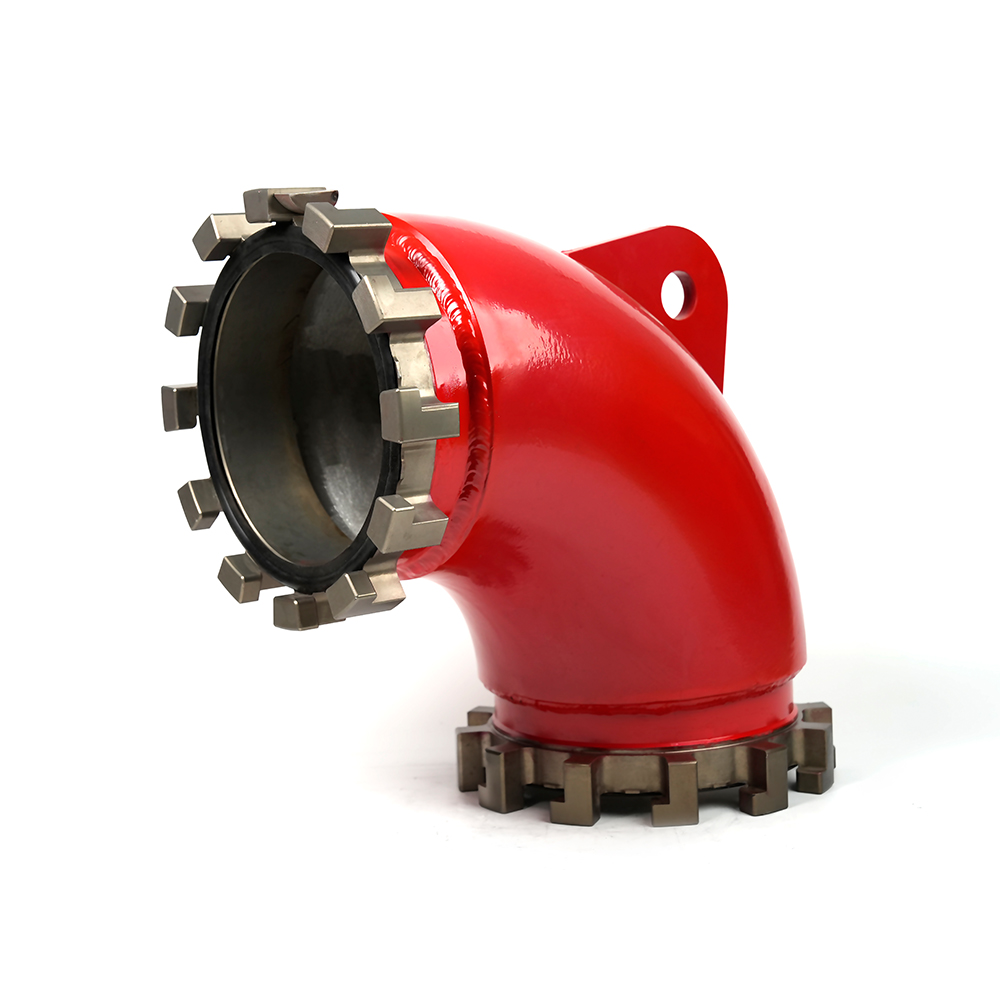 Grooved Fire Elbow-Multi-tooth
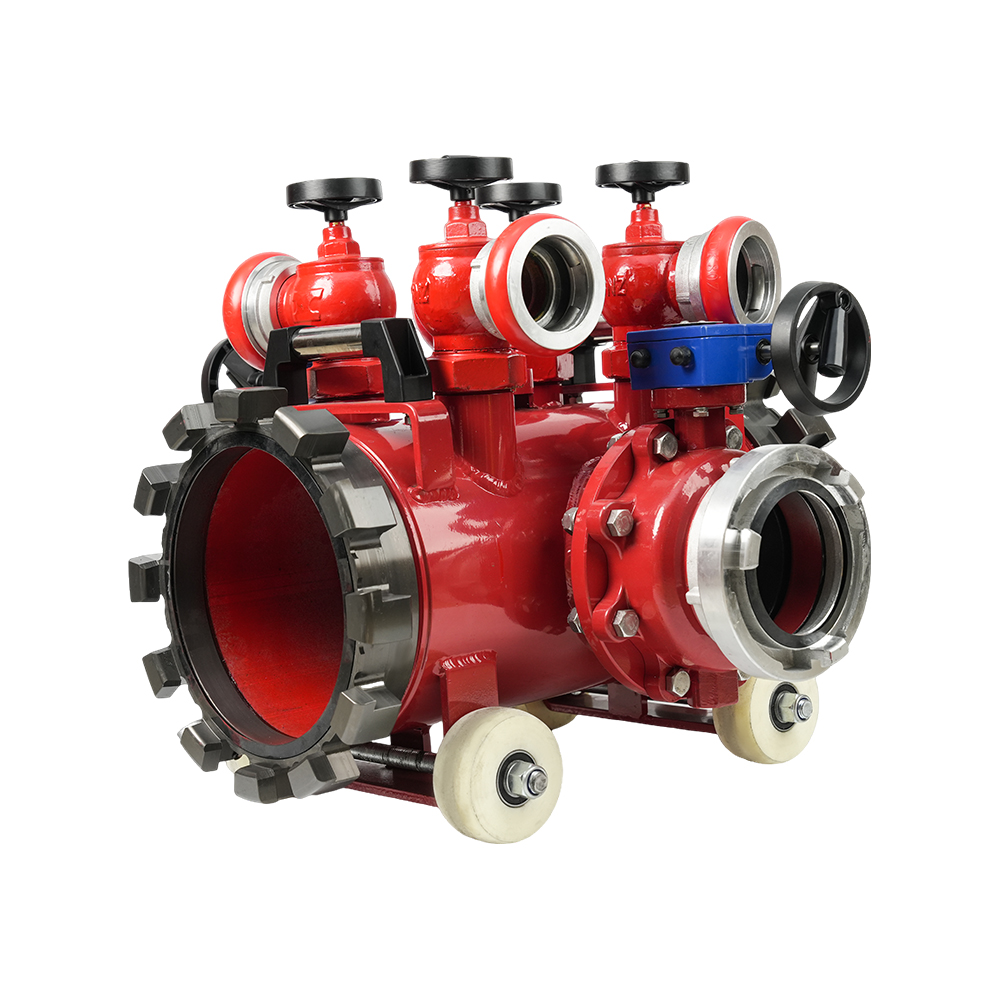 Multi-functional Fire Hose Distributor
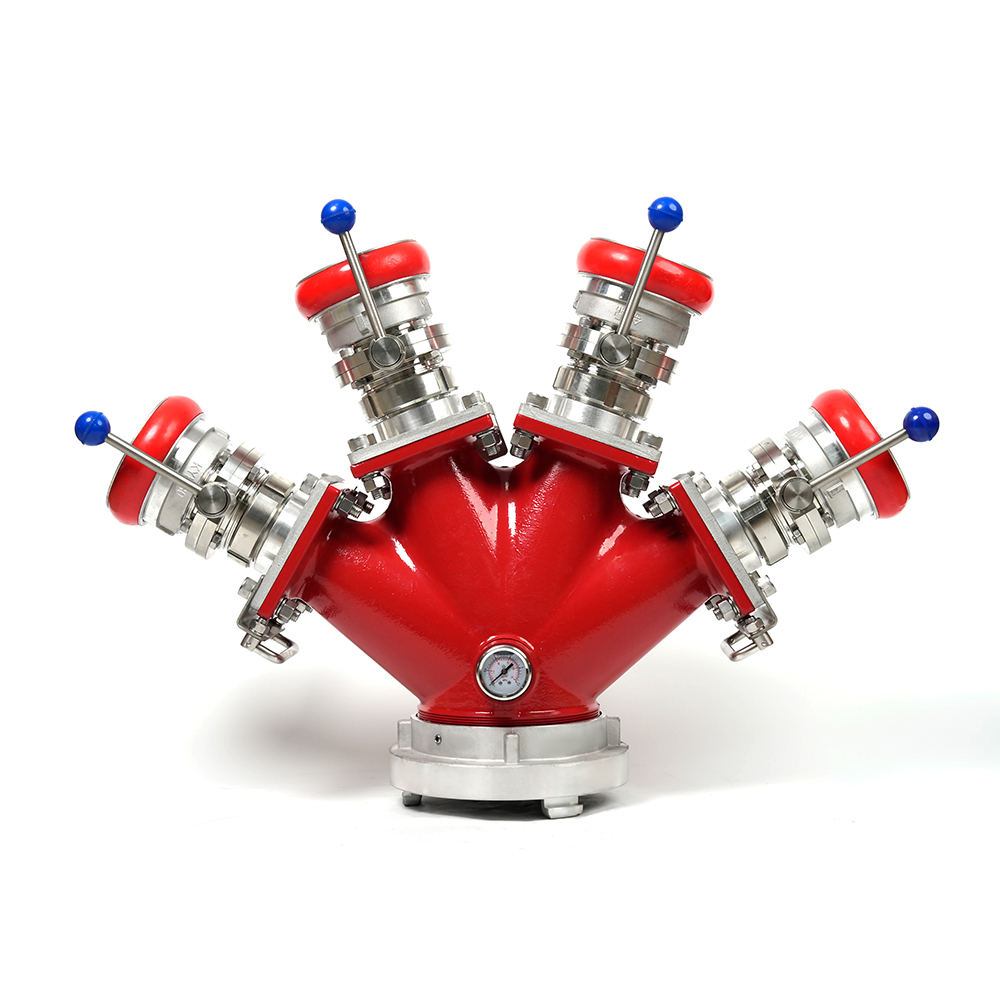 Locking Four-Way Fire Hose Distributor
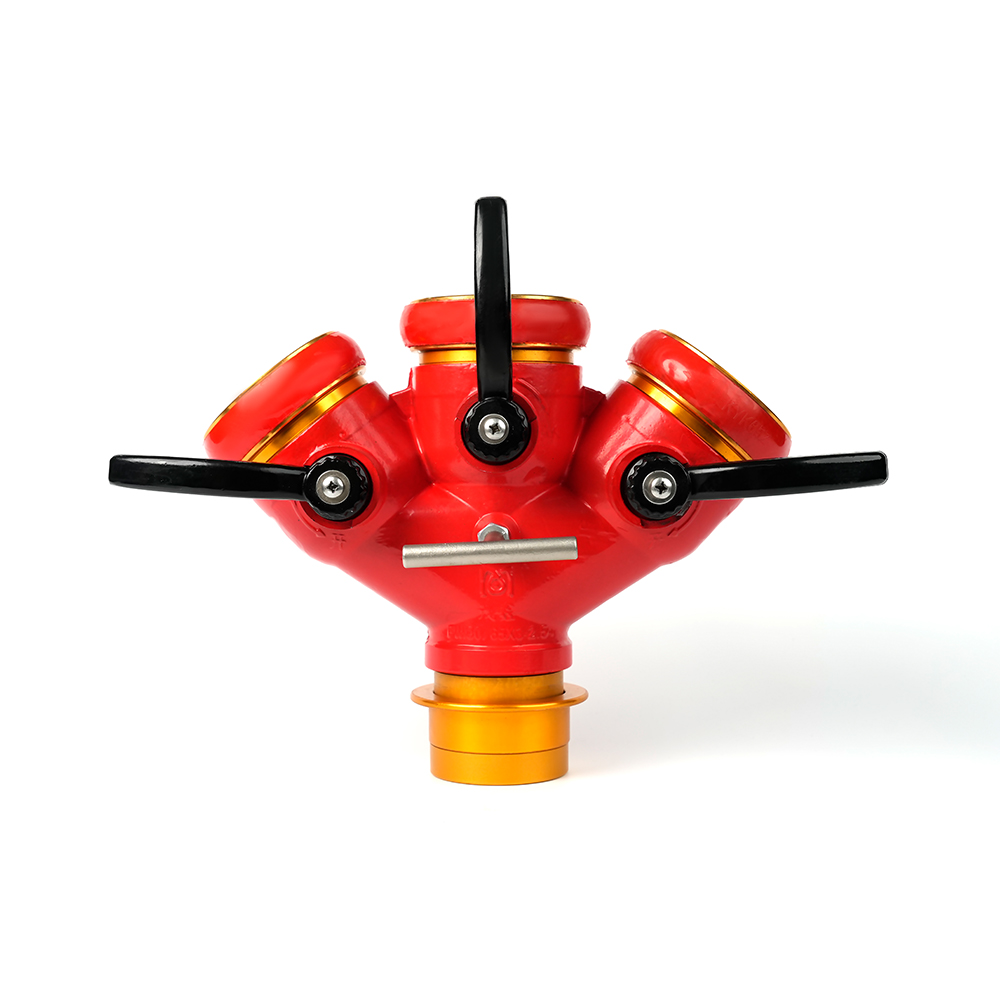 Locking Three-Way Fire Hose Distributor
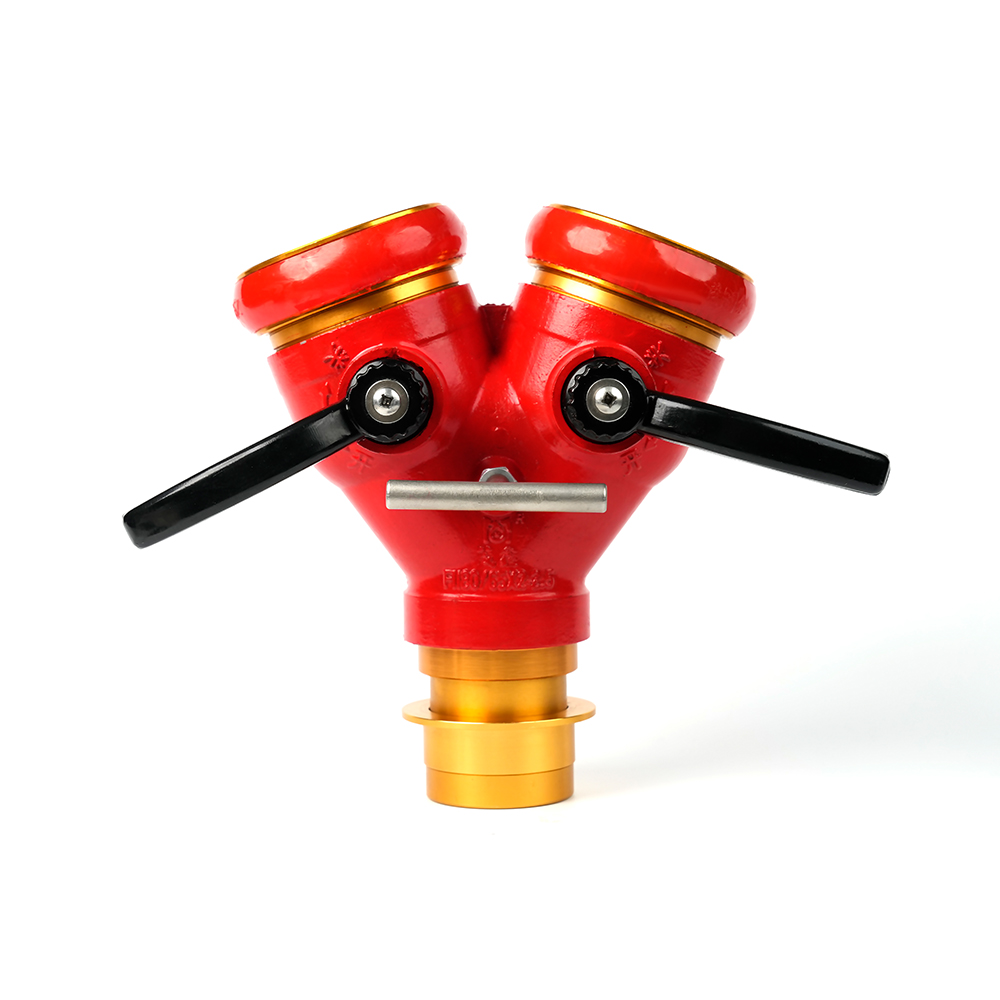 Locking Two-Way Fire Hose Distributor
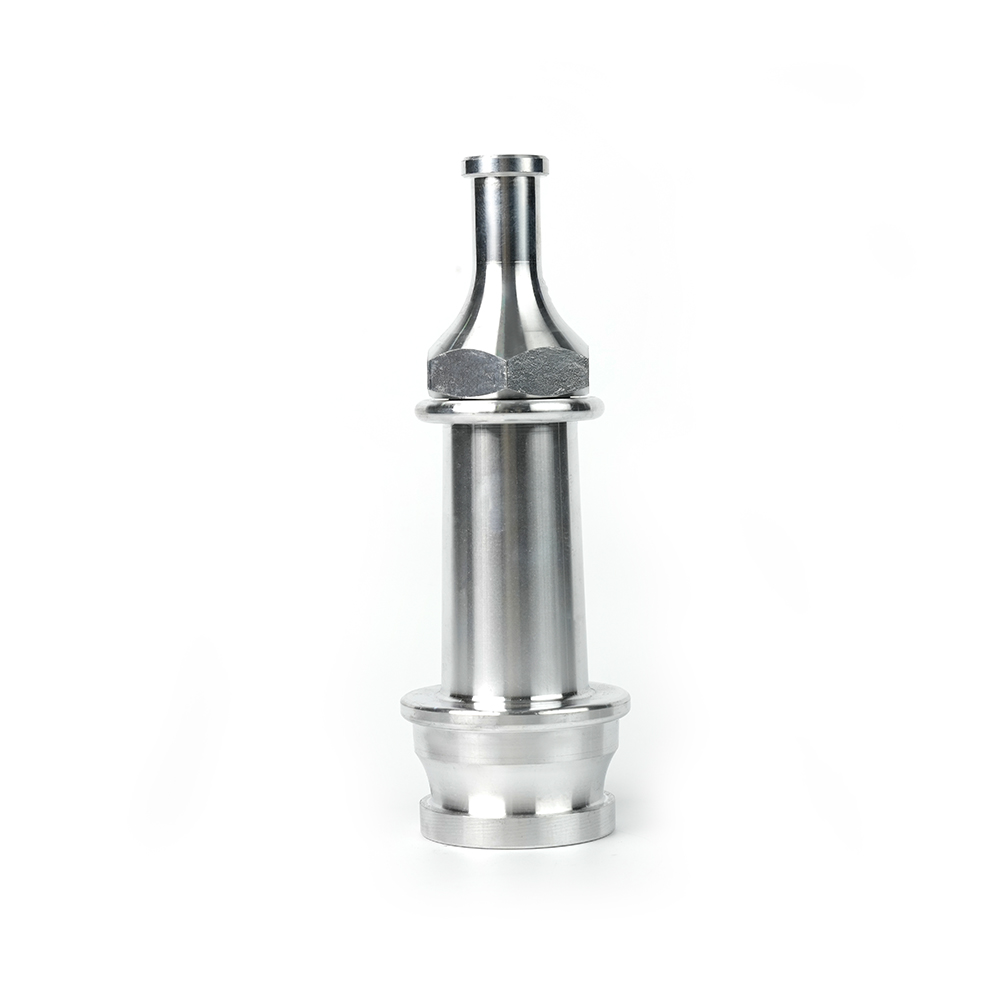 Straight Stream Nozzle
 Adjustable nozzle-machino
 Adjustable nozzle-storz
 Storz Adapter Couplings - Multi-Tooth
 Machino Adapter Couplings – Flanged
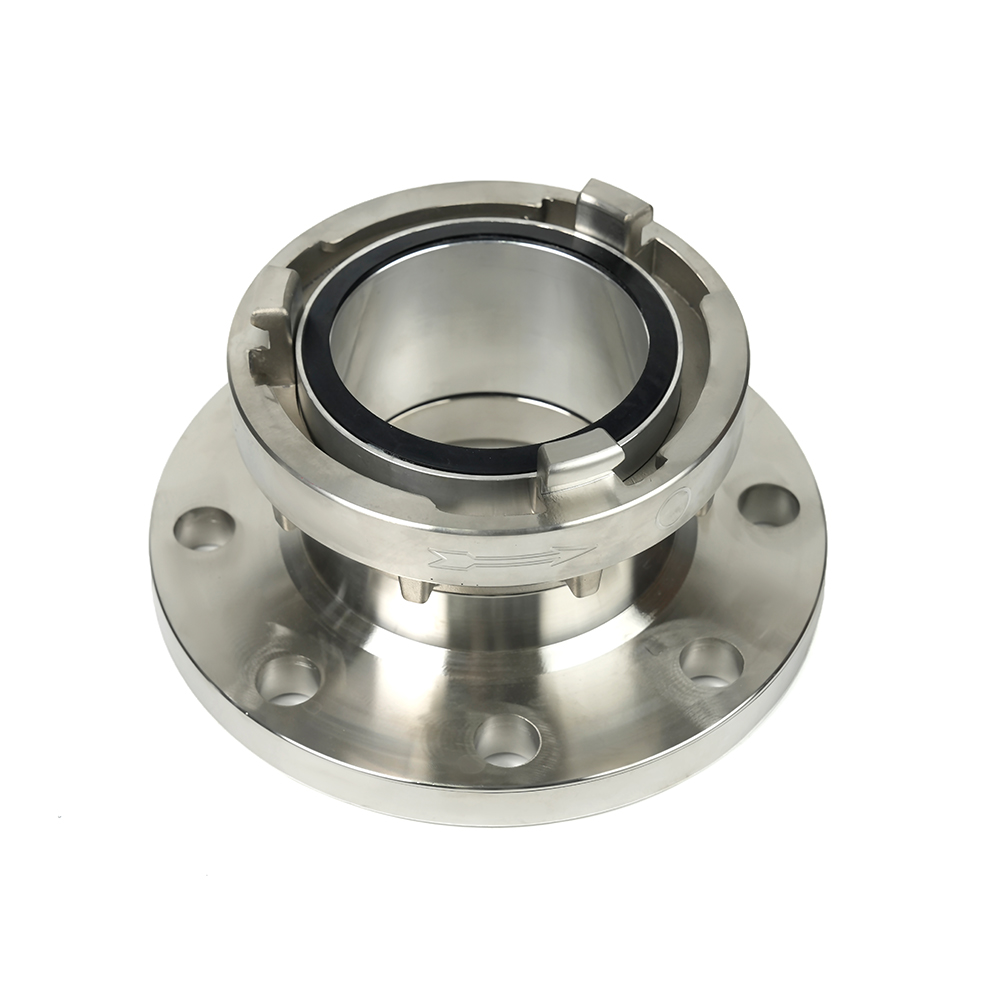 Storz Adapter Couplings – Flanged

 Contact Number
+86-0523-83274900
+86-151 9064 3365
 Let our team offer you customs solutions.
 Company Address
West side of Hongxing Middle Road, Lincheng Street, Development Zone, Xinghua City, Jiangsu Province, China
Copyright @Jiangsu Jinding Fire Protection Technology Co., Ltd. All rights reserved Fire Protection Equipments Manufacturers
