 英语
英语 西班牙语
西班牙语 德语
德语Industry News


GET IN TOUCH
+86-0523-83274900
+86-151 9064 3365
Content
A straight stream nozzle is used to deliver a dense, solid column of water in a concentrated, high-velocity jet that travels long distances without dispersing. Its primary purpose is long-range fire suppression — enabling firefighters to attack open flames, penetrate burning structures, and knock down large fires from a safe standoff distance that fog or spray patterns simply cannot reach. It is the nozzle of choice whenever maximum reach, impact force, and flow rate matter more than wide-area coverage or water conservation.
In practical terms, a straight stream nozzle is used in the following core scenarios: suppressing outdoor and building fires from distances of 20 to 40 meters or more; penetrating through breached walls or windows to reach the seat of a fire inside a structure; fighting high-intensity fires such as fuel, warehouse, or industrial blazes where the heat prevents close approach; supplying water to elevated positions such as aerial platforms or master stream devices; and exposing and cooling structural elements during overhaul operations. The sections below explain the mechanics behind each application and the specific conditions where a straight stream outperforms every other nozzle pattern.
Understanding why a straight stream nozzle performs uniquely well in certain situations requires a basic understanding of the physics that distinguishes a solid jet from other water patterns.
A straight stream nozzle shapes water into a tight, cylindrical column by accelerating it through a smoothly converging internal bore. Unlike a fog nozzle, which deliberately breaks water into fine droplets to maximize surface area for heat absorption, a straight stream nozzle keeps the water as a coherent mass. This coherence concentrates all of the water's kinetic energy in a single direction, producing a jet that retains its velocity and shape over a long trajectory before gravity and air resistance cause it to fall and break up.
The result is a stream with significantly higher impact pressure at the point of contact than any spray or fog pattern could deliver at equivalent flow rates. This impact force is what allows a straight stream to penetrate burning debris, knock down large flames at distance, and push burning materials away from exposures — functions that require mass and momentum rather than fine droplet distribution.
Straight stream nozzles are available in fixed-orifice smooth bore designs and in adjustable combination nozzles that include a straight stream setting. Smooth bore nozzles — also called solid bore or playpipe nozzles — deliver the most hydraulically efficient straight stream because their simple, unobstructed geometry minimizes turbulence and pressure loss at the orifice. Common smooth bore tip sizes used in structural firefighting include:
The key hydraulic advantage of the smooth bore straight stream design is that it operates at lower nozzle pressures (typically 3.5 bar / 50 psi) than combination nozzles (which typically require 7.0 bar / 100 psi), which reduces nozzle reaction force on the firefighter and allows longer hose lays without excessive friction loss. This makes large-volume straight stream operations feasible with fewer pumping resources.
The effective reach of a straight stream nozzle is substantially greater than that of any fog or spray pattern. At typical operating pressures, a smooth bore straight stream can project water effectively to distances of 20 to 40 meters horizontally, with some large master stream installations achieving effective ranges beyond 60 meters. Fog patterns at equivalent flow rates are effective only to 10 to 15 meters, and wide-angle fog patterns to less than 5 meters. This range difference is the defining operational advantage of the straight stream nozzle and the primary reason it remains irreplaceable in the firefighter's toolkit despite the many advantages of modern combination nozzles in other applications.
The most fundamental use of a straight stream nozzle is the suppression of large open fires from a distance that keeps firefighters out of the most dangerous thermal exposure zones. This application is relevant across a wide range of incident types.
In the early stages of a building fire — before flashover, when large flames are venting from windows or doorways — a straight stream directed at the seat of the fire can knock down open flame rapidly and reduce fire spread before an interior attack is possible. The high-velocity solid jet physically displaces burning gases and fuel vapors, disrupting the combustion process at the source in a way that fog patterns, which dissipate before reaching the fire seat at distance, cannot achieve.
In advanced-stage fires where interior entry is unsafe, exterior straight stream application buys time for evacuation, protects exposures (neighboring structures), and may darken down the fire sufficiently to allow a later interior entry. Many fire departments use large-diameter smooth bore nozzles in this "hit hard, hit fast" exterior attack strategy, accepting the higher water use in exchange for the speed and impact of the straight stream.
At wildland-urban interface fires, where flame fronts advance rapidly across terrain and structures are threatened, the straight stream nozzle allows firefighters to work at a safe distance from intense radiant heat. Knocking down advancing flame with a powerful straight stream can halt fire spread into a structure long enough for more sustained suppression to begin. The stream's ability to reach across roads, clearings, and firebreaks without firefighters needing to enter the fire's immediate perimeter is a significant safety advantage in this high-risk environment.
Vehicle fires — including cars, trucks, buses, and rail cars — frequently involve flammable liquids, pressurized fuel systems, and the risk of explosion. The straight stream allows firefighters to maintain a safe working distance of 15 to 25 meters while delivering sufficient water to cool burning fuel tanks and knock down open flame before approaching for closer work. For electric vehicle fires, which can involve thermal runaway in battery packs requiring sustained high-volume water application, the range and flow rate of a straight stream are particularly valuable for initial battery cooling before close-up intervention.
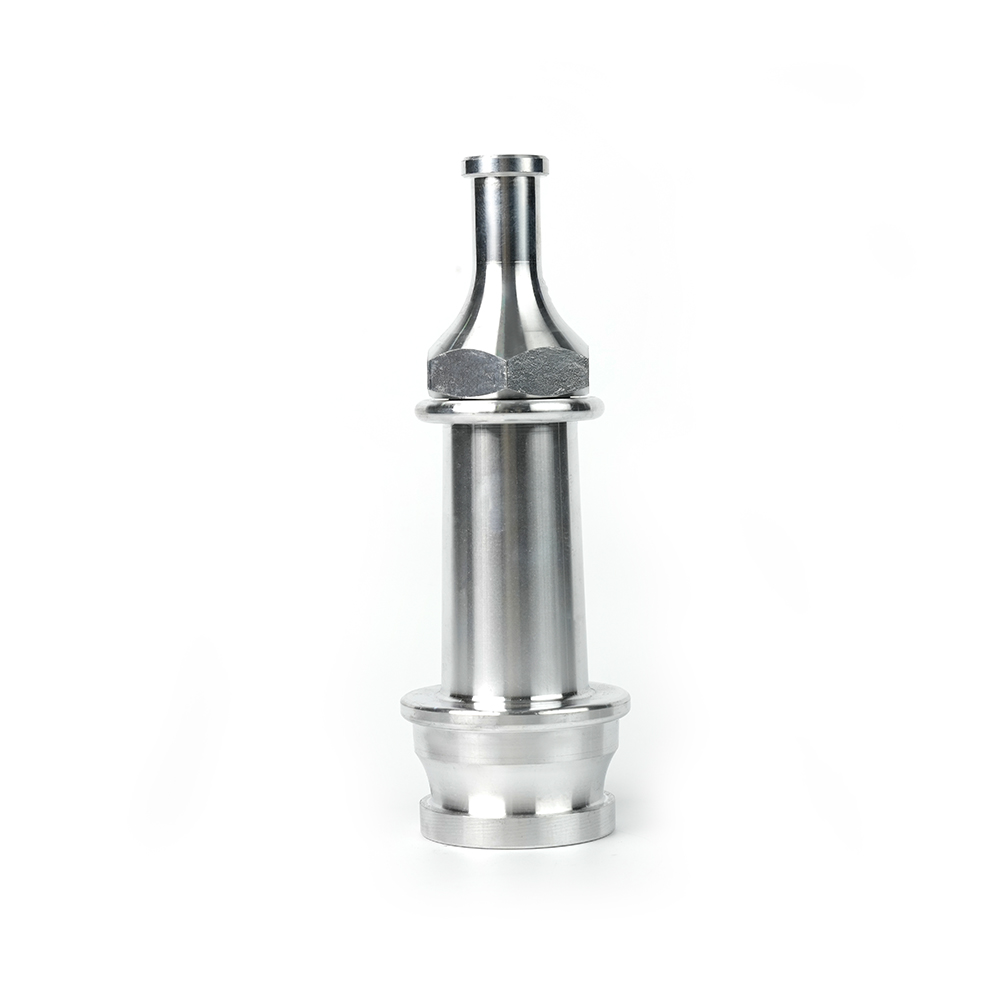
One of the most specialized and critical uses of the straight stream nozzle is penetrative firefighting — directing water through a specific opening in a structure to reach a fire that cannot be accessed directly.
When a building fire is inaccessible through normal entry points — due to structural instability, intense heat, or collapse risk — a straight stream directed through a window or doorway opening can deliver water directly to the burning area without firefighters entering the structure. The accuracy and coherence of the straight stream allow it to be aimed through relatively small openings at distance, something a fog pattern spreading to a wide cone could not achieve. A well-aimed straight stream through a single window can dramatically reduce the fire load in a room, making a subsequent safer entry possible.
After structural breaching — either by fire damage, controlled ventilation cuts, or deliberate access openings — a straight stream provides the precise, directional water delivery needed to reach specific areas within a burning void space or room. The high impact force of the stream can also dislodge burning debris and knock burning material away from structural elements, helping prevent further spread along concealed pathways.
Below-grade fires — in basements, cellars, and underground spaces — present extreme hazards for interior attack because heat accumulates in the confined space and escape routes are limited. The straight stream, directed down through cellar windows, floor openings, or access hatches, allows firefighters to apply large volumes of water to a below-grade fire without entering the dangerous space. This technique, sometimes called a cellar pipe or distributor attack when specialist equipment is used, relies on the straight stream's ability to carry water to depth and bounce off walls and floors to distribute throughout the space.
Straight stream nozzles — particularly large-diameter smooth bore tips mounted on monitor nozzles or deluge systems — are essential equipment for industrial fire protection where fire scale, intensity, and chemical hazards demand long-range, high-volume water delivery that no handheld fog nozzle could sustain.
Fires involving flammable liquid storage tanks present extreme radiant heat that can prevent approach to within 50 or 100 meters during fully involved fires. Fixed monitor nozzles delivering straight streams at flow rates of 4,000 to 15,000 L/min (1,000 to 4,000 GPM) are used to cool adjacent tanks, protect structural supports, and supply foam concentrate delivery systems. The straight stream pattern is specifically required for tank cooling because it directs water precisely onto the tank shell rather than dissipating in the air as fine droplets that evaporate before reaching the target.
Modern high-bay warehouses with rack storage reaching 12 to 20 meters in height present firefighting challenges that require the reach capability of a straight stream. Fires in upper rack levels, which may be inaccessible to sprinkler systems due to thermal stratification, can be reached by straight streams from ground level or from aerial apparatus. The directed impact of the stream also physically pushes burning materials off rack shelving, reducing the fuel load and creating separation between burning and unburned stock.
In hazmat incidents involving pressurized gas containers, reactive chemicals, or overheated industrial equipment, straight stream application is used to cool containers from a safe standoff distance to prevent rupture, BLEVE (boiling liquid expanding vapor explosion), or runaway chemical reaction. The ability to deliver a precise, high-volume water stream at 20 to 40 meter range allows responders to work from outside the immediate hazard zone while still applying effective cooling. Care is taken in some hazmat situations to avoid fog patterns, which can disperse vapors and carry contaminants beyond the immediate incident area — another situation where the directional control of the straight stream is an advantage.
The straight stream nozzle is the dominant pattern used in master stream devices — large-volume water delivery systems mounted on apparatus, elevated platforms, or ground-level monitors that are capable of flows far beyond what handheld lines can deliver.
Deck guns — large nozzles mounted on the top of fire apparatus — are almost universally equipped with smooth bore straight stream tips as their primary operating configuration. A typical deck gun operating with a 38 mm (1.5 inch) smooth bore tip at 7 bar (100 psi) inlet pressure delivers approximately 1,100 L/min (290 GPM) at a range exceeding 50 meters. This capability allows a single apparatus to deliver more water than an entire attack crew with multiple handheld lines, making deck gun straight stream operations the standard opening tactic for large, fast-moving fire incidents.
Aerial ladder platforms and elevated waterways use straight stream nozzles to deliver water from above onto fires in multi-story buildings, large structures, and high-bay industrial facilities. The elevated straight stream has a tactical advantage over ground-level application because water falling from above penetrates deeper into the fire building through roof openings, skylights, and the natural downdraft created by the stream's impact. Elevated straight streams at flows of 2,000 to 4,000 L/min (530 to 1,060 GPM) are used to darken down large fires on upper floors and to cool rooftop structures, antenna masts, and adjacent buildings in exposure protection operations.
Fixed ground-level monitors — either portable or permanently installed at industrial facilities — use large smooth bore straight stream nozzles for high-volume suppression and cooling in preset fire scenarios. Airport rescue and firefighting (ARFF) vehicles use high-capacity straight stream monitors as their primary attack tool for aircraft fires, where flow rates of 4,000 to 9,000 L/min (1,060 to 2,400 GPM) must be delivered rapidly to cover the large fuel spill areas associated with aircraft incidents. The straight stream pattern ensures that water and foam concentrate reach the burning fuel surface at the required flow density rather than dissipating over the large footprint of a fog pattern.
The straight stream nozzle's utility does not end when the visible fire is extinguished. During overhaul — the systematic search for and extinguishment of hidden or residual fire after the main body has been knocked down — the straight stream provides specific capabilities that fog and spray patterns cannot replicate.
Deep-seated fires in wood-frame structures, thatch, compressed hay, bulk storage of organic material, and municipal waste piles burn at depth well below the surface, often surviving for days after apparent extinguishment. The straight stream's high impact force allows water to penetrate surface layers of debris and reach smoldering material beneath — a task that a fog pattern, which deposits water only on the surface, cannot accomplish. For deep-seated fires in waste facilities or industrial storage, straight stream application is often the only effective method of delivering water to the source of heat without mechanical excavation.
After a major fire, structural steel members may retain dangerous levels of residual heat that continue to cause thermal expansion stress, damage to adjoining materials, and risk of re-ignition of any remaining combustibles. Straight stream application cools these elements rapidly and uniformly, and the range of the stream allows firefighters to wet down elevated structural members from ground level without requiring access scaffolding or aerial apparatus in stable post-fire environments.
Understanding when to use a straight stream rather than a fog, spray, or combination pattern is critical for effective and safe firefighting. Each pattern has a specific role, and using the wrong pattern for a given situation reduces effectiveness and can create new hazards.
| Situation | Straight Stream | Fog / Spray Pattern | Reason |
|---|---|---|---|
| Long-range fire attack (20–40 m+) | Preferred | Not effective | Fog dissipates before reaching fire; straight stream maintains velocity |
| Interior structural fire (close range) | Use with care | Often preferred | Fog absorbs heat more efficiently in enclosed space; straight stream can drive steam into crew |
| Penetrating fire through opening | Preferred | Less effective | Straight stream fits through small openings and reaches fire seat at depth |
| Protecting firefighters from radiant heat | Not suitable | Preferred | Fog creates a water curtain that intercepts radiant heat; straight stream does not |
| Exposure protection (adjacent structure) | Preferred | Acceptable | Straight stream reaches distant exposures and wets large surface areas efficiently |
| Cooling pressurized containers at distance | Preferred | Less effective | Straight stream concentrates cooling water on specific container surface |
| Flammable liquid (Class B) fire suppression | With caution | Preferred (with foam) | Straight stream can splash and spread burning liquid; use only for cooling, not direct suppression |
| Deep-seated fire in debris or waste | Preferred | Not effective | Straight stream impact force penetrates surface layers to reach seat of fire |
| Master stream / monitor operations | Standard choice | Secondary | Smooth bore straight stream maximizes range and flow efficiency at high volumes |
The reliability and performance of a straight stream nozzle depend on the quality of its construction materials and the precision of its internal geometry. In emergency firefighting situations, equipment failure is not an option.
The majority of professional-grade straight stream nozzles are manufactured from high-strength aluminum alloy — most commonly 6061-T6 or equivalent grades — which provides an excellent balance of strength, corrosion resistance, and weight. Aluminum nozzles are significantly lighter than brass or cast iron alternatives at equivalent strength, reducing firefighter fatigue during prolonged operations. The alloy's natural oxide layer provides good corrosion resistance for most fire service environments, and the material machines precisely to the tolerances required for smooth, turbulence-free internal flow paths.
Some modern straight stream nozzles incorporate high-strength polymer or composite components — particularly in the handgrip and bail valve areas — to further reduce weight without sacrificing mechanical strength. These materials also provide better thermal insulation for the firefighter's grip when the nozzle is used in proximity to high-heat environments, where metal components can become uncomfortably warm. Composite materials also resist the corrosive effects of seawater, chemical foam concentrates, and the salt-laden atmospheres common at coastal and industrial installations.
Quality straight stream nozzles are equipped with a ball valve shut-off mechanism that allows the firefighter to stop and start water flow instantly and completely. This feature serves two critical functions. First, it allows rapid tactical response — stopping flow immediately when repositioning or when the tactical situation changes. Second, and equally important, the ball valve prevents the sudden pressure surge (water hammer) that occurs when a nozzle is closed abruptly with a twist-type or lever-type shut-off. Water hammer can damage hose couplings, pump seals, and manifold connections — a significant operational and equipment maintenance concern on large-diameter, high-pressure lines. The quarter-turn ball valve closes the flow path smoothly and with minimal hammer effect, protecting the entire hose line from this stress.
Straight stream nozzles are manufactured with a range of inlet coupling standards to match the hose connections used in different national or organizational systems. Common coupling types include Storz (instantaneous symmetrical coupling, widely used in Europe and internationally), threaded NH or NST (National Standard Thread, dominant in North America), and BSPP (British Standard Pipe Parallel, common in the UK and Commonwealth countries). Many manufacturers offer the same nozzle body with interchangeable inlet adapters, providing versatility across different hose systems without requiring separate nozzle inventory. Custom coupling configurations are also available for operators with non-standard systems or specialized vehicle-mounted applications.
When specifying or purchasing a straight stream nozzle, several technical parameters define its operational capability and suitability for a given application. Understanding these specifications ensures that the selected nozzle matches the hydraulic capacity of the supply system and the tactical requirements of the intended use.
| Specification | Typical Range | What It Affects |
|---|---|---|
| Tip (orifice) diameter | 12 mm – 50 mm (0.5 – 2 inch) | Flow rate, range, and reaction force |
| Operating nozzle pressure (smooth bore) | 3.0 – 4.5 bar (45 – 65 psi) | Jet coherence, range, and flow rate |
| Flow rate | 95 – 9,000+ L/min (25 – 2,400+ GPM) | Fire suppression capacity |
| Effective range (horizontal) | 15 – 60+ meters | Safe working distance from fire |
| Nozzle reaction force | 15 – 250+ kg (35 – 550+ lbs) | Number of firefighters required to hold nozzle |
| Working pressure rating | 12 – 20 bar (175 – 290 psi) | Maximum safe supply pressure |
| Body material | Aluminum alloy, brass, composite | Weight, durability, and corrosion resistance |
| Inlet coupling type | Storz, NST, BSPP, custom | Compatibility with supply hose system |
| Shut-off type | Ball valve, slide valve, or none | Flow control speed and water hammer risk |
Nozzle reaction force deserves particular attention when selecting handline nozzles. As tip diameter increases and flow rate rises, the reaction force pushing back against the firefighter holding the nozzle increases correspondingly. A 32 mm smooth bore tip at 3.5 bar generates approximately 45 to 55 kg (100 to 120 lbs) of reaction force — the maximum that a single firefighter can typically handle safely. Larger tips require two-person operation or apparatus mounting. Specifying a nozzle that exceeds single-operator capacity creates both a safety risk and a loss of tactical flexibility.
A thorough understanding of the straight stream nozzle includes knowing its limitations — situations where its characteristics create tactical or safety problems rather than solutions.
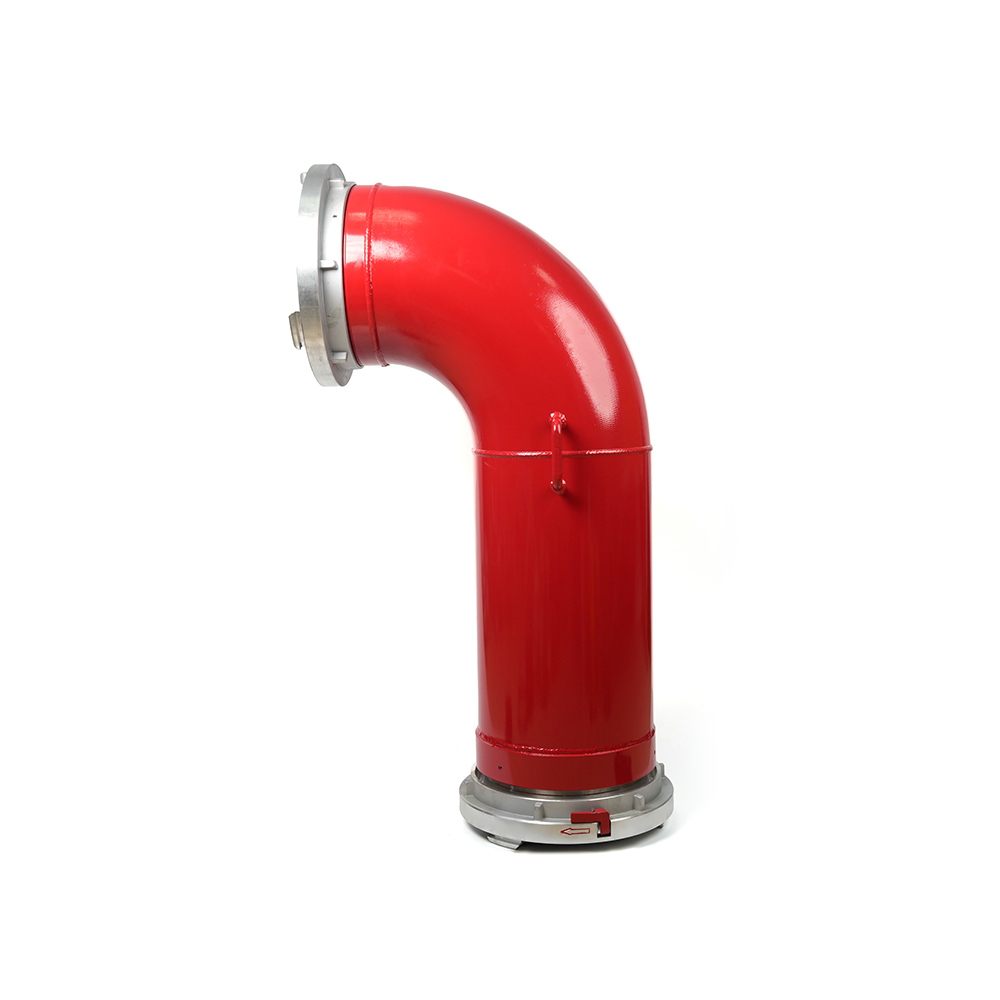 Grooved Fire Elbow-Storz
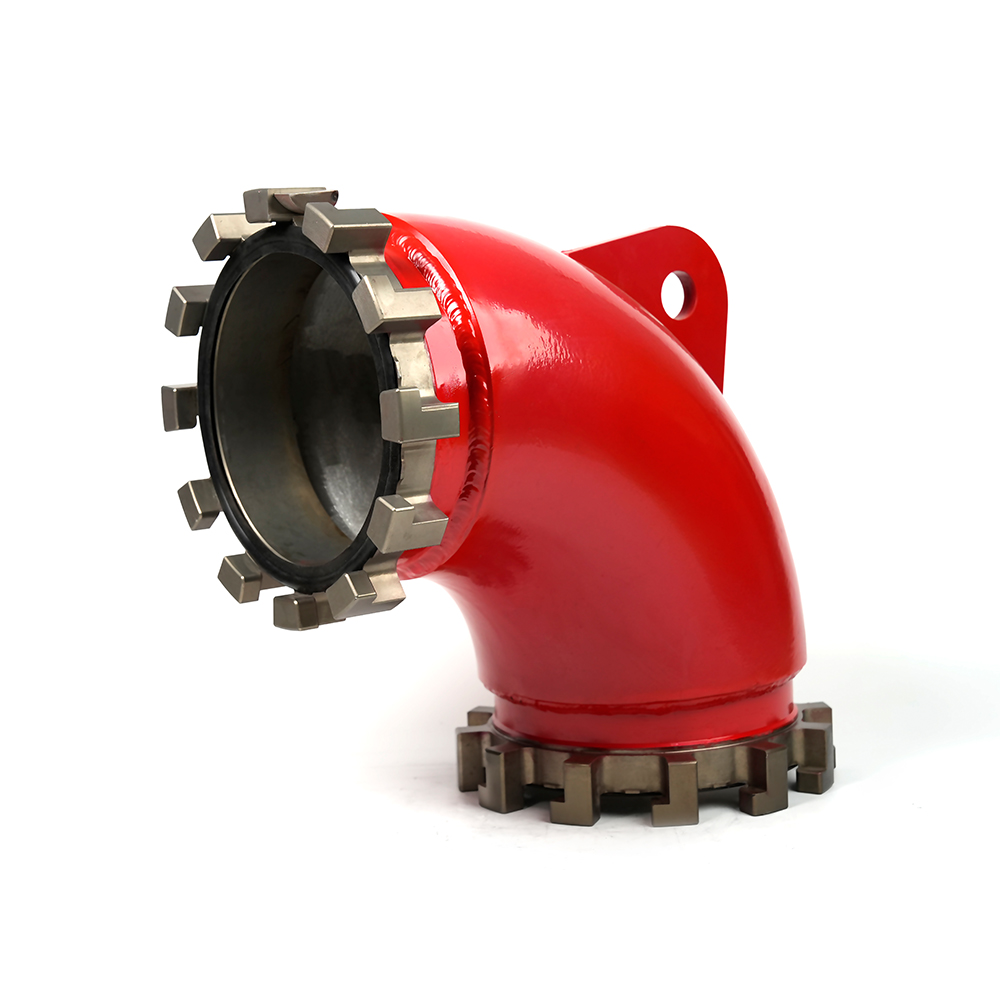 Grooved Fire Elbow-Multi-tooth
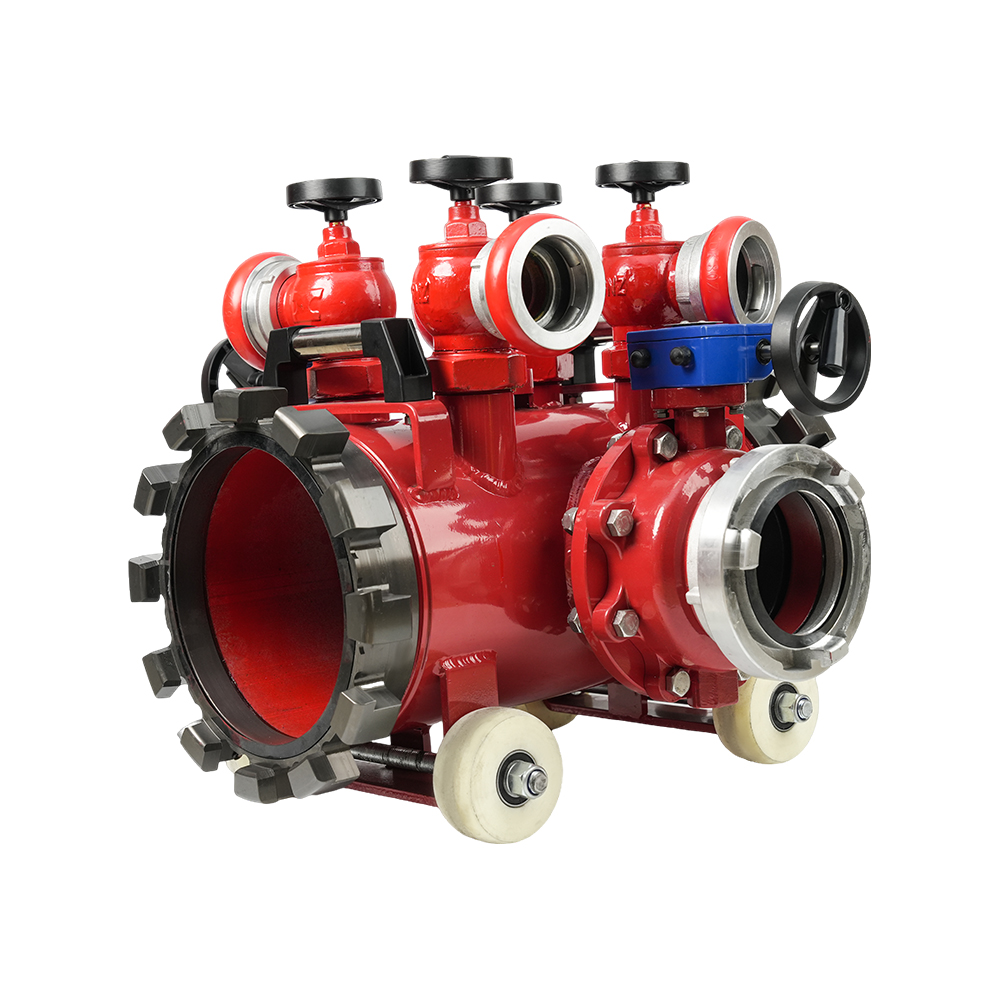 Multi-functional Fire Hose Distributor
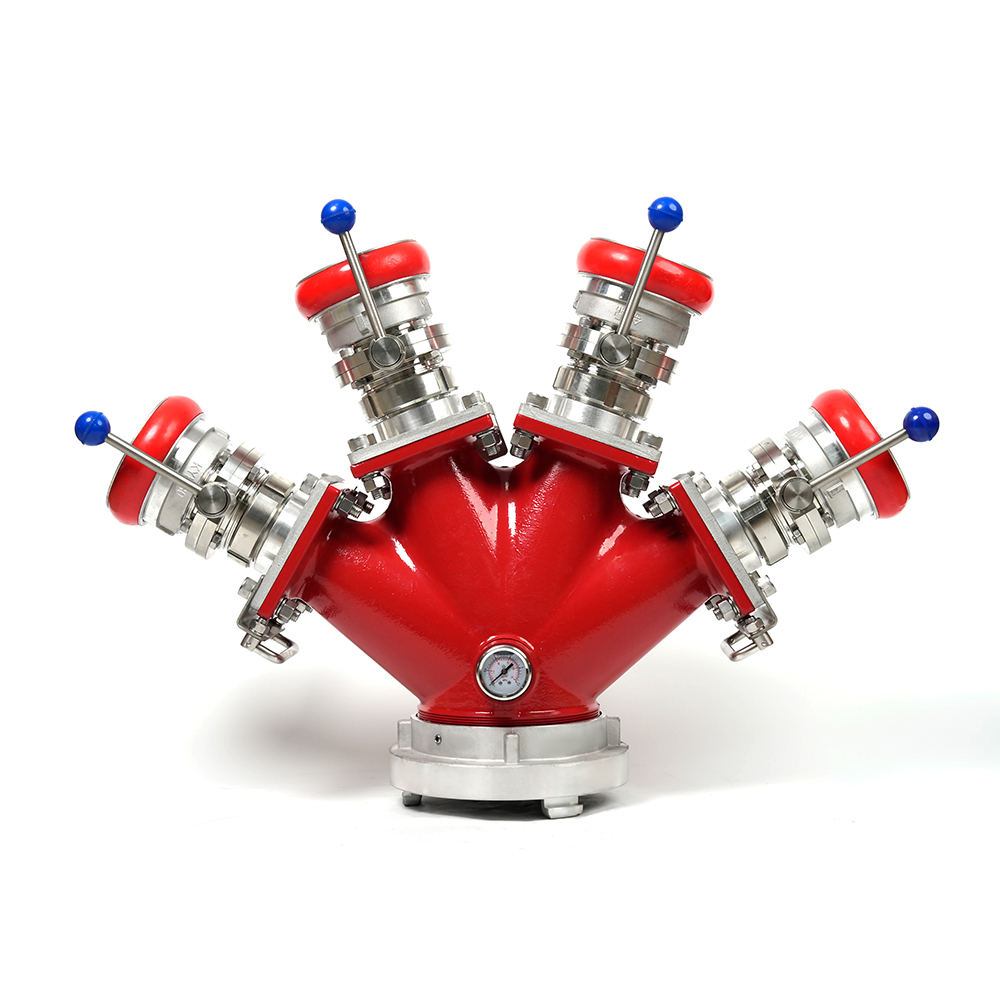 Locking Four-Way Fire Hose Distributor
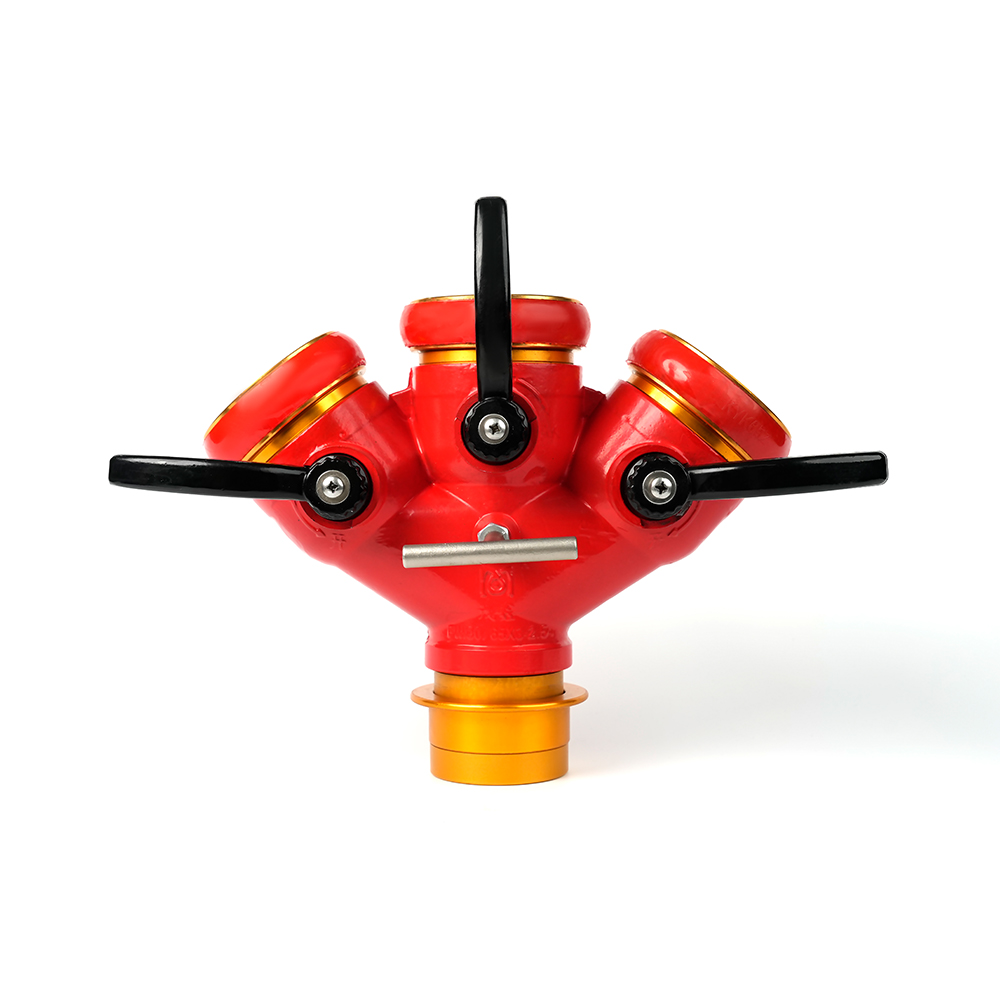 Locking Three-Way Fire Hose Distributor
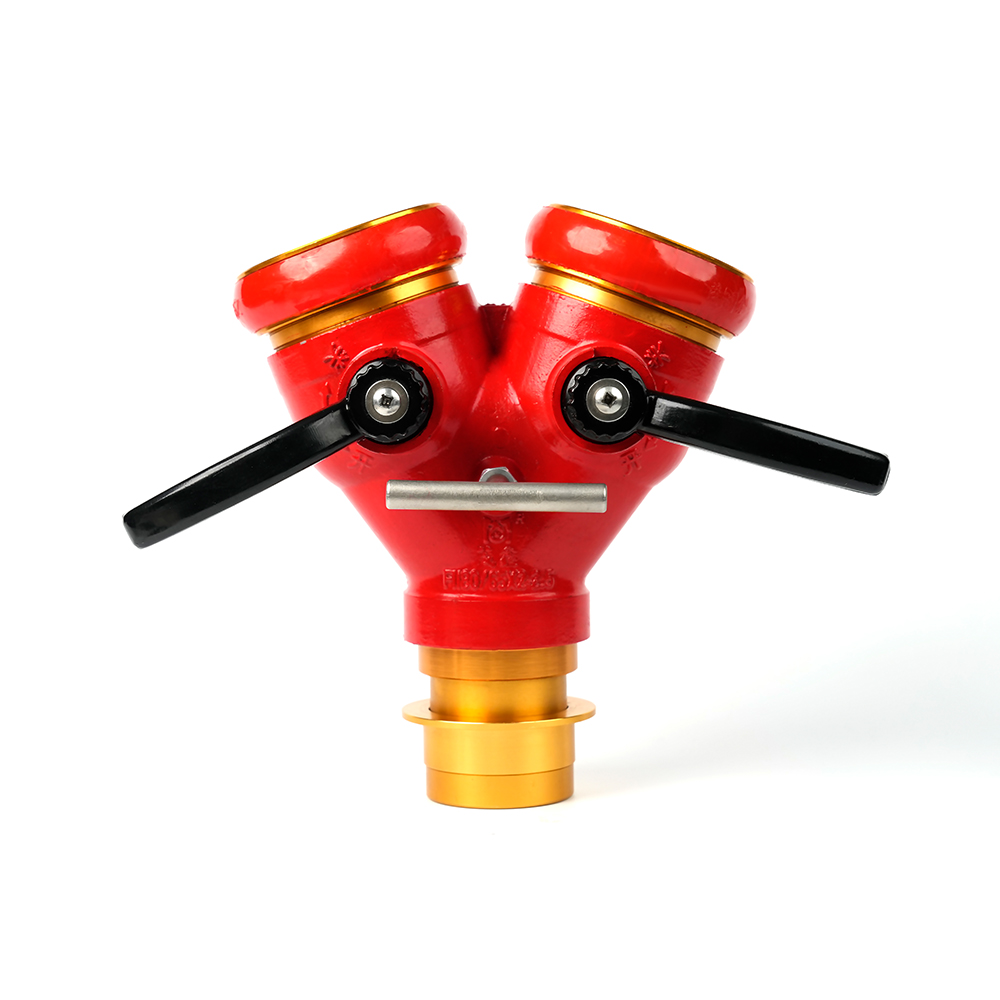 Locking Two-Way Fire Hose Distributor
 Straight Stream Nozzle
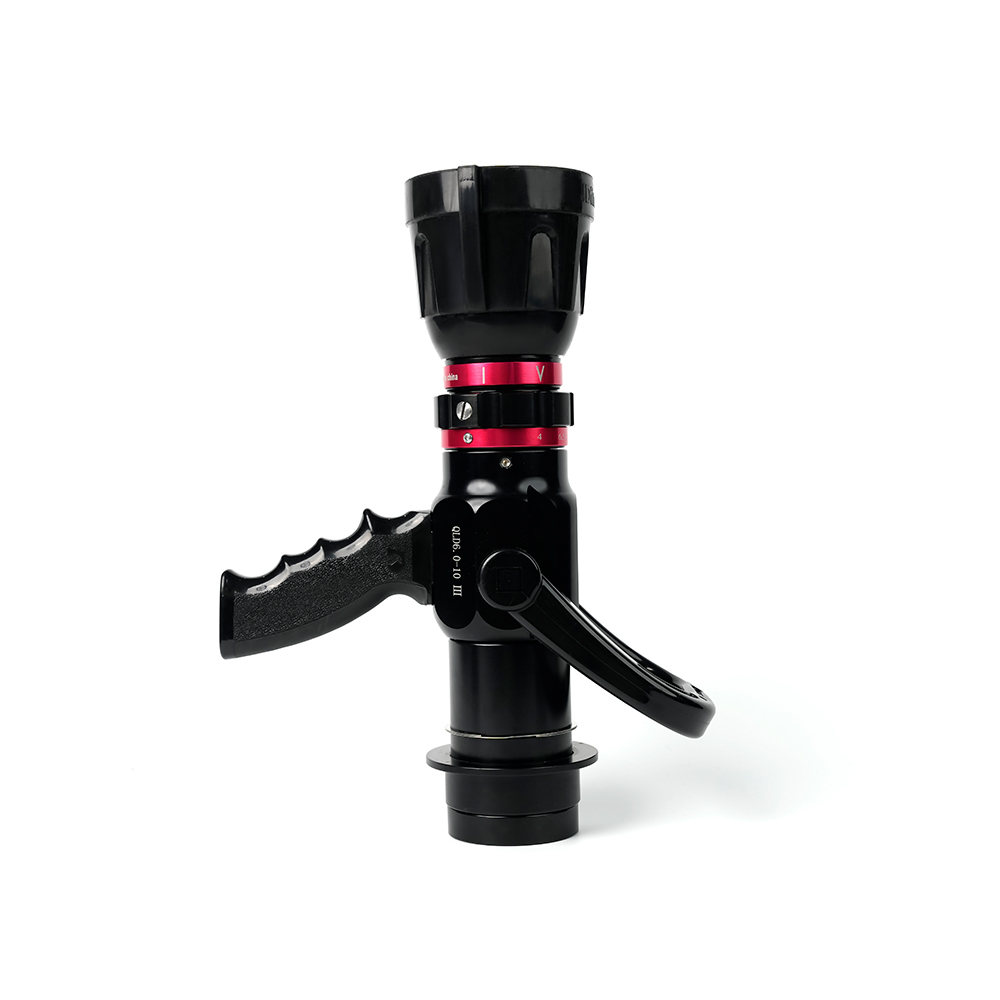 Adjustable nozzle-machino
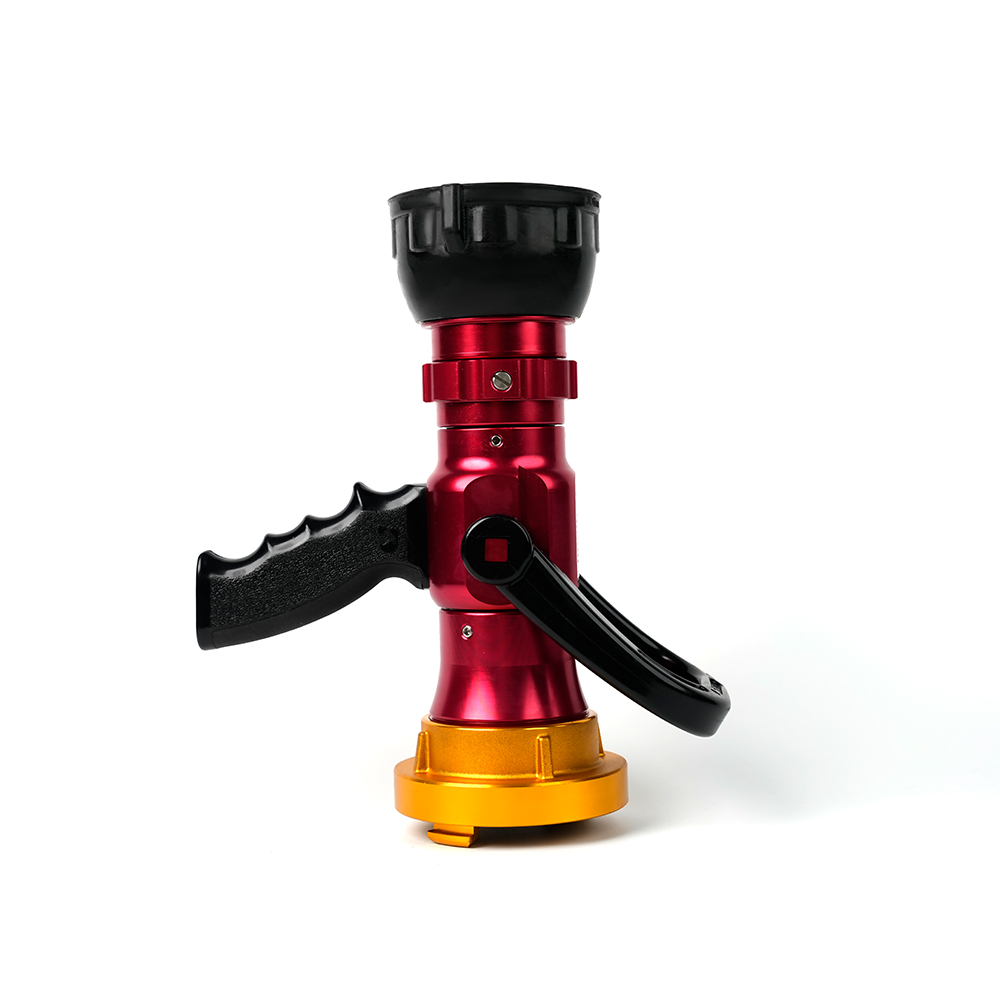 Adjustable nozzle-storz
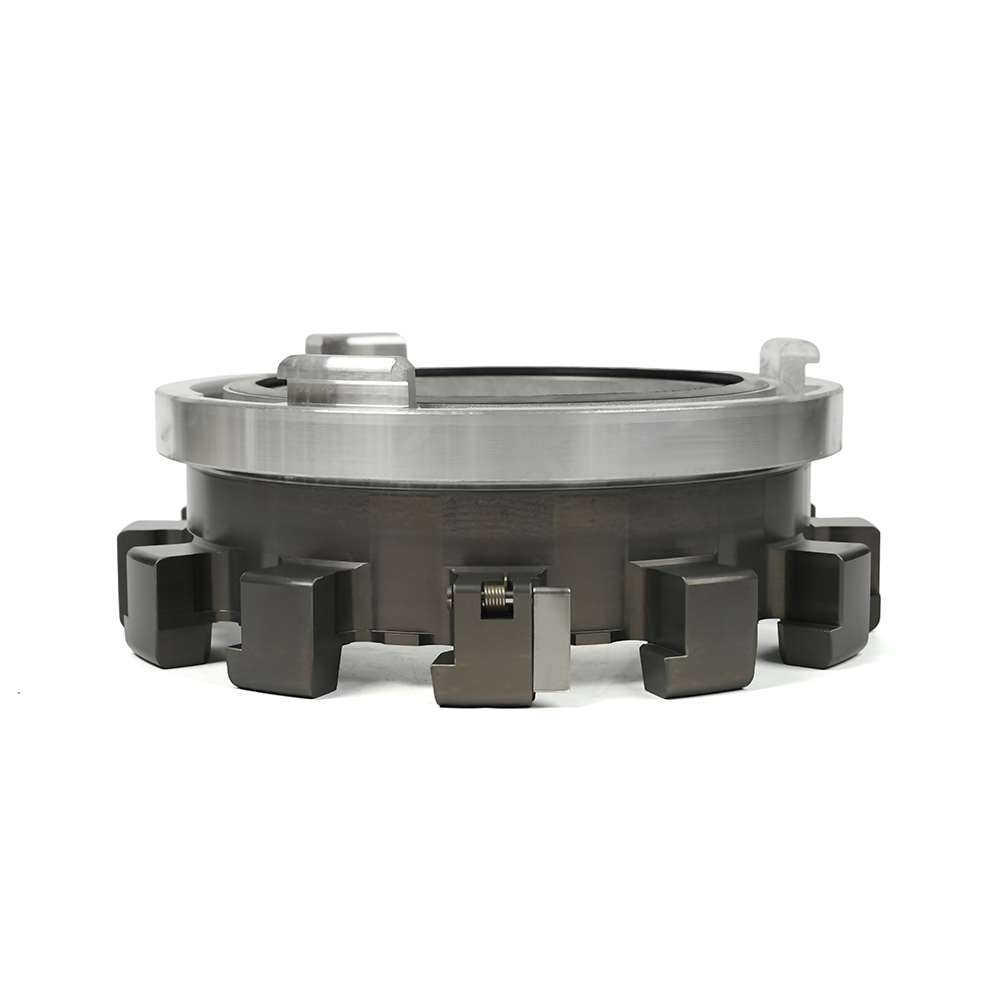 Storz Adapter Couplings - Multi-Tooth
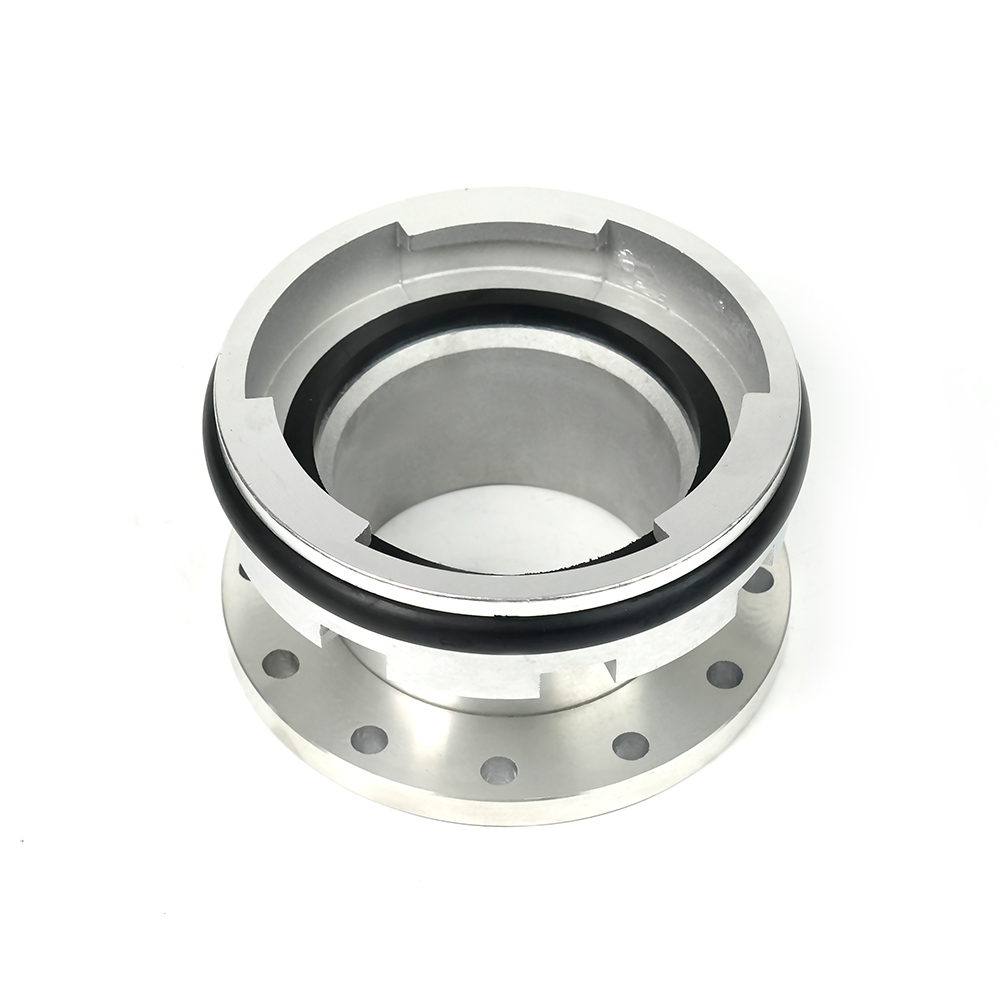 Machino Adapter Couplings – Flanged
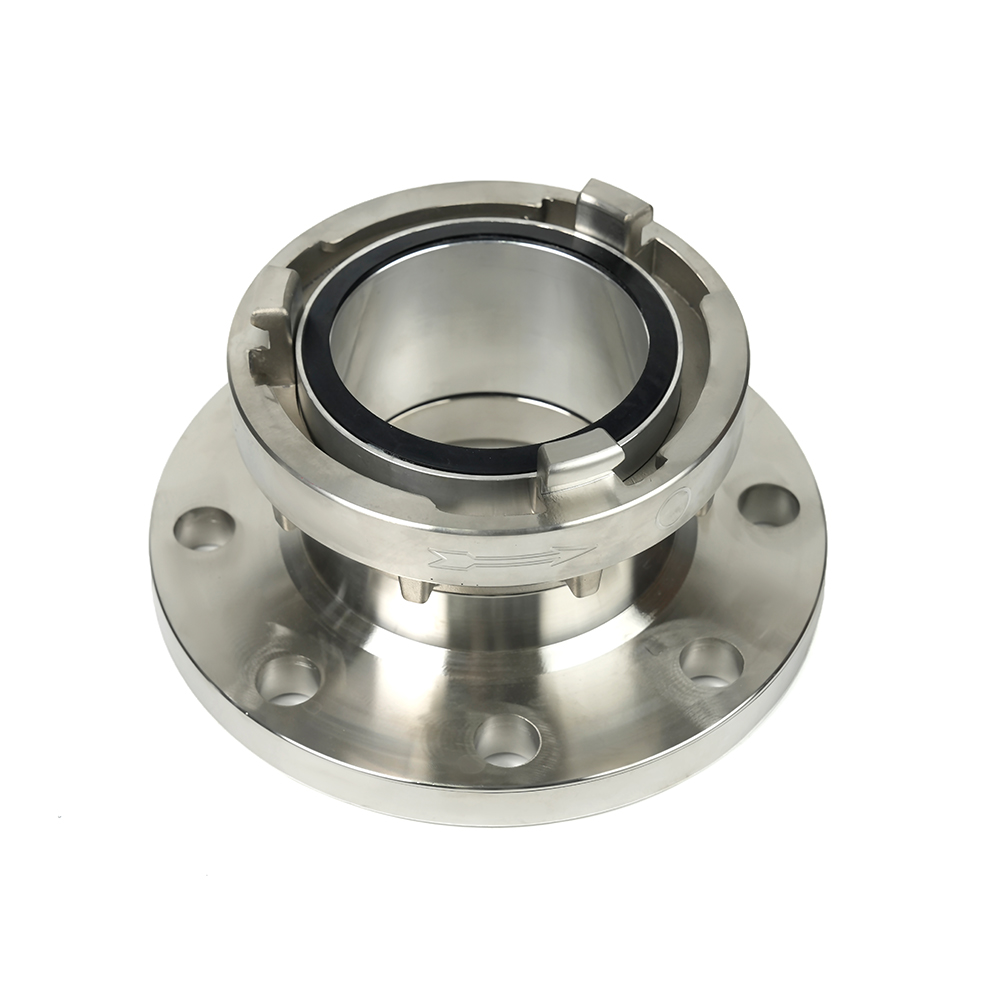 Storz Adapter Couplings – Flanged

 Contact Number
+86-0523-83274900
+86-151 9064 3365
 Let our team offer you customs solutions.
 Company Address
West side of Hongxing Middle Road, Lincheng Street, Development Zone, Xinghua City, Jiangsu Province, China
Copyright @Jiangsu Jinding Fire Protection Technology Co., Ltd. All rights reserved Fire Protection Equipments Manufacturers
