 英语
 西班牙语
 德语
Industry News
Home / News / Industry News / Garden Hose Nozzle Buying Guide: Flow Rate, Connection Fit, and Spray Control


+86-0523-83274900
+86-151 9064 3365
Content
A garden hose nozzle that drips at the swivel or jumps from a hard jet to a fine mist does more than annoy. It wastes water, disturbs mulch, and usually points to a thread, seal, or pressure mismatch that no extra spray setting can fix. The practical choice comes down to three things: a secure connection, flow that suits the tap or pump, and controls that feel predictable in the hand.
Buy for fit and function first. A ten-setting nozzle with a loose inlet will perform worse than a simple four-setting model that threads cleanly and holds pressure. The sections below explain what each part does, where low-cost designs fail, and what to check before buying for a home, a crew, or a resale program.
A garden hose nozzle is a small valve at the end of the line. It does not create pressure. It uses the pressure already in the hose to shape flow through an orifice and split that flow into a stream, fan, or mist. Opening the valve raises flow and lowers velocity at the tip. Closing it raises velocity but reduces flow. That is why a jet reaches farther than a shower setting on the same tap.
Spray labels are only descriptions. Two nozzles with eight settings can behave differently because orifice size, internal passages, and trigger travel differ. A useful nozzle changes pattern without a pressure surge and holds the setting under normal hose pressure.
Most North American garden hoses use 3/4 inch GHT, or garden hose thread, with 11.5 threads per inch. Many indoor taps, European systems, and quick-connect fittings use other dimensions or pitches. Forcing a mismatched thread damages plastic or brass and creates a leak that grows with pressure. Check the nozzle inlet, the male end on the hose, and every adapter in between. Quick connectors are convenient, but a poor pair can restrict flow and add a second leak point.
Washers matter. A flat hose washer costs little, but a missing or hardened washer causes most swivel drips. If the nozzle has a rotating collar, confirm that the seal sits square and the collar turns without wobble.
For repair or volume production, compare nozzle options and inlet sizes before ordering. A matched coupling should engage by hand for most of the thread, then tighten with less than a quarter turn. If it needs force, stop.
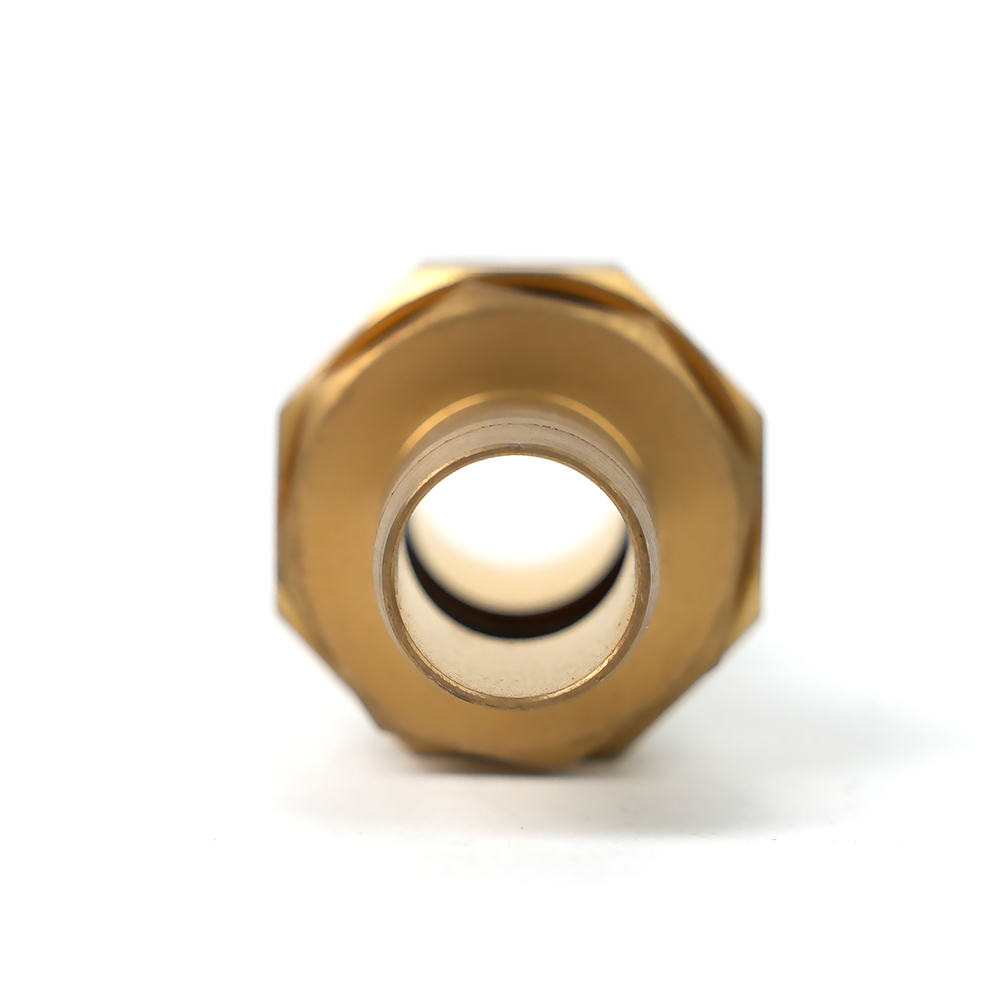 Garden Hose Coupling with Serrated TailpipeFor repair or volume orders, this threaded hose coupling offers a serrated tailpipe, 1-inch DIN size, and customizable materials for fixed sprinkler setups.View Product →
Choose the pattern around the job, not the number printed on the dial.
| Pattern | Useful for | Watch out for |
|---|---|---|
| Jet or stream | Rinsing siding, reaching a gutter, moving loose debris | Eroding soil, damaging seedlings, and splash back |
| Fan or flat | Sweeping a walk, rinsing a car, wide coverage | Wind carrying overspray toward windows or doors |
| Shower or rain | Watering beds, containers, and new plantings | Gentle but slow at low pressure |
| Mist or cone | Seedlings, cooling, and light coverage | Drifting in wind and wetting less deeply |
On a 50 ft hose, a jet may reach across a driveway while a shower setting barely clears the edge of a bed. That is normal. Distance comes from velocity, not from the number of settings.
Brass is usually the most durable choice for threads and valves, but it adds weight and cost. Zinc alloy bodies sit in the middle. They are heavier than plastic and can still deform if dropped on stone. Engineering plastic is light and affordable, and a plastic body with a brass thread insert often offers a sensible balance.
Seals decide whether the nozzle drips. EPDM rubber is common for cold-water garden use because it resists weathering and stays flexible. Springs, balls, and trigger pins should be stainless steel or a coated material that will not rust after a season outdoors. A rubber overmold improves grip when hands are wet, but it should not hide a thin body that flexes under pressure.
Treat the nozzle as a wear item. A replaceable head or seal kit can extend service life. A sealed disposable body cannot be repaired.
Front triggers suit short bursts. Rear thumb controls reduce hand fatigue during long watering, and rotating collars are simple to set with gloves on. The best control is the one that moves in distinct steps without forcing your wrist. Test the trigger return. It should close cleanly and not stick half open.
Adjustable nozzles usually combine a shutter or sleeve with an internal needle. If the mechanism feels gritty, grit may be inside the passage. Rinse the inlet, check the washer, and avoid opening the body unless the maker supplies parts. The spray modes of adjustable nozzles show why a smooth transition matters more than a long list of labels.
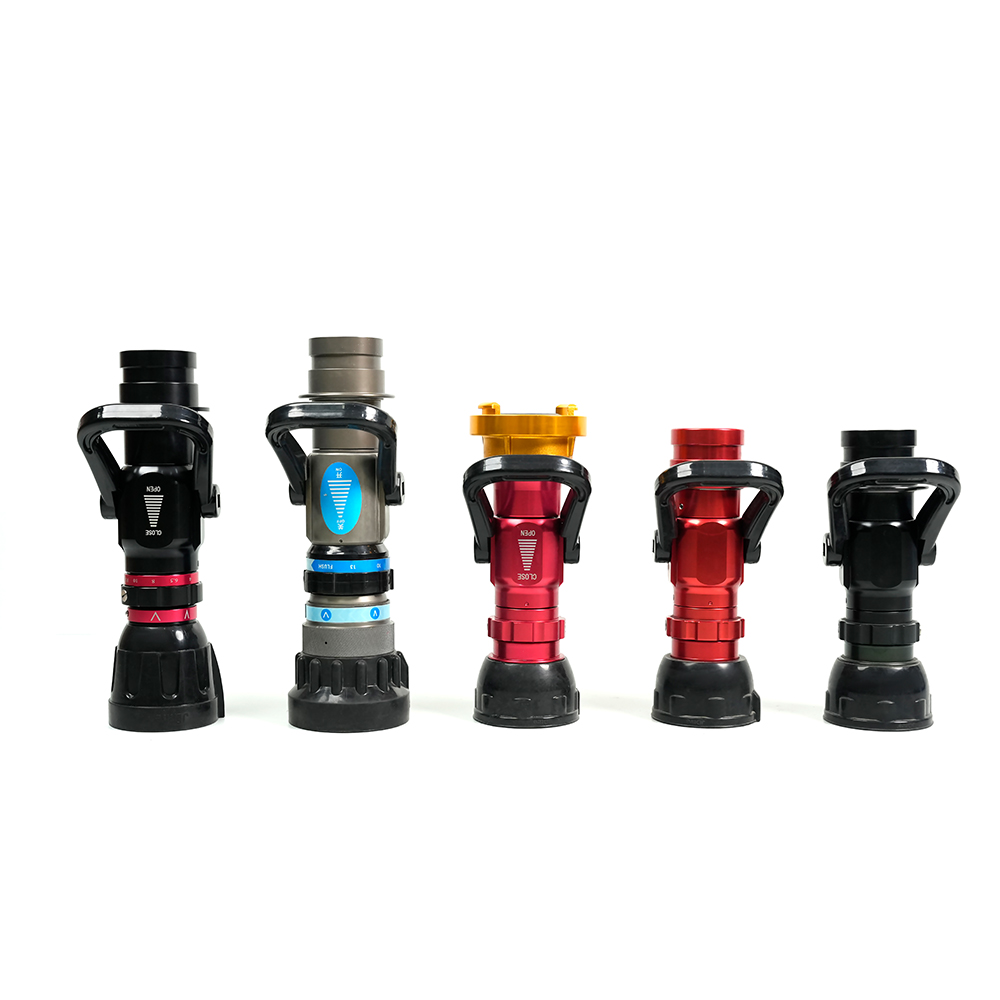 Adjustable Storz Fire Nozzle with Flow ControlFor firefighting lines, this Storz-compatible adjustable nozzle provides straight stream, fog, fan, and water-curtain patterns with built-in on/off flow control.View Product →
Trigger hold clips are handy for filling a can, but never leave a clipped nozzle unattended. A jet can empty a rain barrel, wash out a seed bed, or spray toward a person or electrical outlet.
Flow rate is stated in gallons per minute, or GPM, but the figure depends on inlet pressure and hose diameter. A nozzle rated at 4 GPM at 40 psi may deliver less at the end of a long, narrow hose. Low-flow nozzles save water, but they may not throw a stream far enough to clean a gutter. Pumps add another limit. A booster pump with a pressure switch may cycle if the nozzle is closed too far.
For drip-sensitive work, water at the base with a shower setting and move the nozzle rather than blasting the soil. For cleaning, use the narrowest pattern that does the job and keep the tip close to the surface. Higher pressure at the tip is not automatically better. It can drive water under siding or into a window track.
Most failures start at three points: the swivel washer, the thread, and the trigger valve. A drip at the collar usually means a missing, hardened, or misaligned washer. A cracked thread often follows cross-threading or overtightening. A trigger that will not shut may have scale or grit on the seat. Rinse the inlet, replace the washer, and work the control through its full range before deciding the nozzle is finished.
Frost is less obvious. Water trapped in the head expands when it freezes and can split the body or push out a seal. Disconnect, drain, and store the nozzle indoors for the cold season. Leaving it pressurized against a closed tap also stresses seals and hoses.
For household buyers, a clear return policy and a replaceable washer are often enough. Trade buyers need more. Ask for the thread standard, body material, seal compound, and flow test method. Request a sample from the same batch and check thread fit with a gauge, not only by hand. Confirm spare seals and packaging before placing a volume order.
Quality certification deserves a careful reading. ISO 9001:2015 shows that a factory controls its processes. It does not prove that a nozzle meets a specific flow or durability claim. Ask for the product test report, dimensional check, and inspection record as well. A manufacturer with in-house mold making and inspection can hold thread dimensions across batches, which matters when nozzles and couplings are sold together.
Finally, match the order to the actual use. A lightweight nozzle for balcony containers does not need the same body as one used daily on a landscaping crew. Buying for the job, rather than the label, keeps water where it belongs and reduces replacements.
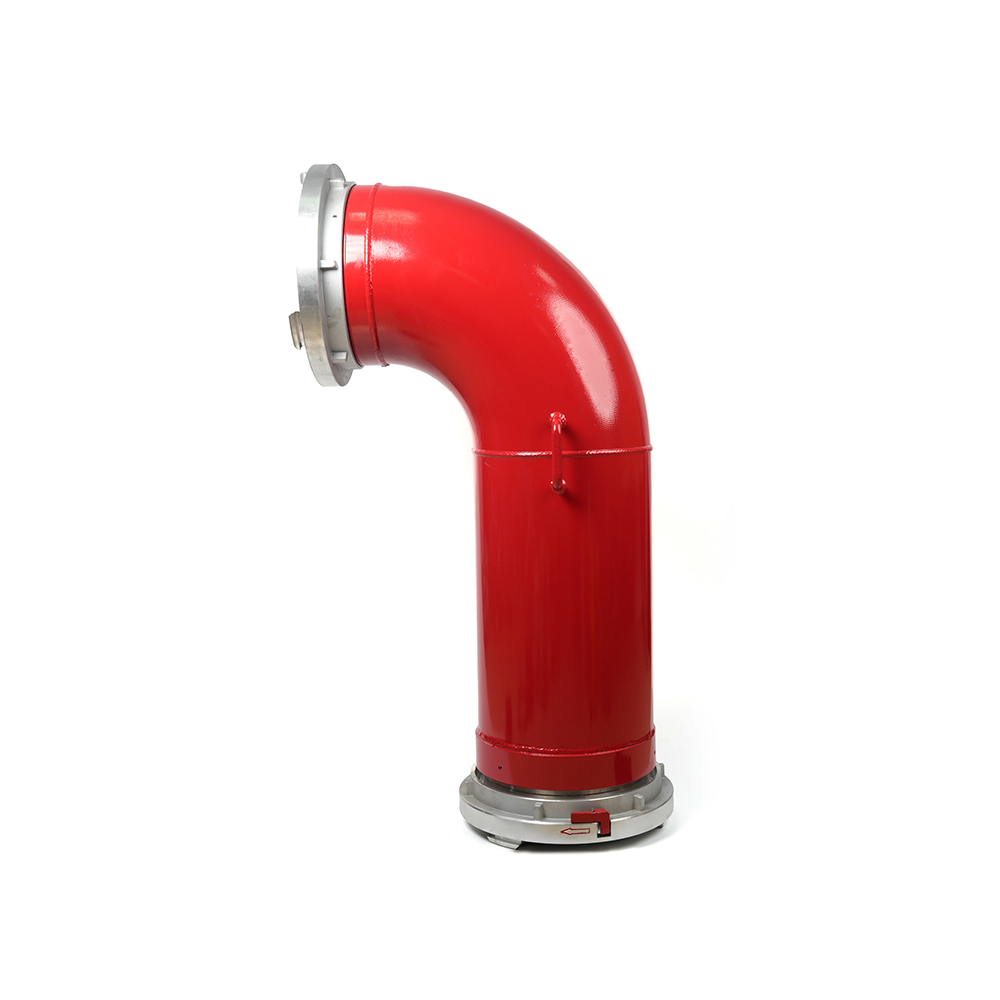 Grooved Fire Elbow-Storz
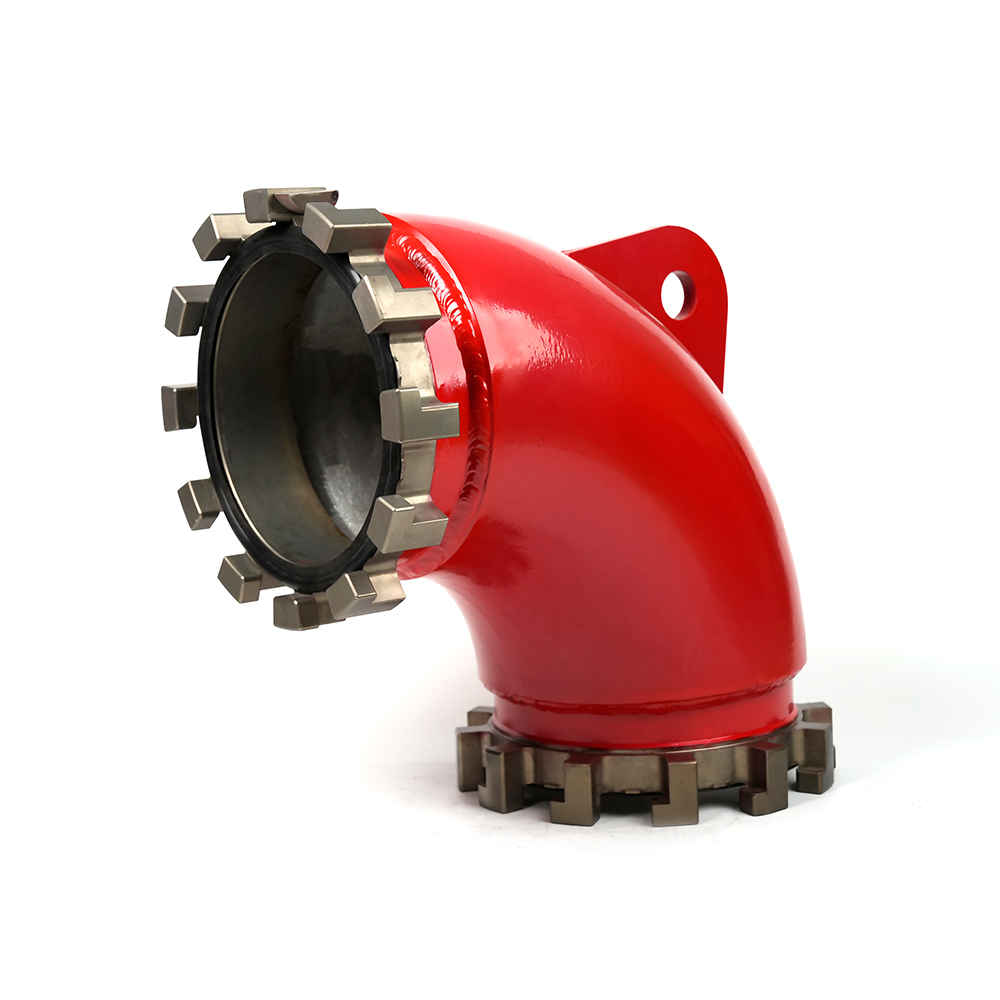 Grooved Fire Elbow-Multi-tooth
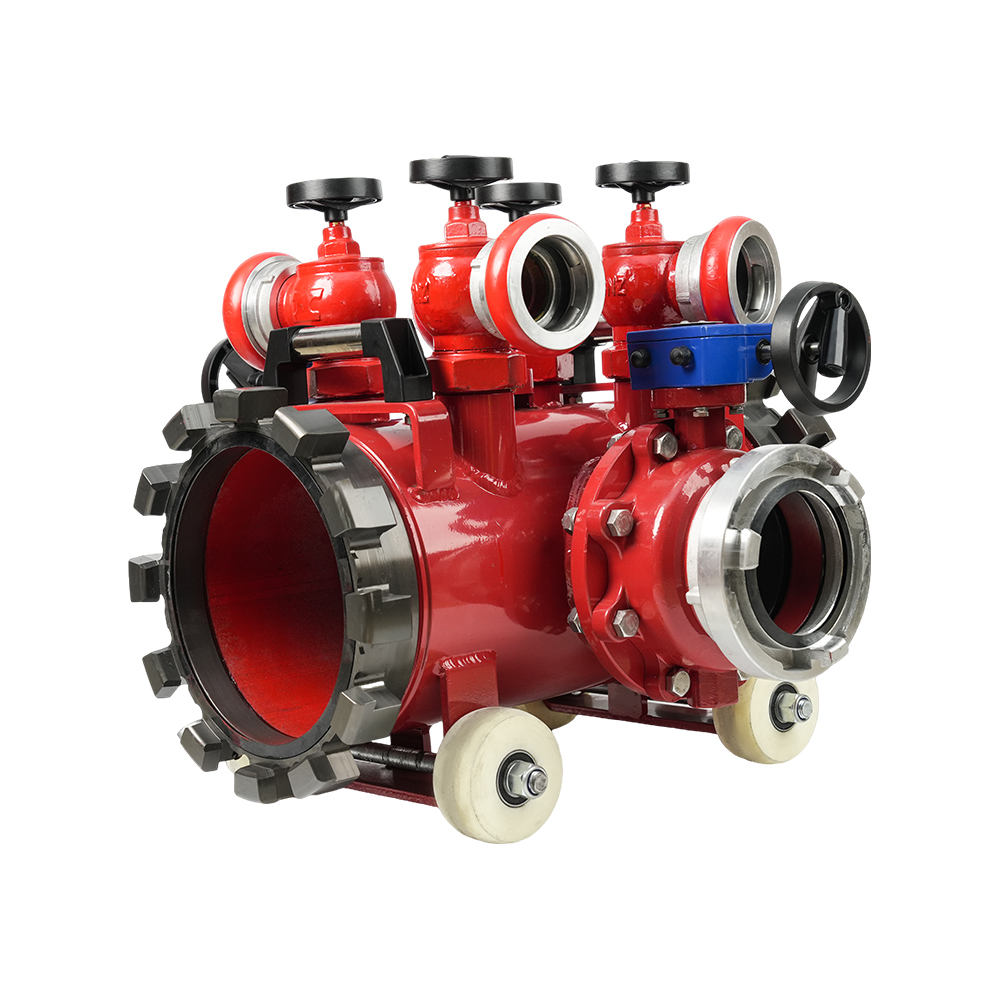 Multi-functional Fire Hose Distributor
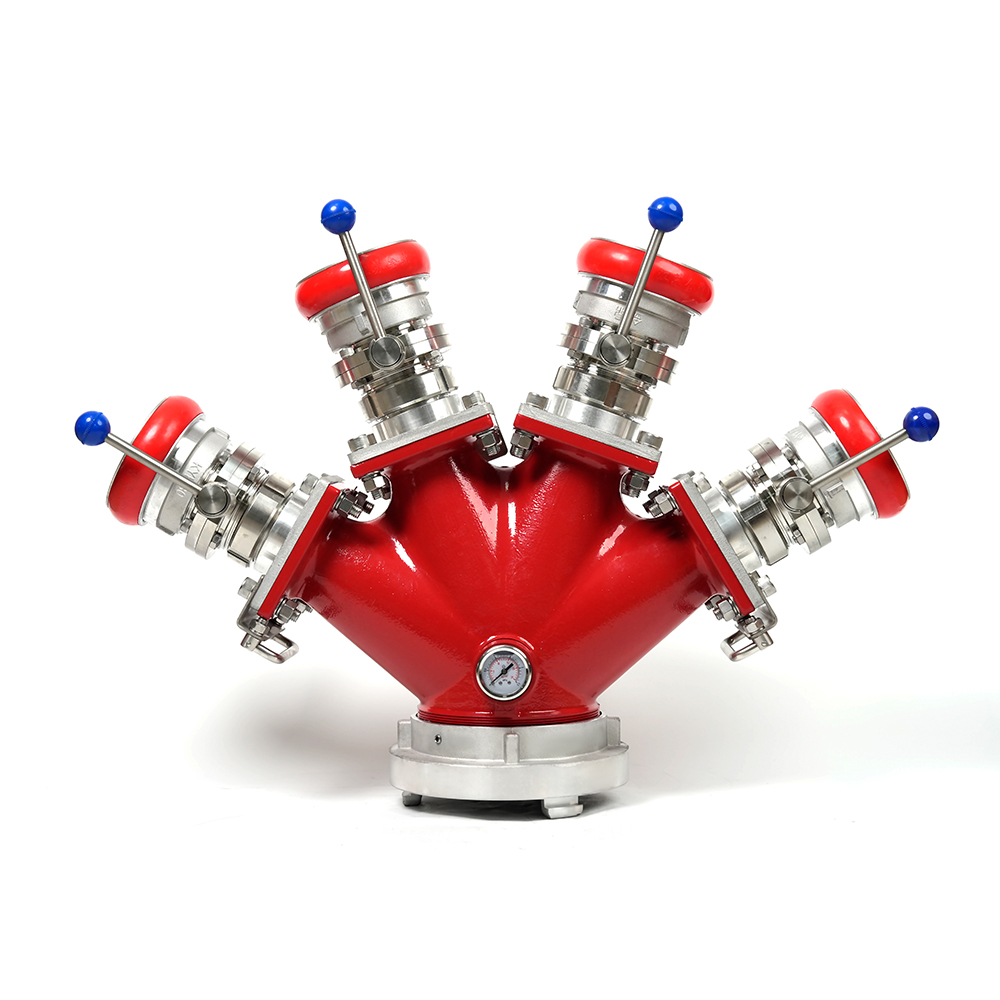 Locking Four-Way Fire Hose Distributor
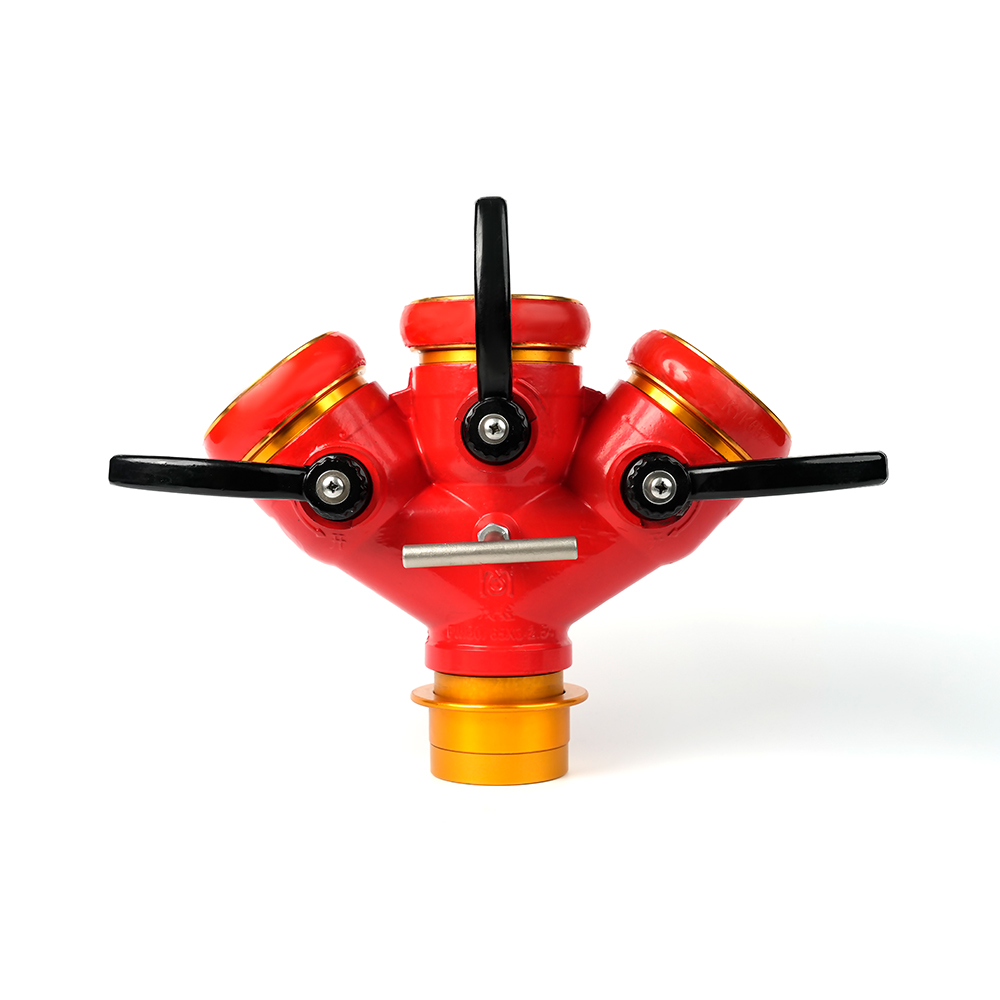 Locking Three-Way Fire Hose Distributor
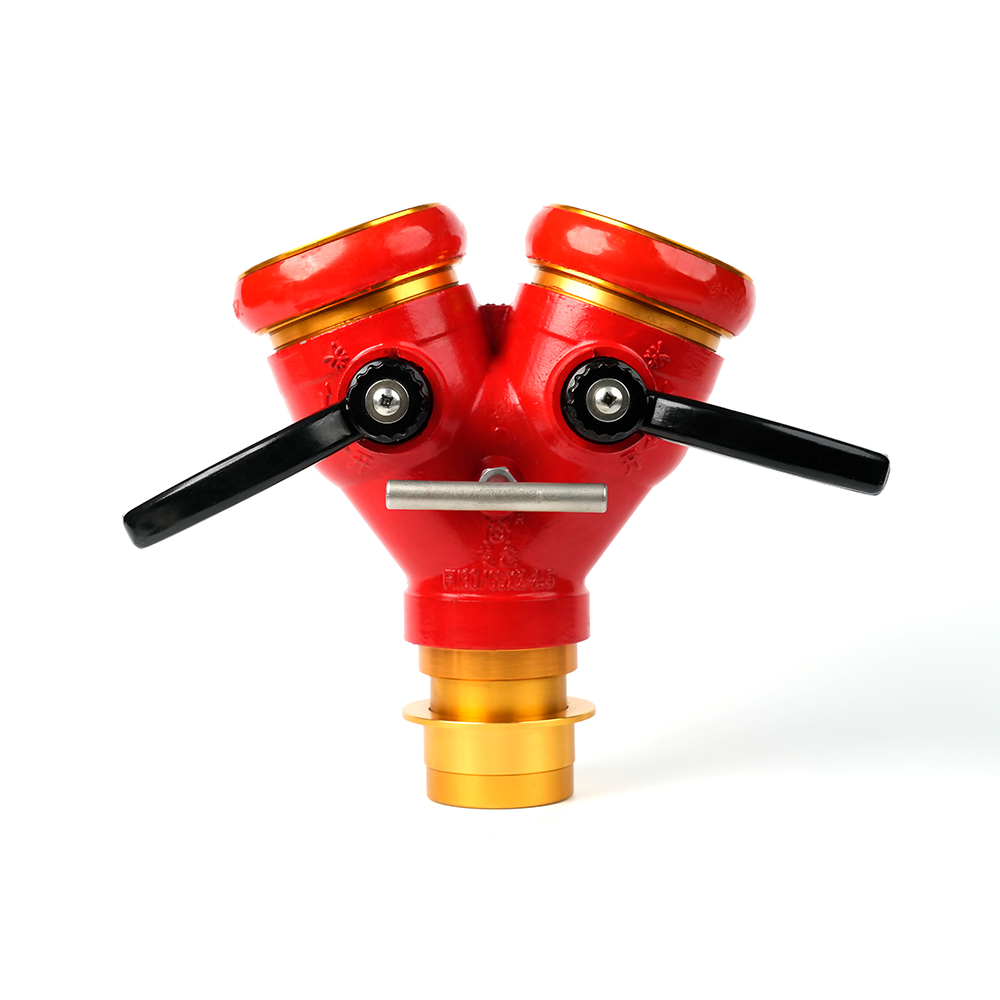 Locking Two-Way Fire Hose Distributor
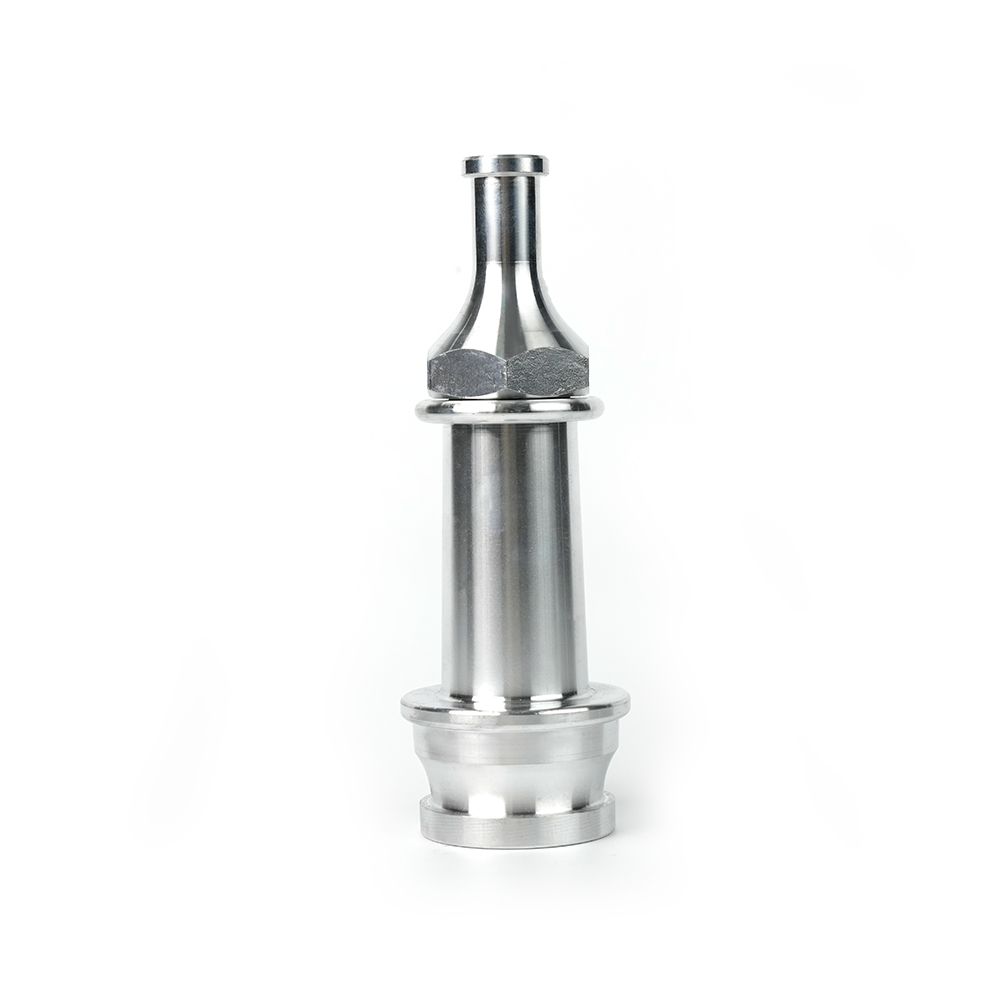 Straight Stream Nozzle
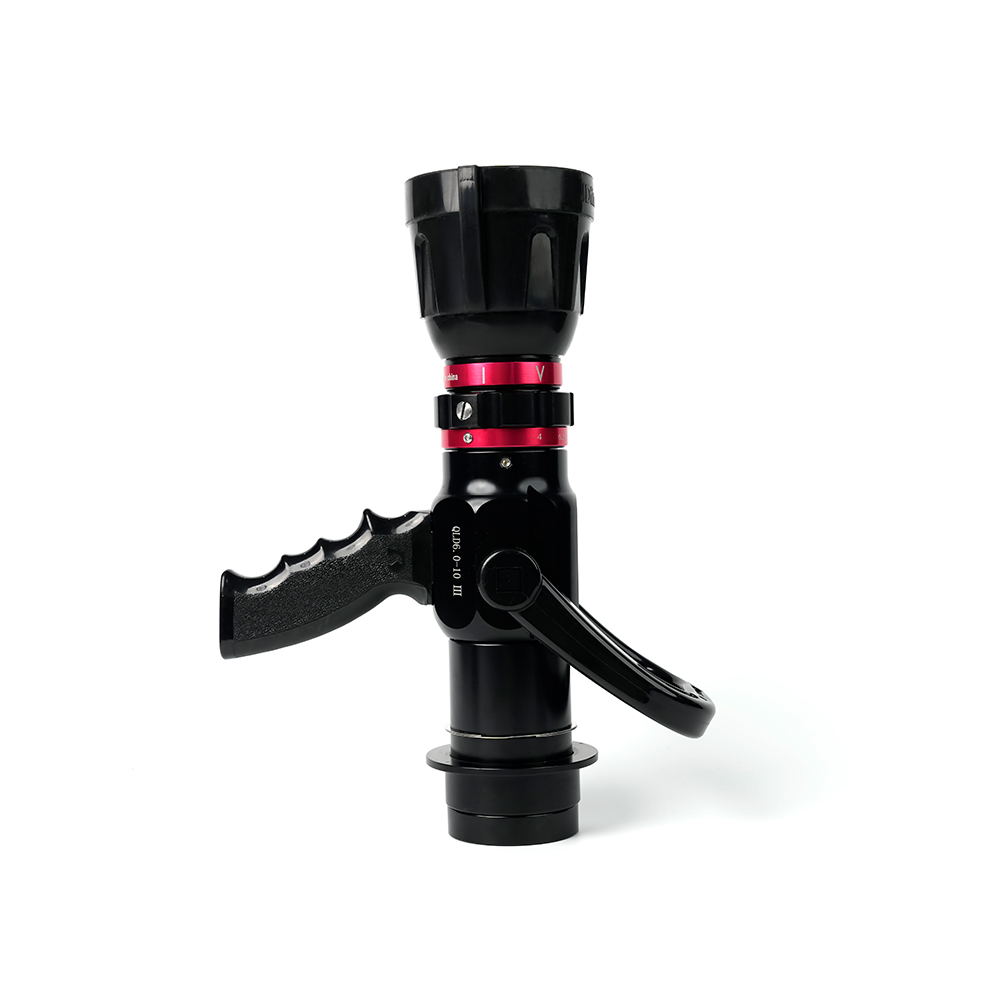 Adjustable nozzle-machino
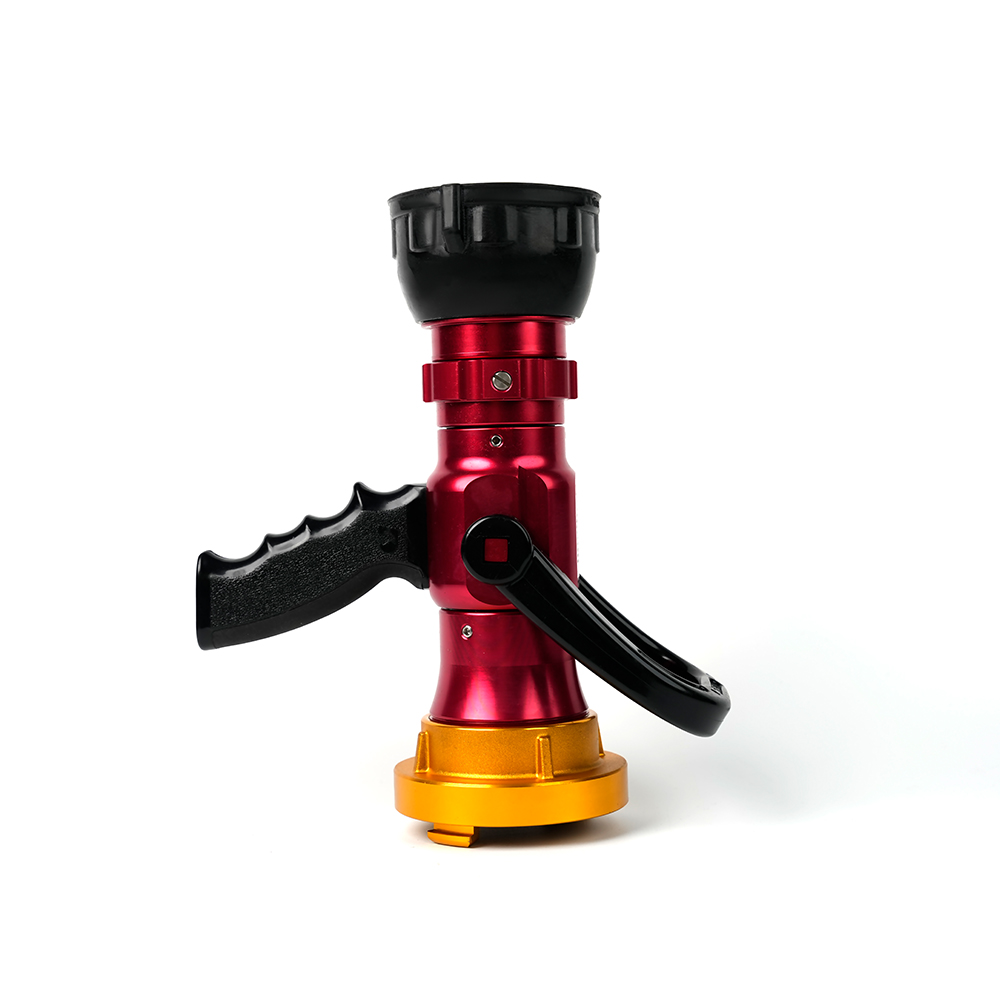 Adjustable nozzle-storz
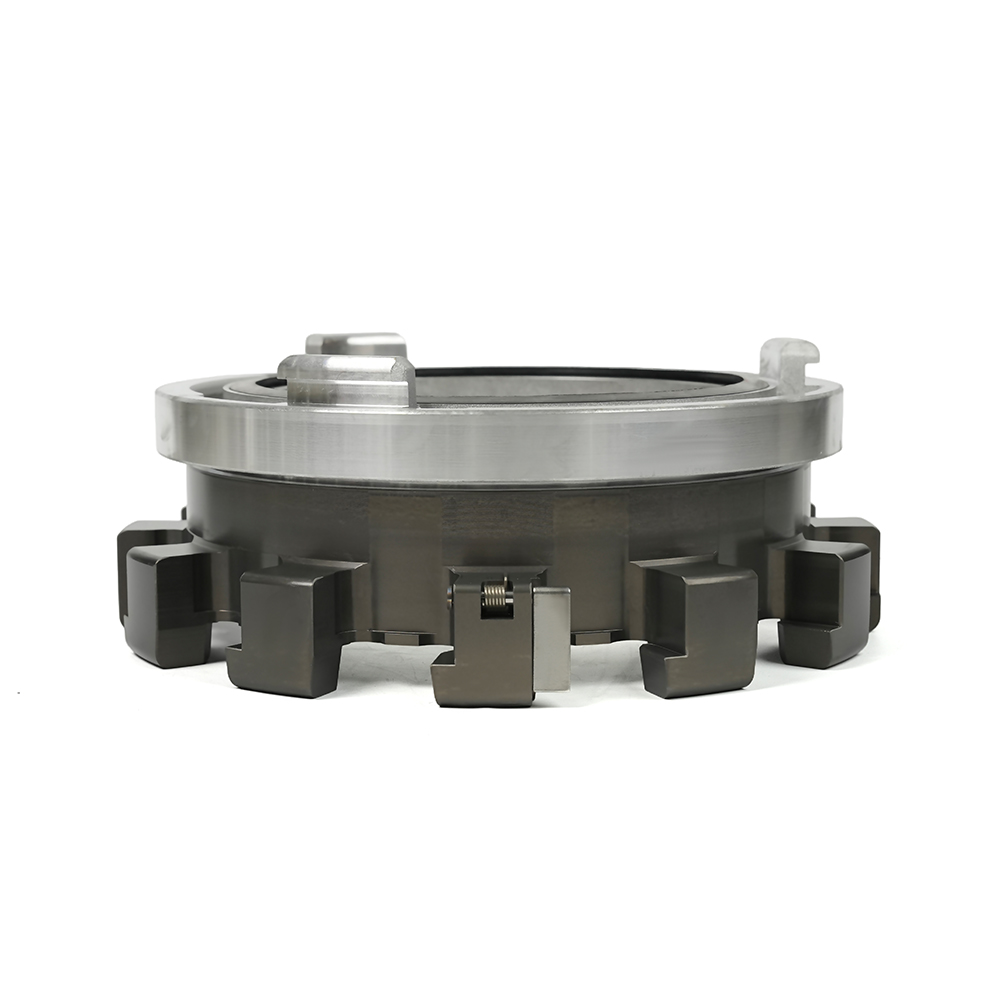 Storz Adapter Couplings - Multi-Tooth
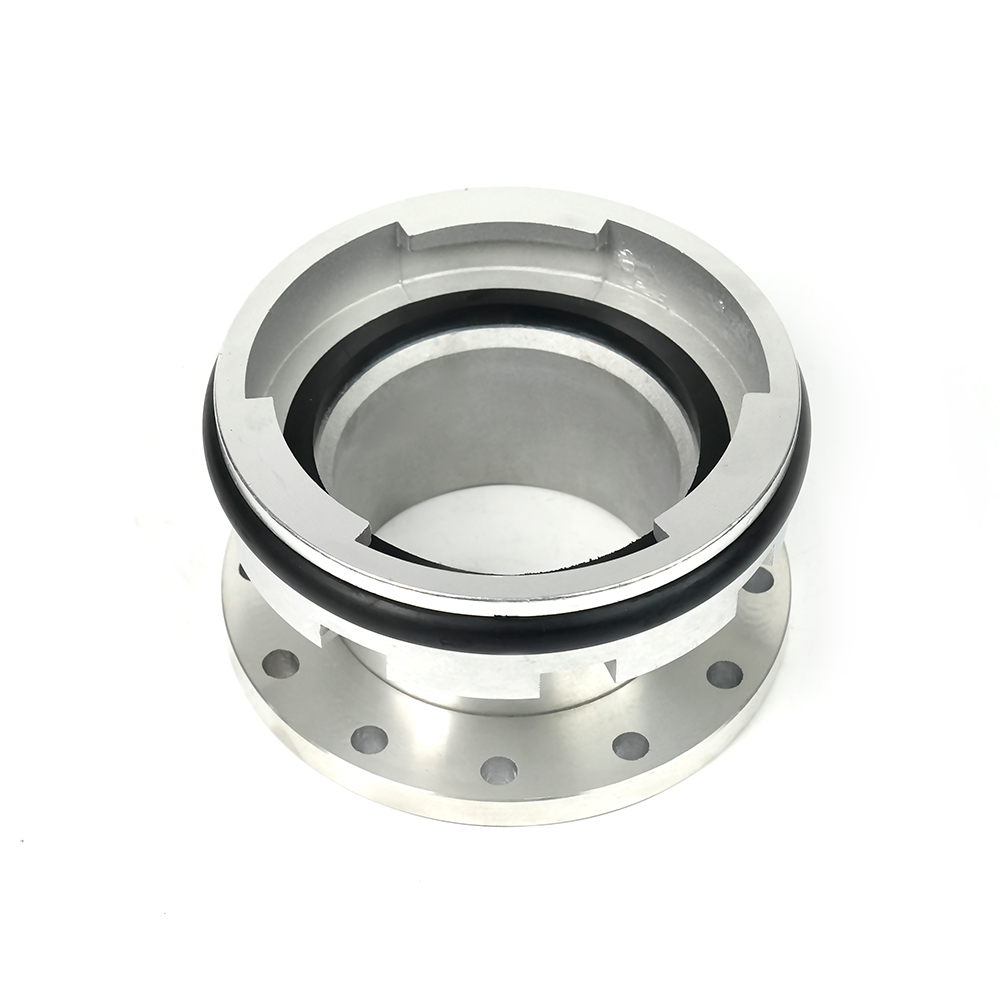 Machino Adapter Couplings – Flanged
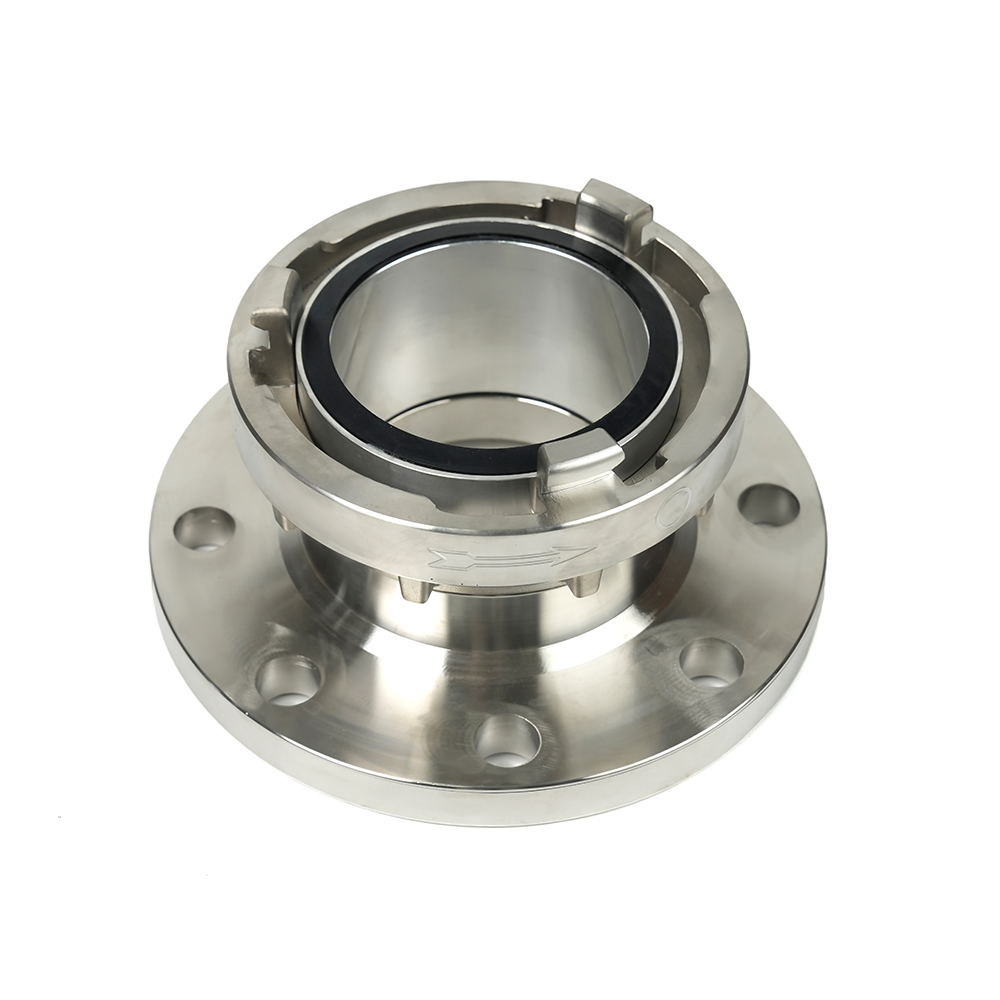 Storz Adapter Couplings – Flanged

 Contact Number
+86-0523-83274900
+86-151 9064 3365
 Let our team offer you customs solutions.
 Company Address
West side of Hongxing Middle Road, Lincheng Street, Development Zone, Xinghua City, Jiangsu Province, China
Copyright @Jiangsu Jinding Fire Protection Technology Co., Ltd. All rights reserved Fire Protection Equipments Manufacturers
