 英语
英语 西班牙语
西班牙语 德语
德语Industry News


GET IN TOUCH
+86-0523-83274900
+86-151 9064 3365
Content
In the emergency of a fire, every second counts. As a core component of the fire fighting and rescue system, the correct use of fire hose couplings directly determines the water flow rate and fire extinguishing efficiency. Whether you are a factory safety manager, property manager, or ordinary resident, mastering the operation of fire hose couplings is an essential safety skill.
Before learning how to operate them, we must first identify the common coupling types on the market, as different fire equipment has slightly different interface methods:
To ensure a secure and leak-proof connection between the fire hydrant and the hose, please follow these standard operating procedures:
Before connecting, always check the rubber sealing ring inside the fire hose connector to ensure it is intact. If the sealing ring is missing or aged and broken, serious leaks will occur at the connection, leading to insufficient water pressure.
Align the clips of the hose connector with the grooves on the fire hydrant interface or another hose connector. Ensure both ends are on the same axis and avoid tilting.
If it is an internal snap-fit connector, after alignment, push firmly inward and quickly rotate clockwise approximately 90 degrees. When you feel significant resistance or hear a "click," the fire hose interface is securely locked.
Before opening the fire hydrant valve, ensure the hose is not twisted or folded. Slowly open the valve to allow water to gradually fill the hose, expelling air and preventing the connector from detaching due to excessive instantaneous pressure.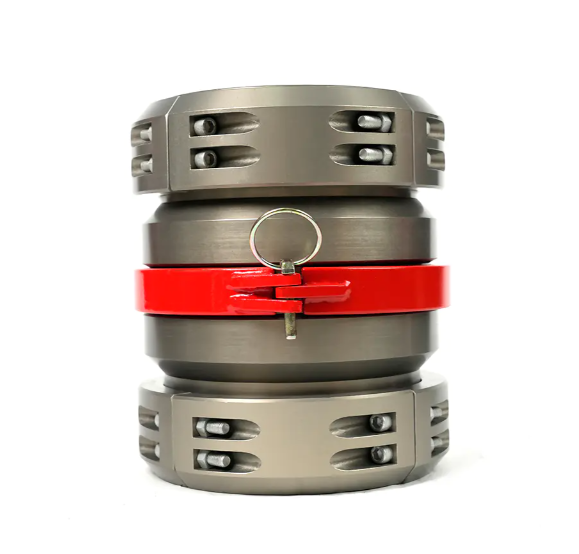
High-quality fire hose couplings are usually made of aluminum alloy or brass. Although corrosion-resistant, they still require regular maintenance:
Mastering the use of fire hose couplings is the first line of defense in ensuring fire safety. Choosing high-quality fire hose couplings and conducting regular safety drills are essential to being "ready to respond and effective" in critical moments. It is recommended that organizations or communities regularly inspect the equipment in fire hydrant boxes to ensure that hoses and couplings are securely fastened and show no signs of loosening.
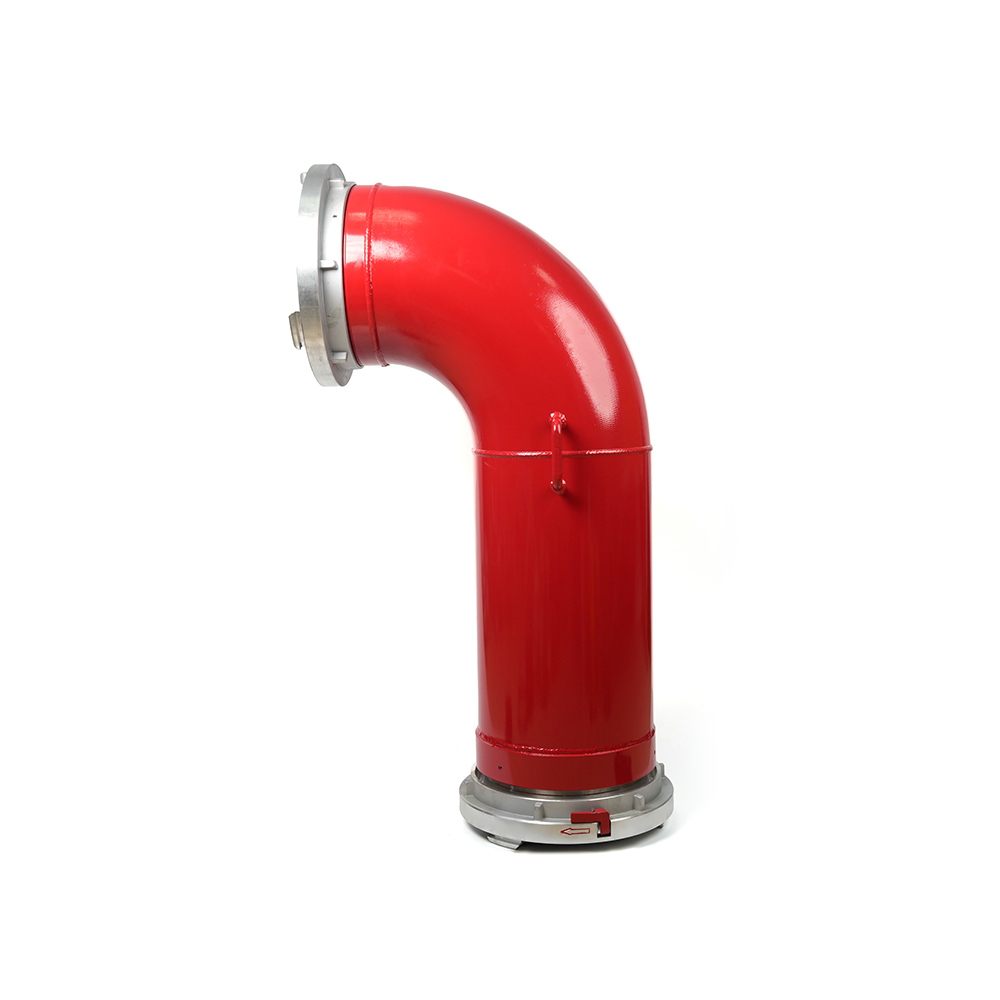 Grooved Fire Elbow-Storz
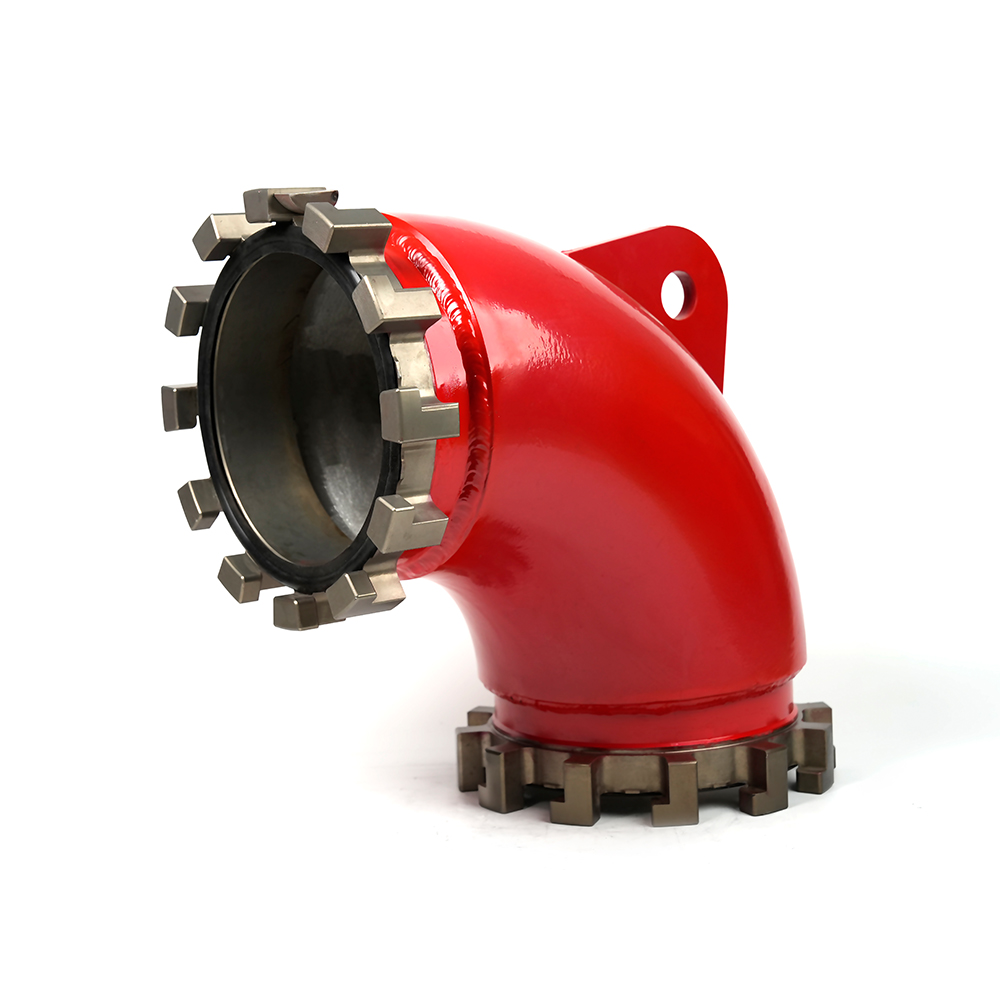 Grooved Fire Elbow-Multi-tooth
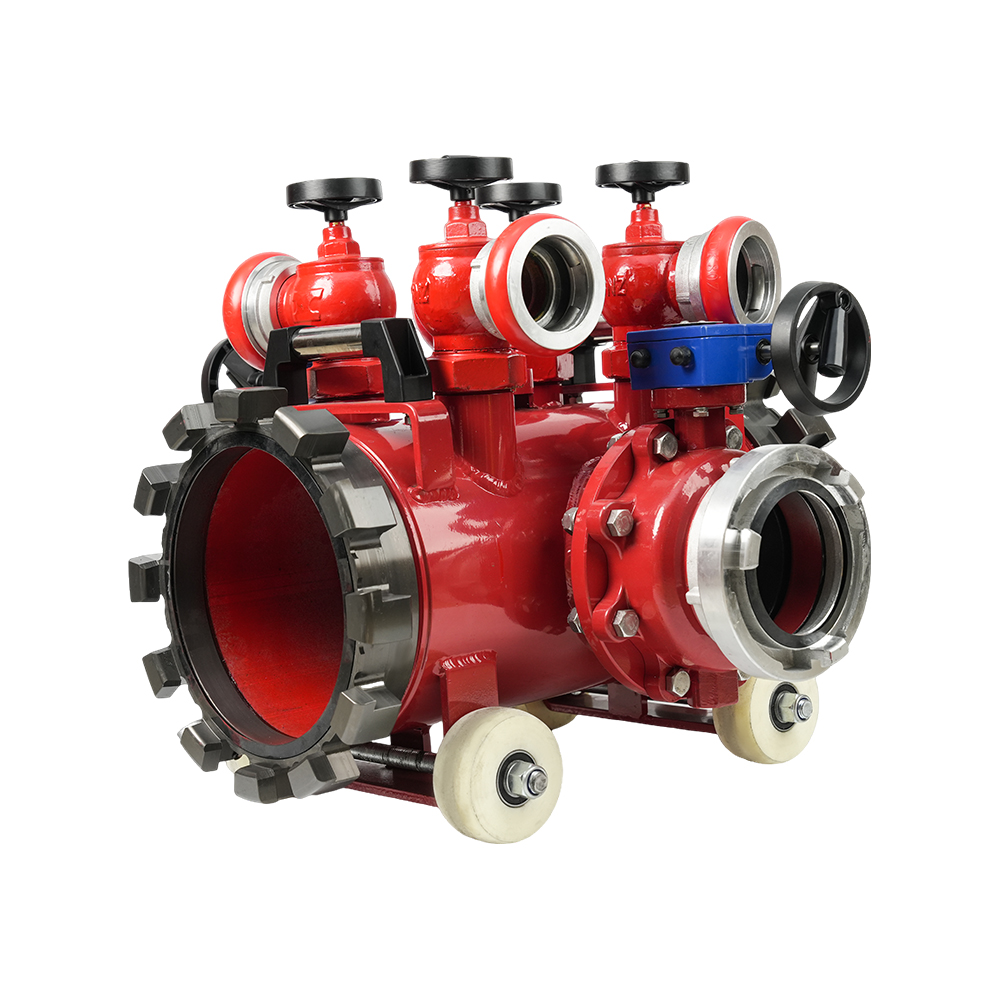 Multi-functional Fire Hose Distributor
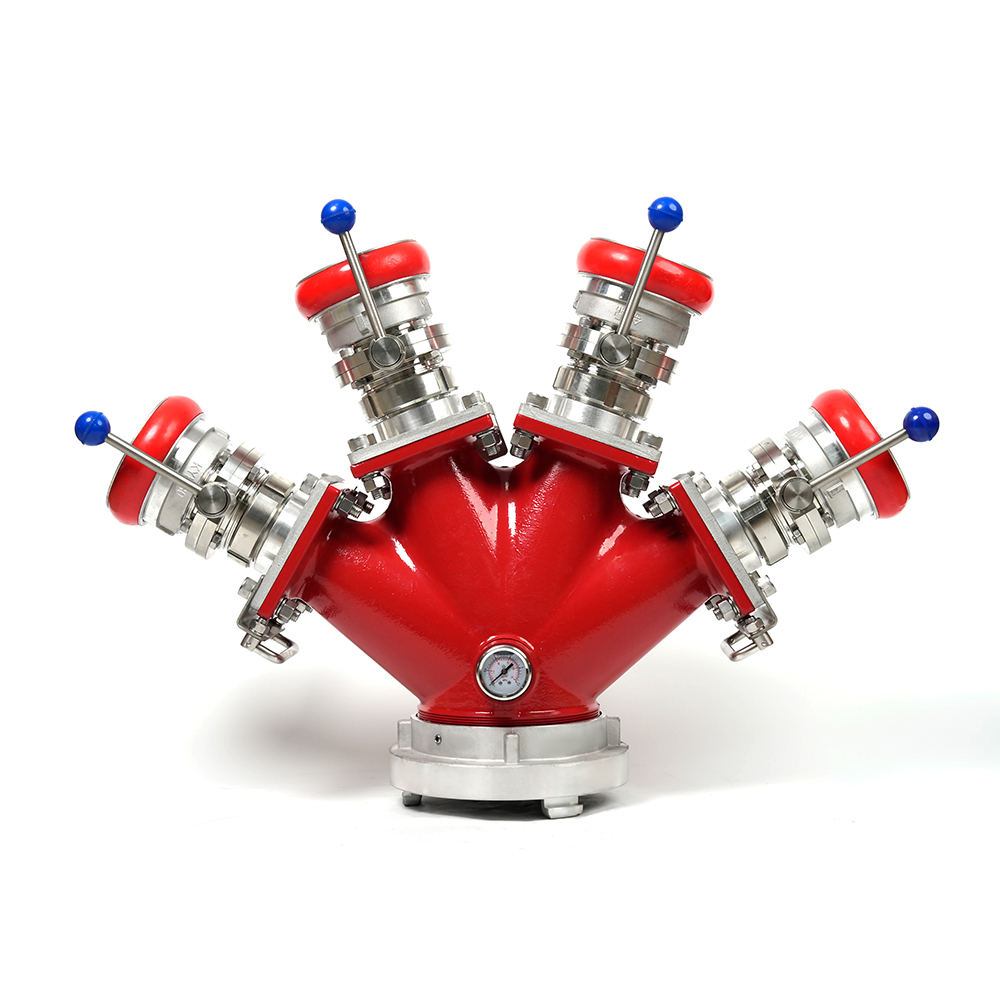 Locking Four-Way Fire Hose Distributor
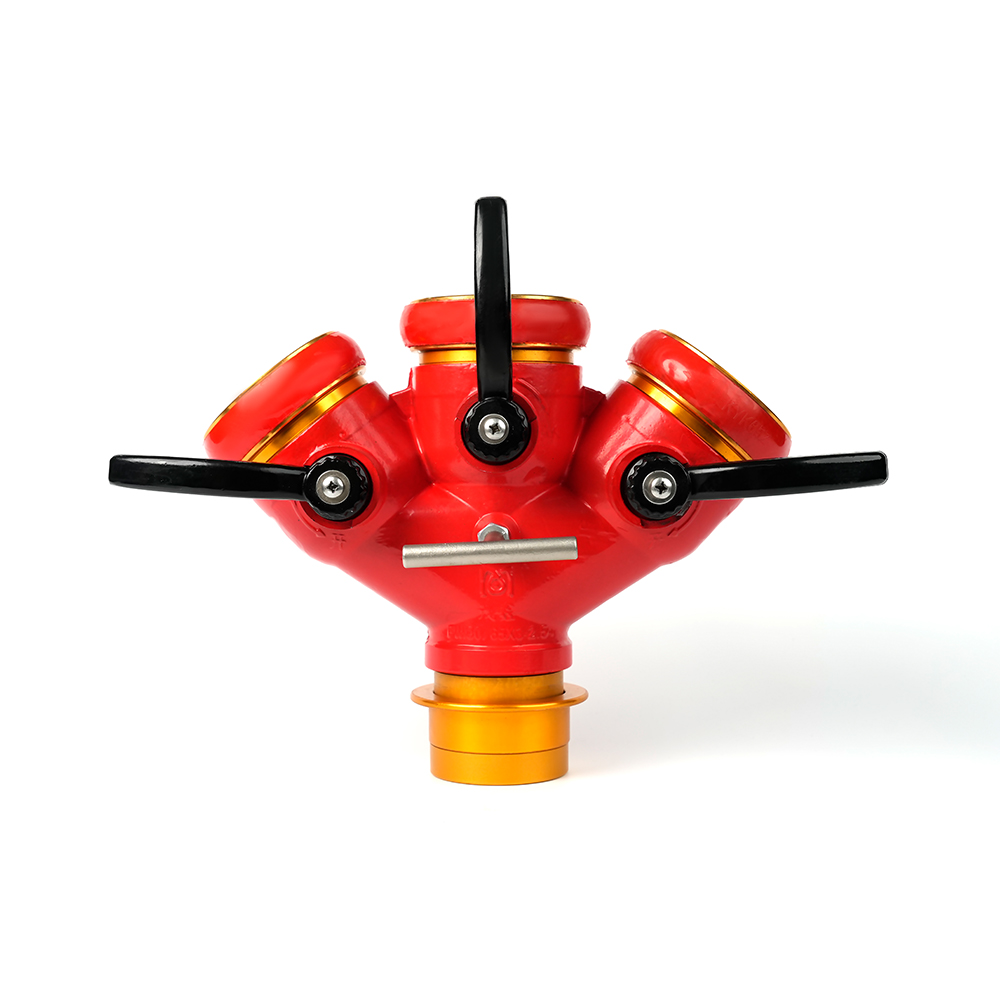 Locking Three-Way Fire Hose Distributor
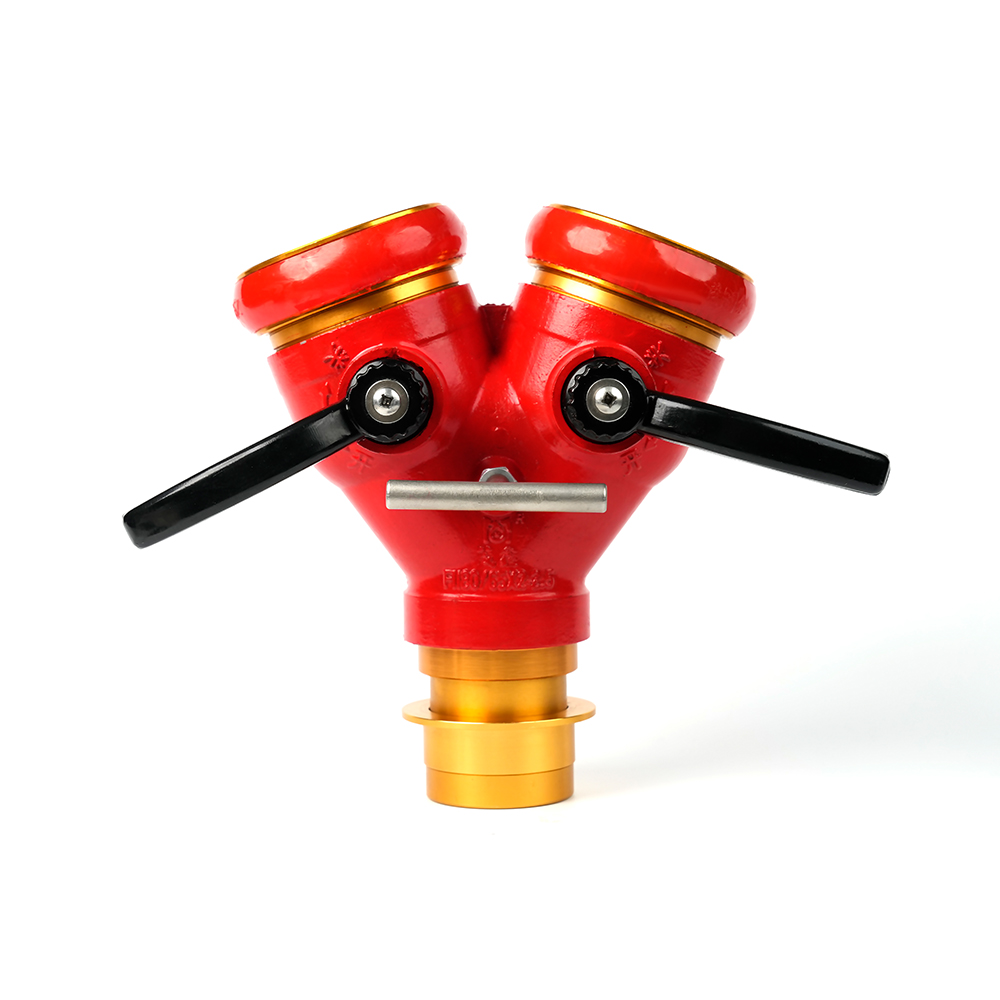 Locking Two-Way Fire Hose Distributor
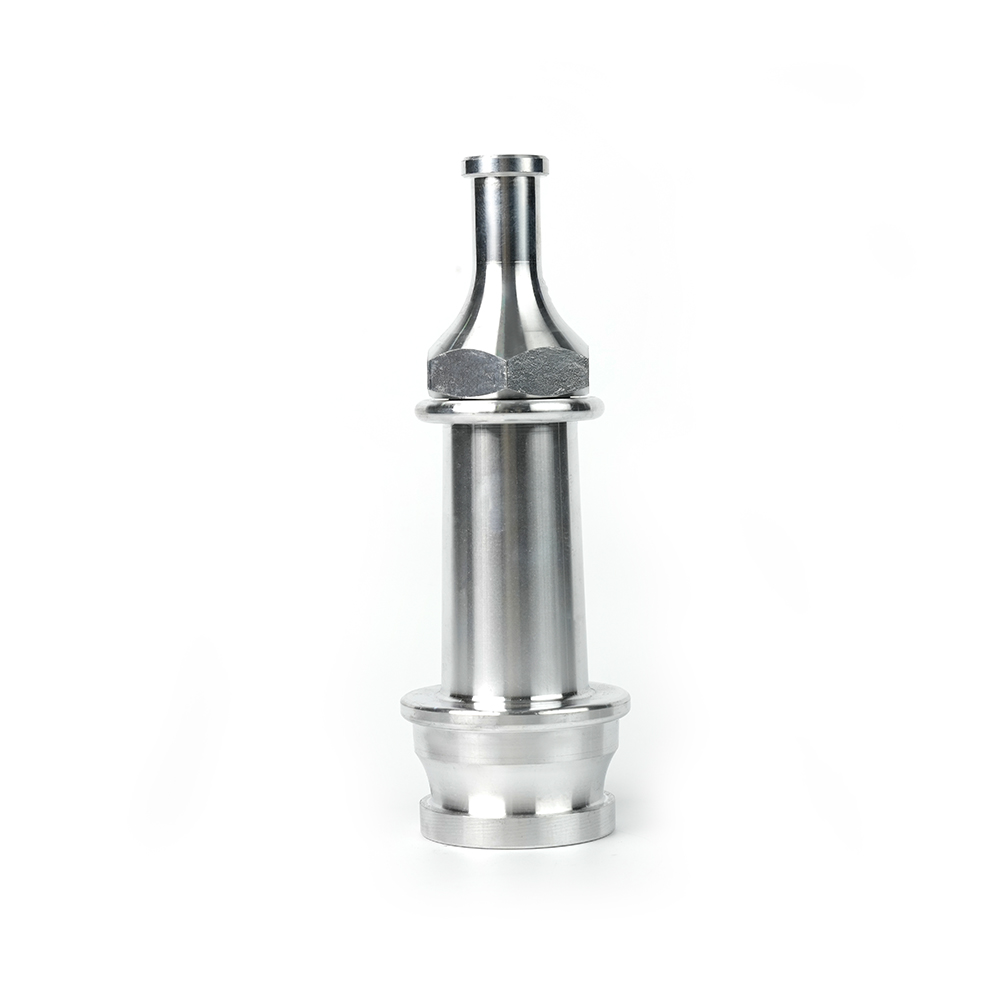 Straight Stream Nozzle
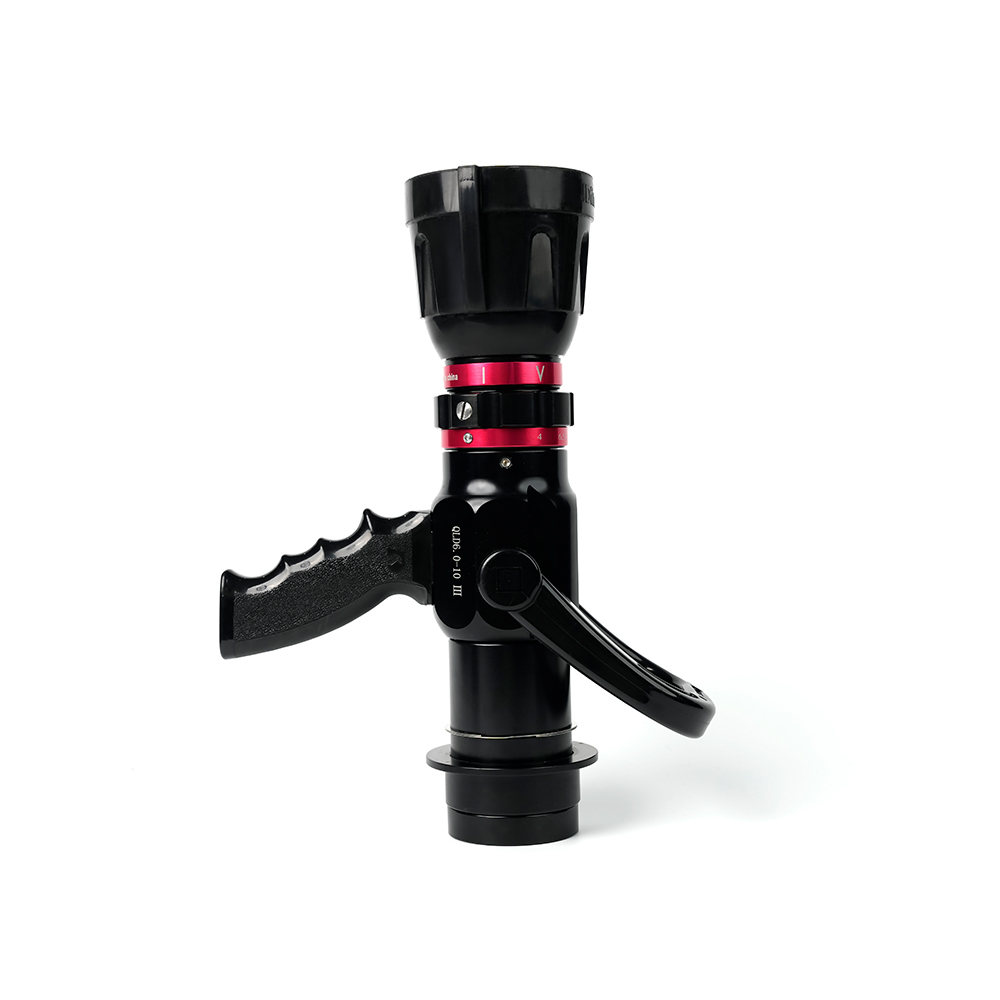 Adjustable nozzle-machino
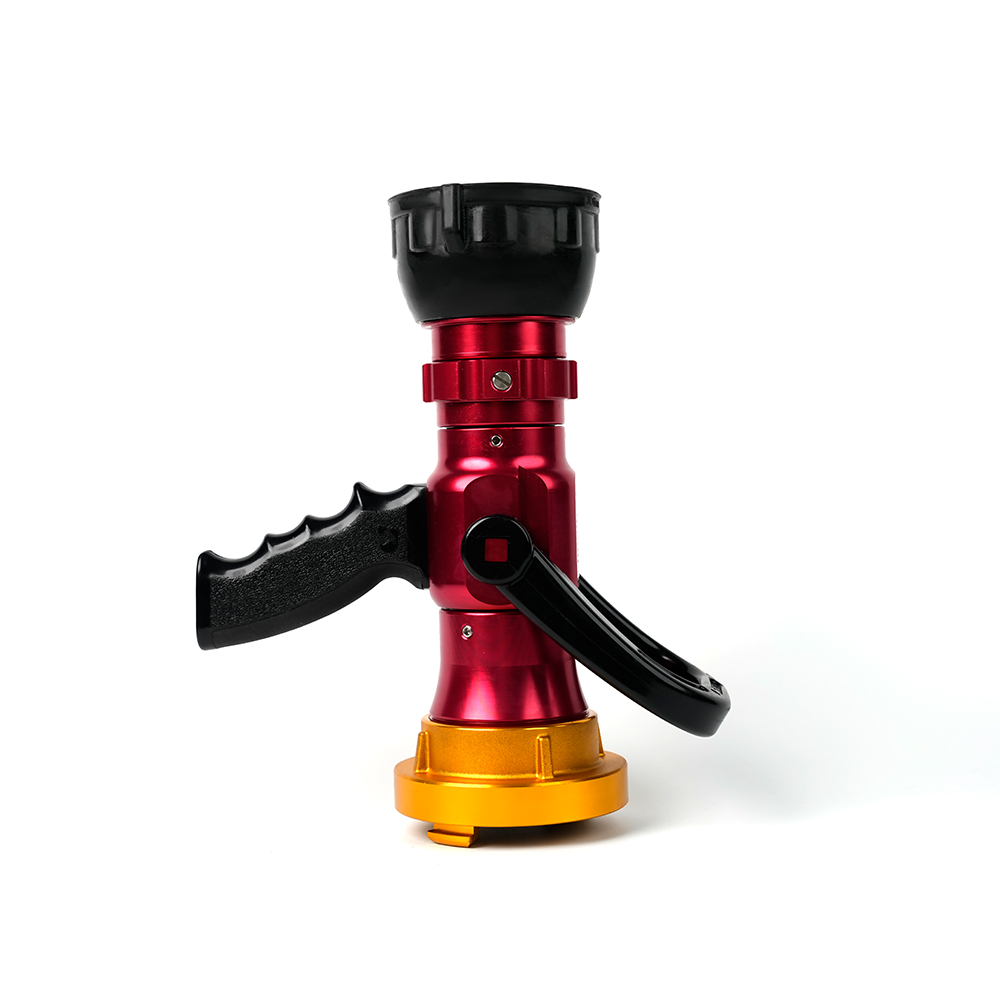 Adjustable nozzle-storz
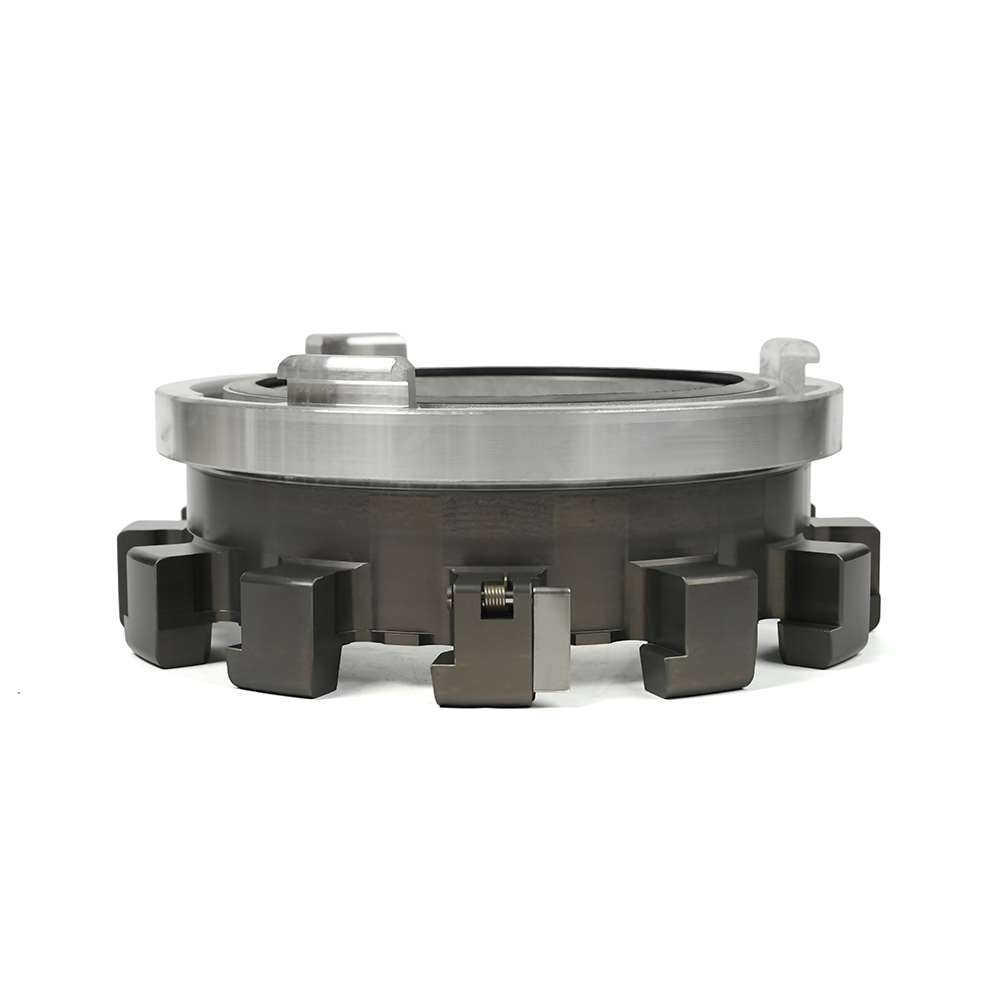 Storz Adapter Couplings - Multi-Tooth
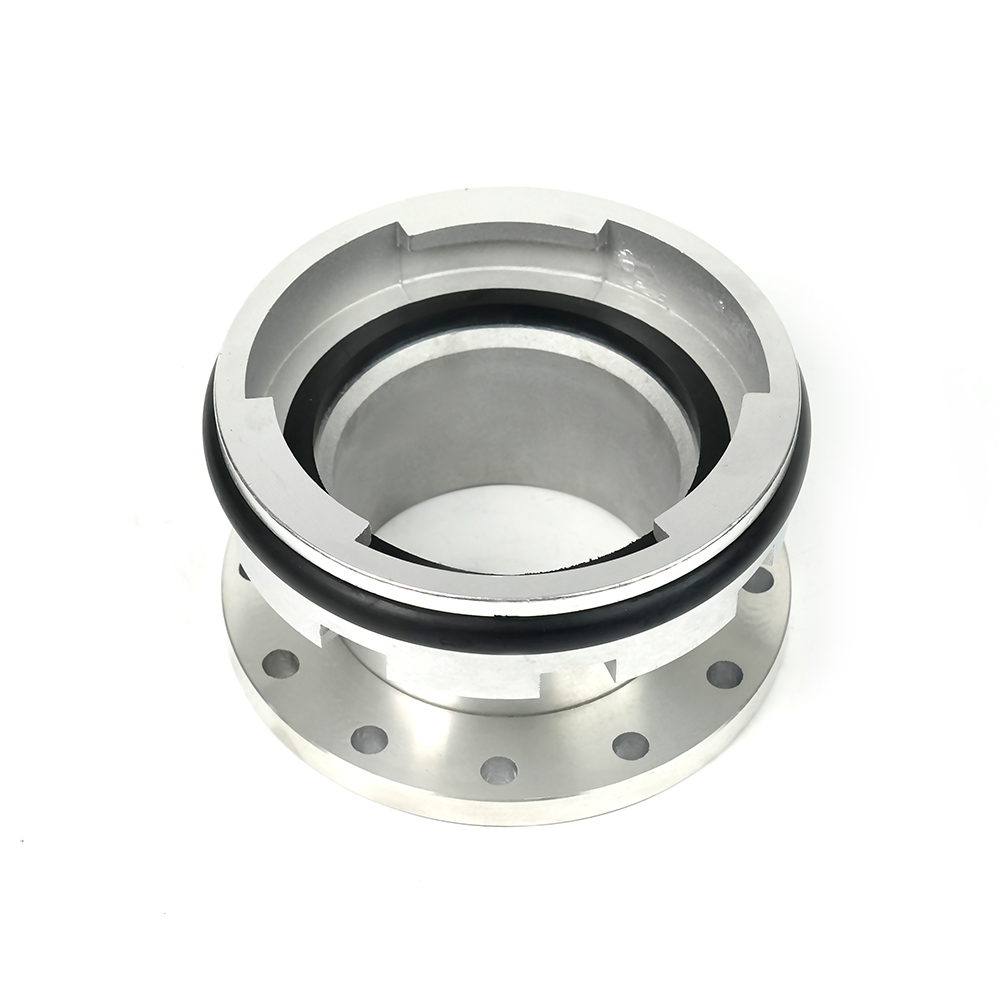 Machino Adapter Couplings – Flanged
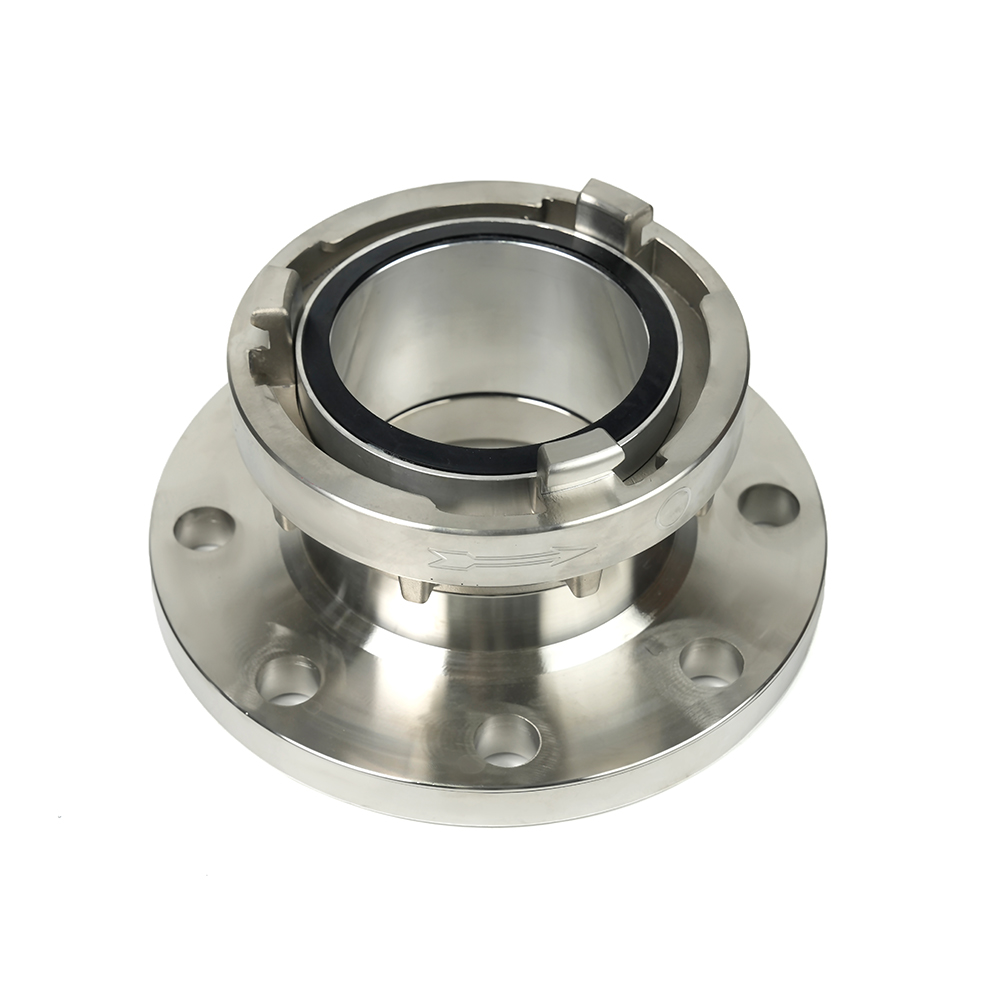 Storz Adapter Couplings – Flanged

 Contact Number
+86-0523-83274900
+86-151 9064 3365
 Let our team offer you customs solutions.
 Company Address
West side of Hongxing Middle Road, Lincheng Street, Development Zone, Xinghua City, Jiangsu Province, China
Copyright @Jiangsu Jinding Fire Protection Technology Co., Ltd. All rights reserved Fire Protection Equipments Manufacturers
