 英语
 西班牙语
 德语
Industry News
Home / News / Industry News / Machino Coupling Guide: Sizes, Threads, and Fire Hose Connection Checks


+86-0523-83274900
+86-151 9064 3365
Content
A leaking 1.5 inch coupling on a hose reel in Surabaya, or a dripping connection on a plant fire main in Batam, is normally solved with one measurement and one phone call. It goes wrong for the same reason almost every time: the buyer orders by hose size alone. Kopling machino, the term most Indonesian and Malaysian buyers type into a search bar, refers to a coupling family whose identity sits in the thread and the head profile, not in the bore of the hose it serves.
The short version is this. A Machino coupling must match the existing half in three places before price or lead time matter at all: nominal size, thread dimensions, and locking head profile. Confirm those three and the part usually fits on the first attempt. Miss one and you will be re-cutting hose or re-threading a coupling at the pump, which is the most expensive place to discover a mistake.
The Machino pattern is a Japanese-origin fire hose coupling that has been a working standard across much of Southeast Asia for decades, and it is still the default on many fire brigades, shipyards, plantations, and industrial sites in the region. It is a directional coupling: every connection is a male half and a female half, and the two are never interchangeable with each other. That single design fact is what separates it from Storz, which is symmetrical and can be joined in any orientation.
Structurally the part is simple. There is a body with a hose tail, a locking head with lugs or a knurled ring depending on the maker, and a rubber gasket that does the sealing. Aluminium alloy is common because it keeps the coupling light on a charged line, while brass is specified where abrasion, salt water, or rough handling is expected. Because sealing comes from the gasket rather than metal-to-metal contact, a perished gasket will leak long before the body itself shows wear.
In daily use a Machino coupling is judged on three things: whether the thread engages cleanly by hand, whether the two halves lock without play, and whether the gasket sits flat and stays seated once the line is pressurised.
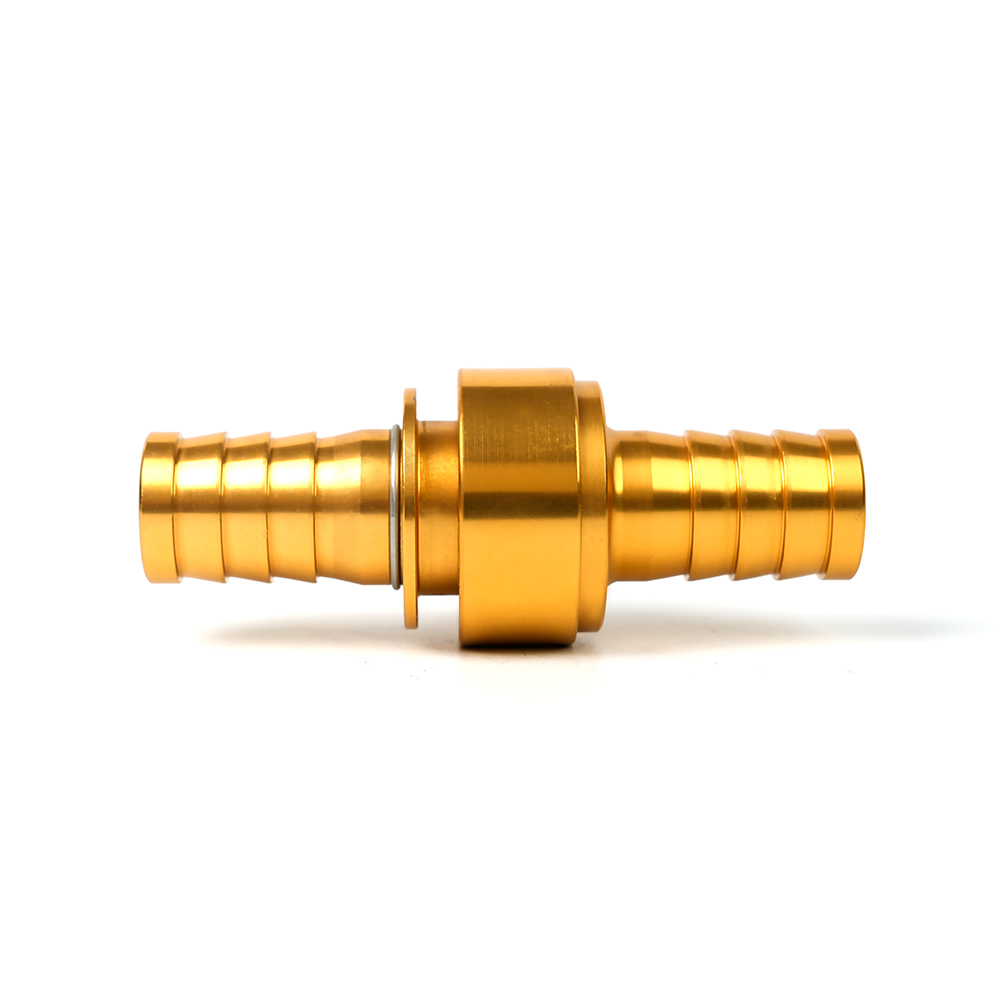 Machino Fire Hose Coupling for Hose ConnectionsView this coupling when thread engagement, lock-up and gasket seating matter; sizes follow hose bore, so confirm thread and dimensions separately.View Product →
Machino couplings are catalogued by nominal size, and that number describes the hose bore they are built for, not the thread on the end. A 2.5 inch coupling takes a 2.5 inch hose, but the thread behind it can differ between manufacturers and between markets. Two couplings stamped with the same size from two suppliers can look identical and still refuse to mate, because the thread diameter, the pitch, or the length of the threaded section is different.
Threads should be checked with a gauge or with a caliper across the major diameter. Estimating from a tape measure is where most wrong orders begin. If you are replacing a coupling already in service, the fastest route is to send the female half to the supplier, or to send the major diameter, the pitch, and a clear photo of the head profile together with the order enquiry.
| Item | Direction | Typical duty | Deciding detail |
|---|---|---|---|
| Machino fire hose coupling | Male and female pair | Attack and delivery hose lines | Head profile and thread must match the half already in service |
| Male threaded coupling | Male head to thread | Hose to pump, valve, or hydrant outlet | Thread diameter, pitch, and threaded length |
| Female threaded coupling | Female head to thread | Hose to standpipe or equipment inlet | Thread form plus gasket seat depth |
| Blank cap | Male or female | Capping unused outlets and protecting threads | Same head profile as its mating coupling |
| Storz to male Machino adapter | Storz head to Machino male | Linking Storz hydrants to Machino hose | Storz size and Machino nominal size both stated |
Not every Machino connection joins hose to hose. Male and female threaded couplings terminate a hose line at a pump outlet, a valve, a standpipe, or a piece of fixed equipment, and on those parts the thread specification carries the whole job. A female threaded coupling also has to clear the gasket seat properly, because a thread that engages but bottoms out early will compress the seal unevenly and weep under pressure.
Blank caps belong in the same order as the couplings. An unused branch outlet, a spare hydrant landing valve, or a test line left open is a place where water, grit, and sunlight reach the gasket and thread. A matching cap closes that exposure cheaply and keeps the head profile from being knocked out of shape in storage.
 Female Machino Threaded Coupling for Hose and Equipment ConnectionsUse this female Machino coupling to connect hoses to pumps, hydrants and other equipment; the page lists 1–4 in sizes and customization options.View Product →
Mixing standards is normal in the region. A plant built to one specification may have Storz hydrants on the fixed installation, while the response hose is Machino because that is what the local brigade carries. Rather than rebuilding the fixed pipework, a single adapter solves it. Storz to male Machino is the common pairing; Machino to flanged covers pump flanges and manifold inlets, and Machino to forestry covers wildland hose sets.
Two rules keep adapters reliable. First, specify both sides by size and standard, never by one side plus an assumption. Second, keep adapters with the hose set they belong to, because a quick connection nobody can find is the same as no connection.
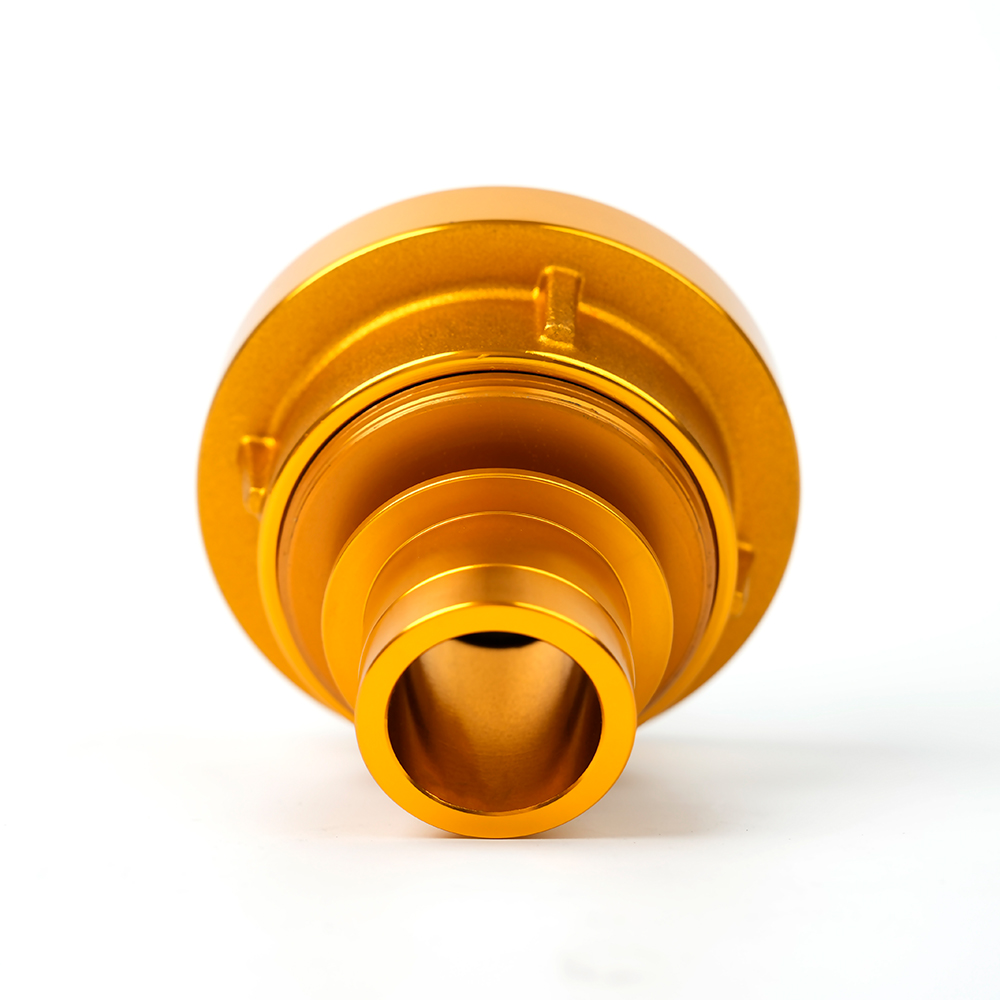 Storz Adapter Couplings – Male MachinoSpecify both sides by size and standard; this adapter connects Storz and Machino fittings and is listed in multiple DIN/mm size combinations.View Product →
Fire service use is the core application: municipal and industrial brigades, hose reel lines, hydrant outlets, and standby mains. Beyond that, the pattern shows up on ship decks and in dockyards, in palm oil and rubber estates where hose lines are laid and recovered constantly, in mining dewatering, in tank farms and chemical plants, and on construction sites where temporary fire mains are built from stock components.
The common thread across those settings is speed of handling. A coupling that mates by hand in seconds, seals with a single gasket, and can be replaced from stock suits crews who are working in gloves, in the dark, or under time pressure far better than a connection that demands precise alignment.
For repeat buyers, the practical questions are about consistency rather than a single shipment: will the next batch have the same thread, the same alloy, and the same gasket seat as the last one. A manufacturer with in-house mould making, machining, and inspection can hold that consistency, and documented quality management, product certification, and third-party test reports give the compliance team something to file.
Connection practice matters as much as the hardware. The workshop note on how fire hose joints should be connected covers the sequence for mating, tightening, and checking a line after pressurisation, which is where small errors turn into callouts. If you are unsure about a thread or a head profile, send the sizes and a photo through the contact page before ordering, and confirm the parts against a drawing rather than against a description.
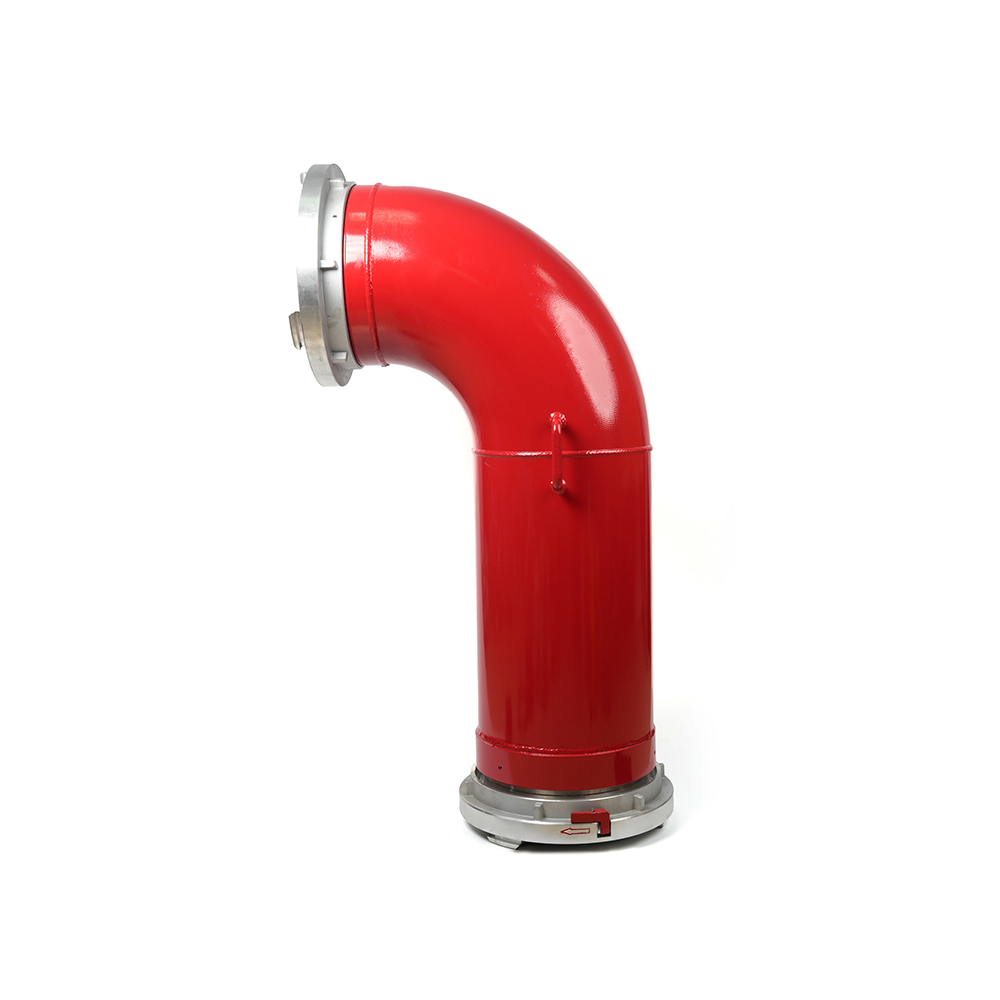 Grooved Fire Elbow-Storz
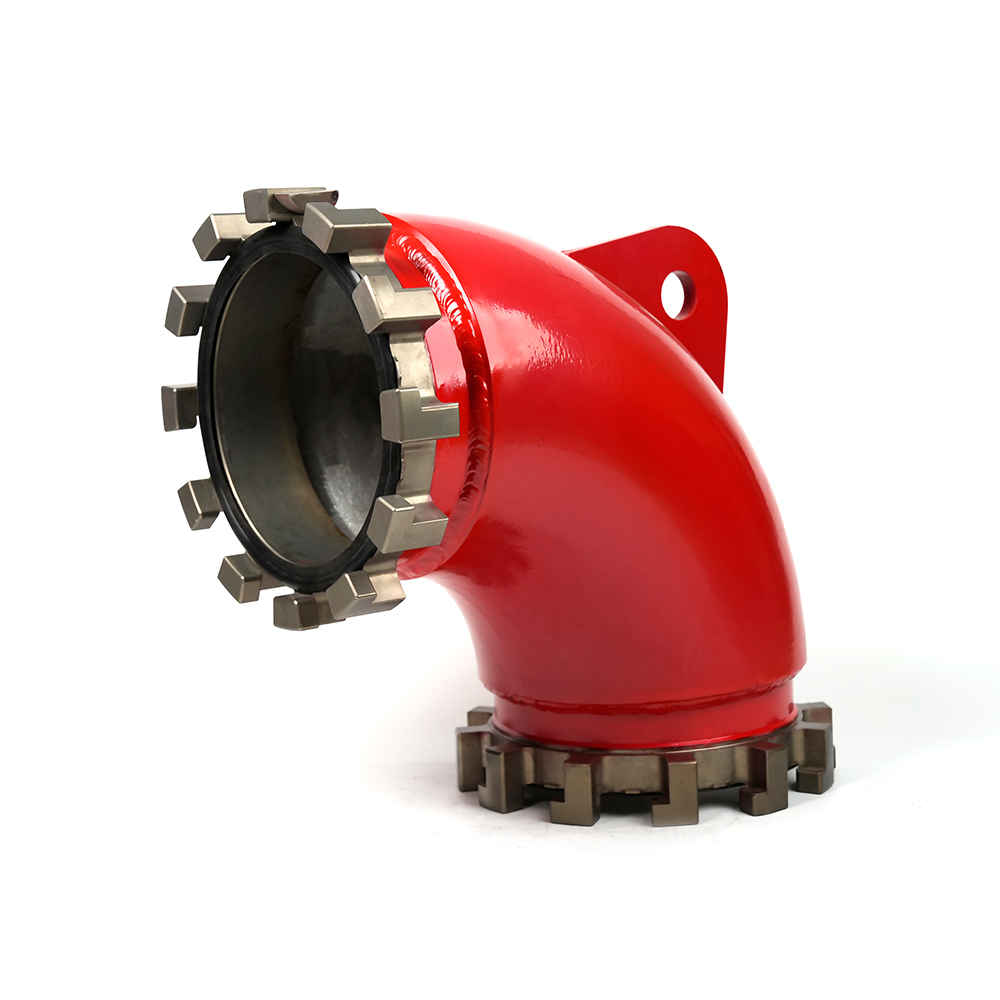 Grooved Fire Elbow-Multi-tooth
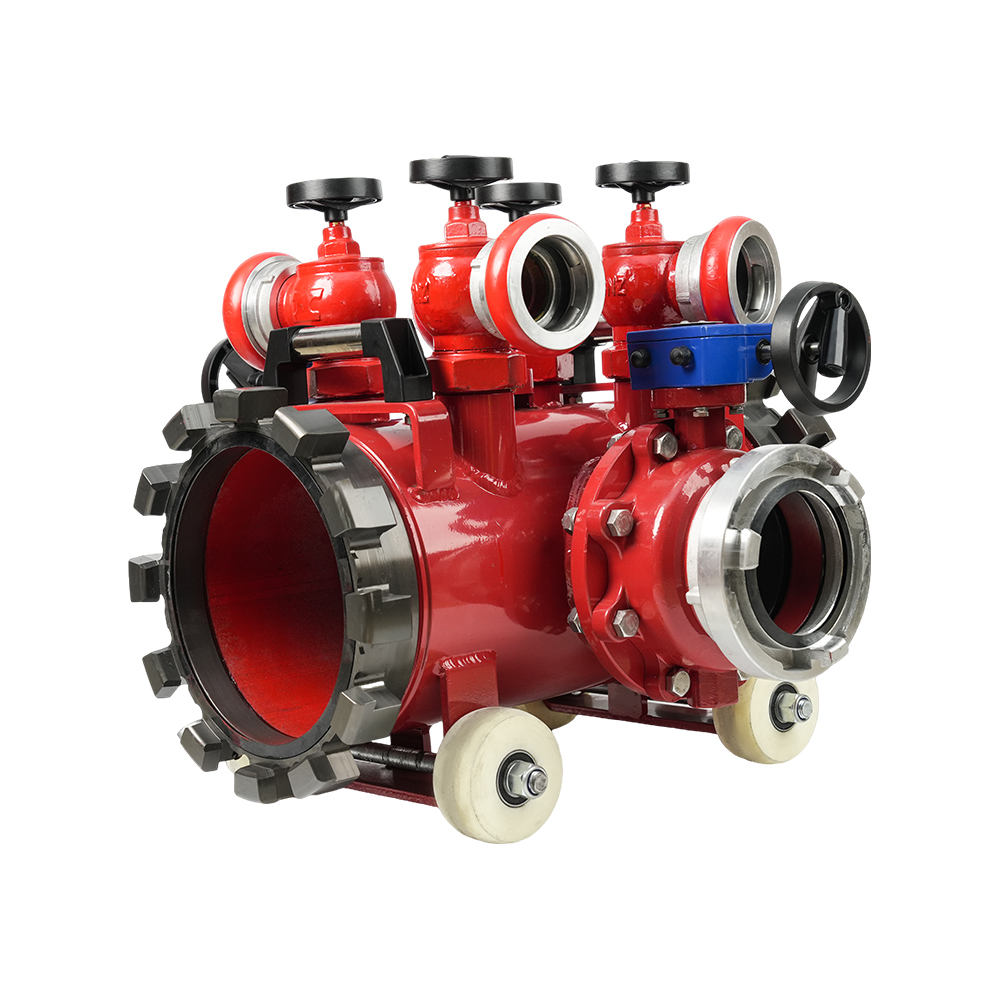 Multi-functional Fire Hose Distributor
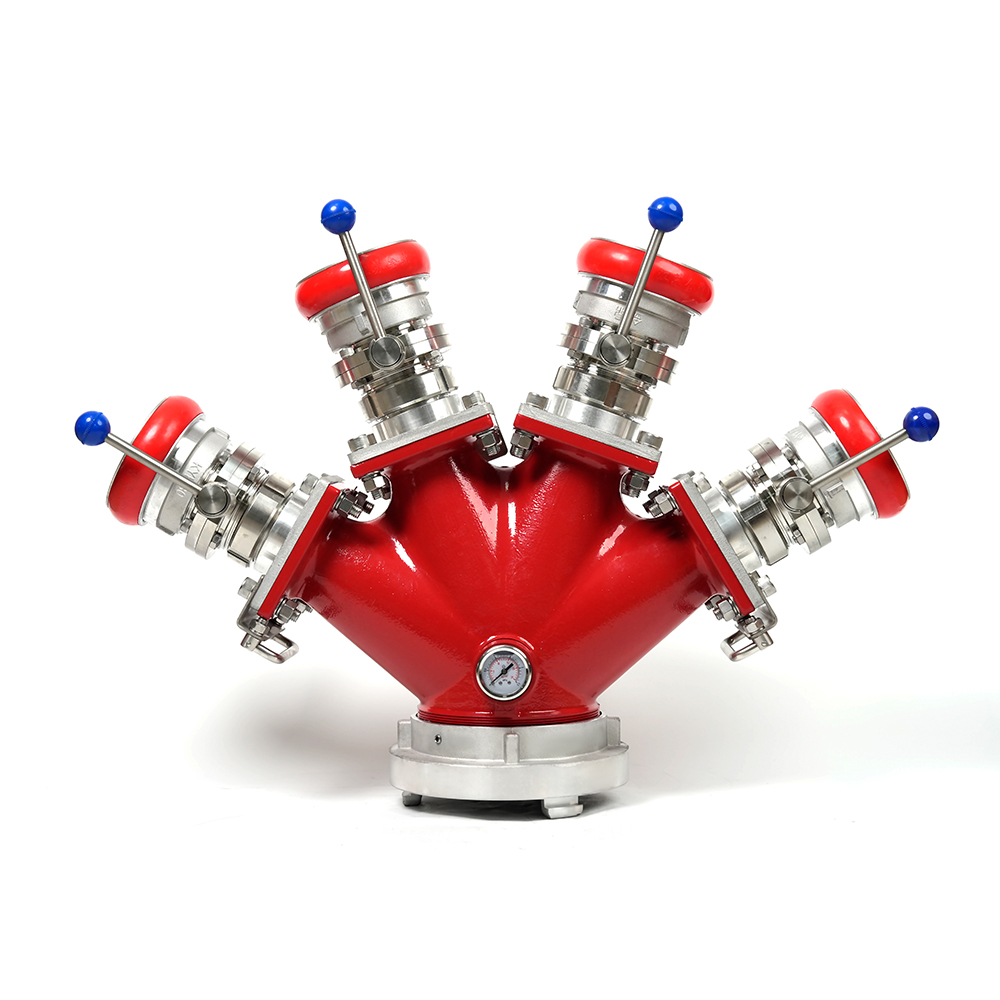 Locking Four-Way Fire Hose Distributor
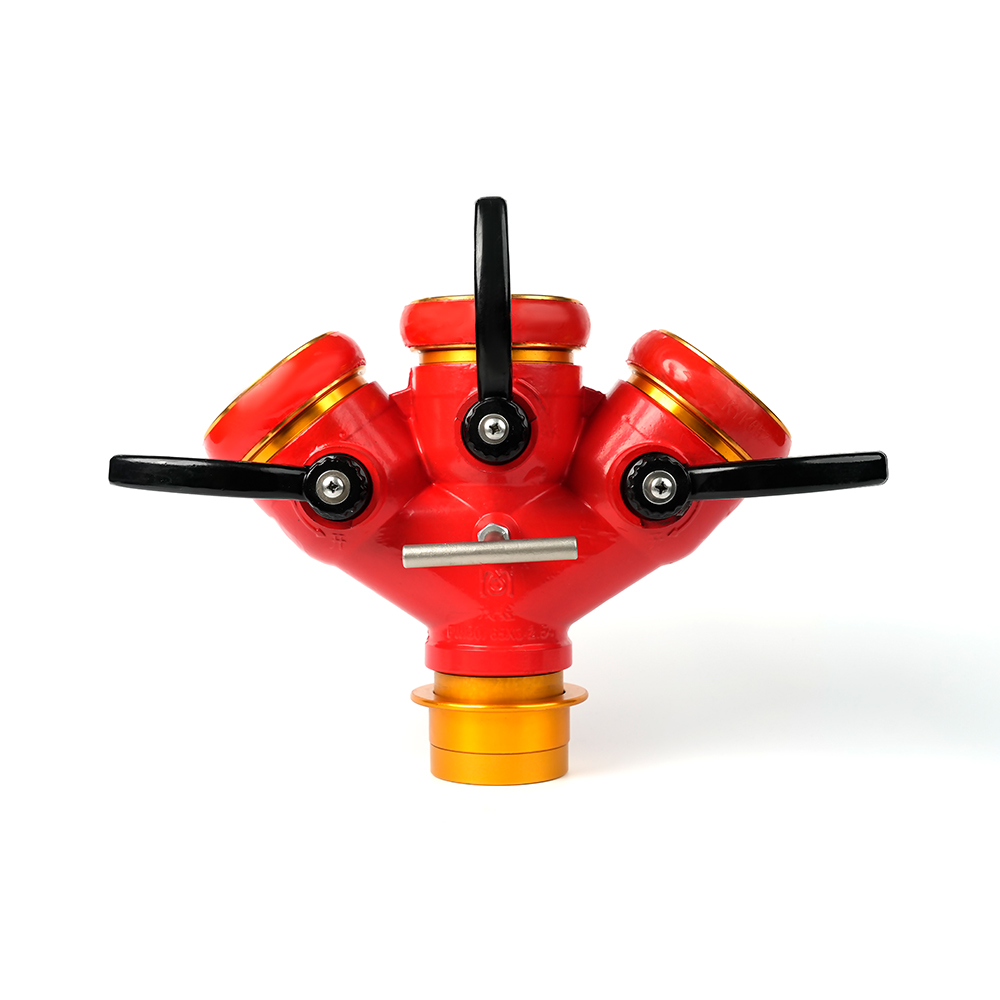 Locking Three-Way Fire Hose Distributor
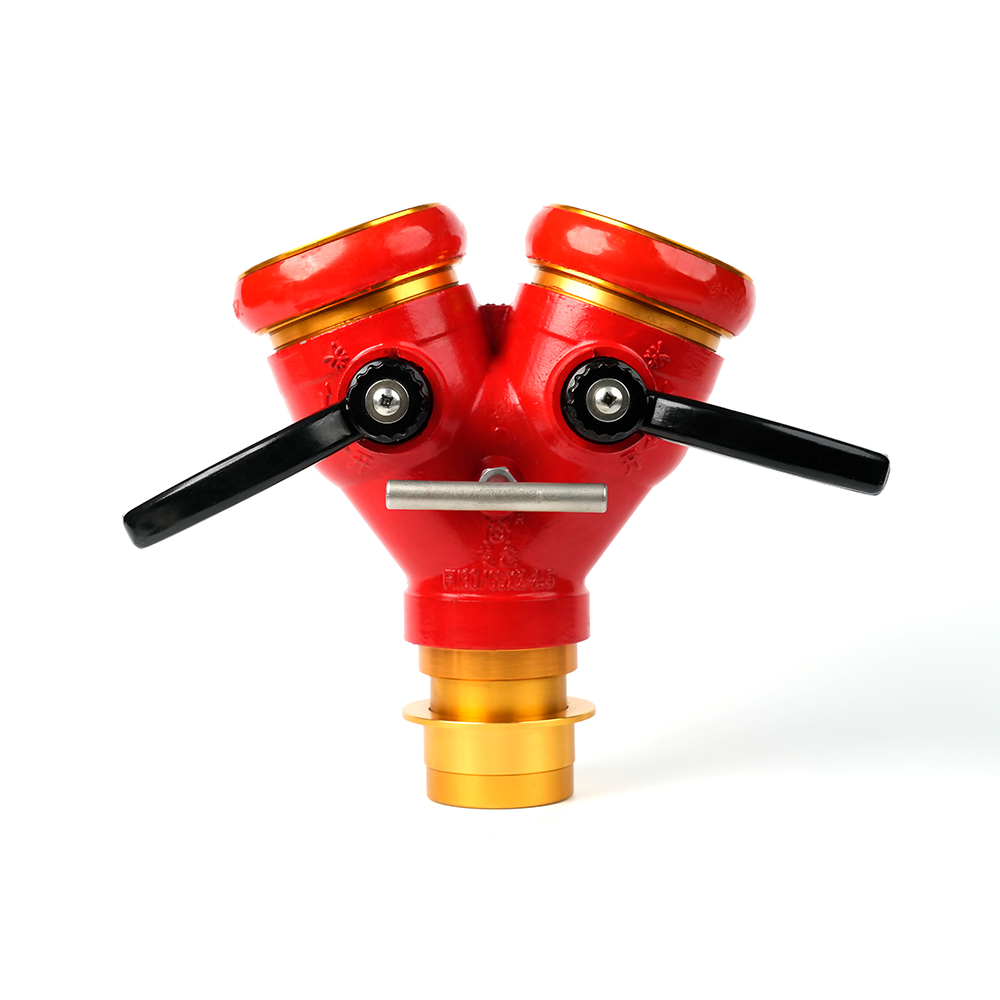 Locking Two-Way Fire Hose Distributor
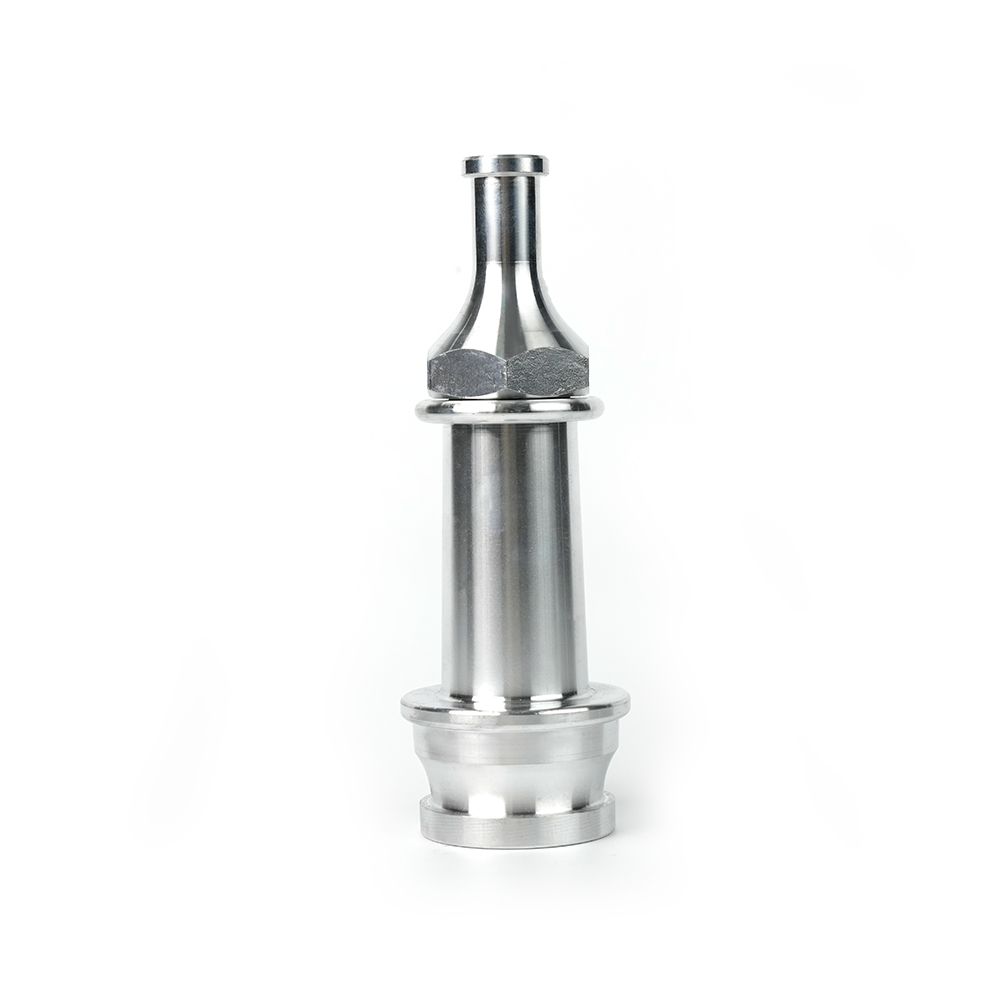 Straight Stream Nozzle
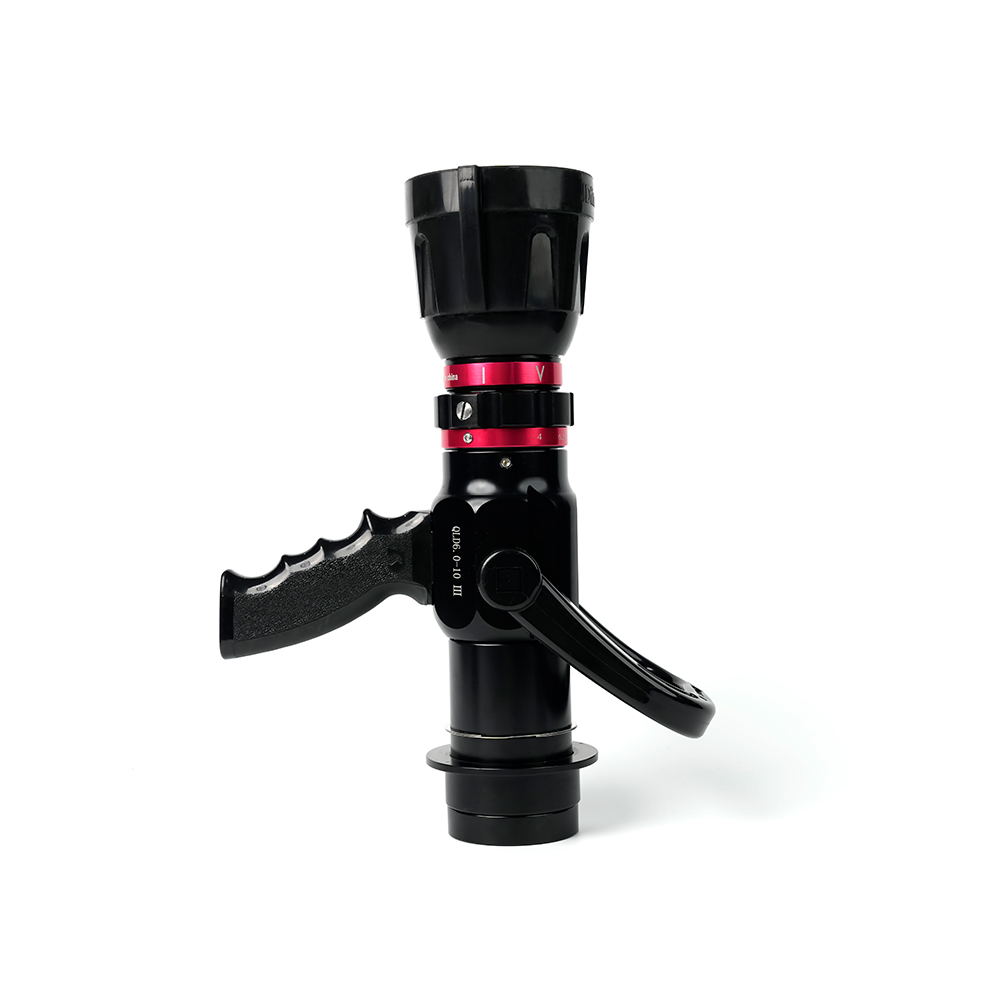 Adjustable nozzle-machino
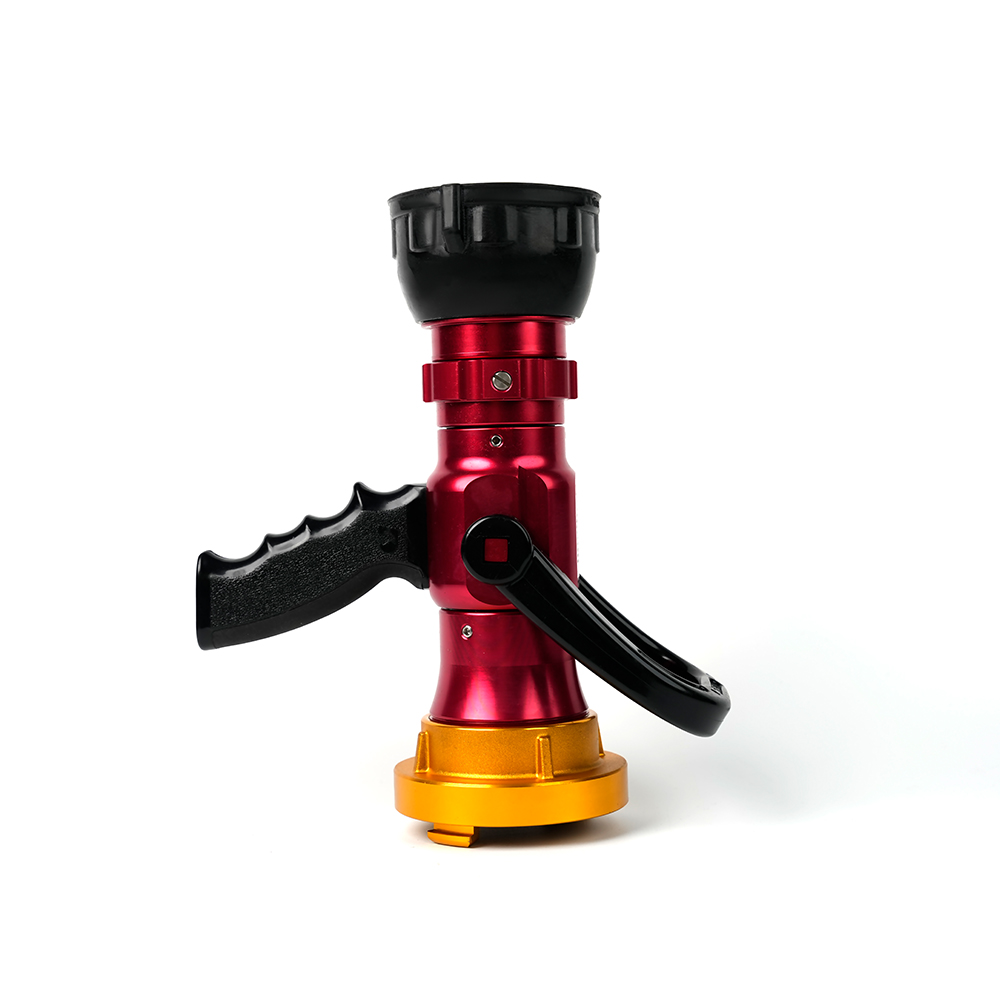 Adjustable nozzle-storz
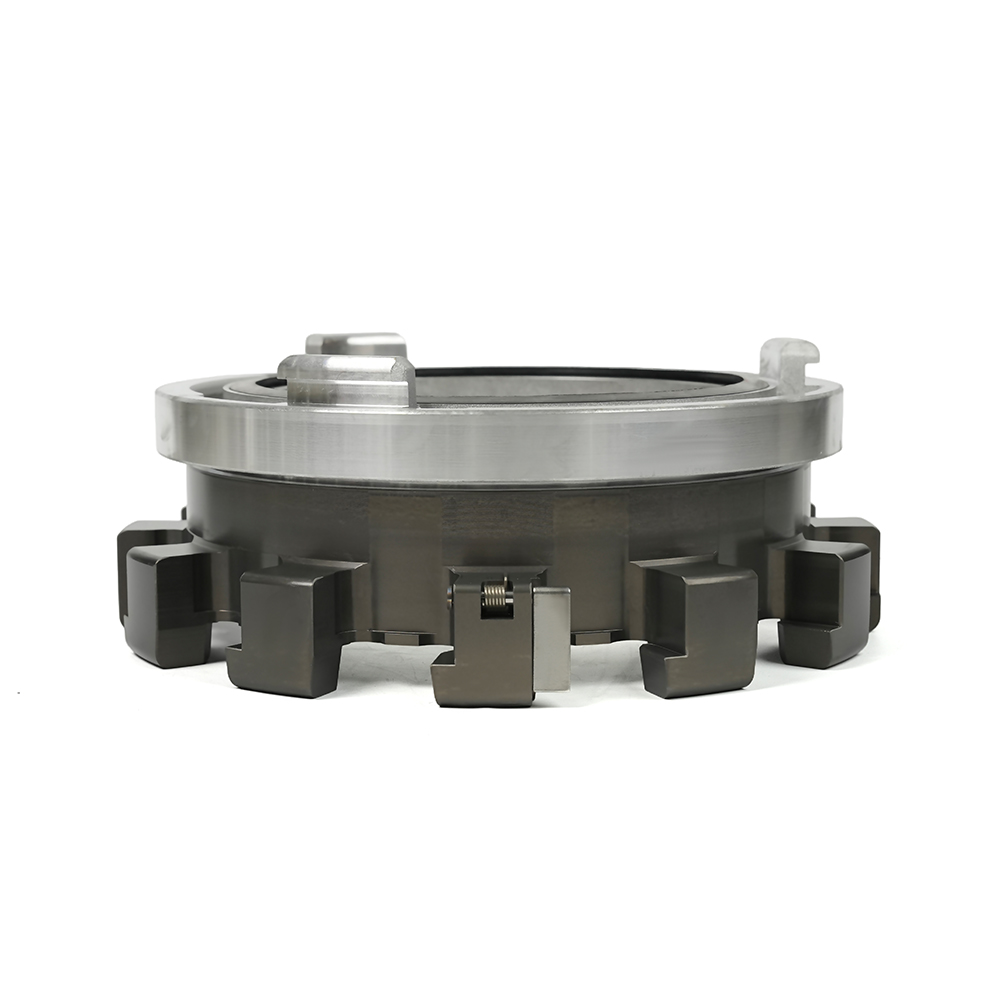 Storz Adapter Couplings - Multi-Tooth
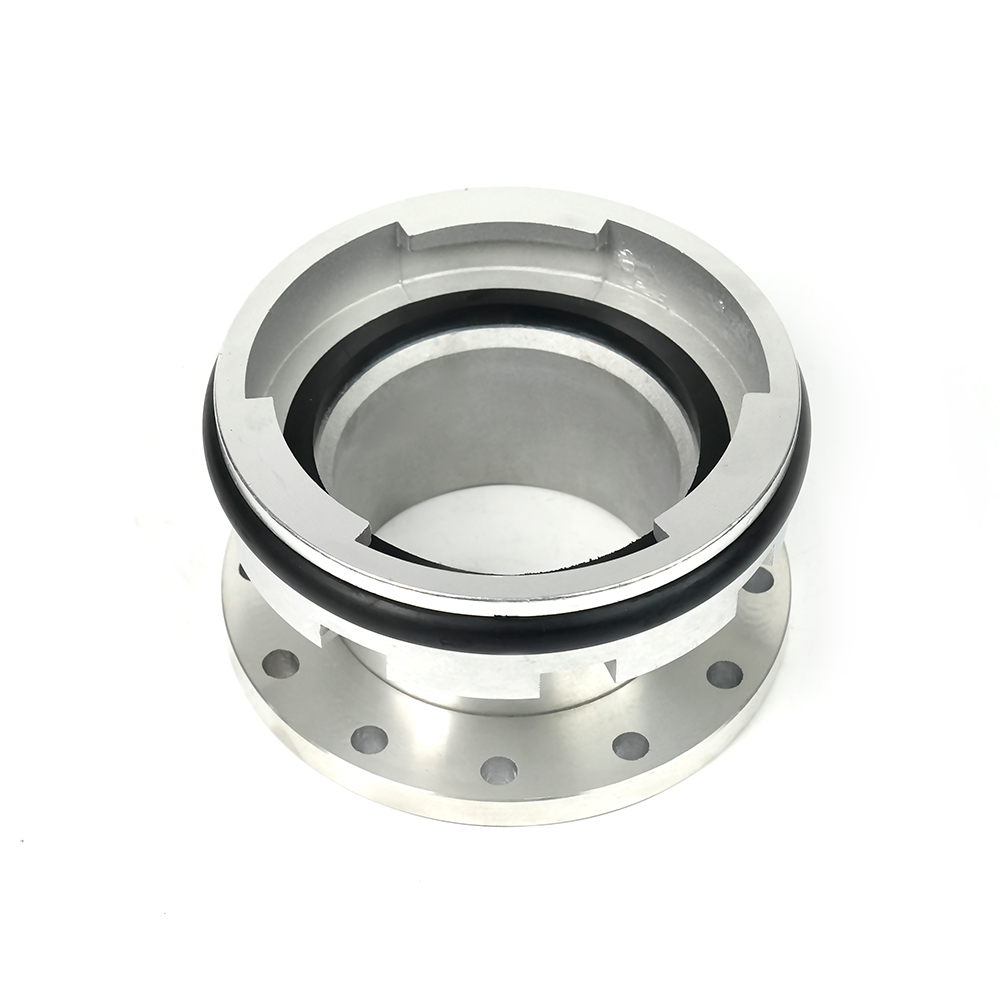 Machino Adapter Couplings – Flanged
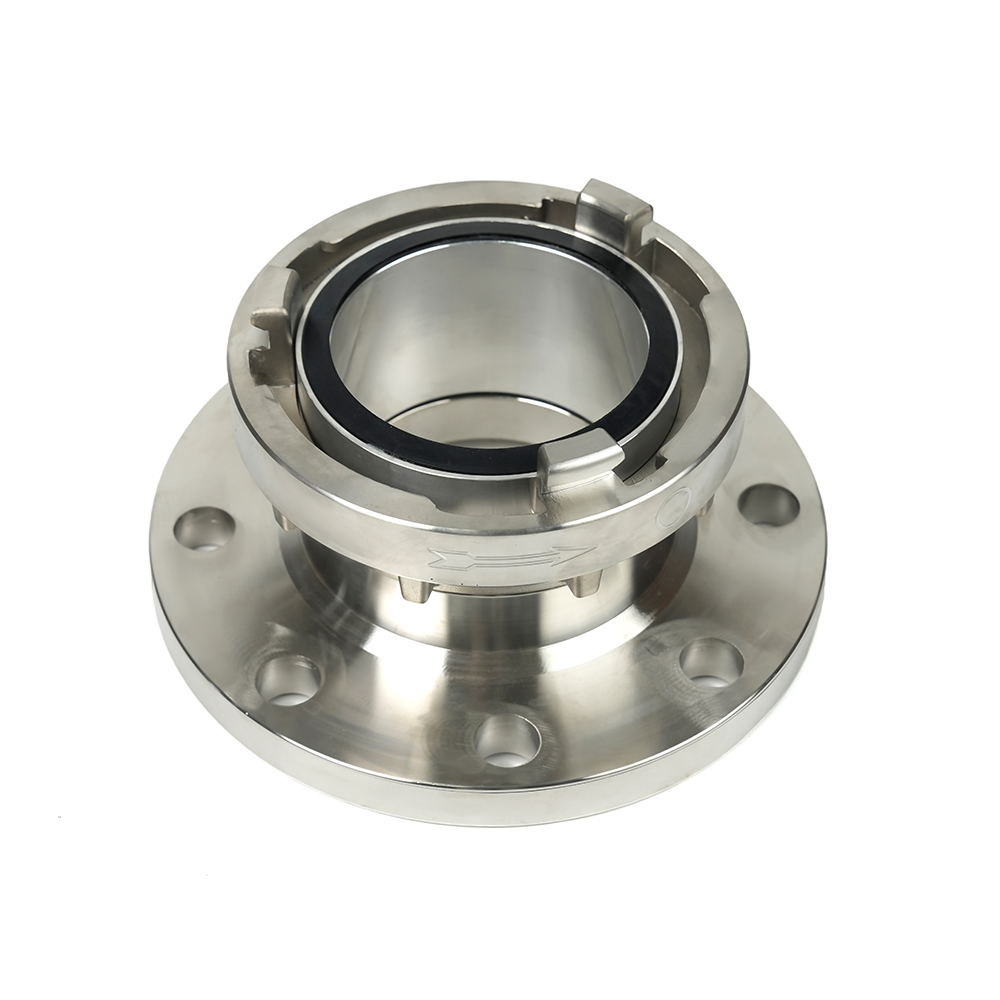 Storz Adapter Couplings – Flanged

 Contact Number
+86-0523-83274900
+86-151 9064 3365
 Let our team offer you customs solutions.
 Company Address
West side of Hongxing Middle Road, Lincheng Street, Development Zone, Xinghua City, Jiangsu Province, China
Copyright @Jiangsu Jinding Fire Protection Technology Co., Ltd. All rights reserved Fire Protection Equipments Manufacturers
