 英语
英语 西班牙语
西班牙语 德语
德语Industry News
Home / News / Industry News / What is the difference between Storz couplings and cam-lock couplings?


+86-0523-83274900
+86-151 9064 3365
Content
Storz couplings and cam-lock couplings are currently the two most widely used quick couplings. The core difference lies in their connection mechanism: Storz couplings are symmetrical rotary locking couplings, engaging through mutual rotation; while cam-lock couplings are male/female lever-type clamping couplings, secured by cam arms on either side.
Storz couplings were originally invented by Carl August Guido Storz in 1882 and are widely used in fire protection systems in Europe and globally. Its biggest feature is its "male/female" designation, meaning any two couplings of the same specifications can be directly connected without concern for orientation.
The core advantages of Storz couplings:
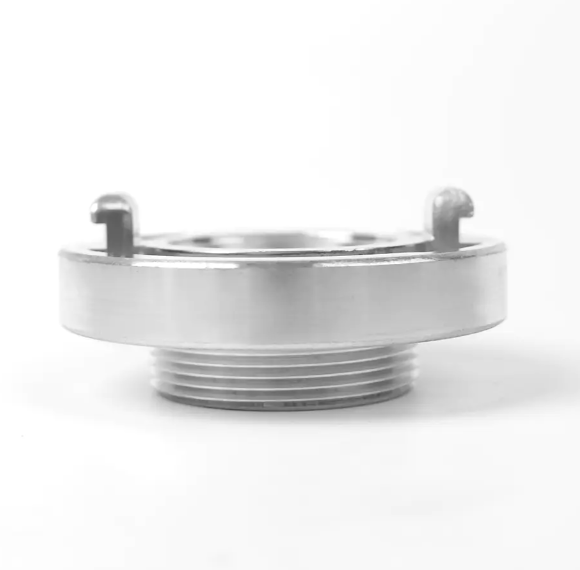
A camlock coupling (also known as a cam and slot coupling) is a connecting component that operates based on the principle of mechanical levers. It consists of a slotted male adapter and a female adapter with lever arms.
Features of Camlock Couplings:
When choosing between Storz couplings and cam-locking couplings, consider the following factors:
While both enable rapid pipe connections, Storz couplings dominate in fire protection and high-pressure transmission applications due to their unique symmetrical design. Cam locking couplings, on the other hand, have become increasingly popular in general industrial fields due to their diverse materials and intuitive operation.
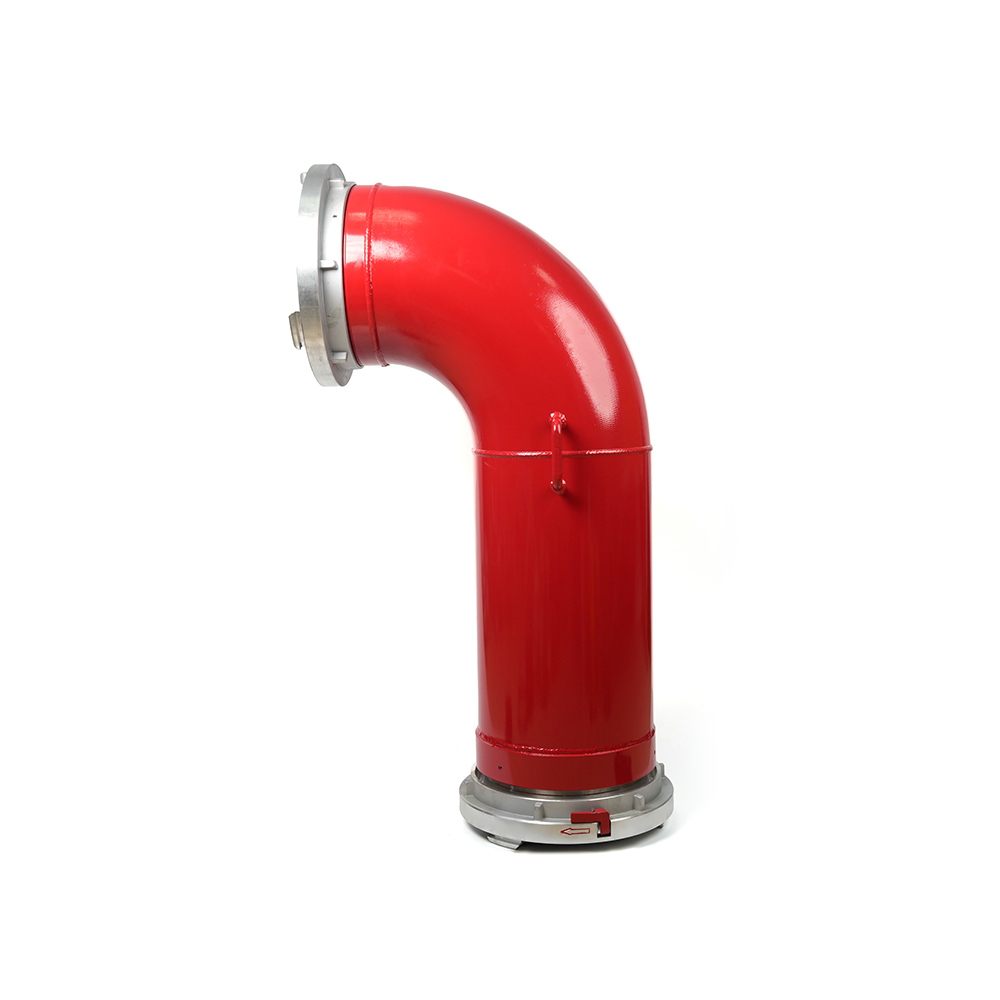 Grooved Fire Elbow-Storz
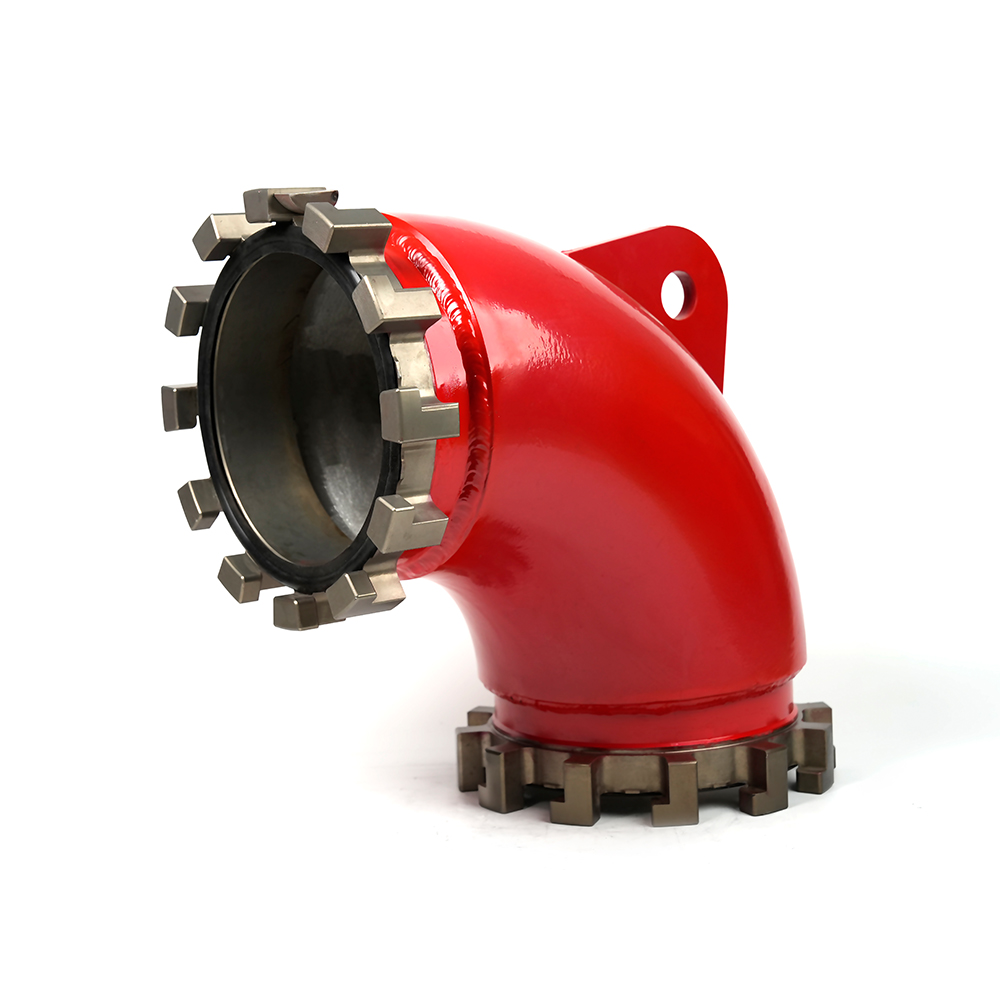 Grooved Fire Elbow-Multi-tooth
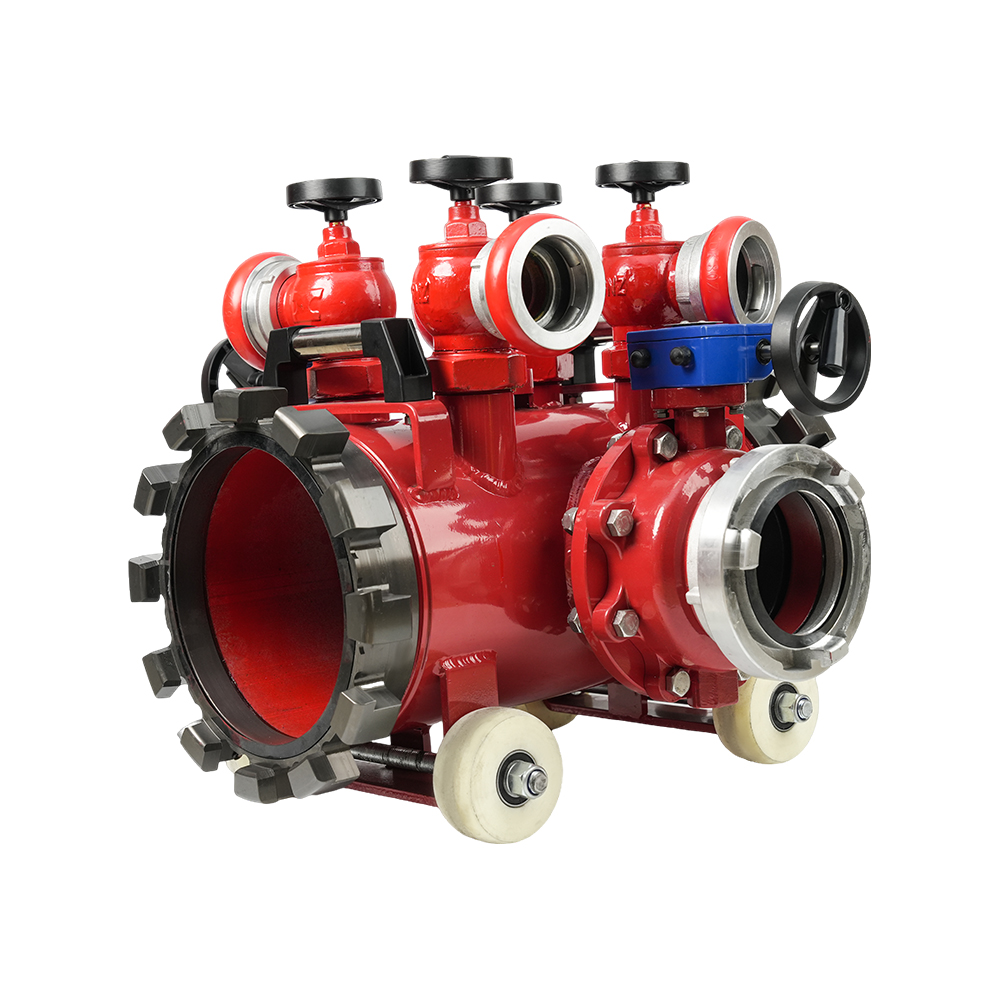 Multi-functional Fire Hose Distributor
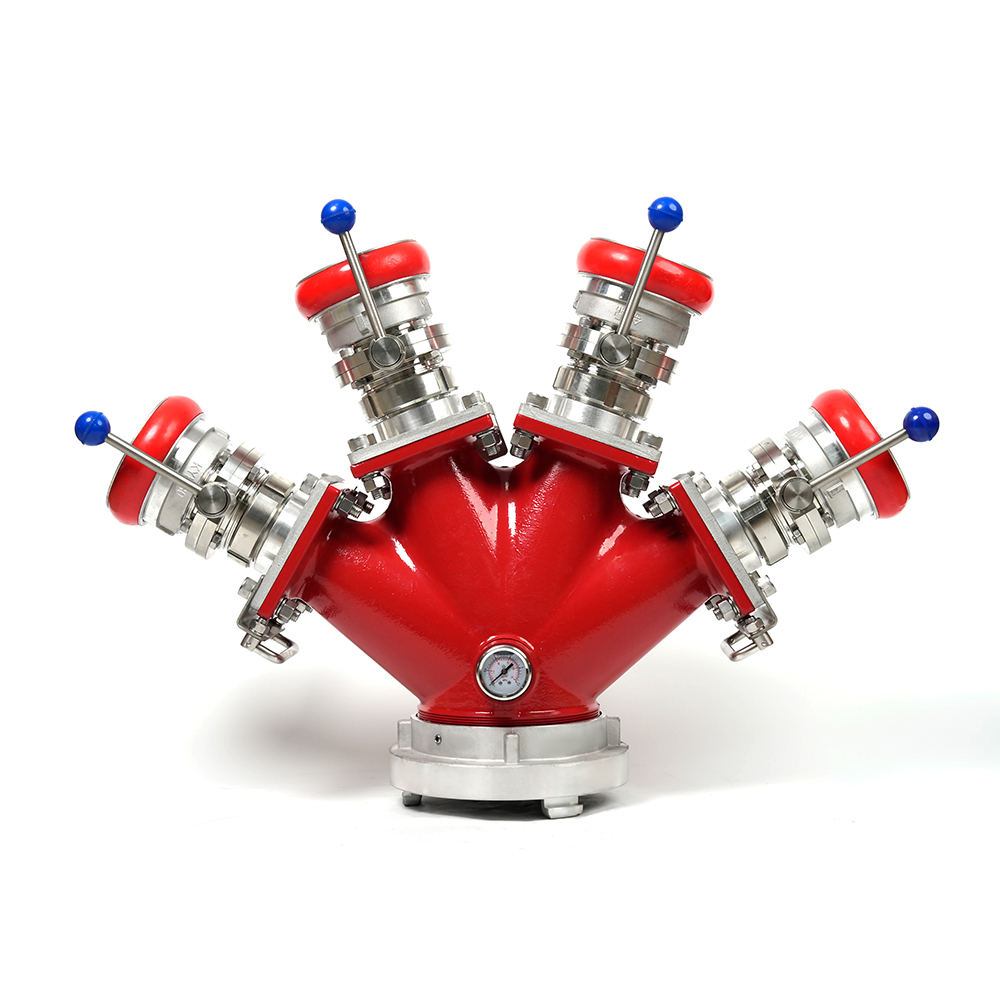 Locking Four-Way Fire Hose Distributor
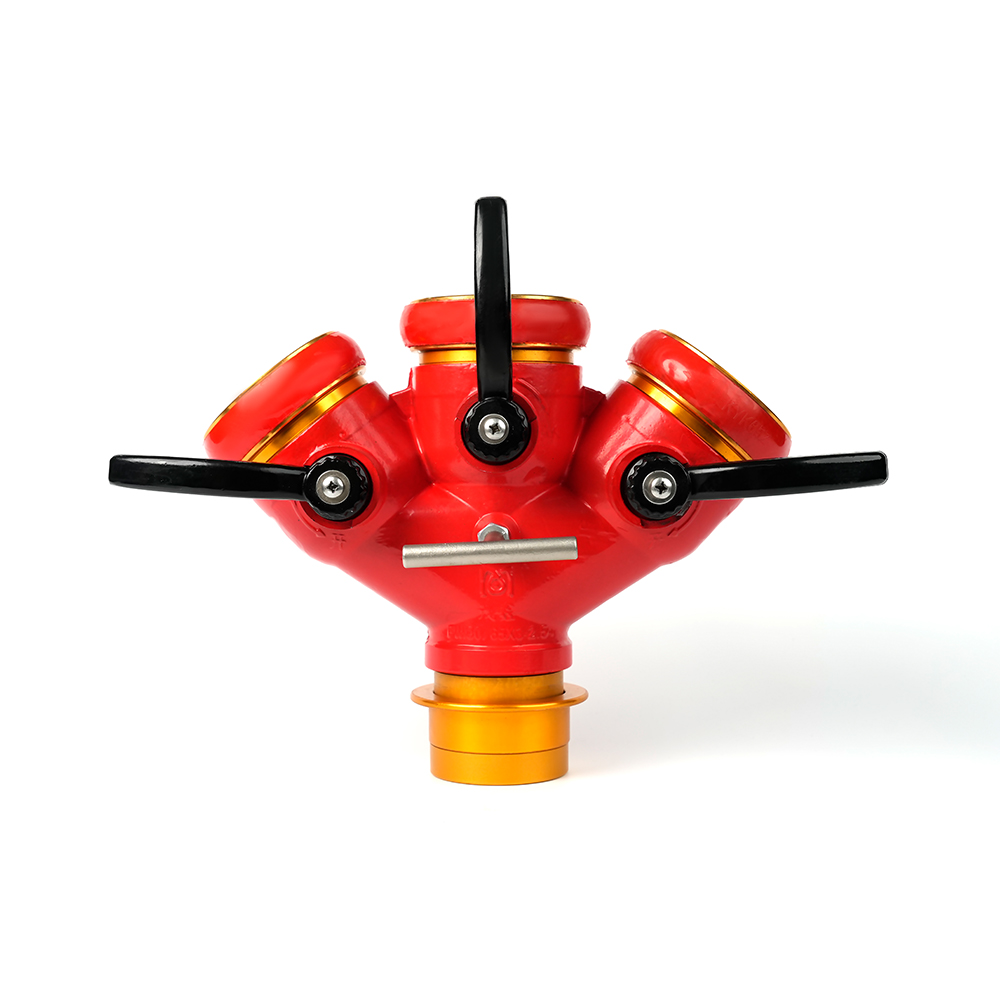 Locking Three-Way Fire Hose Distributor
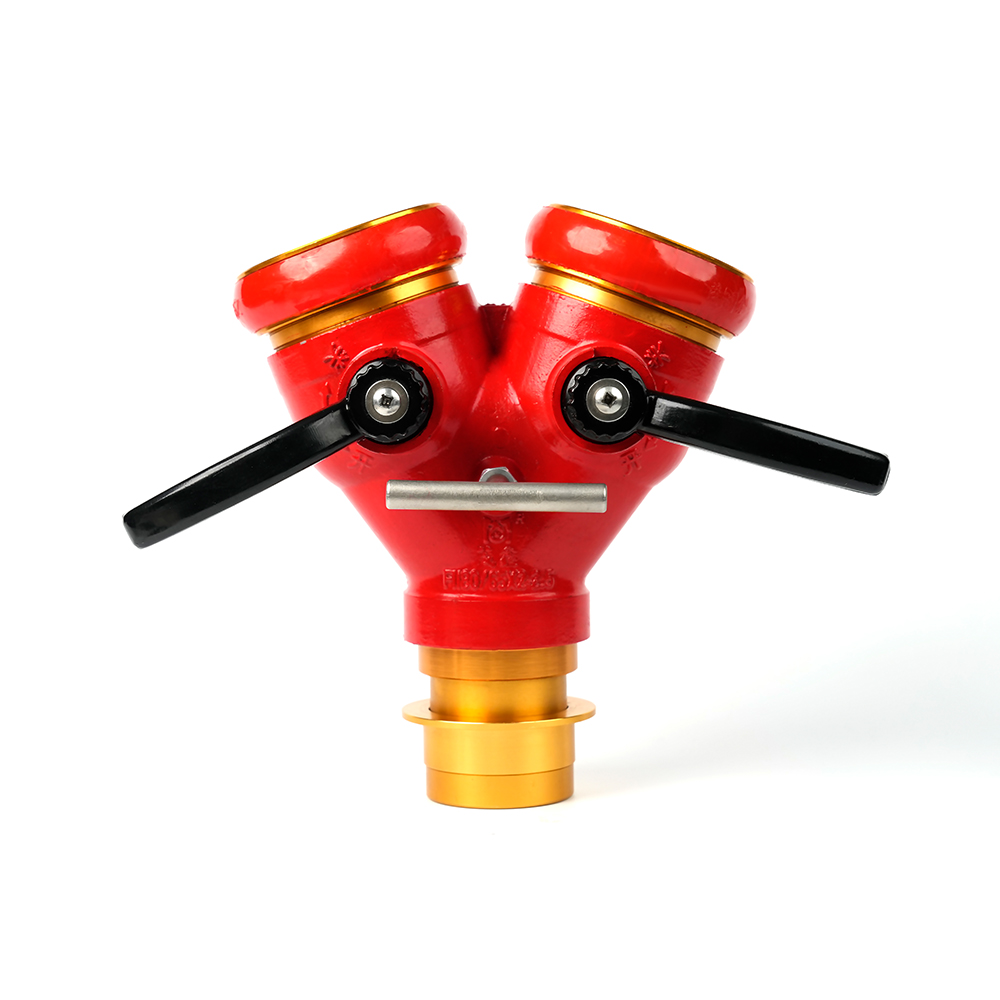 Locking Two-Way Fire Hose Distributor
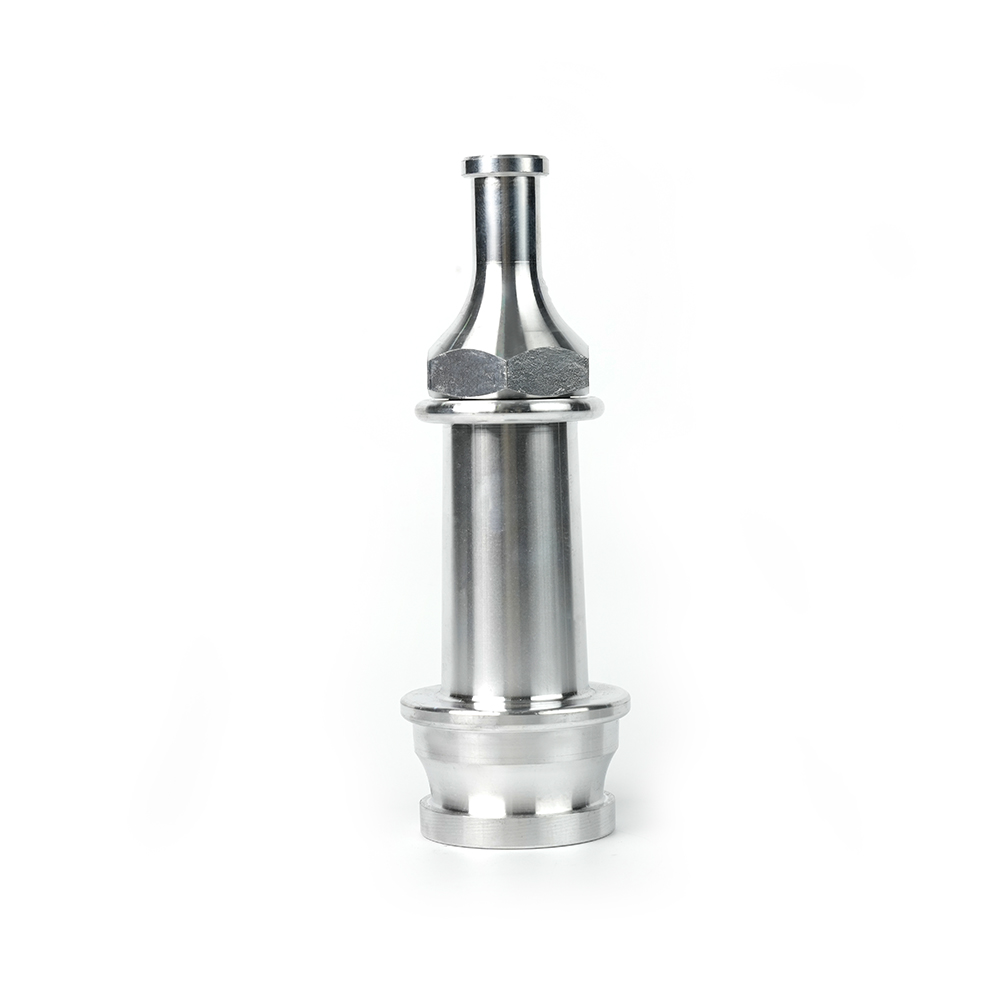 Straight Stream Nozzle
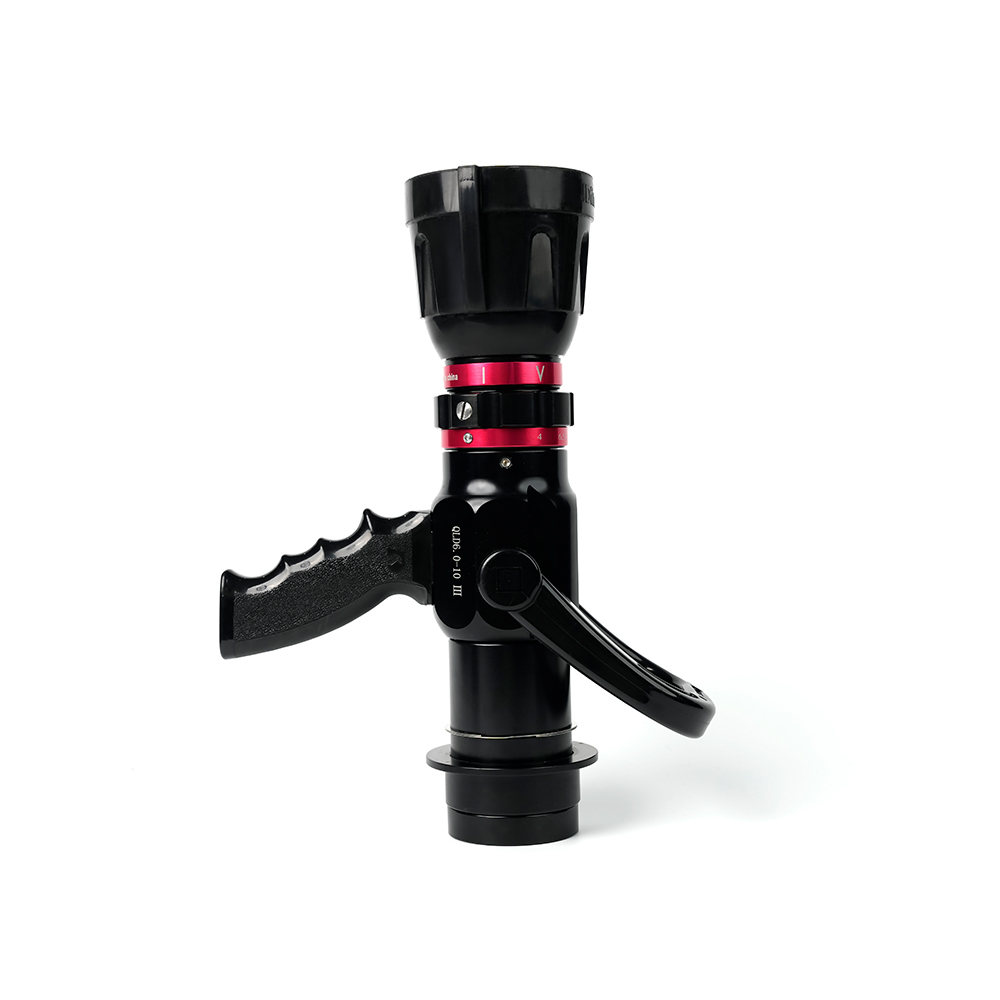 Adjustable nozzle-machino
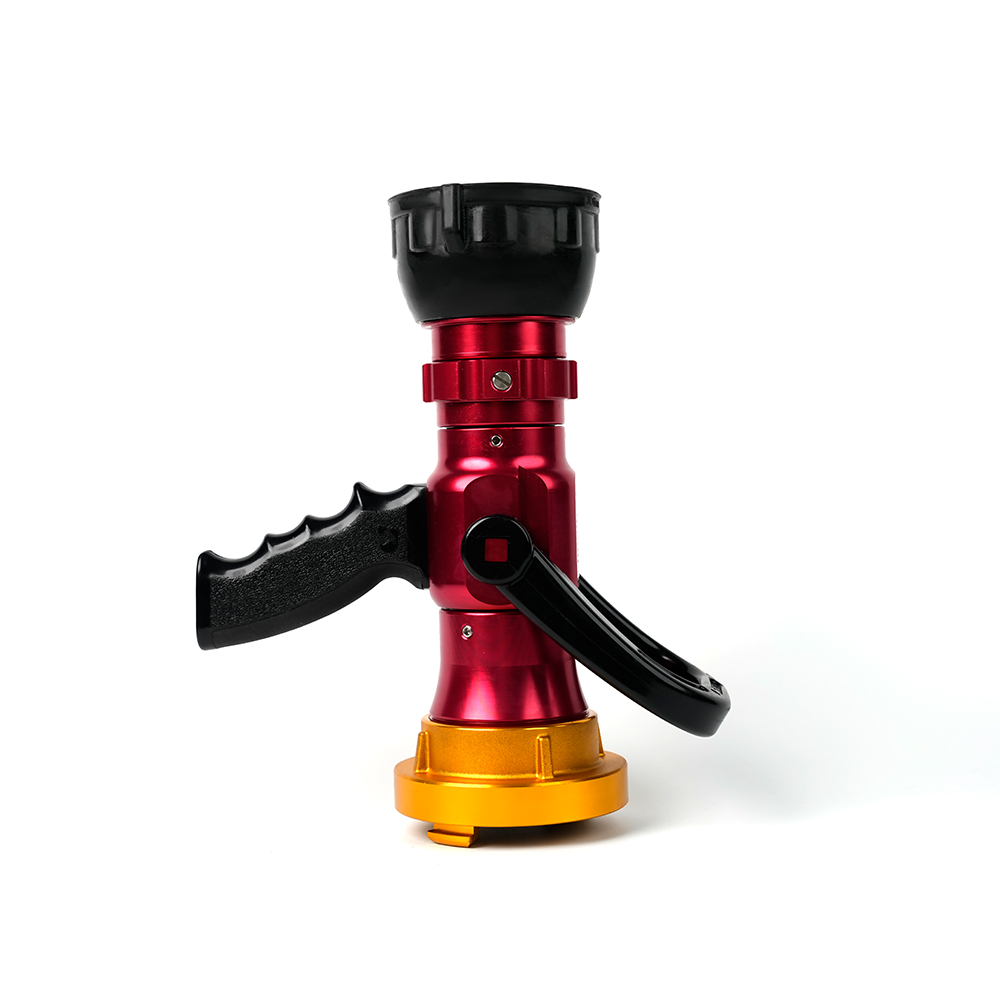 Adjustable nozzle-storz
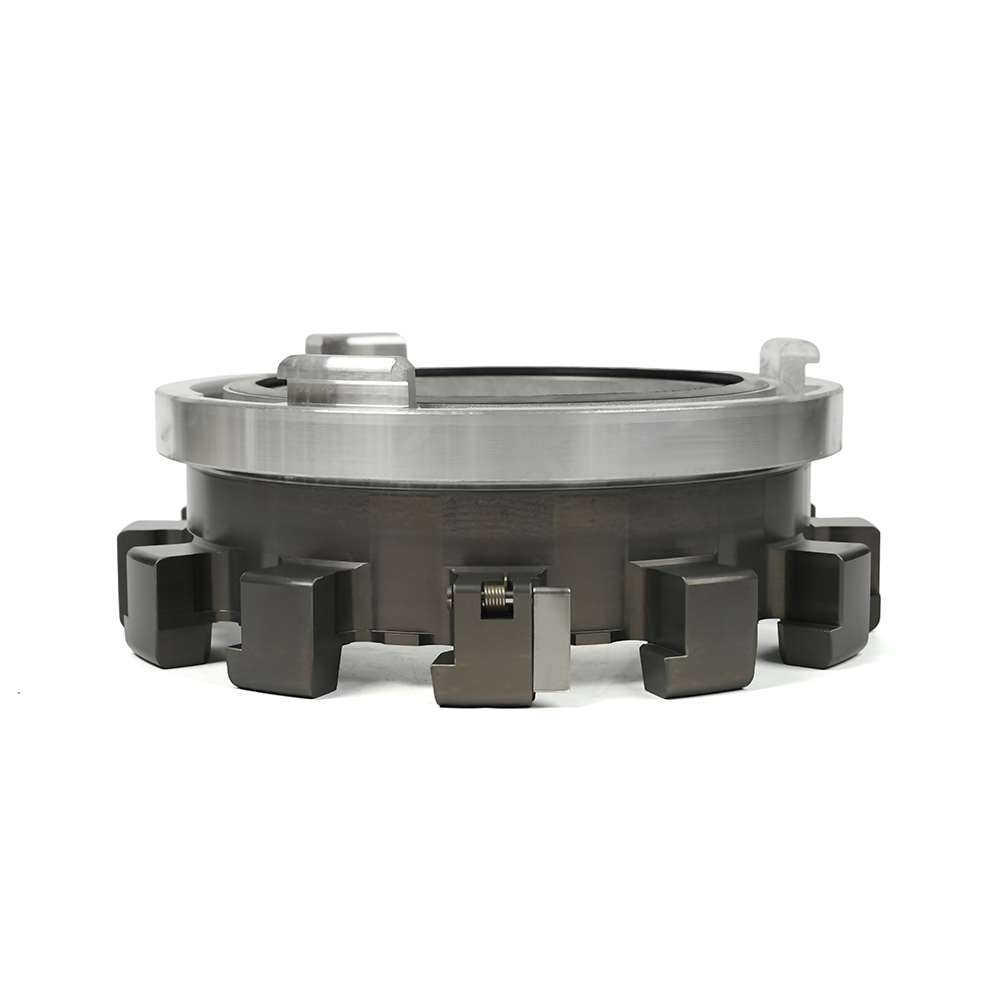 Storz Adapter Couplings - Multi-Tooth
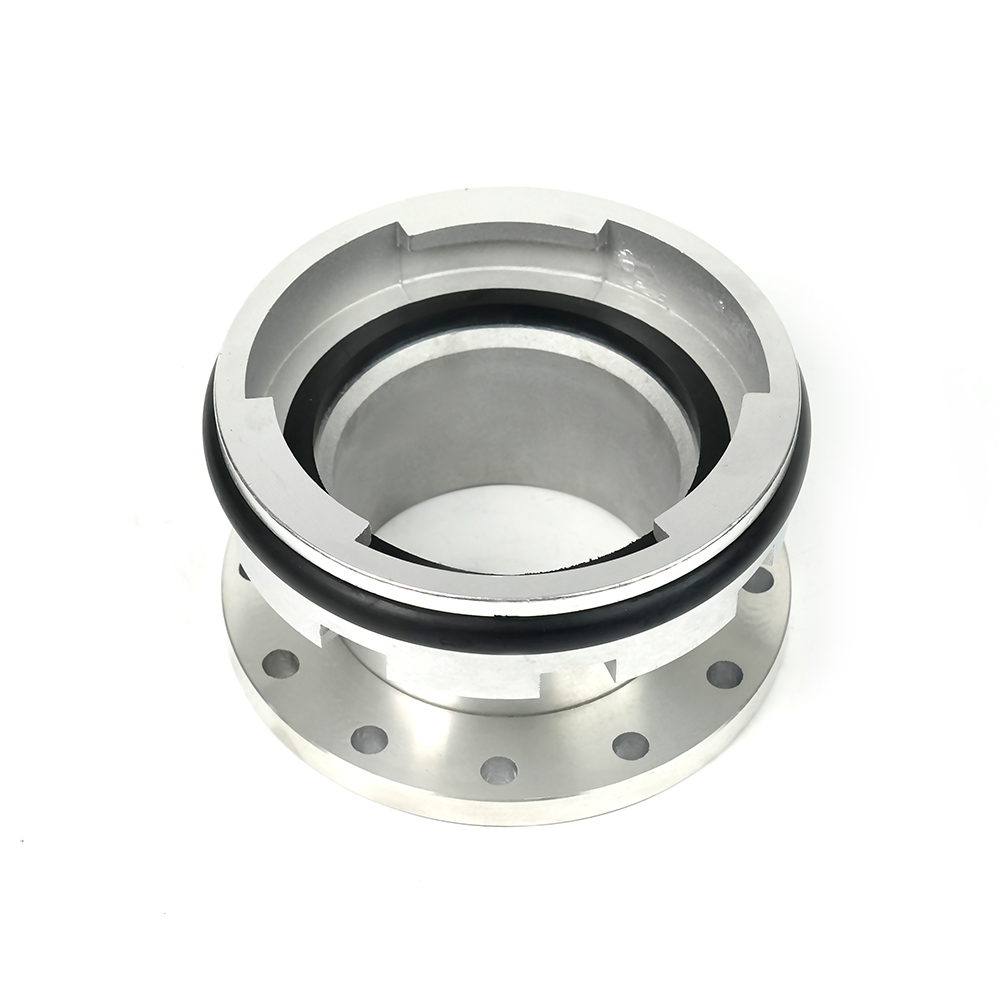 Machino Adapter Couplings – Flanged
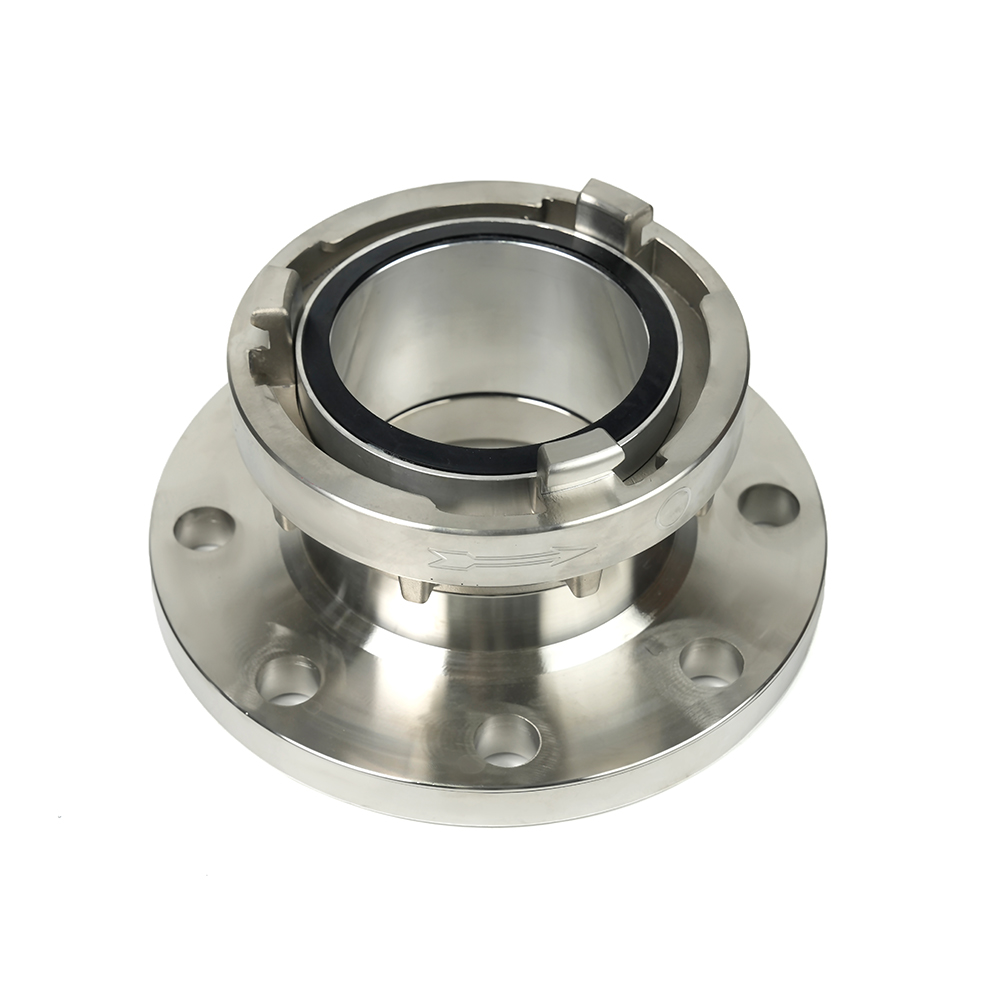 Storz Adapter Couplings – Flanged

 Contact Number
+86-0523-83274900
+86-151 9064 3365
 Let our team offer you customs solutions.
 Company Address
West side of Hongxing Middle Road, Lincheng Street, Development Zone, Xinghua City, Jiangsu Province, China
Copyright @Jiangsu Jinding Fire Protection Technology Co., Ltd. All rights reserved Fire Protection Equipments Manufacturers
